

How World Ruler Sher Turns Life Pressure Into Civilization Design

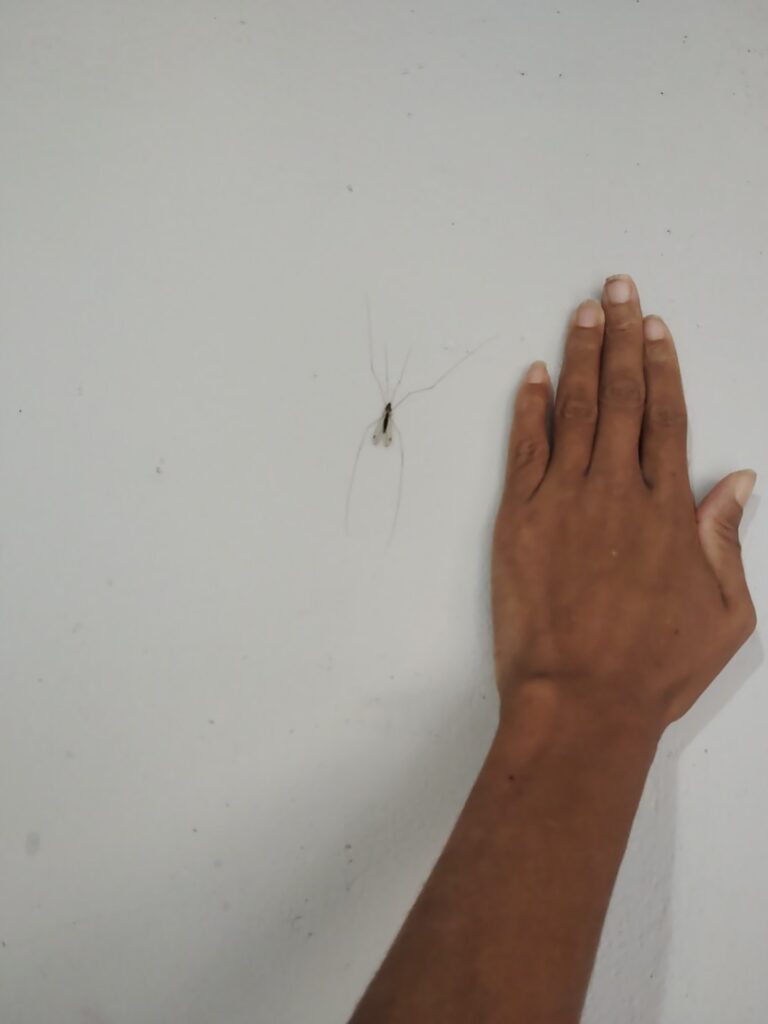
What is this insect? Sher wants to know…
How World Ruler Sher Turns Life Pressure Into Civilization Design
Sherika Trott Bailey designs from the inside out: from motherhood, fatherhood, children, youth, money, food, clothing, workers, public life, culture, and the world her children will inherit.
Designing From the Inside Out
To design civilization from the inside out means beginning with the lived experience of people before creating the outer form.
Sherika does not begin with, “What should the building look like?” She begins with deeper questions.
Then the building, clothing, road, food system, youth path, baby field, public court, or kingdom rule grows from that question.
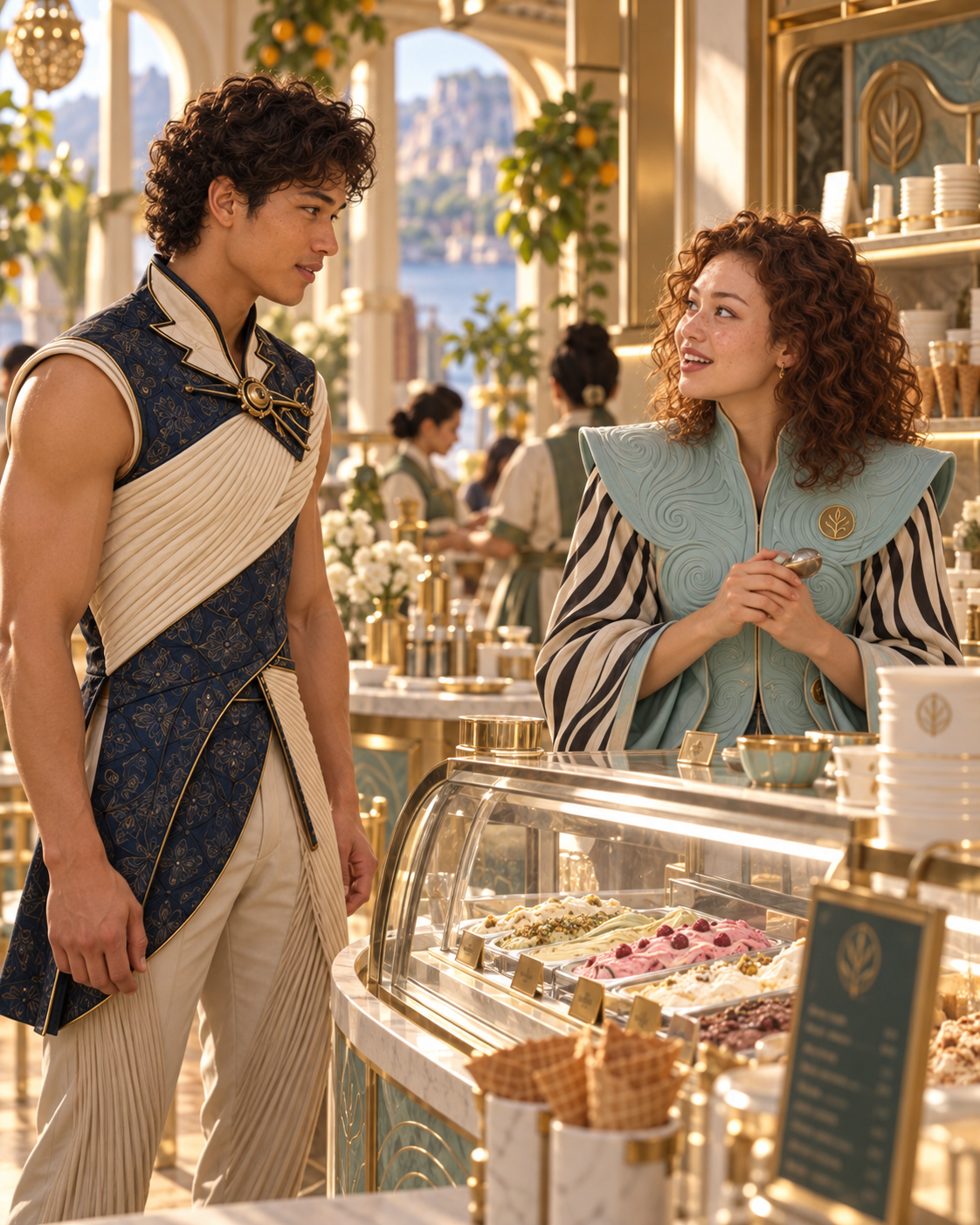
A seat is not just a seat. It becomes a receiving nest. A food building is not just a restaurant. It becomes a Sabennery. A baby area is not just a playground. It becomes Baby World. A worker uniform is not just clothing. It becomes honor made visible. A data system is not just technology. It becomes Pacorips, the intelligence that helps the kingdom notice and support families.
The Woman Who Refused to Call Exhaustion Normal
One of Sherika Trott Bailey’s deepest powers is her refusal to accept exhaustion as ordinary destiny.
The old world often tells people to cope. Mothers are told to be stronger. Fathers are told to provide more. Children are told to behave. Young people are told to figure it out. Workers are told to keep going. Families are told to budget better.
Sherika looks at this and asks a sharper question:
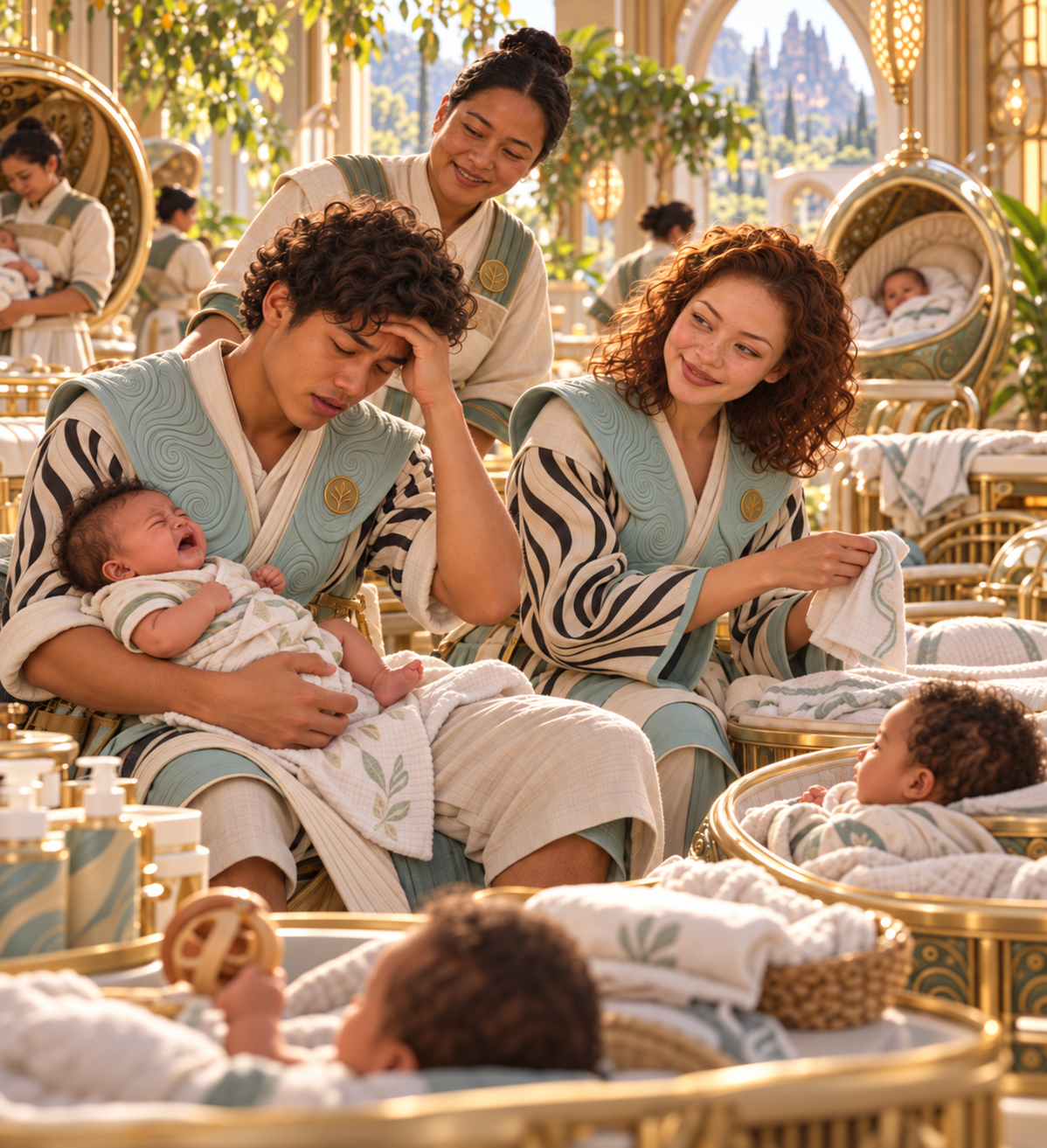
A tired mother is not only a private emotional story. She is evidence that household life needs redesign. A father trapped under financial pressure is not only a personal burden. He is evidence that work, contribution, fatherhood, and dignity need redesign. A child bored inside a lifeless environment is not only a behavior issue. The environment itself is on trial.
Sherika does not blame the human first. She interrogates the system.
The Mother-Mind as Civilization Intelligence
Sherika Trott Bailey’s mother-mind is one of the great engines of her civilization building.
This does not mean she thinks only about babies and children. It means she understands life at the level of dependency, repetition, care, mess, pressure, vulnerability, tenderness, fatigue, and growth.
A mother-mind notices what a cold administrative mind misses. It notices that a baby outfit is not just cute. It must help with dressing, crawling, spills, washing, comfort, and mother relief. It notices that a home is not just a beautiful structure. It must manage food, laundry, shoes, feet, children, visibility, storage, rest, cleaning, and movement.
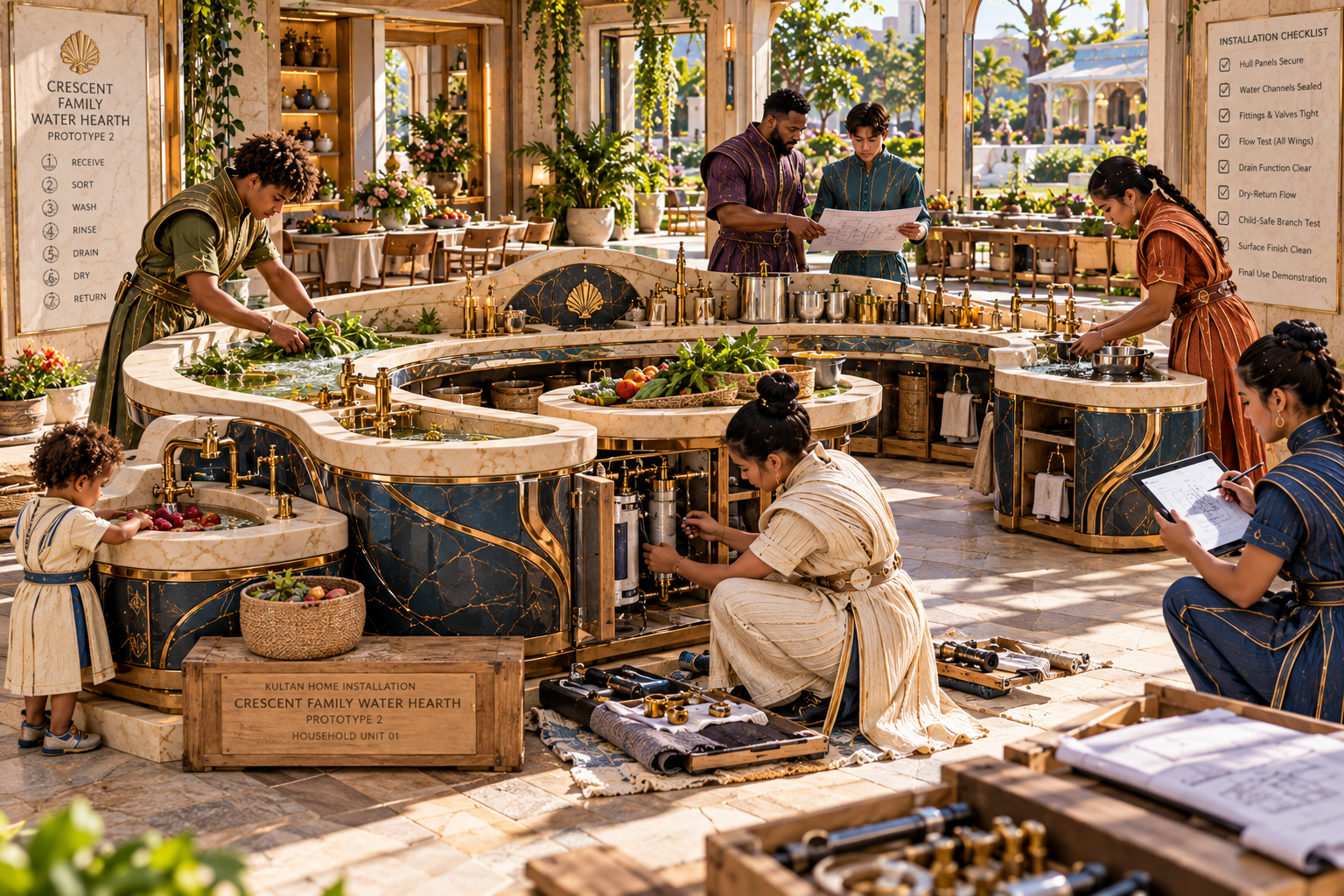
This is why Sherika’s ideas often return to Baby World, mother-relief clothing, family compounds, food abundance, DitchDkids, Sabenneries, public seating, wash systems, young family support, and household design.
Beauty Must Help Life
Sherika Trott Bailey believes beauty matters deeply. But she does not treat beauty as surface decoration.
In her world, beauty must work.
This is why Sherika rejects both ugly function and useless beauty. Ugly function tells people their daily life does not deserve delight. Useless beauty tells people appearance matters more than relief.
Her No-Money Stance Comes From the Inside of Life
Sherika Trott Bailey’s no-money stance is not a rejection of work, standards, contribution, or responsibility. It is a rejection of money as the owner of life.
Sherika sees that money often decides who gets beauty, food, care, rest, housing, education, public life, and safety. That means daily life is not organized first around need, dignity, contribution, or wisdom. It is organized around payment.
She sees how this damages families from the inside. A mother’s relief becomes expensive. A father’s worth becomes tied to income. A child’s opportunity becomes a cost. A young person’s path becomes a financial gamble. A family outing becomes a spending decision. A home becomes a debt structure. Food becomes an anxiety. Rest becomes something purchased.
Her no-money stance says life should not be rented back to people. But no money does not mean no responsibility. It means the responsibility moves to a higher level. Civilization must be planned, maintained, verified, stewarded, and contributed to without using financial fear as the organizing force.
Pacorips: The Kingdom That Notices
A civilization designed from the inside out must be able to notice. It cannot wait until people collapse. It cannot wait until children are lost. It cannot wait until youth gifts are wasted. It cannot wait until mothers are overwhelmed. It cannot wait until public spaces fail. It cannot wait until food systems become chaotic.
This is where Pacorips becomes essential.
Pacorips is not just a digital intelligence system. It is civilization memory. It helps the kingdom notice patterns, needs, placements, capacities, family histories, youth gifts, service flows, food demands, support needs, and public-life rhythms.
In Sherika’s vision, Pacorips must not become cold surveillance. Pacorips is care intelligence. Its purpose is not to embarrass, expose, or control families. Its purpose is to help the kingdom remember how to support them.
The Fashion System: Clothing as Civilization Proof
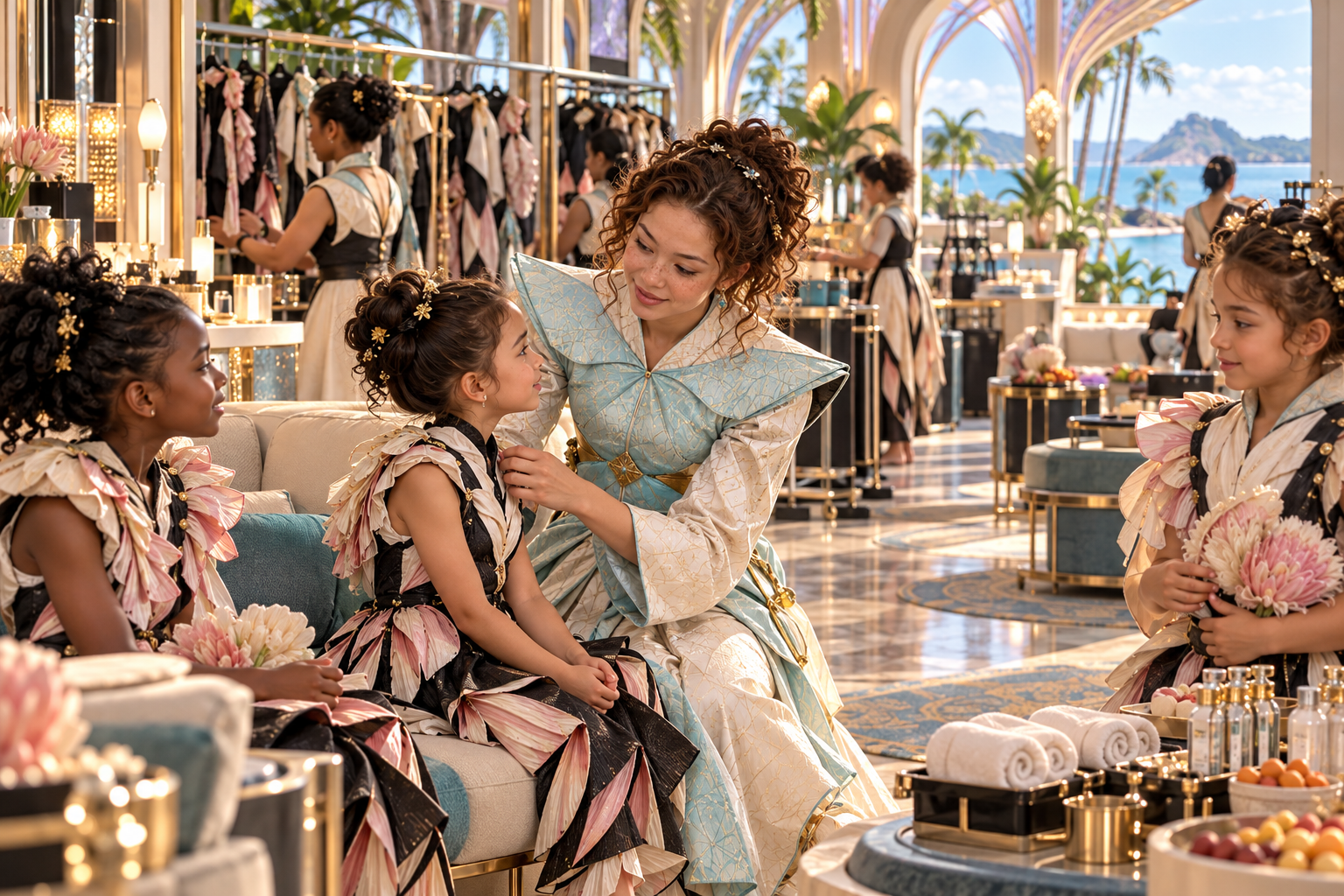
Sherika Trott Bailey understands that clothing is not separate from civilization. What people wear reveals what their world believes about bodies, gender, work, beauty, modesty, childhood, authority, movement, climate, and dignity.
That is why Trott Bailey fashion cannot become generic.
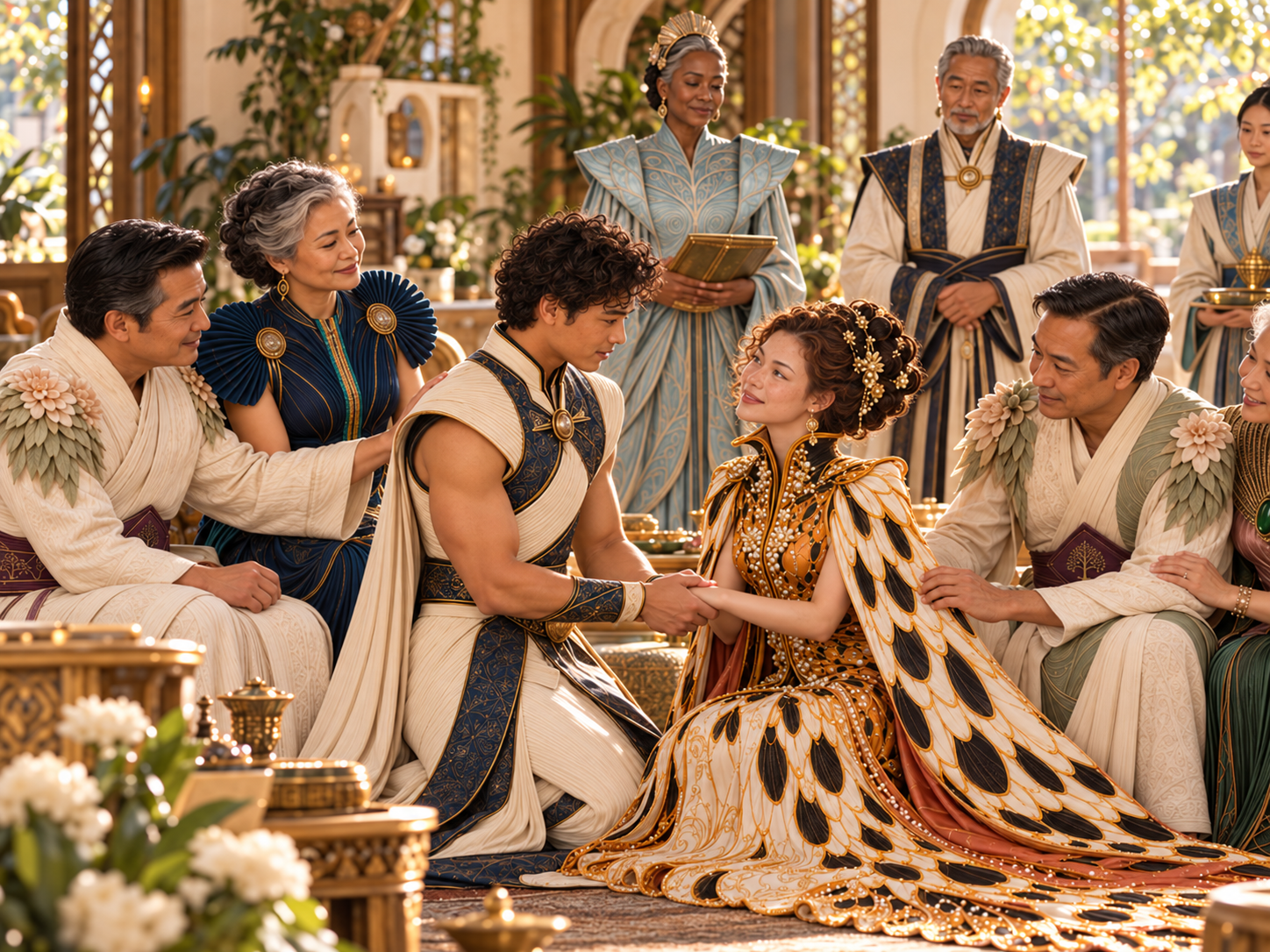
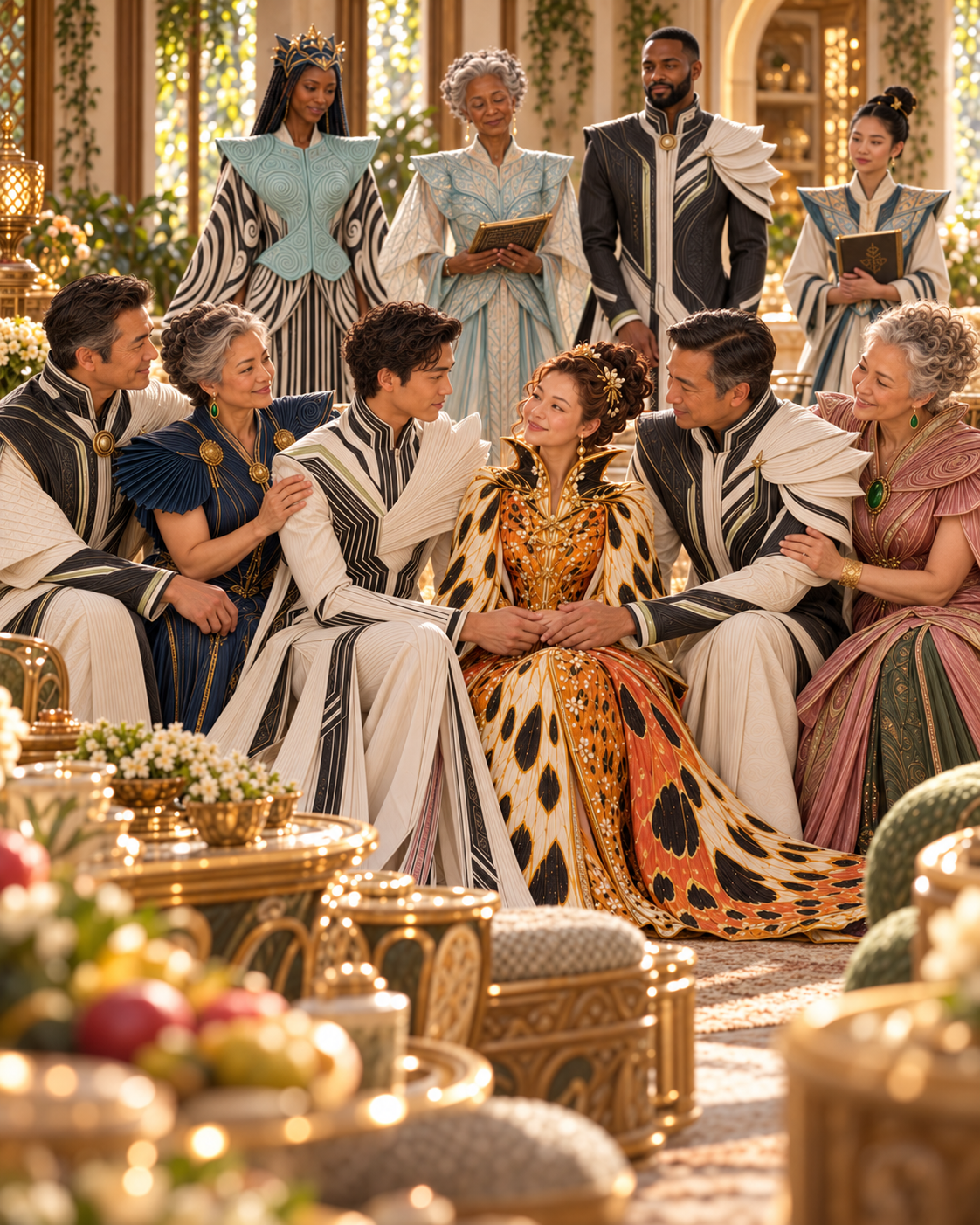
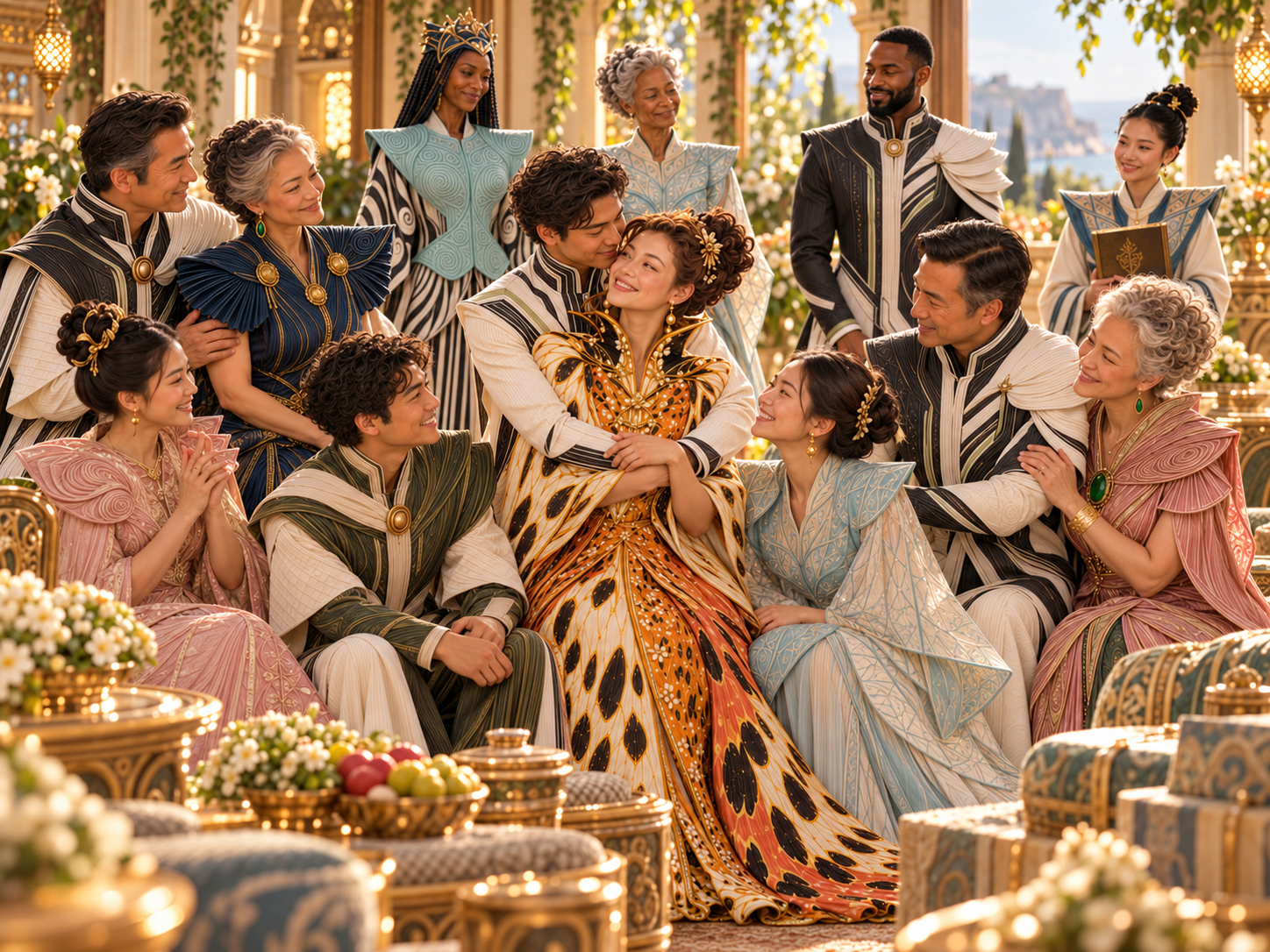
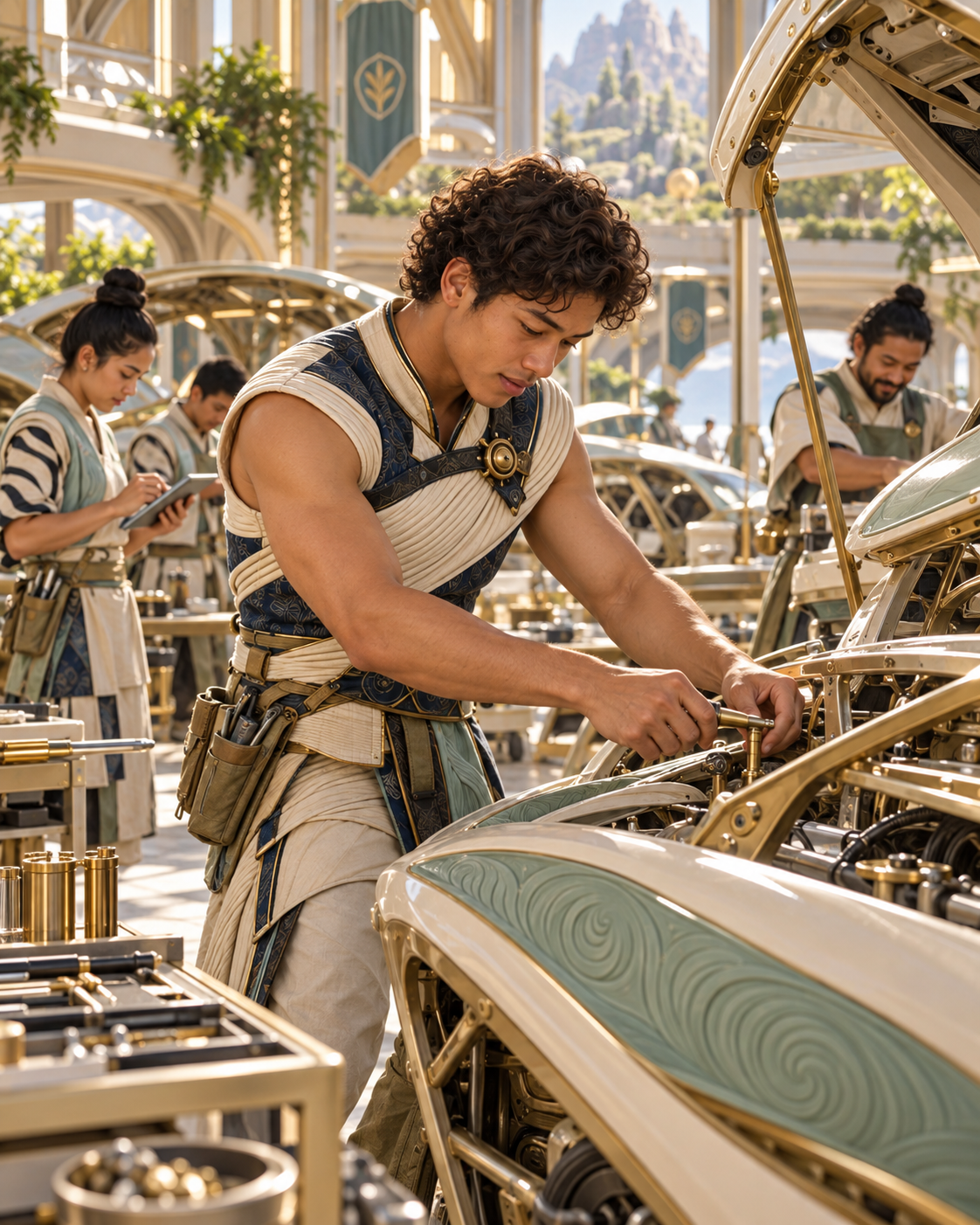
A mother’s garment must not ignore her movement, care role, beauty, and dignity. A father’s garment must not collapse into old-world provider uniform or generic pants. A child’s garment must not erase innocence or movement. A worker’s garment must not make essential labor look low. A ruler’s garment must not become costume.
Baby World: A Civilization That Starts Low to the Ground
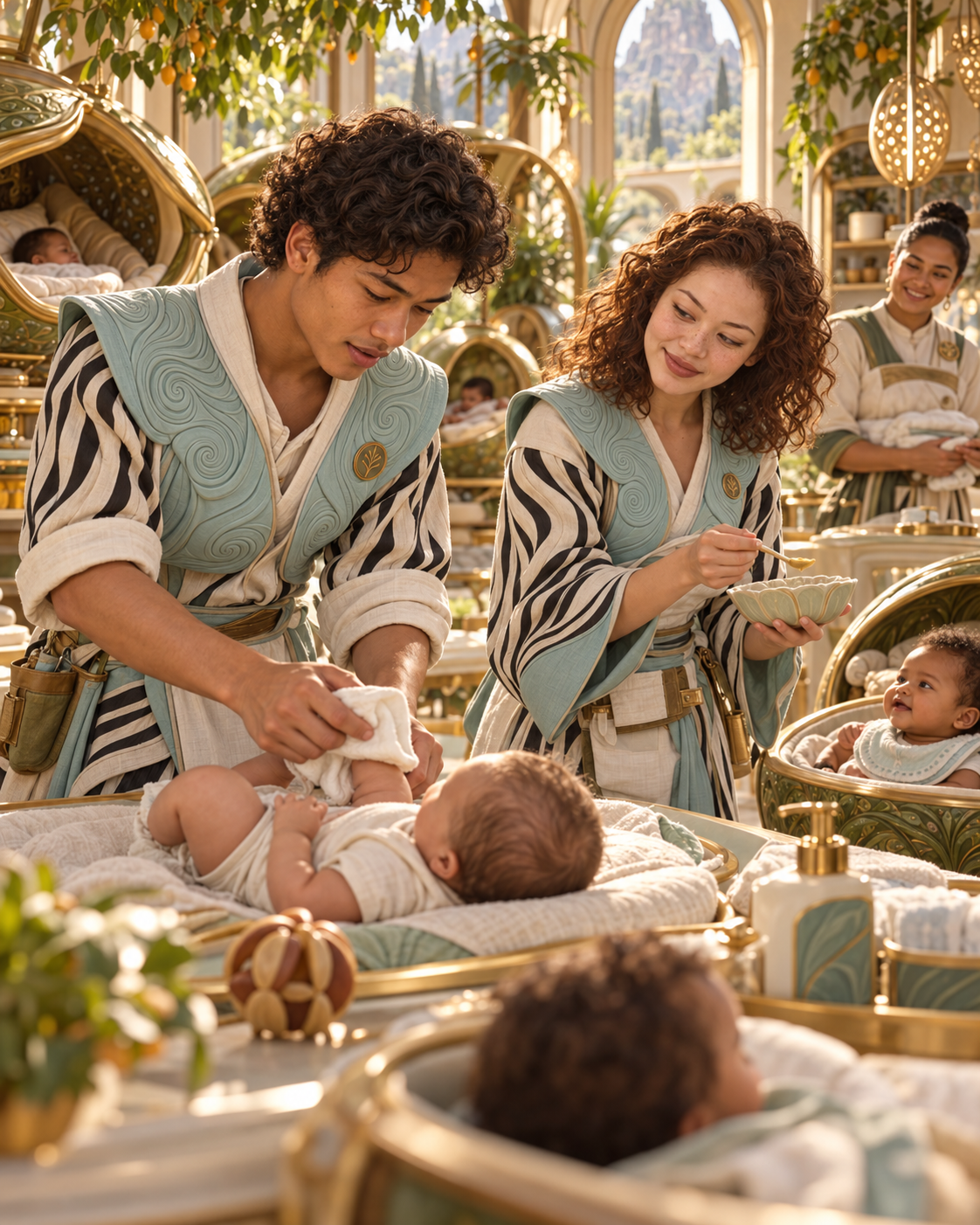
Sherika’s Baby World vision shows her genius because it begins at the level of crawling life.
Many civilizations design from adult height. Roads, buildings, counters, institutions, signs, schedules, and public spaces are made for adult function first. Babies are added later, usually through small rooms, plastic toys, strollers, warnings, and restrictions.
Sherika reverses the order.
She asks what civilization looks like from the ground. What does a baby touch? Where can a baby crawl? What can a baby safely taste, press, pat, climb, or lean on? Can the mother breathe? Can the father participate? Can the child explore without being trapped in fear? Can the space feel real, not plastic?
Baby World is not a daycare concept. It is a civilization statement. It says early life deserves more than containment. It deserves terrain, beauty, softness, safety, challenge, shade, water logic, mother relief, family support, and discovery.
Public Life, Food, Youth, and Workers
Sherika Trott Bailey’s public-life vision is also inside-out. She does not begin with spectacle. She begins with the family moving through the crowd.
Can they breathe? Can they find food? Can they sit? Can children see? Can elders rest? Can workers function? Can service happen without ugliness? Can people gather without being trapped? Can night life glow without becoming unsafe?
This is why Balushu matters. Balushu is not a mall, resort, stadium, theme park, marina, or airport