

Money Is Anti-Life

Money Is Anti-Life
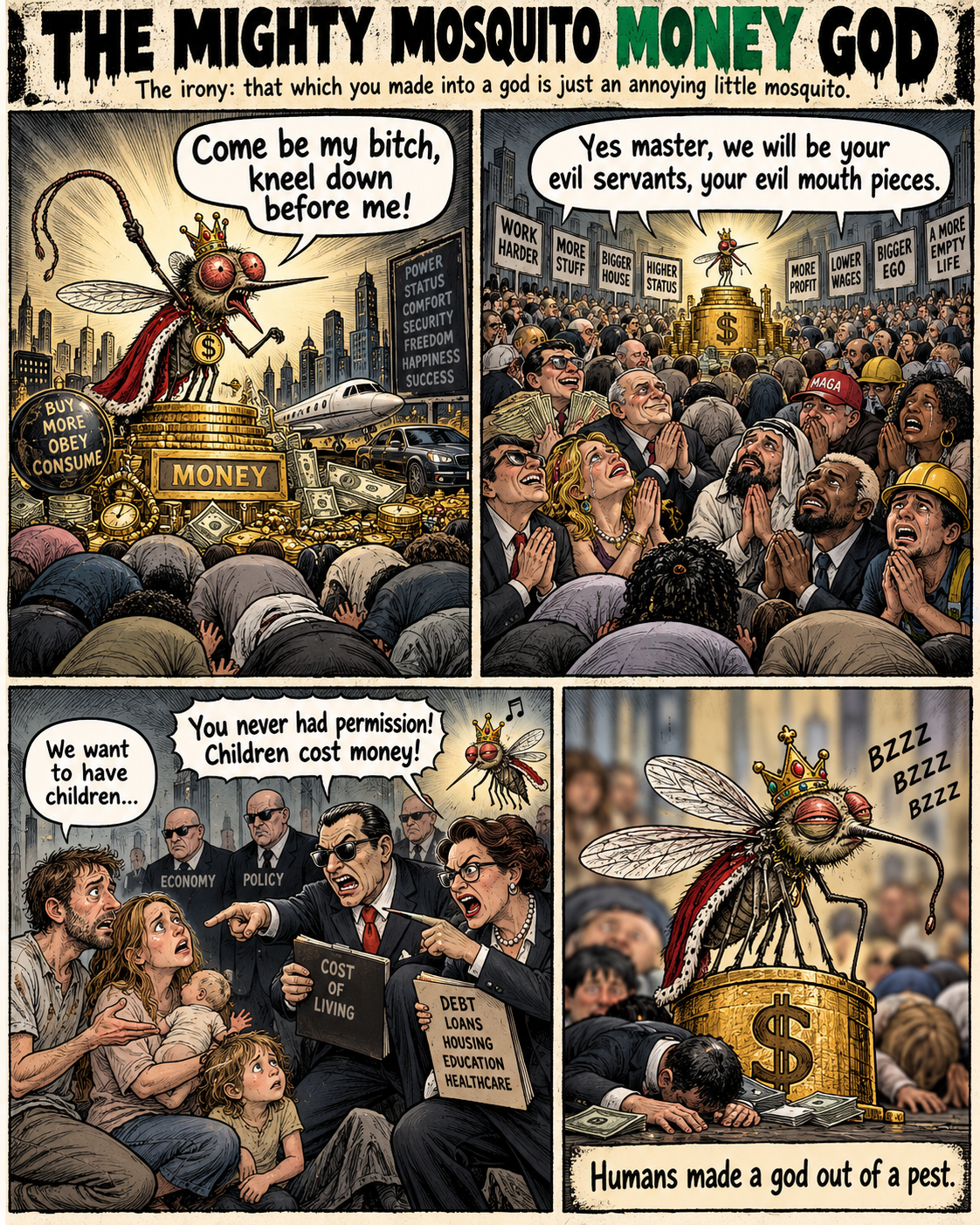
When payment stands between life and what life needs, civilization begins to rot.
Money is not neutral on this earth
This article will not pretend that money is only a harmless tool.
Not on this earth.
Not under this system.
Money may be described as exchange, value, trade, currency, economy, price, payment, salary, budget, or investment. But in daily life, money has become something much darker. It has become a gate standing between living beings and what life requires.
Food exists, but hunger waits for money.
Homes exist, but families wait for money.
Medicine exists, but sick bodies wait for money.
Land exists, but people are crowded because access waits for money.
Skills exist, but repairs wait for money.
Knowledge exists, but learning waits for money.
Rest exists, but exhausted people wait for money.
Money is anti-life when it places a payment gate between living need and available care.
That is the core accusation.
Money does not simply pay for life. Under this earth system, money interrupts life and demands tribute before life can continue.
Before the hungry eat, money asks to be served.
Before the sick are treated, money asks to be served.
Before the family is sheltered, money asks to be served.
Before the child learns, money asks to be served.
Before the broken place is repaired, money asks to be served.
Before the tired person rests, money asks to be served.
Money arrives afterward and demands control over those needs.
Life has needs before it has money
A baby does not need a bank account before needing milk.
A child does not need tuition before needing learning.
A family does not need a mortgage before needing shelter.
A sick person does not need billing codes before needing care.
A hungry person does not need purchasing power before needing food.
A tired mother does not need a paid wellness package before needing rest.
A broken home does not need a profitable contract before needing repair.
Life arrives first.
Need arrives first.
The body arrives first.
The child arrives first.
The family arrives first.
The land, the water, the shelter, the food, the care, the warmth, the sleep, the cleanliness, the safety, the teaching, and the repair all belong to the field of life before they belong to the field of money.
But earth has reversed the order.
Earth has taught people to ask whether life can pay before asking what life needs.
It is anti-life because it does not begin with the living being.
It begins with the transaction.
It does not ask, “Is the child fed?”
It asks, “Was the food paid for?”
It does not ask, “Is the family safe?”
It asks, “Can the family afford the shelter?”
It does not ask, “Can this person heal?”
It asks, “Can this person pay for treatment?”
It does not ask, “Can this place be repaired?”
It asks, “Who will profit from the repair?”
This is not civilization serving life.
This is life being forced to serve money.
Money stands between abundance and access
One of the greatest cruelties on earth is not simple absence.
It is blocked access inside abundance.
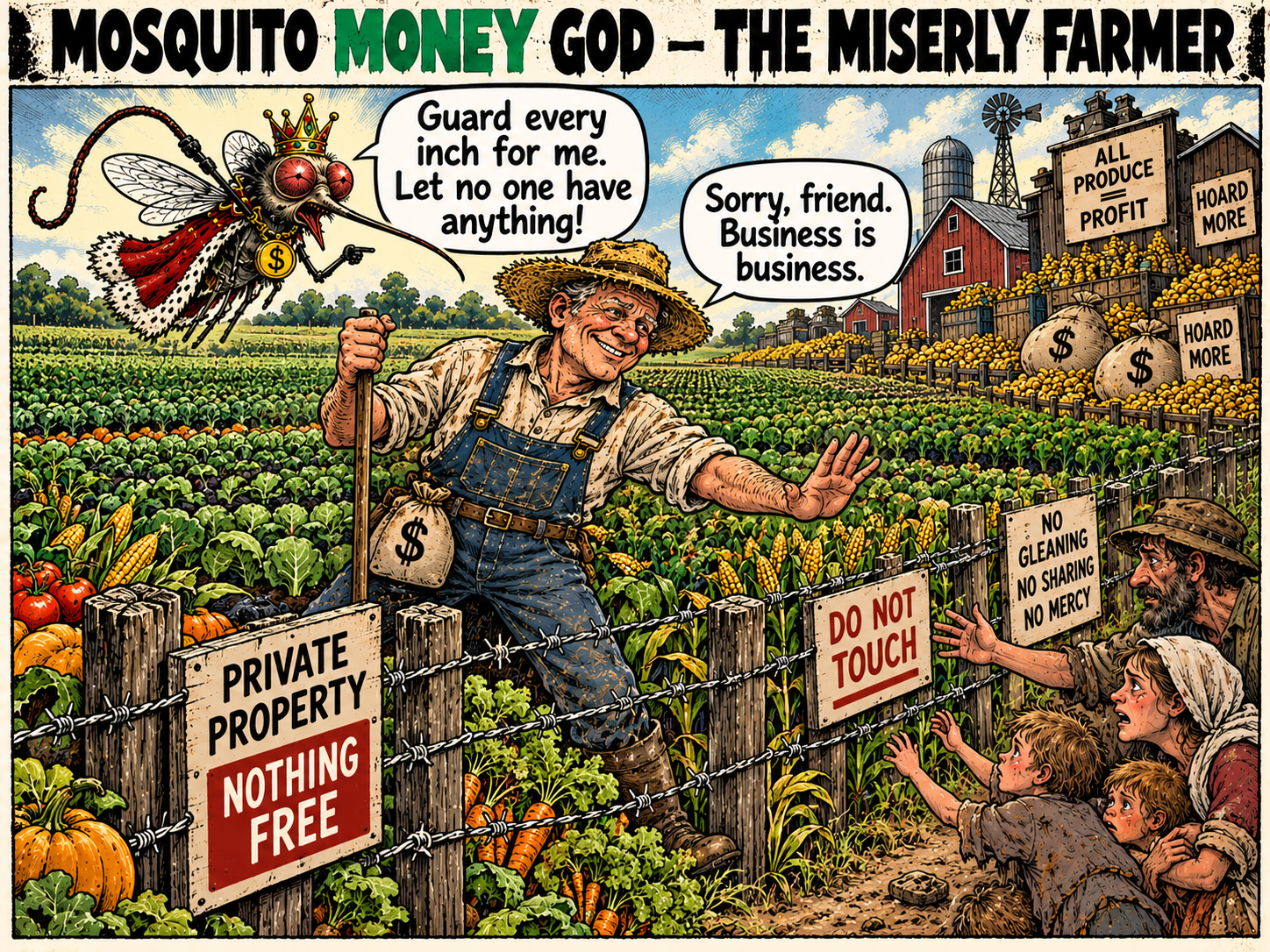
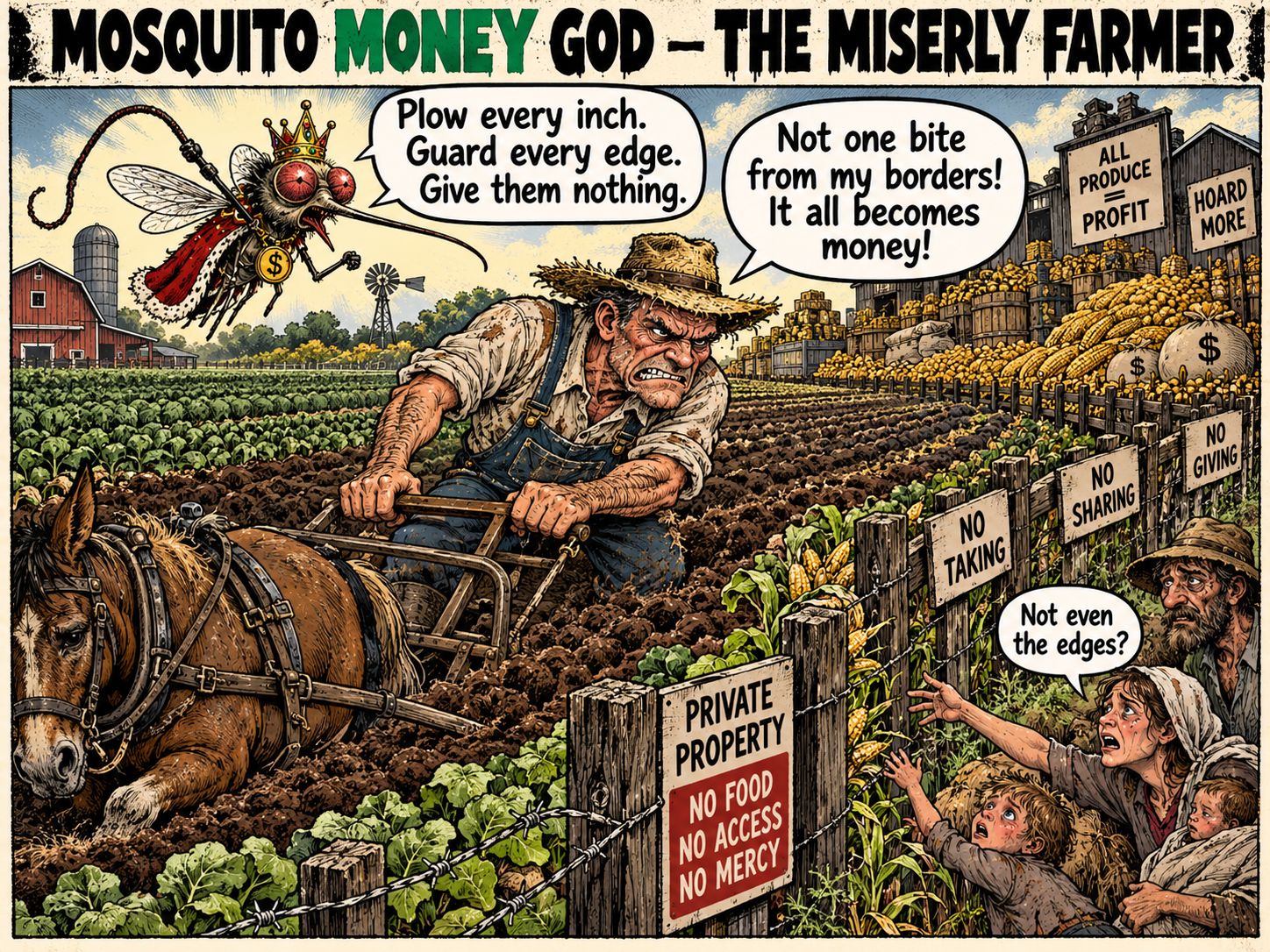
There is food, but people are hungry.
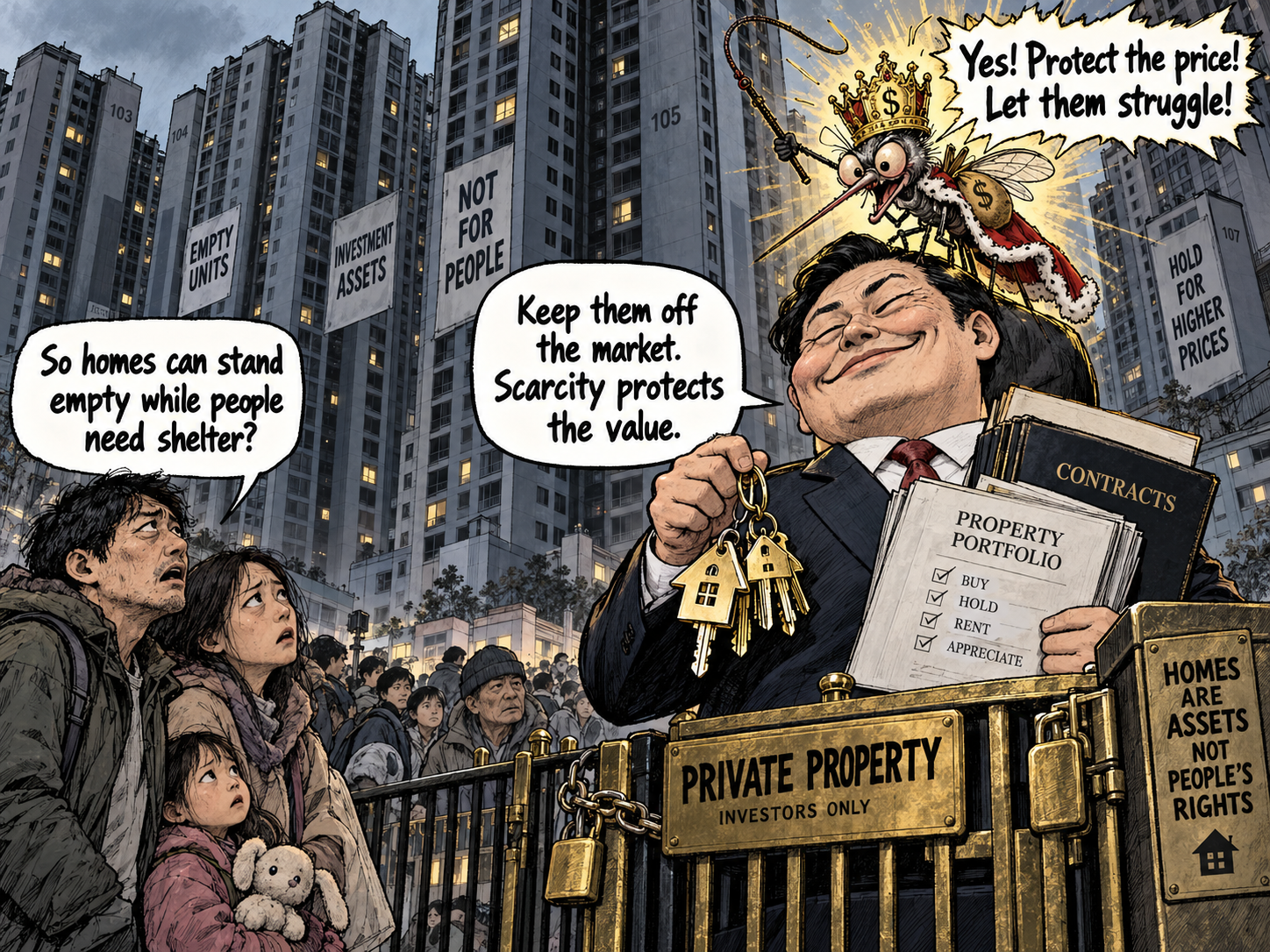
There are houses, but people are homeless.
There are empty buildings, but families are crowded.
There is medicine, but people go untreated.
There are teachers, books, videos, libraries, schools, and knowledge, but children are still denied full learning.
There are tools and workers, but broken places stay broken.
There is land, but families cannot build.
There is water, but access becomes a bill.
There is transportation, but movement becomes a charge.
There is rest, but rest becomes a luxury.
This is why money is anti-life.
It can stand in front of existing abundance and tell suffering people they are still not allowed to reach it.
Food may be on the shelf.
A bed may be empty.
A doctor may be trained.
A classroom may exist.
A tool may be available.
A field may be fertile.
A house may be vacant.
But if money has not granted permission, the living need remains outside.
Money trains people to withhold care
Money does not only shape systems.
It shapes human behavior.
It teaches the hand to pause before helping.
It teaches the builder to pause before repairing.
It teaches the cook to pause before feeding.
It teaches the driver to pause before carrying.
It teaches the teacher to pause before teaching.
It teaches the healer to pause before healing.
It teaches the host to pause before welcoming.
The question becomes automatic:
Can they pay?
Who will pay?
How much?
What is my return?
What is my profit?
What do I get?
That question enters the heart and corrupts the first movement of care.
A person can see hunger and still wait.
A person can see exhaustion and still wait.
A person can see a child in need and still wait.
A person can see a broken place and still wait.
A person can know what should be done and still wait because money has not moved.
Money teaches human ability to hold itself back from human need.
That is not just economic behavior.
That is a spiritual injury.
It makes people less ready to serve life.
It makes care conditional.
It makes kindness hesitant.
It makes help suspicious.
It makes generosity look foolish.
It makes the good hand wait for payment before becoming useful.
Money Is Anti-Life
Part 2 — Money turns life needs into markets and makes suffering profitable.
Money turns life needs into markets
Money becomes most dangerous when it captures the things life cannot simply refuse.
A person can refuse a luxury.
A person can refuse decoration.
A person can refuse entertainment.
But life cannot refuse food.
Life cannot refuse water.
Life cannot refuse shelter.
Life cannot refuse care.
Life cannot refuse sleep.
Life cannot refuse safety.
Life cannot refuse learning.
Life cannot refuse repair forever.
That is where the money system becomes cruel. It takes the non-optional needs of life and turns them into markets.
Once life needs become markets, suffering becomes business opportunity.
The hungry person becomes a customer.
The sick person becomes a customer.
The homeless family becomes a customer.
The exhausted worker becomes a customer.
The struggling parent becomes a customer.
The confused traveler becomes a customer.
The grieving family becomes a customer.
The child’s need becomes a customer category.
The elder’s weakness becomes a customer category.
That is anti-life.
It is anti-life because it does not protect the vulnerable point. It builds a tollbooth around the vulnerable point.
It does not say, “This is necessary, so everyone must receive it.”
It says, “This is necessary, so people will have to pay.”
Money makes suffering profitable
The money system does not merely respond to suffering.
It often profits from suffering continuing.
If people are hungry, someone sells food.
If people are sick, someone sells treatment.
If people are lonely, someone sells attention.
If people are unsafe, someone sells protection.
If people are exhausted, someone sells rest.
If people are uneducated, someone sells access to knowledge.
If people are desperate, someone sells loans.
If families are crowded, someone sells expensive housing.
If children need care, someone sells childcare.
If elders need support, someone sells elder care.
Under the money system, someone can profit from the continuation of the problem.
This is why money is dangerous as a governing intelligence.
A real life-serving system wants the problem solved.
The hungry should be fed.
The sick should be healed.
The homeless should be housed.
The exhausted should be restored.
The child should be taught.
The broken place should be repaired.
The unsafe place should become safe.
But a money system can become attached to the problem because the problem creates demand.
Hunger creates demand.
Sickness creates demand.
Housing insecurity creates demand.
Debt creates demand.
Confusion creates demand.
Exhaustion creates demand.
Fear creates demand.
This is one of the ugliest truths on earth:
That means money can reward the world for not solving what hurts people.
It can reward delay.
It can reward scarcity.
It can reward dependency.
It can reward sickness.
It can reward confusion.
It can reward exhaustion.
It can reward family pressure.
It can reward the continuation of suffering.
That is why money is anti-life wherever it becomes the ruler over necessities.
Money attacks family life
Money does not stay outside the home.
It enters the home and rearranges family life around survival.
It tells parents to leave their children to earn money to pay for the children.
It tells mothers to carry exhaustion as normal.
It tells fathers to be absent because the bills need feeding.
It tells families that shelter is never secure unless the next payment is ready.
It tells children they are expensive.
It tells parents that rest must wait.
It turns groceries into anxiety.
It turns rent into a monthly threat.
It turns school needs into pressure.
It turns sickness into fear.
It turns transportation into calculation.
It turns repair into postponement.
It turns childbirth, childhood, learning, family meals, hygiene, clothing, sleep, and home reset into financial burdens.
Money does not only sit in the bank.
It enters the home and teaches the family to live under threat.
This is why families feel crushed even when they are doing everything they are told to do.
Work.
Pay.
Budget.
Save.
Cut back.
Delay.
Go without.
Try again.
Still, the pressure remains.
The family needs food, shelter, care, clothing, transport, learning, rest, medicine, space, beauty, safety, tools, and time. But money keeps turning these normal life needs into monthly battles.
A civilization that makes normal family life feel financially dangerous is not serving life.
It is attacking life at the household level.
Money gives respectable names to anti-life behavior
One reason the money system survives is that it gives polite names to cruel behavior.
Charging for necessities is called business.
Refusing care without payment is called policy.
Evicting families is called enforcement.
Denying treatment is called coverage rules.
Keeping wages low is called efficiency.
Turning housing into investment is called growth.
Turning hunger into a market is called food business.
Turning learning into debt is called opportunity.
Turning elder care into a payment burden is called service provision.
Turning public life into tolls and fees is called development.
That is how cruelty becomes normal.
People stop hearing the violence inside the arrangement because the arrangement has professional language.
A family is not pushed into housing terror. They are “rent burdened.”
A sick person is not left untreated. They are “uninsured” or “not covered.”
A hungry child is not betrayed. The family has “low purchasing power.”
A worker is not exhausted by survival. They are “economically active.”
A mother is not crushed by unpaid labor and paid pressure. She is “balancing responsibilities.”
A stranger is not hunted by hospitality. They are “participating in the tourism economy.”
The words become soft.
The life remains hard.
That is why true language matters.
Some things must be named plainly.
When life needs are blocked until payment appears, that is anti-life.
When suffering becomes profitable, that is anti-life.
When families are kept under monthly threat, that is anti-life.
When care waits for money, that is anti-life.
Money Is Anti-Life
Part 3 — Money is not life intelligence, and Trott Bailey rejects the money gate.
Money is not life intelligence
Money is not life intelligence.
Money can count profit, but it cannot know whether a child is safe.
Money can price food, but it cannot know whether a family is nourished.
Money can value land, but it cannot know whether a people belong there.
Money can calculate return, but it cannot know whether life is flourishing.
Money can measure demand, but it cannot know whether the demand comes from desperation.
Money can measure a market, but it cannot know whether that market should exist at all.
Money can tell someone where profit is possible, but it cannot tell a civilization what is sacred.
That is why money should never be allowed to rule over food, shelter, care, learning, land, water, repair, hospitality, family life, public work, or human dignity.
Money does not understand a mother’s exhaustion.
Money does not understand a child’s fear.
Money does not understand an elder’s fragility.
Money does not understand the spiritual meaning of home.
Money does not understand the dignity of being welcomed without being measured.
Money does not understand the difference between a family living well and a family merely surviving payments.
Money does not understand that the purpose of civilization is not transaction.
The purpose of civilization is life.
Trott Bailey Family Civilization rejects the money gate
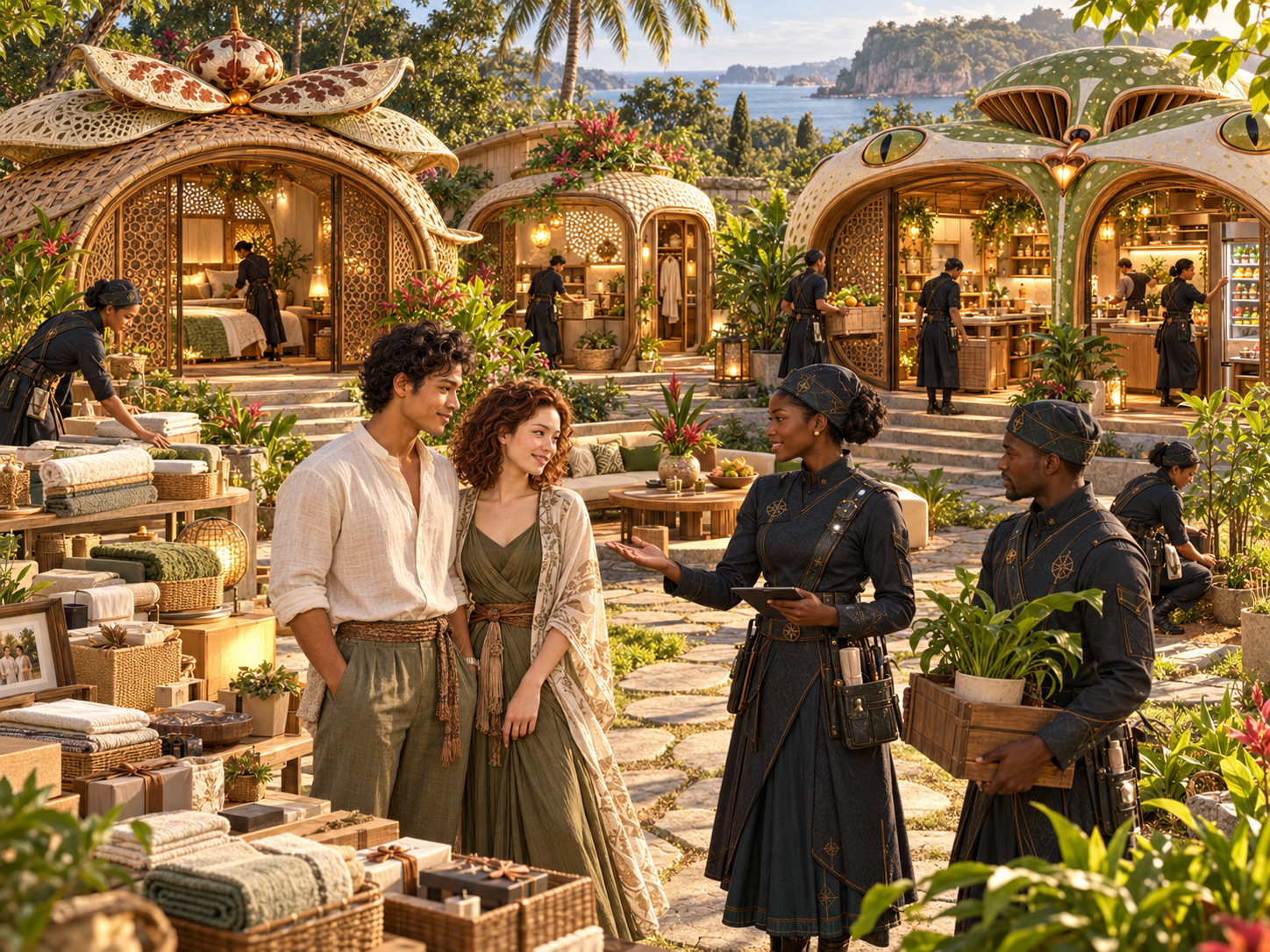
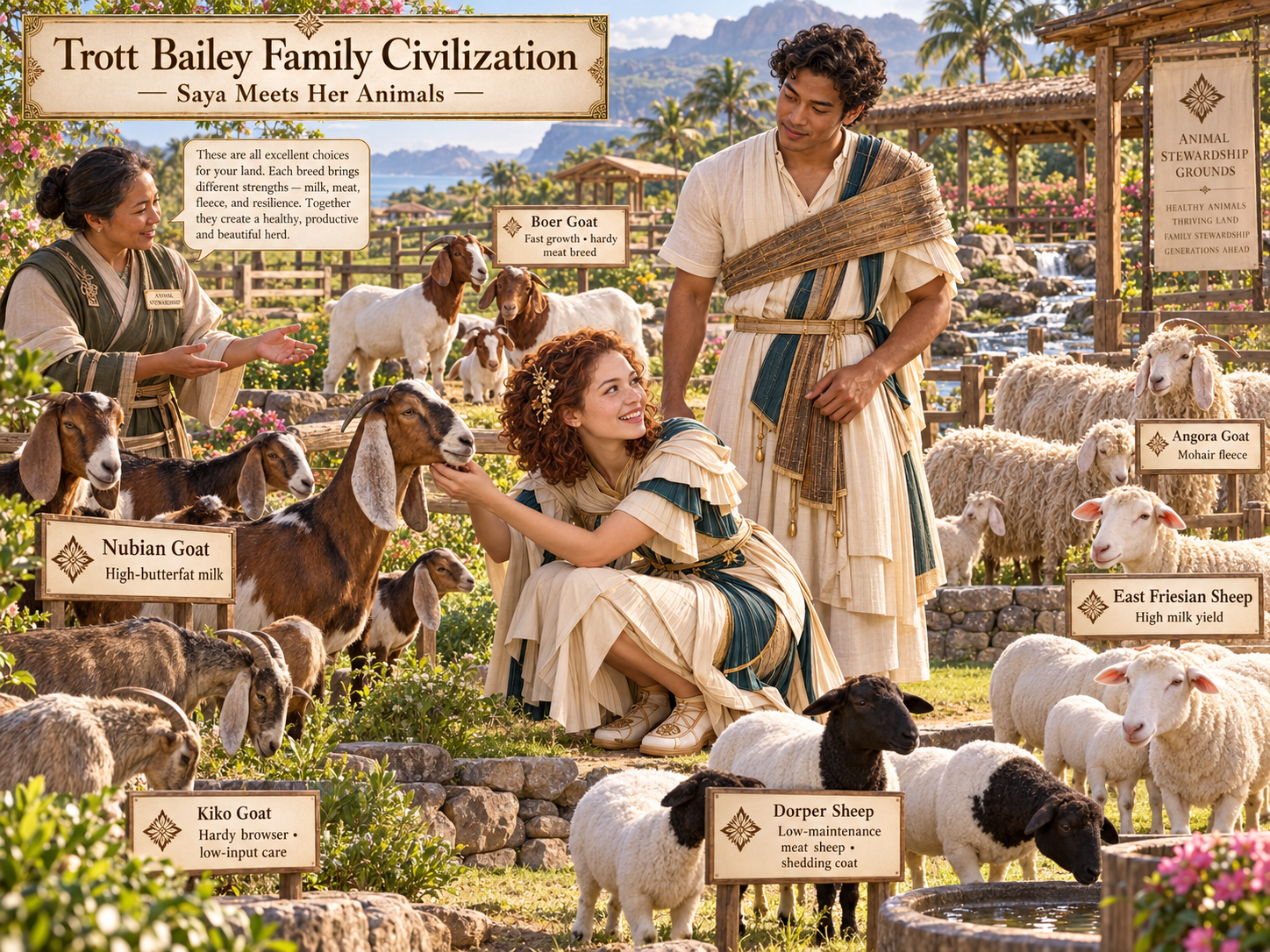
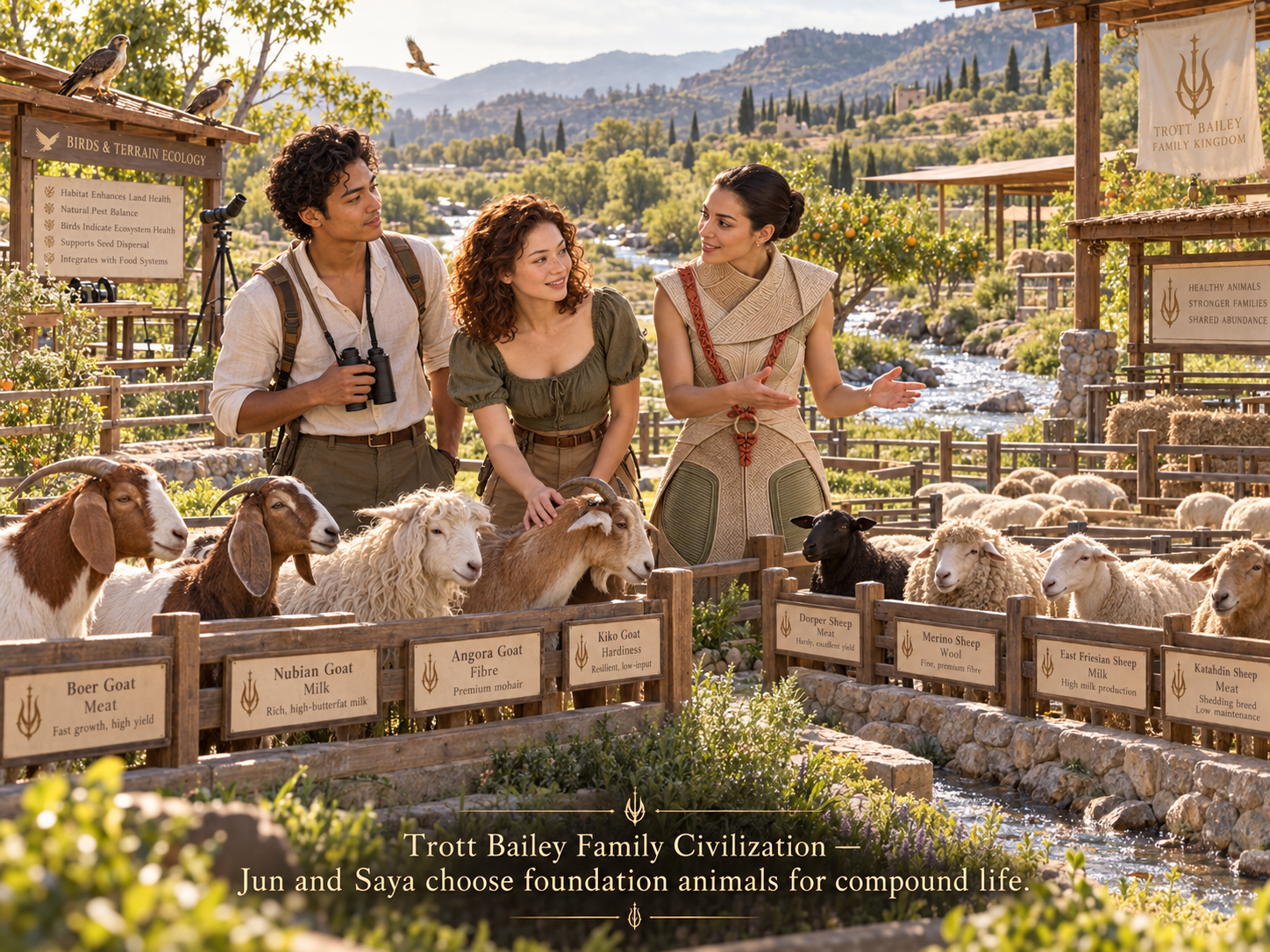
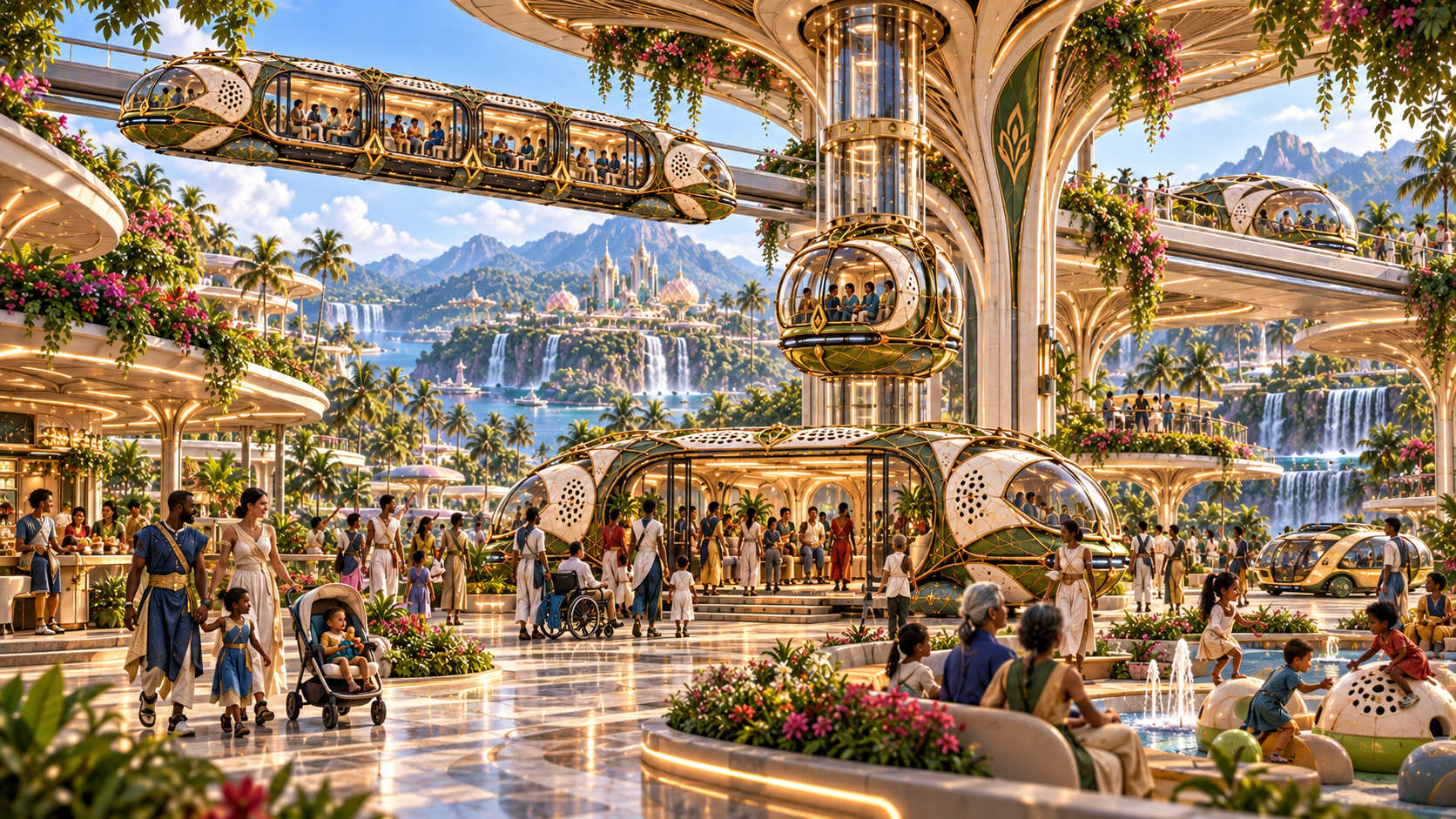
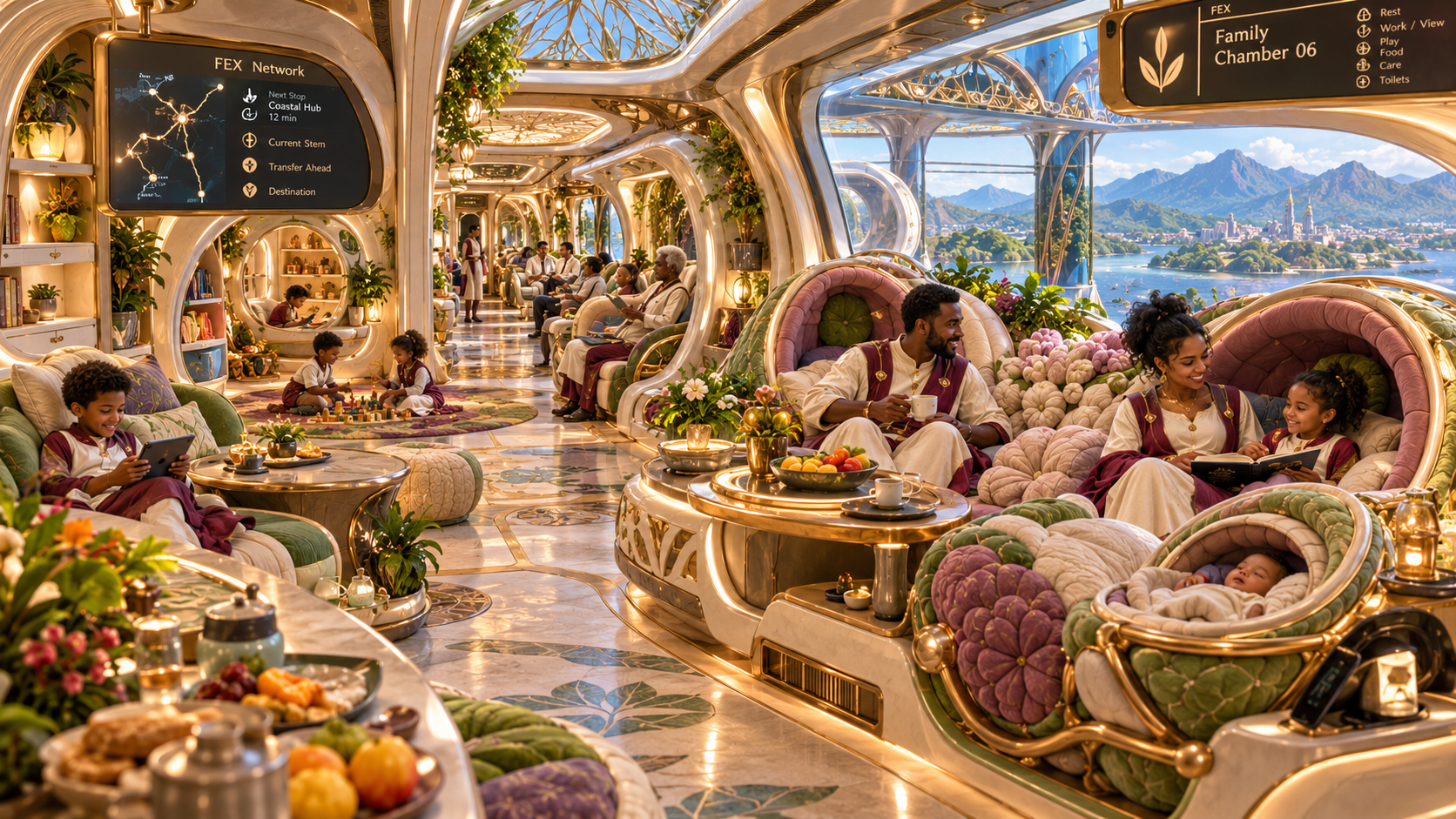
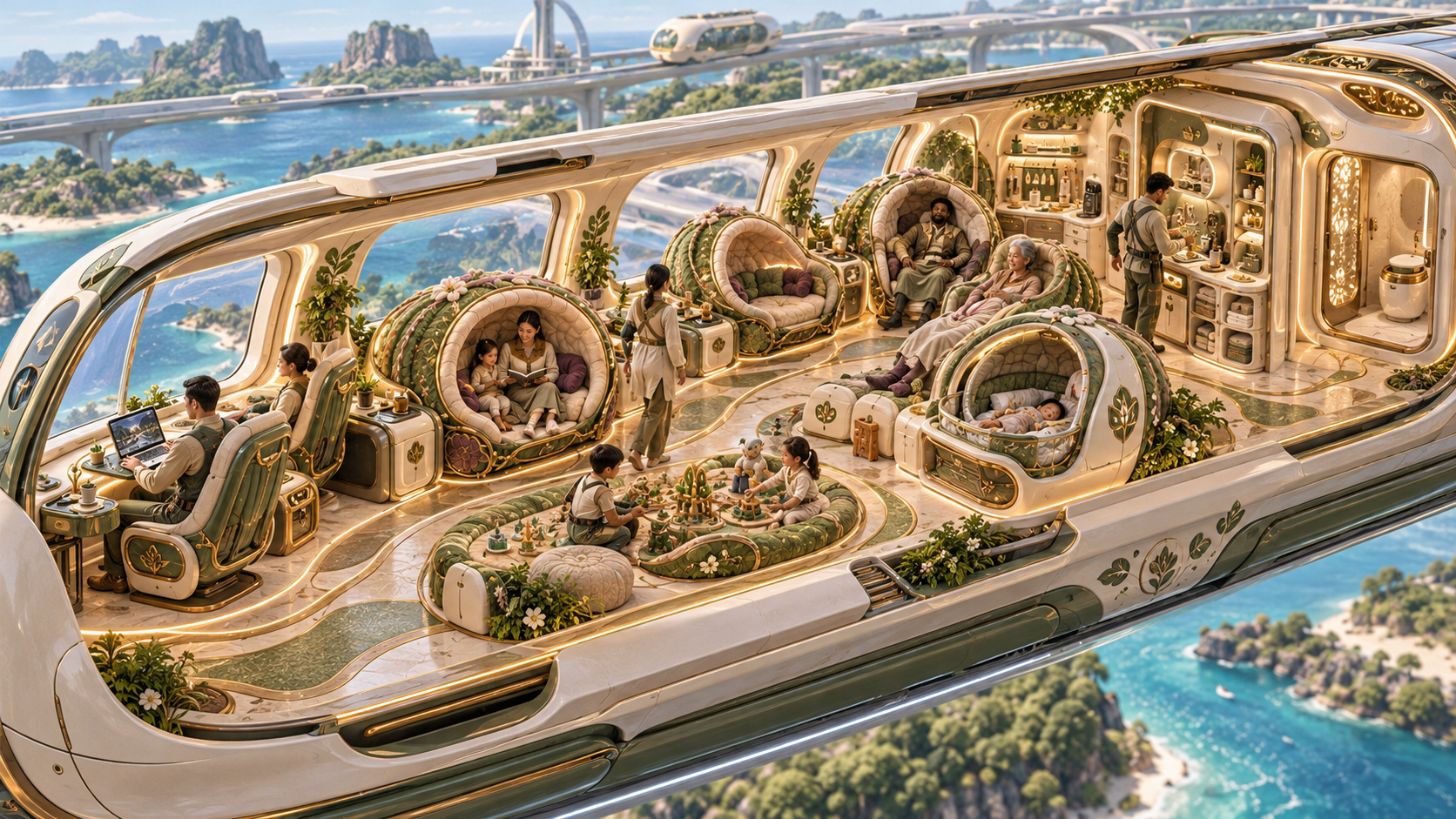
Trott Bailey Family Civilization rejects the money gate between life and what life needs.
Everything is free.
That is not a decoration.
That is not a slogan.
That is not a softer version of earth pricing.
It is a civilizational engineering law.
Everything is free because life must not beg money for permission to live.
Free does not mean careless.
Free does not mean weak.
Free does not mean disorganized.
Free does not mean nobody works.
Free means the civilization refuses to place a payment gate between human need and human care.
The work still exists.
The planning still exists.
The materials still exist.
The stewardship still exists.
The discipline still exists.
The standards still exist.
The difference is that life is not held hostage at the entrance.
Trott Bailey does not ask, “Can life pay?” before life is cared for.
Trott Bailey asks, “What does life need, and how must the civilization organize itself to meet that need?”
That is the difference between a money system and a life system.
A money system begins with payment.
A life system begins with life.
Everything free is not fantasy; it is a different civilization order
Earth has trained people to hear “everything is free” and immediately think disorder, laziness, waste, fantasy, or collapse.
That is because earth has confused money with organization.
But money is not the only way to organize labor, materials, food, shelter, care, learning, repair, and public life.
A family does not feed a baby because the baby pays.
A mother does not comfort a child because the child pays.
A father does not repair something in the home because the home pays him a fee.
A healthy family already contains proof that life can be served by duty, love, structure, intelligence, rhythm, responsibility, and belonging.
Trott Bailey Family Civilization expands that family law into civilization form.
The question is not whether life should be free.
The question is how intelligent a civilization must become so life can be free without falling into disorder.
That means inventory must be intelligent.
Food systems must be abundant.
Housing systems must be planned.
Repair systems must be fast.
Learning systems must be continuous.
Hospitality systems must be generous.
Health systems must be preventive.
Public work must be organized.
Materials must be tracked.
Waste must be returned.
Labor must be honored.
Care must be structured.
Everything free requires more intelligence, not less.
But that intelligence serves life directly instead of forcing life to pass through money first.
Life must come before exchange
Money is anti-life wherever it stands between need and care.
Between hunger and food.
Between sickness and healing.
Between family and shelter.
Between exhaustion and rest.
Between childhood and learning.
Between brokenness and repair.
Between land and belonging.
Between the stranger and welcome.
Between the mother and relief.
Between human ability and human rescue.
When payment stands there, life is delayed.
When profit rules there, life is exploited.
When markets control there, life is made insecure.
When money becomes the judge there, civilization begins to rot.
Food must answer hunger.
Shelter must answer family.
Care must answer suffering.
Learning must answer childhood.
Repair must answer brokenness.
Hospitality must answer the stranger.
Rest must answer exhaustion.
Public life must answer the people.
Civilization must answer life.
That is the standard.
That is the separation between earth’s money-hungry order and Trott Bailey Family Civilization.
Earth asks life to pay before it can live.
Trott Bailey rejects that gate.
Money is anti-life wherever it demands tribute before life can be cared for.
Trott Bailey Family Civilization chooses Life upon Life.