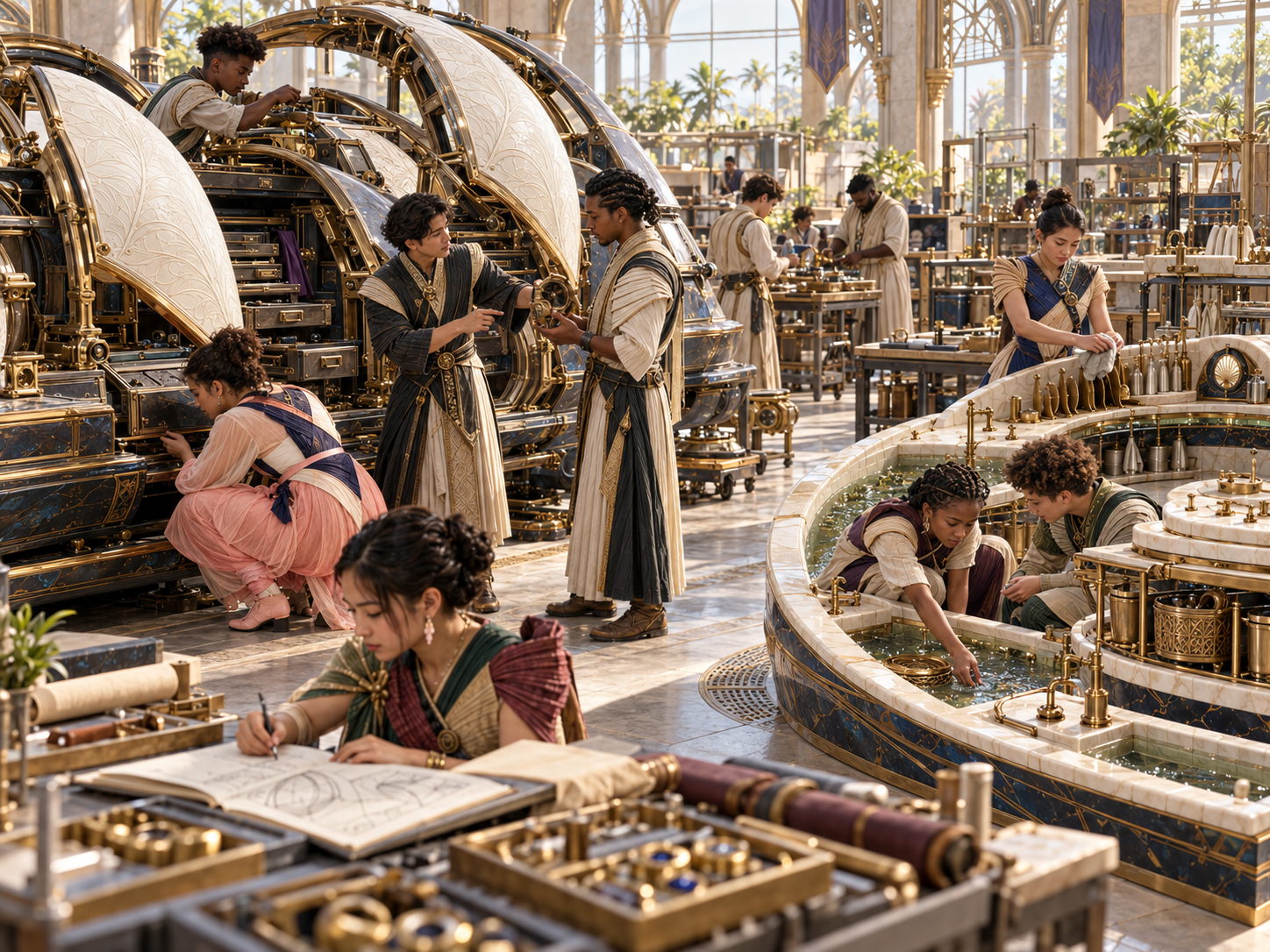


The Workload Can Stay the Same and Still Feel Lighter


The Workload Can Stay the Same and Still Feel Lighter
Work is not experienced only through hours and physical effort. The people beside us can add emotional weight to the task or help carry it.
There is something simple about work that does not get enough attention:
Two people can face the same task.
But if they love each other, trust each other, support each other, and want each other to do well, the work feels different.
The task, weight, hours, movement, heat, effort, and physical demand can remain the same.
Trust, support, competition, fear, affection, suspicion, and the relationship with the person beside you change how the work feels.
The physical workload may stay the same.
The emotional workload can become much lighter.
That matters.
Because human beings do not experience work only through muscles, time, and effort.
We experience work through relationships too.
Togetherness Changes the Experience of Work
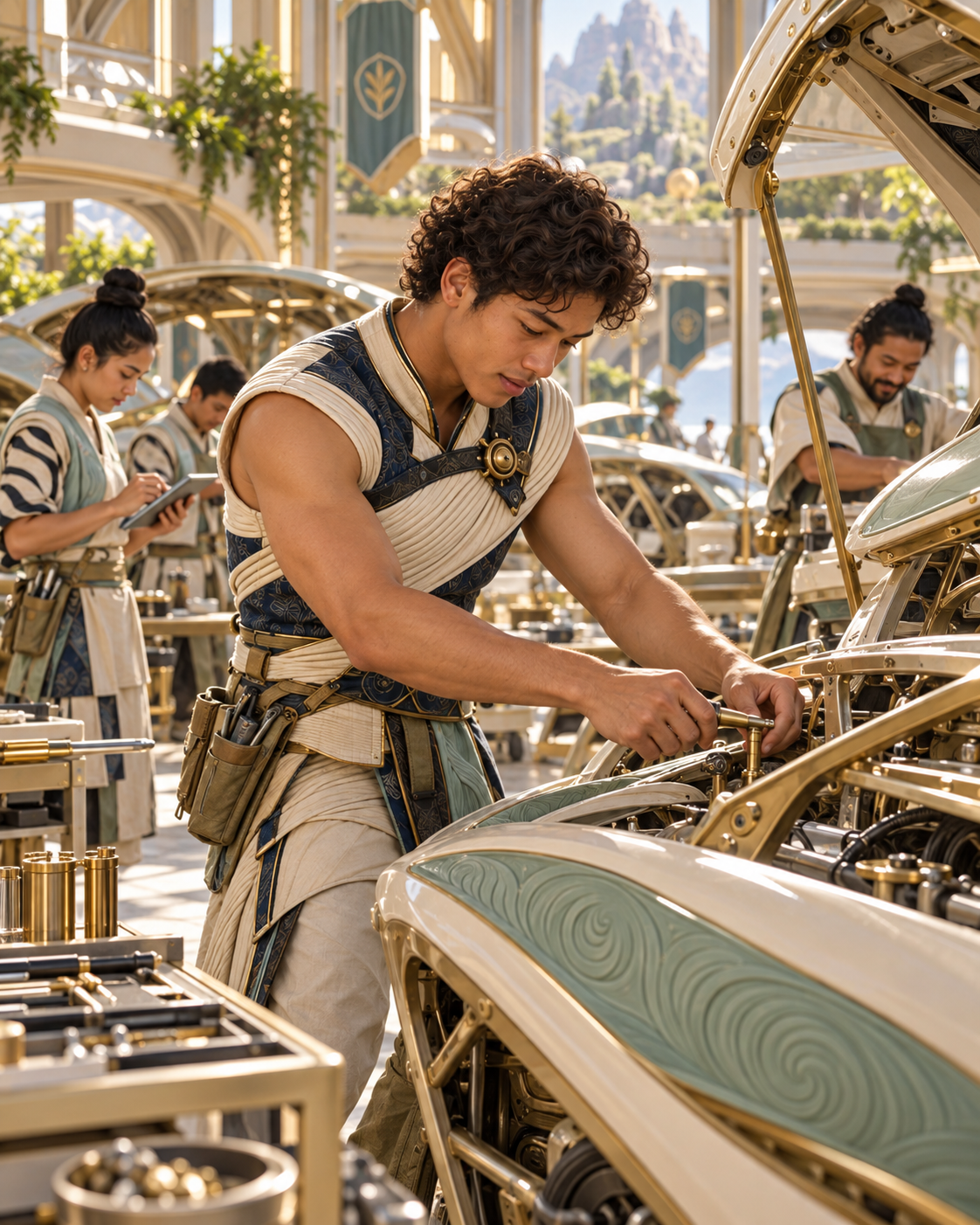
Think about two people doing something difficult together.
The work is real.
They may be tired.
They may sweat.
They may need a break.
But if the person beside you is someone you love and trust, something changes.
You can laugh.
You can ask for help.
You can admit when you are tired.
You can say, “I do not know how to do this.”
You can make a mistake without wondering whether the other person will use it against you.
You can celebrate when they do something well.
They can celebrate when you do something well.
Nobody has to lose because the other person is good at something.
The emotional burden changes.
The Togetherness Principle
The objective workload can remain the same while shared effort among people who love, trust, and support one another changes the emotional weight of the work, making difficult effort feel lighter, more pleasant, and more meaningful.
That does not mean hard work stops being hard.
It means hard work does not have to feel hostile.
A difficult task done in unity can leave people physically tired and emotionally satisfied.
An easier task done in a hostile environment can leave people drained.
The hours alone do not explain the difference.
The people around you matter.
Compare That With a Competitive Workplace
Now compare that with a workplace where competition is everywhere.
A promotion opens.
Only one person can get it.
A bonus is limited.
Recognition is limited.
Status is limited.
People want credit.
People want to look better than the person beside them.
Someone makes a mistake and another person sees an opportunity.
Someone has a good idea and people fight over who gets the praise.
Someone is talented and another person feels threatened.
Now the worker is not only doing the actual job.
They are also trying to understand the politics around the job.
Work Added on Top of Work
This is the part people often miss.
The job itself is one layer of work.
The person may only be at the workplace for eight hours.
But those eight hours can carry far more emotional weight than eight hours of useful effort among people who trust one another.
Unity Removes Wasted Human Energy
Now remove the competition.
Remove the fear that another person’s success threatens your life.
Remove the fight for promotion.
Remove the fight for basic security.
Remove the need to prove that you are more valuable than the person beside you.
Something important happens.
People can share what they know.
A person can say:
And the person beside them can say:
No threat.
No shame.
No fear that admitting weakness will cost them a position.
One person can be excellent without another person needing to become lesser.
One person can discover a better way and teach everyone.
Knowledge moves more freely.
Skill spreads faster.
People stop spending so much energy protecting themselves from one another.
That makes work better.
Why Husband-and-Wife Pairs Matter
This is one reason Trott Bailey Family Civilization encourages husband-and-wife pairs where the work allows it.
The reason is not simply that two people can finish a task faster.
The deeper reason is this:
They may still get tired.
They may still disagree.
They may still need to stop and rest.
But the work is happening inside a relationship that already has love, trust, memory, humor, and shared purpose.
That changes the experience.
Work Can Strengthen the Relationship
Modern work often separates husbands and wives for huge parts of the day.
One leaves early.
The other leaves later.
They work in different places.
They return tired.
They handle children.
They handle food.
They handle cleaning.
They handle bills.
Then they sleep.
The next day starts again.
That structure can turn marriage into a small amount of leftover time around two separate working lives.
It does not have to be that way.
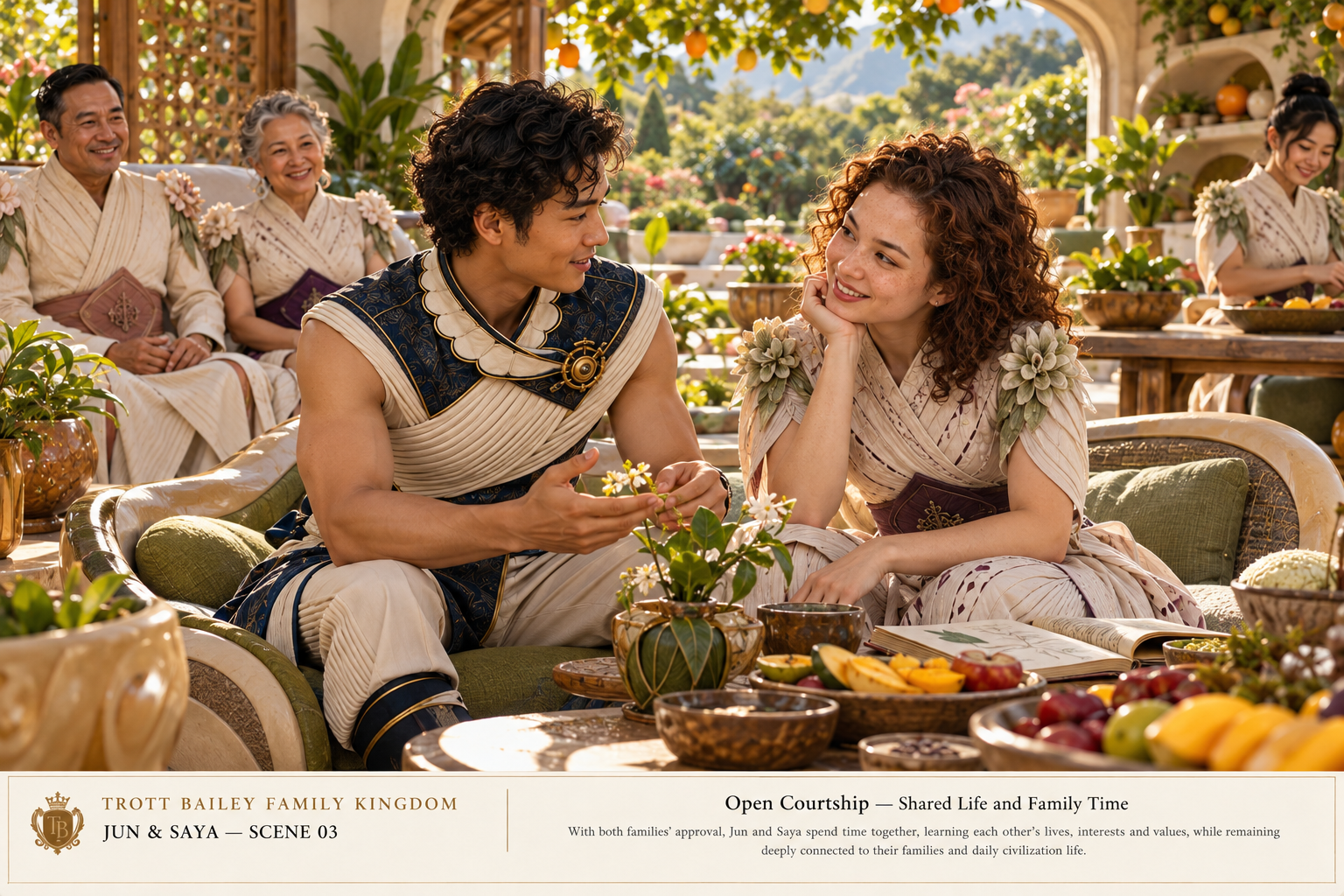
Where practical, work can be designed so spouses have the option to contribute together.
Then part of the day that would have separated them becomes shared life.
The task still gets done.
The relationship stays inside life instead of being pushed to the edges of the day.
Why Family Work Matters
The same idea extends beyond husband and wife.
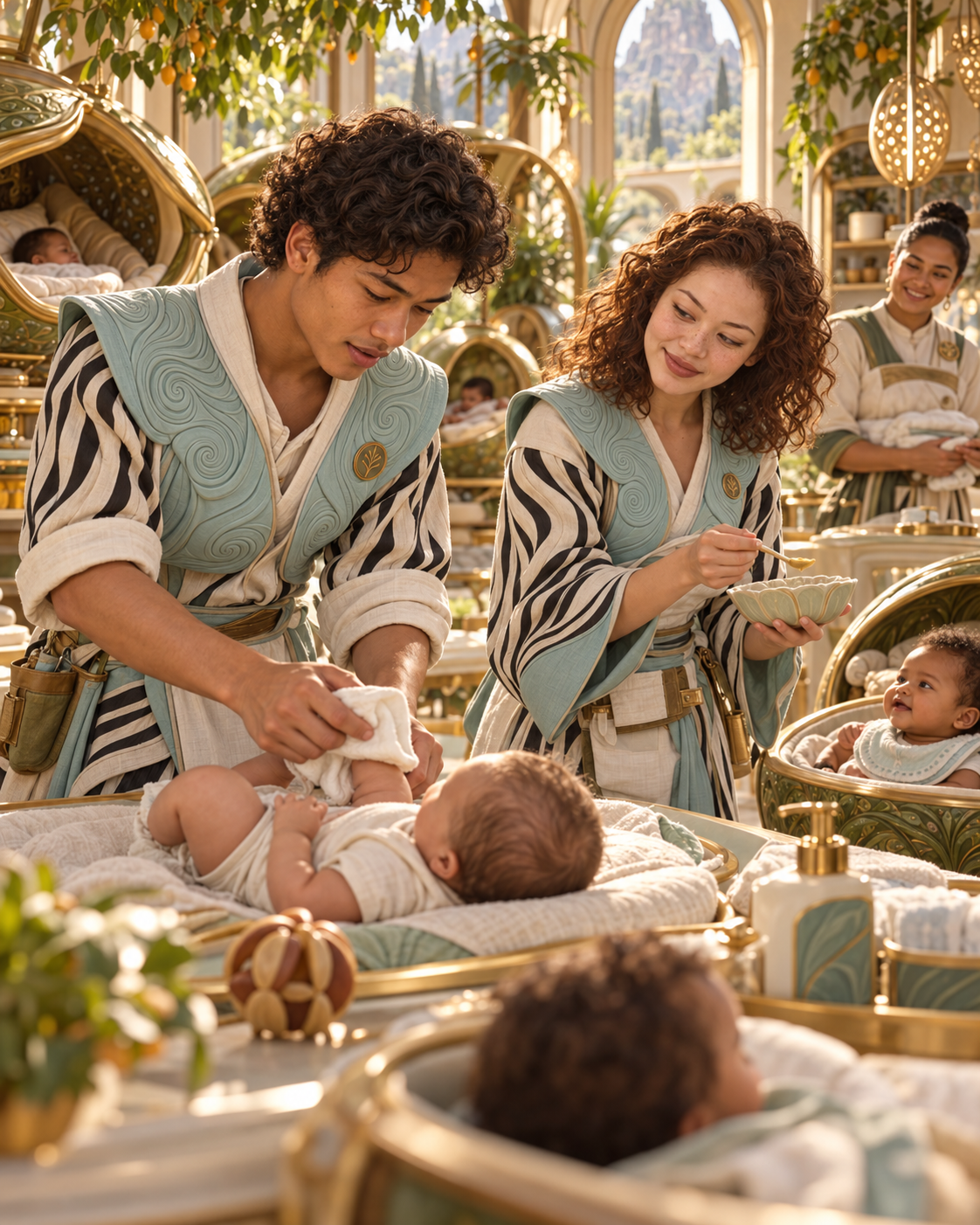
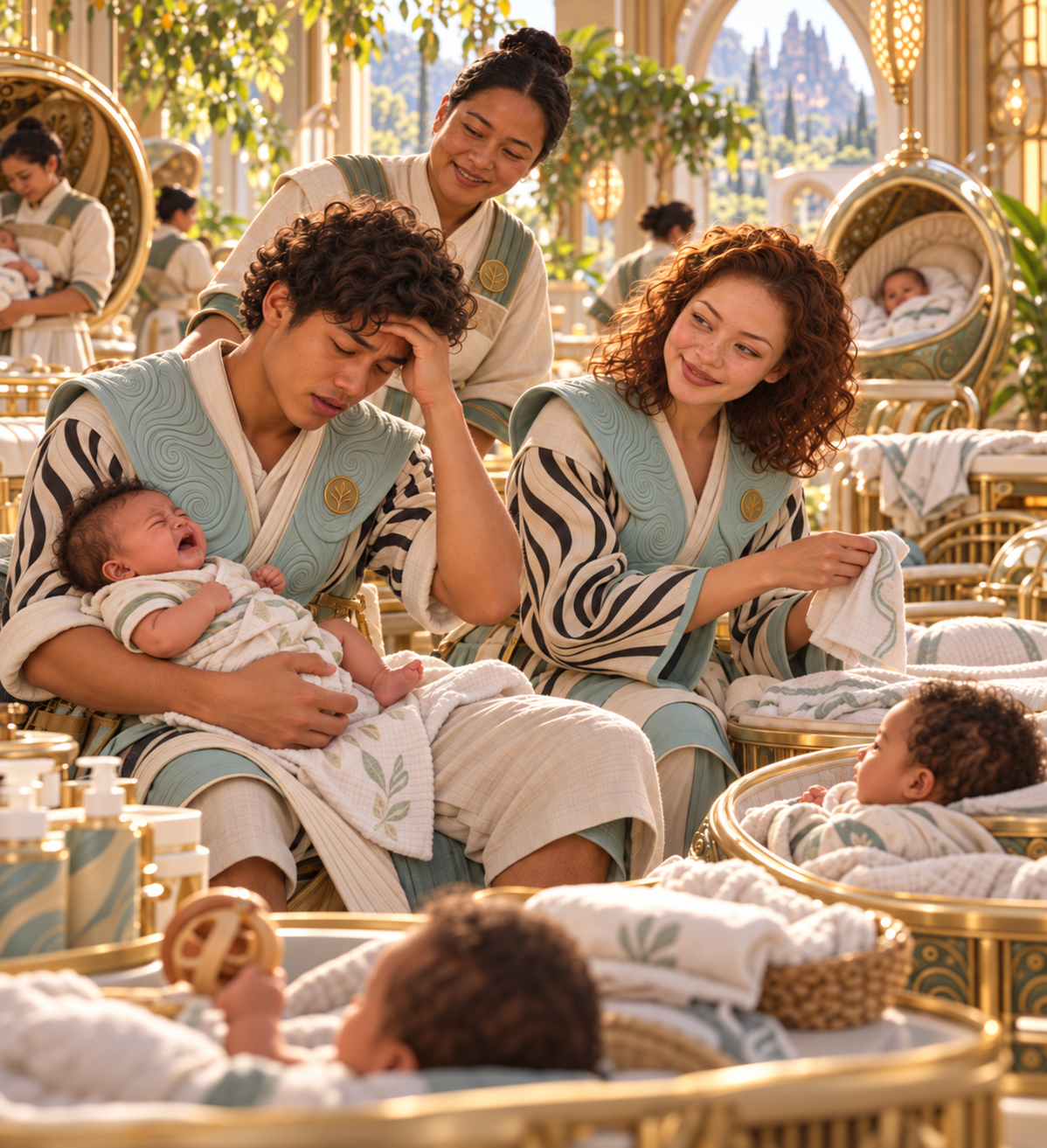
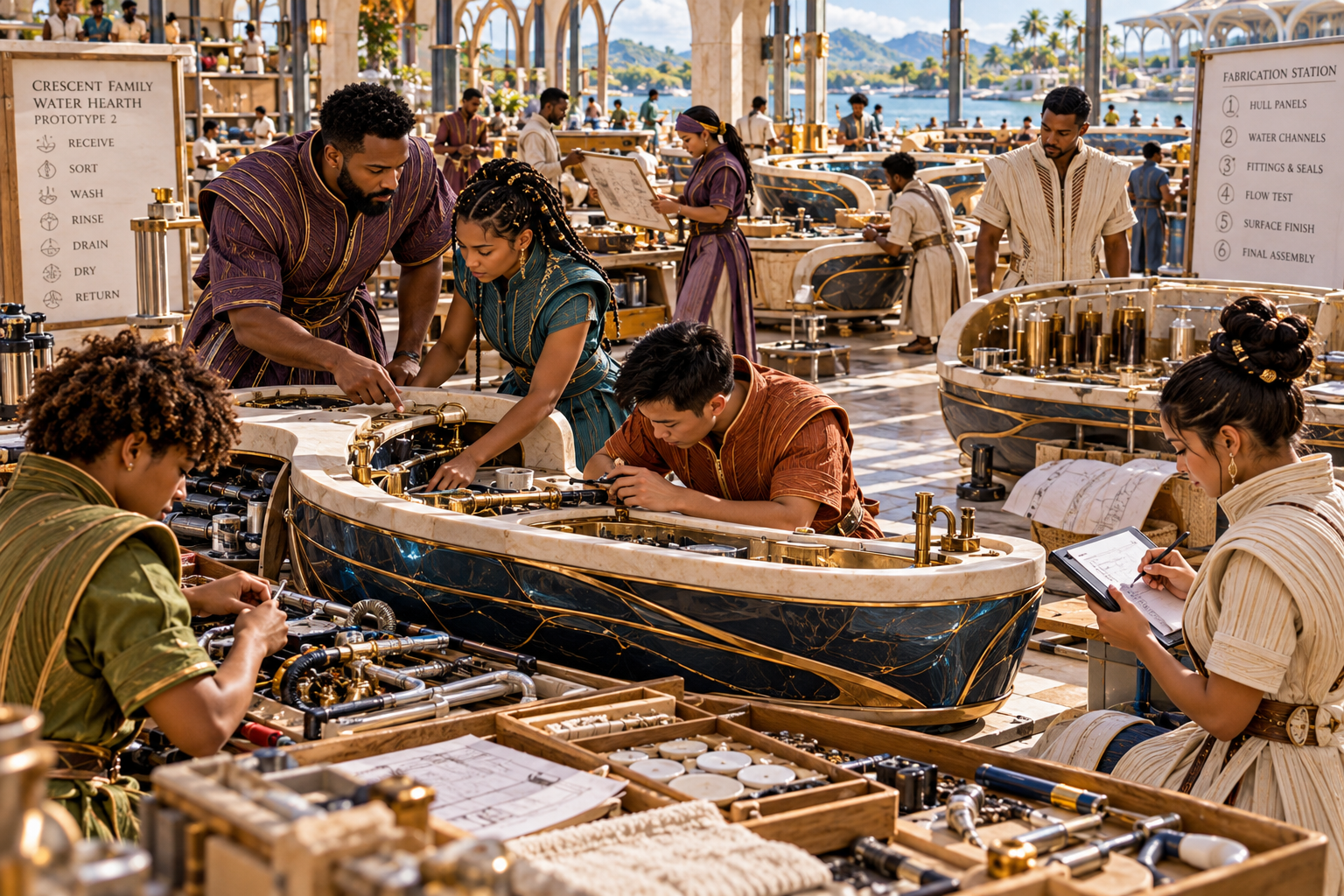
Families can work together where it makes sense.
Children can observe.
They can learn.
They can help in ways that fit their age and ability.
They can see what their parents know.
They can see how problems are solved.
They can feel the pride of completing something together.
Work does not always need to be something that removes adults from family life.
The Family Work Principle
Wherever practical, civilization should make room for spouses and families who want to contribute together rather than designing work in ways that automatically separate them for most of their useful time.
The words wherever practical matter.
Not every job can be done as a family.
Not every task should involve children.
Not every spouse wants to do the same work.
The point is not to force families together.
The point is to stop building systems that assume separation is the only normal way to organize useful work.
Give families the option.
Make room for togetherness.
Hard Work Is Not the Same as Harmful Work
We should also separate two ideas that are often mixed together.
People can work hard and feel good.
A family can spend a whole day preparing for a celebration.
By the end of the day, everyone is tired.
But they are laughing.
They are proud.
They feel close.
The work was hard.
The experience was not harmful.
Now compare that with someone sitting in an office doing physically easy work while worrying all day about humiliation, competition, job security, status, gossip, or being pushed out.
Their body may have done less.
But they can come home far more drained.
That distinction matters when we design work.
The Person Beside You Changes the Weight
There is a reason people say:
Togetherness changes how difficulty is experienced and remembered.
A hard day shared with someone who loves you can become a good memory.
A difficult project completed as a family can become part of family history.
A long period of effort can create pride.
The same physical workload can feel completely different when there is trust instead of suspicion.
The task has weight.
Relationships have weight too.
Others help carry it.
Rest Is Better Together Too
The same truth continues when the work ends.
Rest is better when it is shared with people you love and who love you in return.
A person can leave work and technically be resting while still feeling tense, lonely, suspicious, or emotionally worn out.
That is not deep restoration.
Rest with people who make you feel safe is different.
People who are not competing with you.
People who do not need you to become smaller so they can feel bigger.
People who want you to be well.
And your body is not still fighting the emotional battles of the workplace.
That is deeper rest.
Work Together. Rest Together.
This connects directly to the larger work-rest design.
Civilization should not only ask:
It should also ask:
We can give people more time back.
We can build long restoration seasons.
We can rotate essential workers.
We can use machines to reduce the burden.
And we can design contribution so that togetherness is supported instead of constantly broken apart.
Where practical:
That creates a different rhythm of life.
Work does not constantly separate the people who love each other.
Rest does not become a desperate attempt to repair relationships damaged by months of separation and stress.
Life becomes more connected from beginning to end.
Work Should Not Require Human Beings to Become Rivals
Civilization needs contribution.
That work does not require human beings to become enemies.
It does not require constant competition.
It does not require people to fear the success of the person beside them.
It does not require every workplace to become a fight for rank, status, promotion, or recognition.
A person beside you can be strong without making you weak.
A person beside you can succeed without taking something from you.
A person beside you can know more than you and make your own work easier by teaching you.
That is what unity can do.
The workload can stay the same.
The emotional weight can change completely.
Rest is deeper when the people beside you love you.
And wherever we can, civilization should make room for both.
Two ideas established in this article
The following concepts are claimed as original authored concepts by World Ruler Sherika Trott Bailey within the Trott Bailey Family Civilization body of work.
The Togetherness Principle
The objective workload can remain the same while shared effort among people who love, trust, and support one another changes the emotional weight of the work, making difficult effort feel lighter, more pleasant, and more meaningful.
The Family Work Principle
Wherever practical, civilization should make room for spouses and families who want to contribute together rather than designing work in ways that automatically separate them for most of their useful time.