

What If You Could Travel Without Packing Clothes?

What If You Could Travel Without Packing Clothes?
How World Ruler Sher’s fashion system could make travel lighter, clothe families properly, and change what civilization carries for people.
Most families know the stress of packing for a trip.
You think about the weather, the children, shoes, sleepwear, work clothes, ceremony clothes, rain clothes, warm layers, spare clothes, and what might happen if something gets wet, torn, lost, or outgrown.
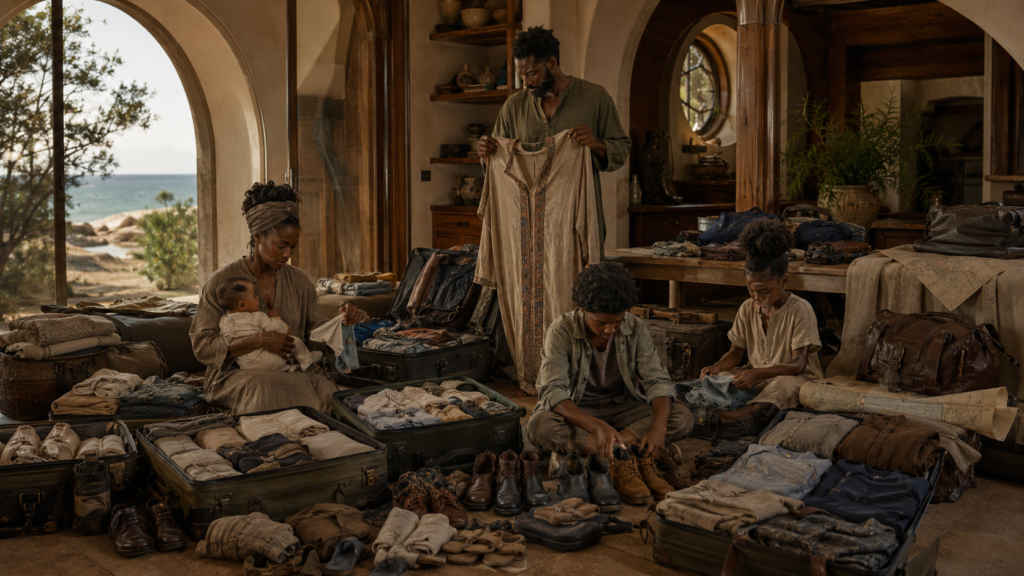
A short journey can require several bags. A family traveling with babies or young children may feel as though it is moving part of the house.
Even after all that packing, something is often missing. The weather changes. A child grows. A shoe breaks. A garment gets soaked. A special occasion appears unexpectedly.
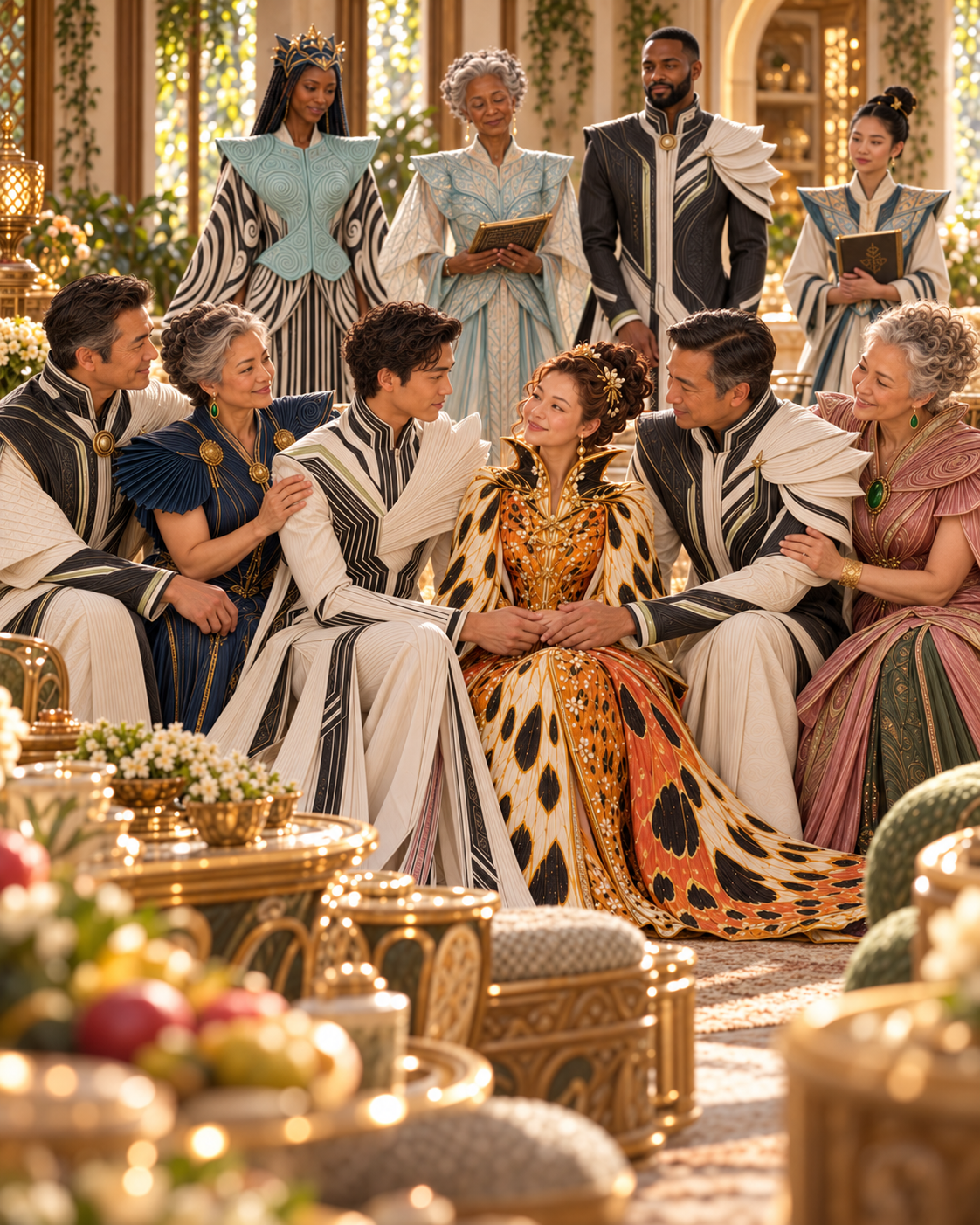
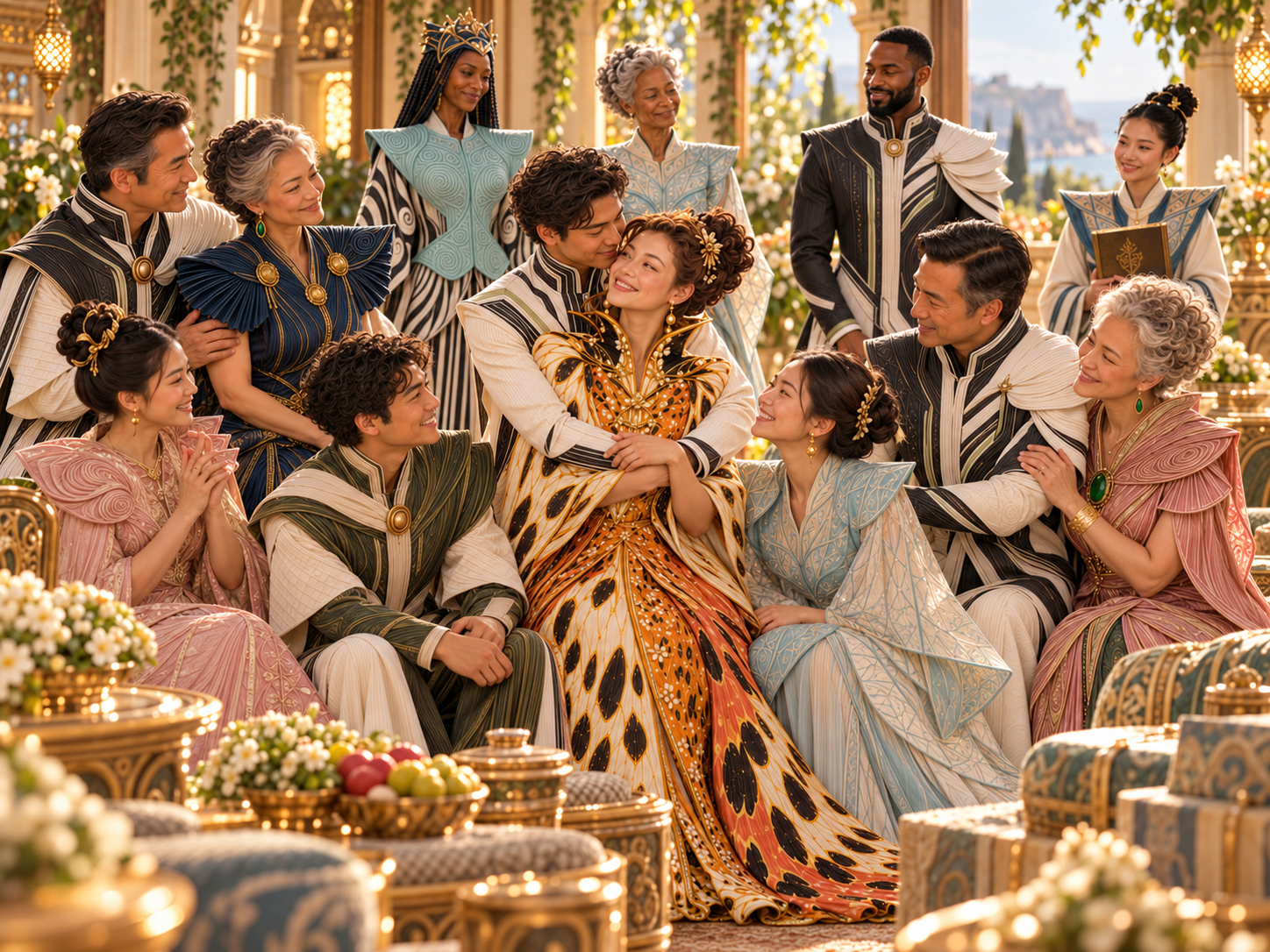
World Ruler Sher, Sherika Trott Bailey, has been developing a civilization fashion system that brings together garment authorship, fitting, travel, footwear, adornment, cleaning, repair, and public access.
What “free” means
In this system, clothing is free at the point of use.
That does not mean clothing requires no materials, machines, time, or skilled work.
It means a family is not charged at the moment it needs to be clothed.
The labour and infrastructure are organized as a civilization service, just as a public system may provide roads, libraries, water access, education, or emergency care without placing a cash register between the person and the immediate service.
This is not a charity program for people considered poor. It is the normal clothing infrastructure of the civilization.
Picture a family preparing to travel
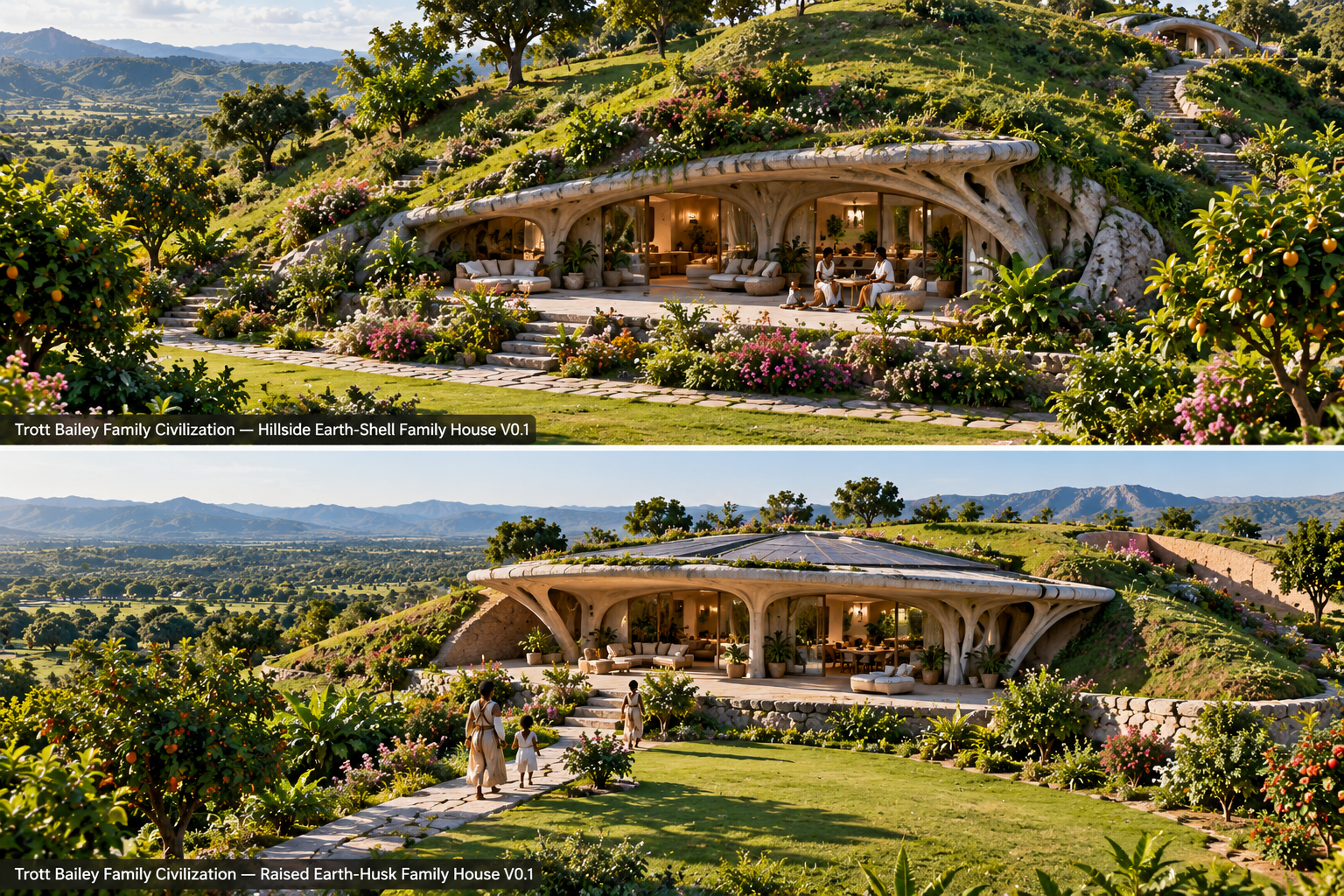
Imagine a mother, father, two children, and a baby preparing for a coastal journey.
They will travel from an inland orchard district to a sea settlement.
The parents
- The father needs route clothing, public-life clothing, outdoor workwear, and ceremony clothing.
- The mother needs clothing for heat, nursing, movement, rest, hosting, and ceremony.
The children
- The older child needs play clothing, public clothing, and sea-ready footwear.
- The younger child needs garments for climbing, spills, wind, salt, and changing temperatures.
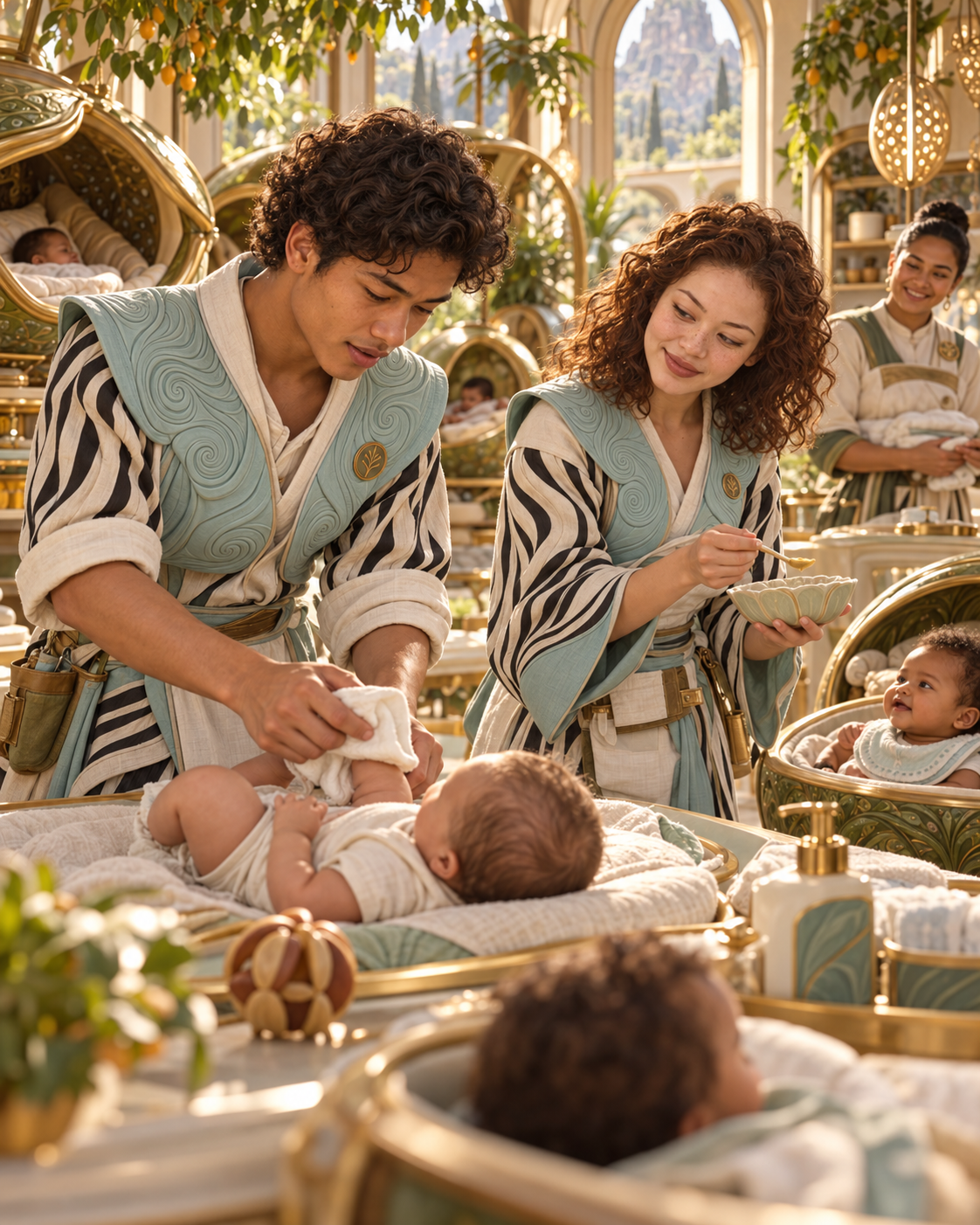
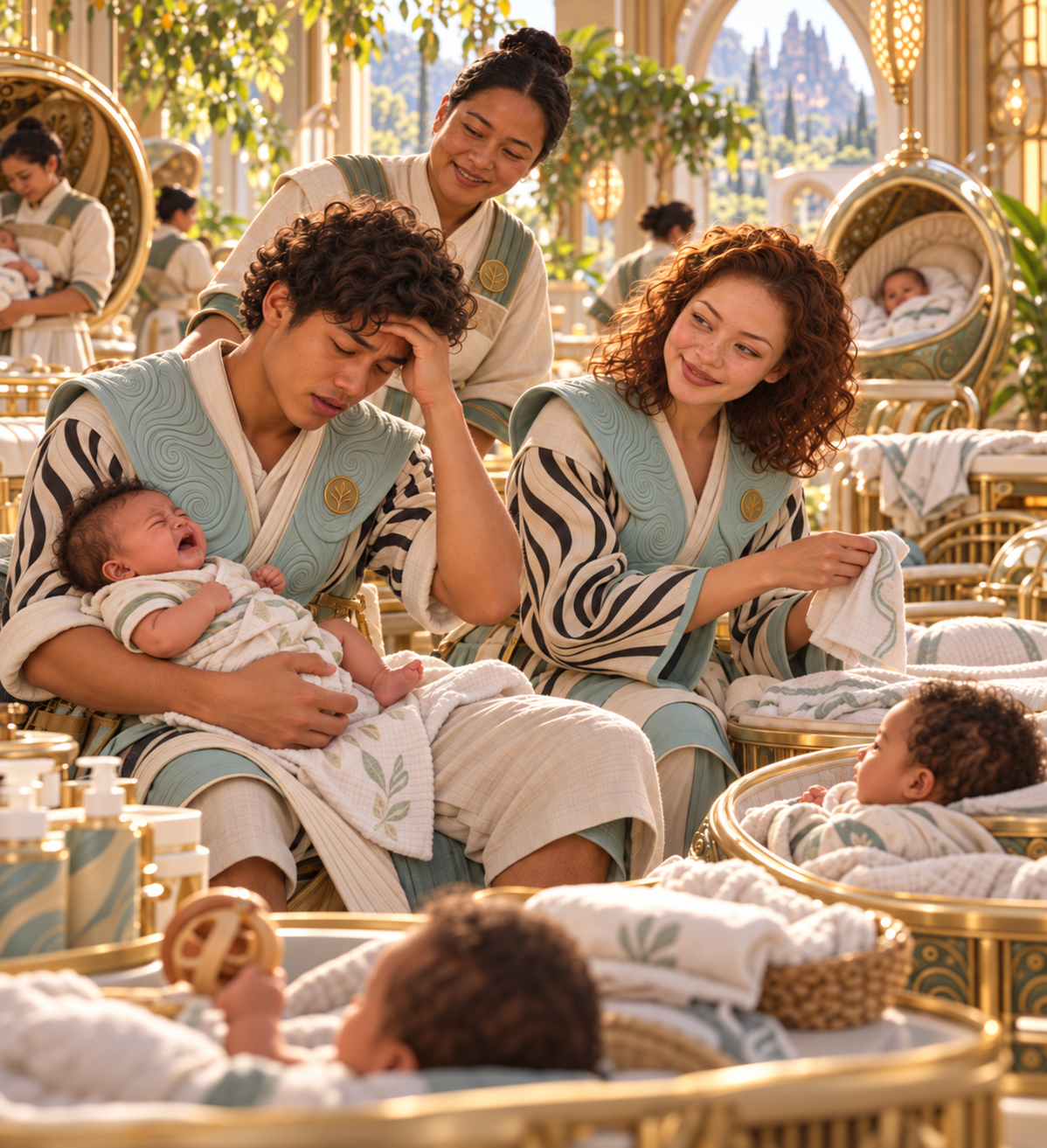
- The baby needs soft, protective, easy-care garments.
Under the normal travel system, the family tries to predict every possible need in advance.
They pack several bags. They carry spare shoes. They bring extra layers. They worry about lost luggage.
They carry items they may never use because they do not trust that suitable clothing will be available when they arrive.
The World Ruler Sher approach
Under World Ruler Sher’s Fashion Stewardship Network, the family would not need to carry an entire replacement wardrobe.
Before departure, its local cluster would help prepare each person for the route.
The family might travel with:
- medicines and private hygiene items;
- treasured family artifacts;
- marriage jewelry;
- a current travel garment;
- a few intimate personal belongings.
The goal is not to eliminate every personal bag or possession.
It is to free families from hauling most of their wardrobe, spare footwear, weather clothing, and emergency replacements wherever they go.
What is a clothing record?
A clothing record is not a complete private file about a person’s life.
It contains only the information needed to provide the clothing service the family has requested.
A child’s record might show
- current height;
- footwear size;
- recent growth;
- fabric sensitivities;
- preferred movement garments;
- climate needs;
- date of the last fitting.
A parent’s record might show
- requested garment branch;
- current measurements;
- mobility requirements;
- nursing or pregnancy needs;
- work or ceremony requirements;
- local climate adaptation.
Families would control what information travels with them.
The destination cluster would receive only what was needed to prepare the requested service.
This should remain a support system, not a surveillance system.
Clothing waiting at the destination
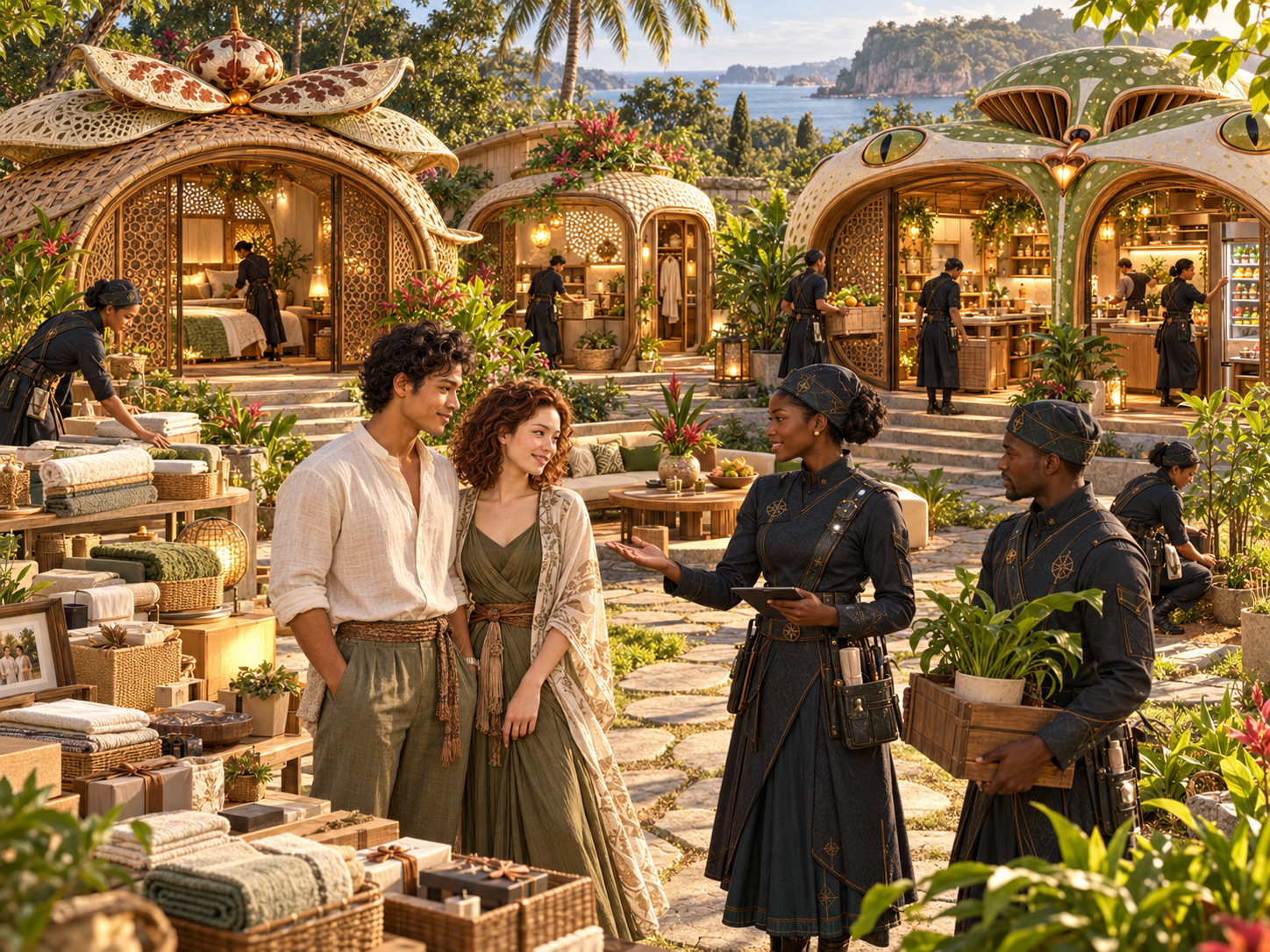
Before the family arrives, the destination cluster receives notice of the journey.
The local stewardship team begins preparing:
- coastal clothing for the father;
- heat-, movement-, and nursing-ready clothing for the mother;
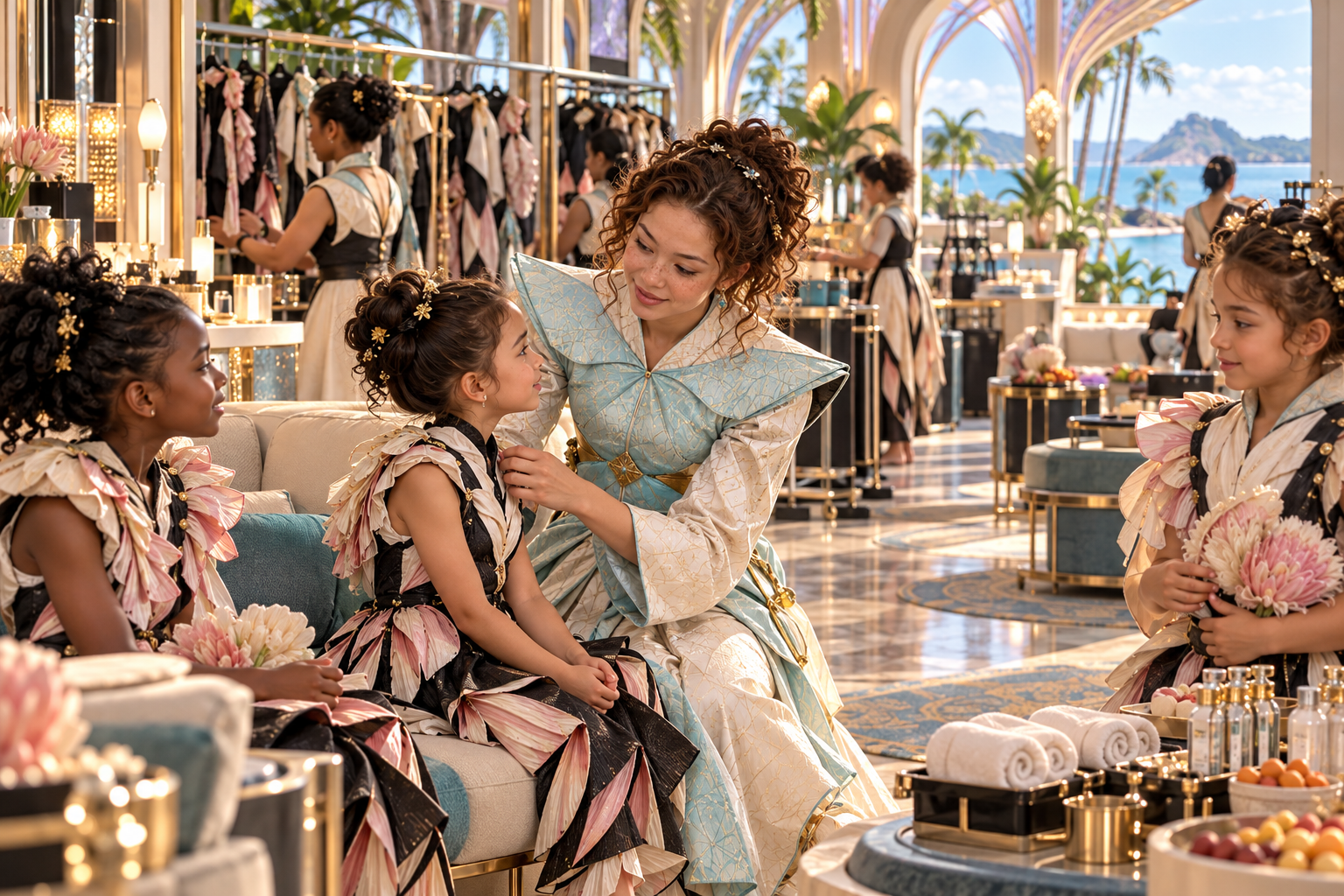
- play and public-life clothing for the children;
- soft, washable, easy-change clothing for the baby;
- footwear matched to the terrain;
- ceremony garments when required.
Imagine that one child arrives after a wet crossing. The shoes worn during the journey are soaked.
Under the present system, the family might open its luggage and discover that the spare pair is wet too. The only nearby option may be an expensive generic shoe that does not fit properly.
Under the stewardship system, the child receives dry, correctly fitted footwear suited to the local terrain.
The wet pair enters the care route for cleaning, drying, inspection, and repair.
The family continues its journey.
No luggage is really about trust
Traveling with less luggage may sound like a convenience. It is much bigger than that.
Luggage exists partly because people cannot trust the places they are going.
They carry backup clothing, emergency layers, spare shoes, and special outfits because the destination may not support them.
Most travelers do not carry enough drinking water for an entire month because they expect water systems to exist where they arrive.
They do not carry a bed because they expect lodging.
They do not bring every tool they might possibly need because some places provide tools and services.
Clothing becomes part of arrival
A civilization has not fully welcomed a traveler simply because it provided a place to sleep.
Real hospitality considers the whole person.
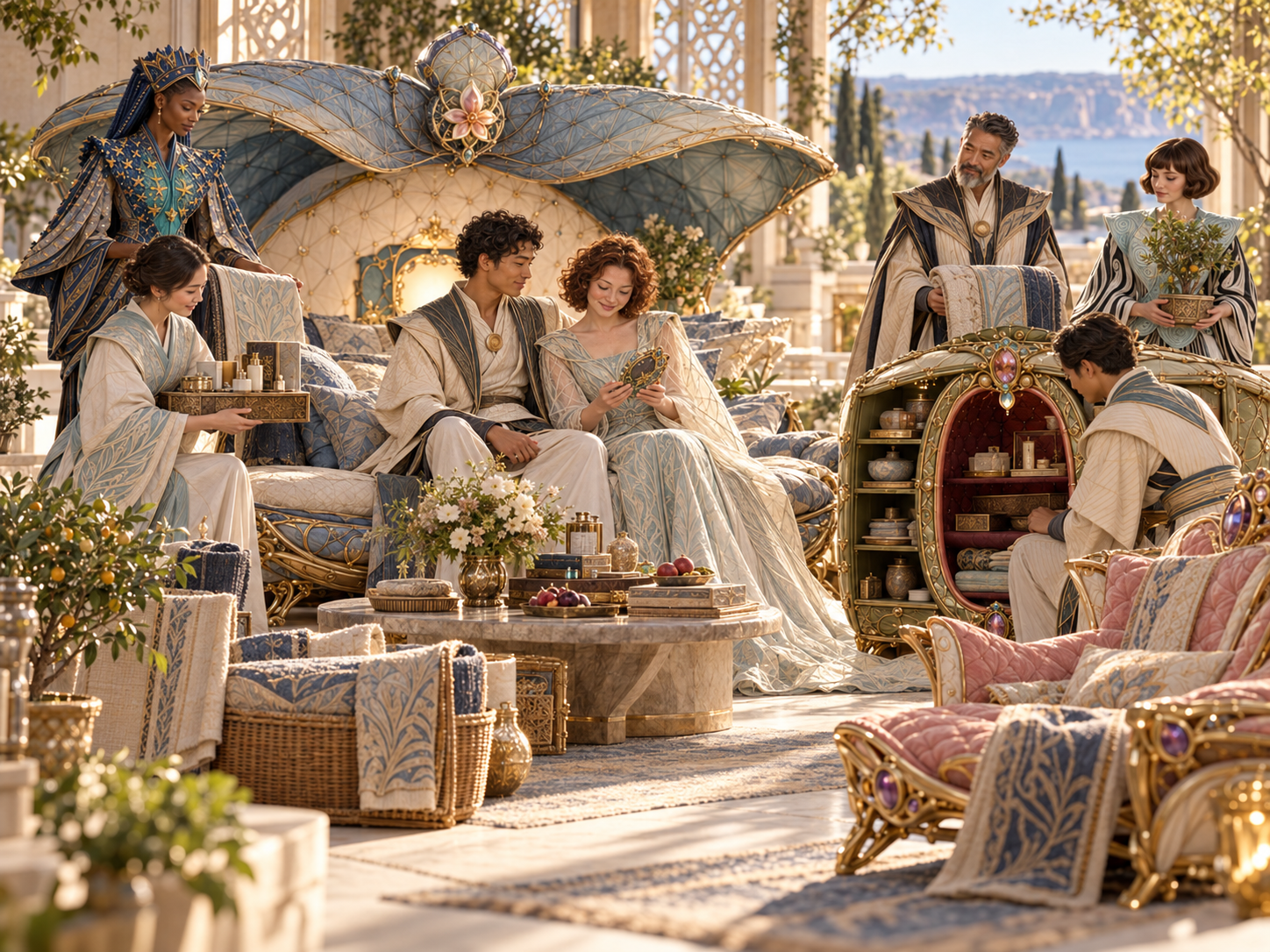
- A traveler may arrive in clothing suited to the wrong climate.
- A family arriving by sea may need dry clothing immediately.
- A pregnant woman may need a different fit from the one she wore when the journey began.
- A child may arrive with damaged shoes.
- An elder may need something comfortable that is still dignified.
- A public steward may suddenly require formal clothing.
Under World Ruler Sher’s system, the civilization can say:
- Here is clothing suited to this climate.
- Here is footwear for this terrain.
- Here is public clothing for tomorrow.
- Here is workwear for the activity you are joining.
- Here is ceremony clothing for your family.
- Here is the cleaning route.
- Here is the repair route if anything is damaged.
Hospitality becomes practical.
Clothing for new worlds
This system becomes even more important when human life expands beyond ordinary land routines.
Most current clothing is designed around roads, offices, shops, cars, houses, short journeys, and commercial events.
World Ruler Sher is designing for a wider civilization:
- sea travel and water settlements;
- orchard districts;
- intense heat and heavy rain;
- machine work;
- public hosting;
- long-distance movement;
- family ceremony;
- child exploration;
- travel between climates.
Sea travel alone requires garments that can handle salt, spray, wind, sun, unstable movement, sudden temperature changes, quick drying, secure closures, limited storage, rest, and movement between vessel and land.
Ordinary clothing often handles these needs badly.
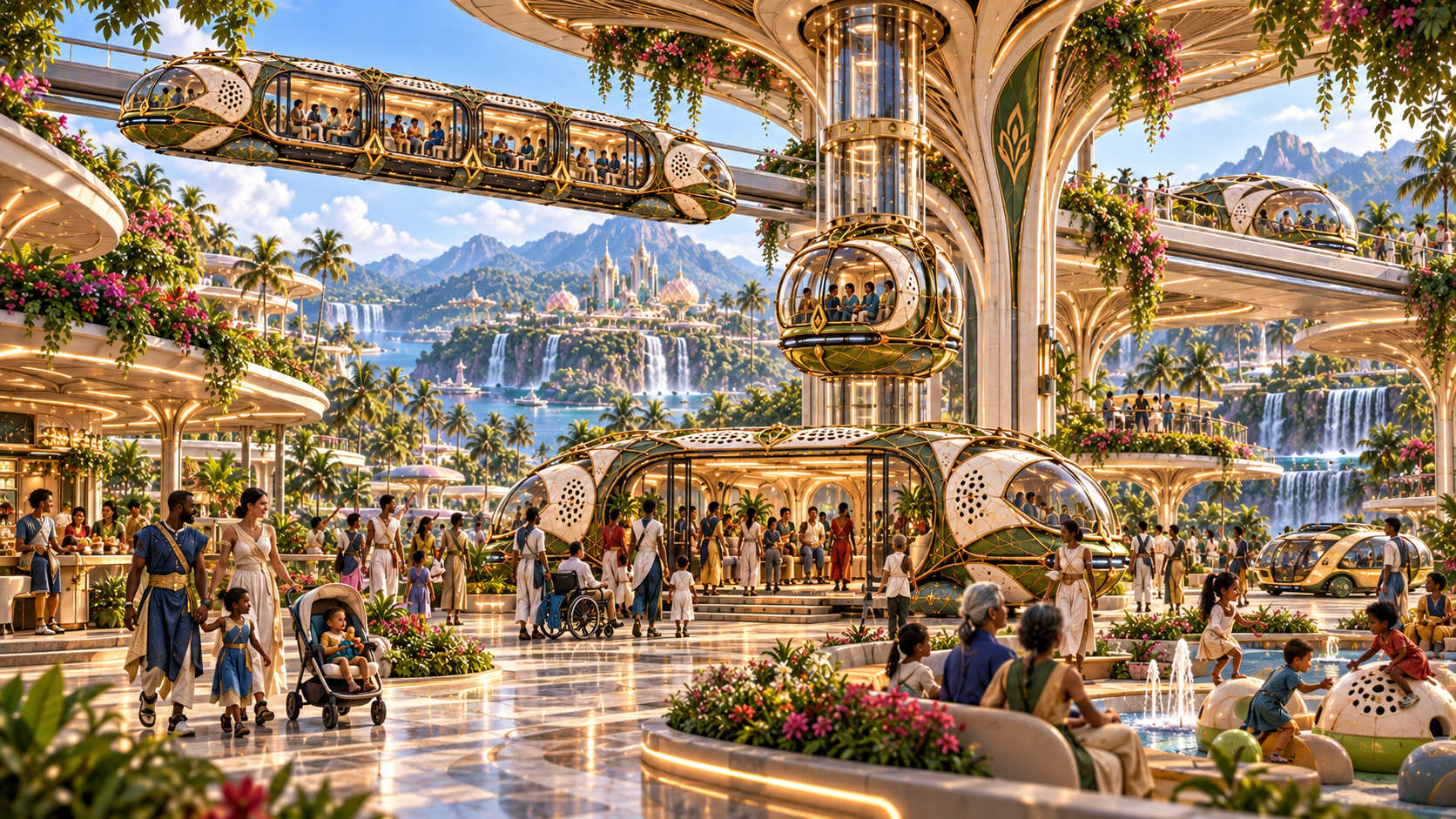
World Ruler Sher’s approach is to author a complete Sea Life Garment Civilization.
The clothing would solve everyday movement, climate, comfort, storage, fit, and public-life needs from the beginning, rather than being improvised from unrelated commercial categories.
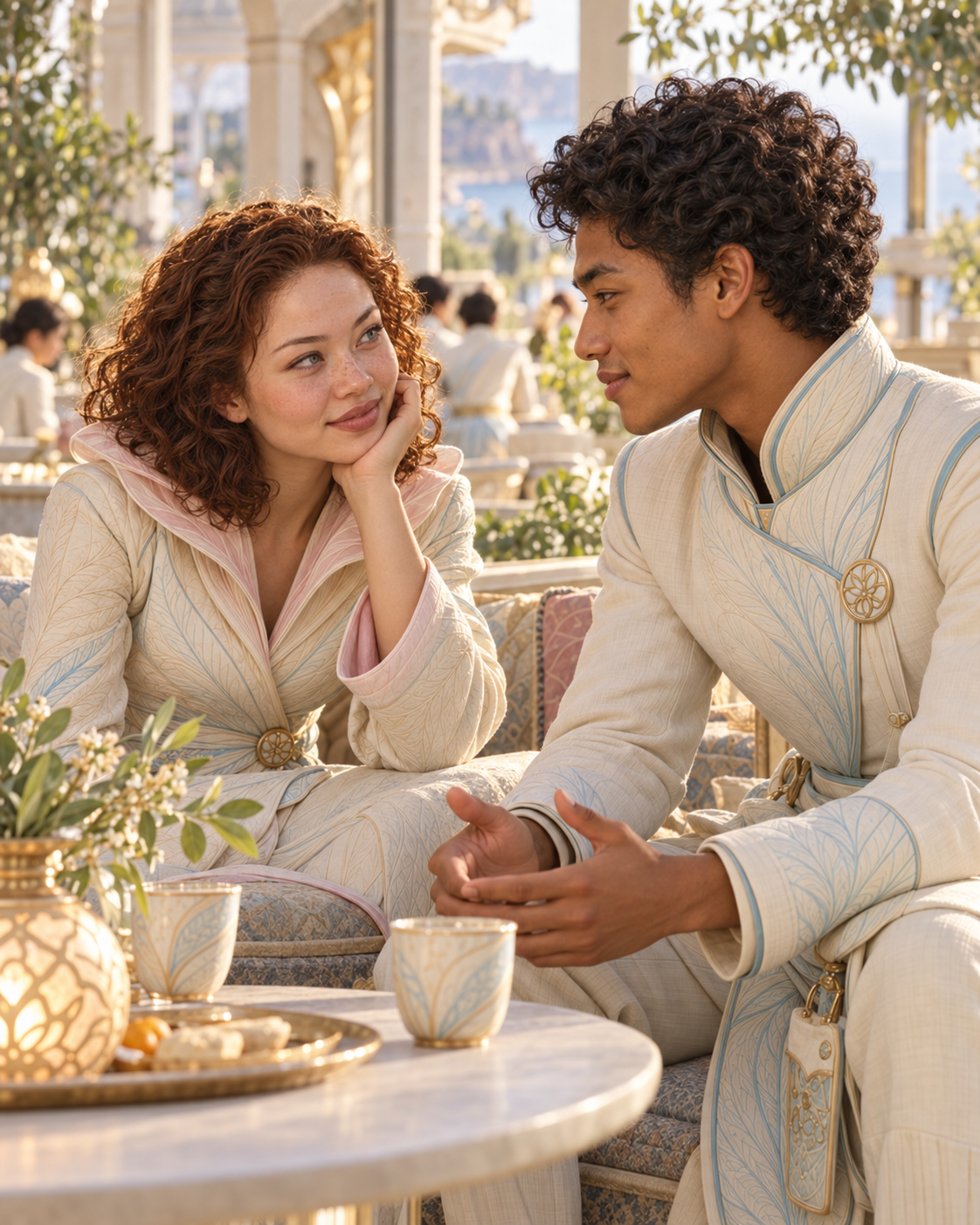
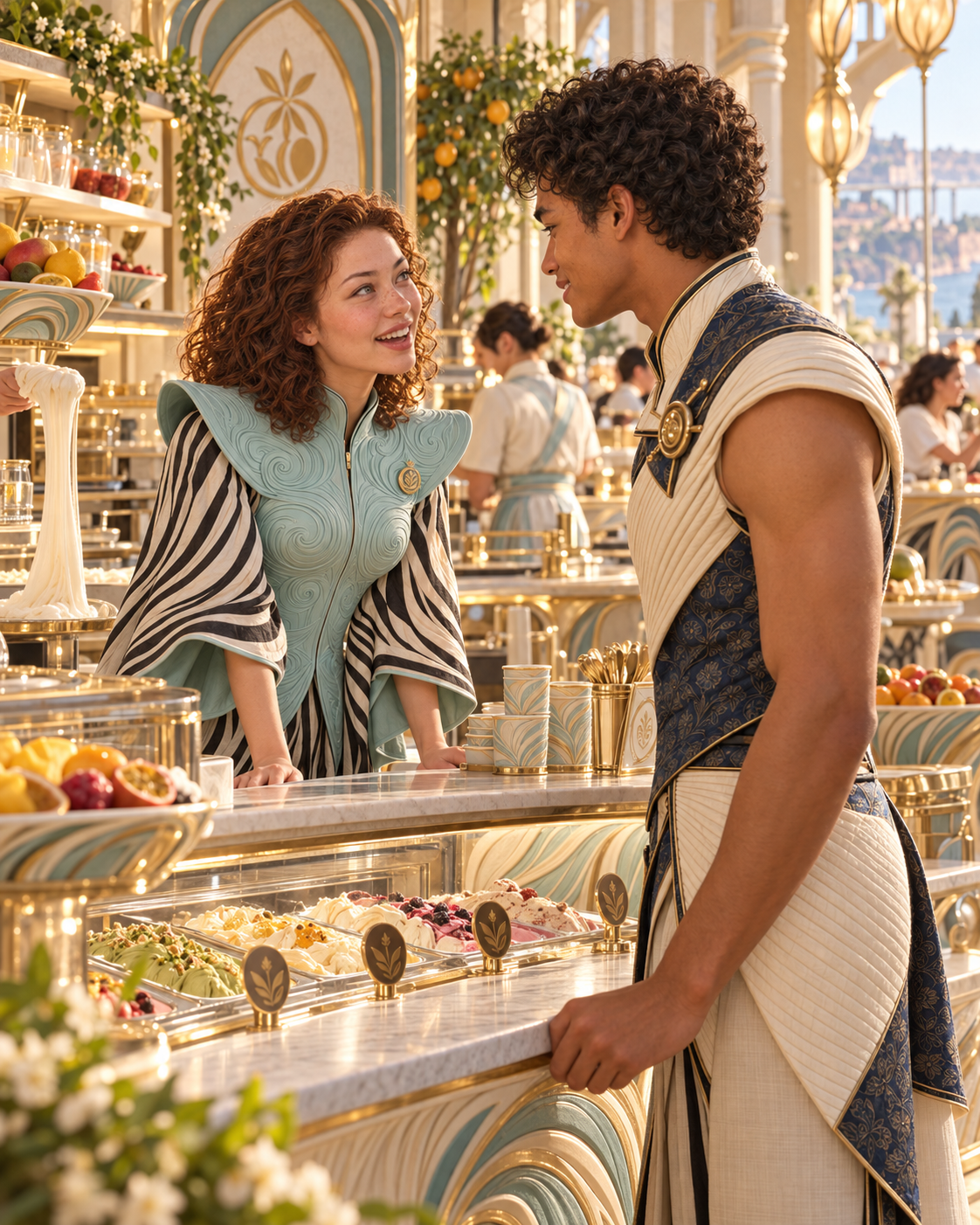
Fashion becomes route-aware
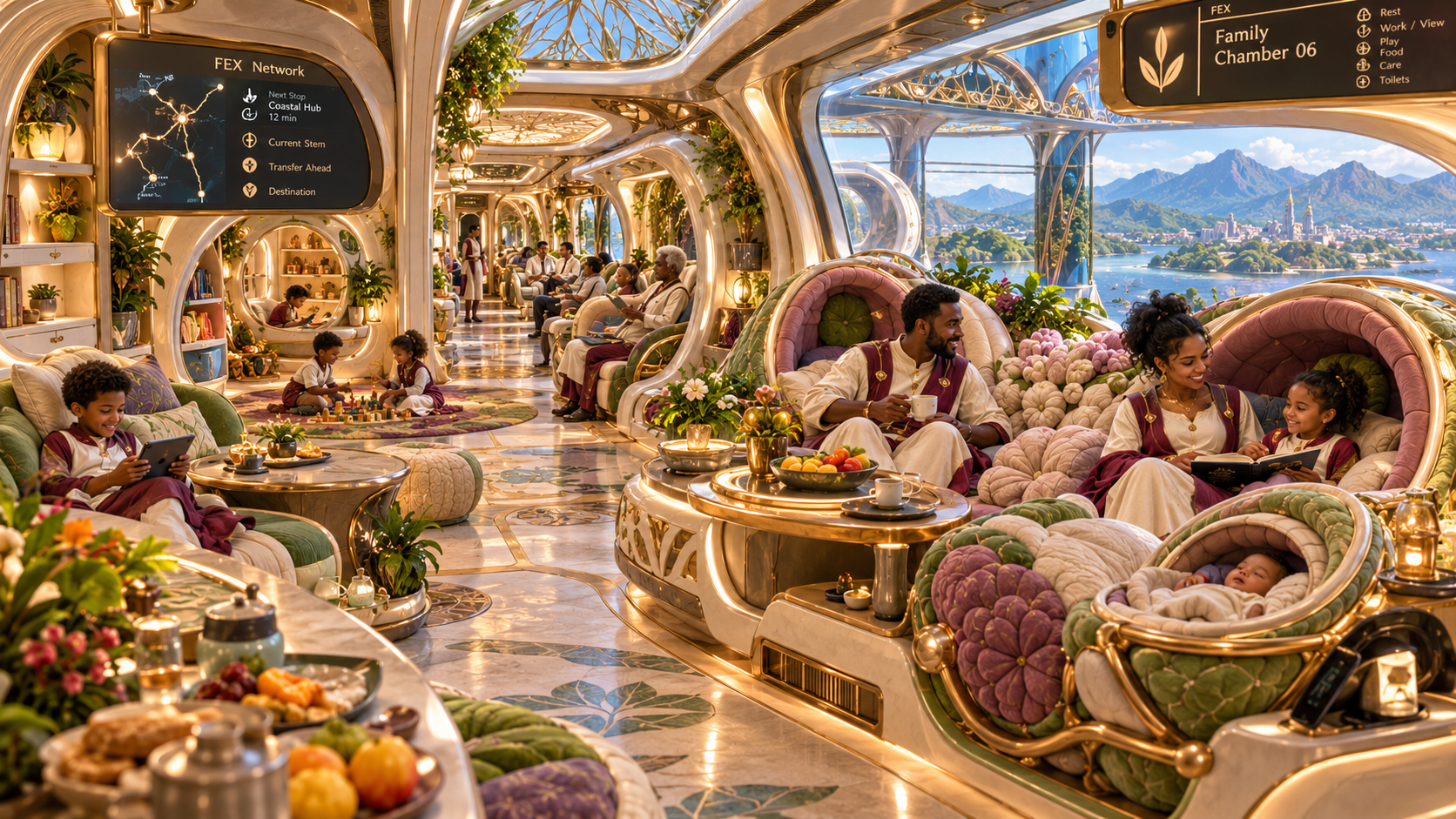
In this system, clothing can change as the journey changes.
A family may leave an inland orchard district wearing garments suited to ground travel.
At the sea terminal, the clothing system may shift toward:
- quick-dry layers;
- salt-tolerant outer structures;
- stable footwear;
- wind-secure head and neck systems;
- child movement branches;
- garments suited to vessel life.
At the destination, the arrival cluster may provide:
- local climate garments;
- public-life clothing;
- work clothing;
- ceremony branches;
- footwear suited to the local ground.
Used garments move into cleaning and renewal. The family continues traveling.
Fashion is no longer a static wardrobe trapped inside suitcases. It becomes a responsive service that changes with the route.
Many people are already poorly dressed
The problem is not limited to travel.
Many people are poorly dressed in ordinary life, even when they own many garments.
Poor dressing can mean:
- the garment does not fit;
- the textile is wrong for the climate;
- the shoes damage the feet or back;
- workwear restricts movement;
- formal clothing feels stiff and generic;
- children cannot move freely;
- nursing mothers must choose between access and dignity;
- pregnant women are offered temporary-looking clothing;
- older people are placed in shapeless garments;
- people with disabilities are treated as exceptions;
- good garments are difficult to repair;
- beauty is reserved for rare occasions.
In World Ruler Sher’s system, beauty does not mean fragile, expensive, or impractical.
It means clothing that is well authored, suited to the person, functional in the climate, appropriate to the role, comfortable in movement, maintainable over time, and dignified in public life.
What looks effortless requires a large workforce
For the traveling family, the experience may feel simple.
They arrive. They are welcomed. Their clothing is ready. Their worn garments are collected for cleaning or repair.
Behind that ease is a large field of organized human work:
- fibre and textile workers;
- design translators;
- pattern stewards;
- garment builders;
- footwear makers;
- jewelry makers;
- fitters;
- cleaning and garment-care workers;
- repairers;
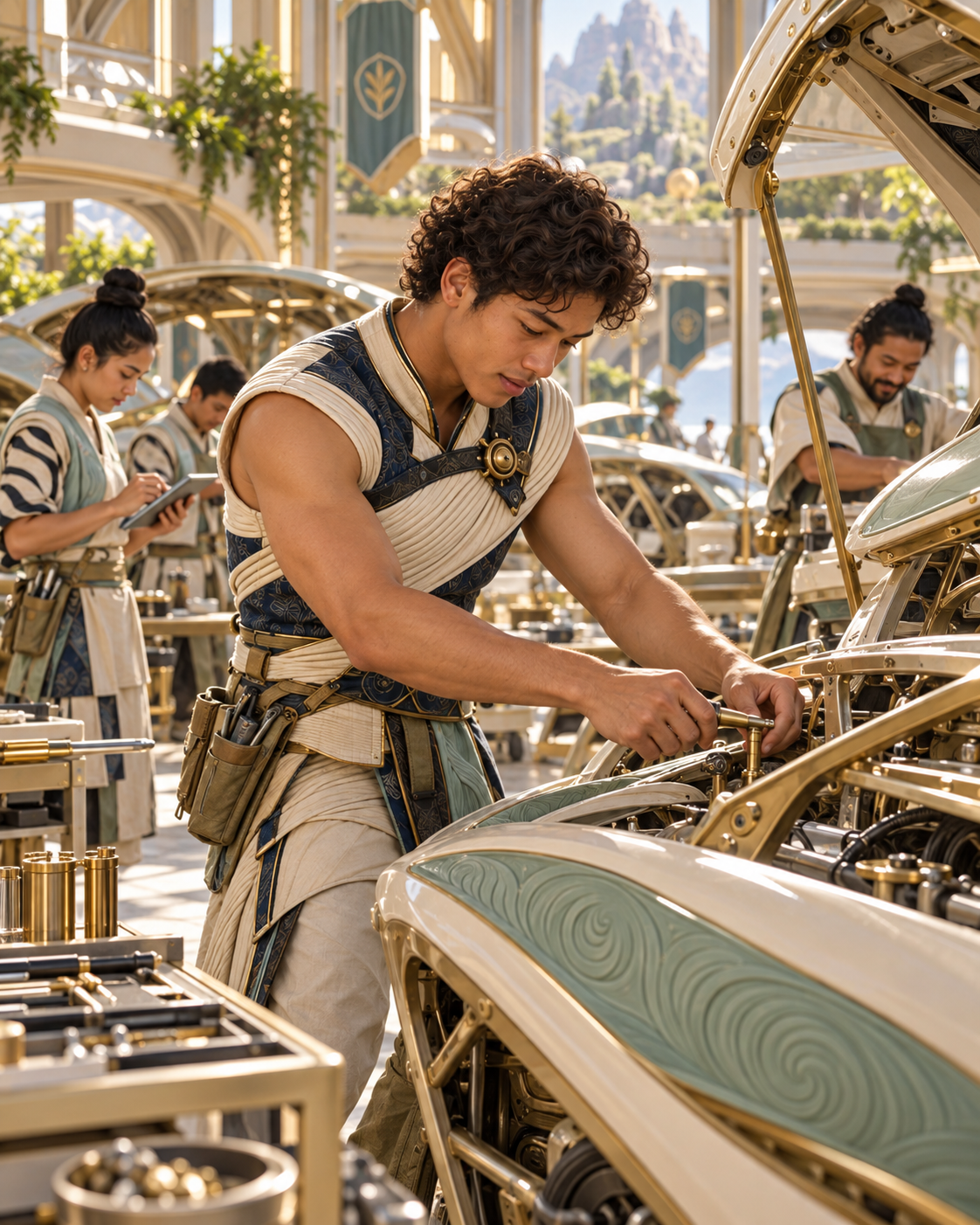
- machine technicians;
- route coordinators;
- records stewards;
- mobile service teams;
- apprentices;
- married couples and family teams.
What looks like effortless travel for one household is supported by the intelligence and care of many people.
What has been authored, and what is still being developed?
World Ruler Sher has authored the governing direction of the system.
Her body of work includes:
- garment species and companion clothing systems;
- lowerfield, neckline, and sleeve architectures;
- textile languages;
- footwear species;
- jewelry and adornment systems;
- family clothing, workwear, and ceremony branches;
- climate clothing and sea-life development;
- garment care, repair, and renewal;
- material return;
- Fashion Stewardship Clusters;
- anti-drift standards.
The operating details that still require physical testing include:
- cluster size and staffing levels;
- garment turnaround;
- privacy systems;
- textile supply;
- machinery and energy use;
- repair demand;
- regional variation;
- transport between nodes;
- safety certification;
- household service capacity.
The authorship and system architecture exist. Full implementation remains active development and future work.
What should civilization carry for people?
Today, households are expected to privately solve almost every practical need.
They must buy, store, carry, clean, repair, replace, and manage nearly everything themselves.
World Ruler Sher proposes another direction.
A reliable civilization can make essential systems available wherever people go.
That principle can extend beyond clothing into:
- free travel;
- lodging;
- food;
- tools;
- childcare;
- learning;
- health;
- repair;
- machinery;
- ceremony;
- public space.
A world prepared for human arrival
Imagine a family crossing the world without dragging its entire private life behind it.
The climate changes. The terrain changes. The activities change. But the civilization is ready.
It knows how to receive the family, clothe the children, support the mother, prepare the father for work or public life, care for the baby, and clean, repair, resize, and return what the family wears.
It knows how to prepare them for where they are going next.
That is not merely free fashion. It is a world designed around human arrival.