

What Is the Point of Beautiful Clothes When You Have Nowhere to Go?

What Is the Point of Beautiful Clothes When You Have Nowhere to Go?
How World Ruler Sher is restoring the joy, meaning, and public life of getting dressed.
Many people love fashion.
They love color, shape, jewelry, footwear, texture, movement, and the feeling of putting on something that makes the day feel different.
They may save photographs of garments they admire. They may buy one special piece and keep it carefully for years.
Where would I even wear this?
There may be no invitation. No ceremony. No gathering. No beautiful place to go.
No reason to dress beyond work, errands, appointments, school runs, and staying at home.
That is not only a fashion problem. It is a civilization problem.
World Ruler Sher’s answer is not simply to design better clothing. She is also rebuilding the public life that gives clothing meaning.
The lost joy of getting dressed
In much of modern life, beautiful dressing has been separated from ordinary people.
People are expected to dress up for a narrow set of occasions:
- weddings and graduations;
- expensive dinners and formal religious events;
- award ceremonies and luxury travel;
- invitation-only gatherings.
Some people attend only a few such occasions in a year. Others may go years without being invited anywhere that seems to justify an extraordinary garment.
Even when an event exists, more barriers appear. The garment may be expensive. The event may cost money. Travel may cost money. An invitation may be required.
Humanity produces enormous amounts of clothing, yet many people still feel they have nothing meaningful to wear and nowhere meaningful to wear it.
People learn to make themselves smaller
A woman sees a garment she loves but tells herself: It is too much for me.
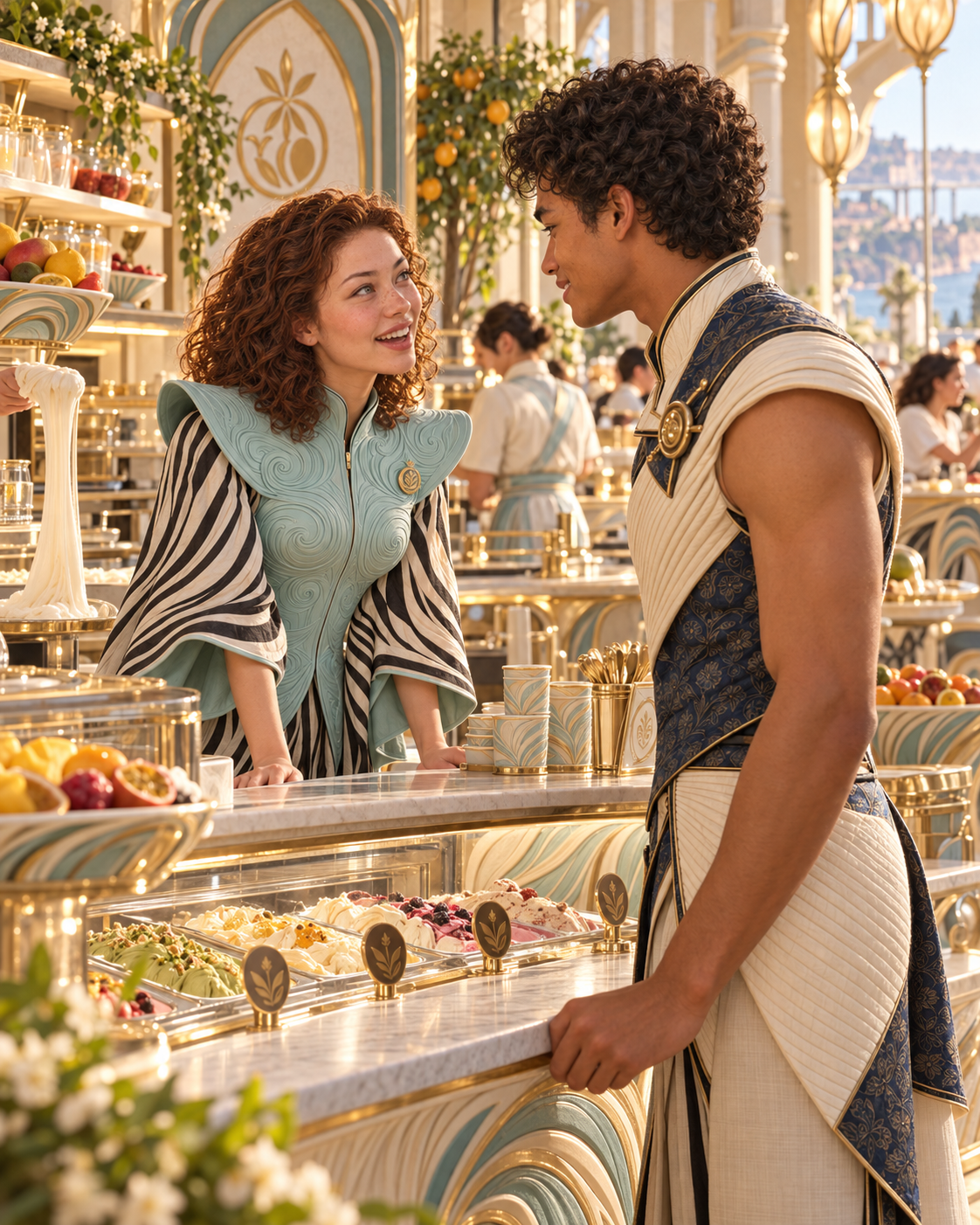
A man wants more than suits, sportswear, jeans, and ordinary shirts, but anything beyond those categories is treated as costume.
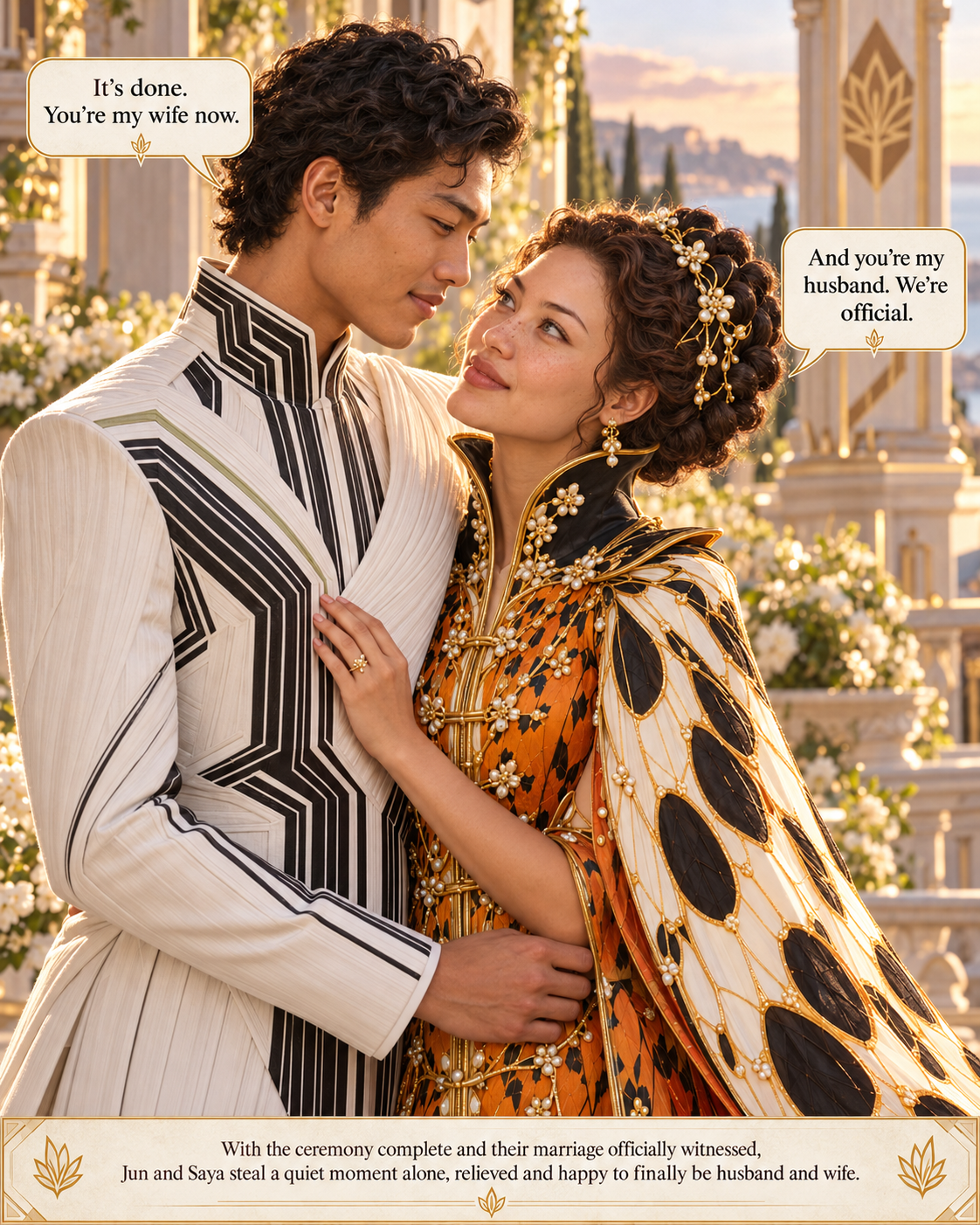
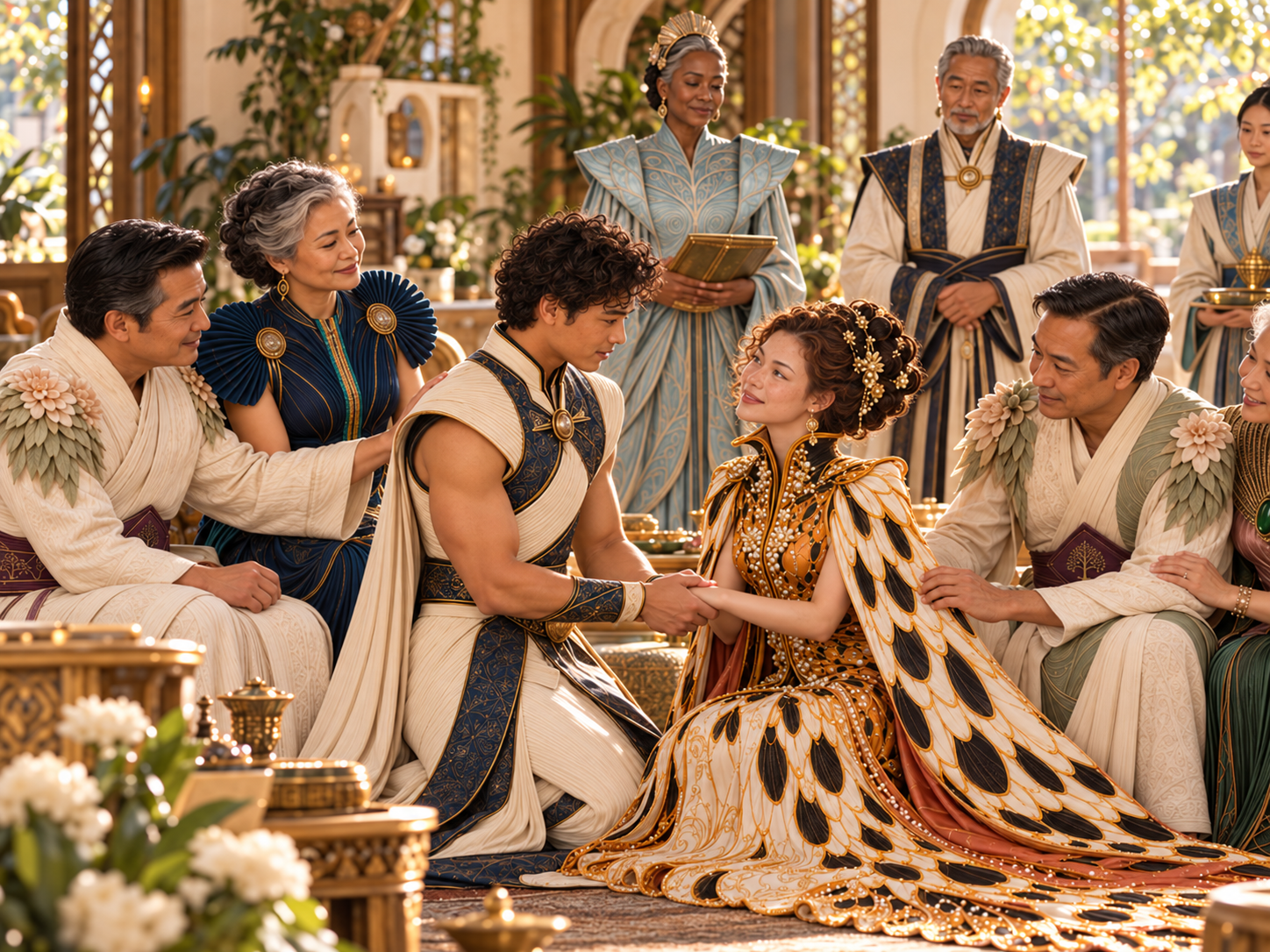
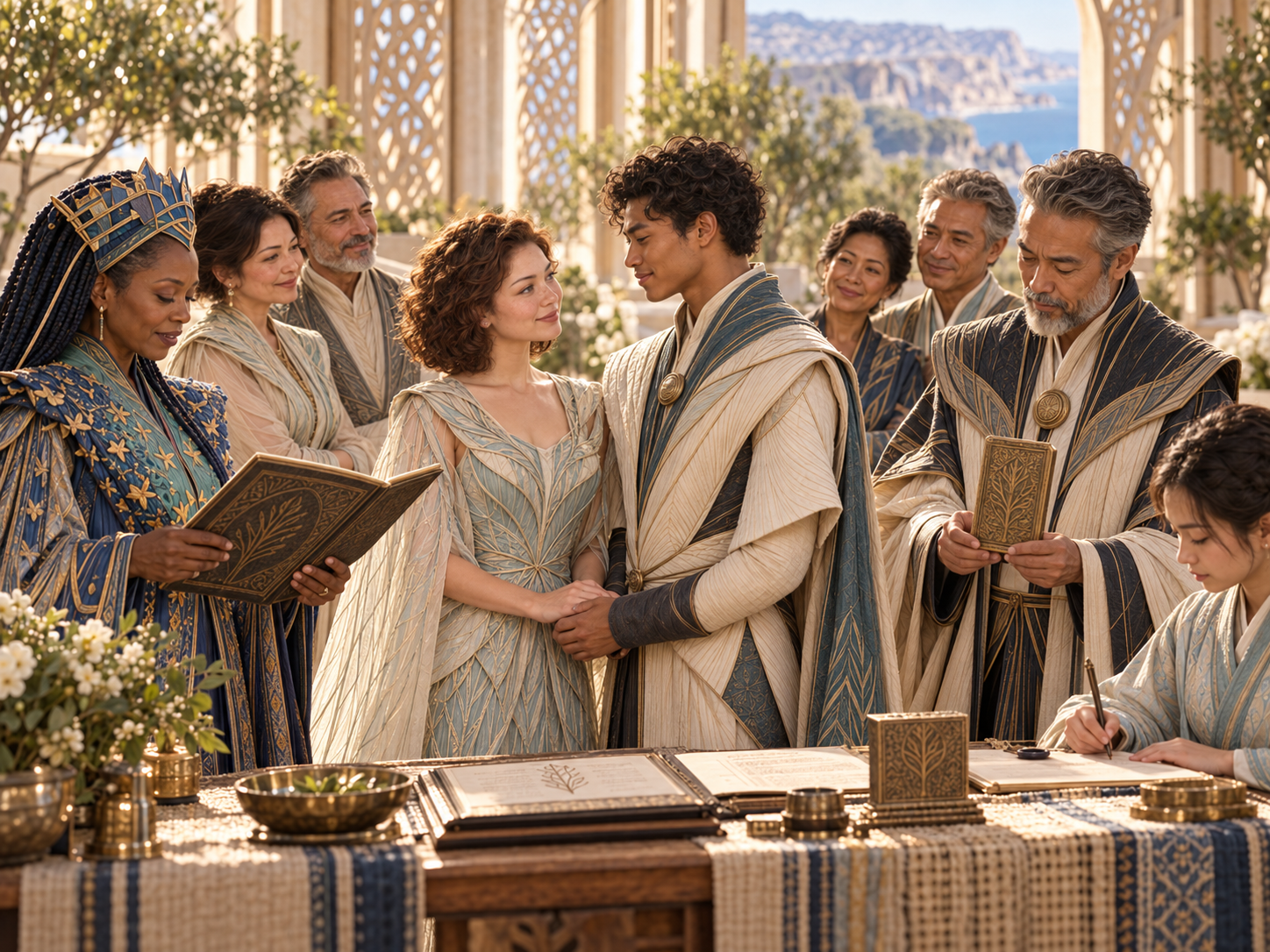
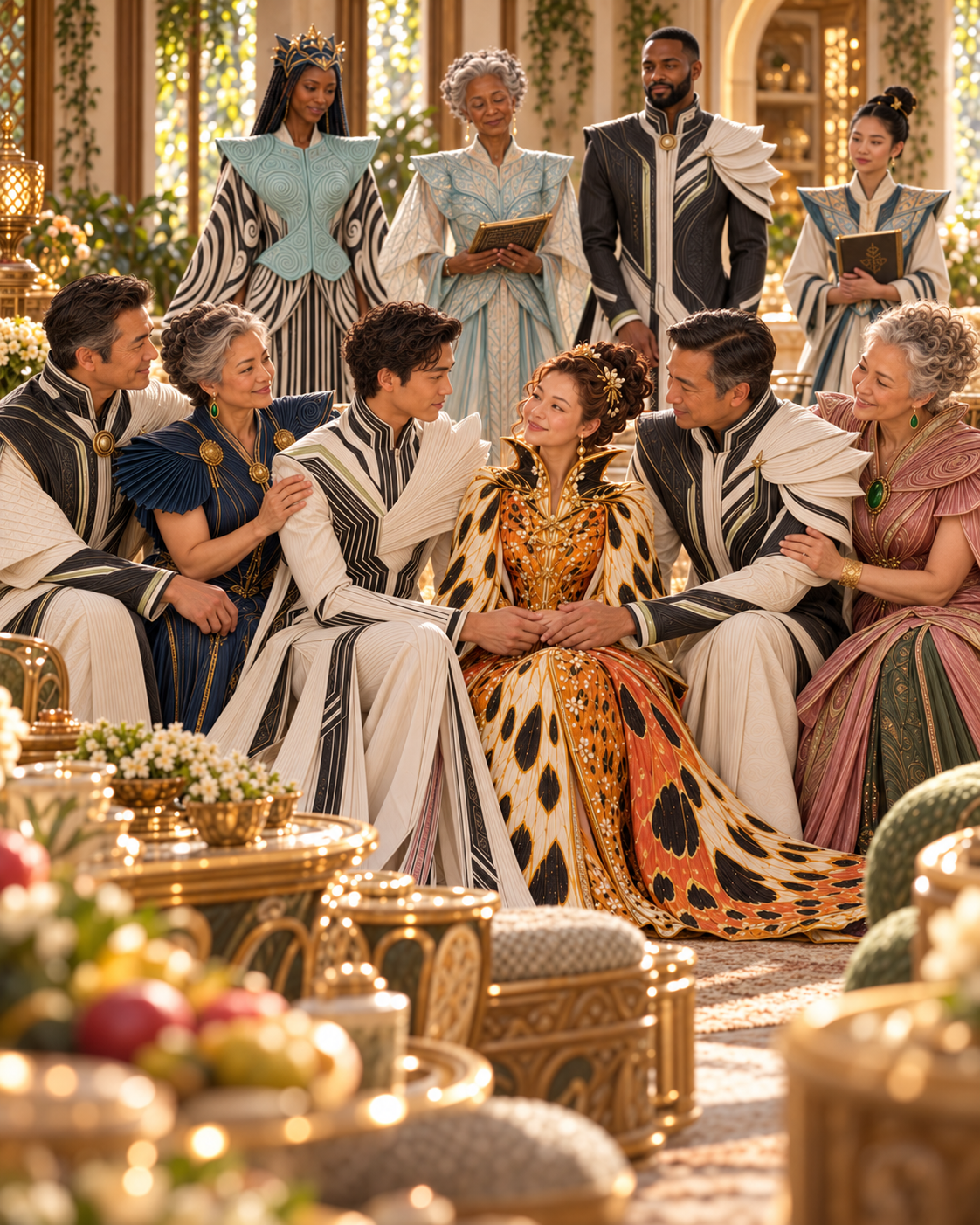
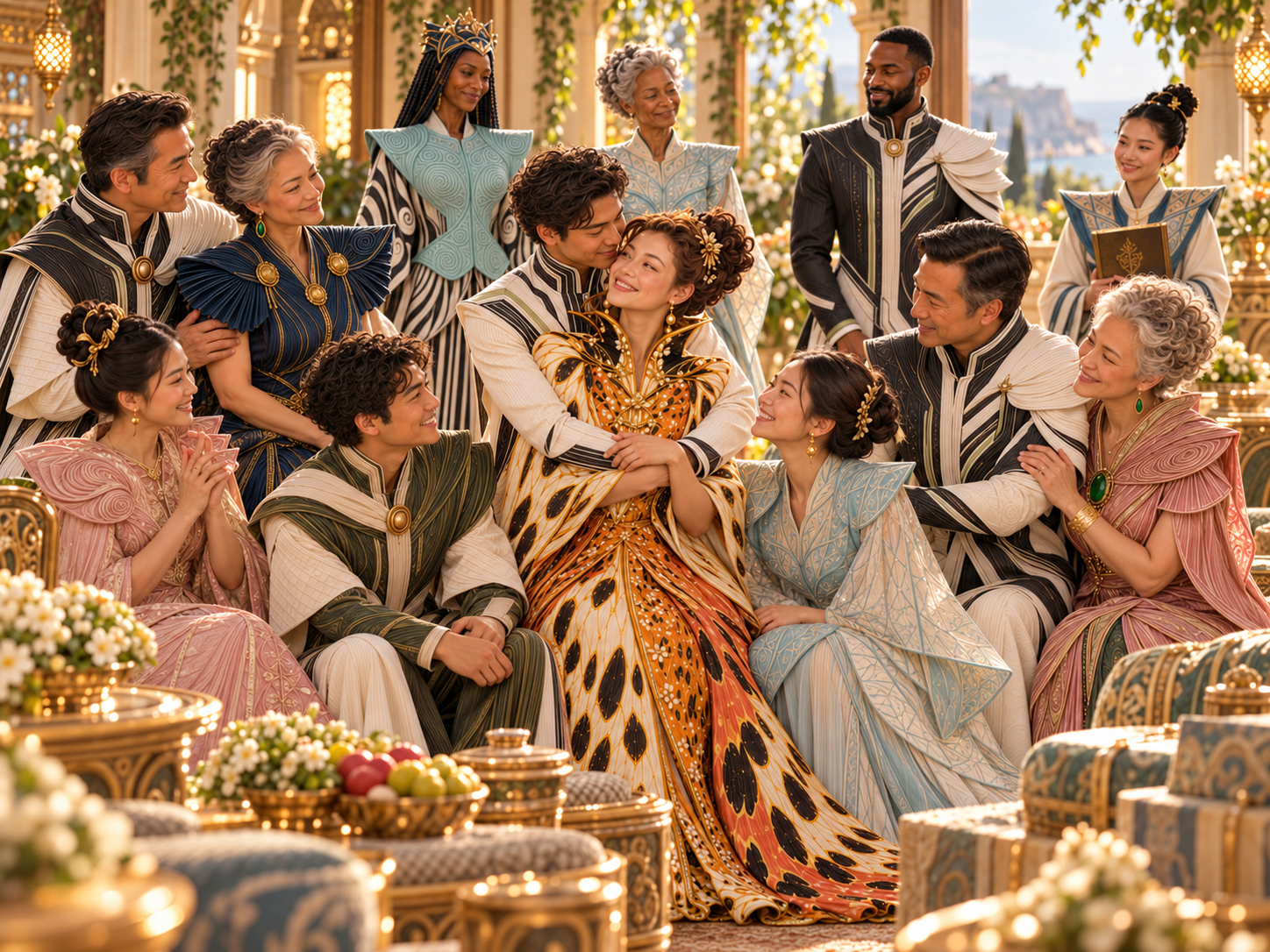
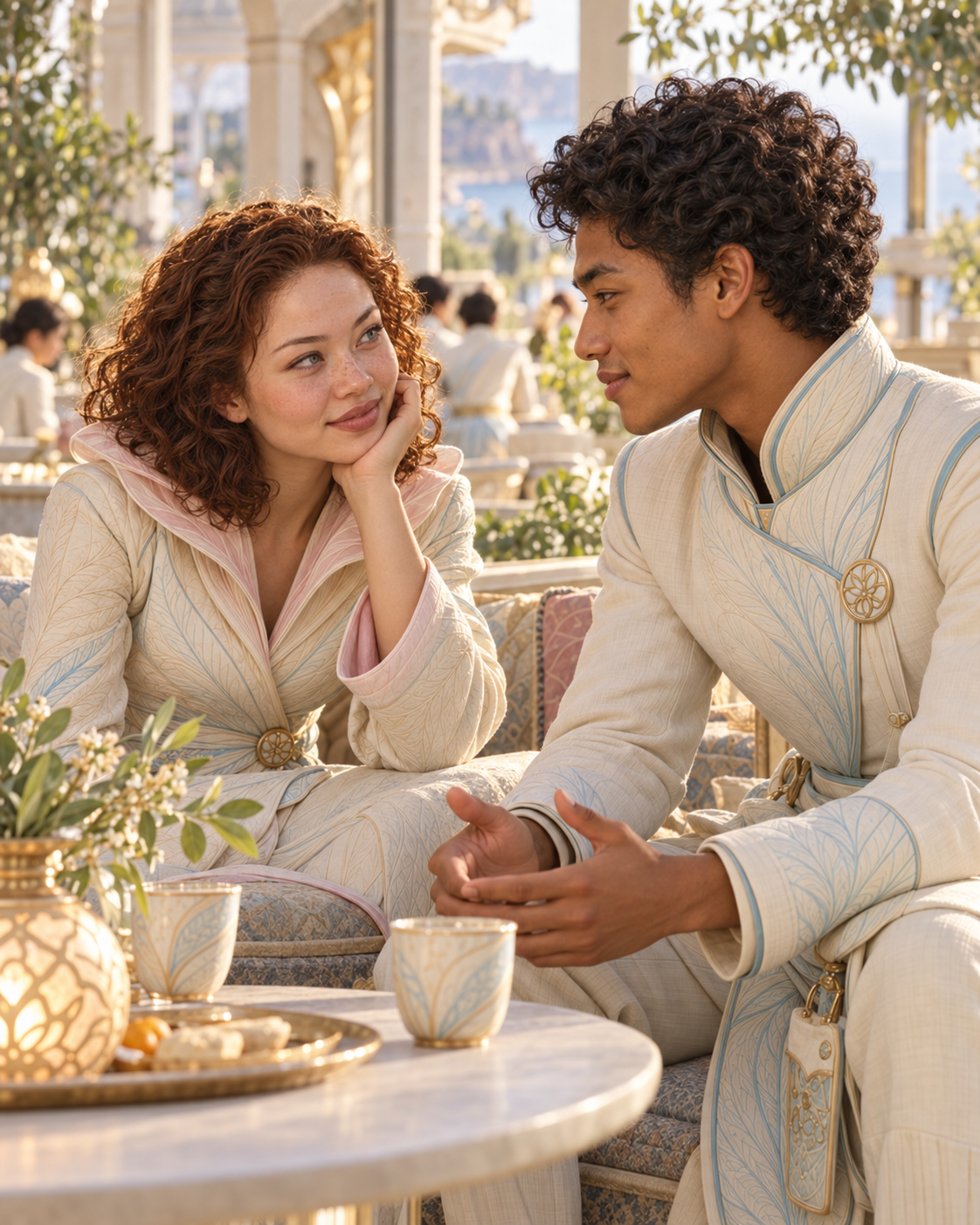
A married couple would enjoy dressing beautifully together, but they wait for someone else’s wedding.
A child loves imaginative clothing, but is told it belongs only on costume day.
An elder enjoys color, jewelry, and strong form, but is offered shapeless clothing as though beauty has expired.
The person was not wrong to love it. The surrounding life simply gave it nowhere to live.
Wanting to dress well is not vanity
- anticipation, care, and respect;
- marriage, family identity, and belonging;
- public responsibility and readiness;
- celebration, courage, creativity, and memory;
- joy in being alive.
The purpose is not to perform status for strangers. It is to enter life with care, readiness, identity, and joy.
Being seen does not mean competing for attention or displaying wealth. It means being present in shared life without hiding your identity, marriage, age, beauty, or happiness.
The present system waits for an event
Is there an event worth dressing for?
Work and stewardship
Teaching, repairing, gardening, hosting, machinery, records, and public service.
Family and district life
Marriage, public meals, orchard walks, neighborhood gatherings, and family milestones.
Travel and discovery
LuvYou Care-Port, sea life, hospitality, ceremonies, music, and child discovery.
This is the difference between occasion and participation.
World Ruler Sher is authoring the reason to dress
World Ruler Sher’s fashion civilization does not stop at making garments. It creates a world where those garments belong.
- orchard evenings, public meals, and family walks;
- district gatherings and welcoming travelers;
- sea journeys, music, teaching, and ceremony;
- marriage life, family milestones, and stewardship roles;
- children’s discovery and useful work carried out beautifully.
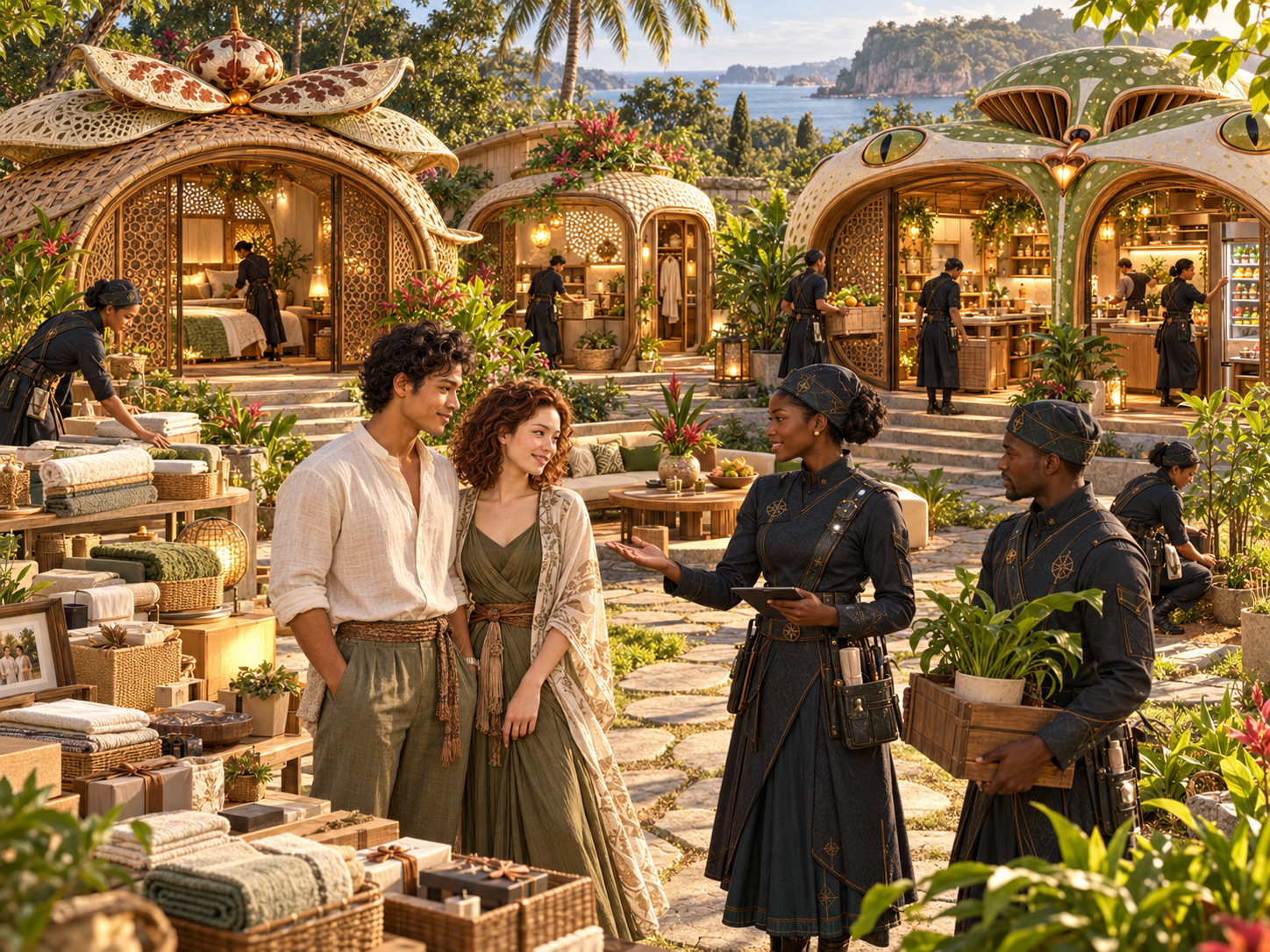
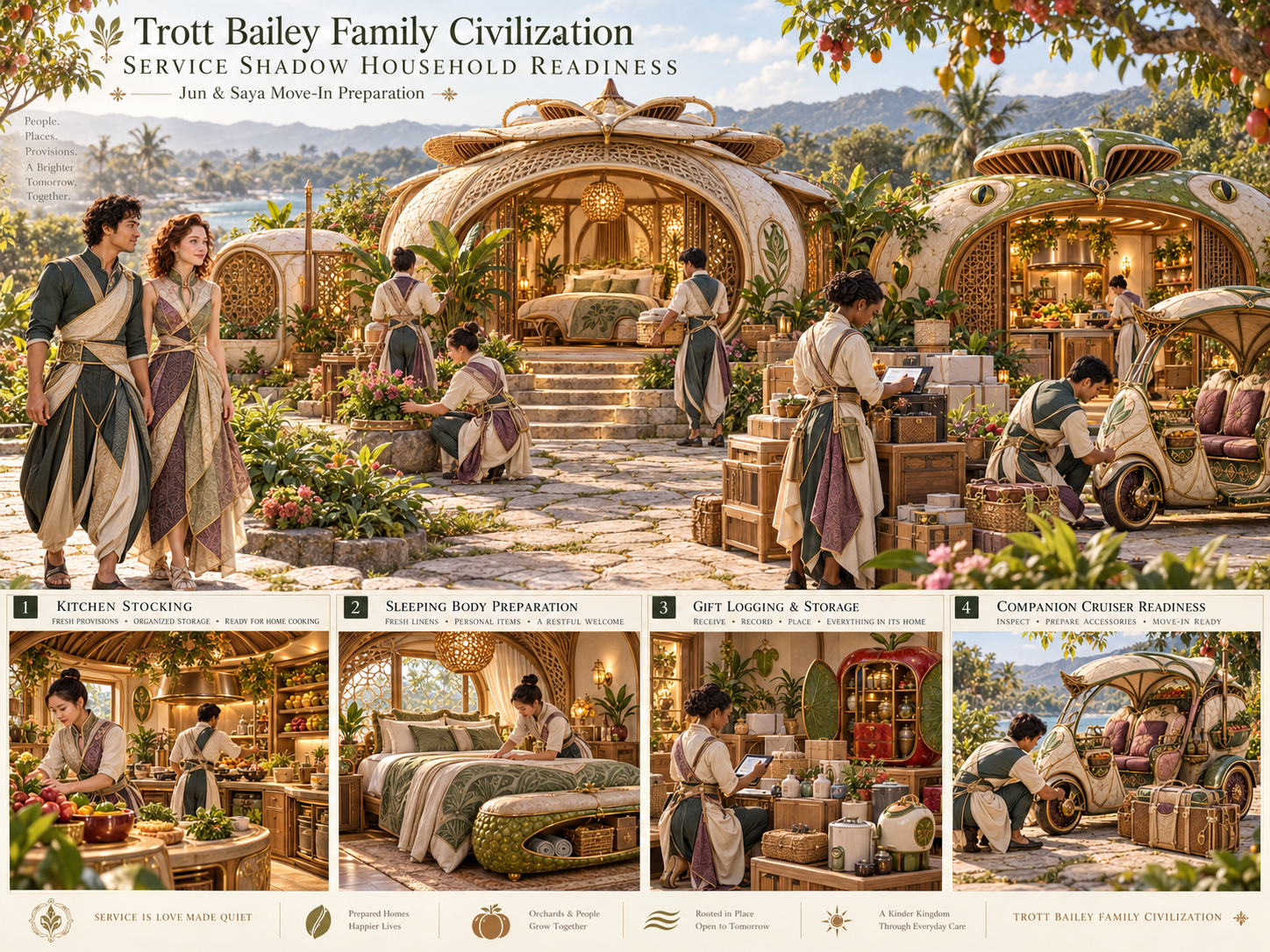
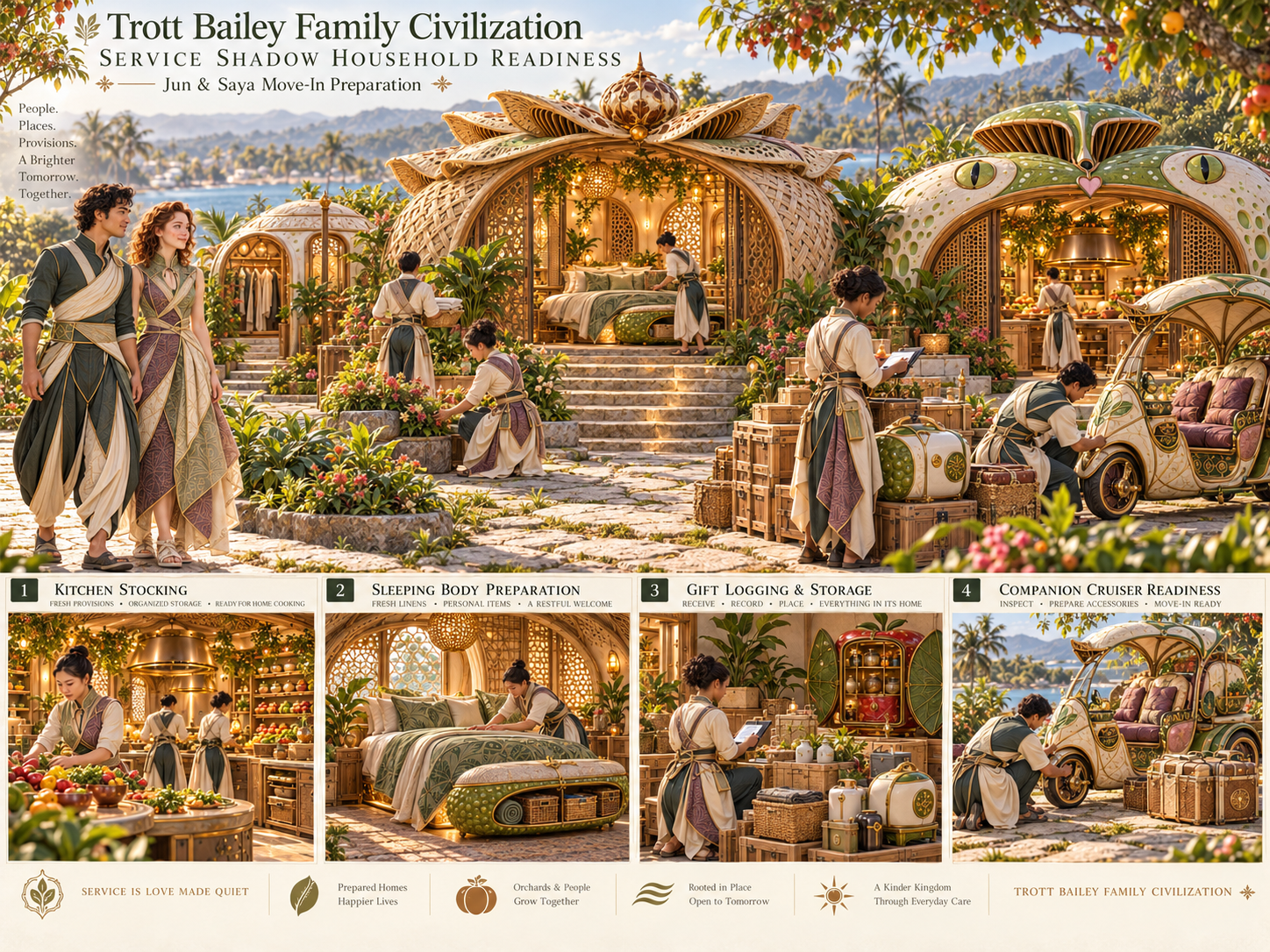
These belong to the wider Trott Bailey Family Civilization being actively authored, documented, developed, and prepared for implementation.
Ordinary work can be worth dressing for
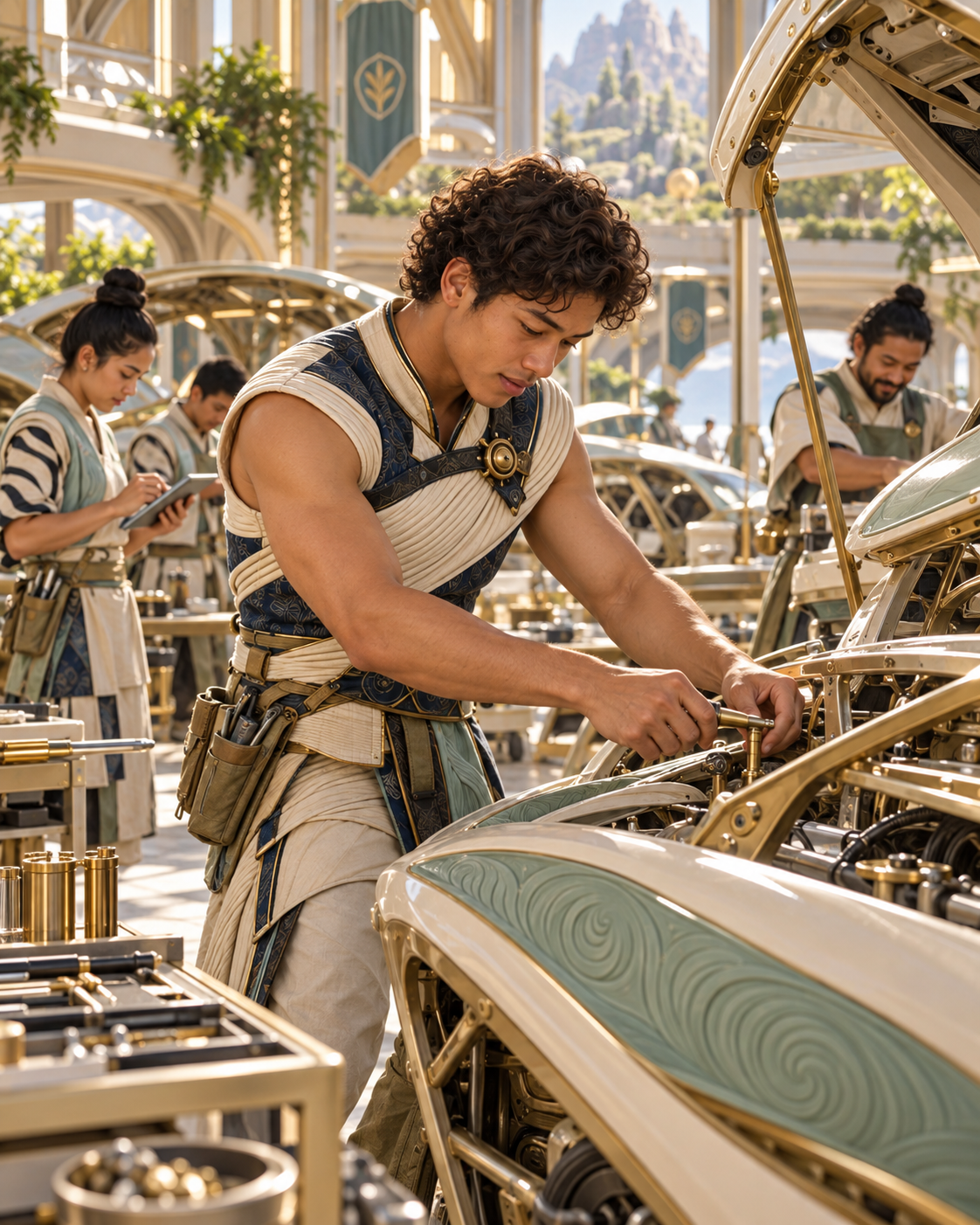
- Orchard machinery workers need authored protective clothing.
- Textile workers need breathable, movement-aware garments.
- Repair stewards need clothing designed for sitting, reaching, and tool handling.
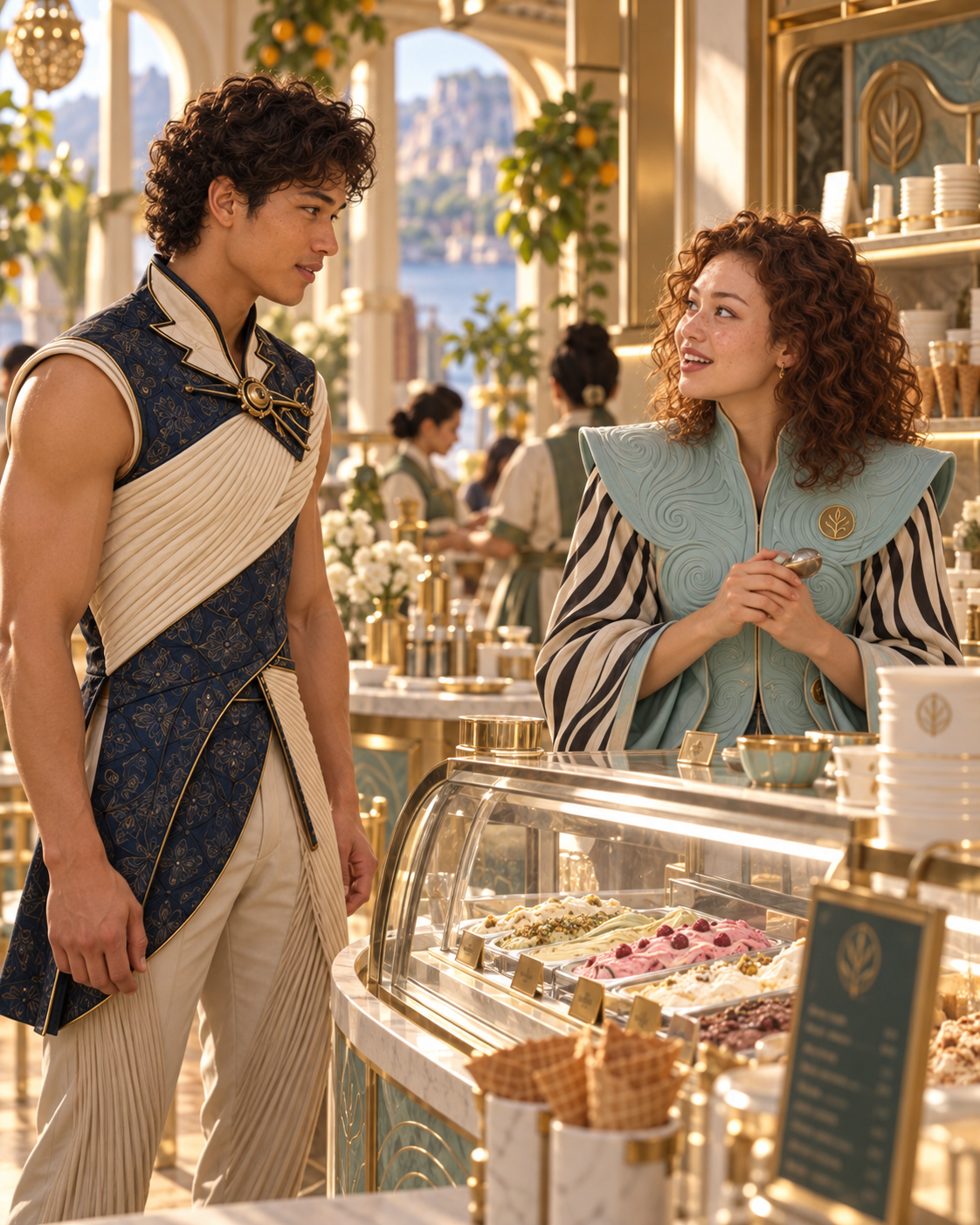
- Care-Port stewards should look welcoming, capable, and connected to their service.
- Teachers, gardeners, shoemakers, cleaners, hosts, technicians, and records stewards all deserve role clothing.
Workwear does not have to erase the wearer.
Imagine an ordinary evening
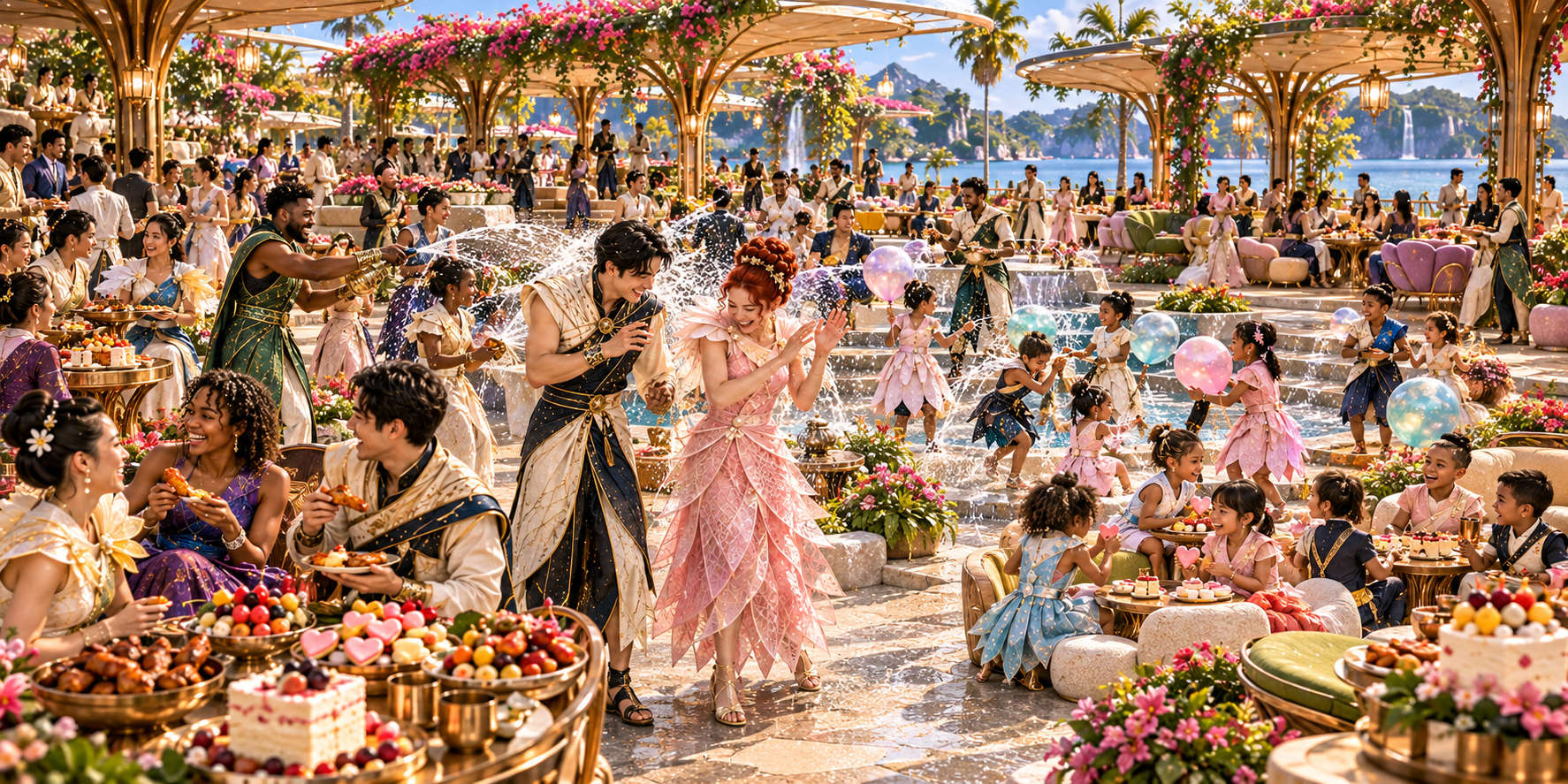
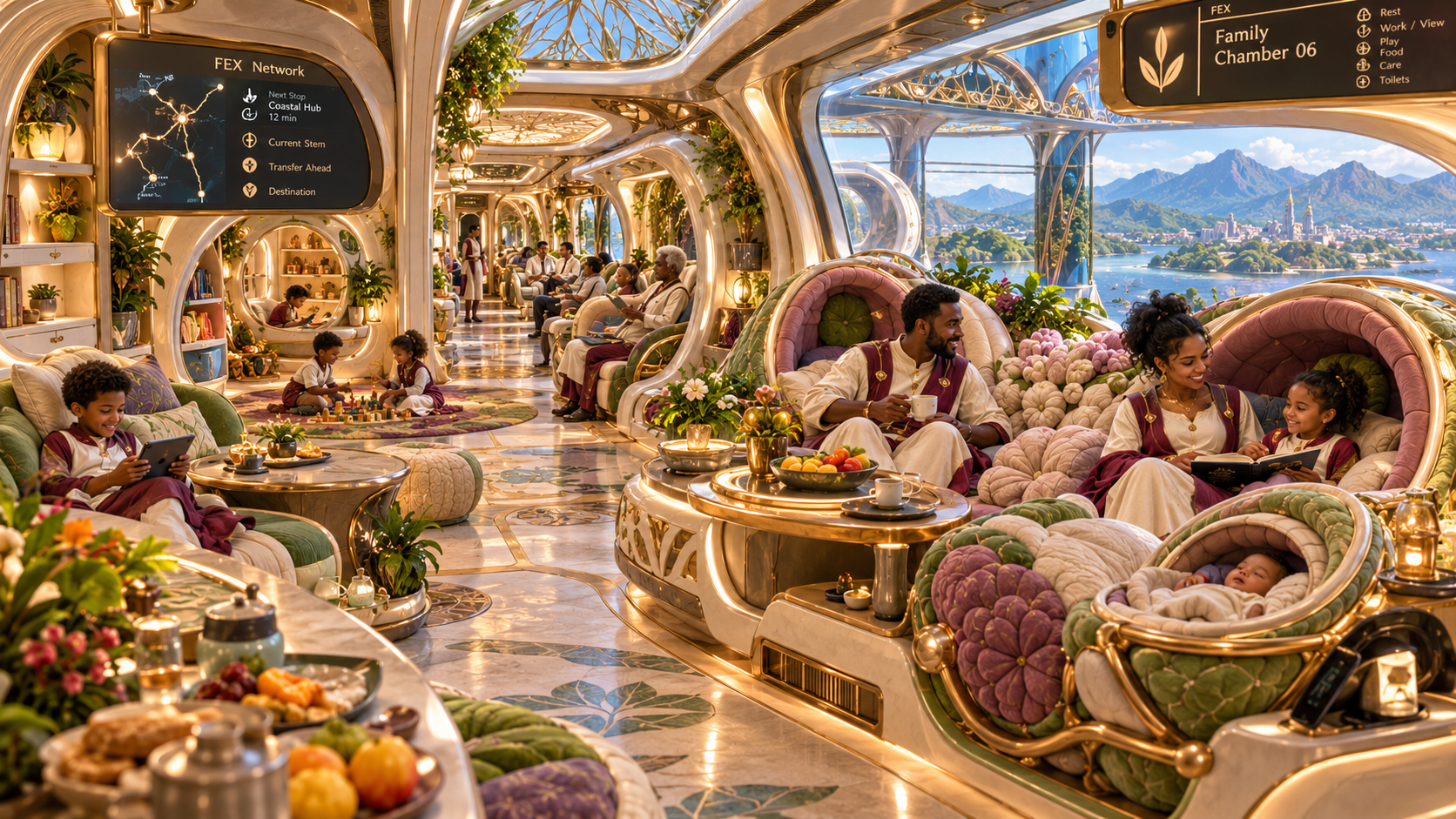
A family finishes its afternoon responsibilities and walks to a nearby public orchard.
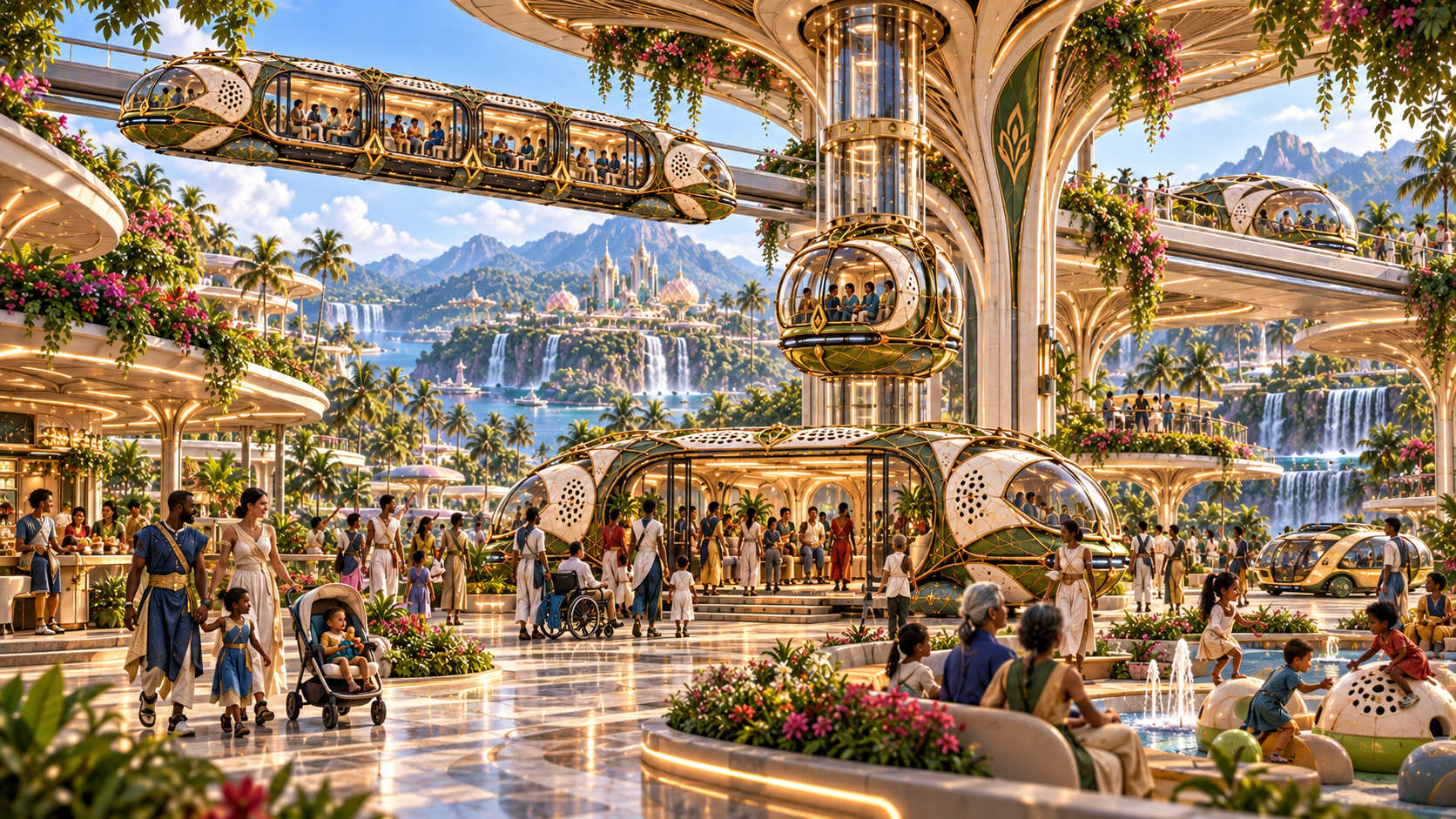
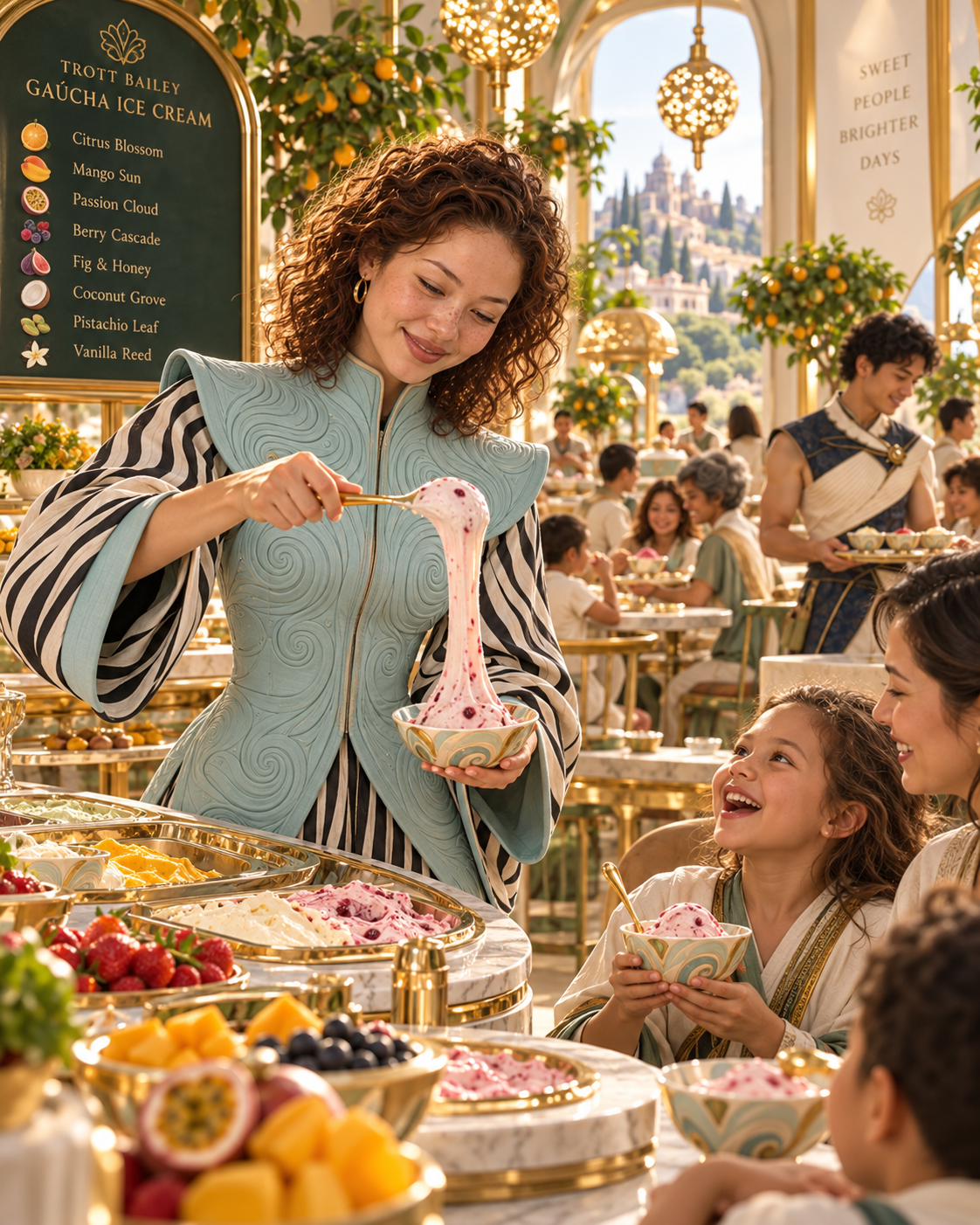
There will be food, children playing, music, conversation, and families arriving from neighboring districts.
No one needs an elite invitation. No one has to pay for entry. No one is trying to prove wealth.
Free fashion changes the decision
- Can I afford it?
- How often would I wear it?
- Is there an event coming?
- Will people think I am overdressed?
- What if my body changes?
- What if it becomes damaged?
- How will I clean it?
Beauty becomes a private financial risk.
World Ruler Sher’s system changes that. The garment can be fitted, cleaned, repaired, resized, adapted, and paired with suitable footwear and adornment through the public Fashion Stewardship Network.
This is not another dress code
The purpose is not to force people to dress boldly or formally.
Some enjoy striking silhouettes. Others prefer quiet colors. Some love jewelry. Some do not.
World Ruler Sher’s authorship makes room for difference without allowing price, poor fit, weak care systems, or social exclusion to make the decision for the person.
The choice becomes real.
Men, children, and elders belong in the joy too
Men
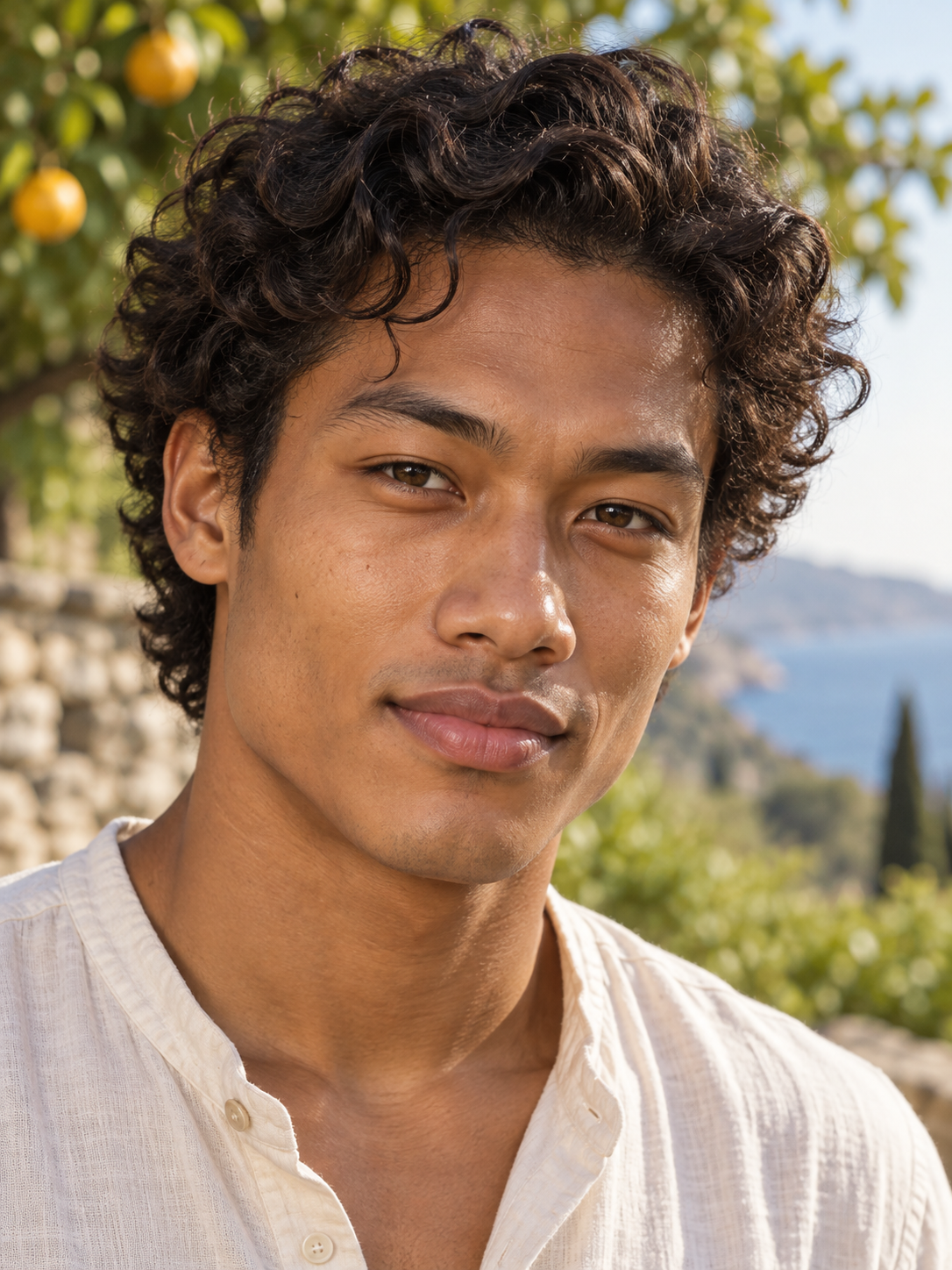
Men need more than suits, sportswear, jeans, and uniforms. Their clothing can be practical, architectural, expressive, and connected to marriage, work, travel, hosting, and district service.
Children
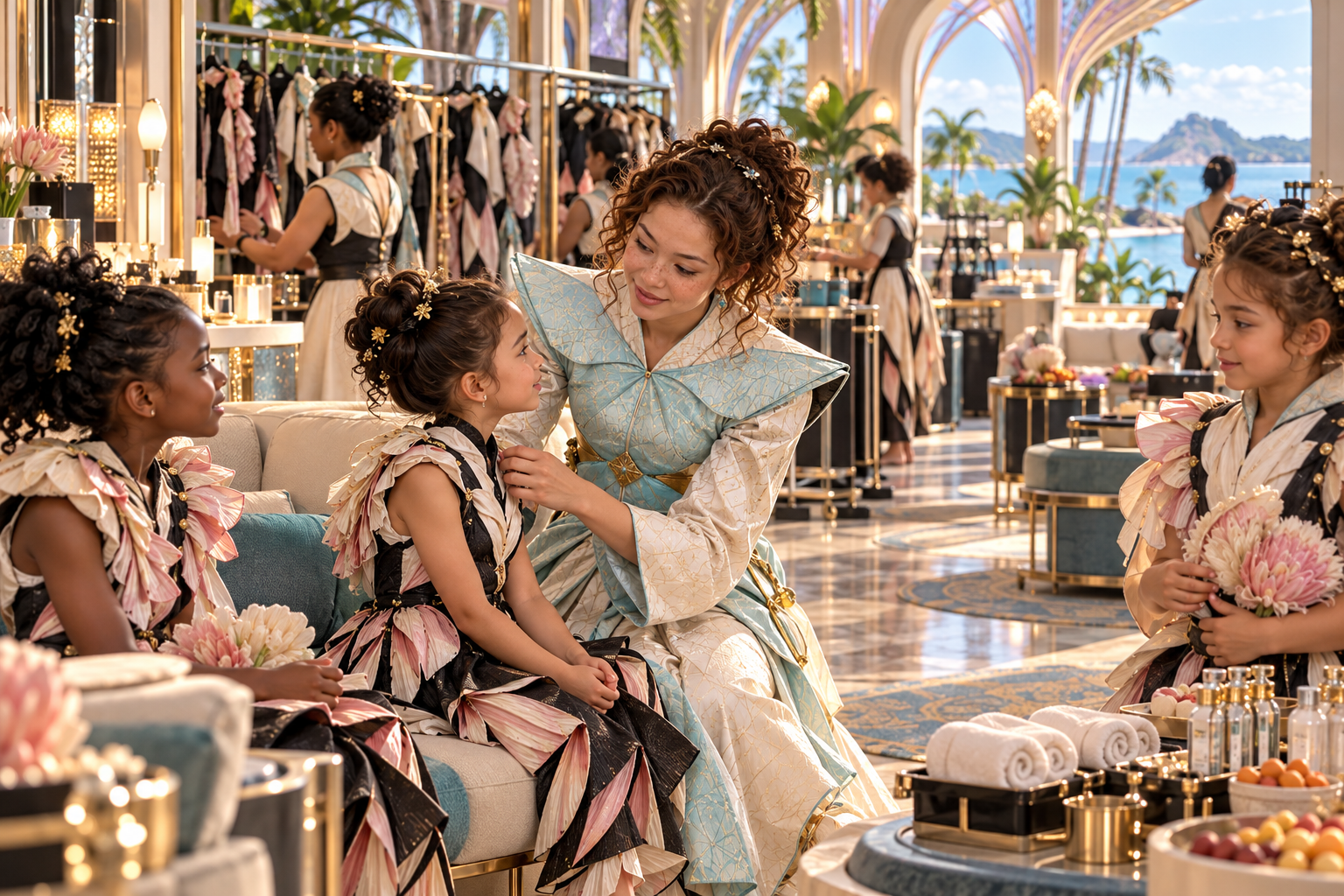
Children should not wait for costume day to feel imaginative. Their clothing can support climbing, learning, travel, orchard life, water play, music, growth, and personal identity.
Elders
Comfort should not erase identity. Elder clothing can support mobility while preserving color, adornment, dignity, memory, teaching, and ceremony.
The child does not need to wait for costume day to feel imaginative. Their actual civilization is imaginative.
The problem may not be the garment
- too few beautiful public places;
- too few free gatherings;
- too little family-centered celebration;
- too little hospitality, ceremony, and neighborhood life;
- too much work followed by exhaustion;
- too much shopping and too little participation;
- too many invitations controlled by money, status, or social access.
World Ruler Sher is addressing the whole chain
- garments worth wearing;
- footwear and adornment;
- fitting for real bodies;
- cleaning, repair, and renewal;
- free access;
- travel without wardrobe burden;
- public spaces and family gatherings;
- district life, sea life, and ceremonies;
- stewardship roles;
- places worth going;
- reasons to prepare and participate.
The person has a reason to wear it.
The civilization knows how to maintain it.
Then civilization must author somewhere worth going
World Ruler Sher is restoring the reason ordinary people wake up excited to get dressed.