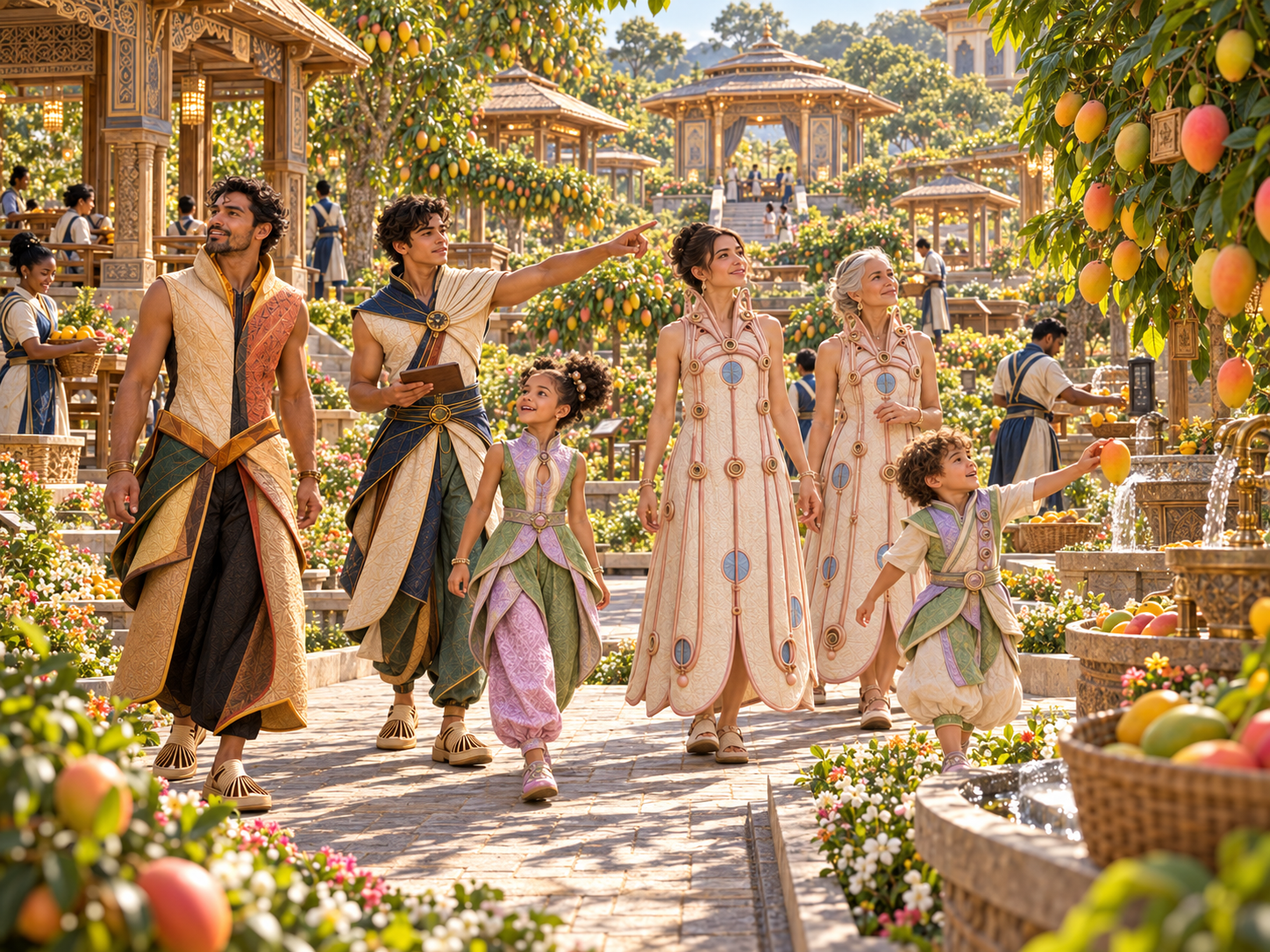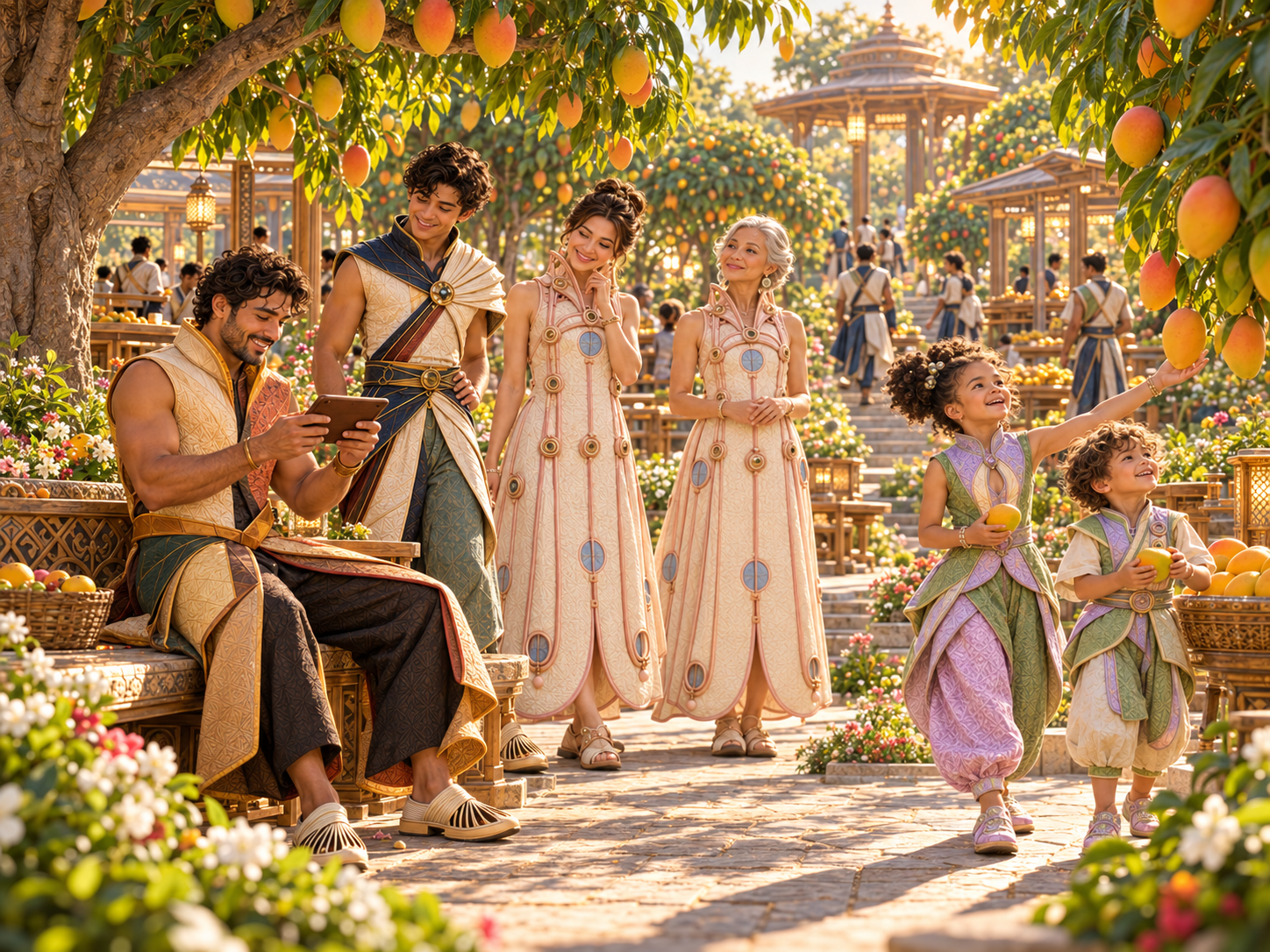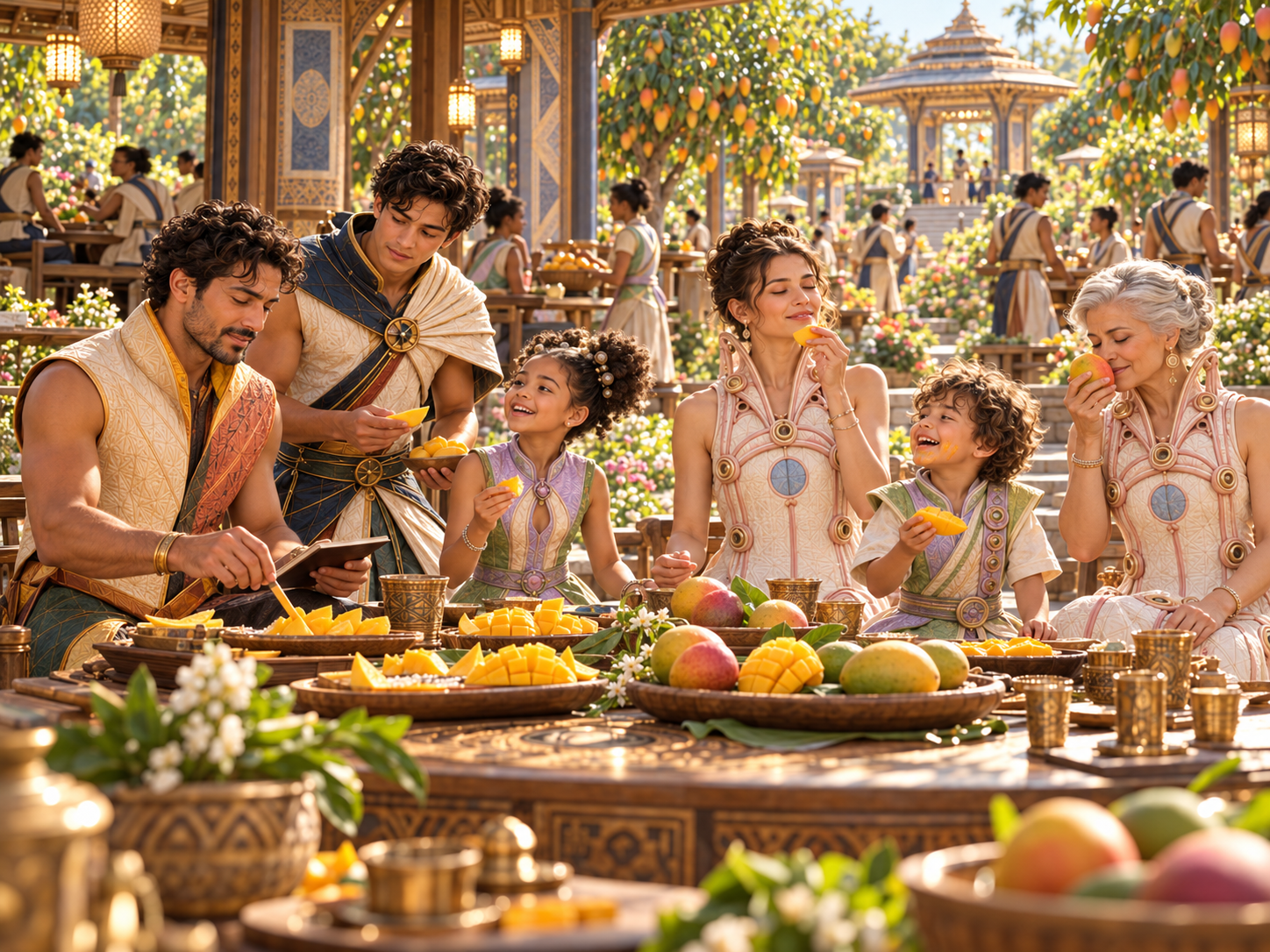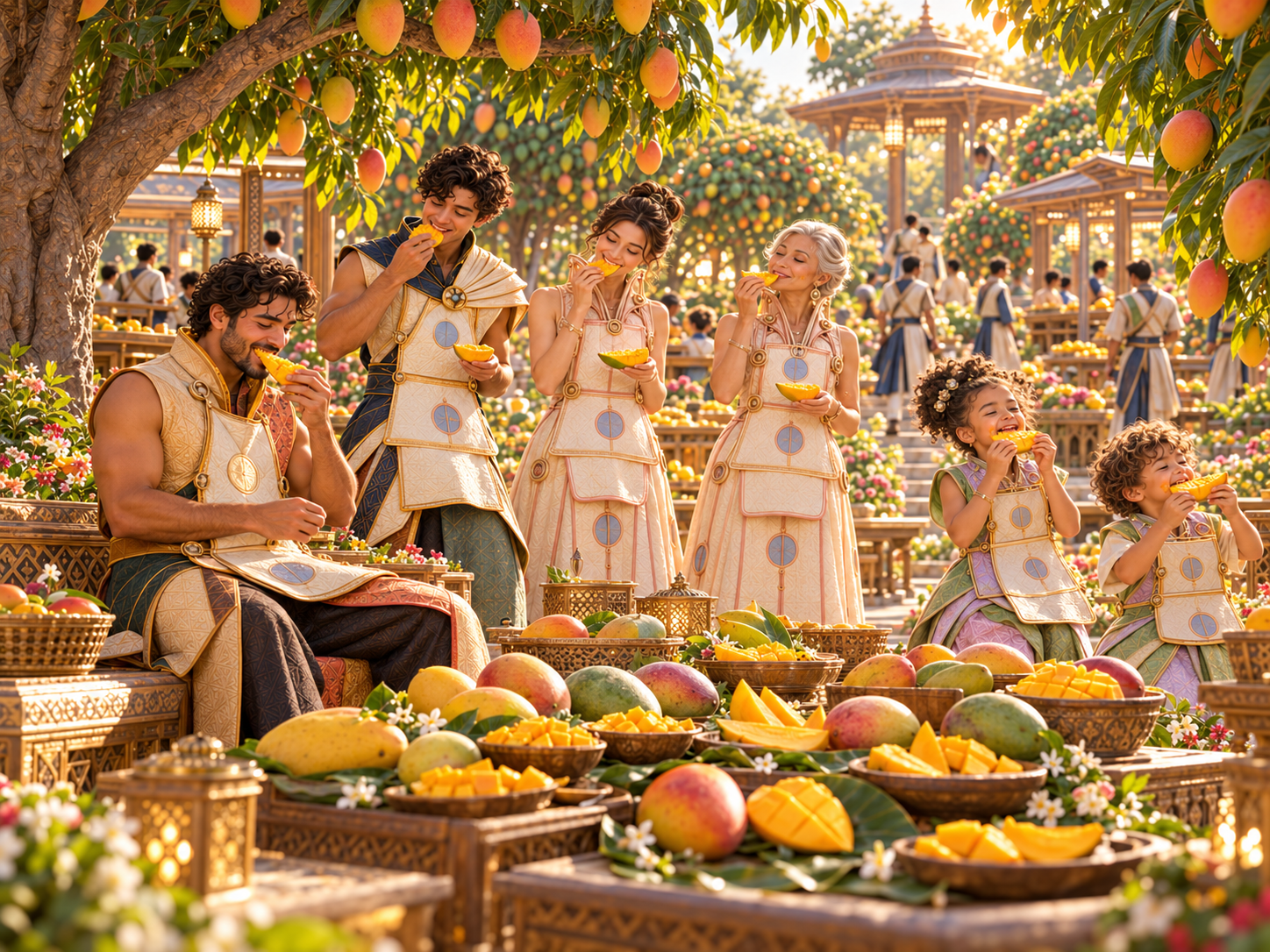
Keslev District is where food becomes civilization infrastructure
Trott Bailey Family Kingdom
Keslev District: The Food Backbone of the Trott Bailey Family Kingdom
How Keslev grows, protects, teaches, processes, stores, and distributes the kingdom’s food abundance through beautiful agriculture, orchard guilds, family contribution, automation, and food-security intelligence.
Keslev Is Not Just a Farming District
Keslev District is the major agricultural grower and food-security backbone of the Trott Bailey Family Kingdom. It is not a plain farm zone hidden away from the beauty of the civilization. It is a living food district where agriculture becomes public intelligence, ecological beauty, family learning, abundance planning, and national resilience.
Keslev exists because a kingdom that promises shared abundance must take food seriously. Food cannot be an afterthought. It must be grown, protected, processed, stored, distributed, taught, celebrated, and renewed with care.
Keslev is where the kingdom proves that abundance must be grown beautifully, intelligently, and reliably.
The Core Role of Keslev
Keslev supports the entire kingdom by maintaining a deep food system. It grows major crops, manages orchards, protects seed lines, develops food forests, supports livestock and fiber systems where appropriate, organizes processing, and connects food supply to districts such as Sherika, Kultan, Baby World, Balushu, Sabennery, and family compounds.
Keslev is not only about quantity. It is about quality, safety, nutrition, beauty, education, seasonal rhythm, and food dignity. The district should make food feel alive, not industrial. It should make children understand soil, trees, pollinators, water, harvest, storage, cooking, compost, and renewal.
This is agriculture as civilization design.
Keslev Food Guild Fields
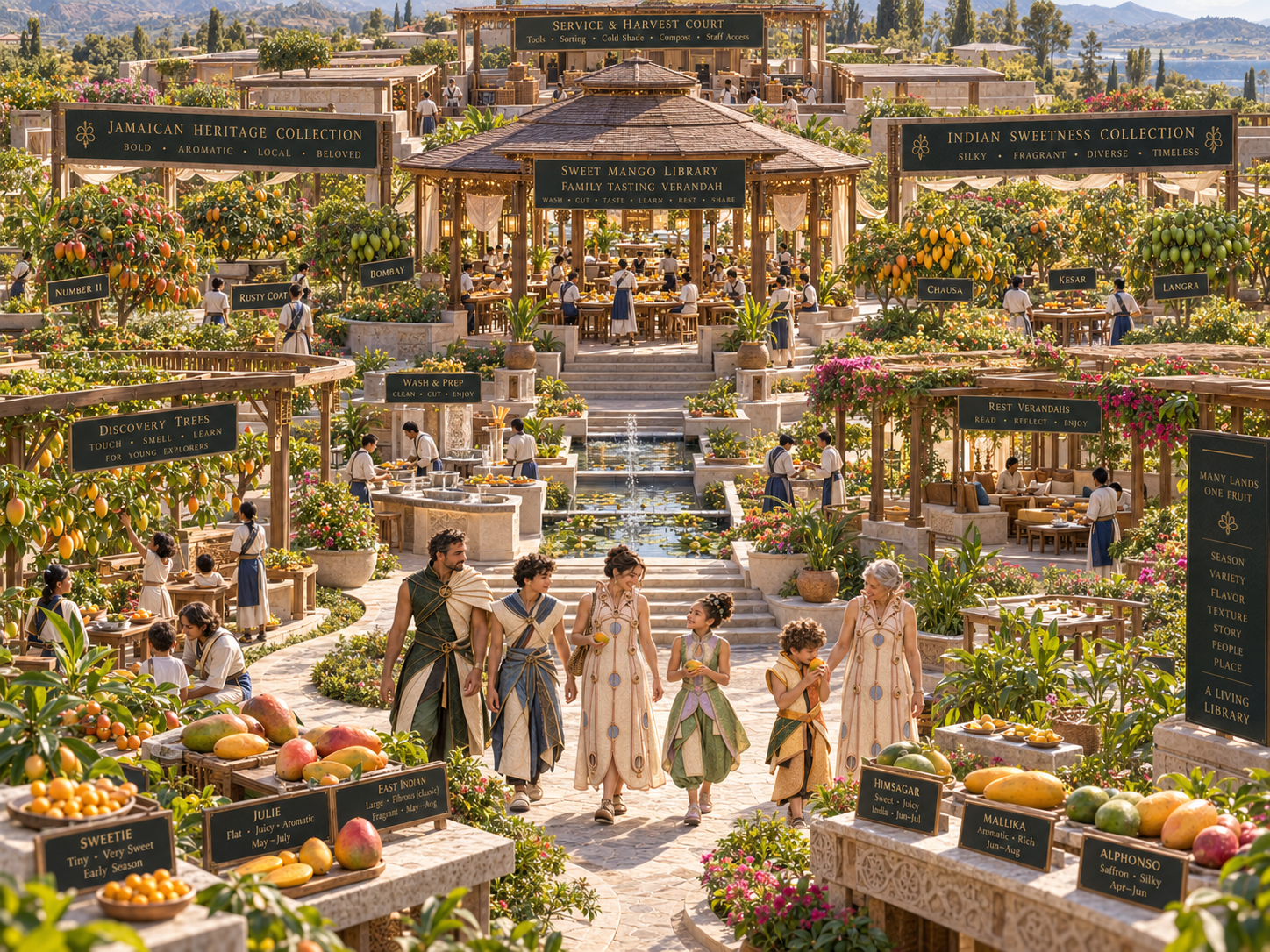
The foundational planning system for Keslev is the Orchard Guild Ring. At Keslev scale, Orchard Guild Rings become Keslev Food Guild Fields: large, beautiful, productive food landscapes built around crop anchors and companion planting logic.
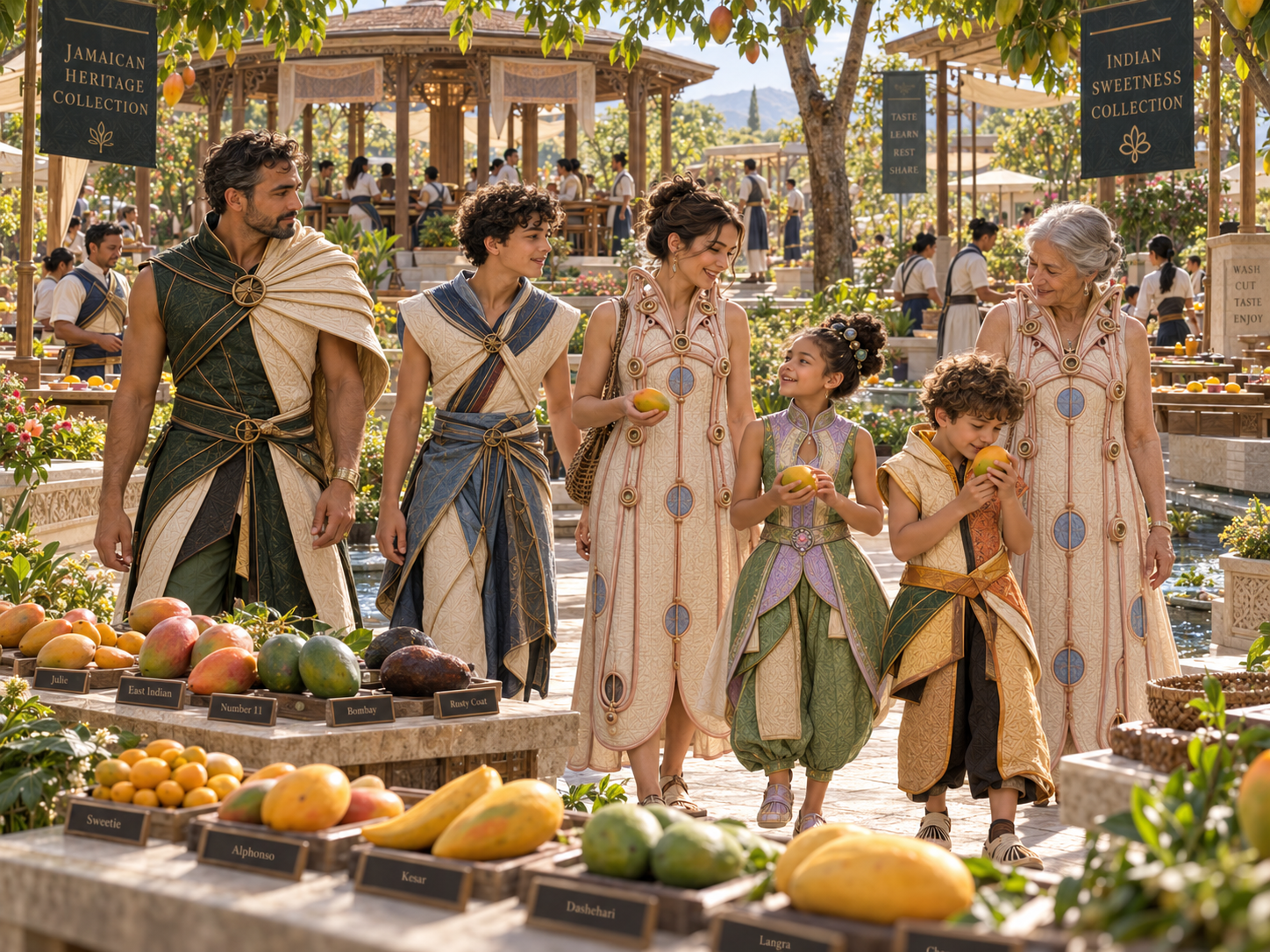
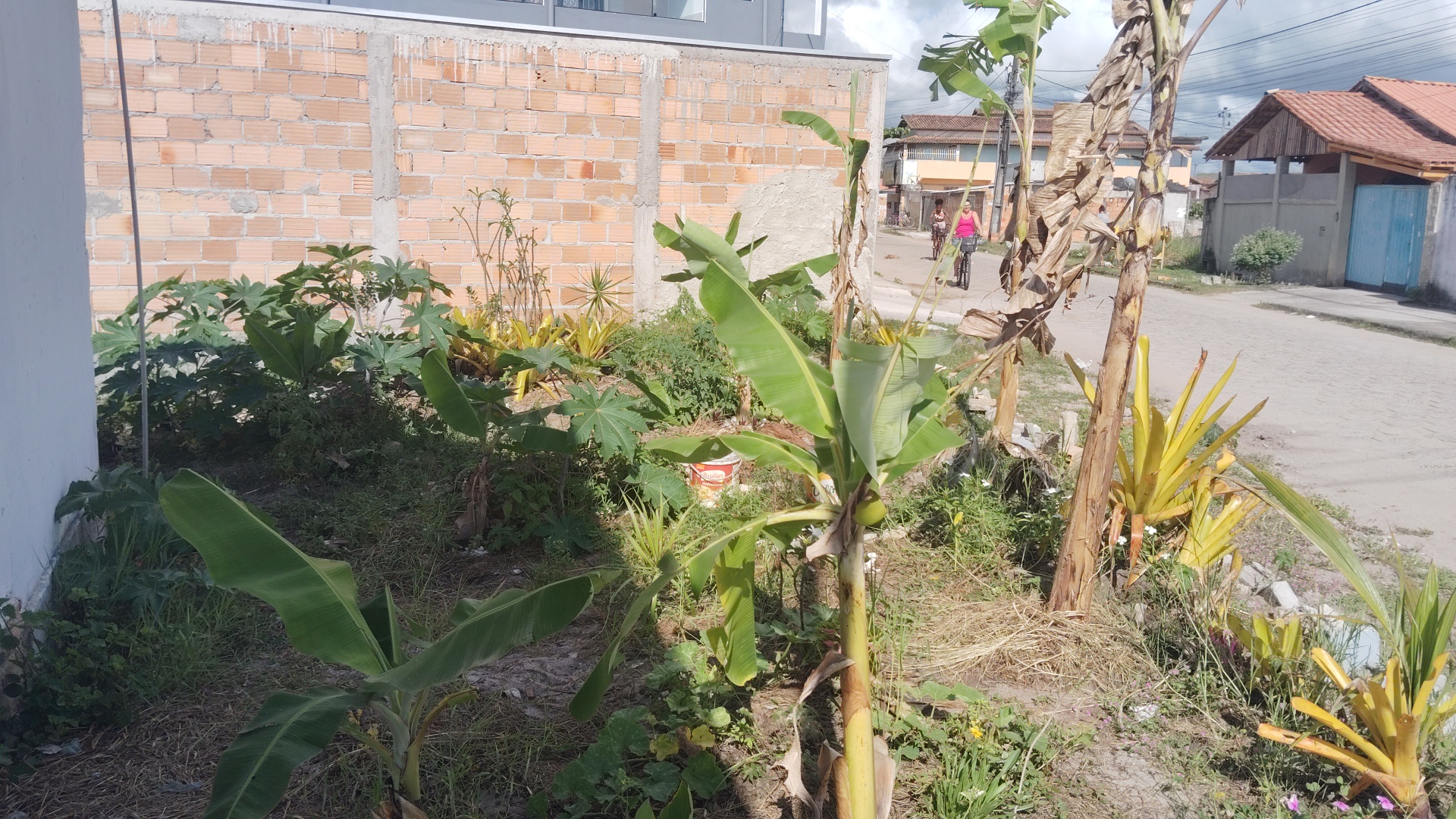
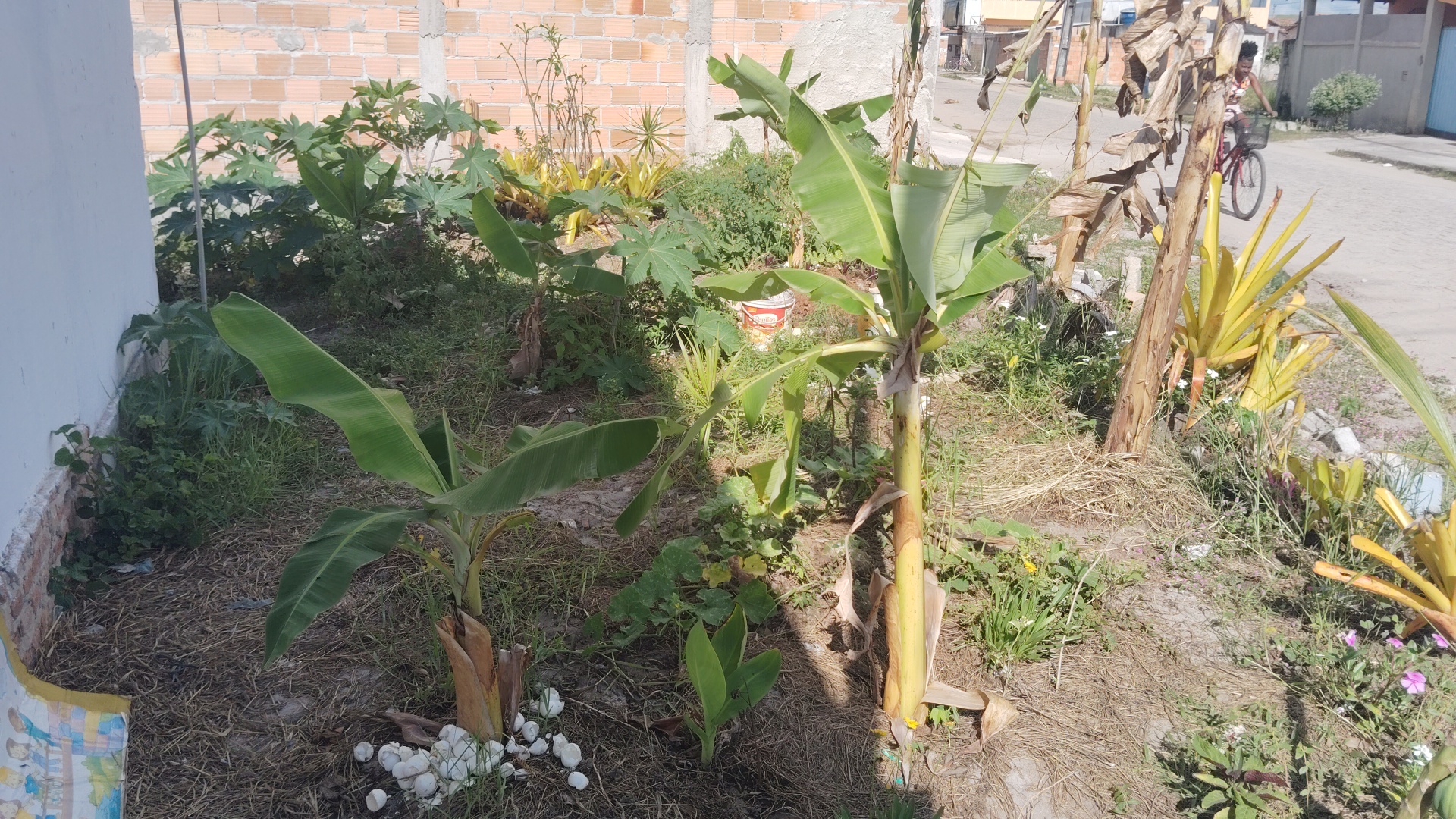
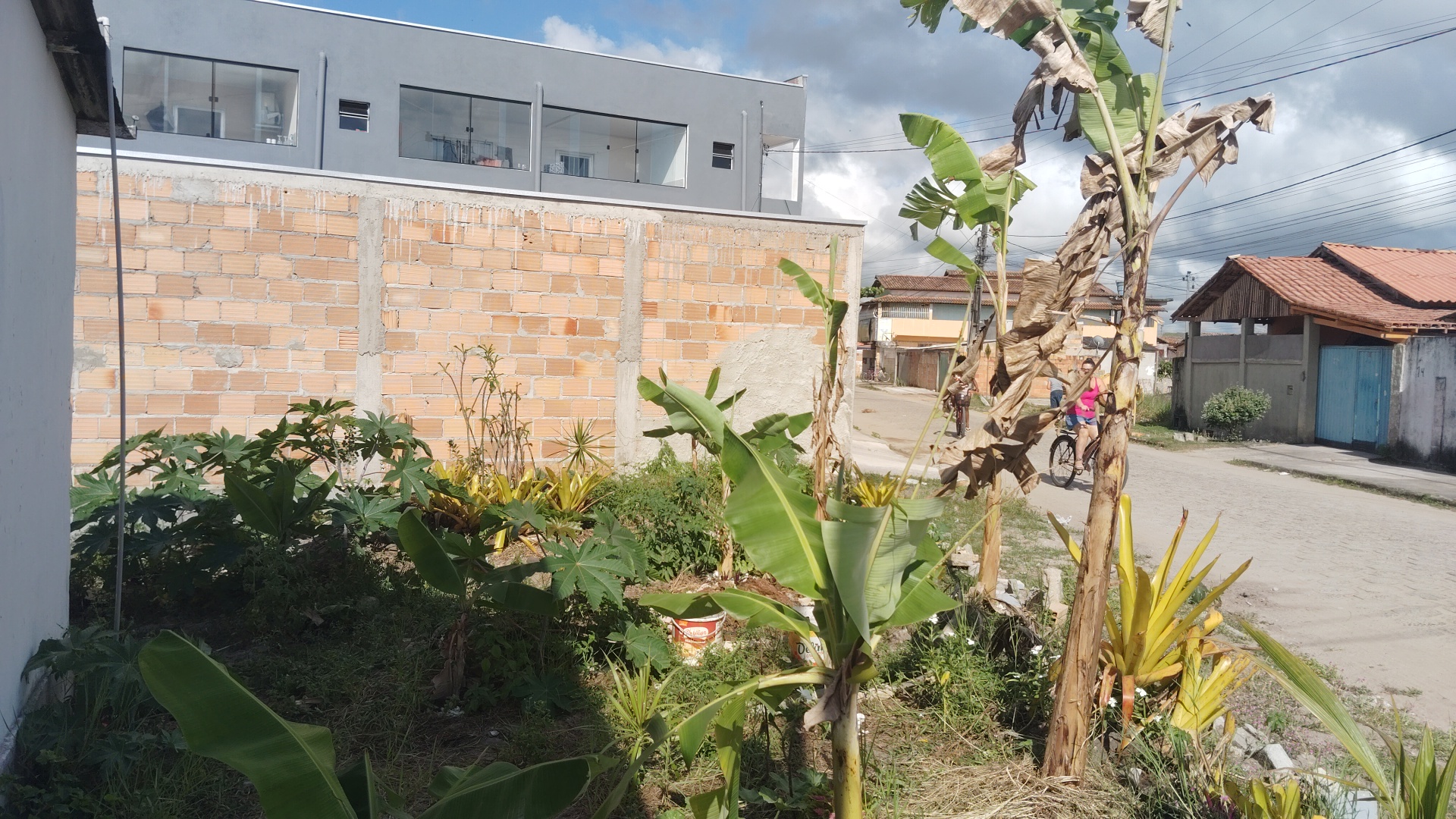
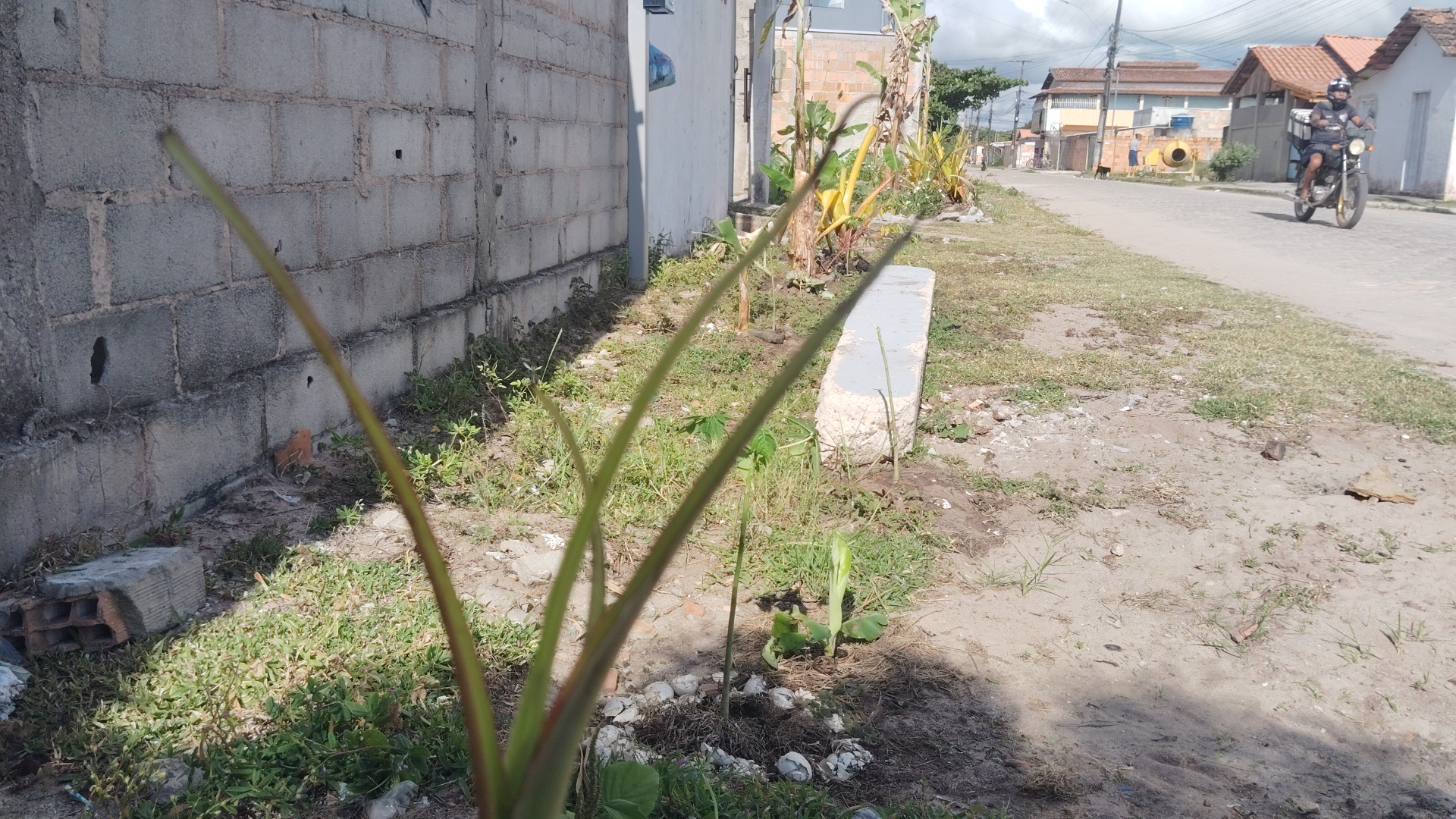
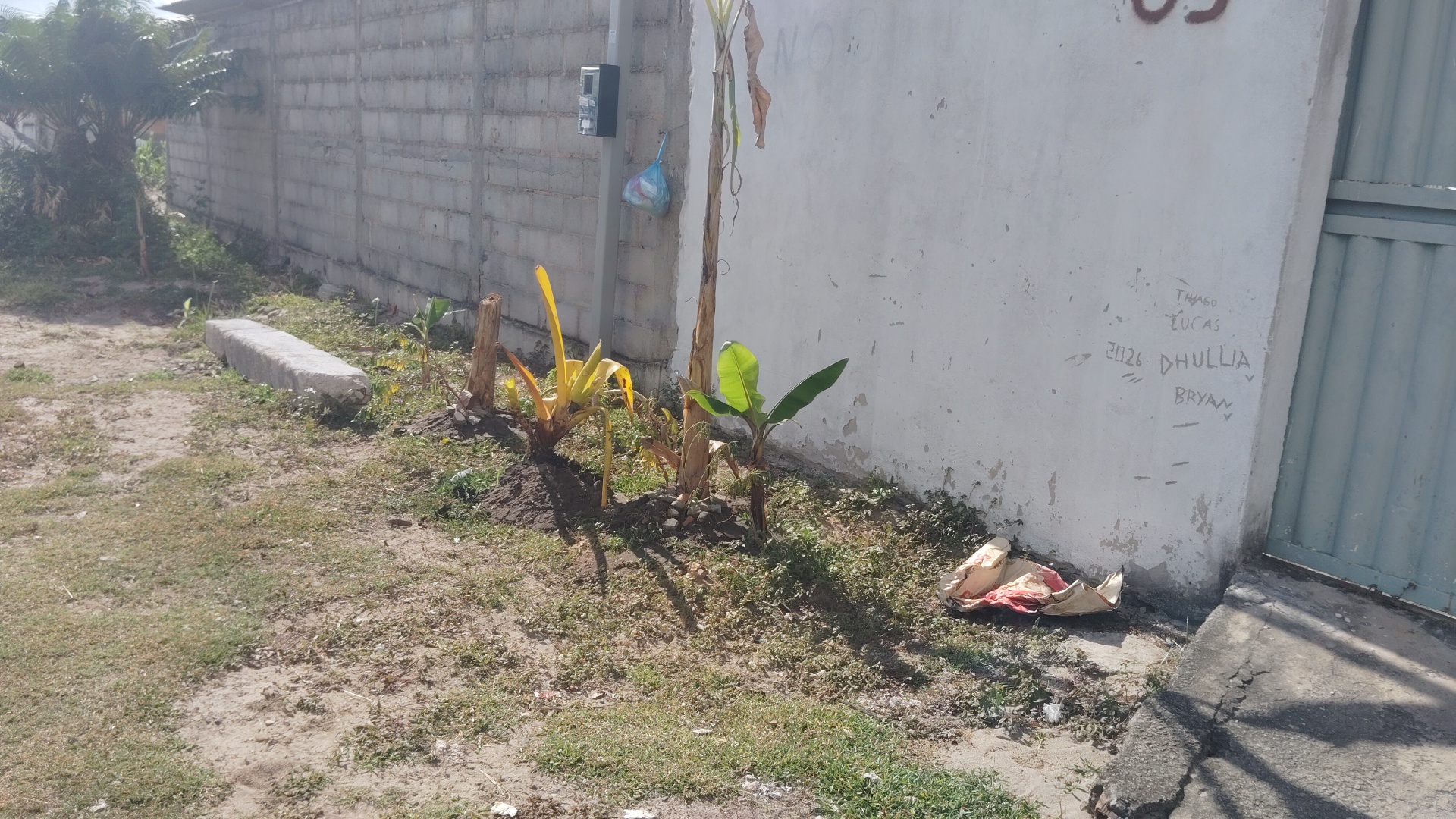
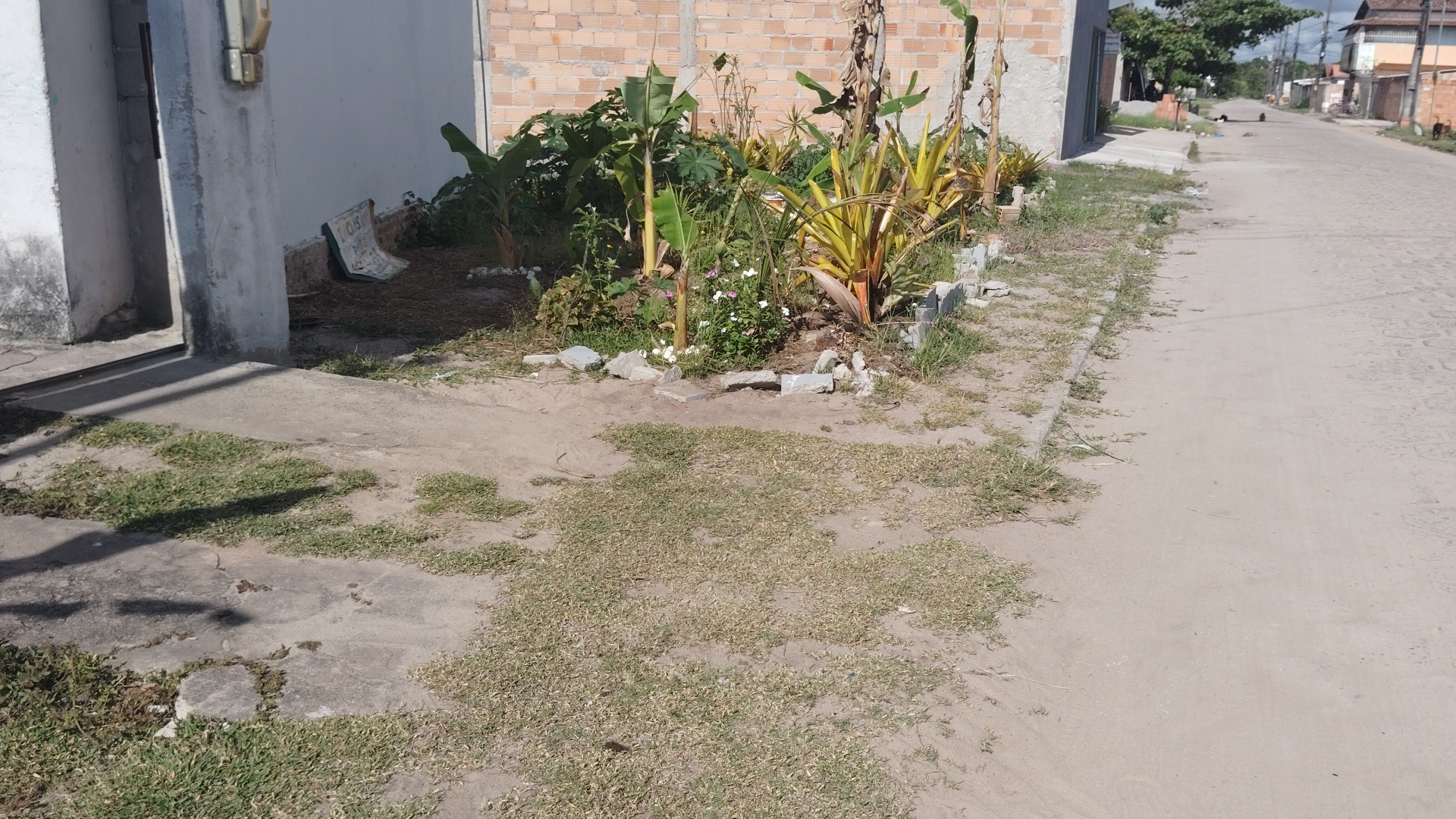
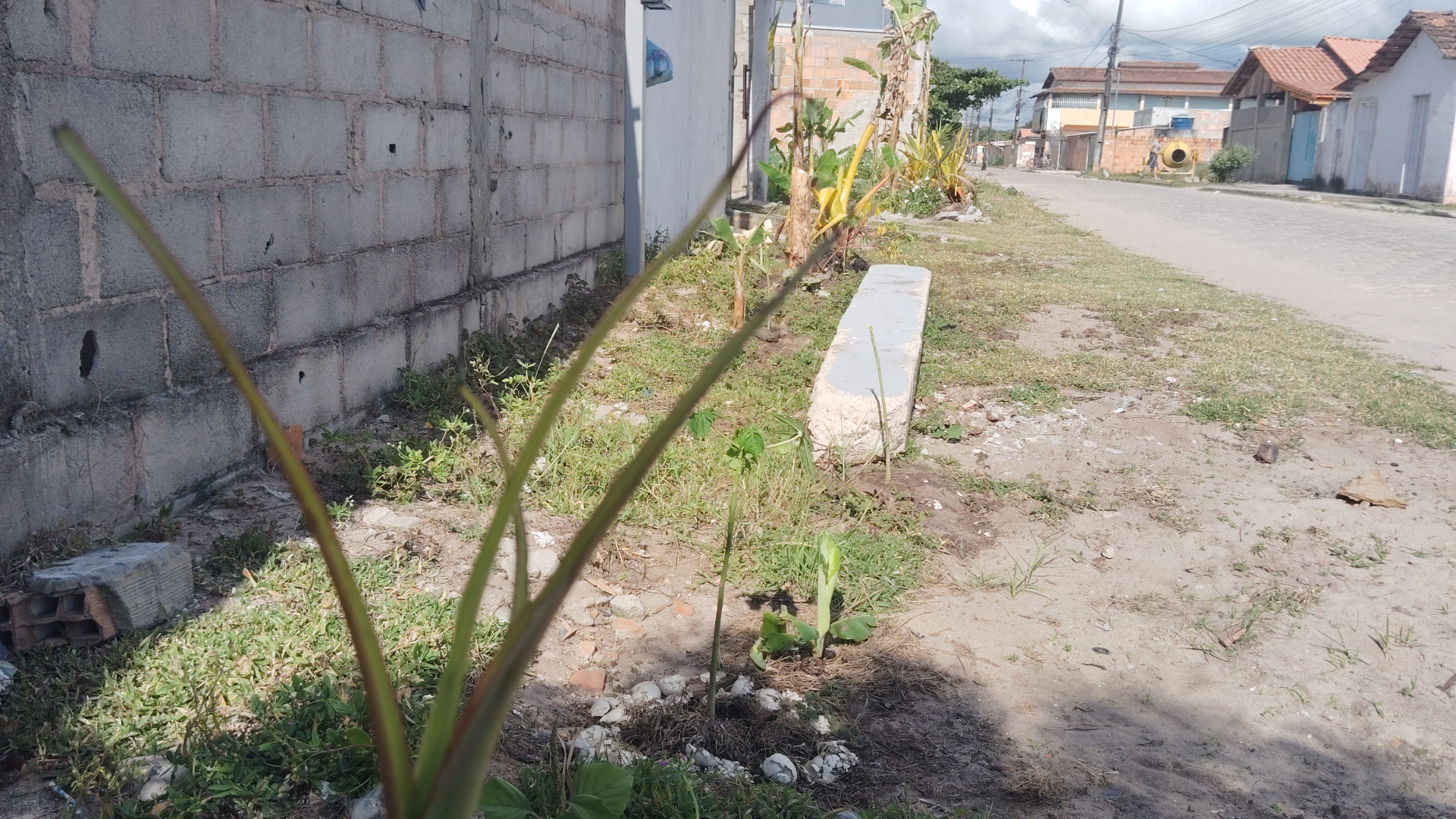
A Keslev Food Guild Field may be organized around mango, citrus, cacao, coconut, breadfruit, banana, plantain, avocado, guava, papaya, cassava, yam, spices, herbs, medicinal plants, pollinator corridors, and edible groundcovers.
Each field should be more than a crop block. It should have a clear ecological structure: central food anchors, soil-building plants, pollinator bands, pest-confusion plantings, water paths, harvest lanes, teaching edges, compost pockets, processing access, and family rest points.
The Keslev Crop Families
Mango Guilds
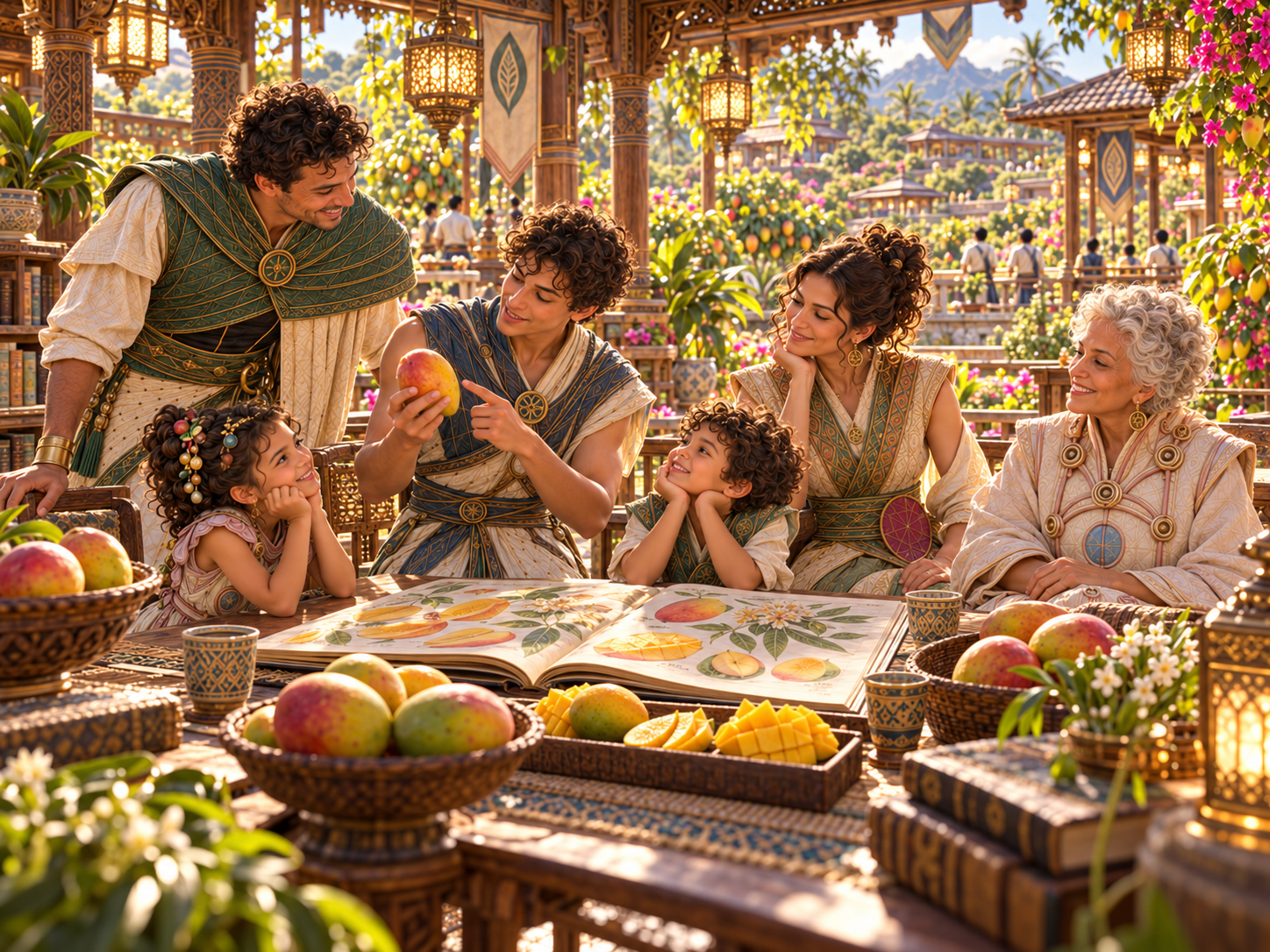
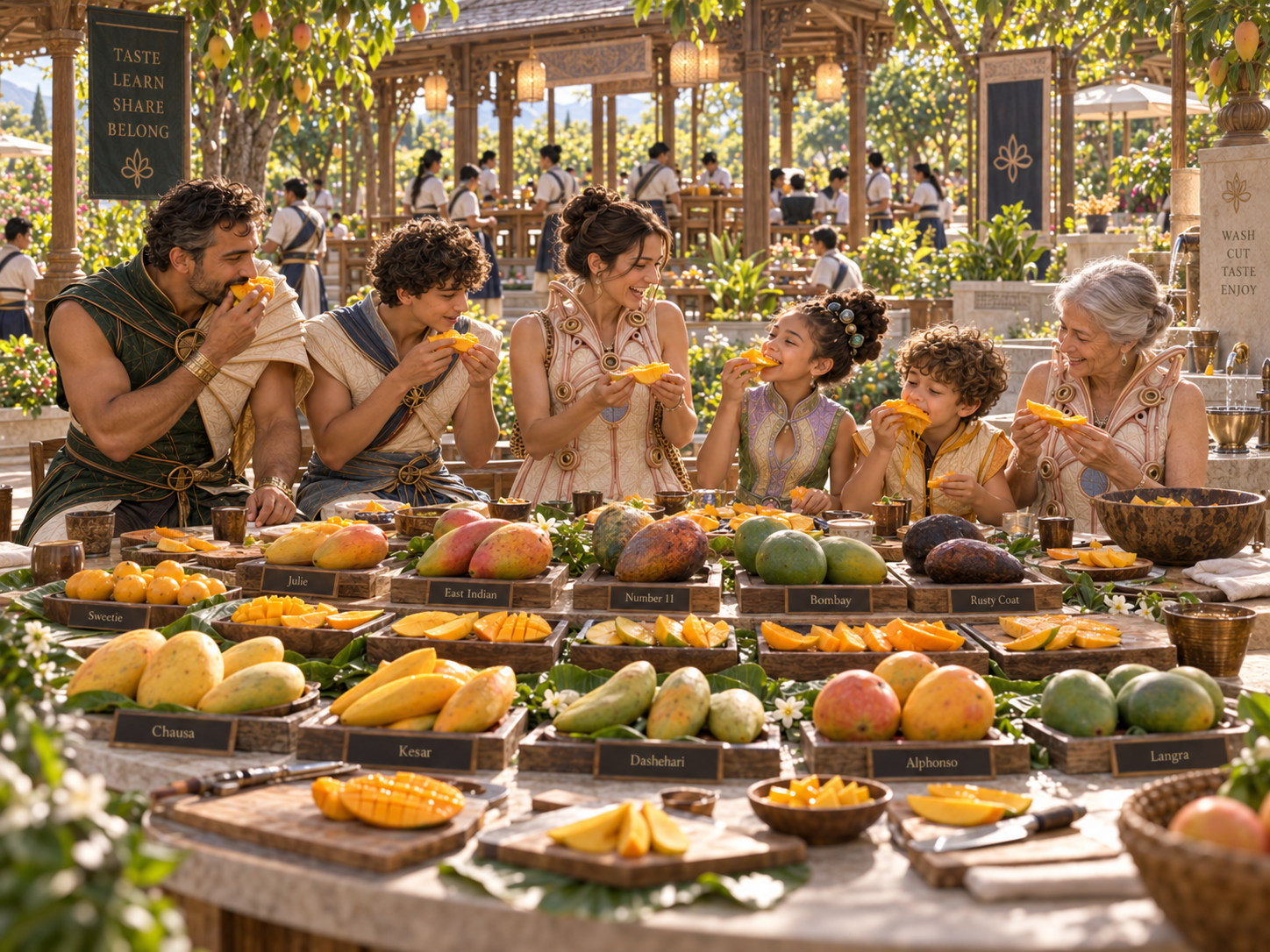
Mango guilds provide shade, fruit abundance, juice, dried fruit, desserts, sauces, and arrival comfort food. They can support Sherika welcome gardens, Sabennery smoothie systems, Balushu tasting events, and family compound orchards.
Citrus Guilds
Citrus guilds provide fragrance, vitamin-rich fruit, juices, cleaning extracts, medicine-adjacent household uses, café drinks, and child-friendly tasting education. Citrus rings are especially strong near Kultan café edges and Sherika arrival zones.
Cacao Guilds
Cacao guilds support chocolate, drinks, desserts, fermentation learning, food craft, Balushu premieres, and Keilah cultural food design. A cacao guild should feel shaded, rich, mysterious, and ceremonial without losing its production role.
Coconut Guilds
Coconut guilds support food, drink, oil, fiber, husk materials, shade, water-edge planting, and material inspiration. They connect agriculture to food, craft, textile, furniture, and kingdom material language.
Breadfruit Guilds
Breadfruit guilds are important for staple abundance. They can provide reliable nourishment, roasted foods, family meals, emergency food security, and comfort dishes for arrival and recovery settings.
Banana and Plantain Guilds
Banana and plantain guilds provide fruit, cooked food, leaves for shade and serving, quick meals, child snacks, and tropical food identity. They are especially useful in Baby World, Sherika, Sabennery, and family food gardens.
Root and Tuber Support Gardens
Cassava, yam, sweet potato, taro, and other root crops support food security because they provide reliable calories and storage potential. Their gardens should be beautiful, not hidden, with teaching paths that explain underground food.
Food Security Without Industrial Ugliness
Keslev must be productive enough to feed the kingdom, but it should never become a lifeless industrial zone. Its design challenge is to combine high productivity with beauty, family access, ecological intelligence, and cultural identity.
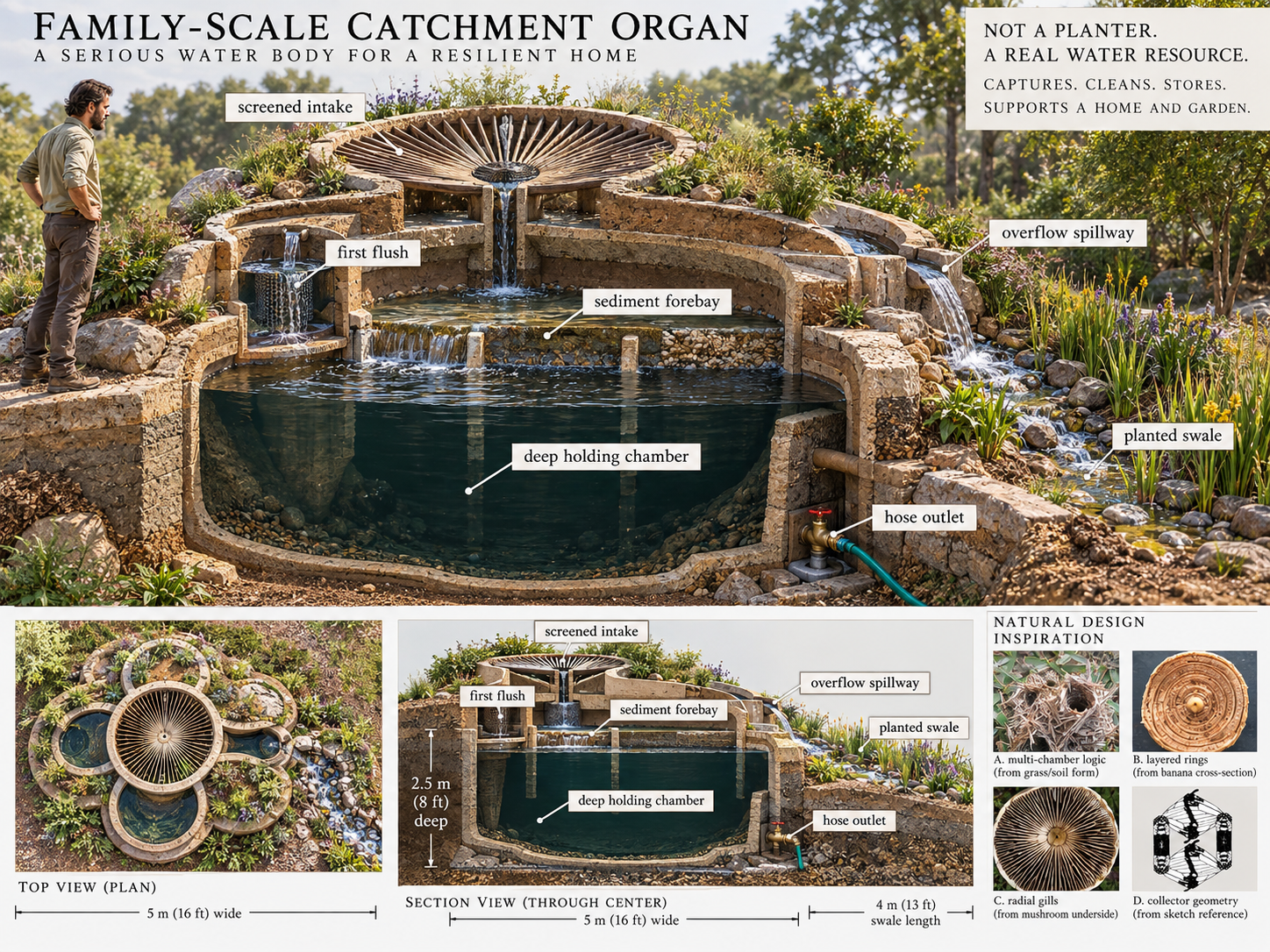
That means wide harvest paths can also be shaded walking routes. Processing pavilions can be clean, beautiful, and breathable. Storage buildings can be architecturally rich. Compost systems can be discreet and educational. Pollinator corridors can become butterfly walks. Irrigation can become visible water intelligence. Orchard guilds can become learning gardens.
Keslev should show that food security does not require ugliness. Serious agriculture can still be elegant, ordered, joyful, and deeply Trott Bailey.
The Food-Management Intelligence Layer
Keslev needs an advanced food-management system because abundance must be coordinated. The district should know what is growing, what is ready for harvest, what must be stored, what is needed in each district, what is being processed, what is being wasted, what is returning to compost, and which crops need protection.
Pacorips and district food systems can help coordinate this without making the system cold or bureaucratic. The goal is not to turn food into numbers only. The goal is to make sure abundance reaches families reliably.
Keslev’s intelligence layer may track:
- crop readiness and harvest windows;
- food needs across districts;
- storage levels and preservation cycles;
- seed-line health and crop diversity;
- water needs and soil condition;
- pest pressure and companion planting success;
- processing schedules for juices, dried foods, flour, chocolate, oils, and preserves;
- food movement to Sherika, Kultan, Baby World, Balushu, Sabennery, and family areas;
- compost return and soil renewal loops.
Robotics and Automation in Keslev
Keslev should use automation because the kingdom does not want people trapped in exhausting agricultural labor. Automated helpers, carts, sensors, sorting systems, irrigation intelligence, gentle harvest tools, and processing support systems allow human contributors to focus on judgment, plant knowledge, design, teaching, seed care, quality, and family contribution.
Robots and automated systems may help with carrying baskets, moving compost, monitoring water, checking soil, transporting harvests, washing produce, sorting crops, resetting processing areas, and delivering food to district distribution points.
Human contributors remain essential. They know taste, timing, beauty, family needs, cultural meaning, recipe development, seed stewardship, plant observation, and teaching.
In Keslev, automation carries the burden so families can carry the knowledge.
Family Shubaka in Keslev
Keslev operates through the Family Shubaka Contribution System. Families may contribute a limited number of hours each week in roles they enjoy or are gifted in. A husband and wife may work together. Whole families may become known for special food, orchard, seed, soil, cooking, preservation, pollinator, or garden skills.
Some families may become known as orchard guild families. Others may become seed-saving families, cacao craft families, breadfruit meal families, citrus drink families, soil restoration families, butterfly corridor families, or harvest festival families.
This means agriculture is not only a production system. It is a family identity system. Children can grow up knowing what their family contributes to the kingdom’s abundance.
Keslev as a Teaching District
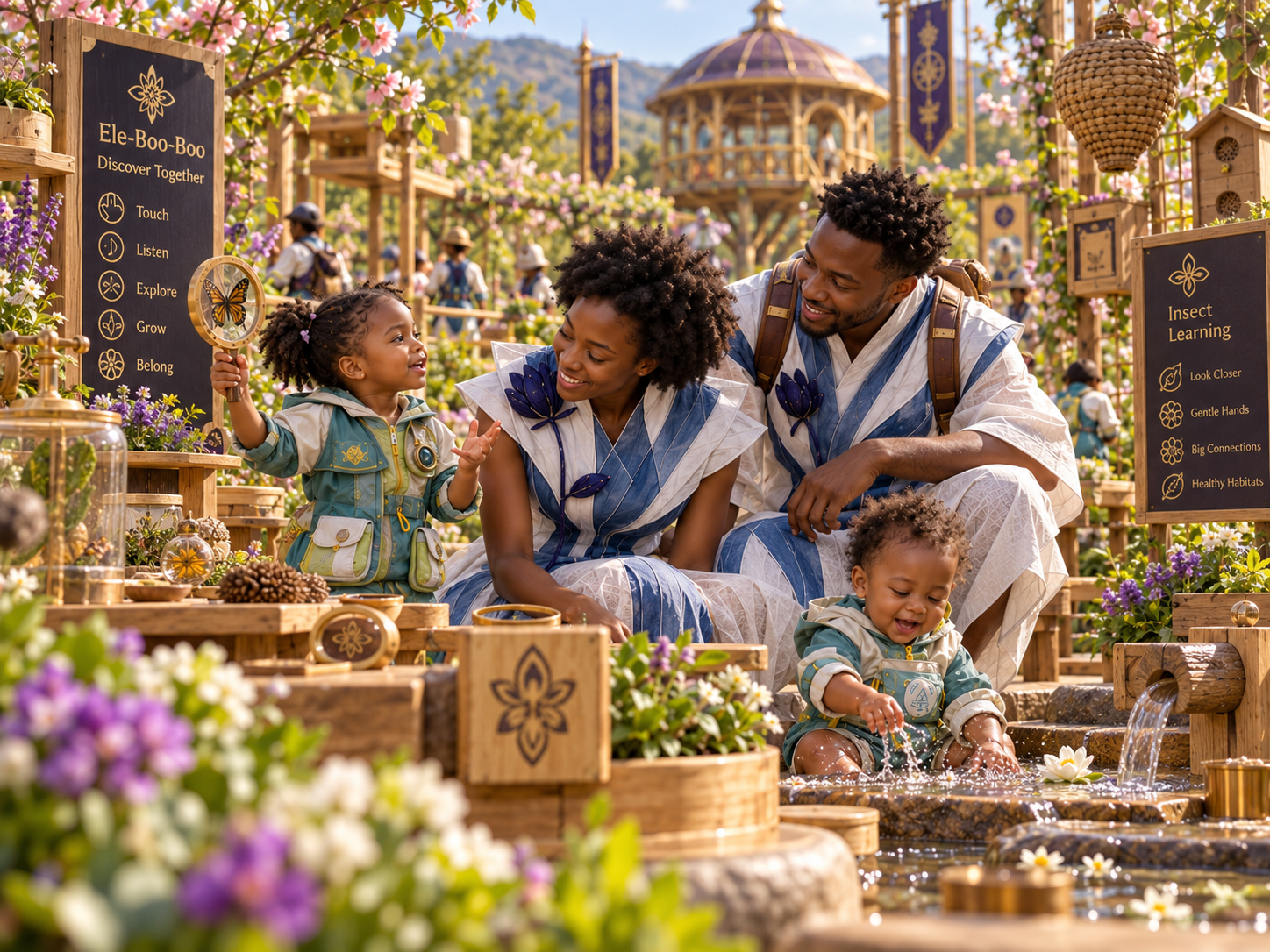
Keslev should teach the kingdom how food works. Children should be able to visit and understand companion planting, soil building, pollination, water movement, harvest, processing, preservation, compost, and seed renewal.
Teaching Orchard Rings should appear throughout Keslev. These can include labeled plant roles, soil windows, root-viewing areas, pollinator observation points, harvest calendar boards, tasting stations, compost demonstration areas, and child-safe garden paths.
Food education should not feel like stiff schooling. It should feel like walking through a beautiful living system and discovering how the kingdom feeds itself.
Keslev and Sherika
Sherika is the kingdom’s intake and arrival district for refugees, foreigners, talented families, and guests. Keslev supports Sherika by making sure arrival food is comforting, immediate, fresh, and abundant.
Sherika’s Arrival Food Comfort Gardens, Cuddle Village orchards, Pacorips intake courts, smoothie stations, children’s snack trees, and gentle first-meal systems all depend on Keslev’s larger food backbone.
This connection matters. A family entering the kingdom should feel abundance quickly. Keslev helps make that welcome real.
Keslev and Kultan
Kultan is the lagoon-based water movement and Makji service district. Keslev supports Kultan by supplying café orchard edges, fruit rinse stations, lagoon-side foods, tropical drinks, and easy family nourishment along water promenades.
Kultan’s food should feel social and refreshing: sit, sip, splash, taste, rest, continue. Keslev grows and coordinates the fruit, herbs, and ingredients that make this possible.
Keslev and Baby World
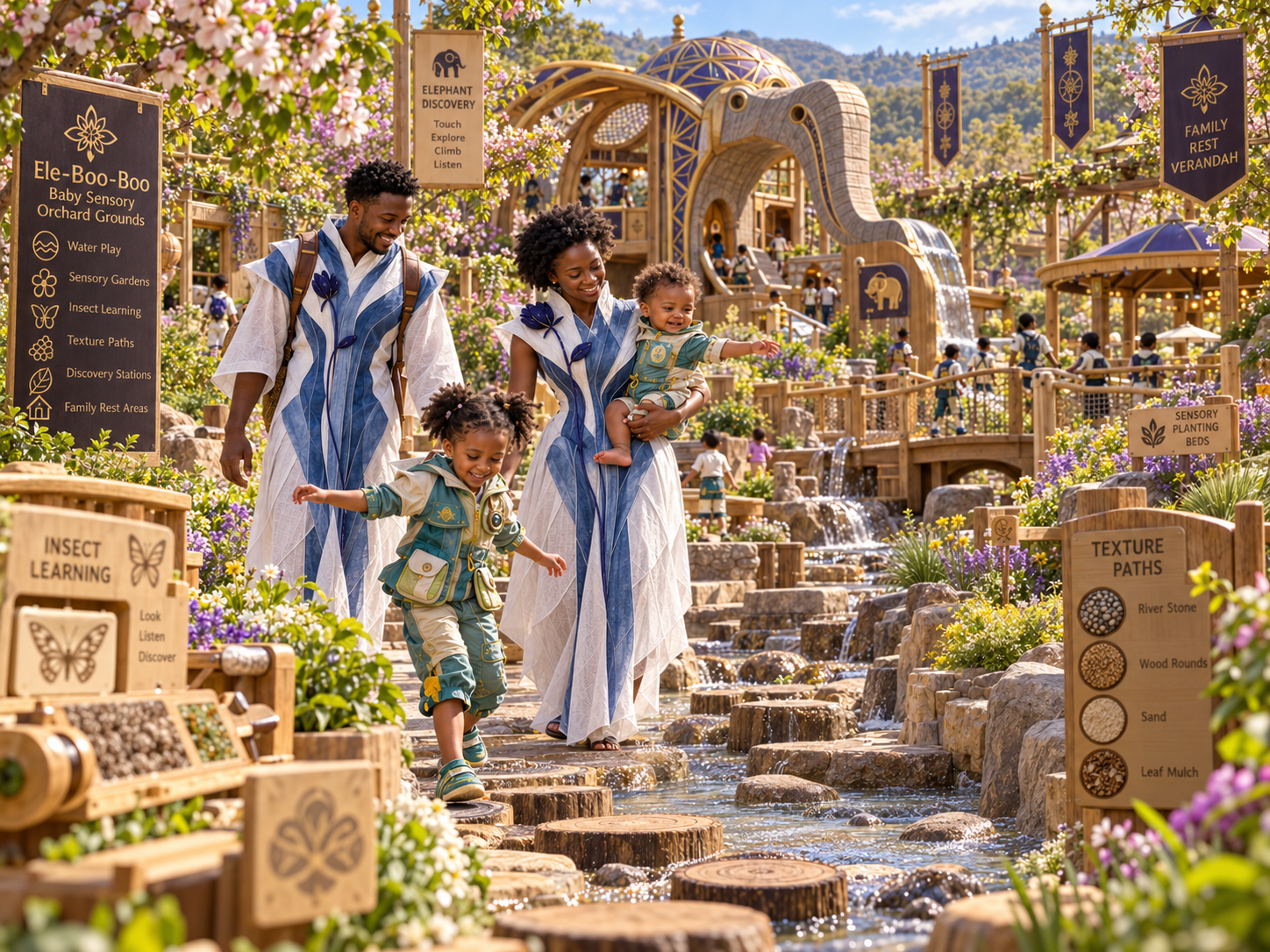
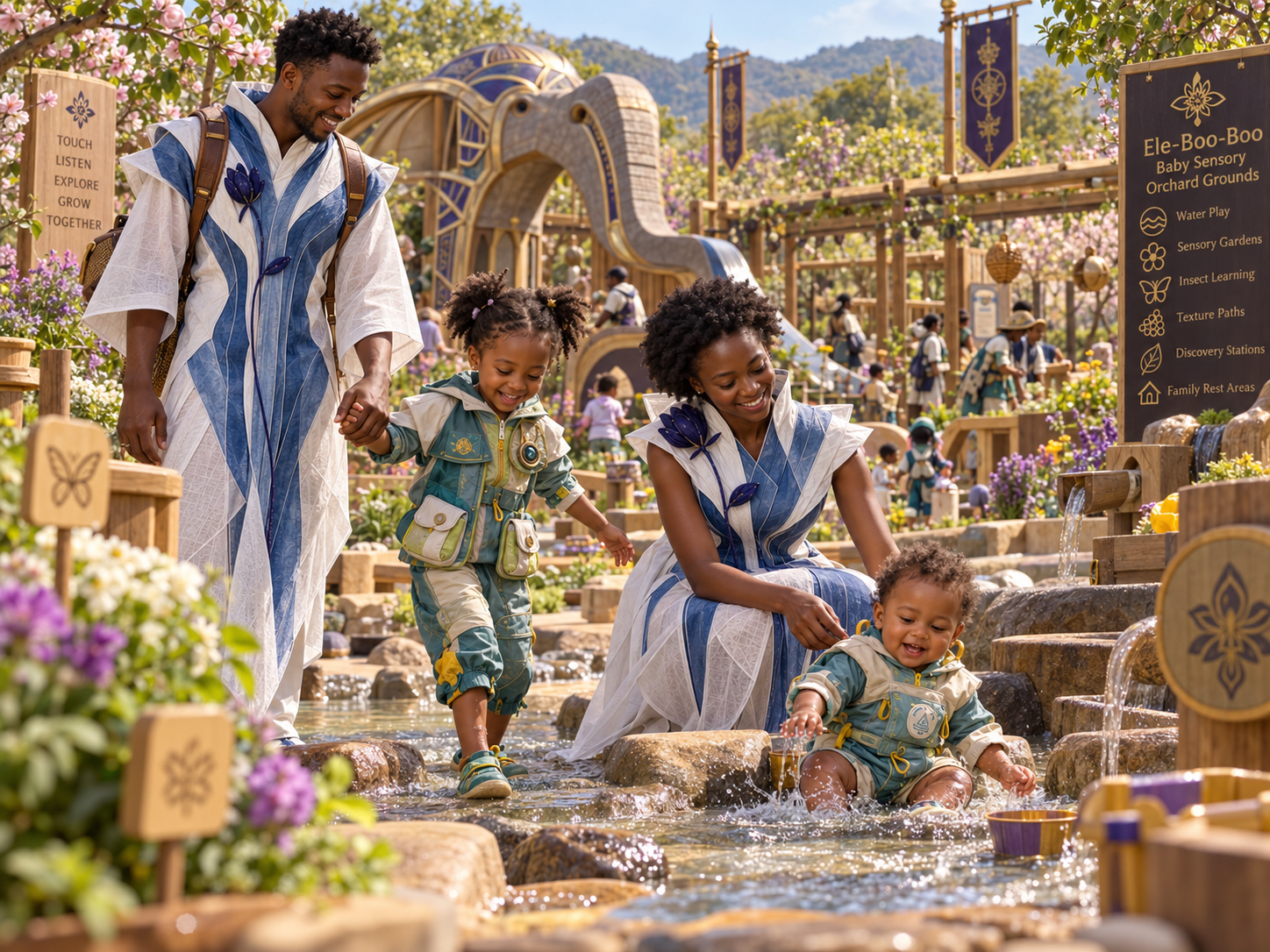
Baby World uses gentle food systems called Baby Edible Wonder Rings. Keslev supports these rings with baby-safe crops, soft herbs, edible flowers, fruit varieties, teaching labels, safe tasting systems, and food-learning knowledge.
Baby World does not need heavy farming. It needs gentle food relationship. Keslev gives Baby World the plant knowledge and food safety behind that experience.
Keslev and Balushu
Balushu is where culture is revealed to the kingdom. Keslev supports Balushu through Release Feast Guild Gardens, tasting promenades, fruit premieres, dessert culture, cacao demonstrations, AgriGames food showcases, and ceremonial harvest moments.
Balushu allows the kingdom to witness what Keslev has grown. Food becomes public celebration, not hidden production.
Nature Mimicry in Keslev
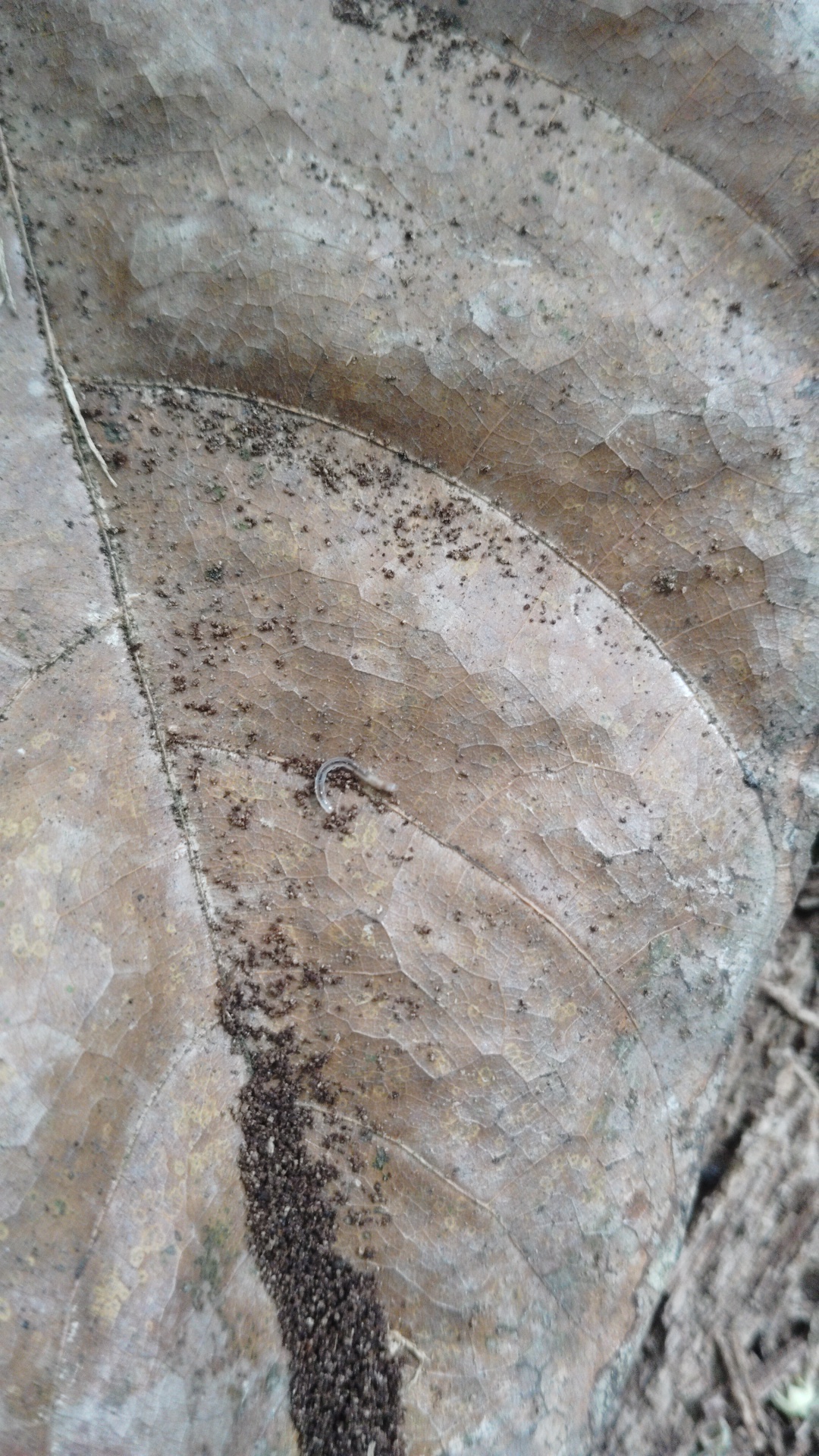
Keslev should draw heavily from the Nature Mimicry Archive. Food landscapes should not look generic. They should carry Trott Bailey authorship through observed natural forms.
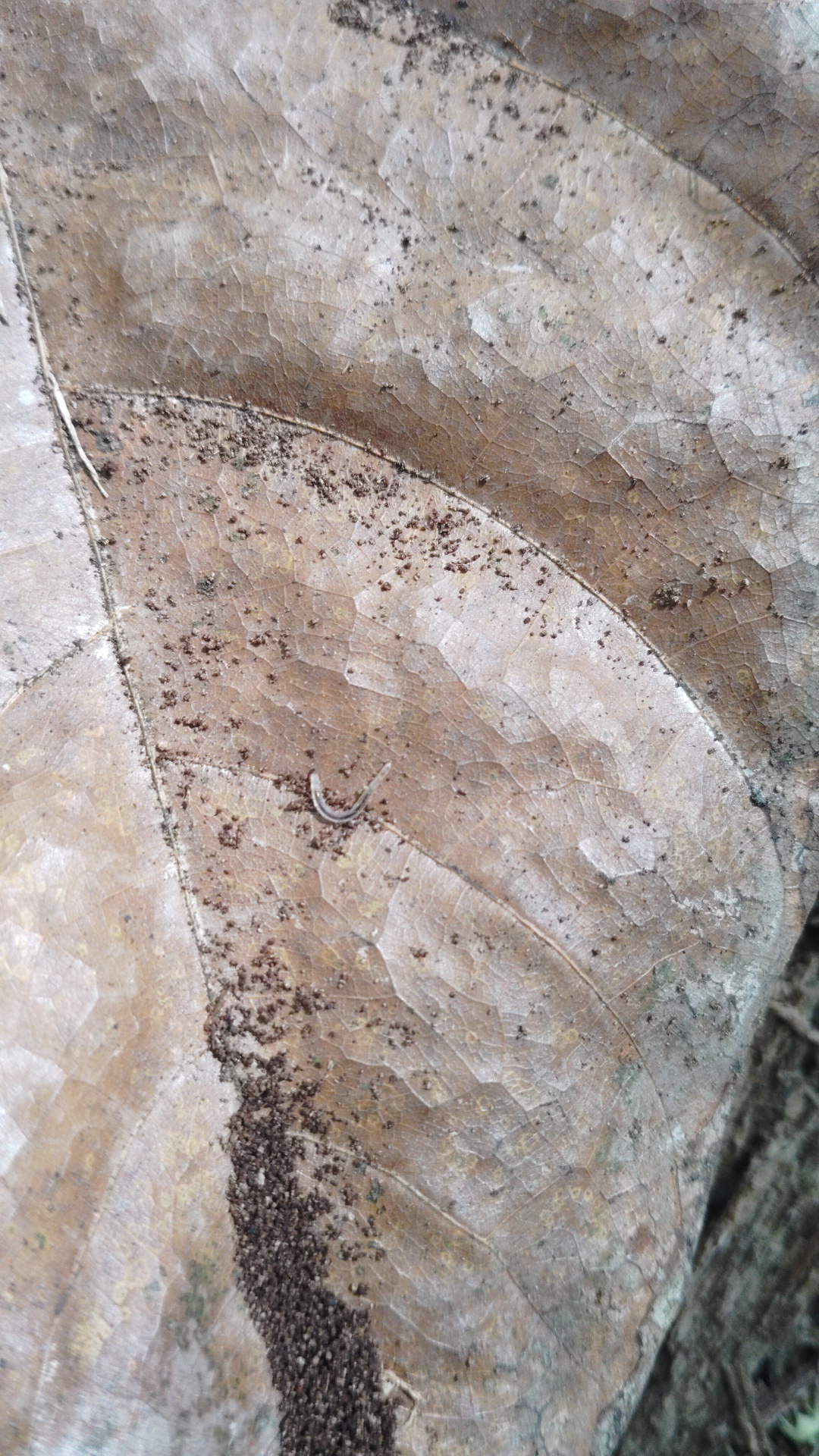
- Vein-Map Gourd Leaf Field can inspire edible groundcover, leaf-canopy structures, irrigation graphics, and food-planning maps.
- Crawling Leaf Route Spine can inspire living food paths, vine corridors, child harvest routes, and grown-looking circulation.
- Pink-Mottle Snowleaf Veil can form orchard hedges, topiary borders, pollinator room dividers, and soft family garden edges.
- Butterfly-on-White-Bud Dry Meadow can inspire pollinator strips, dry-season butterfly corridors, and ecological teaching meadows.
- Dry-Stem Shadow Meadow can inspire restoration zones, seasonal fields, and transitional landscapes between major food systems.
- Hinged White Seed Shell with Red Beads can inspire seed-bank displays, Jubo food-learning capsules, and ceremonial seed containers.
Processing Pavilions
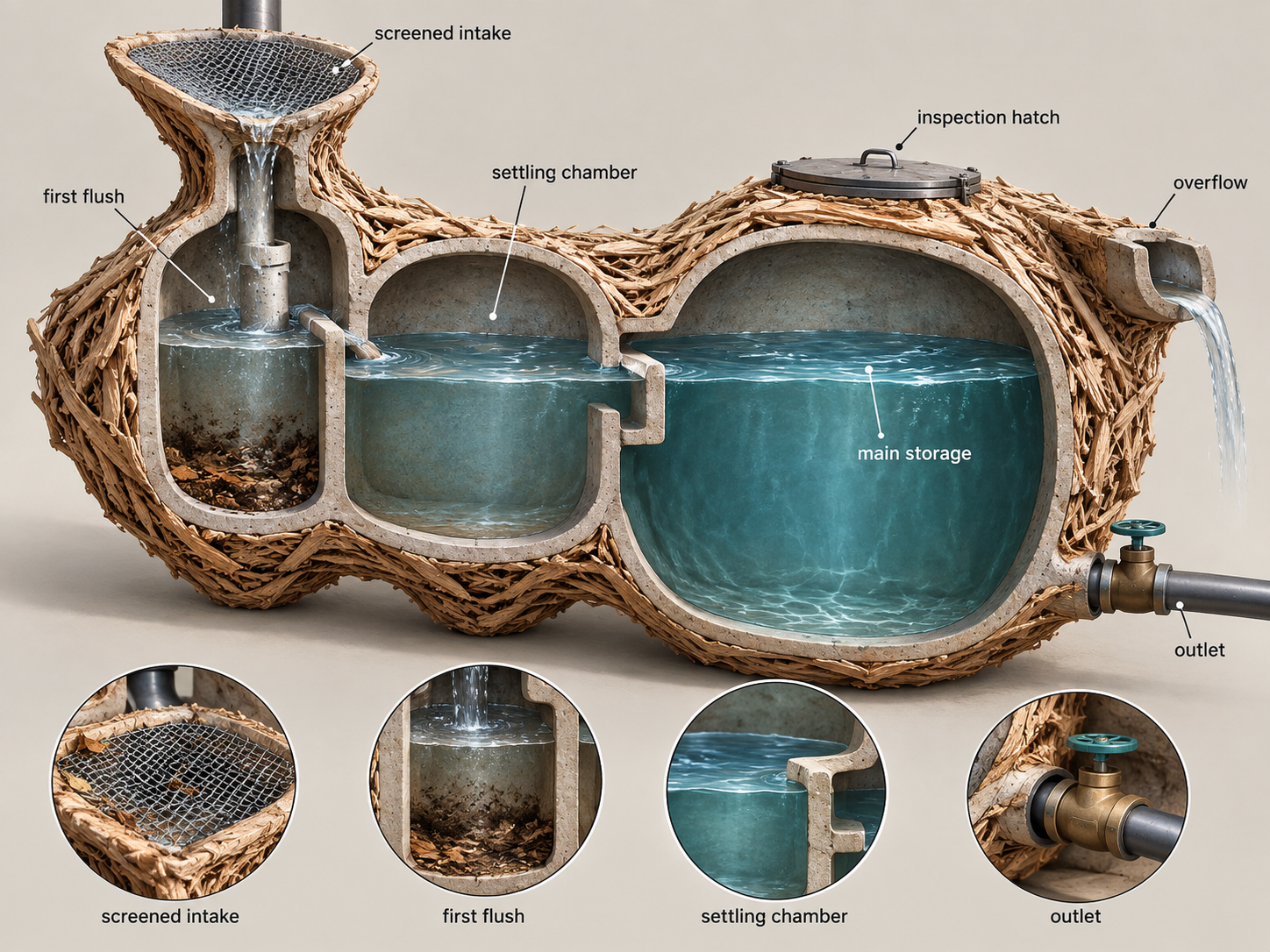
A food district needs places where raw produce becomes safe, useful, beautiful food. Keslev should include processing pavilions for washing, drying, juicing, milling, fermenting, preserving, oil-making, cacao processing, fruit preparation, and storage.
These pavilions should be clean and beautiful, not industrially ugly. They should have airflow, shade, washable surfaces, service access, water systems, compost return, and clear separation between raw arrival, clean preparation, processing, storage, and distribution.
Families and children can observe some of these processes through safe teaching windows and public demonstration areas.
Storage, Preservation, and Emergency Abundance
True abundance requires storage. Keslev must preserve food for seasonal changes, storms, emergencies, travel, festivals, district demand, and long-term food security.
Storage systems may include dried fruit houses, root crop cellars, grain and flour storage, preserved sauces, frozen fruit stores, cacao storage, oil storage, seed banks, medicinal plant storage, and emergency family food reserves.
These systems should not feel like fear. They should feel like wisdom. A beautiful kingdom prepares because it loves its people.
The Final Vision
Keslev District is the food backbone of the Trott Bailey Family Kingdom because it grows more than crops. It grows security, knowledge, culture, teaching, family contribution, ecological intelligence, and public abundance.
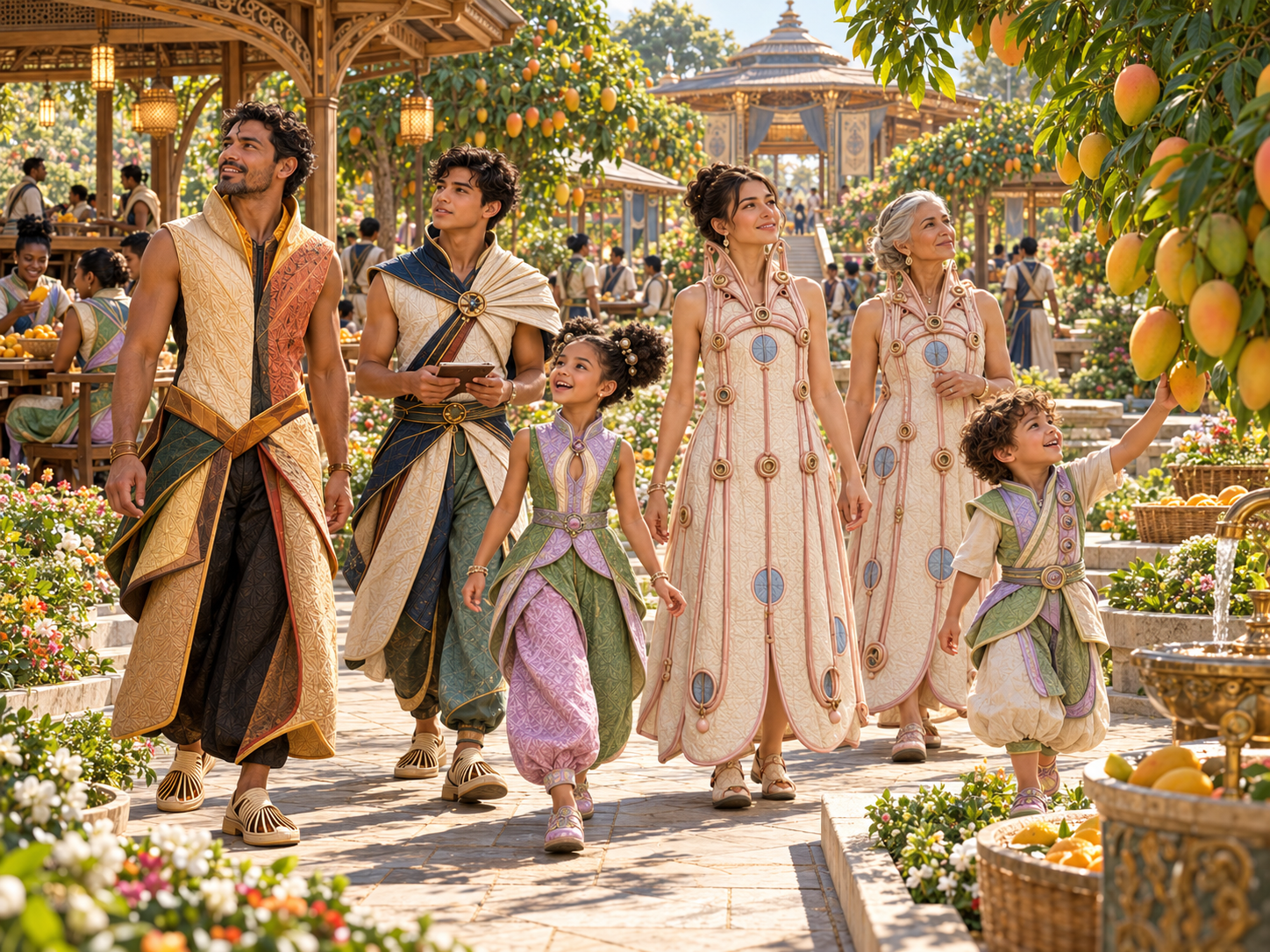
It feeds Sherika’s arrivals, Kultan’s promenades, Baby World’s edible learning rings, Balushu’s public feasts, Sabennery’s nourishment centers, and family compounds across the kingdom.
Keslev proves that agriculture can be serious and beautiful at the same time. It can be productive without becoming ugly. It can be automated without becoming cold. It can be educational without becoming stiff. It can be abundant without becoming wasteful.
Keslev is where food becomes civilization infrastructure.



 and then