Children Should Be Free to Get Safely Dirty
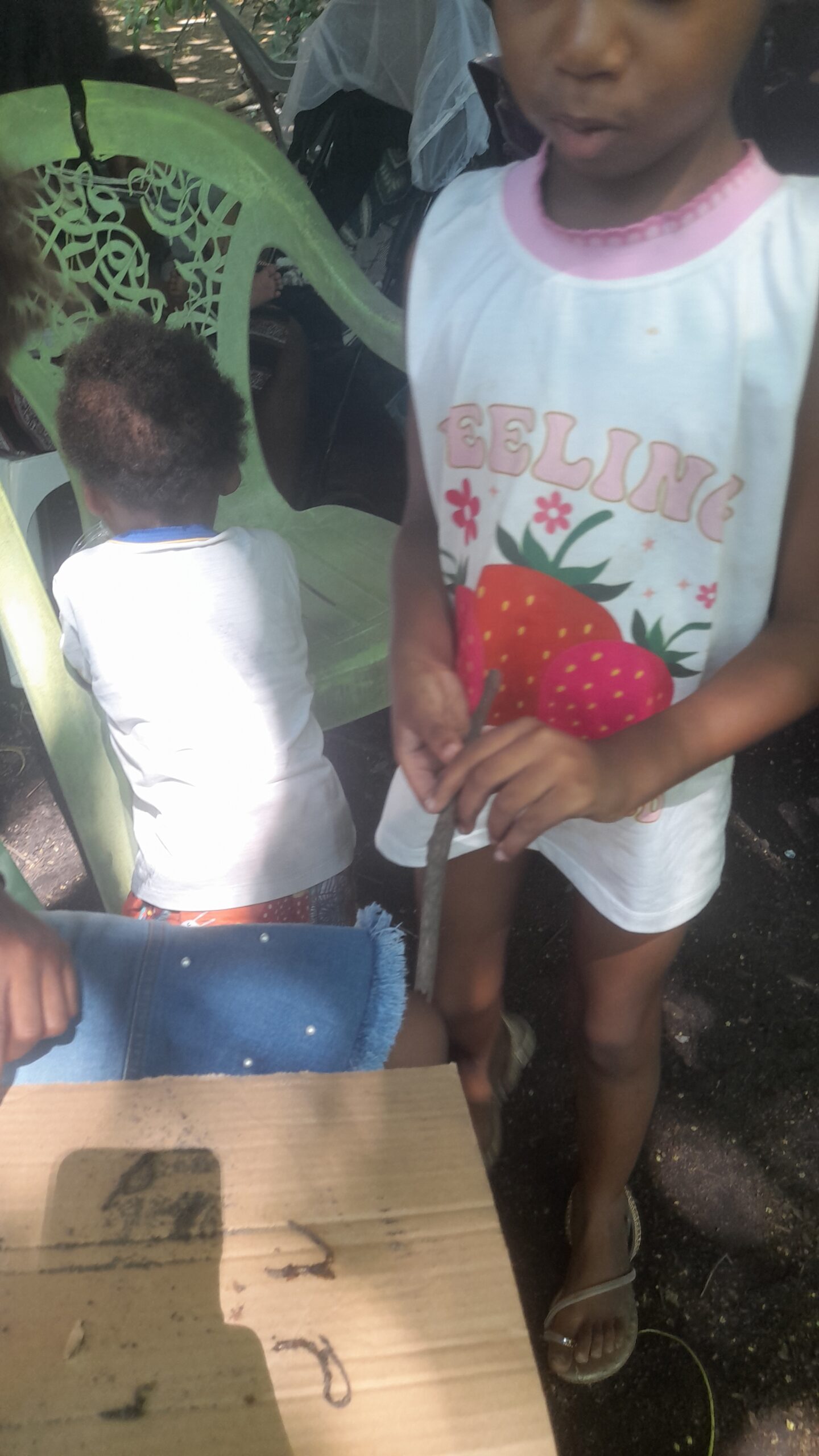
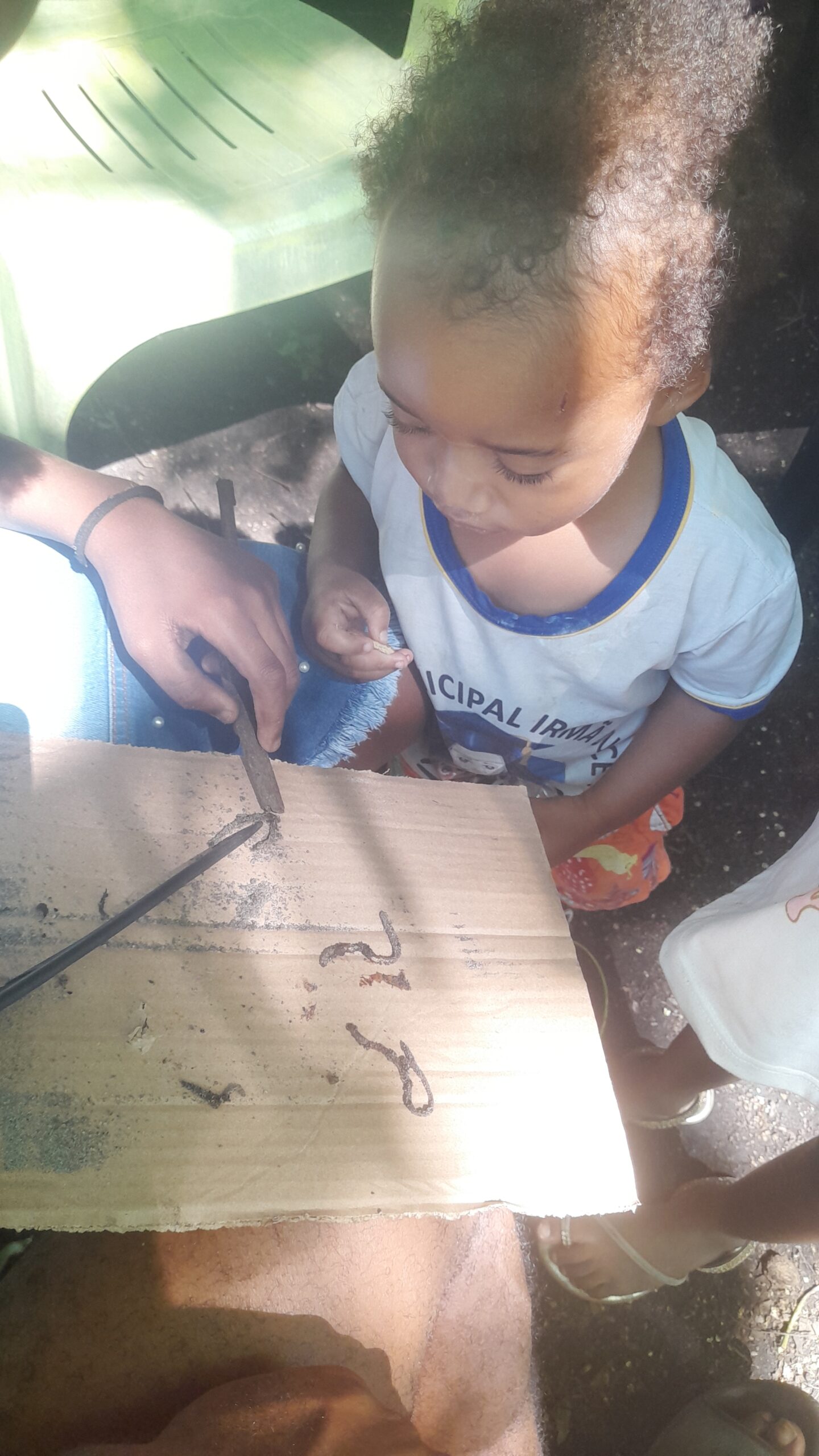
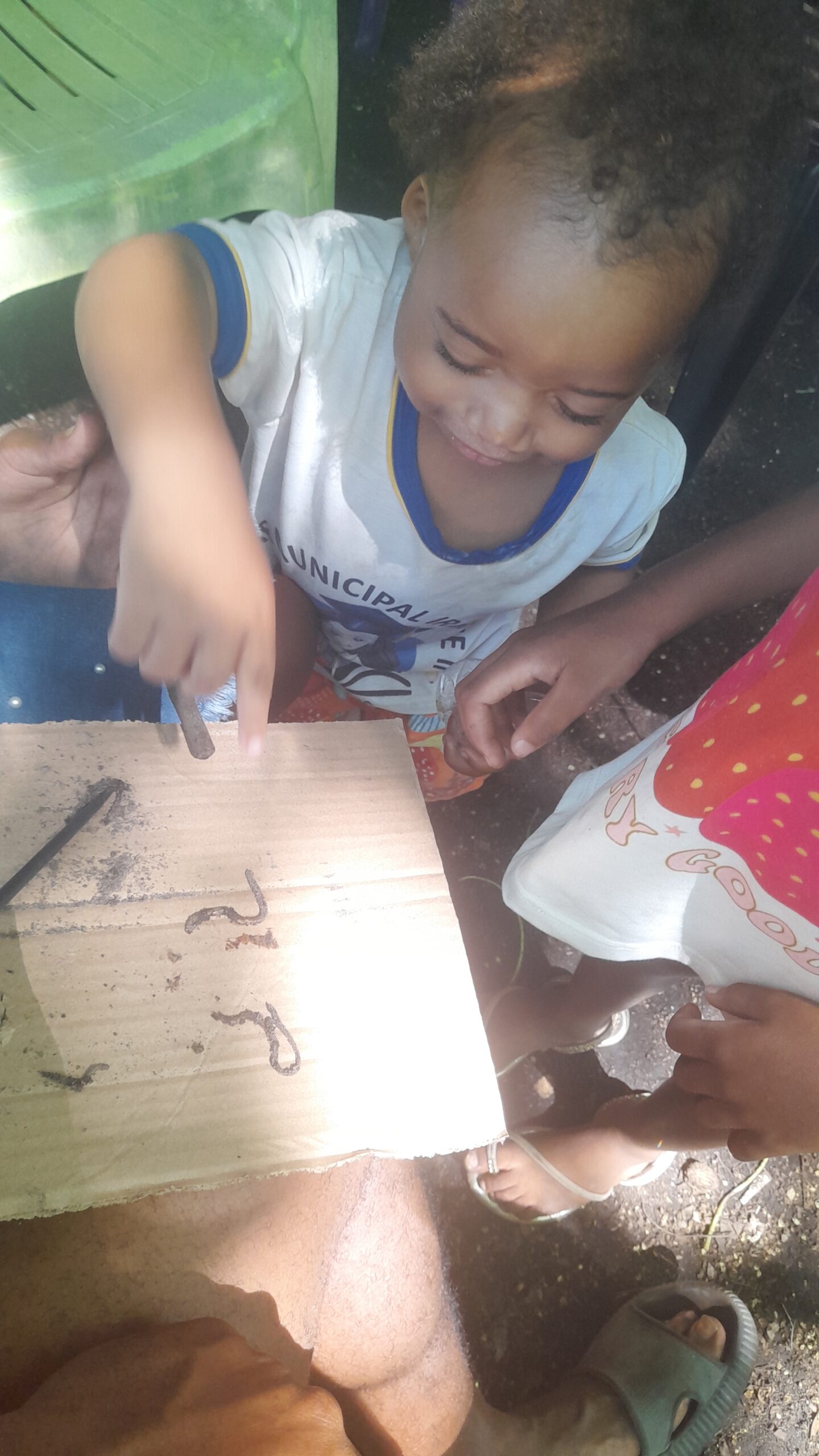
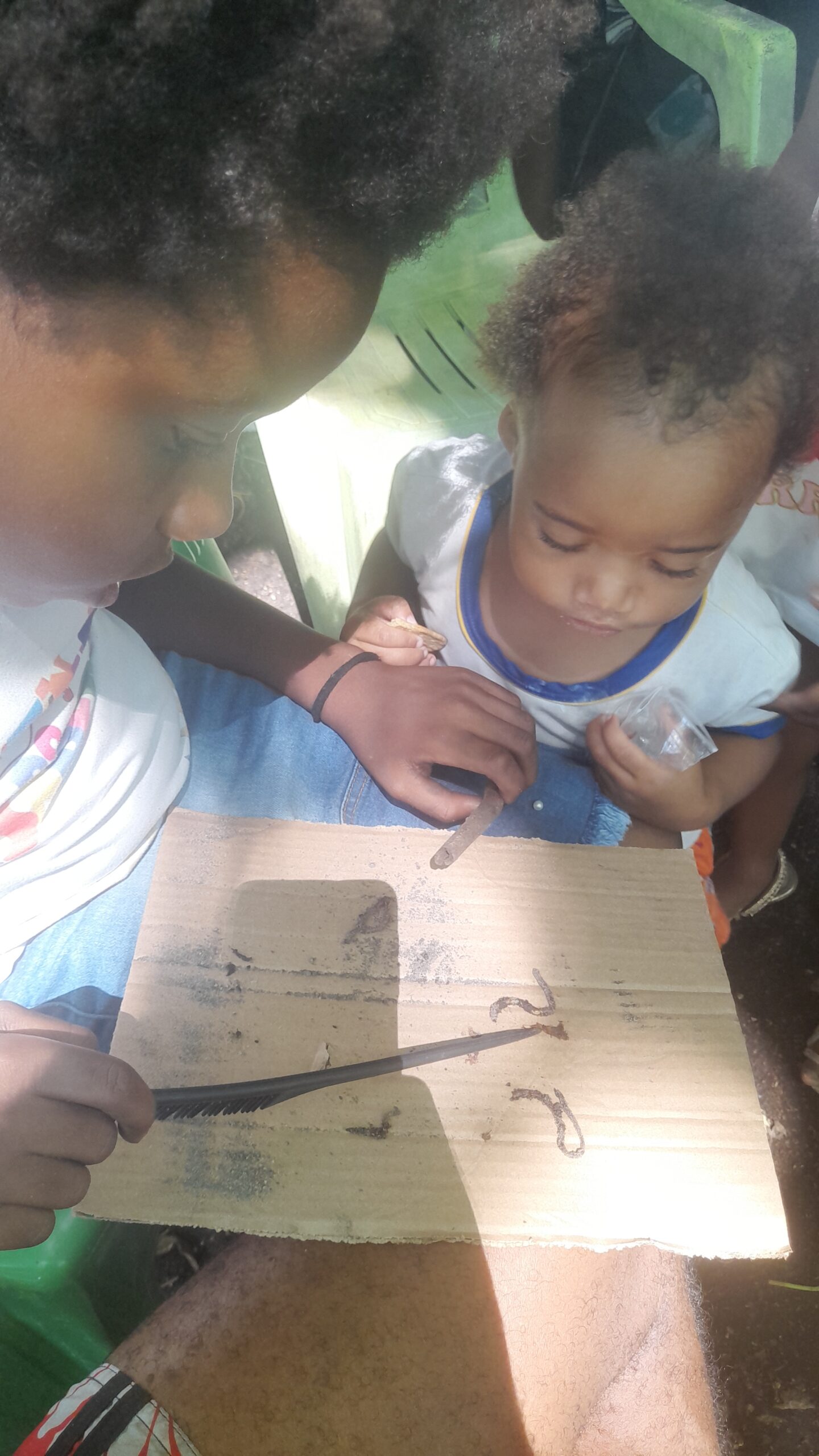
Kezidek Trott Bailey taking a walk outside with mom Sherika Trott Bailey
Children Should Be Free to Get Safely Dirty
Real childhood needs movement, touch, food, soil, water, and exploration. But real parents also need sanitation, safe housing, clean public spaces, clothing care, and relief from endless cleanup.
It is easy to say, “children should be free to get dirty.”
But for many parents, that sentence can sound unrealistic, because dirt is not always innocent.
A child getting dirty can mean sticky hands, stained clothes, dirty floors, extra laundry, bathing, mosquitoes, unsafe water, garbage, sharp objects, clinic visits, sleepless nights, family stress, and another task added to an already full day.
So the real question is not simply whether children should get dirty.
The real question is: what kind of dirt, in what kind of environment, with what kind of support afterward?
Not All Dirt Is Equal
A child playing with clean garden soil is not the same as a child splashing in mosquito-infested water.
A baby smearing biscuit on a washable floor is not the same as a baby crawling near garbage, sewage, mold, old razors, broken glass, or chemical runoff.
Clean sand, edible garden soil, washable paint, safe mud play, and clean water can support childhood learning.
But contaminated environments are different.
Safe Childhood Mess
- clean sand
- safe garden soil
- washable paint
- clean water play
- fruit and food exploration
- grass stains from safe fields
Dangerous Dirt
- sewage water
- garbage areas
- mosquito breeding water
- chemical runoff
- old razors and sharp debris
- animal waste contamination
A serious civilization must know the difference.
“Let children get dirty” is only healthy when the environment itself is clean enough, safe enough, and supported enough for childhood exploration.
The Chocolate Biscuit Problem
Take something simple: a baby eating a chocolate biscuit.
That sounds small.
But any parent knows what can happen.
The baby sucks on the biscuit. The biscuit softens. Chocolate and crumbs spread across the baby’s hands, mouth, cheeks, shirt, legs, floor, chair, and maybe the wall. Then the baby crawls or runs away before anyone can clean him.
Now one biscuit has become a whole labor chain:
- wiping the baby’s hands
- wiping the baby’s face
- changing the baby’s clothes
- cleaning the floor
- cleaning the chair
- checking whether the baby touched anything else
- possibly bathing the baby
- adding more clothes to the laundry
- watching the baby while other children also need attention
- trying to stop the mess from spreading through the house
That is not one cute messy moment.
That is a small event turning into several jobs.
The problem is not the biscuit.
The problem is that one small baby moment can multiply into many tasks for an already tired parent.
Parents Are Not Afraid of Mess for No Reason
Many parents are not trying to stop childhood because they hate joy.
They are trying to survive the consequences.
Mess can mean more work, more washing, more expense, more stress, and more things to monitor.
If a parent has one baby, one toddler, one older child, food cooking, laundry waiting, heat, insects, and no proper cleanup area, then “just let the child get dirty” can sound insulting.
Because somebody still has to clean the child.
Somebody still has to wash the clothes.
Somebody still has to wipe the floor.
Somebody still has to watch the other children.
Somebody still has to make sure the baby does not put something dangerous into his mouth.
When Dirt Is Not Play: Public Sanitation Failure
In some places, the problem is not that parents are too strict. The problem is that the outside world is not safe enough for children.
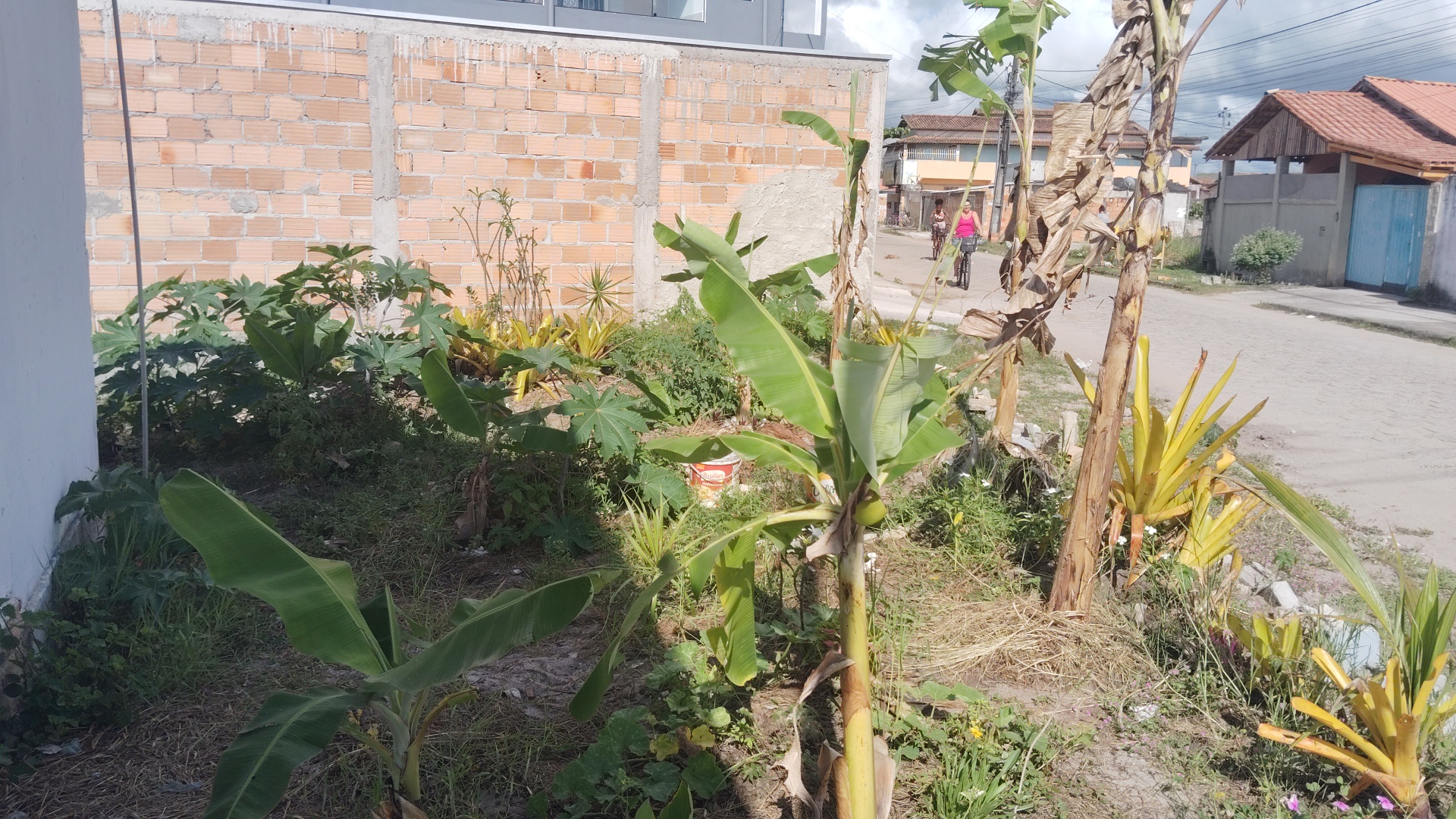
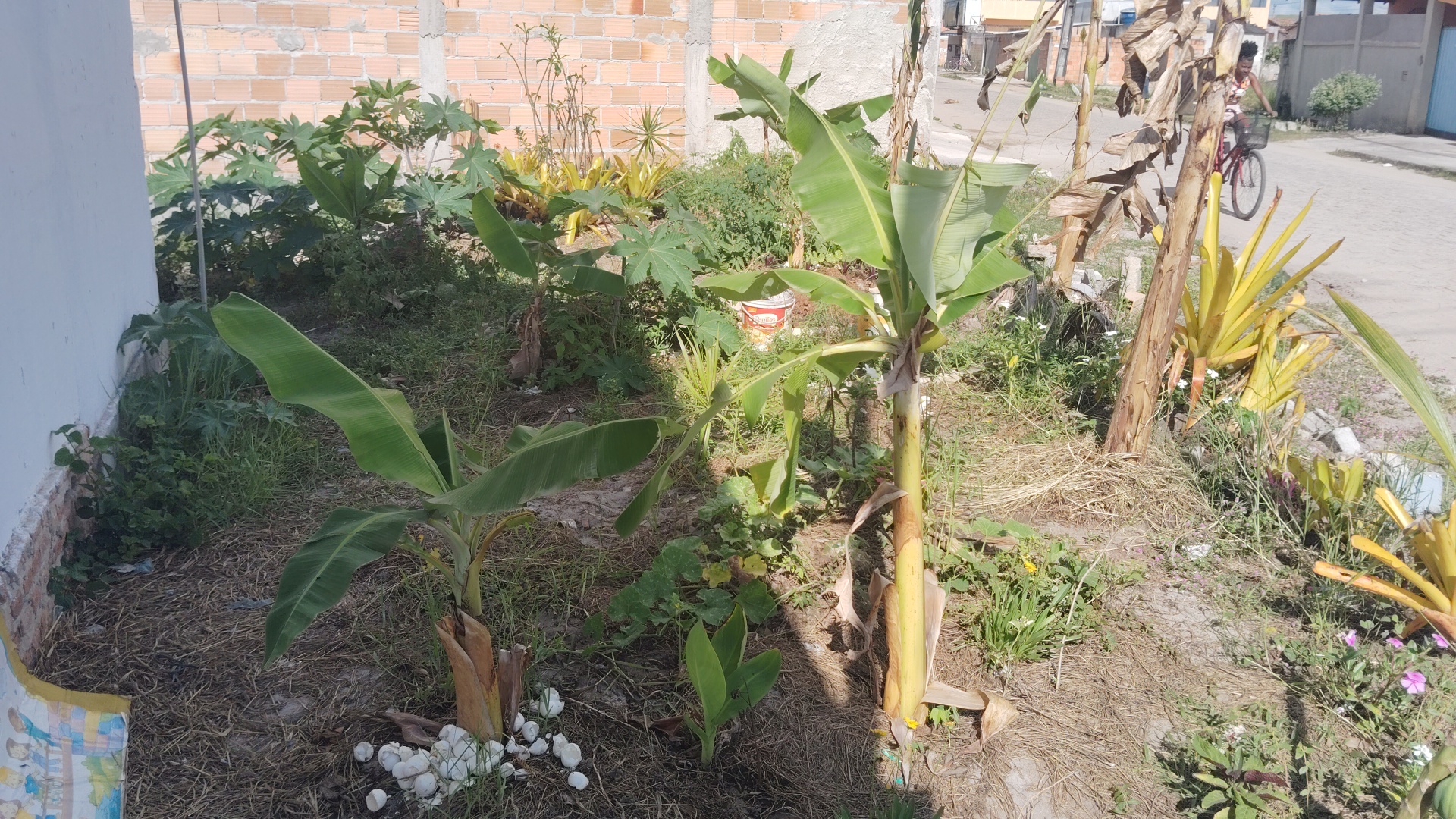
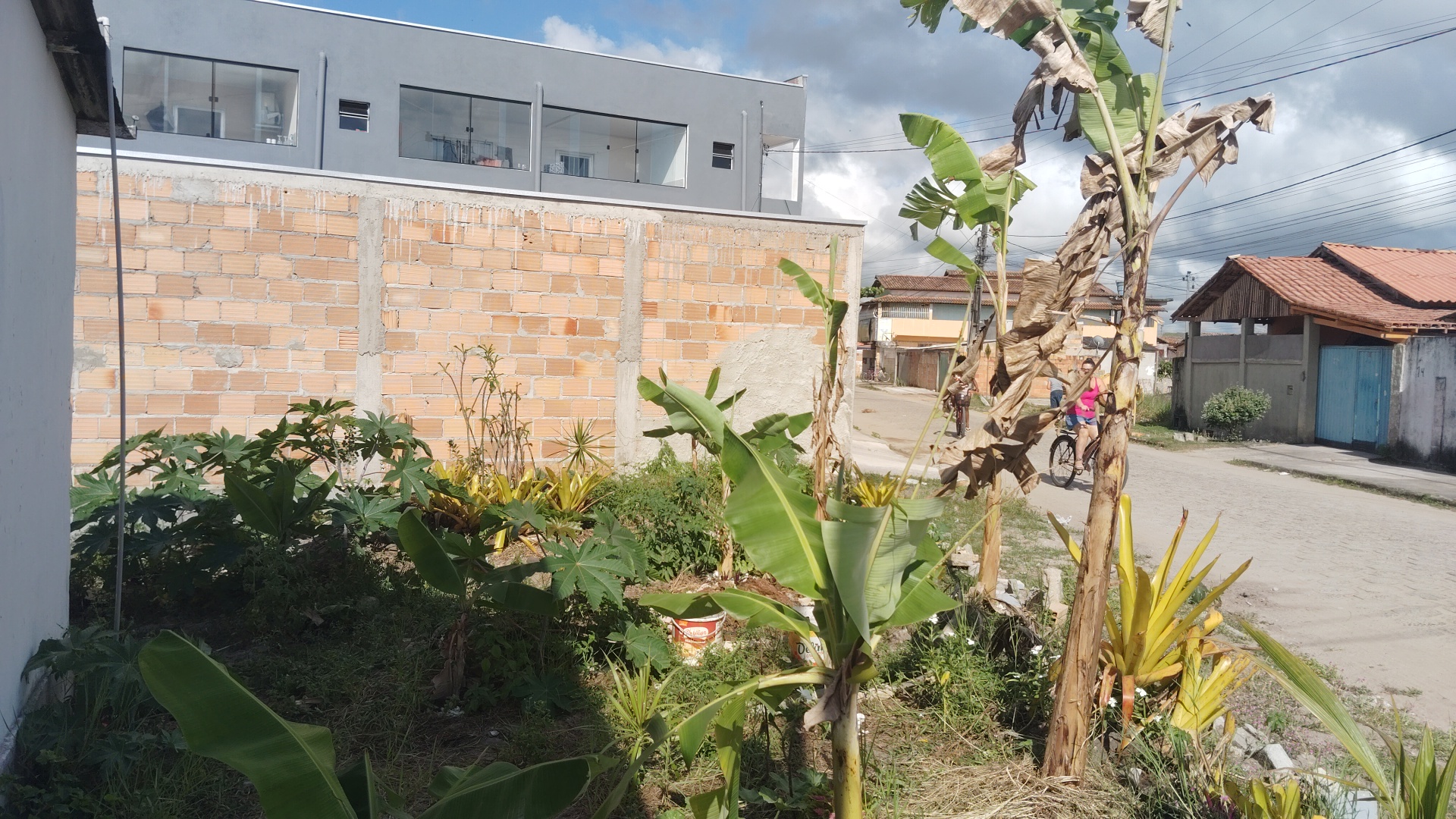
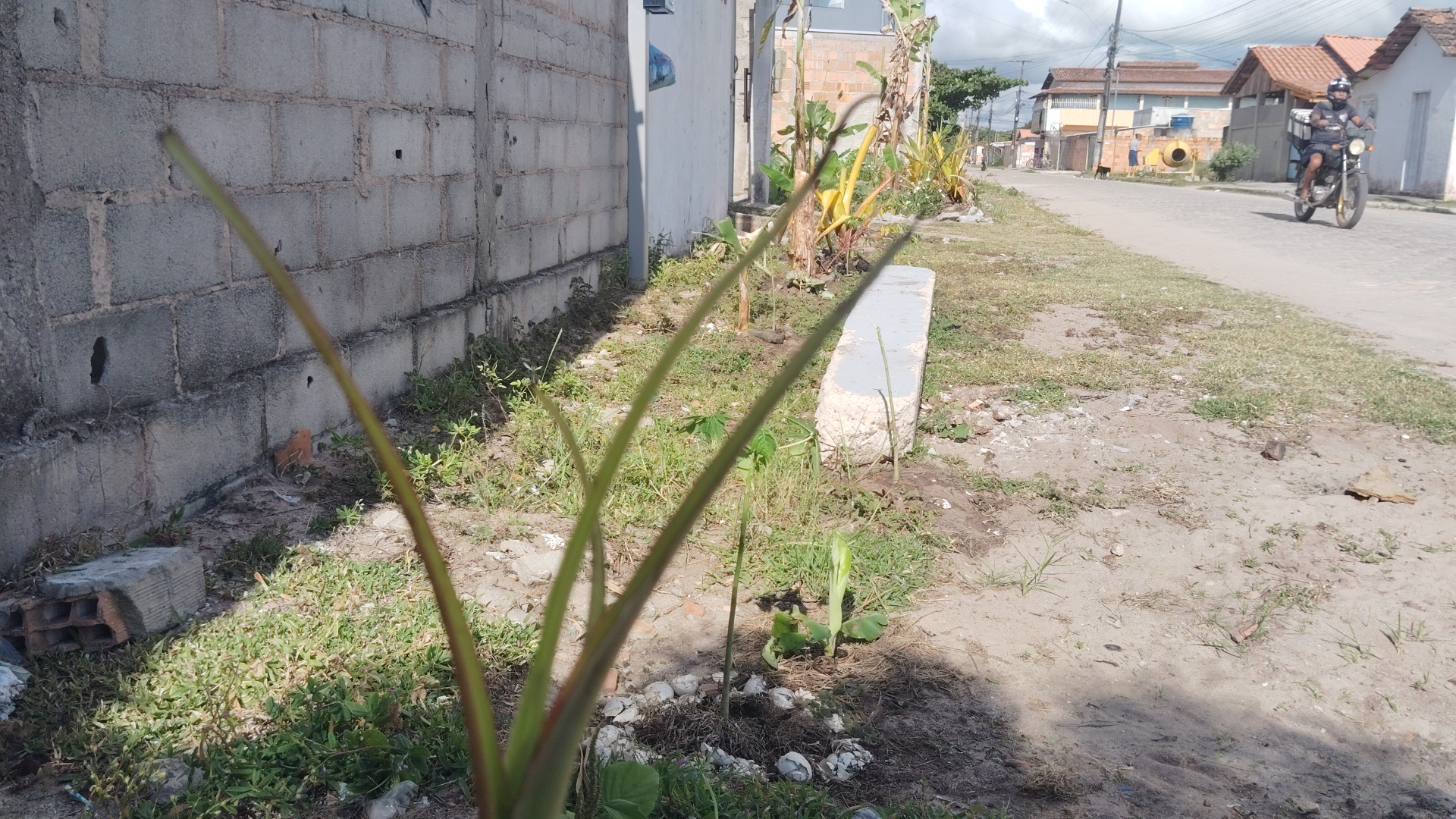
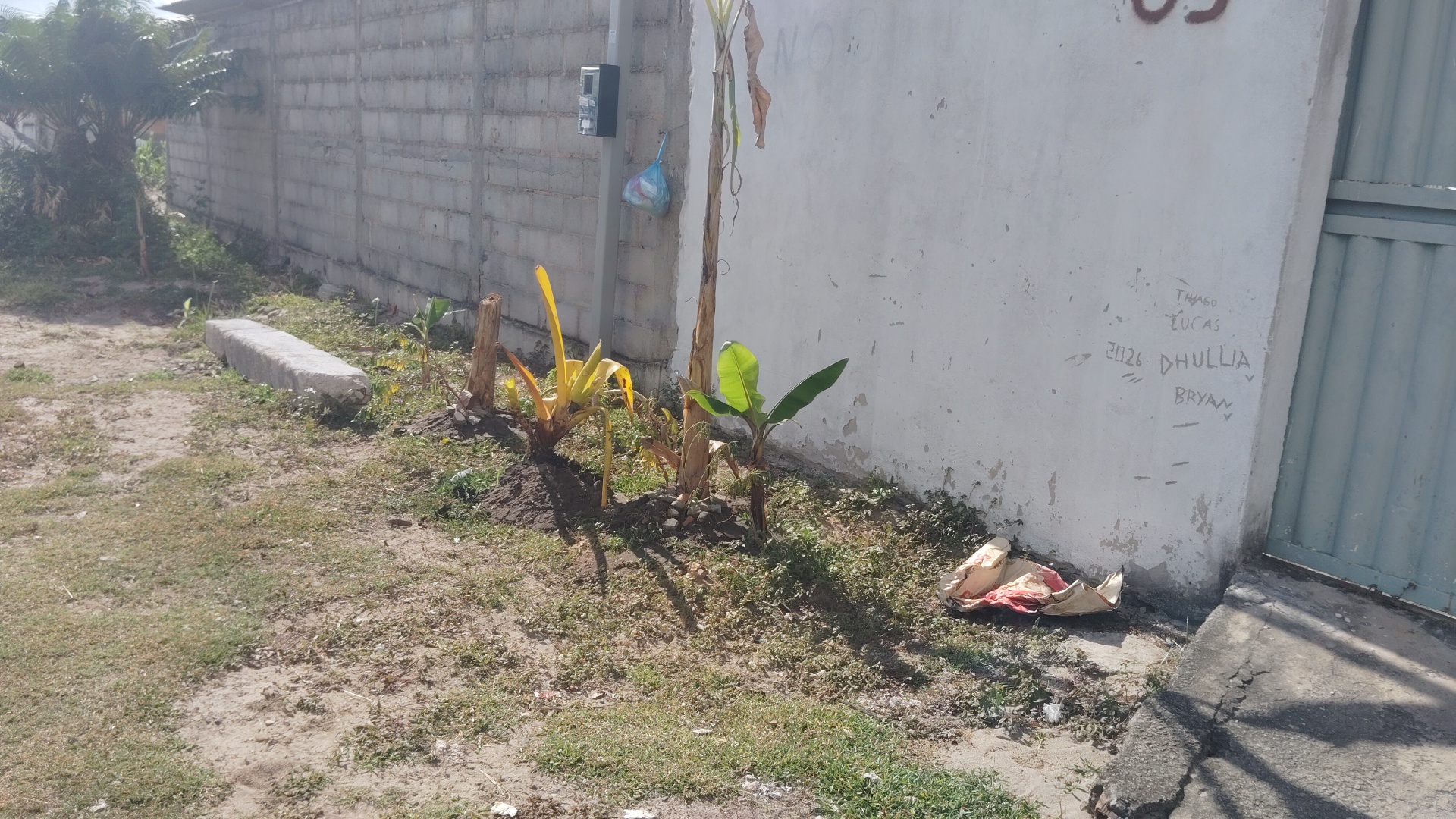
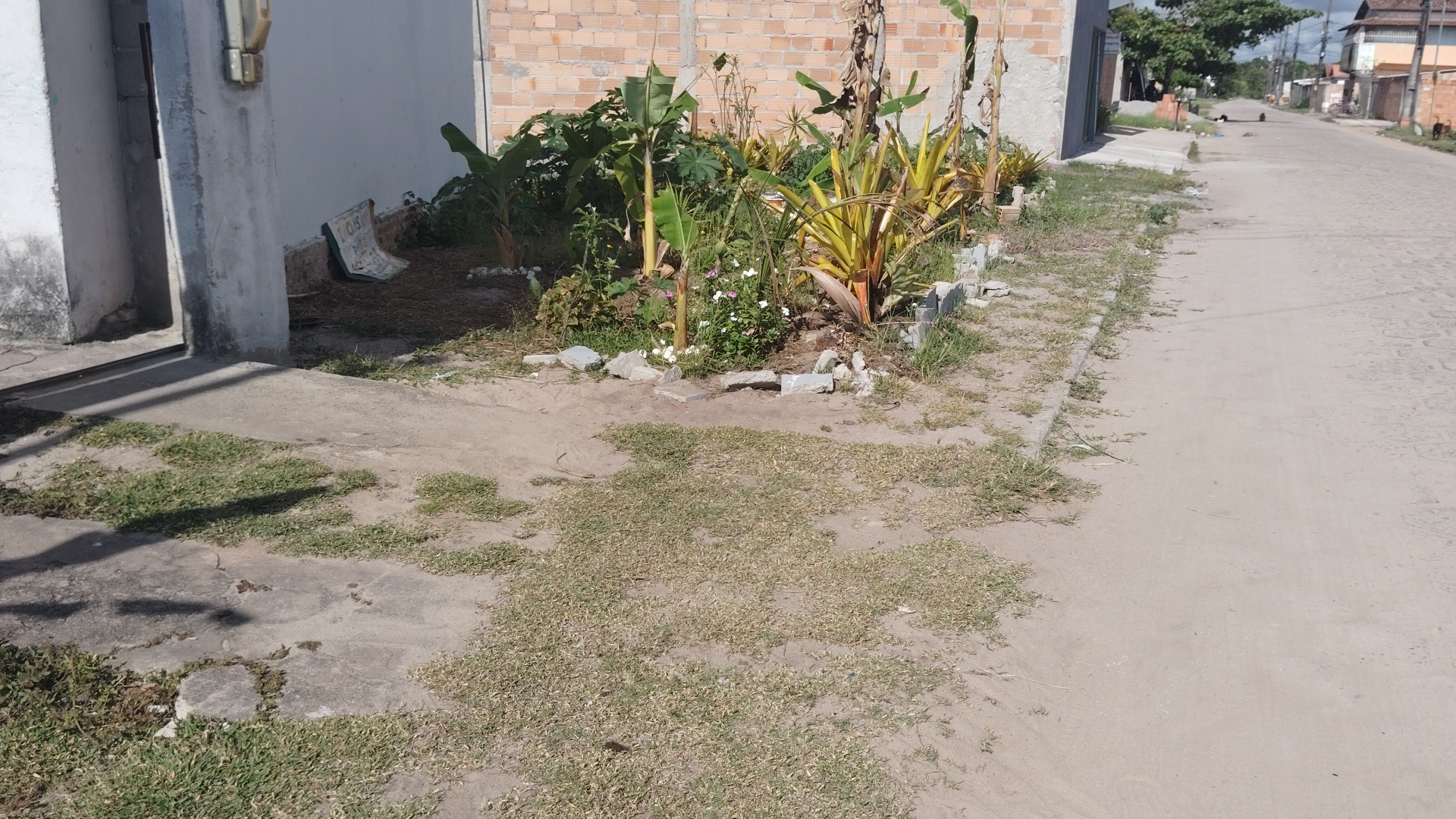
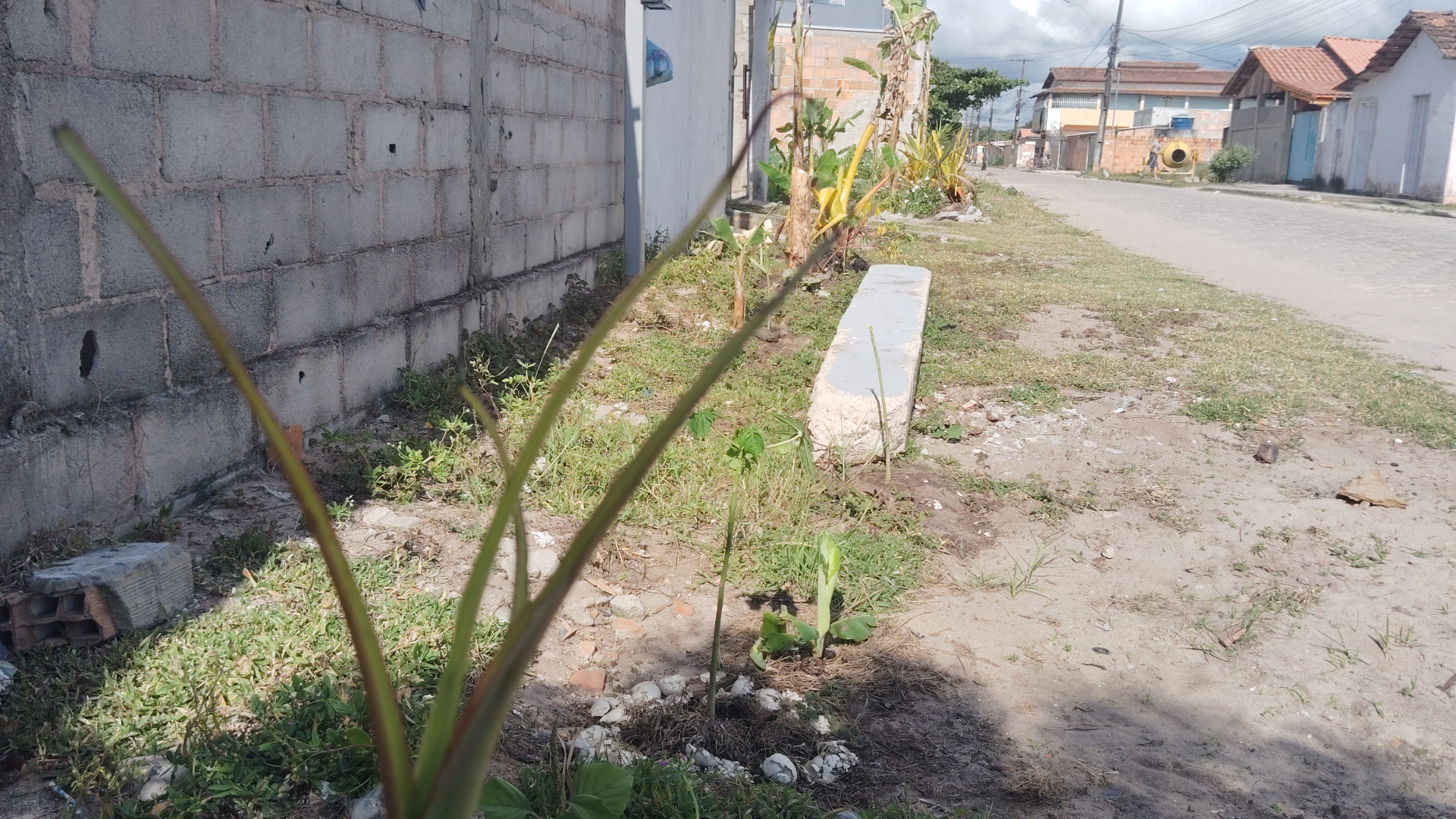
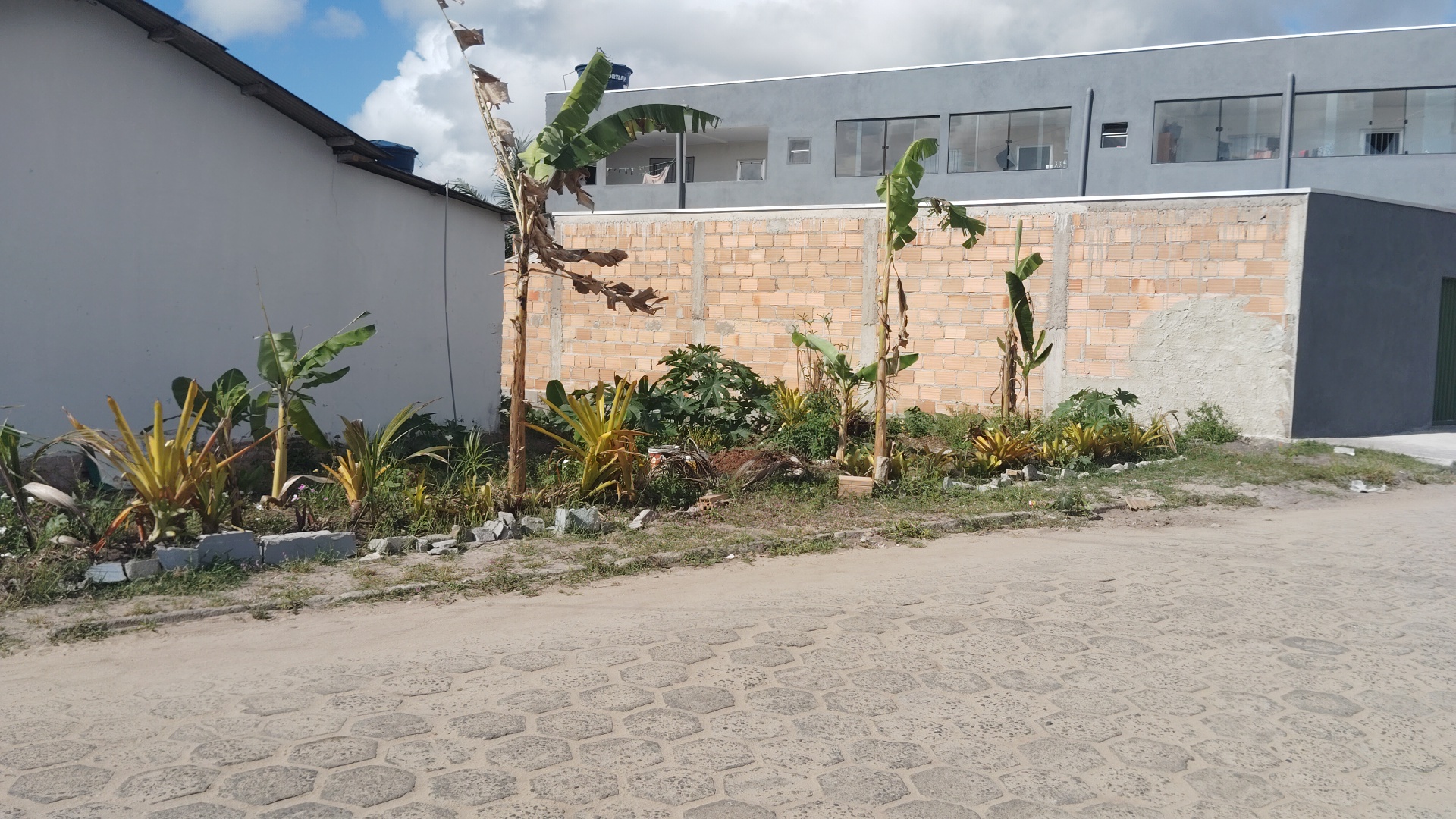
For example, a parent may want to let a baby loose outside to play. But outside there may be a garbage collection problem. There may be old paint cans on the ground holding stagnant water. There may be old toilet bowls collecting dirty water. There may be old shavers scattered on the ground. There may be sharp objects, dirty containers, bacteria water, mosquitoes, and trash.
Now the baby is not just exploring.
The baby is at the stage where he wants to pick up everything and put it in his mouth.
So the parent cannot simply say, “Let him play.”
The parent has to scan the ground constantly.
The parent has to think:
- Is that water dirty?
- Is that a mosquito breeding spot?
- Is that metal sharp?
- Is that an old razor?
- Is that container full of bacteria water?
- Will he put that in his mouth?
- If he gets sick, what happens next?
And if the child gets sick, the burden does not end with the dirty object.
Then the parents may be up with him at night.
There goes sleep for several nights, maybe a week.
Then they may have to go to the clinic.
They may sit there for hours waiting.
Then they need the prescription.
Then they need to fill the prescription.
Then they come home tired.
Then tired parents get short with each other.
Then the other children feel the tension.
Then family peace is affected because public sanitation failed.
That is not messy childhood.
That is failed public infrastructure creating family suffering.
When Poverty Removes Safe Childhood Space
Some people may say, “Just move somewhere better.”
But that ignores reality.
There may be no money to move somewhere better.
And if the problem is systemic, moving may not solve it. Everywhere nearby may have the same dirty streets, weak garbage collection, bad drainage, unsafe play areas, broken public systems, and neglected spaces.
Then what happens?
Free play disappears.
Children do not lose free play because parents hate nature.
They lose free play because the environment became unsafe.
Safe outdoor childhood becomes something only some families can buy.
Families with money may be able to access:
- private yards
- clean gated areas
- paid indoor play spaces
- better maintained neighborhoods
- safe transportation to cleaner parks
- extra clothing
- washing machines and dryers
- paid help
Families without those resources may be stuck choosing between keeping the child inside or exposing the child to unsafe public space.
When Public Parks Fail Families
A park is not family-supportive just because it exists.
A city can say, “There is a park,” but if the park is badly maintained, parents still cannot relax.
If dog owners bring animals to the park to relieve themselves and dog waste is everywhere, then the ground is not safe for babies who crawl, fall, sit, or touch everything.
If swings are broken, then the play equipment becomes a hazard.
If dirty leaves sit for days and rot on the ground, then parents have to wonder what is hiding underneath: insects, sharp objects, waste, stagnant water, or mold.
If there are no working wash points, no clean seating, no proper maintenance, and no safe baby area, then the parent cannot simply enjoy the park.
The parent must inspect everything.
The parent must watch the child’s hands.
The parent must stop the baby from sitting in waste.
The parent must avoid broken equipment.
The parent must leave early if the place feels unsafe.
A neglected park turns “free play” into another parental risk assessment.
Parents are not being fussy when they avoid dirty public parks. They are protecting their children from a maintenance failure.
When Broken Housing Makes Parenting Harder
The problem is not only outside.
Bad housing can also turn ordinary parenting into constant risk management.
A broken bathroom door is not a small inconvenience when there is a curious baby in the house.
It creates a whole labor chain.
- The bathroom is old and dirty.
- The baby wants to touch the toilet water.
- The door has no proper lock.
- The parents use wire as a safety workaround.
- The older children cannot simply use the bathroom independently.
- The parents must stop what they are doing.
- They must unwind the wire.
- They must let the older child into the bathroom.
- They must supervise access.
- They must re-secure the door.
- Then they must repeat the same process all day.
That is not normal parenting stress.
That is housing failure becoming parental labor.
And the stress is not only physical. It affects the emotional rhythm of the family.
The parent is already cleaning, cooking, watching children, handling laundry, managing food, and trying to keep the baby safe. Then the bathroom door becomes one more broken system the parent has to manually replace with their own attention.
If the door worked normally, the older children could use the bathroom more independently. The parents could still supervise where needed, but they would not have to become the lock, the gate, the cleaner, and the safety system every time someone needs the bathroom.
This is how poor housing steals peace from a family.
When basic fixtures fail, parents become the infrastructure.
They become the lock. They become the safety gate. They become the cleaner. They become the monitor. They become the emergency system.
Freedom Is Not Chaos
This article is not arguing that children should be allowed to destroy everything, run wild, waste food, damage clothing, or ignore boundaries.
That would not be freedom. That would be abandonment of structure.
Children still need to learn:
- how to clean up after themselves
- how to respect shared spaces
- how to care for clothes
- how to use food properly
- how to wash hands
- how to return tools and toys
- how to understand limits
But children should learn those things inside a world that is built for their stage of life.
A baby does not need the same freedom as a seven-year-old. A toddler does not manage mess the same way an older child can. Different ages need different spaces, boundaries, and support.
Safe freedom means children can explore without parents being abandoned to clean up the consequences alone.
The Real Issue Is the Consequence Chain
The deeper problem is not mess itself.
The deeper problem is unmanaged consequence chains.
A tiny event becomes a long line of extra work.
Example:
Baby eats biscuit → hands get sticky → floor gets sticky → shirt gets stained → baby crawls away → sibling steps in crumbs → parent must wipe, wash, change, monitor, redirect, and add clothes to laundry.
A broken door becomes a long line of interruptions.
Example:
Older child needs bathroom → parent stops task → unwinds wire → opens door → supervises access → keeps baby away → closes door → rewinds wire → returns to task already interrupted.
Unsafe public space becomes a long line of fear.
Example:
Child wants to play outside → parent sees stagnant water, garbage, sharp objects, dog waste, or broken equipment → parent must scan the ground constantly → child gets less freedom → parent feels guilty and stressed.
This is why parents get tired.
Not because they are against childhood.
Because small risks and small messes pile up into full household systems of work.
What Trott Bailey Civilization Would Do Differently
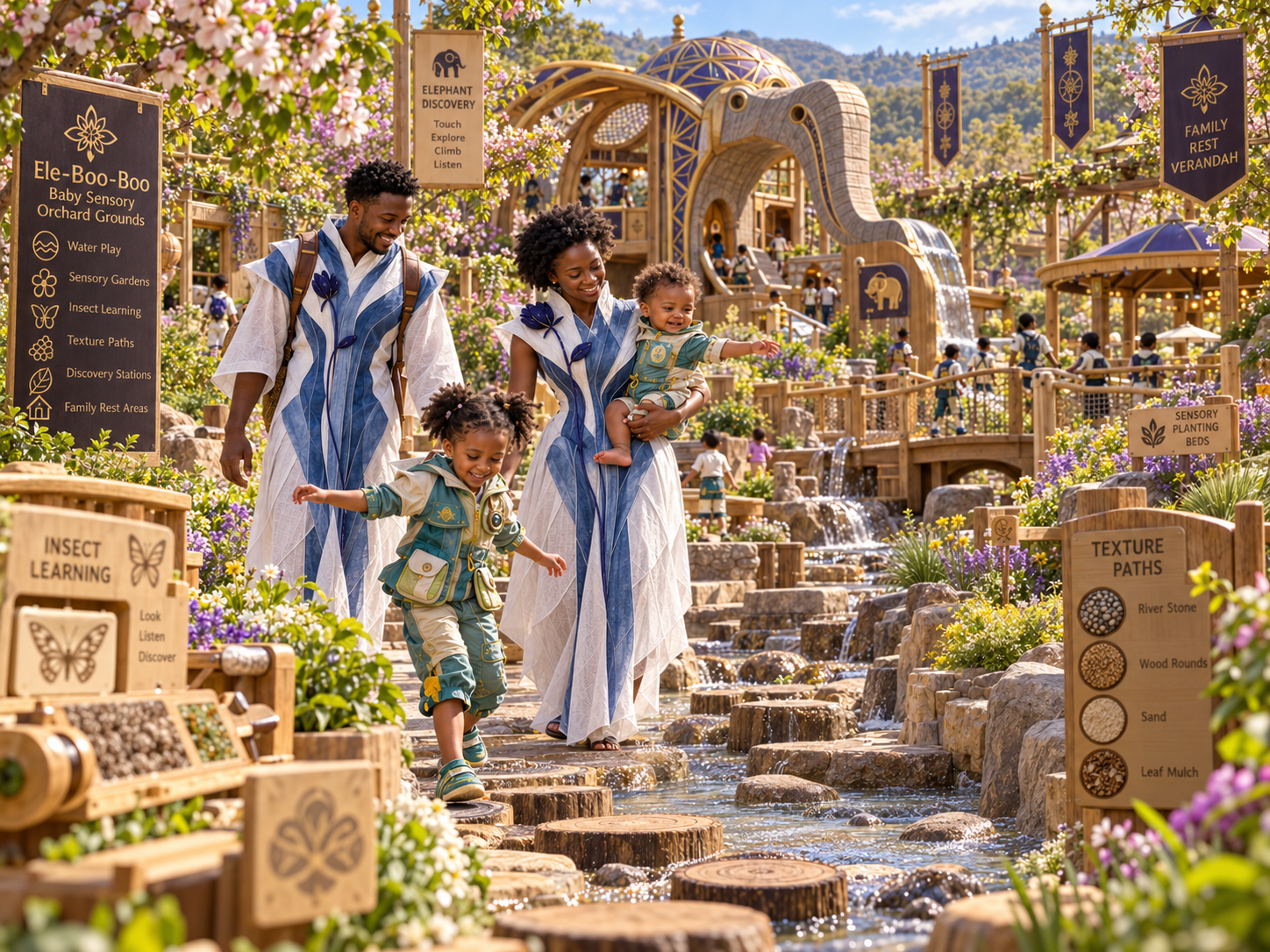
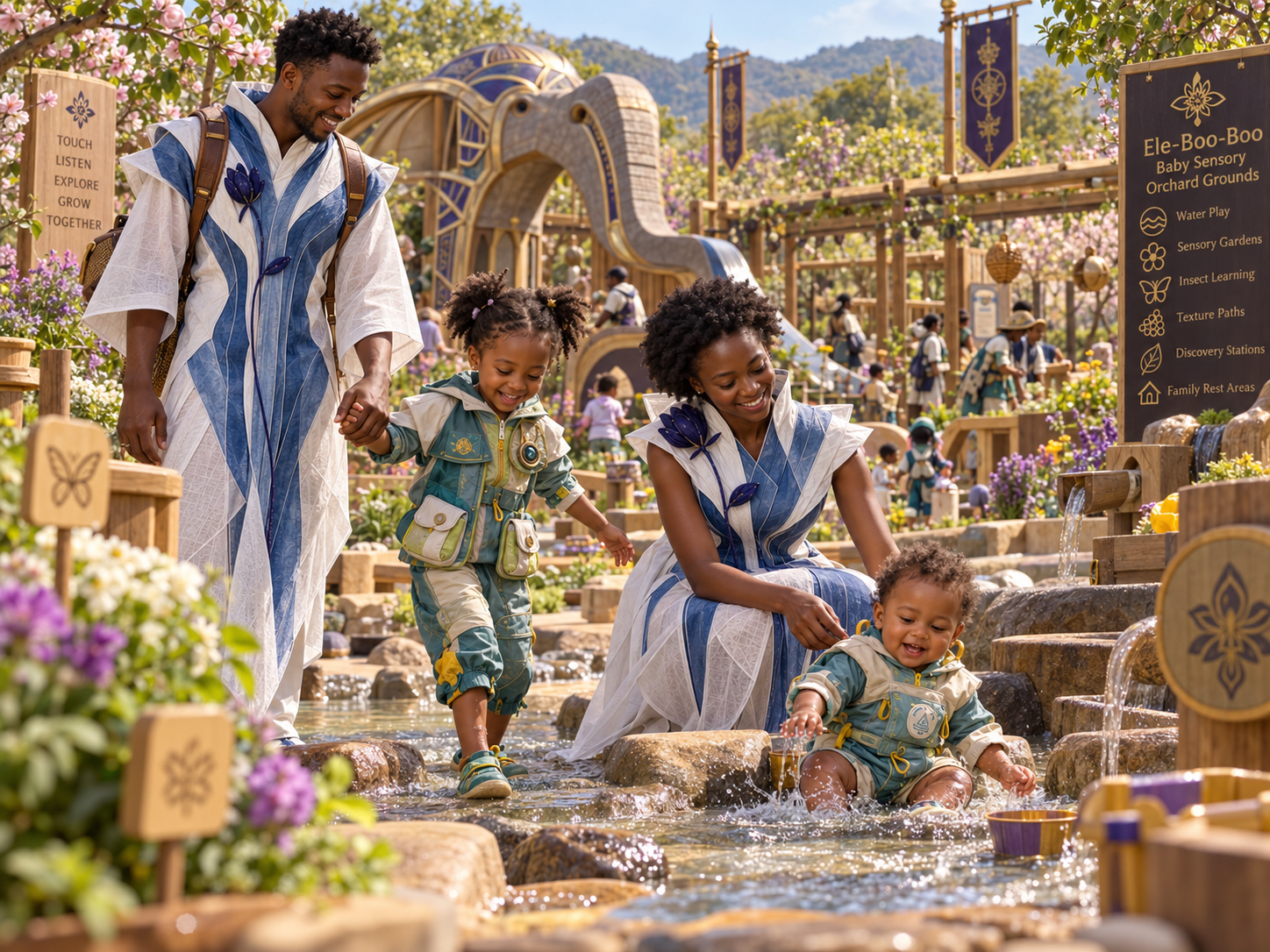
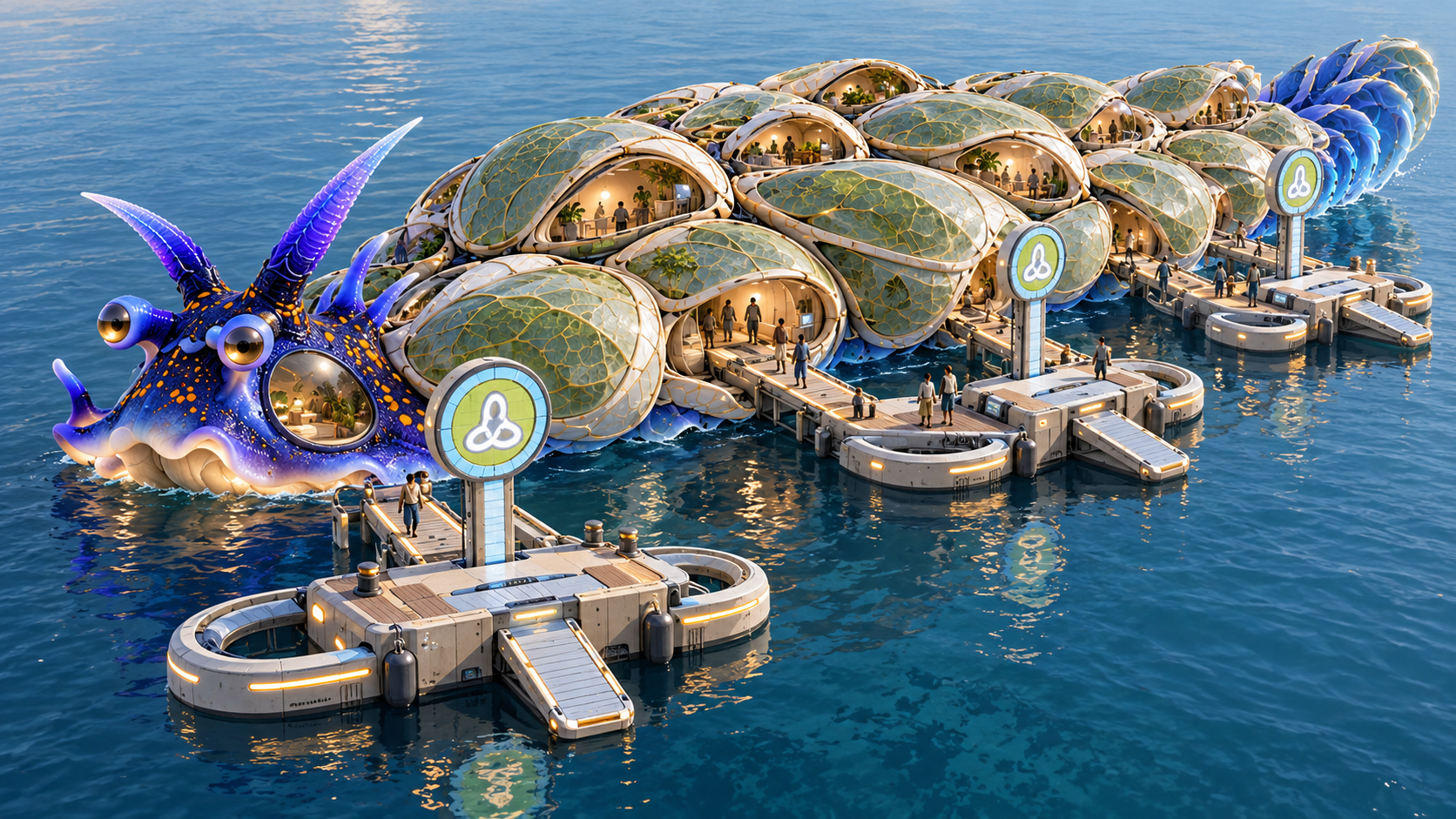
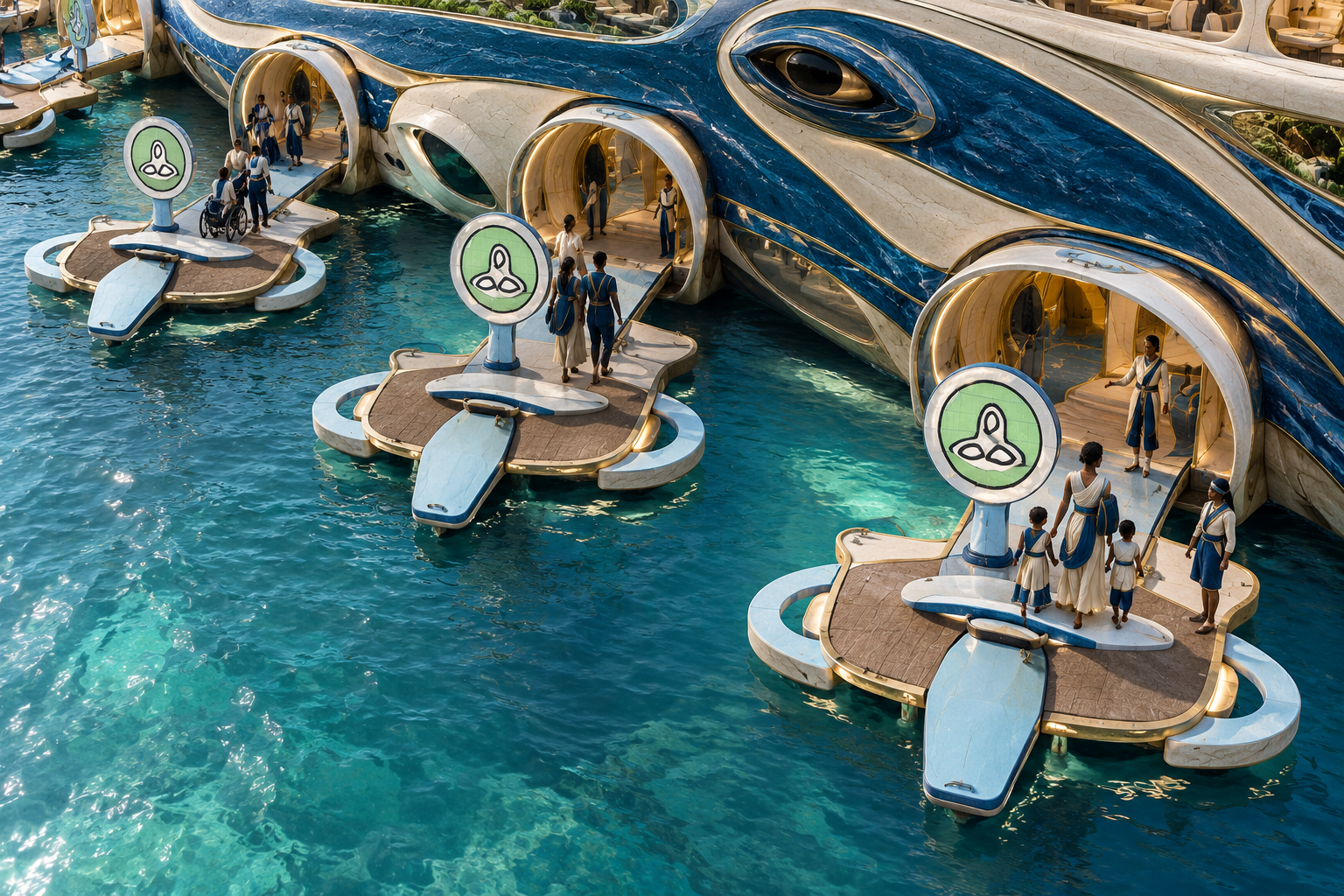
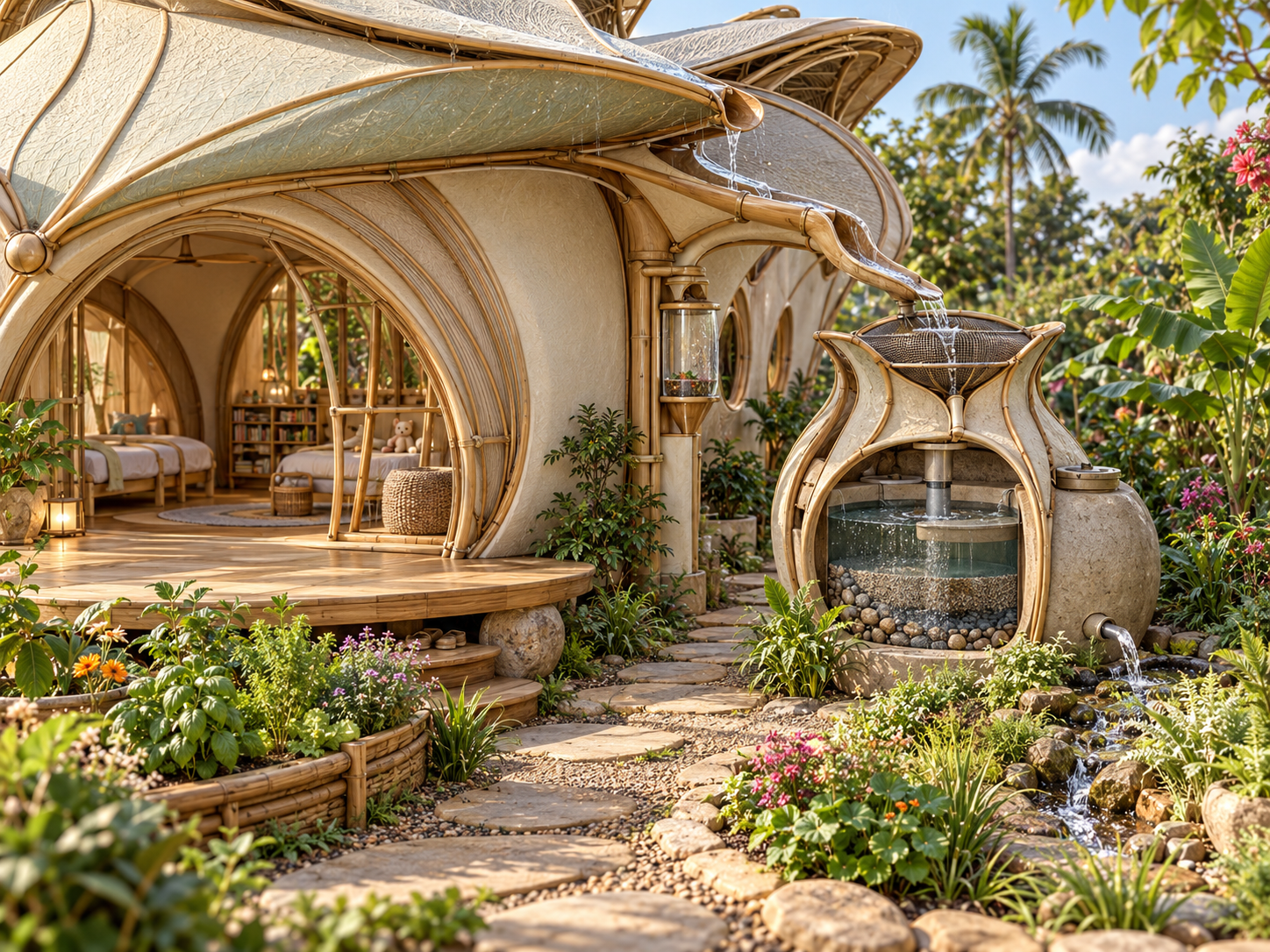
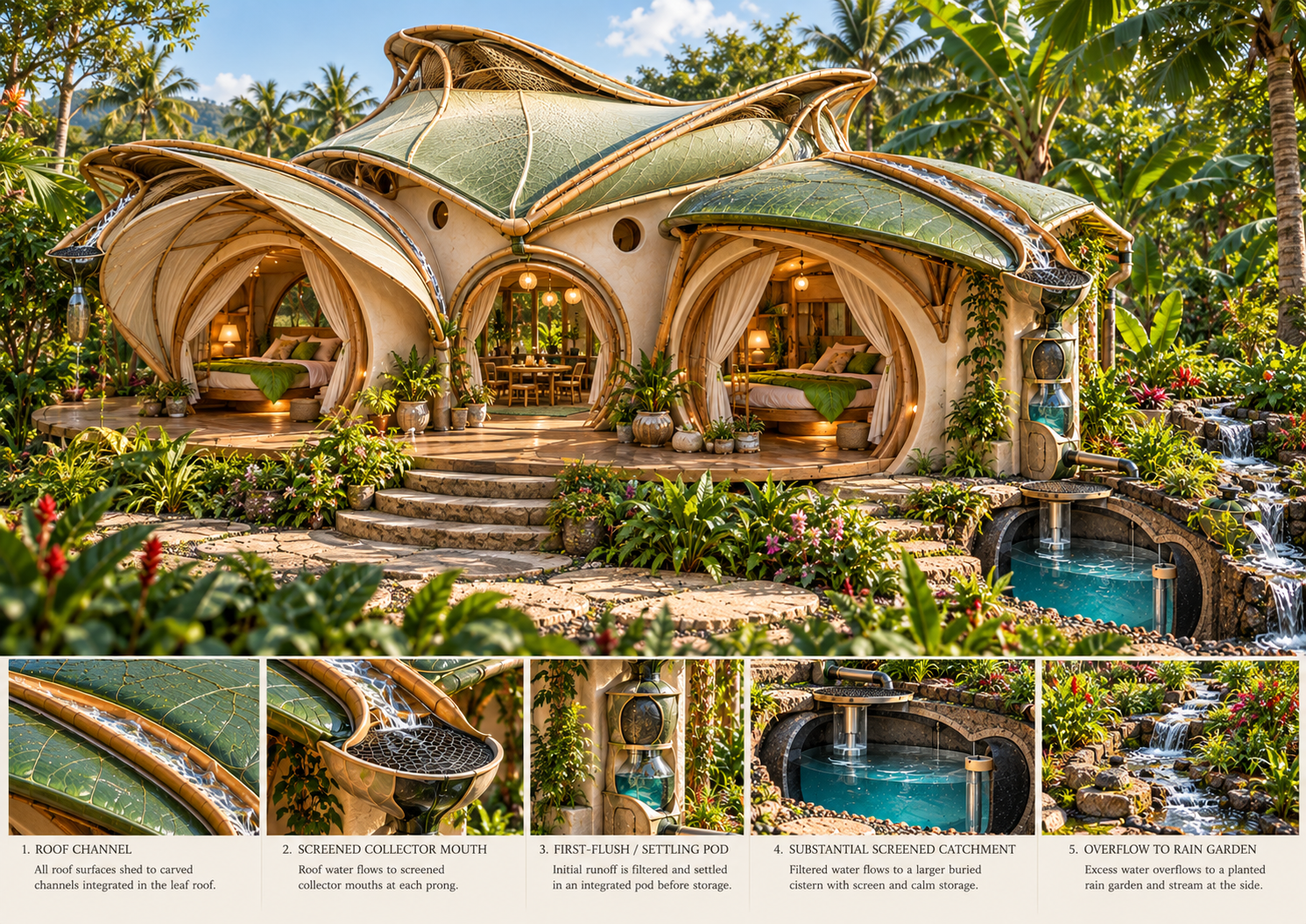
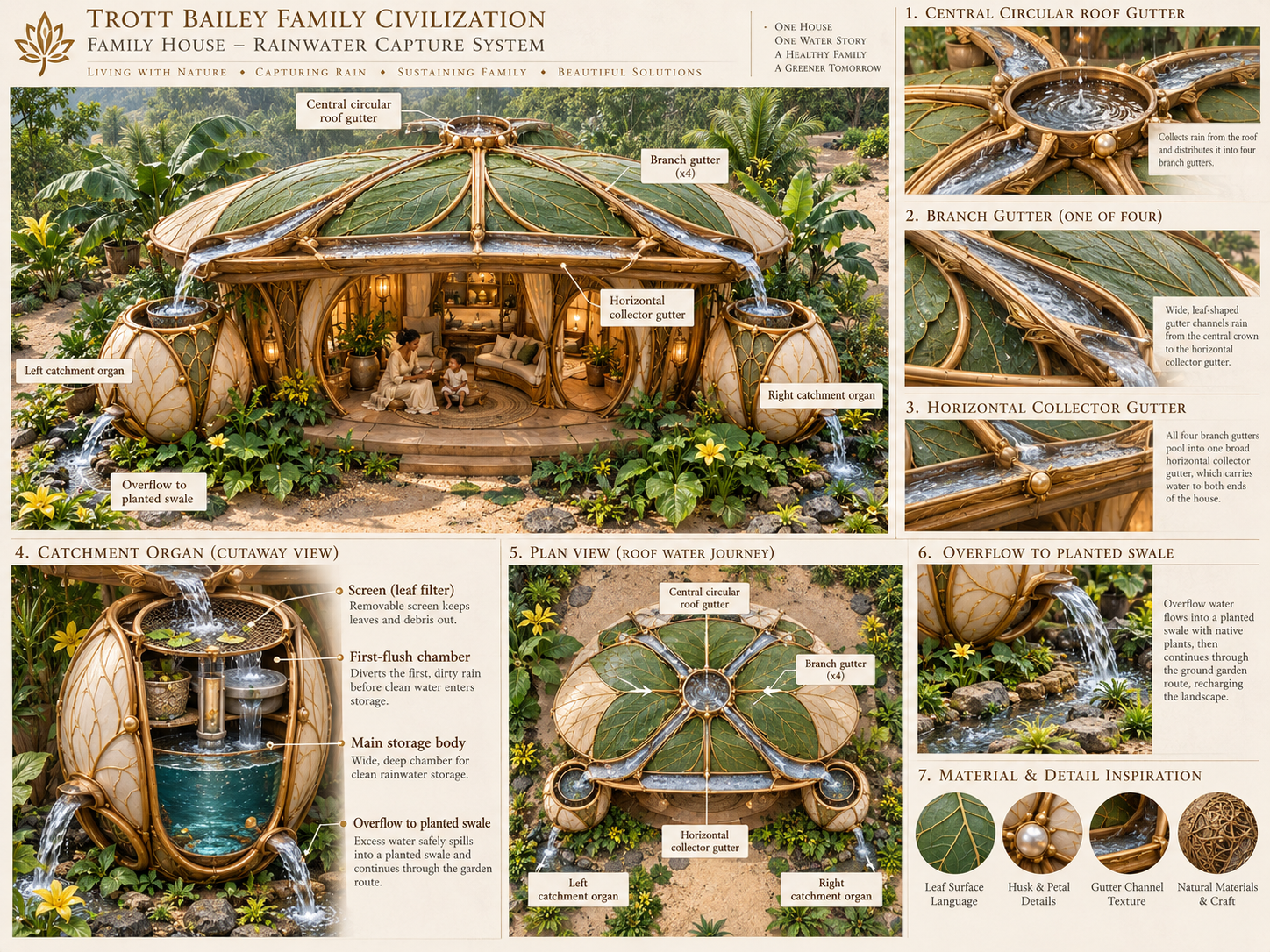
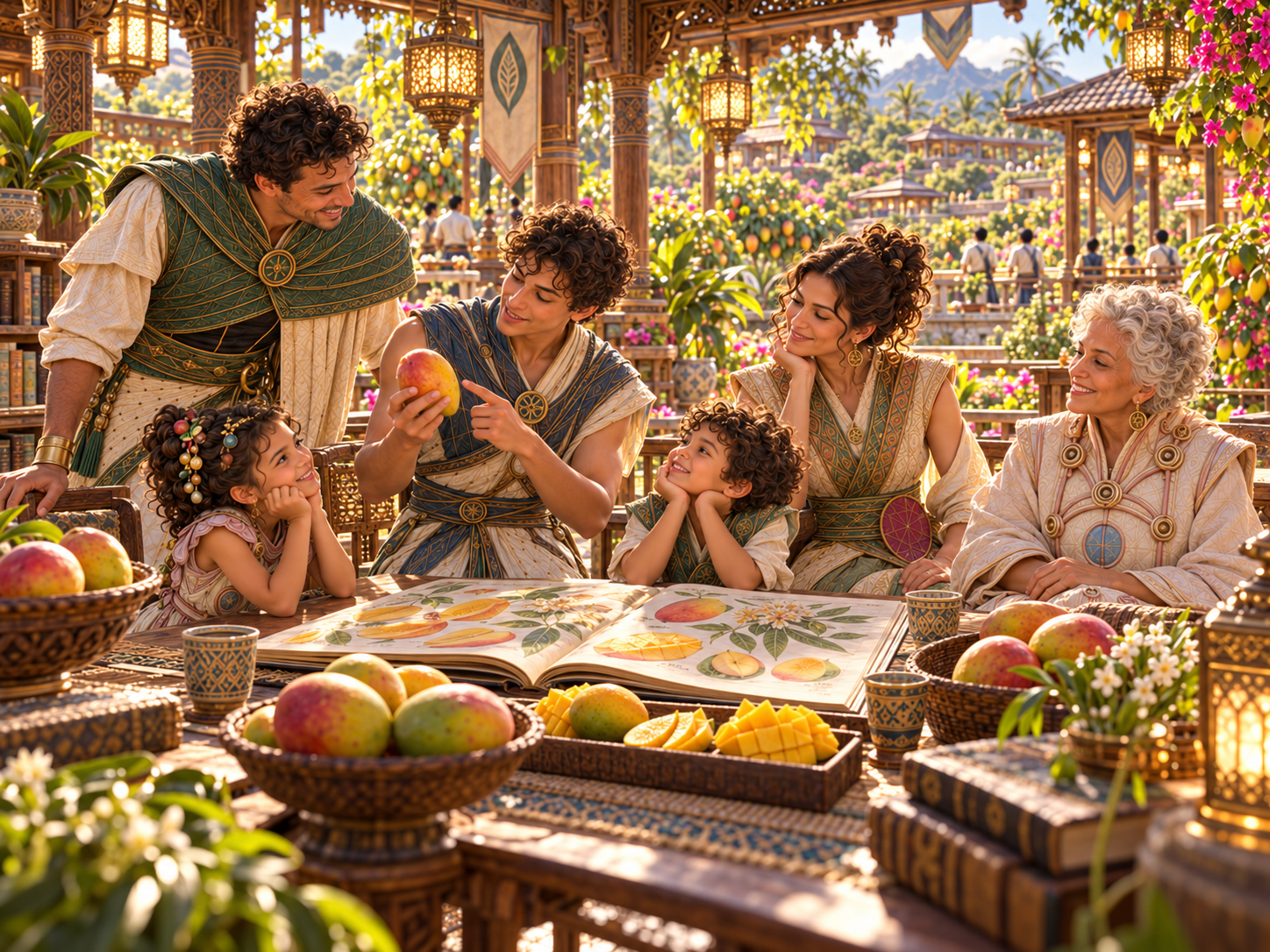
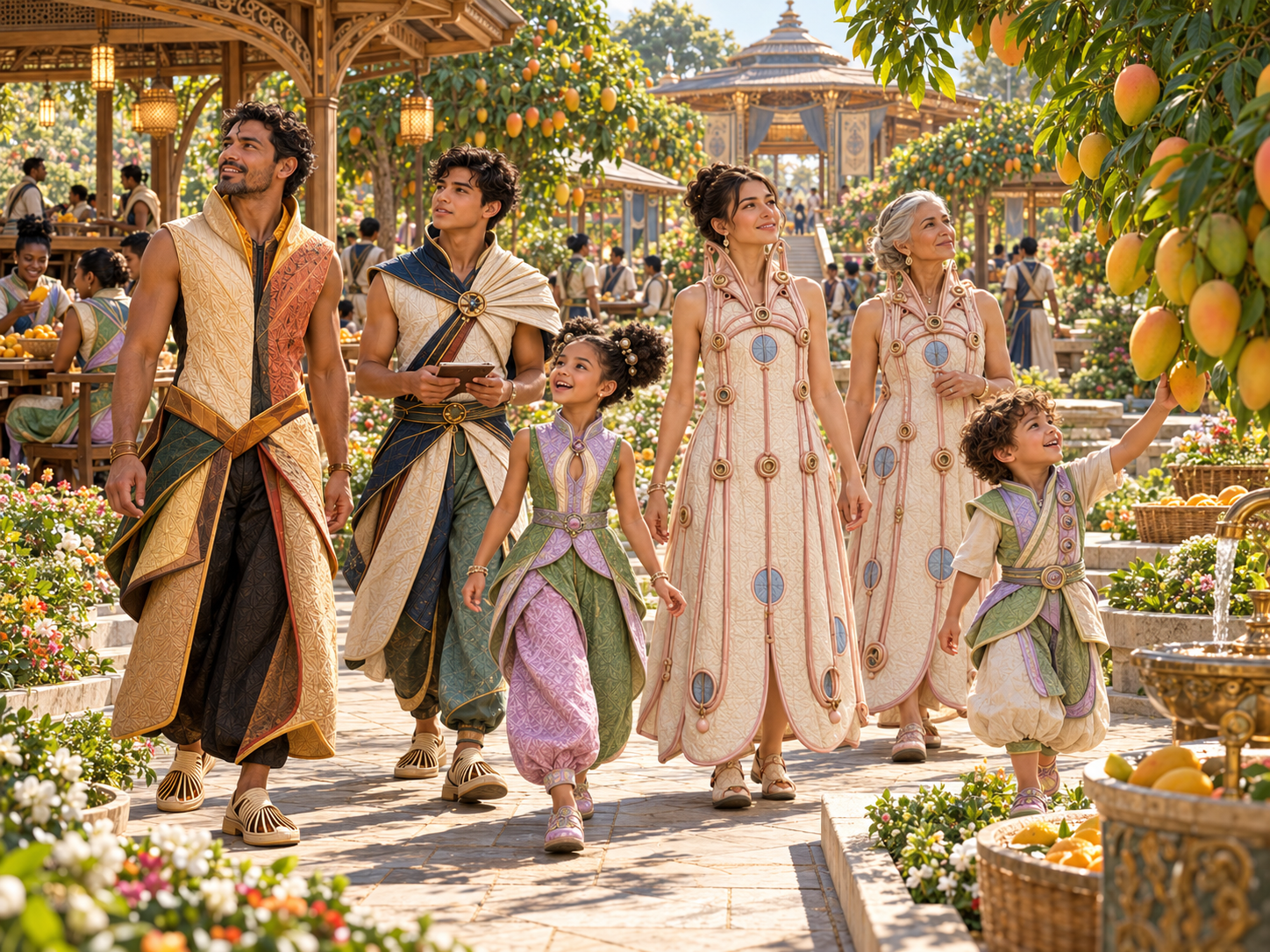
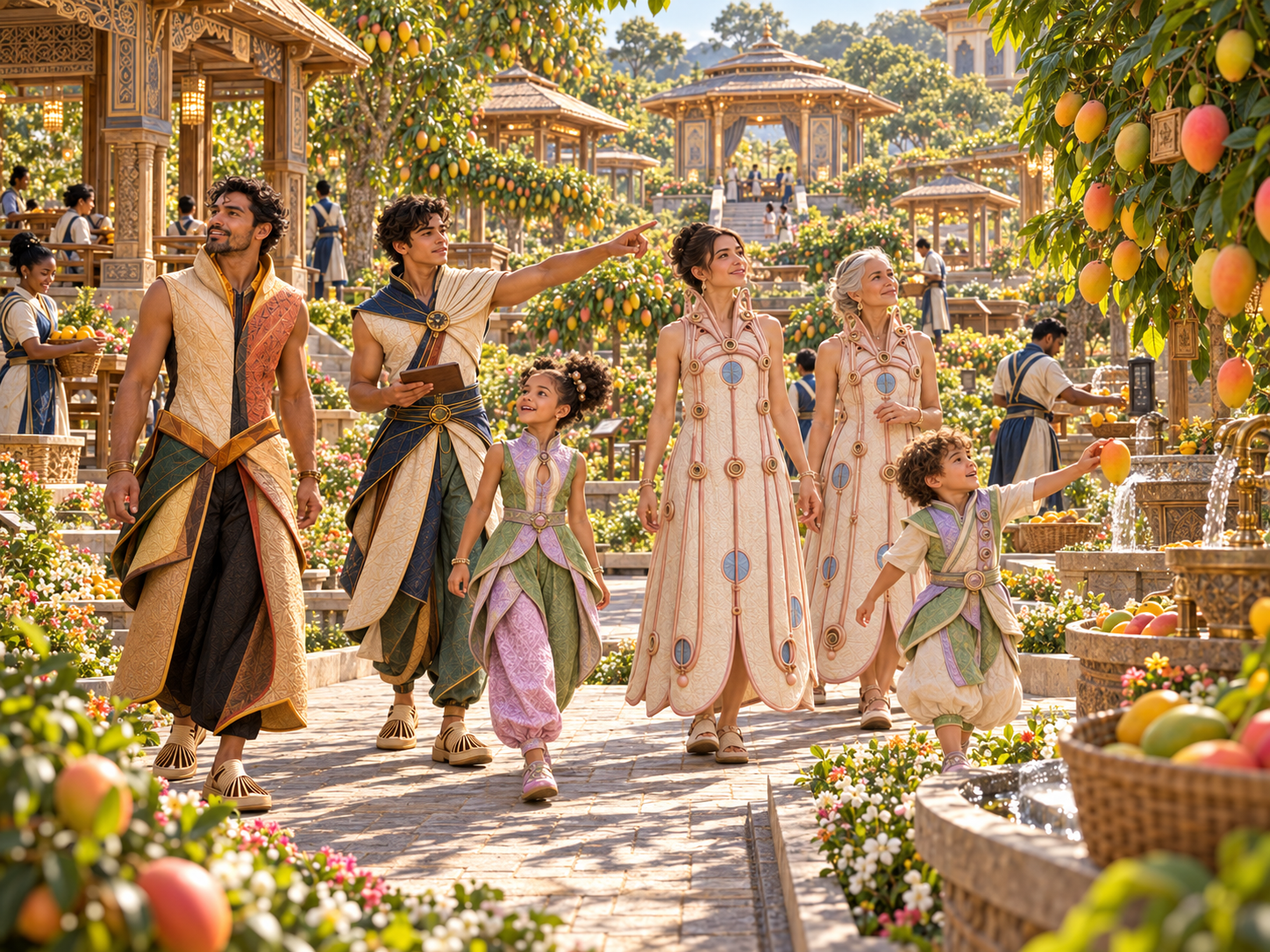
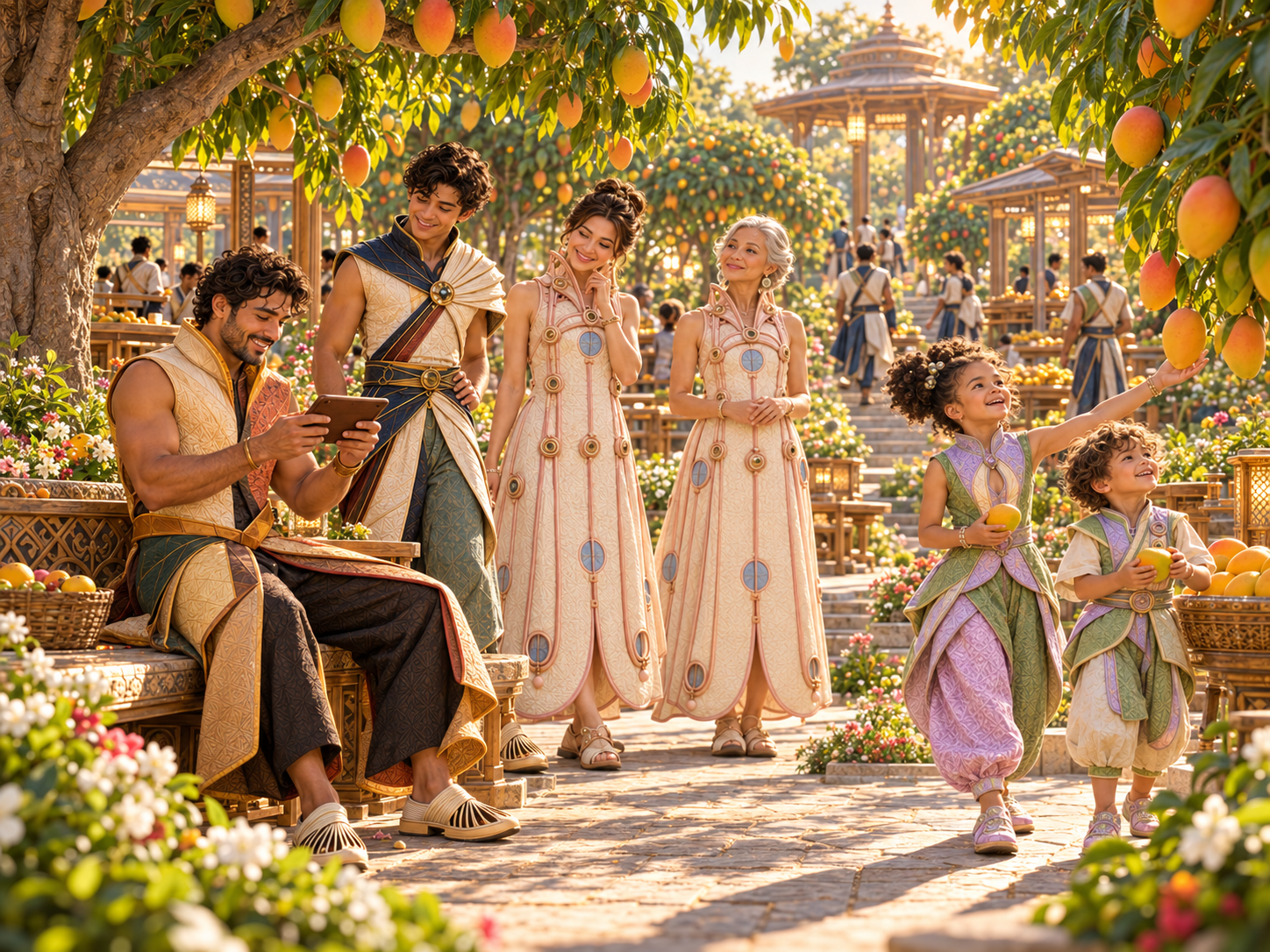
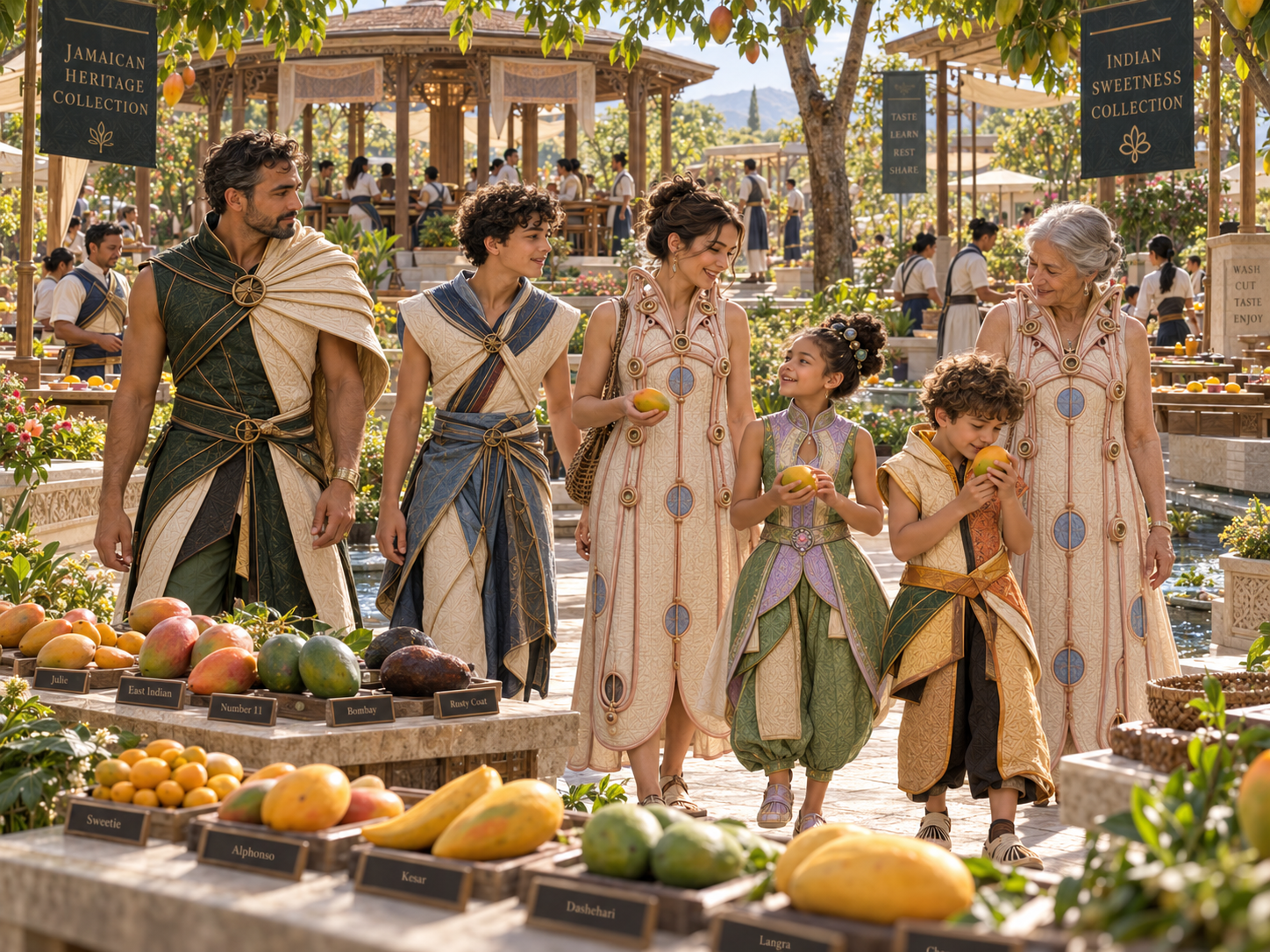
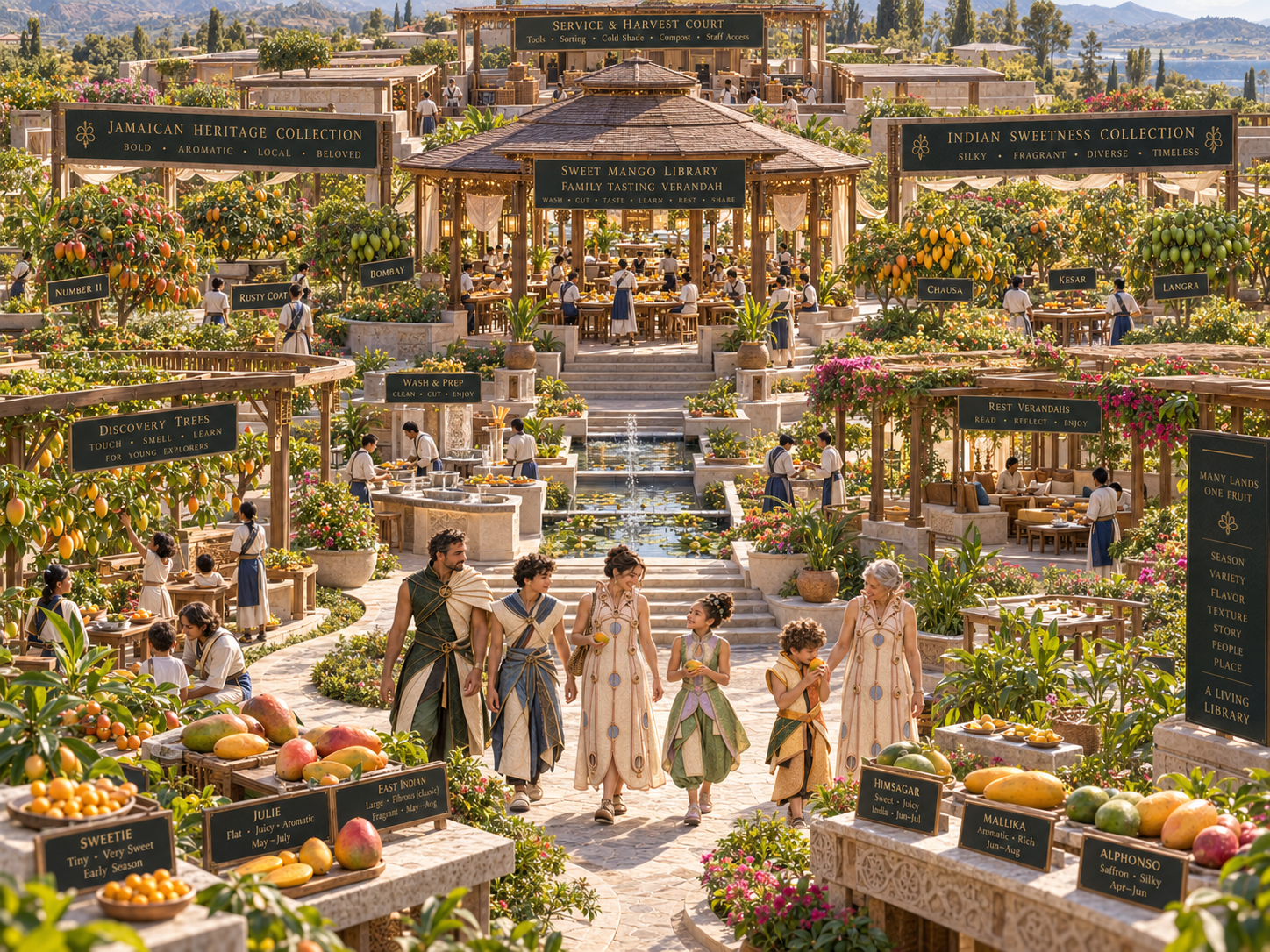
Trott Bailey Civilization is a family-centered civilization model where homes, public spaces, clothing care, food systems, water systems, sanitation, and child environments are designed together instead of leaving families to solve everything alone.
Trott Bailey Civilization would not romanticize mess.
It would design for real childhood and real parental exhaustion at the same time.
The kingdom would not simply say:
It would say:
That means the civilization must provide:
- clean child play environments
- safe mud and sand zones
- mosquito control
- garbage-free public spaces
- clean water access
- floor drains in selected messy zones
- washable surfaces
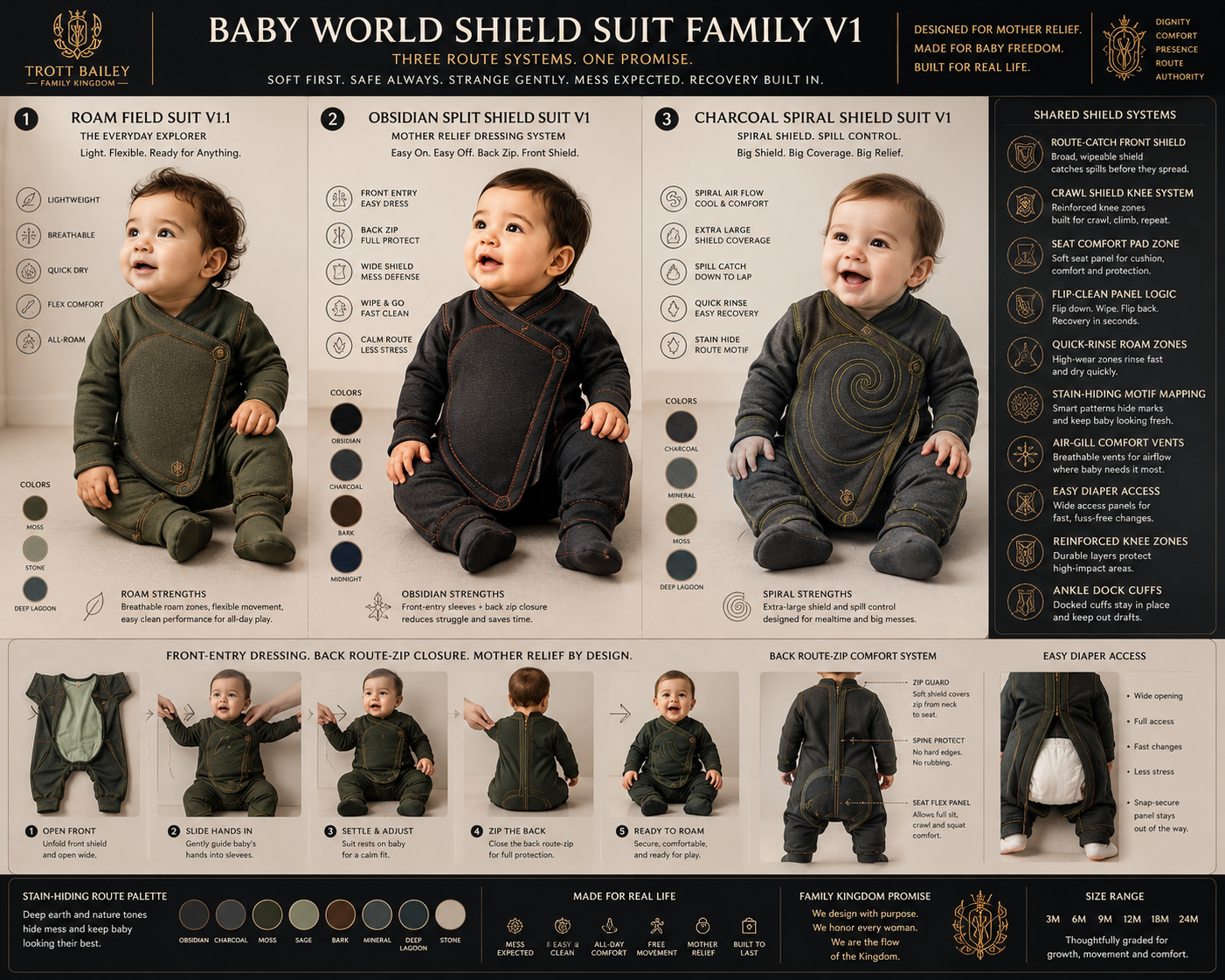
- baby rinse stations
- garment refresh points
- quick-dry clothing systems
- Fabric Nodes for deeper garment care
- helper routes near family-heavy areas
- rest places for parents
- proper bathroom locks and child-safe home fixtures
- public parks maintained as child infrastructure, not decorative leftovers
That is the difference between a slogan and a civilization.
How a Messy Moment Should Work in Trott Bailey Life
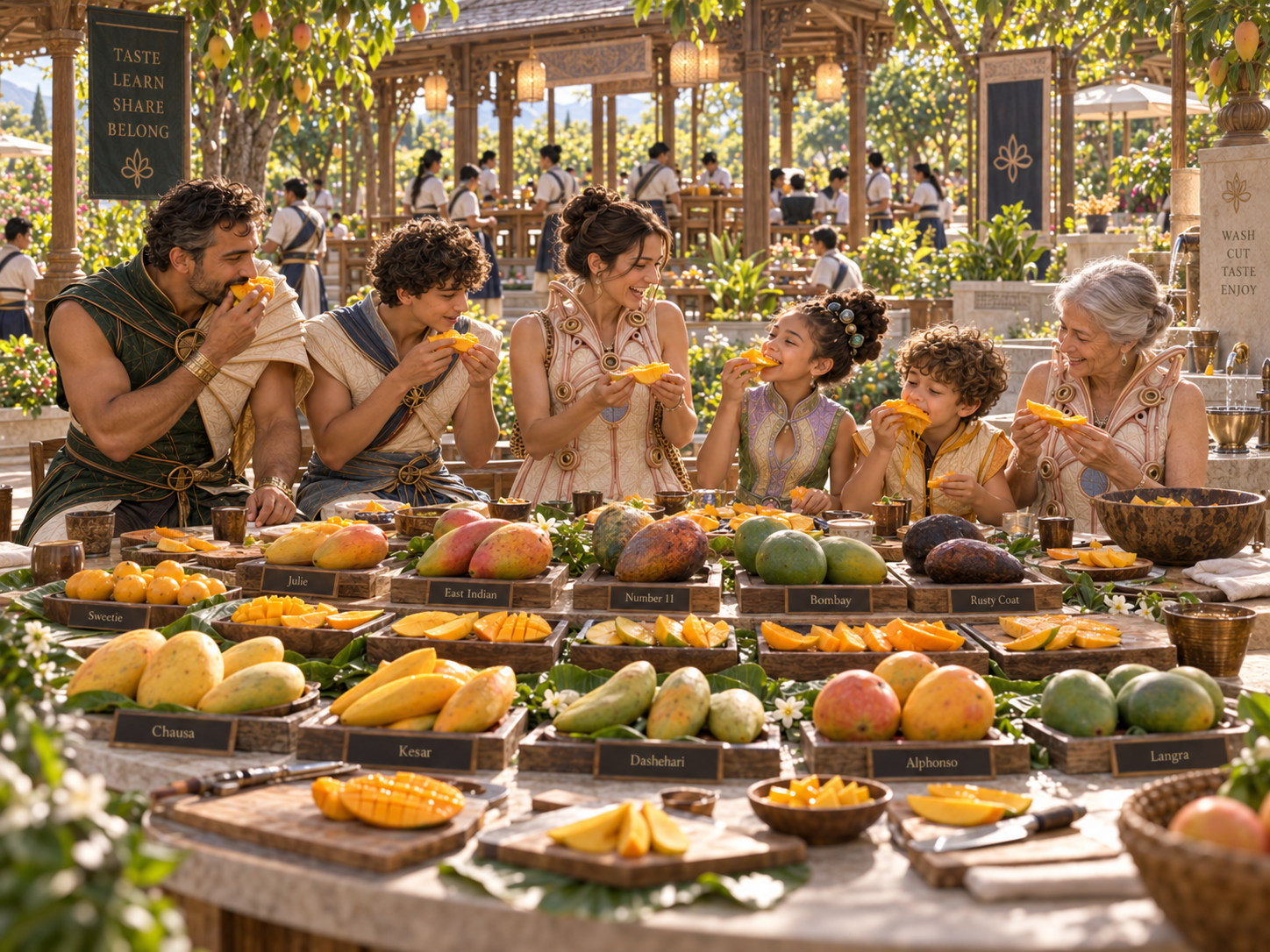
Imagine a baby in a Trott Bailey family food garden eating a soft biscuit.
The baby smears chocolate on his hands and shirt. He drops crumbs on the floor. He tries to crawl away.
In a weak system, the parent now has a problem.
In a Trott Bailey system, the environment helps absorb the moment.
The recovery loop:
Mess happens → parent moves baby to nearby rinse point → washable floor is quickly wiped or flushed → garment goes to refresh pod or stain-stabilizing station → baby gets clean hands and face → parent sits nearby while child returns safely to play.
The child still learns.
The parent still guides.
But the mess does not explode into a full household crisis.
Trott Bailey Civilization does not abandon parents to manage mess.
It builds the wash points, safe floors, pest control, clean play materials, garment care systems, helper routes, working doors, maintained parks, and recovery loops that make childhood freedom possible.
Cleanliness Should Not Mean Fear
Children should learn cleanliness.
They should learn to wash hands, respect food, keep shared spaces usable, and help clean up as they grow.
But cleanliness should not become fear of life.
A child should not grow up feeling that every spill makes them bad.
A parent should not feel that every muddy shirt is a personal failure.
A parent should not be forced to choose between healthy childhood and household survival.
The goal is not filth.
The goal is healthy contact with the world.
Conclusion: Real Childhood Needs Real Infrastructure
Children need to explore.
They need touch, movement, water, soil, food, play, and sensory life.
But parents need sanitation, safe housing, clean public spaces, rest, and support.
Both truths matter.
Trott Bailey Civilization would not build a world where childhood is trapped by fear of stains.
But it also would not build a careless world where parents are left alone with dangerous dirt, endless cleanup, broken housing, unsafe parks, mosquito water, garbage, clinic stress, lost sleep, and more laundry.
The goal is safe childhood freedom with strong family recovery systems.
Children should be allowed to live fully.
Parents should not be crushed by the cleanup afterward.
That is the real civilization standard.



 and then