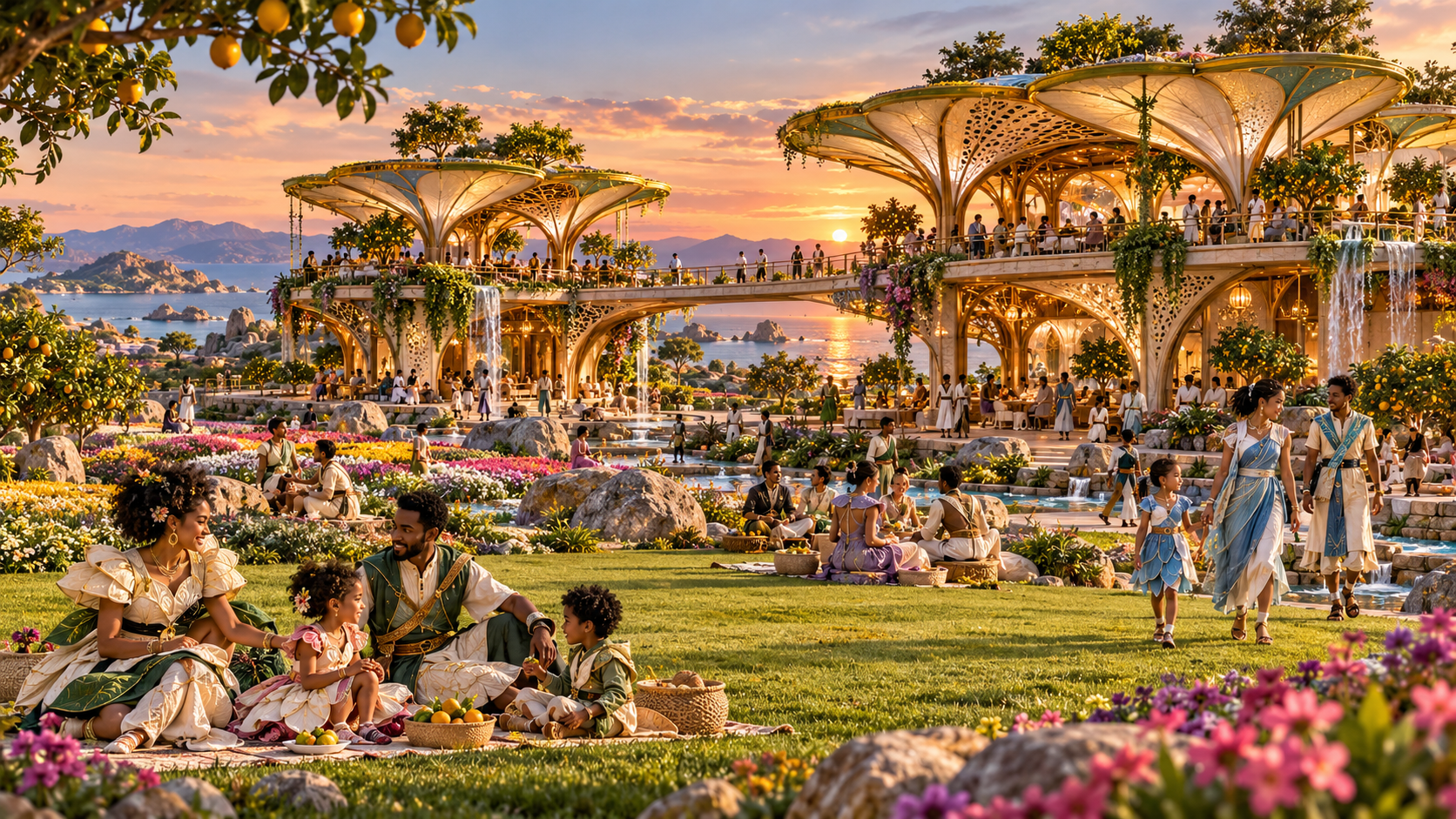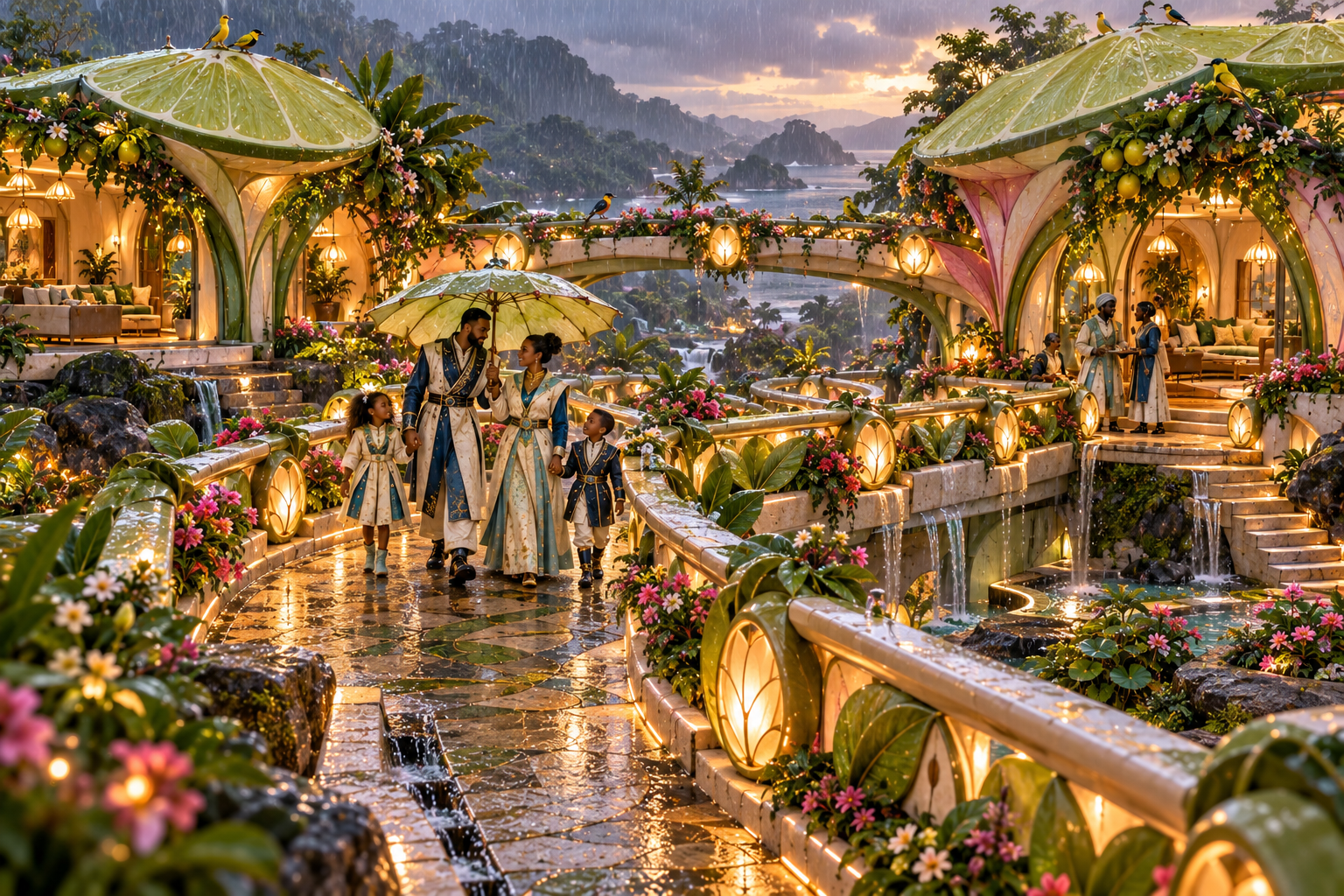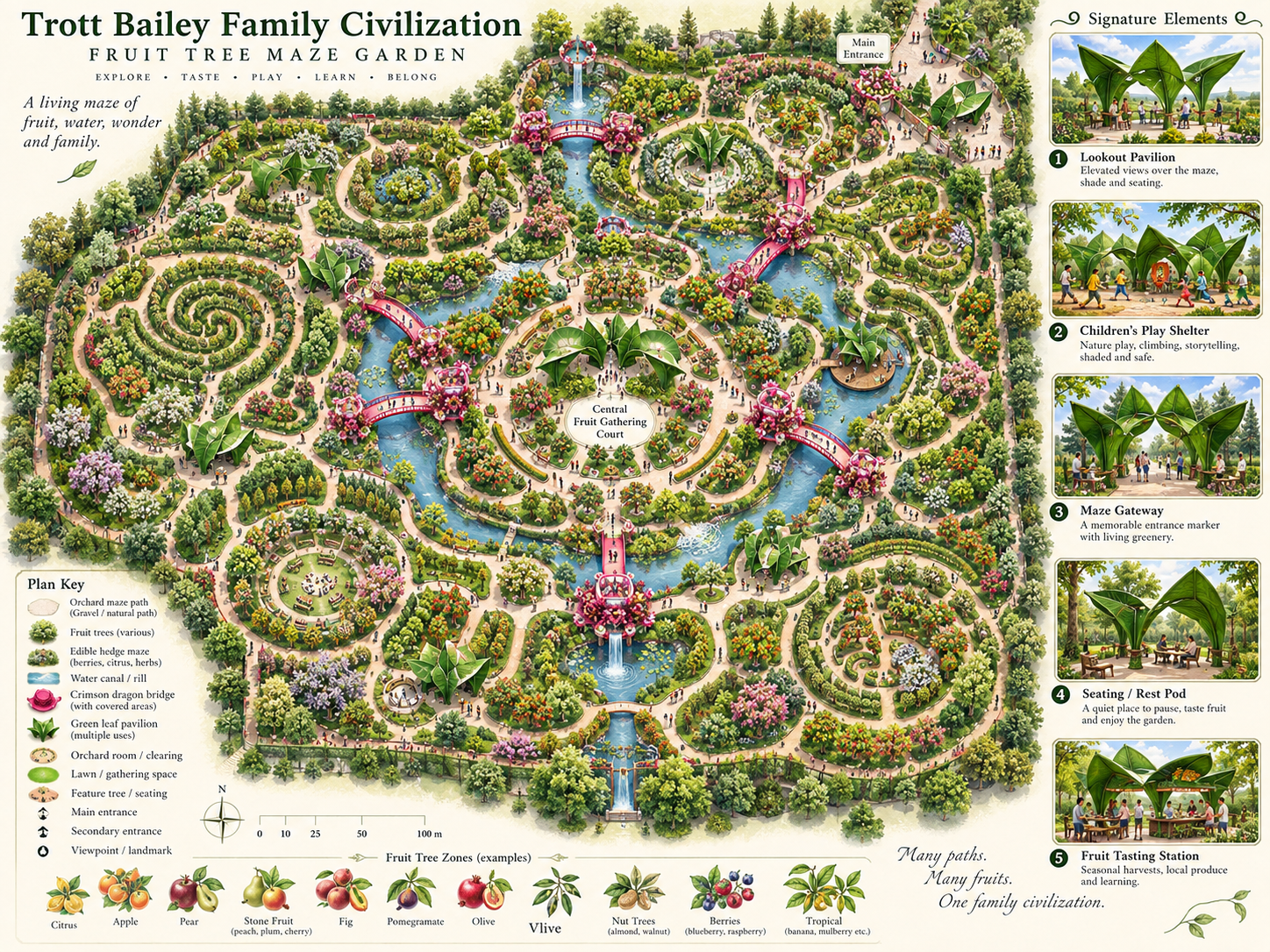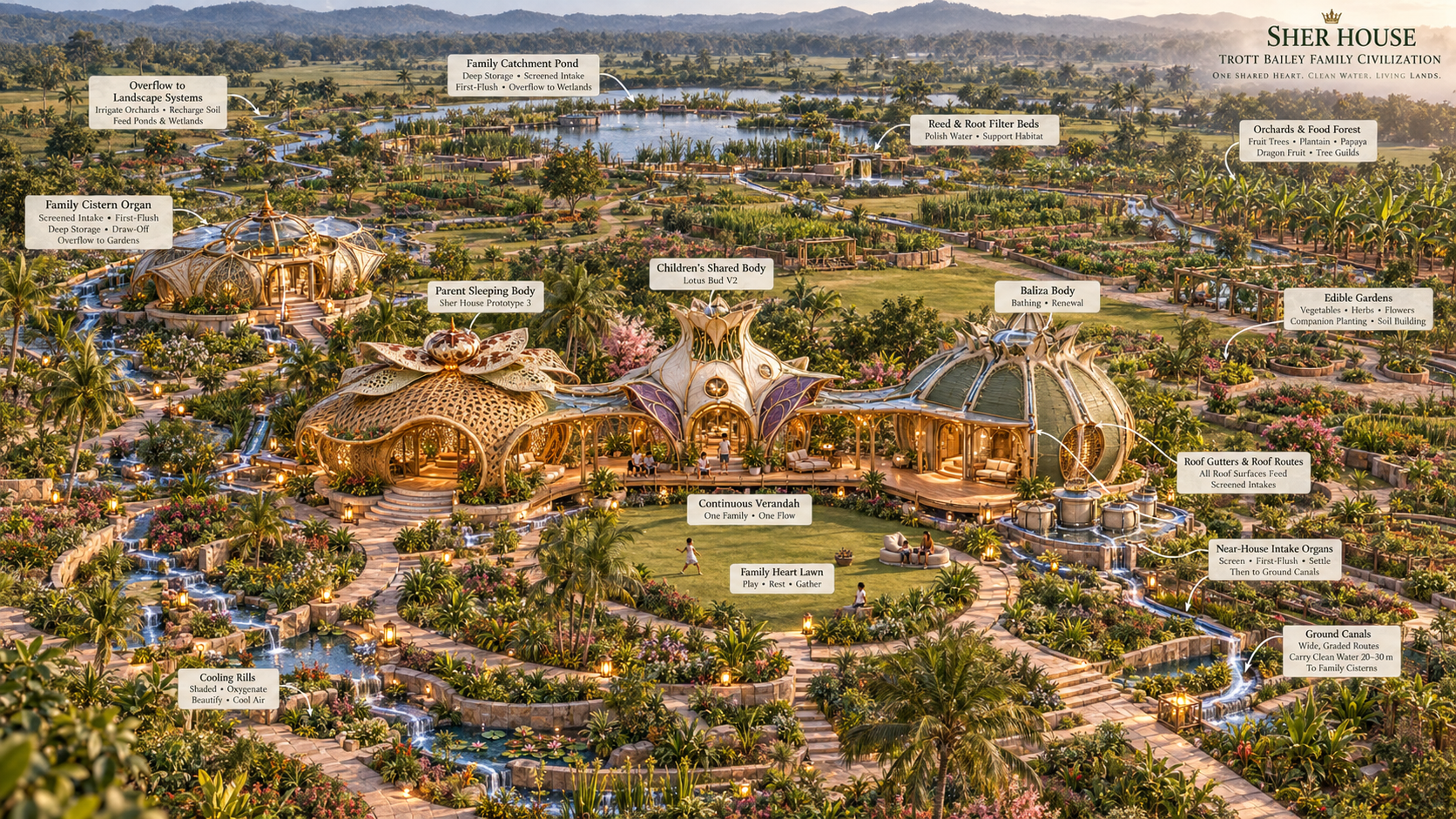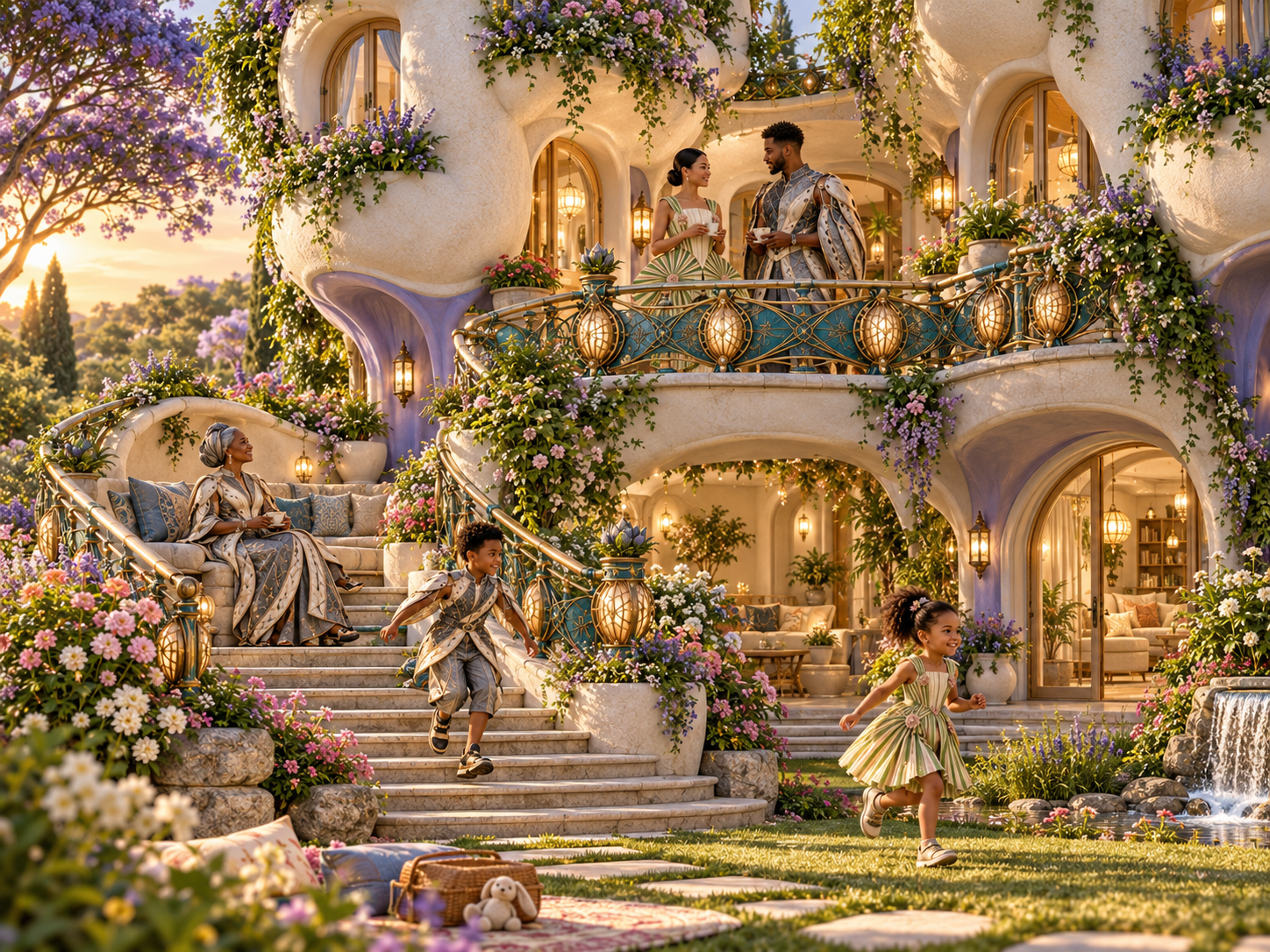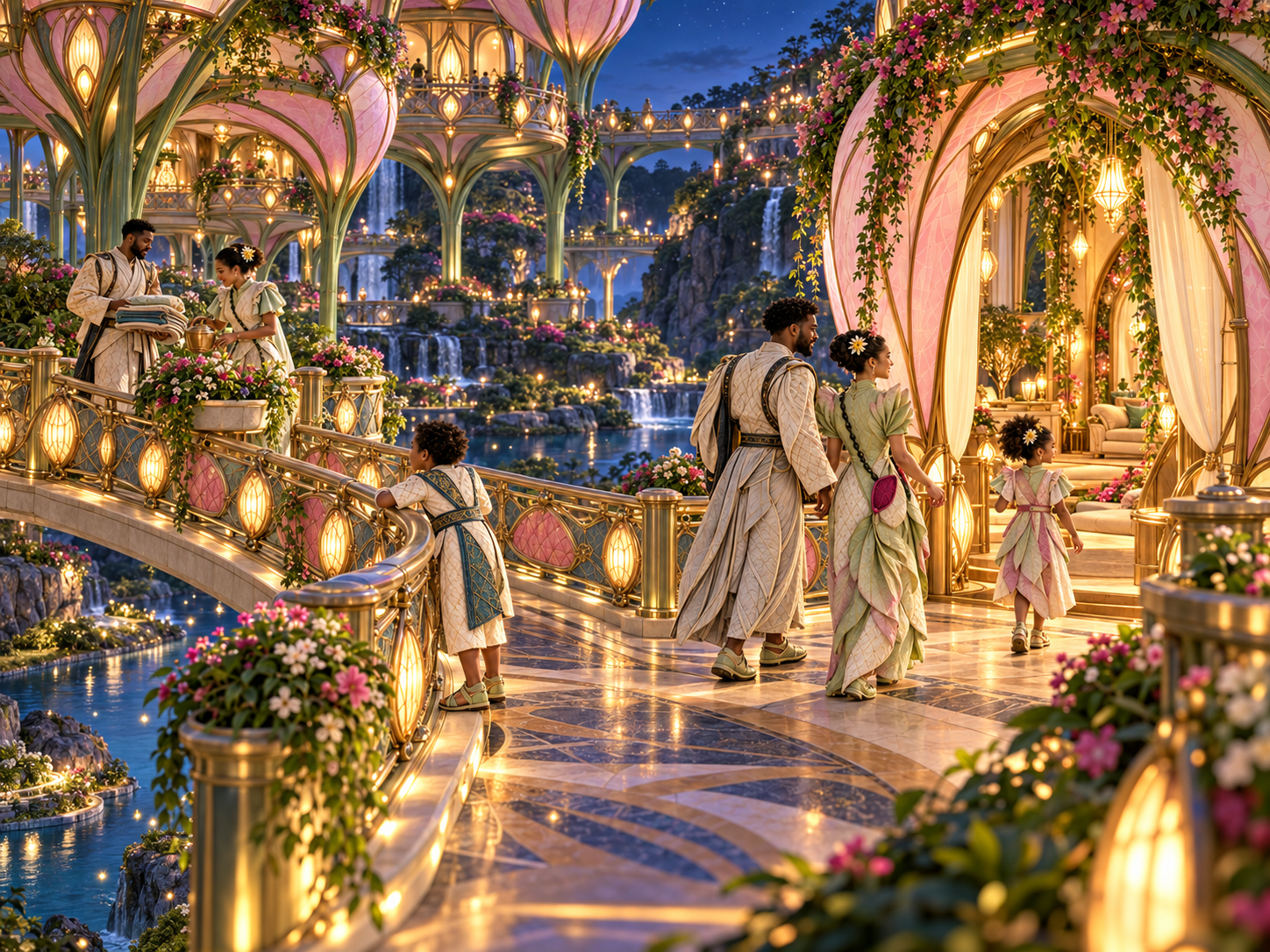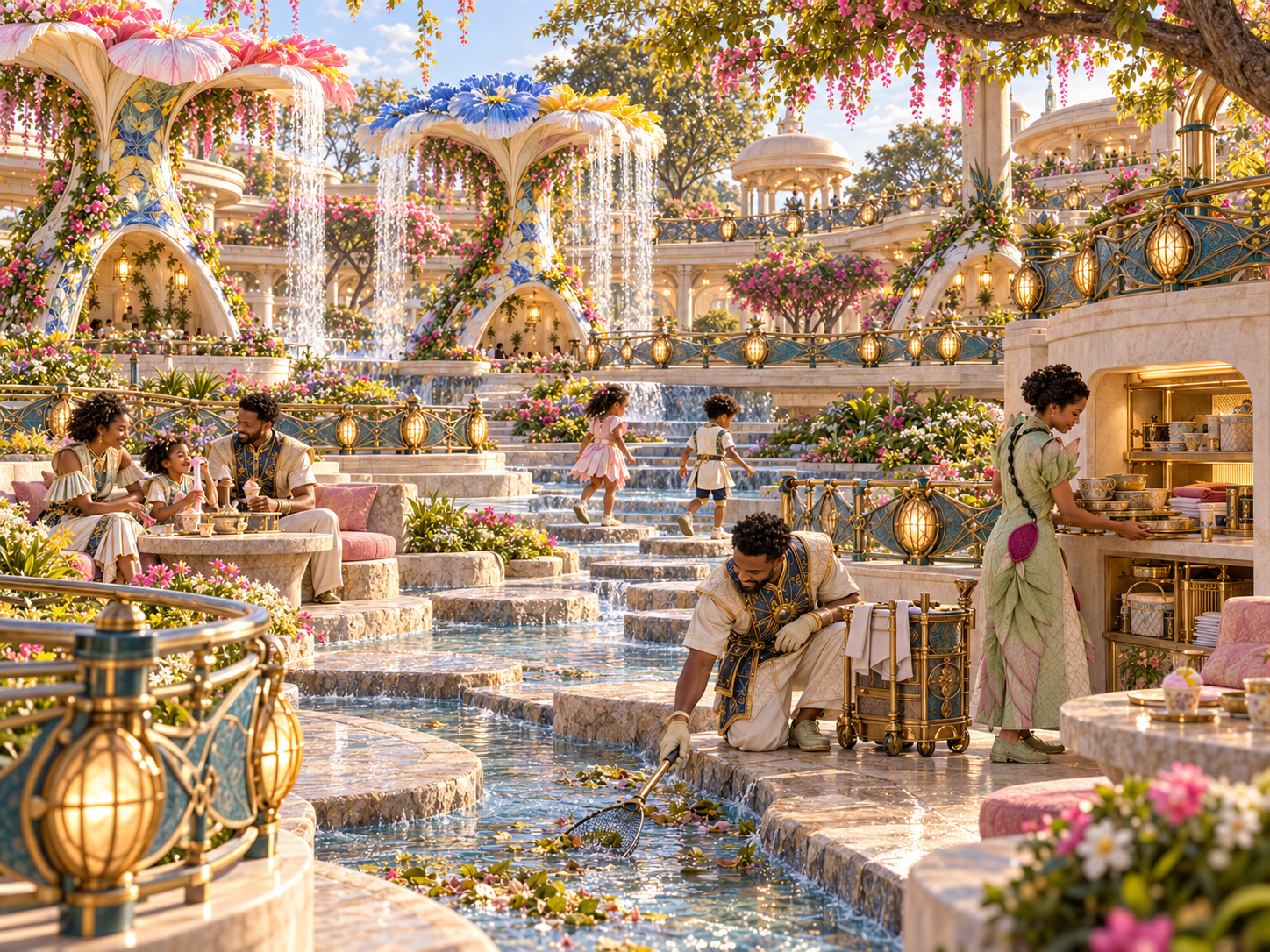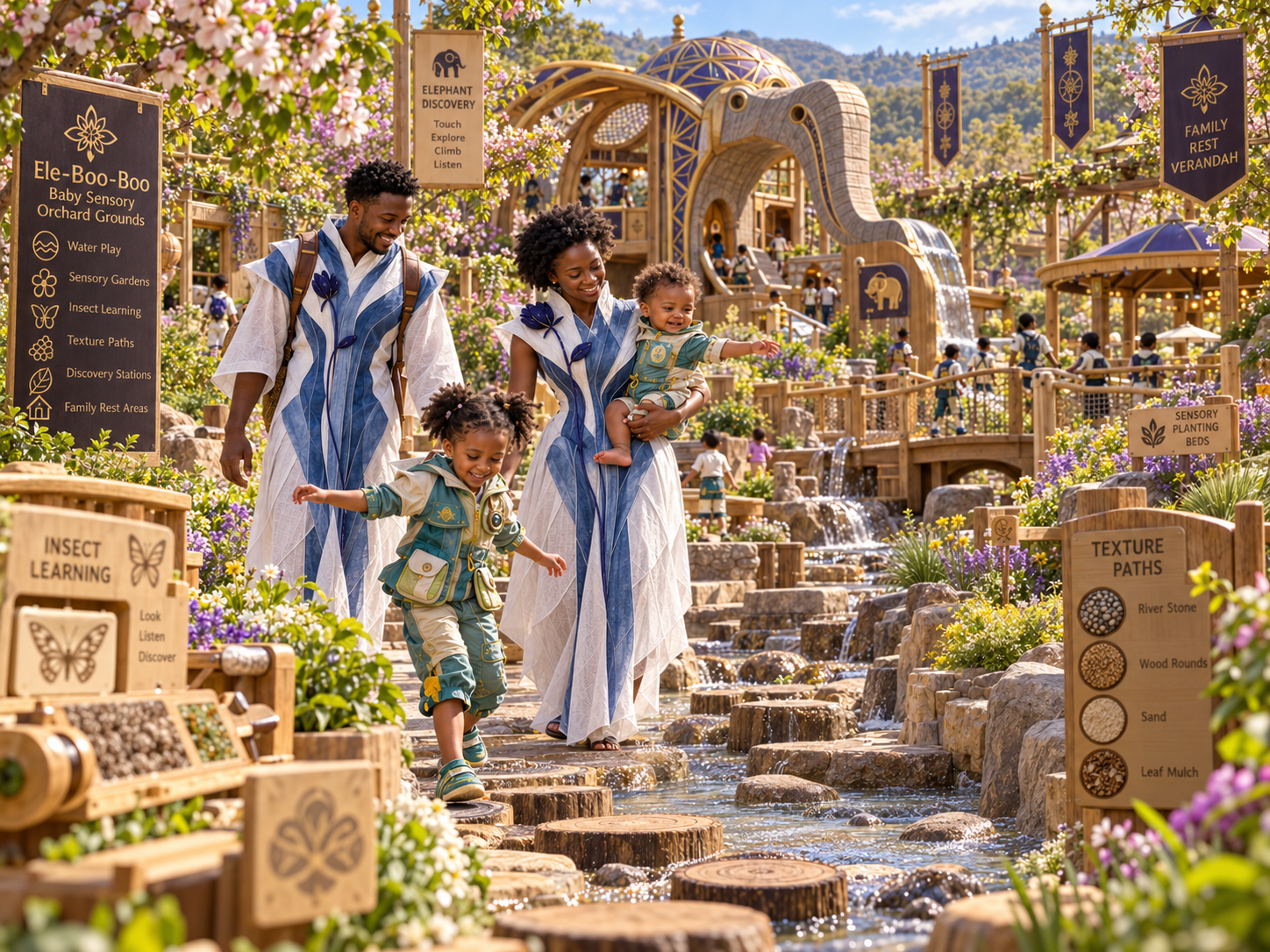

Behind the Beauty: Sherika District Fashion Debut Night

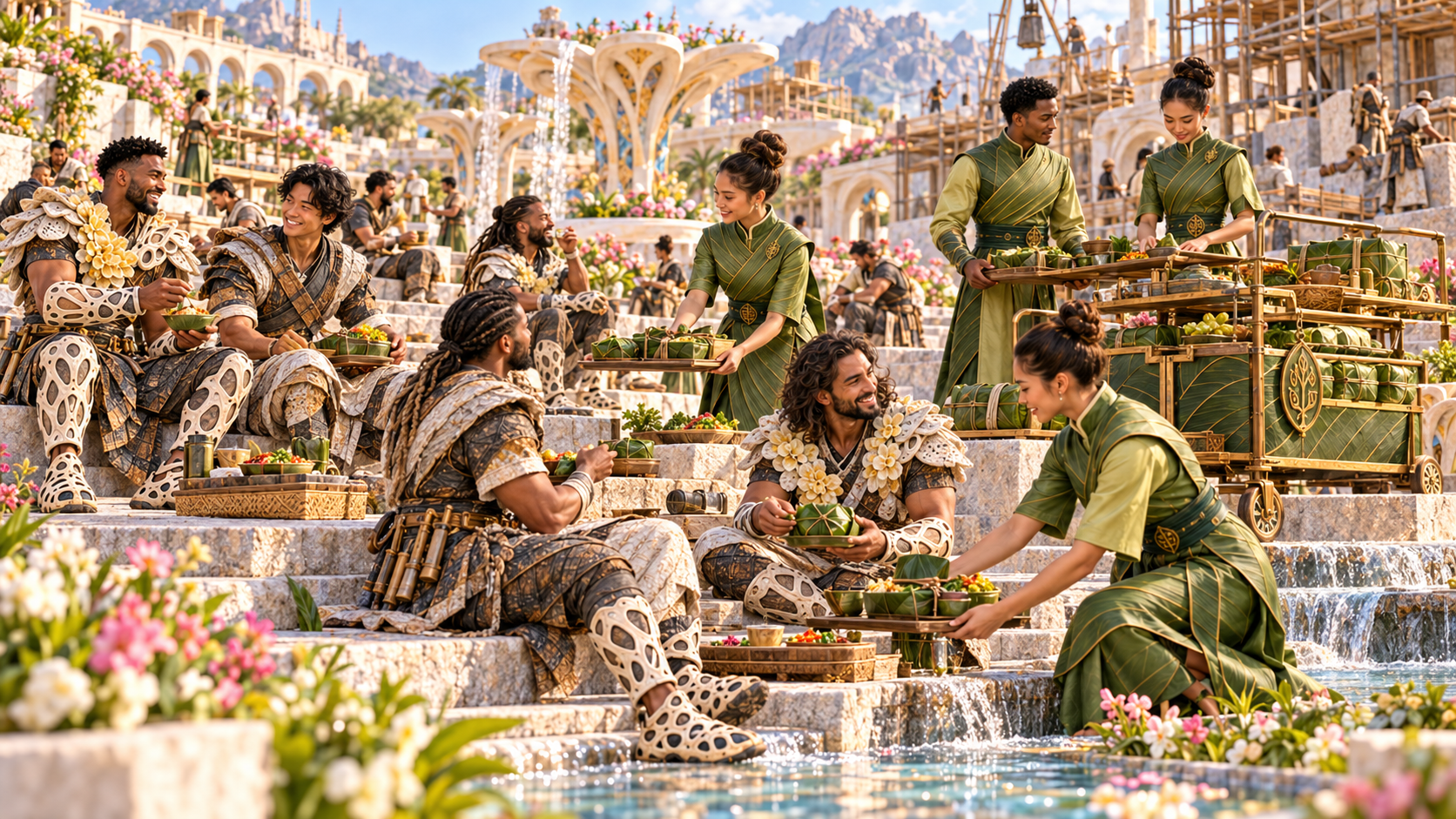
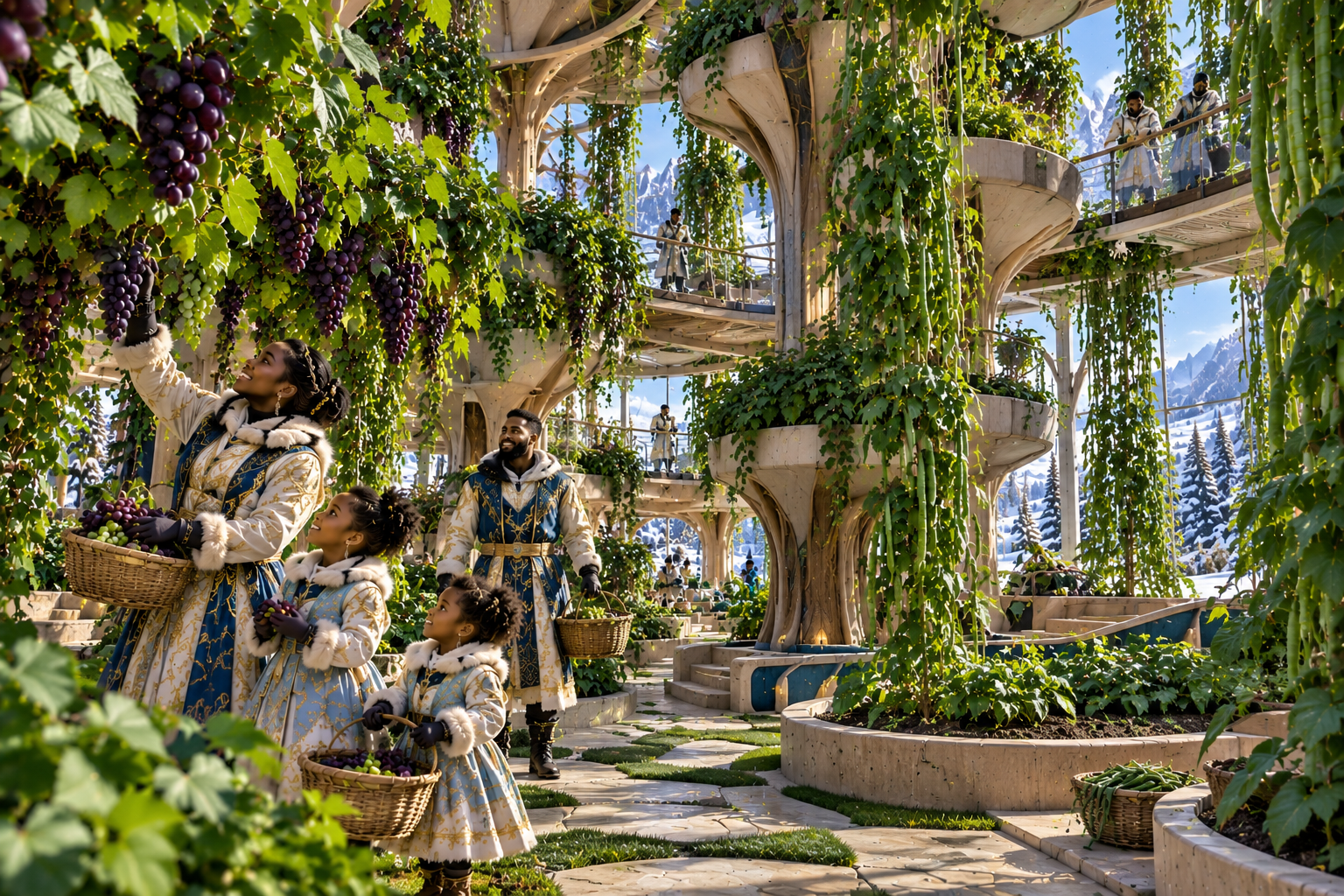
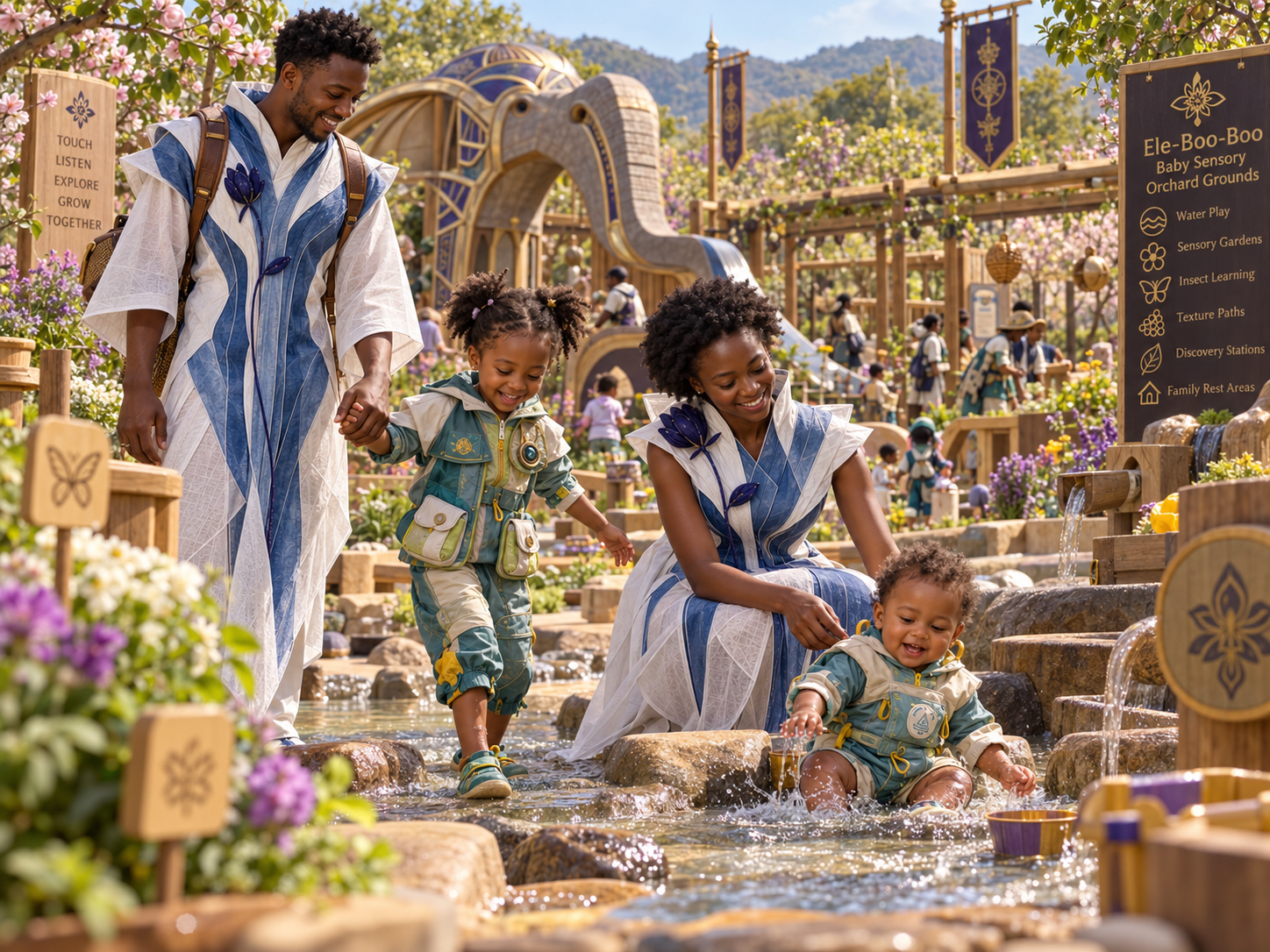
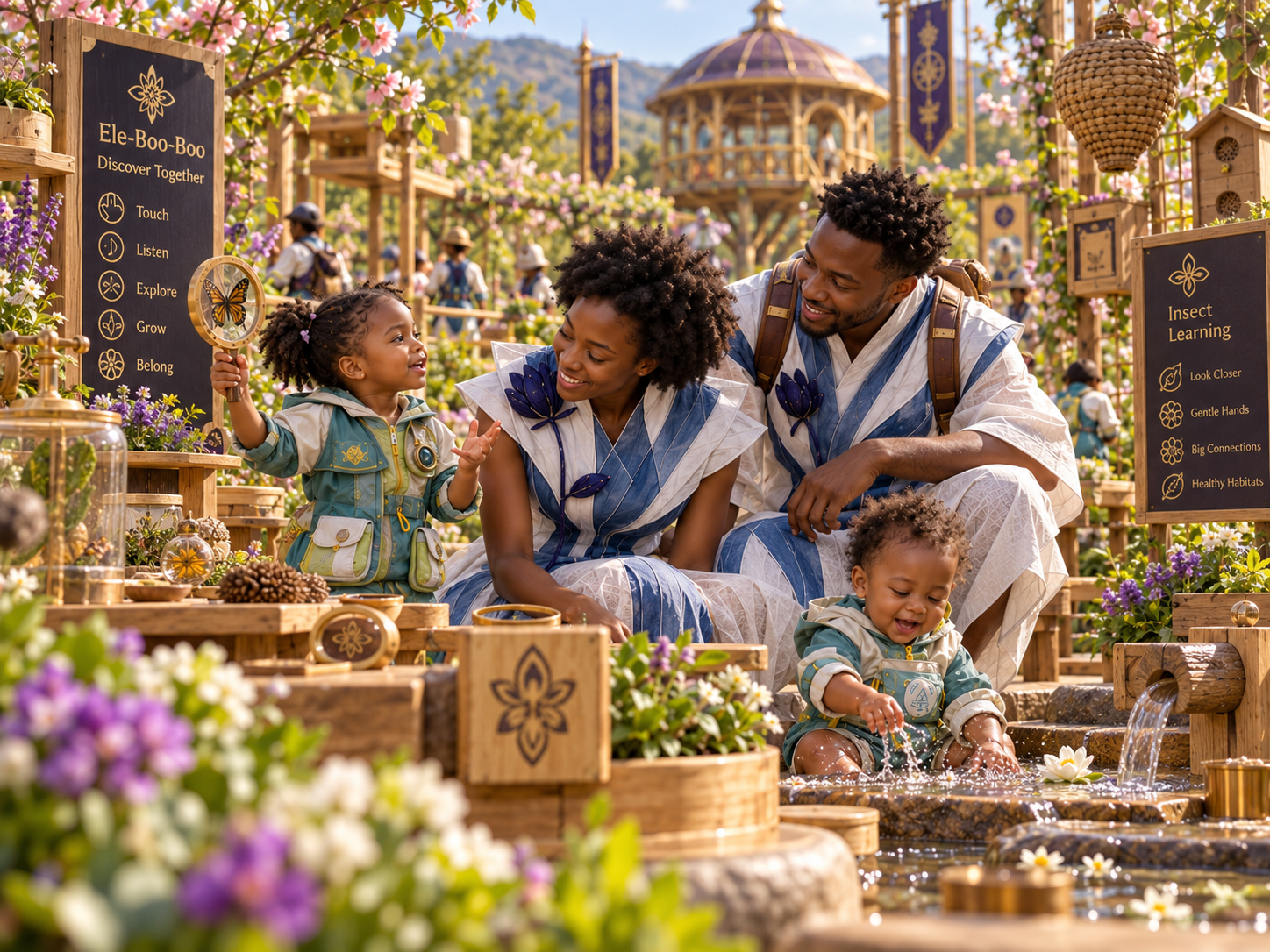
Babies Still need to Roam free while parents talk clothing 😊
Behind the Beauty: Sherika District Fashion Debut Night
Part 1 — Why Sherika District Cannot Stop Having Fashion Events
Some visitors notice it almost immediately.
Sherika District seems to have more fashion conversations than many other places in the kingdom.
New silhouettes appear.
New garment ideas circulate.
Families discuss construction details.
People debate sleeves, neck systems, footwear pairings, textile behavior, and comfort.
Announcements of new fashion gatherings spread quickly.
Appointments fill.
Excitement builds.
Eventually someone asks the obvious question:
The answer begins with the woman for whom the district is named.
Sherika Trott Bailey, known throughout the kingdom as World Ruler Sher, loves fashion deeply.
Not fashion as status.
Not fashion as celebrity culture.
Not fashion as disposable consumption.
She loves fashion as authorship.
She loves creating new silhouettes.
She loves unusual garment structures.
She loves expressive shapes.
She loves unexpected details.
She loves garments that feel alive.
Over the years that enthusiasm became part of the district itself.
People who enjoy that kind of authored fashion naturally found themselves attracted to Sherika District.
Not because they were required to.
Not because the district is reserved for fashion enthusiasts.
But because communities tend to gather around shared interests.
People who love music often gather where music flourishes.
People who love gardens often gather where gardens are celebrated.
And people who love expressive clothing often gather where garments are actively discussed, examined, improved, and appreciated.
Residents tend to enjoy stronger silhouettes.
More unusual garments.
More experimentation.
More textile exploration.
More conversation.
More opportunities to inspect craftsmanship closely.
The result is inevitable.
The district keeps creating fashion events.
Not because a government ministry commands it.
Not because a corporation sponsors it.
Not because celebrity culture demands it.
The district creates them because people genuinely enjoy them.
Sherika District Fashion Debut Night is one of the most visible examples.
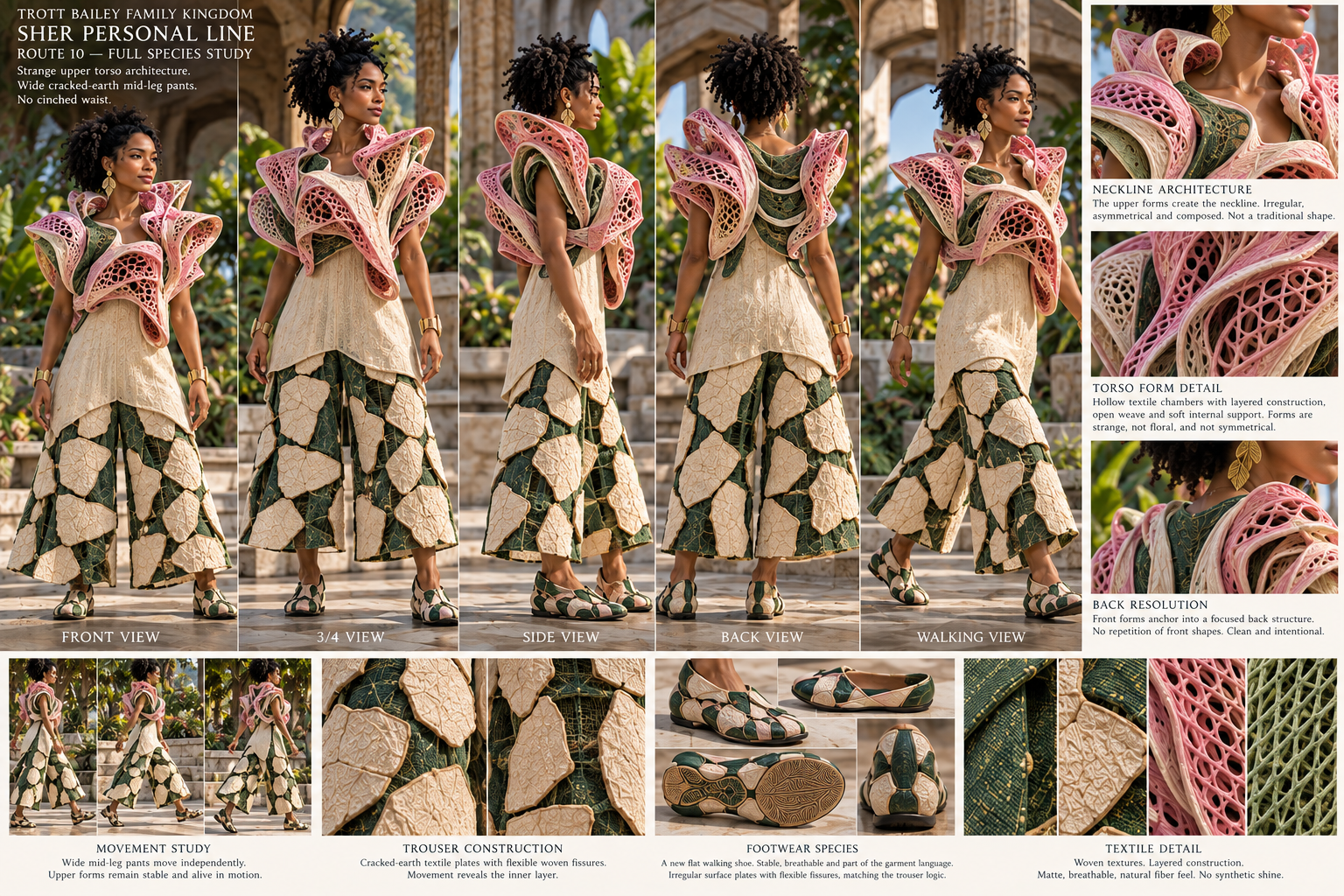
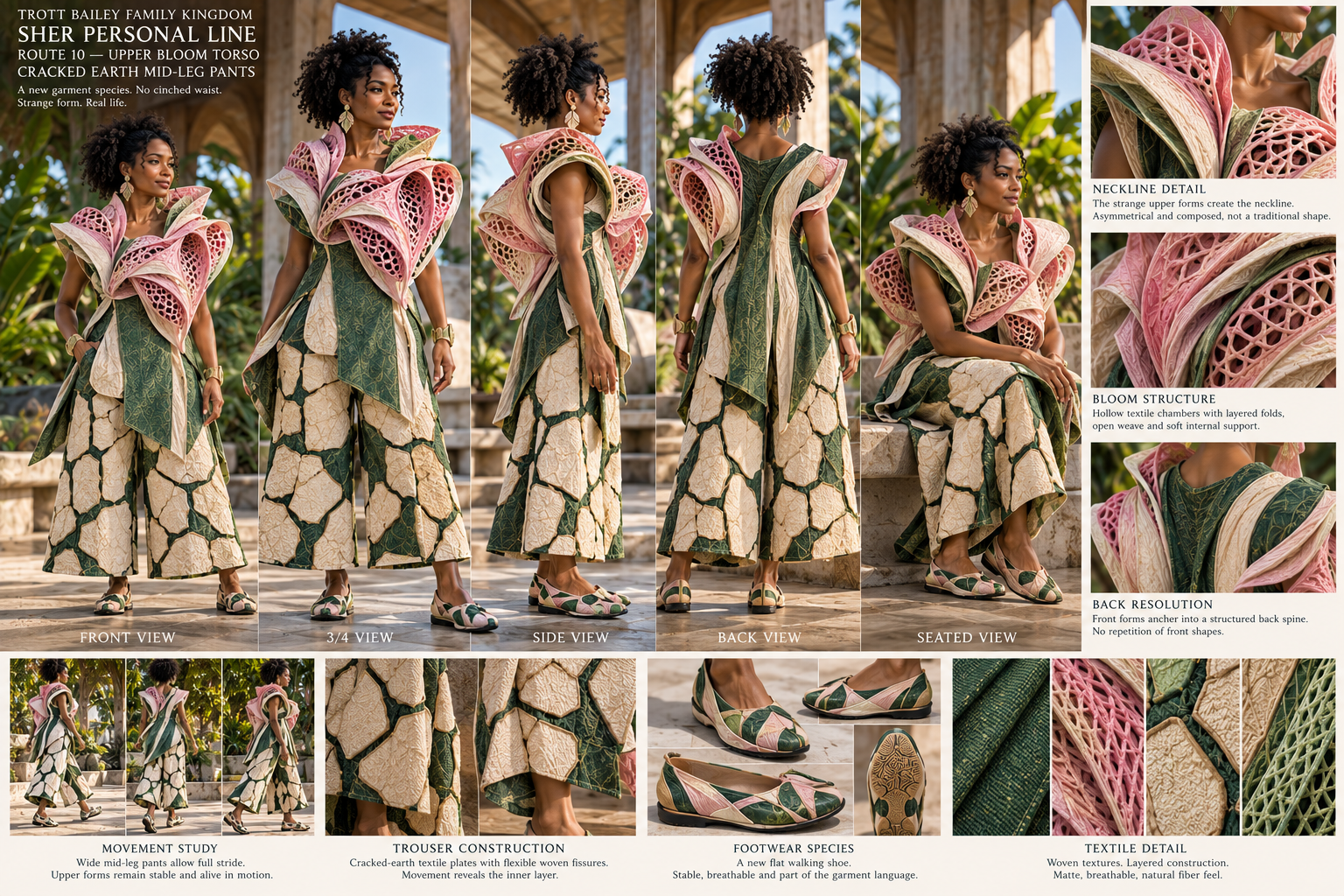
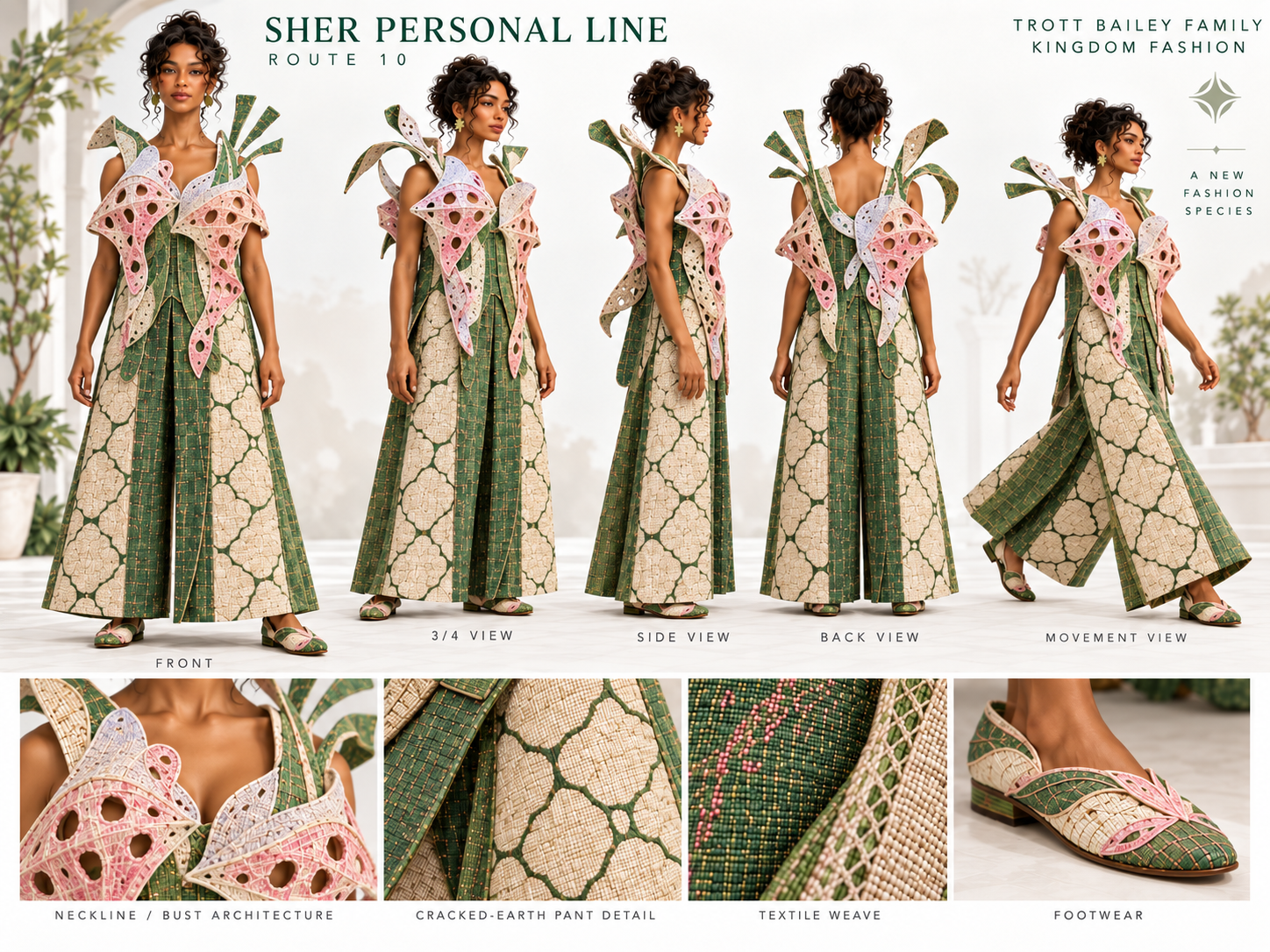
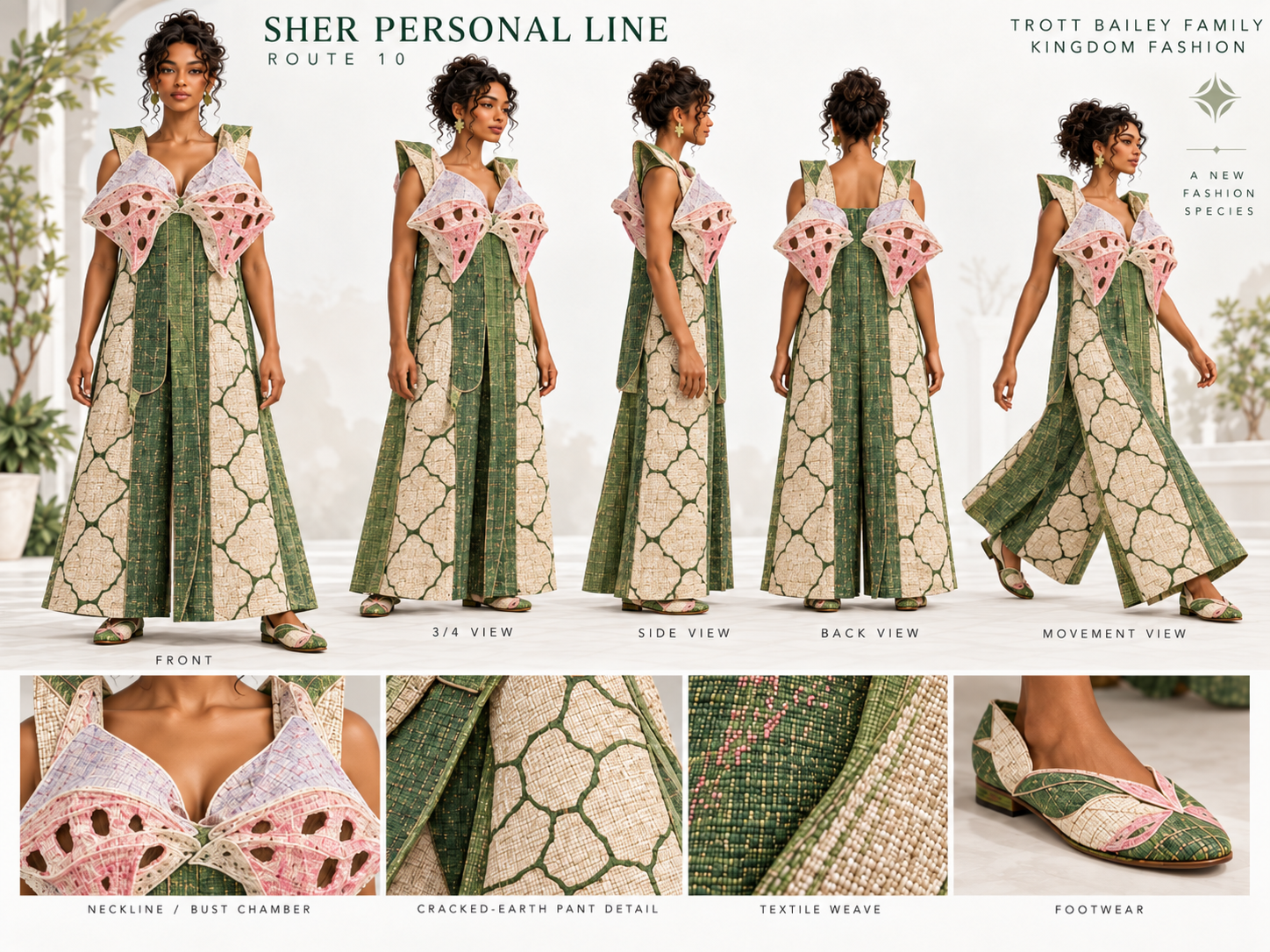
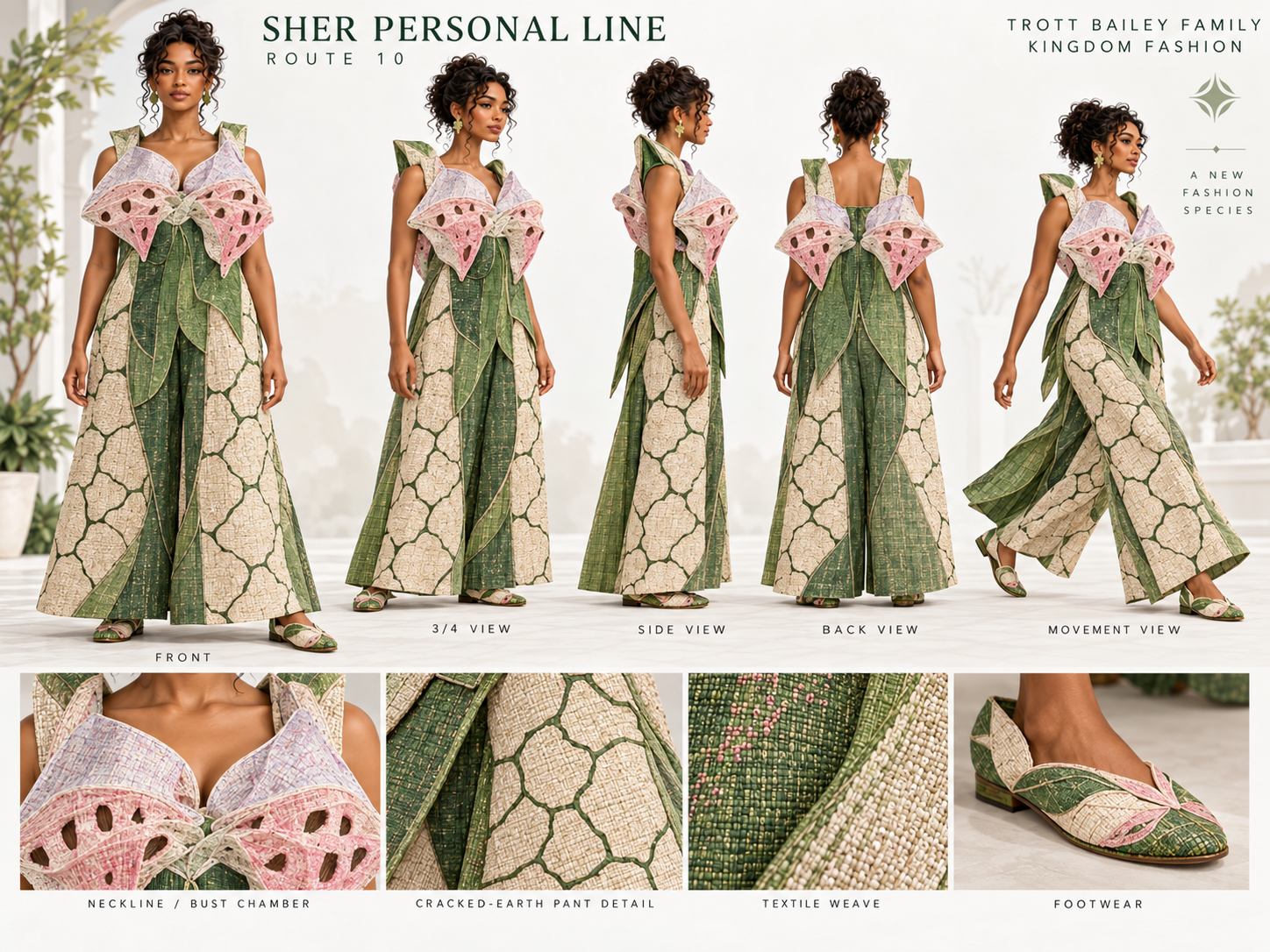
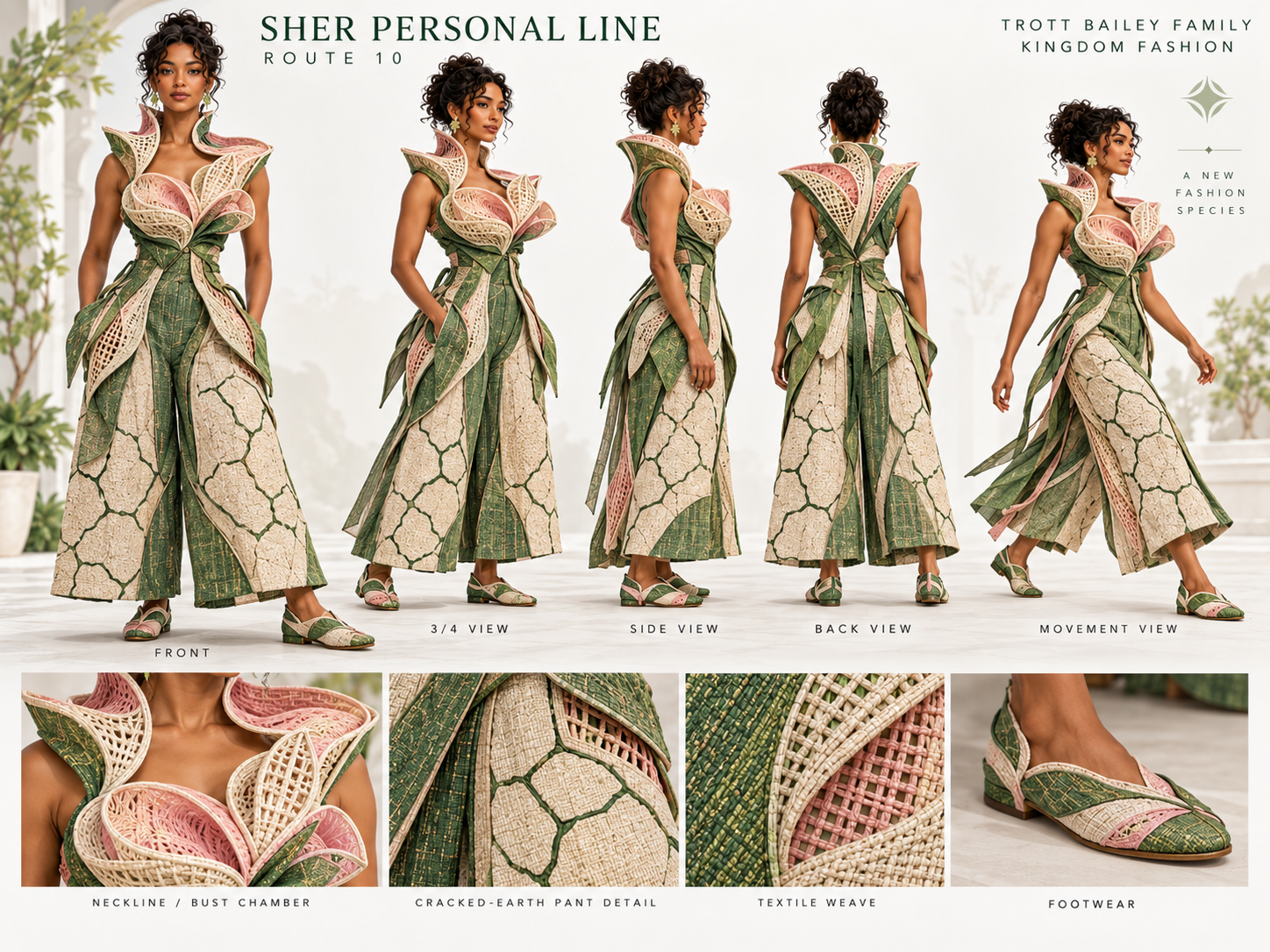
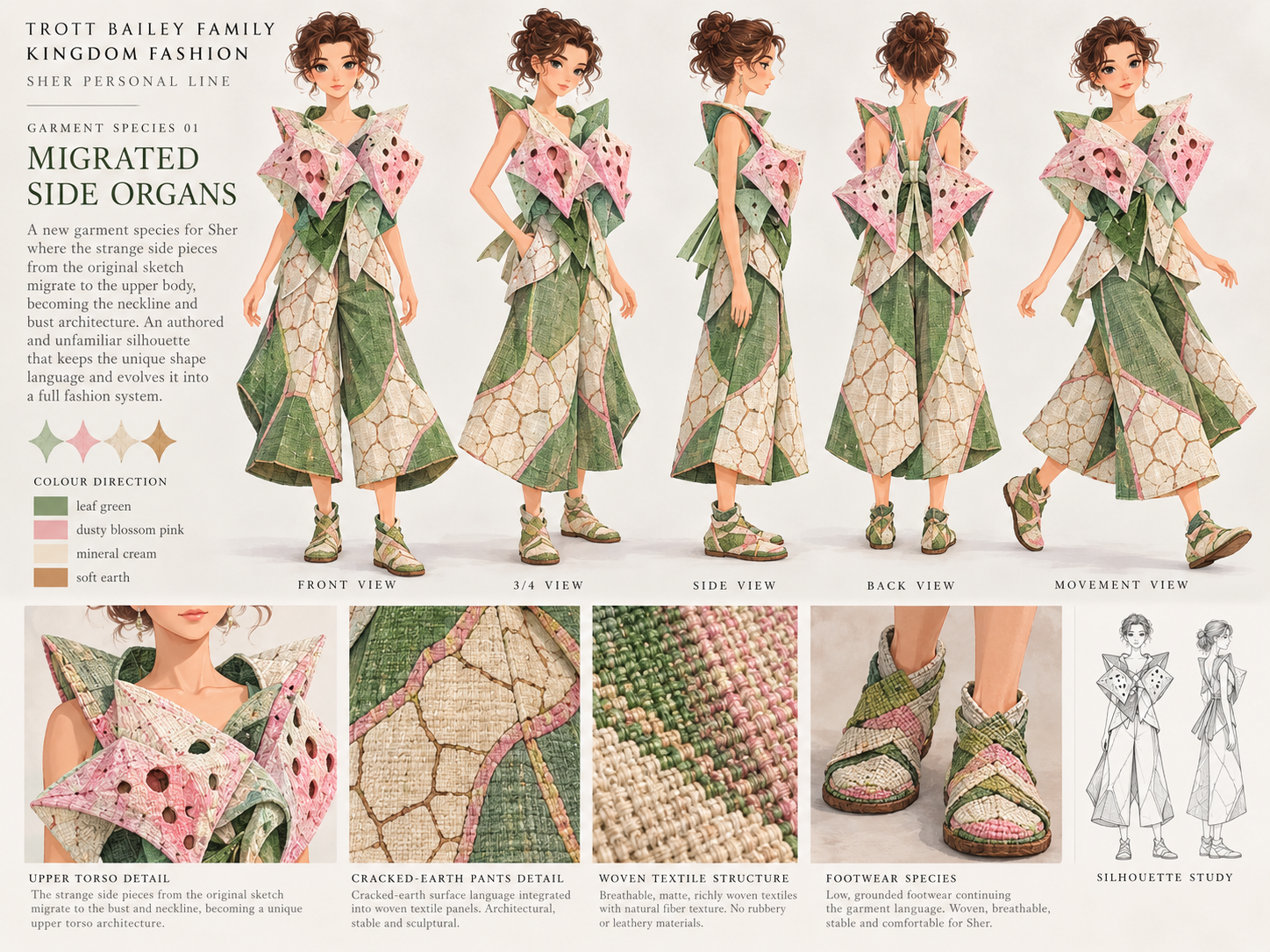
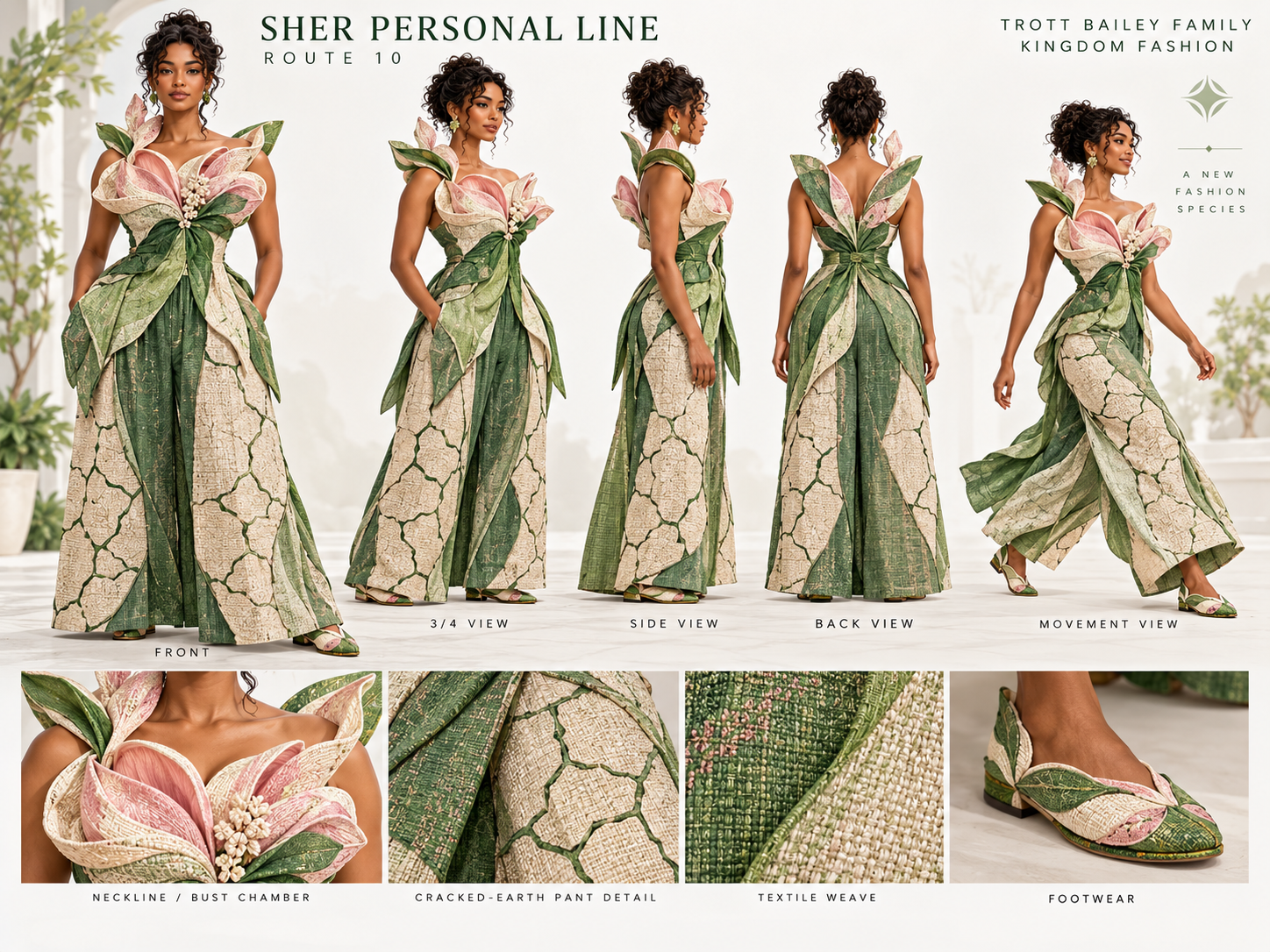
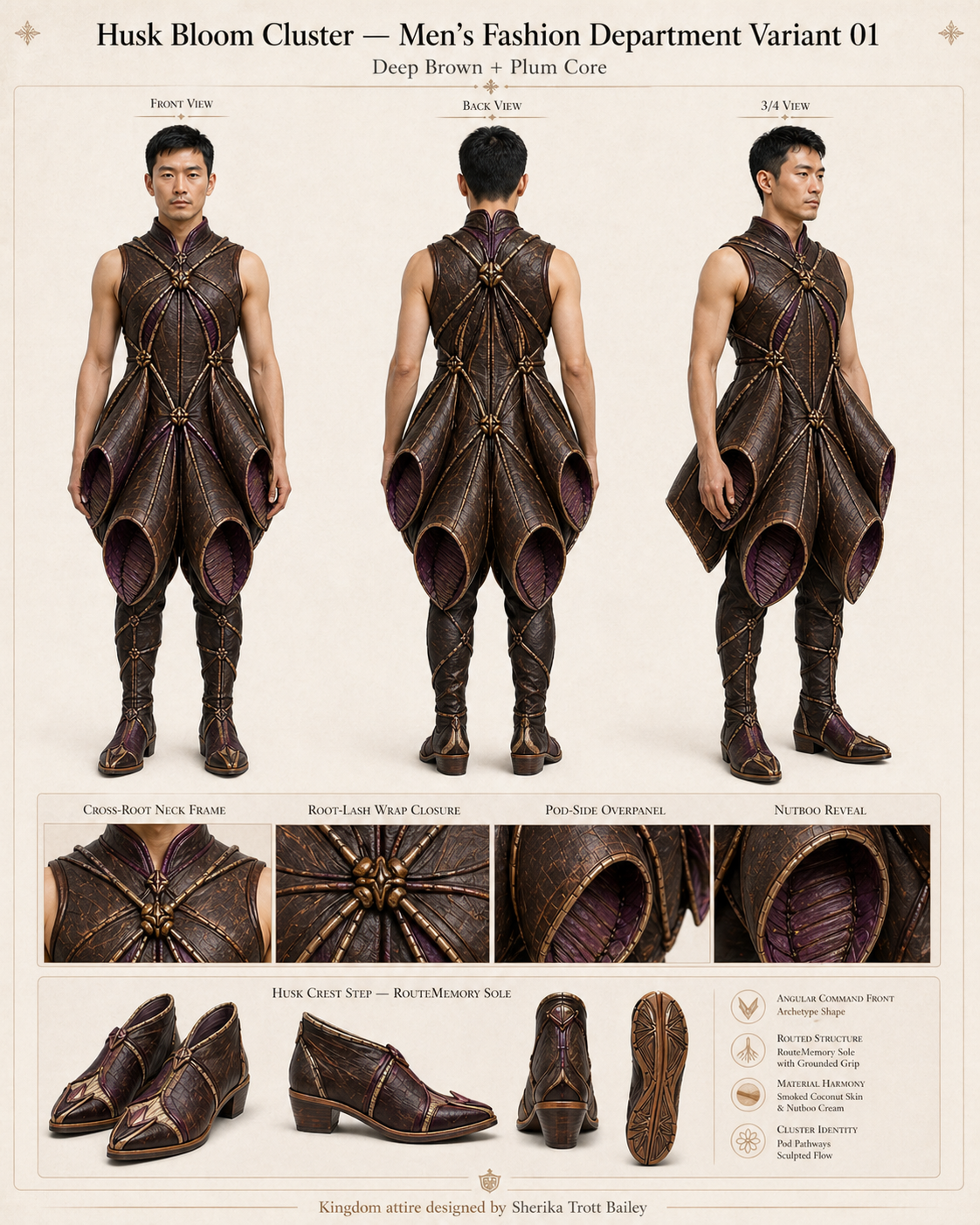
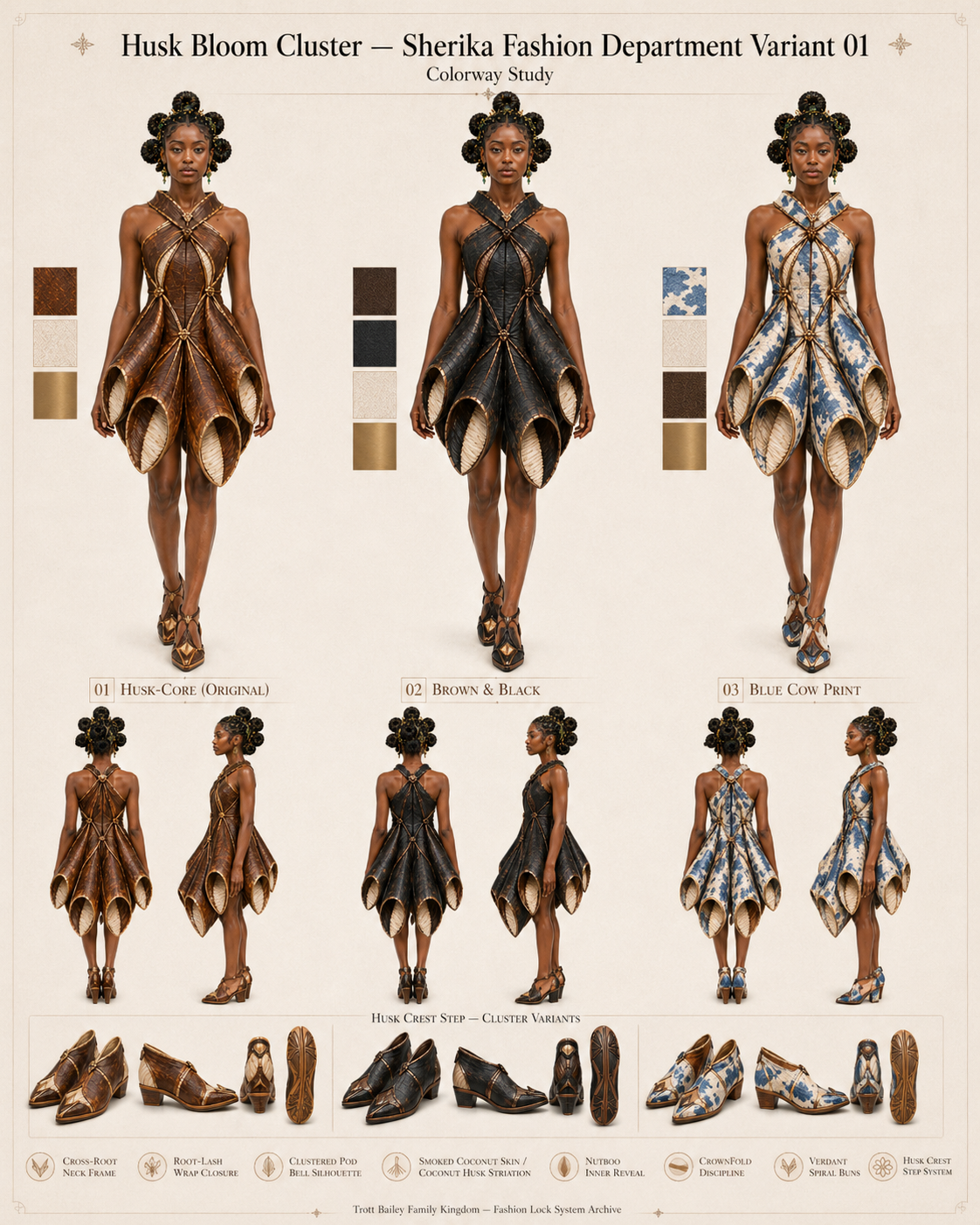
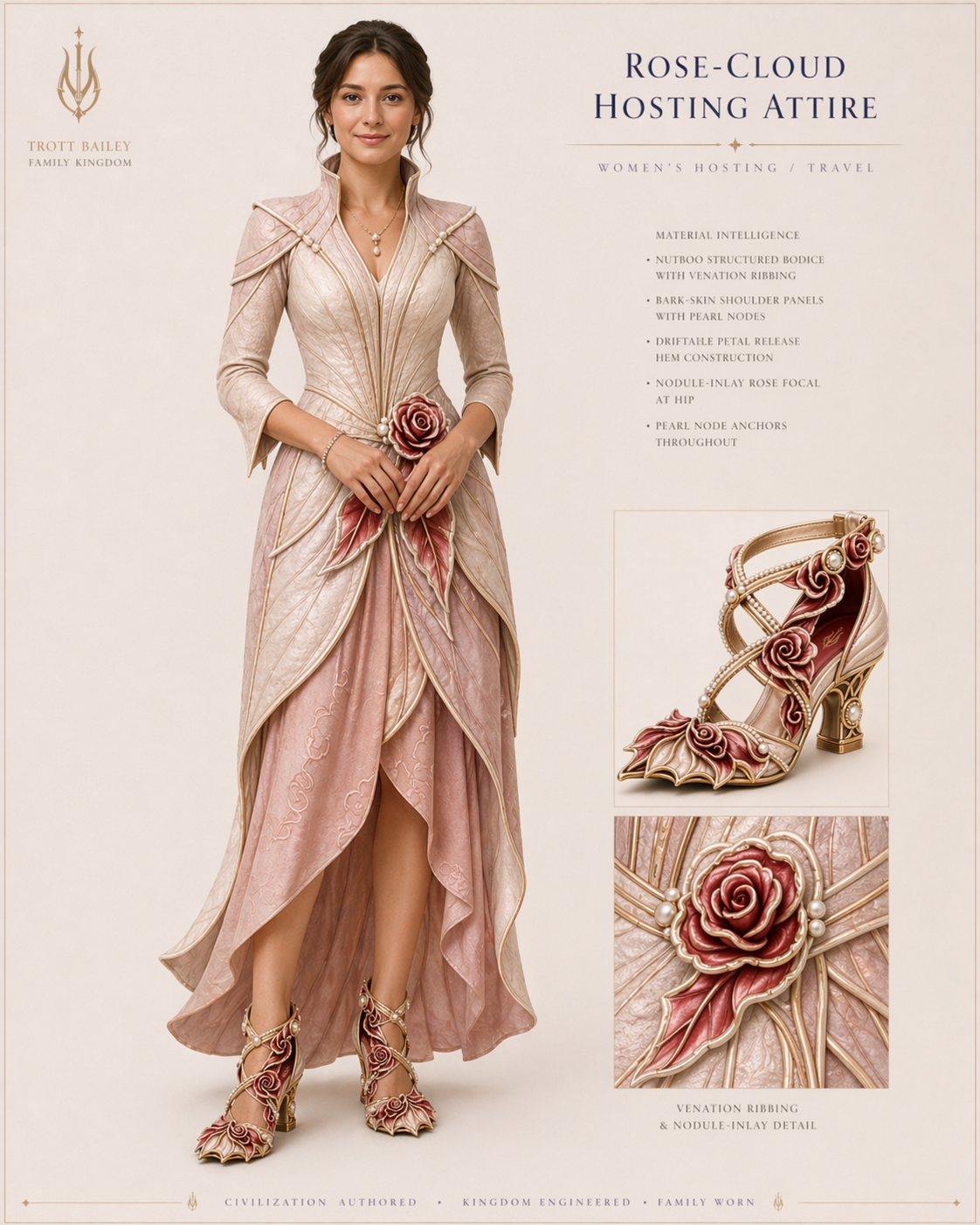
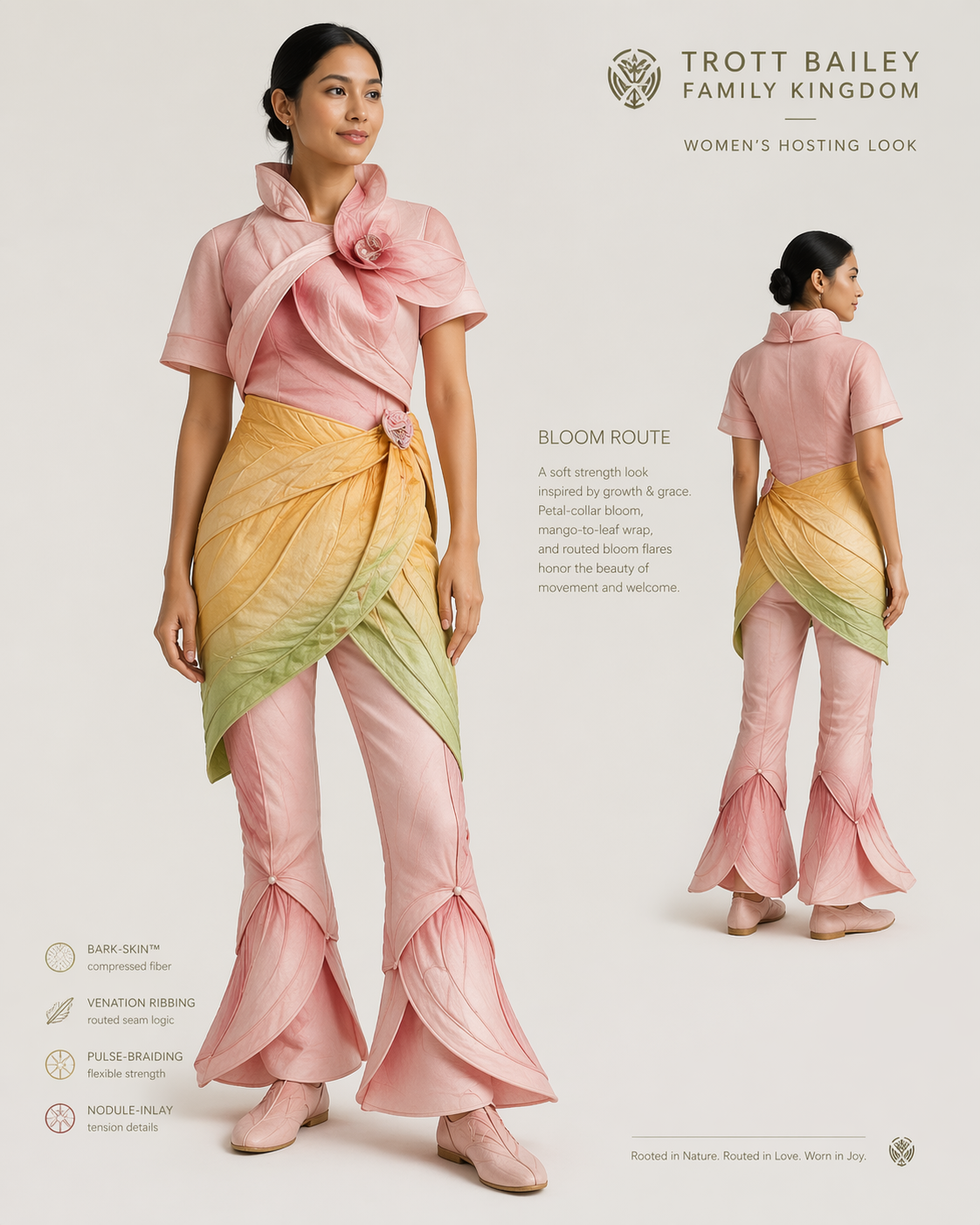
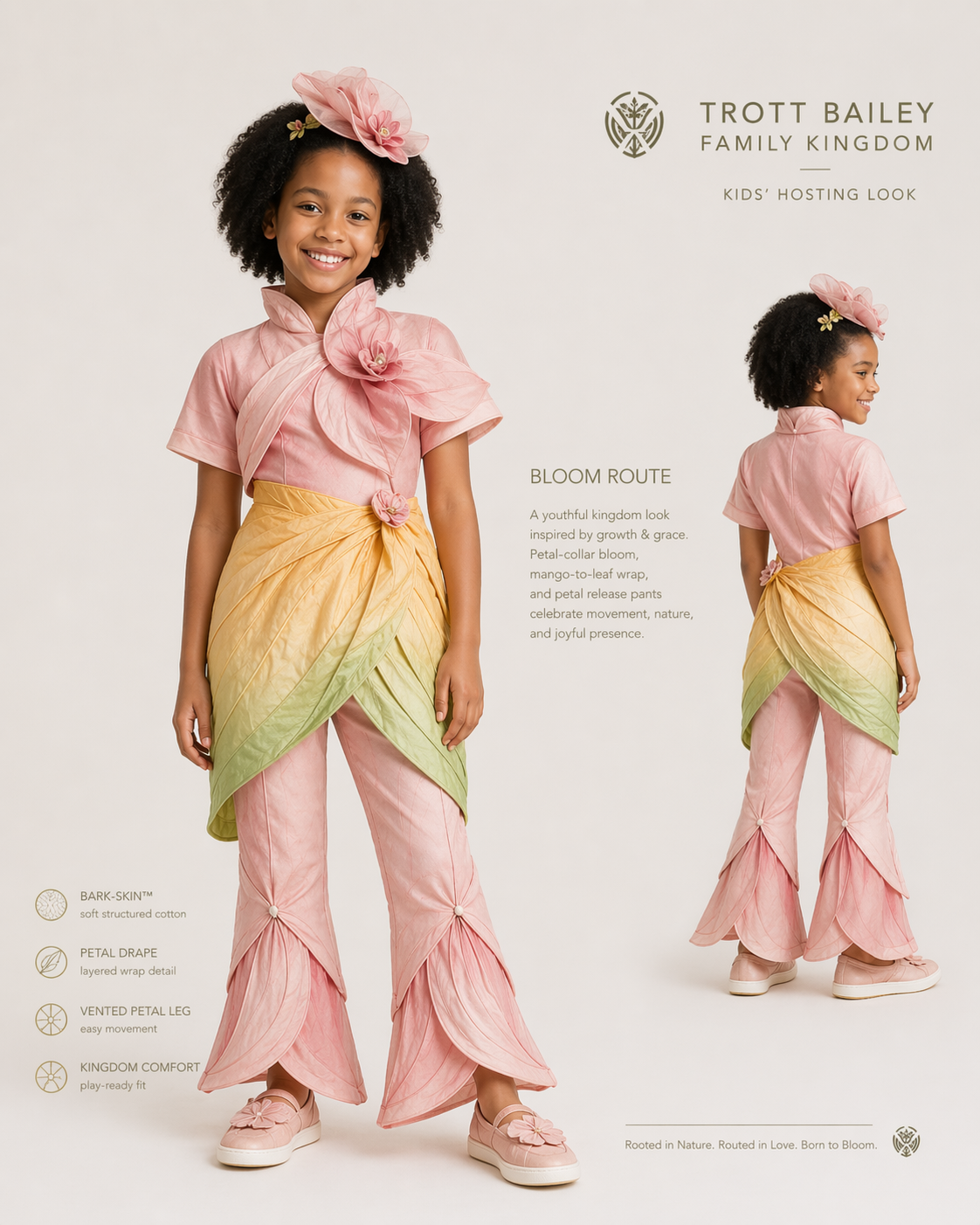
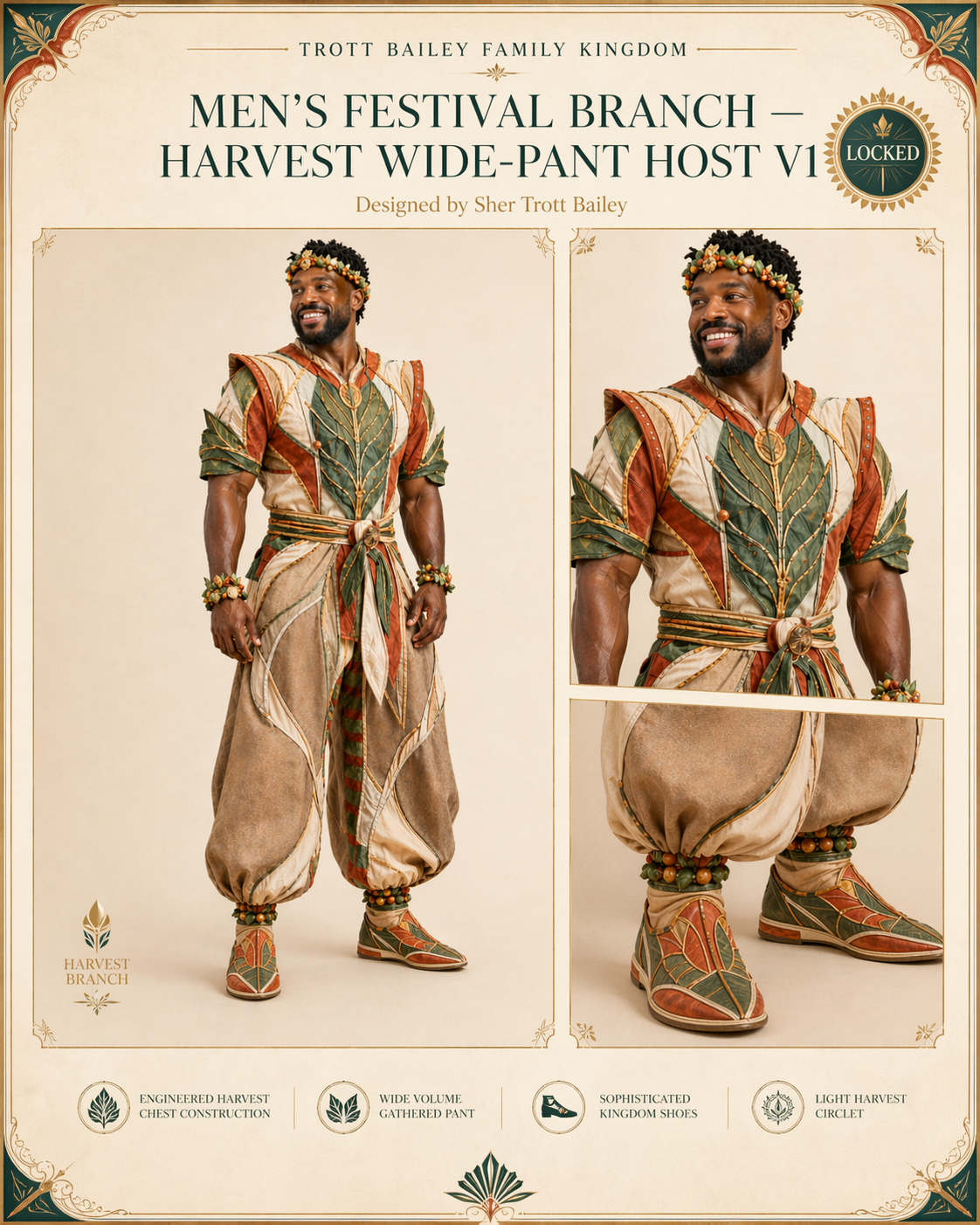
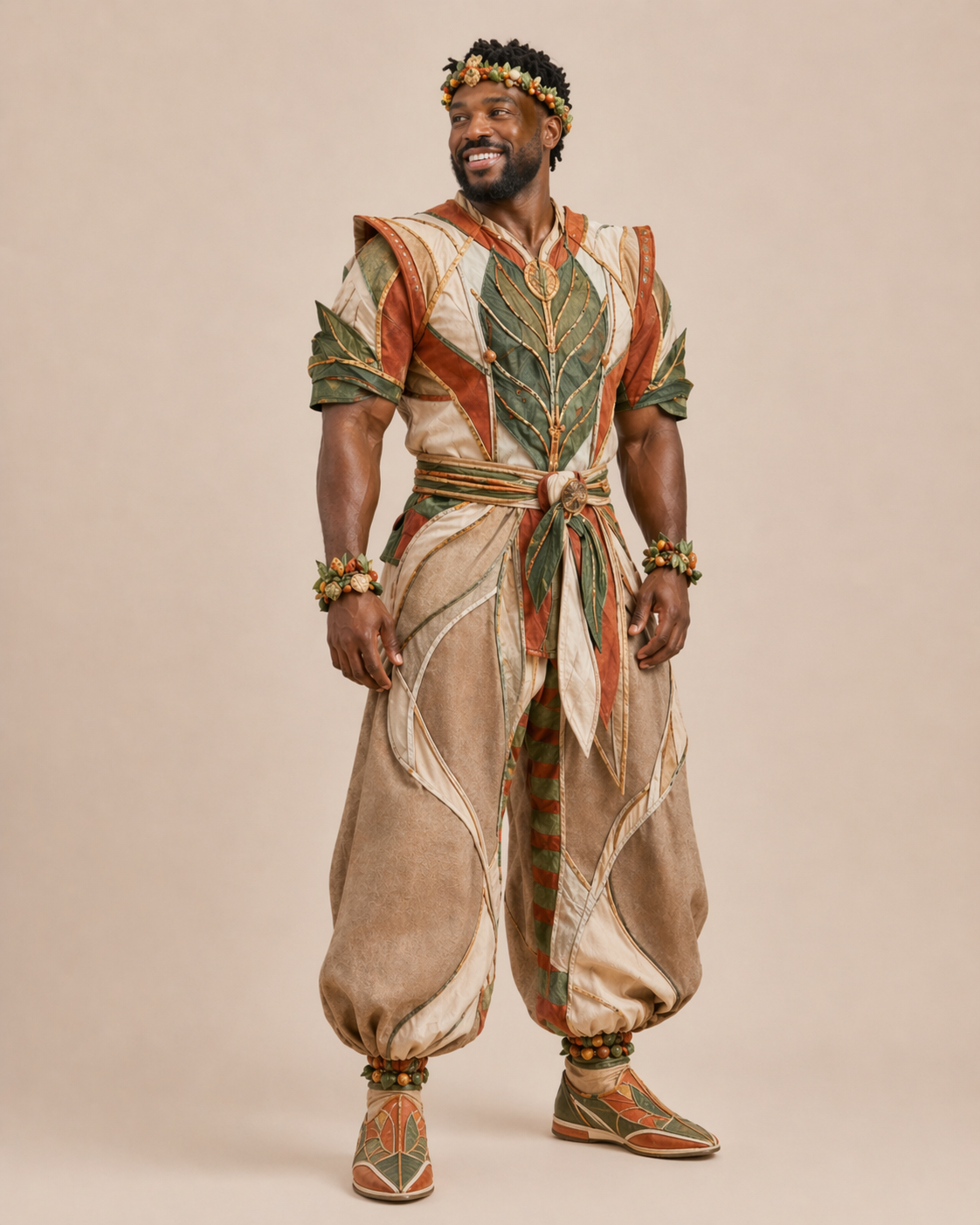
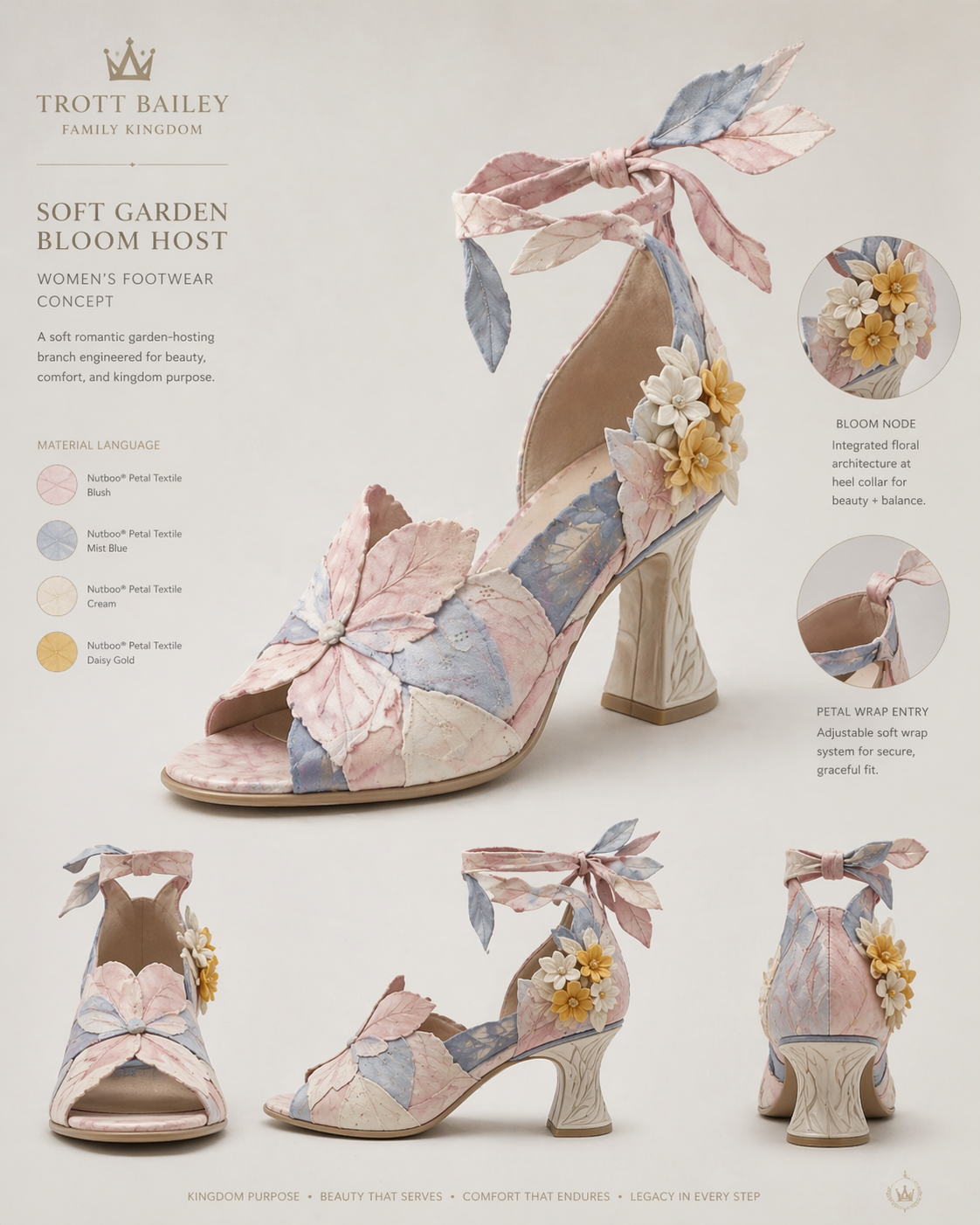
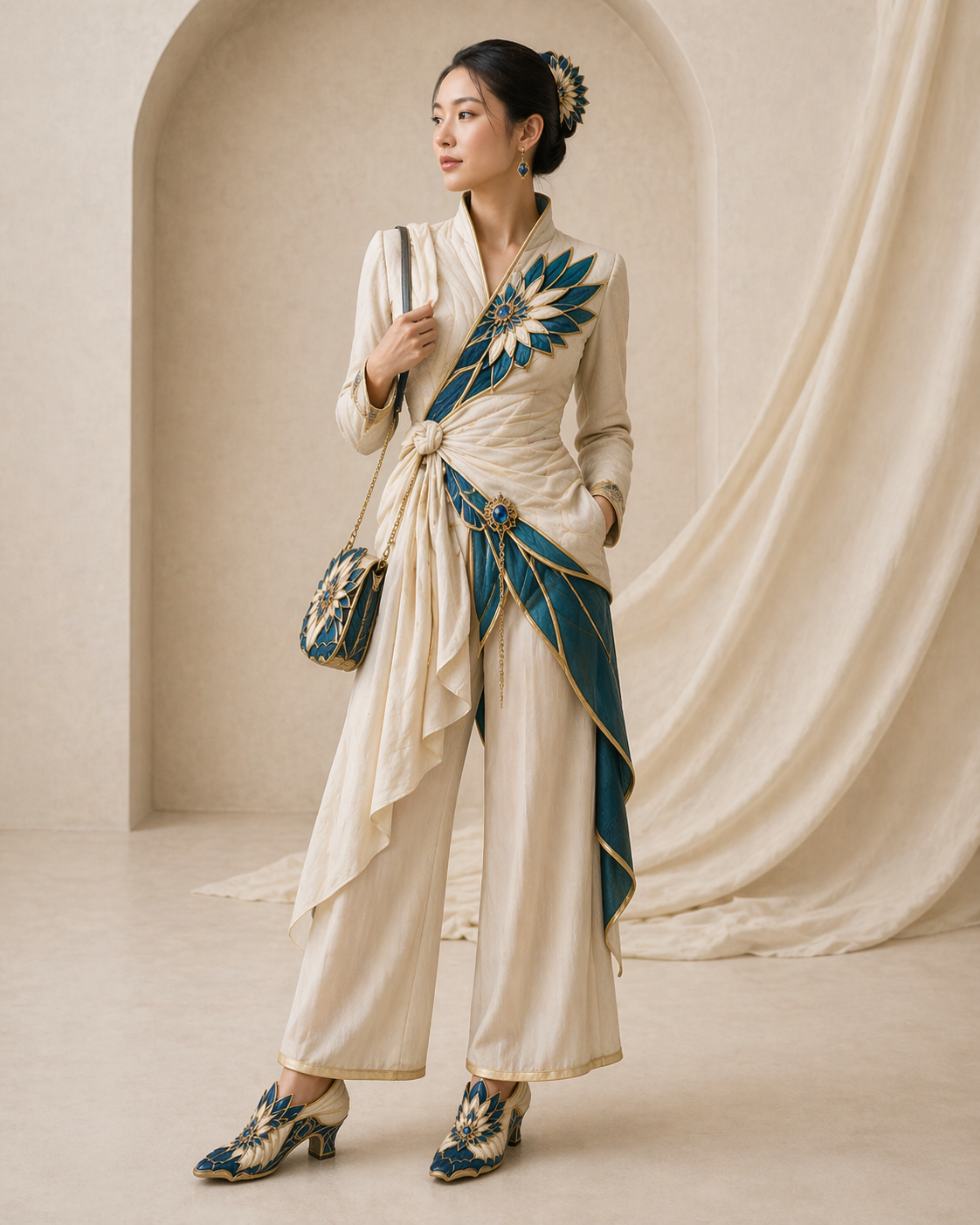
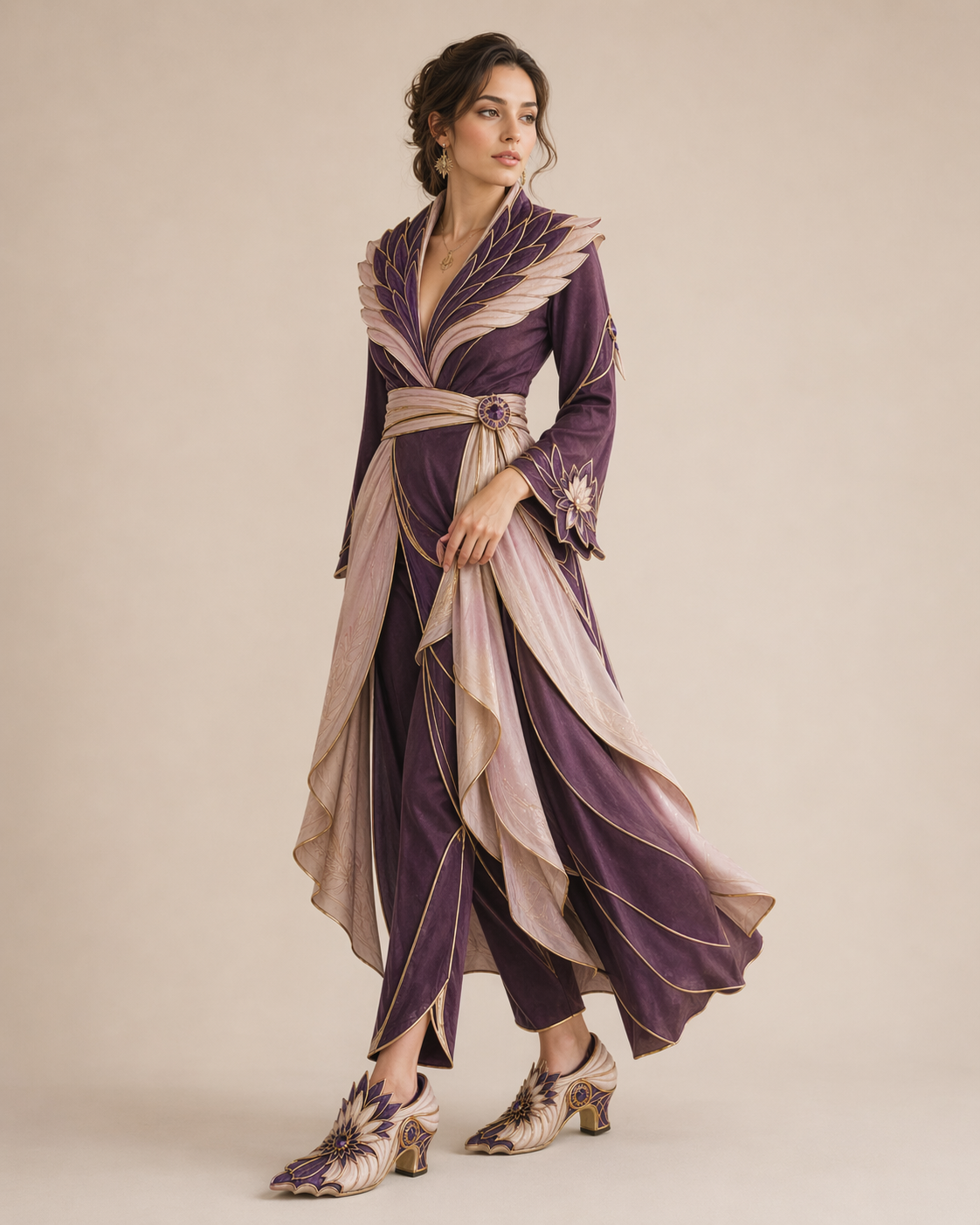
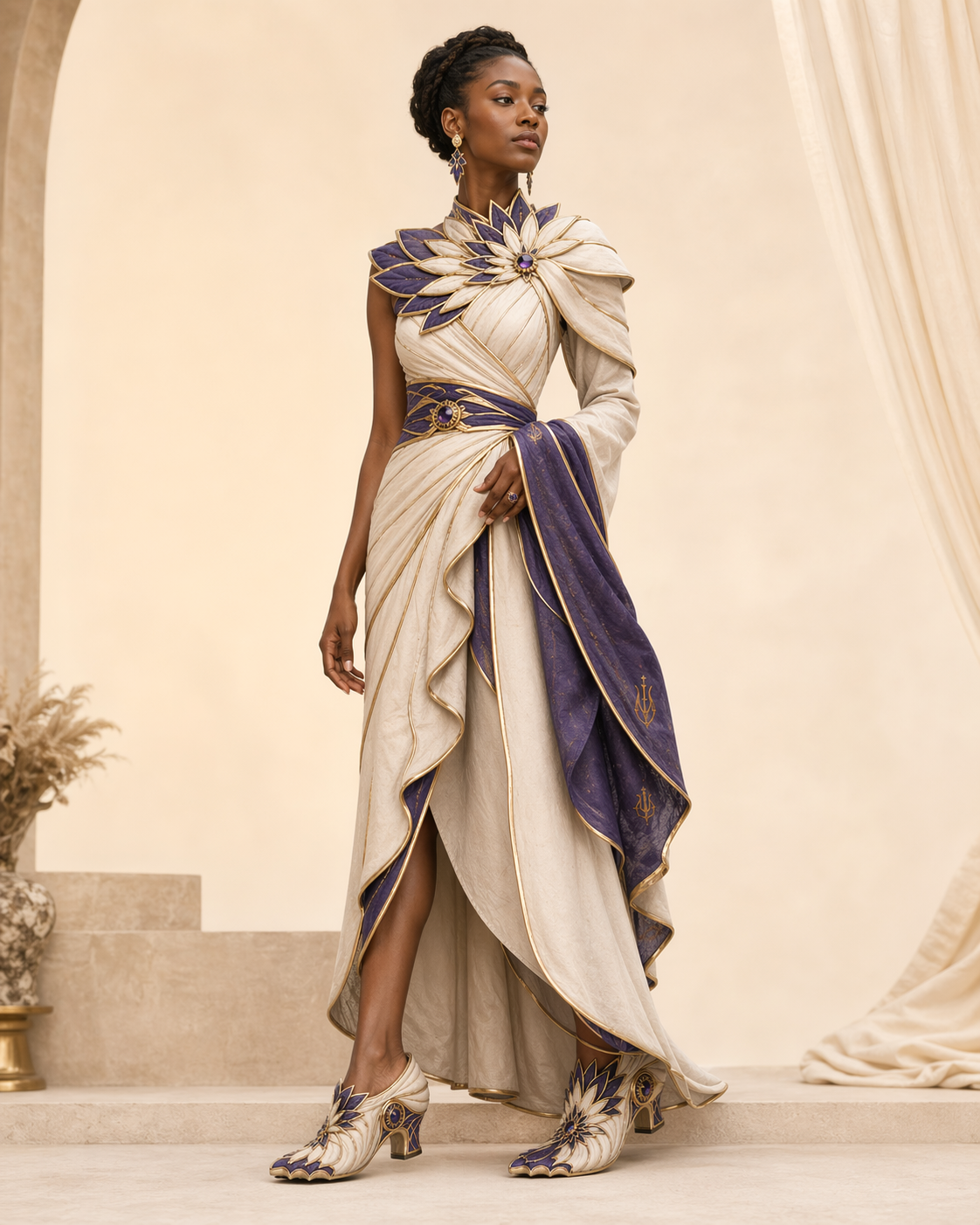
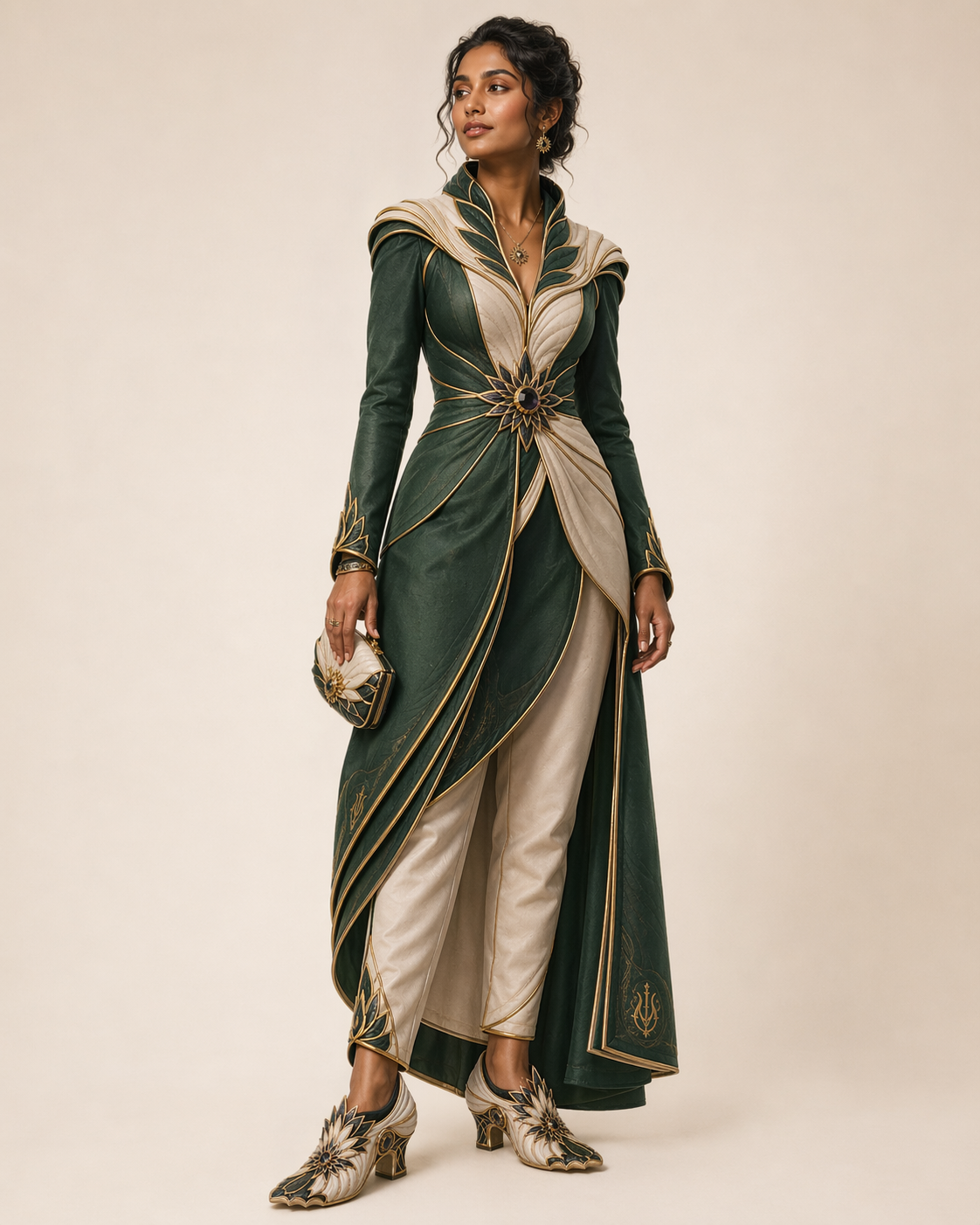
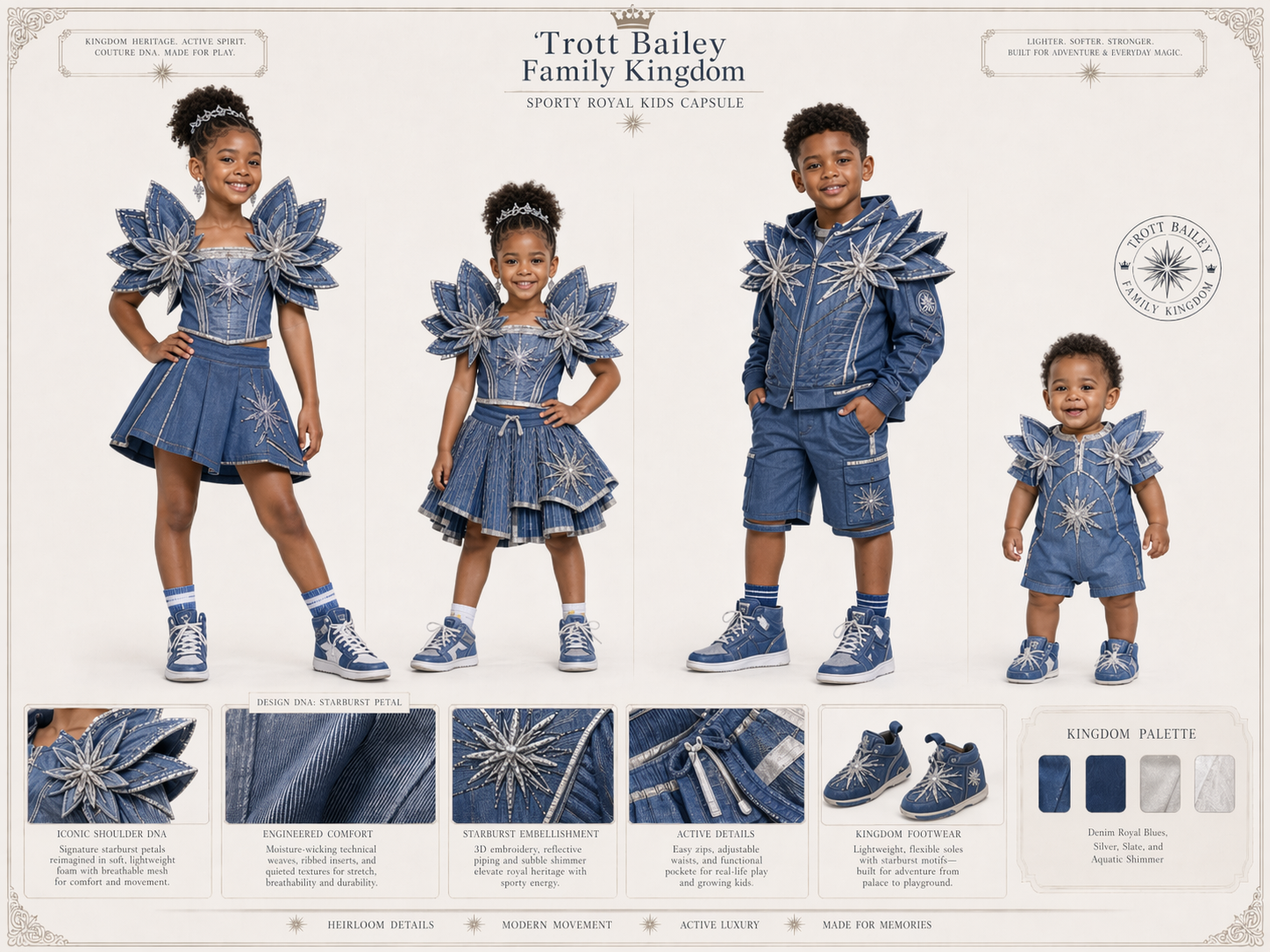
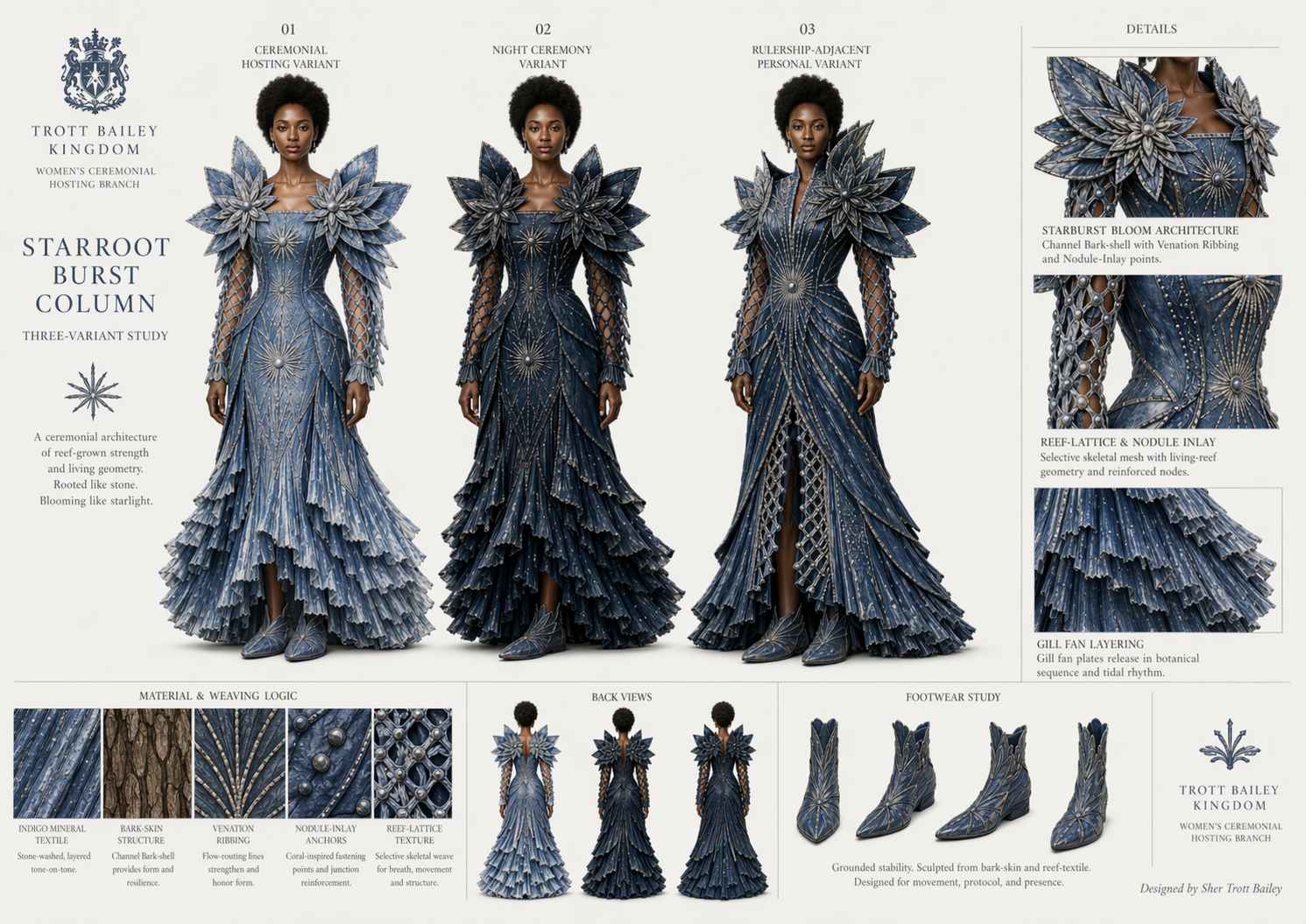
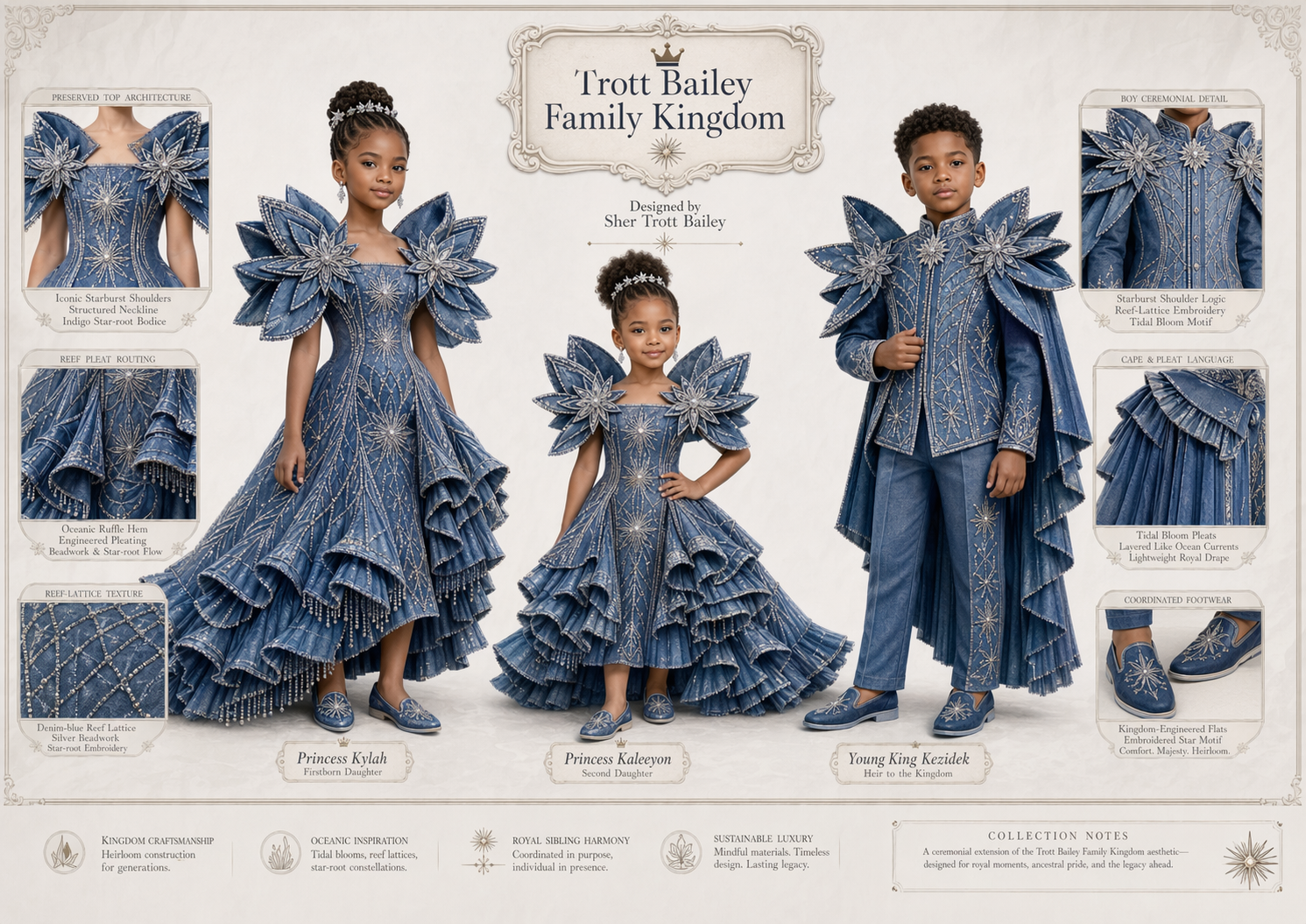
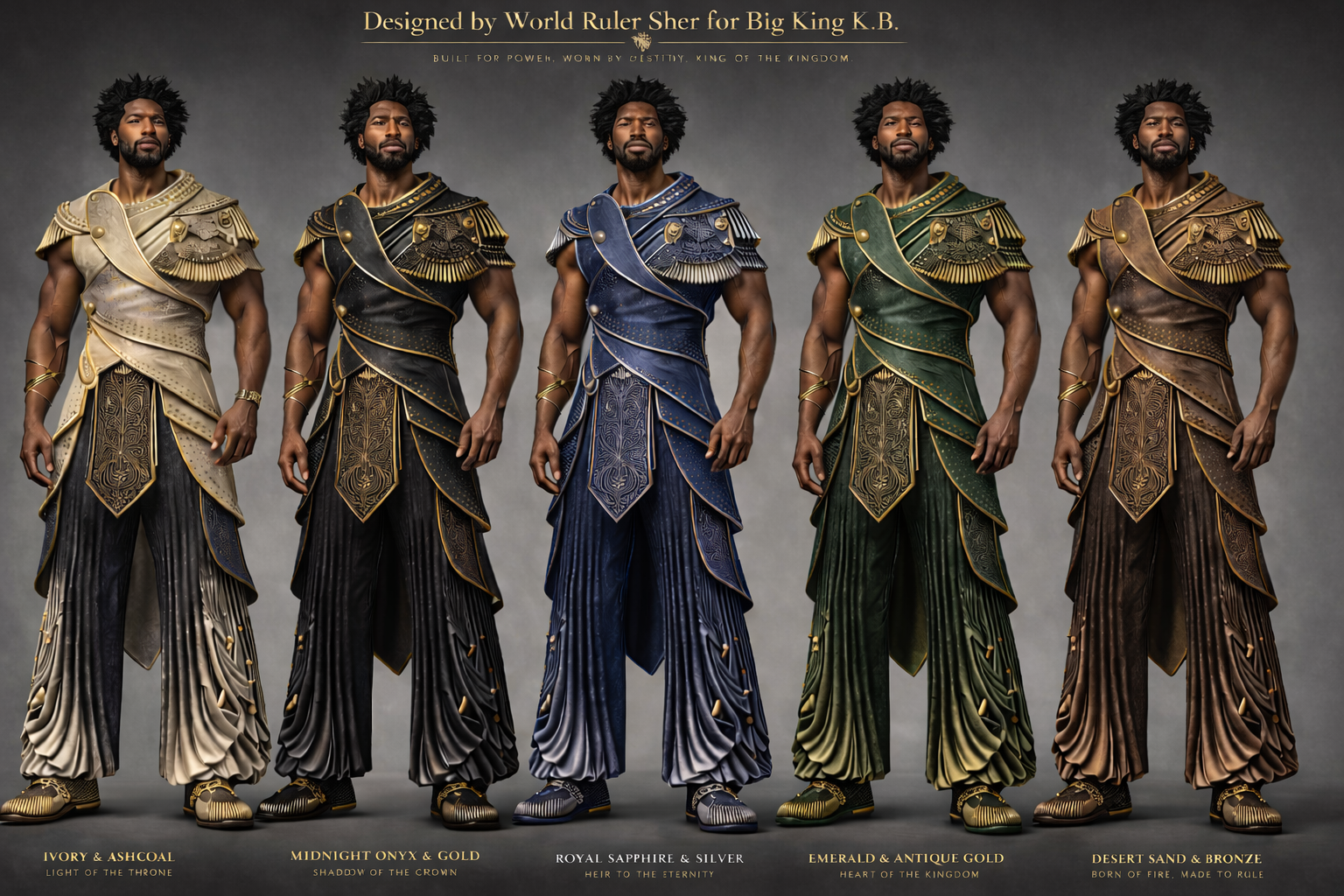
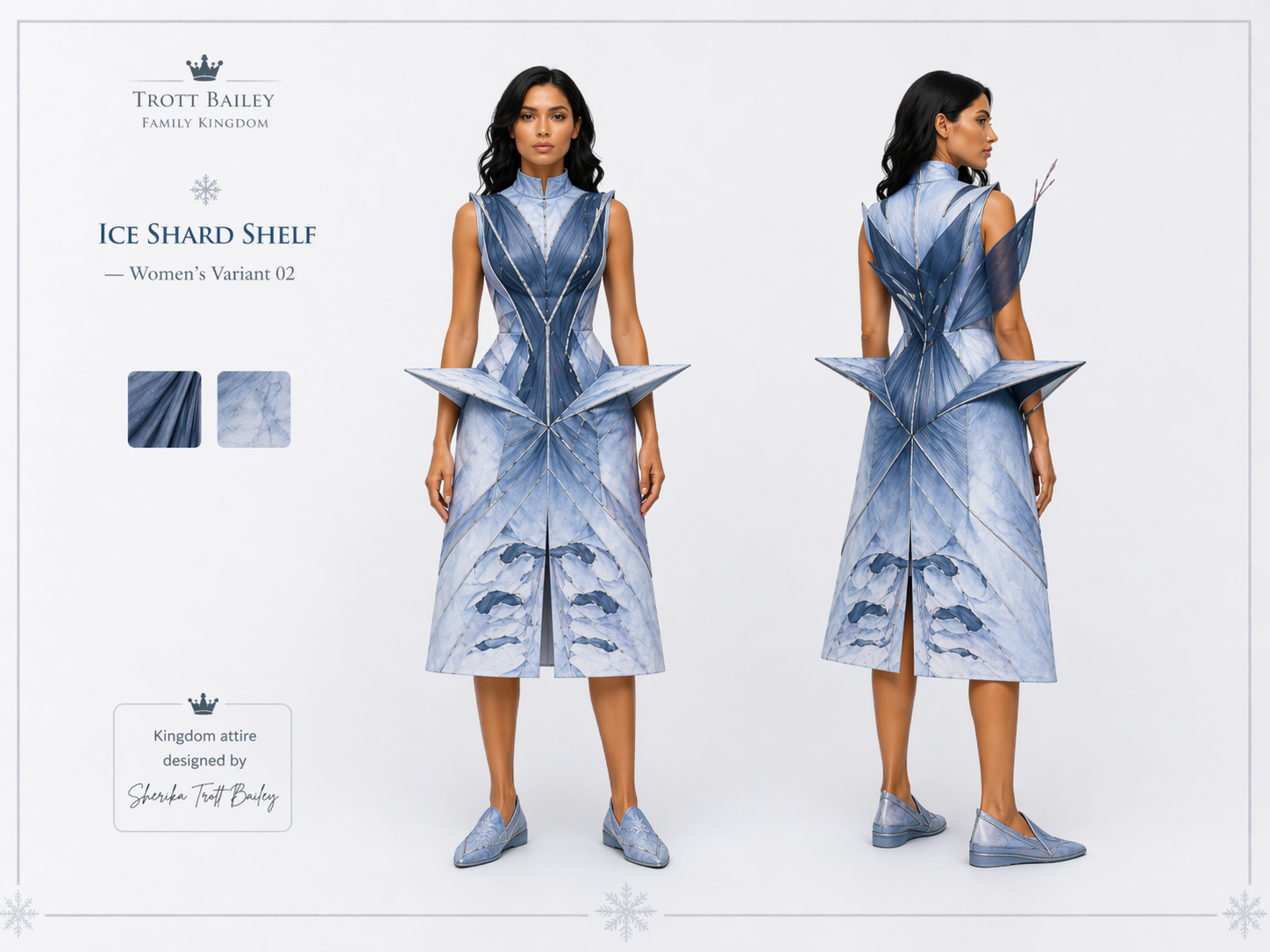
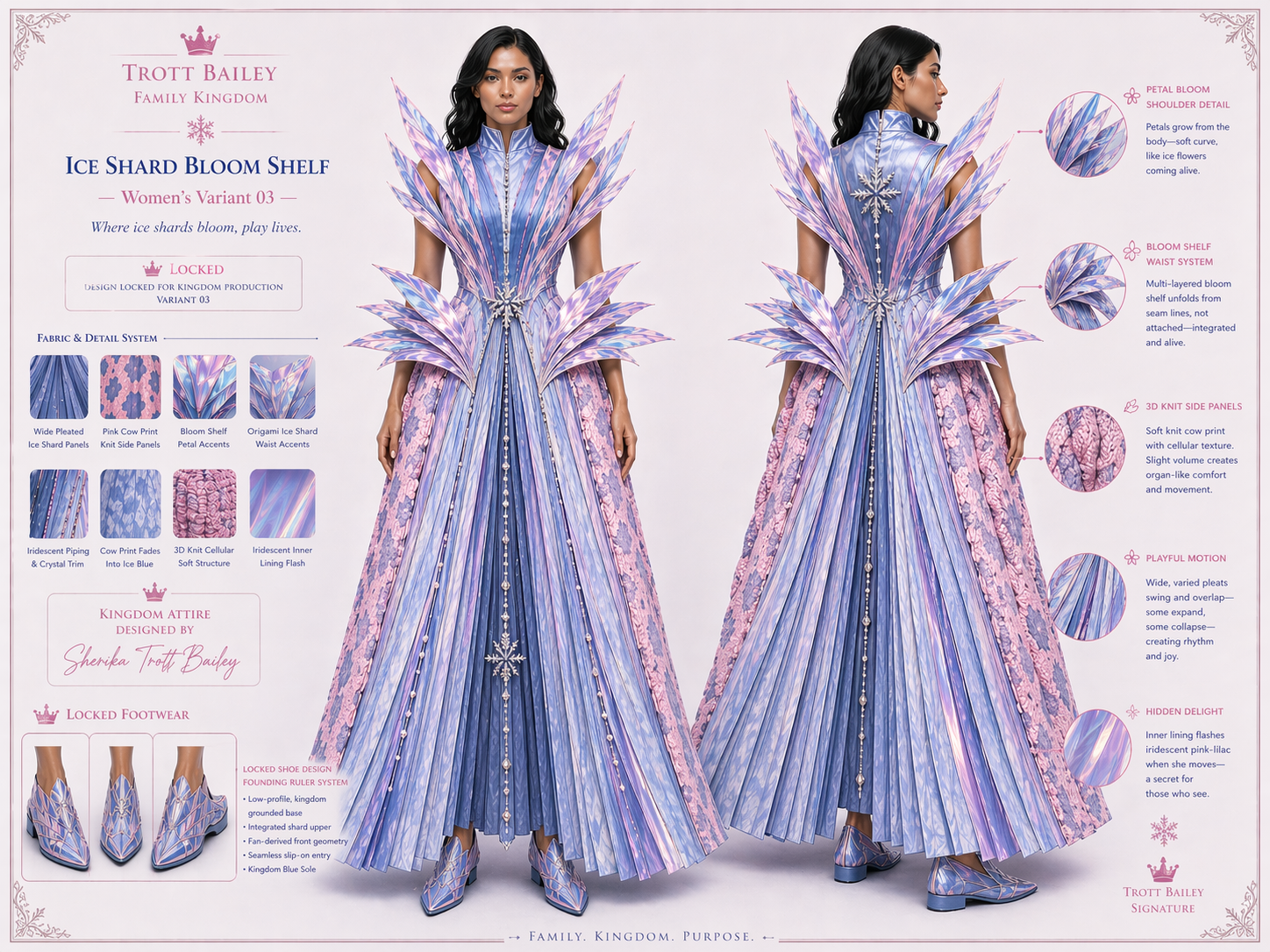
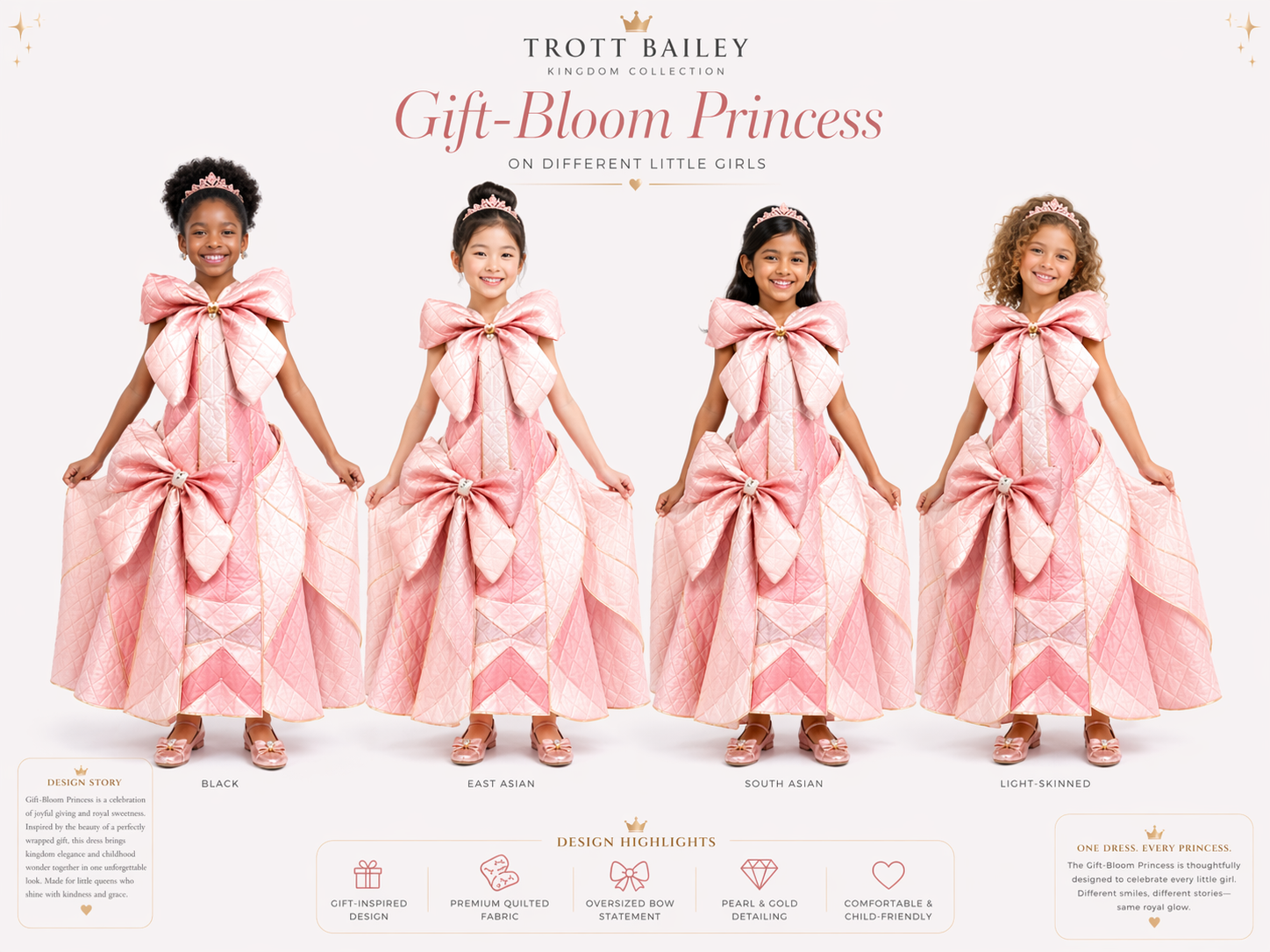
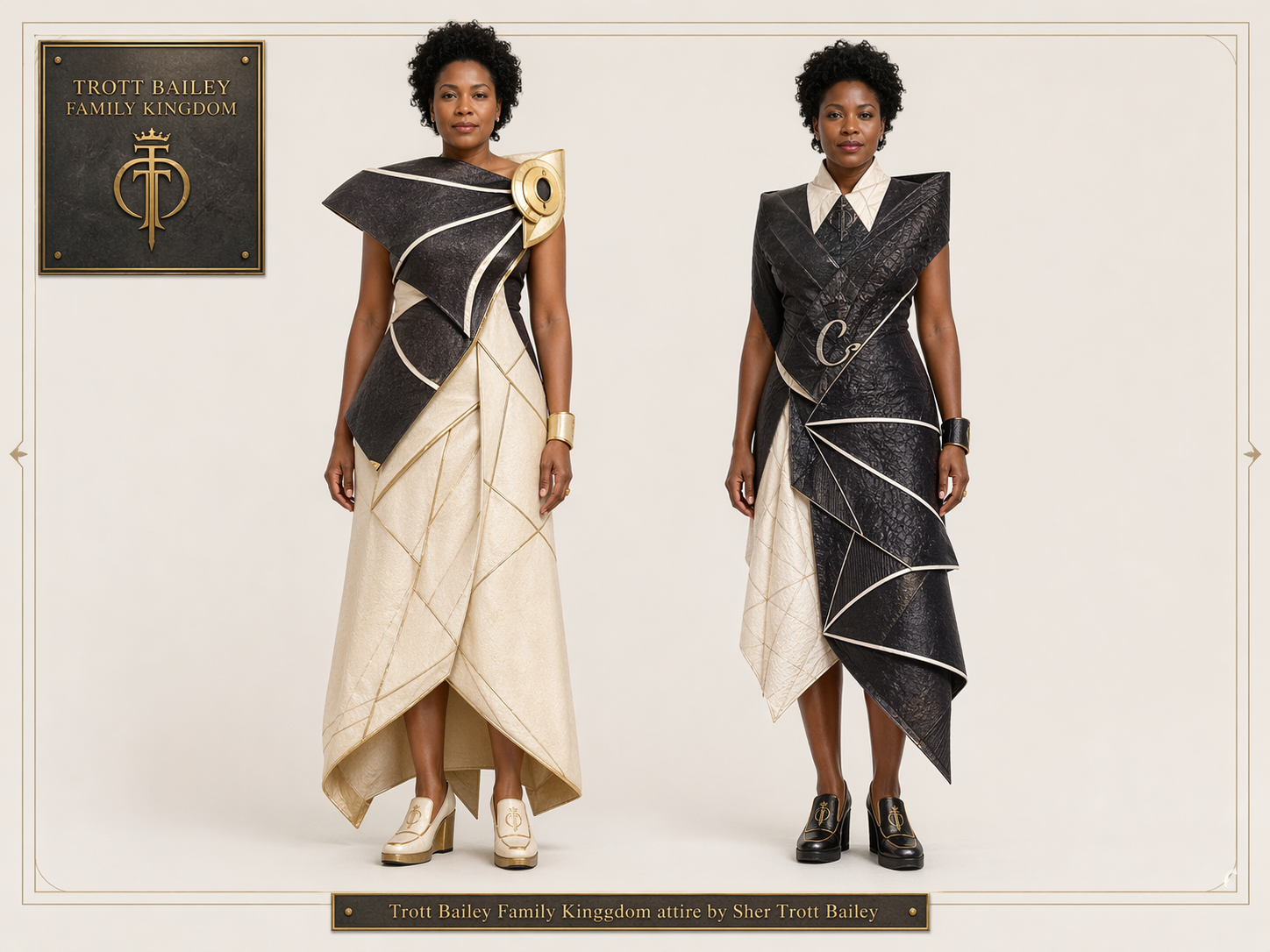
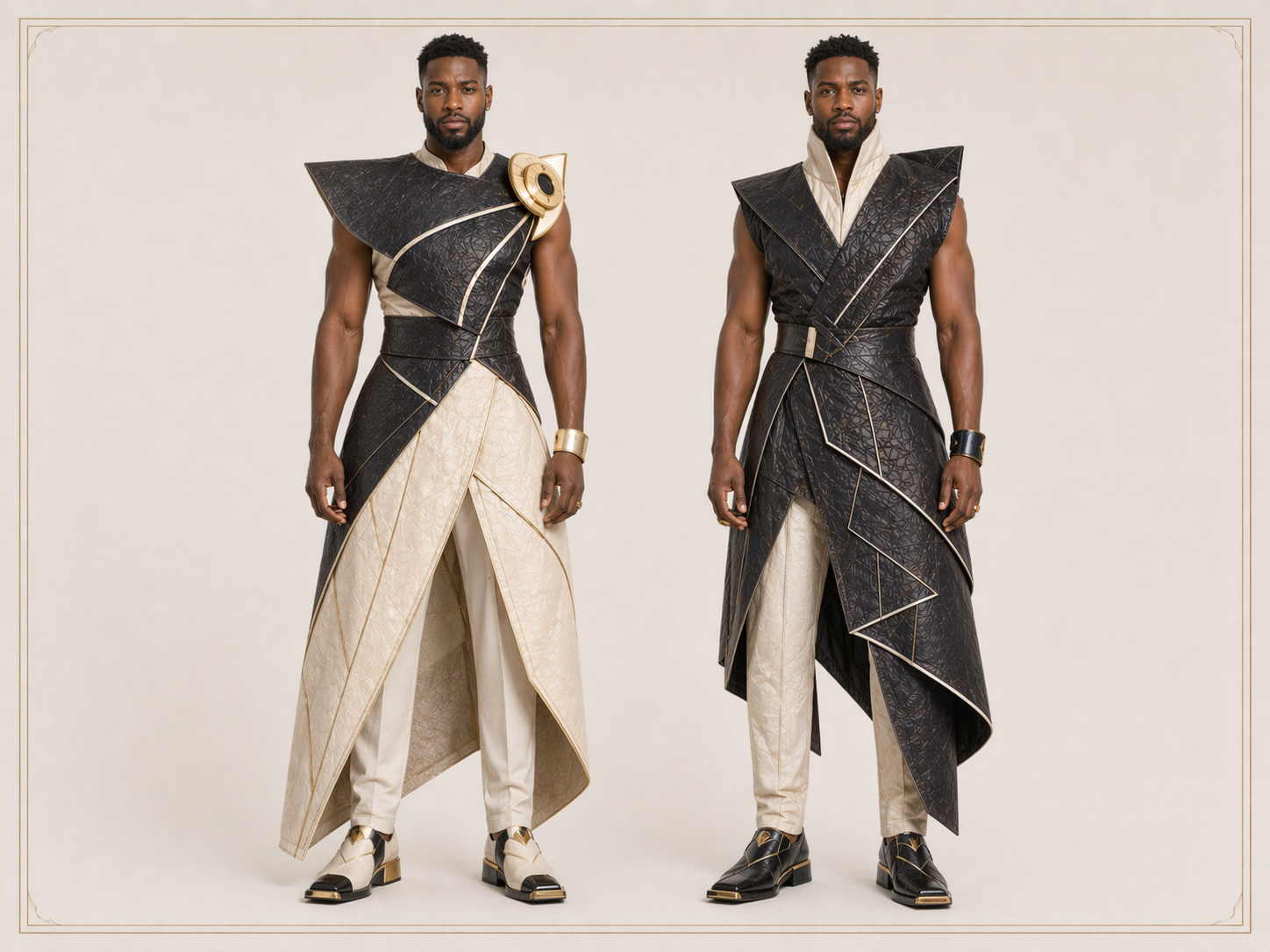
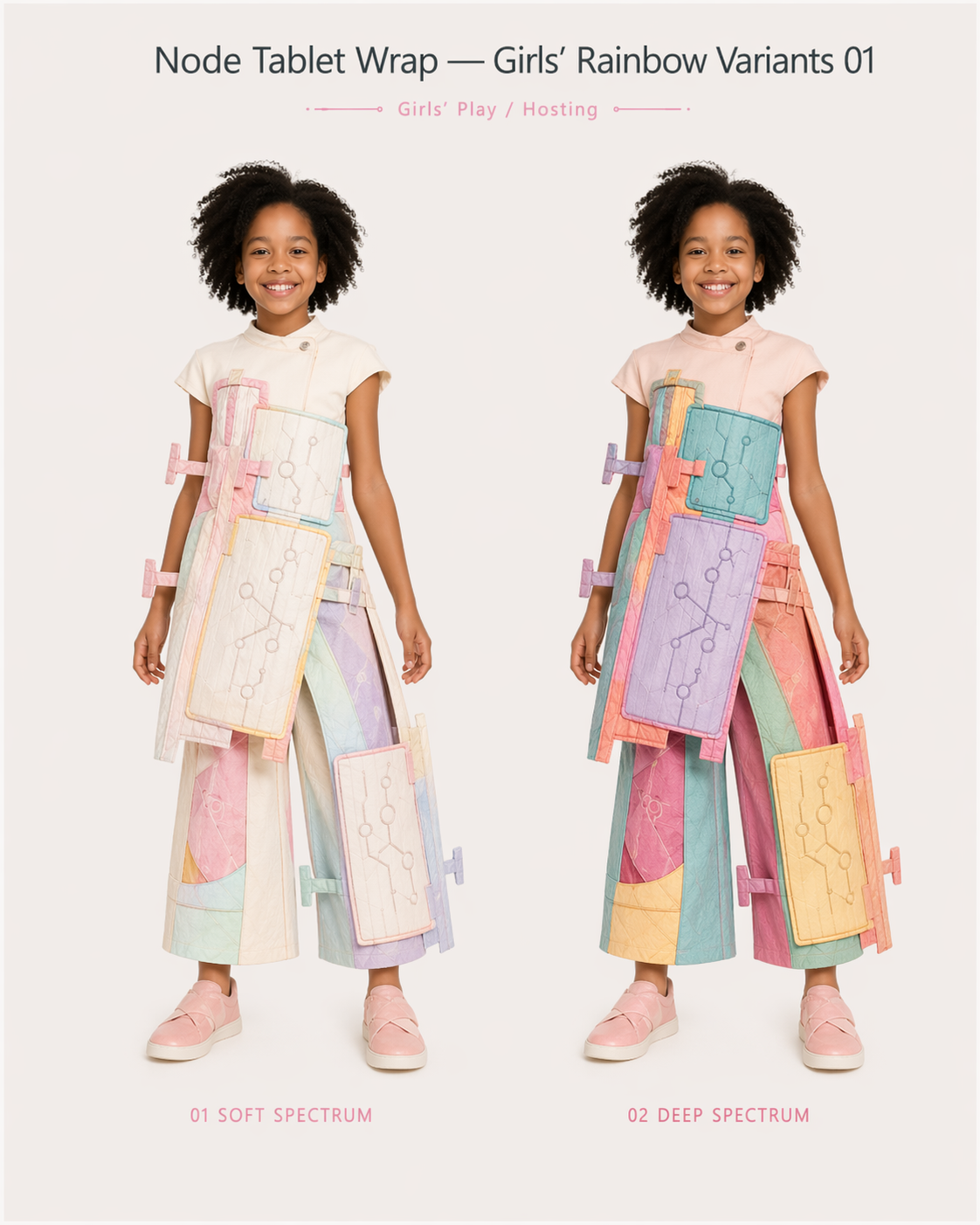
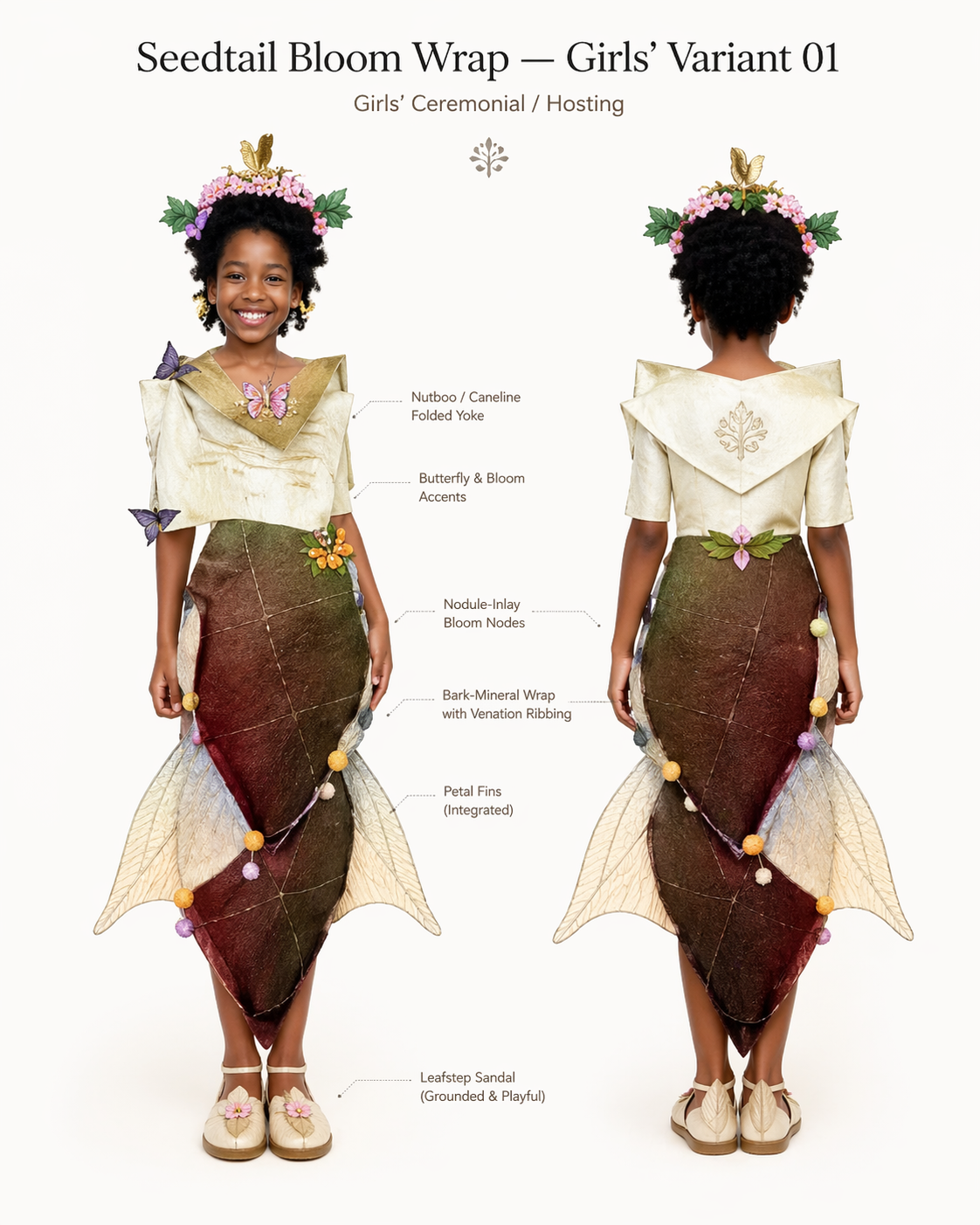
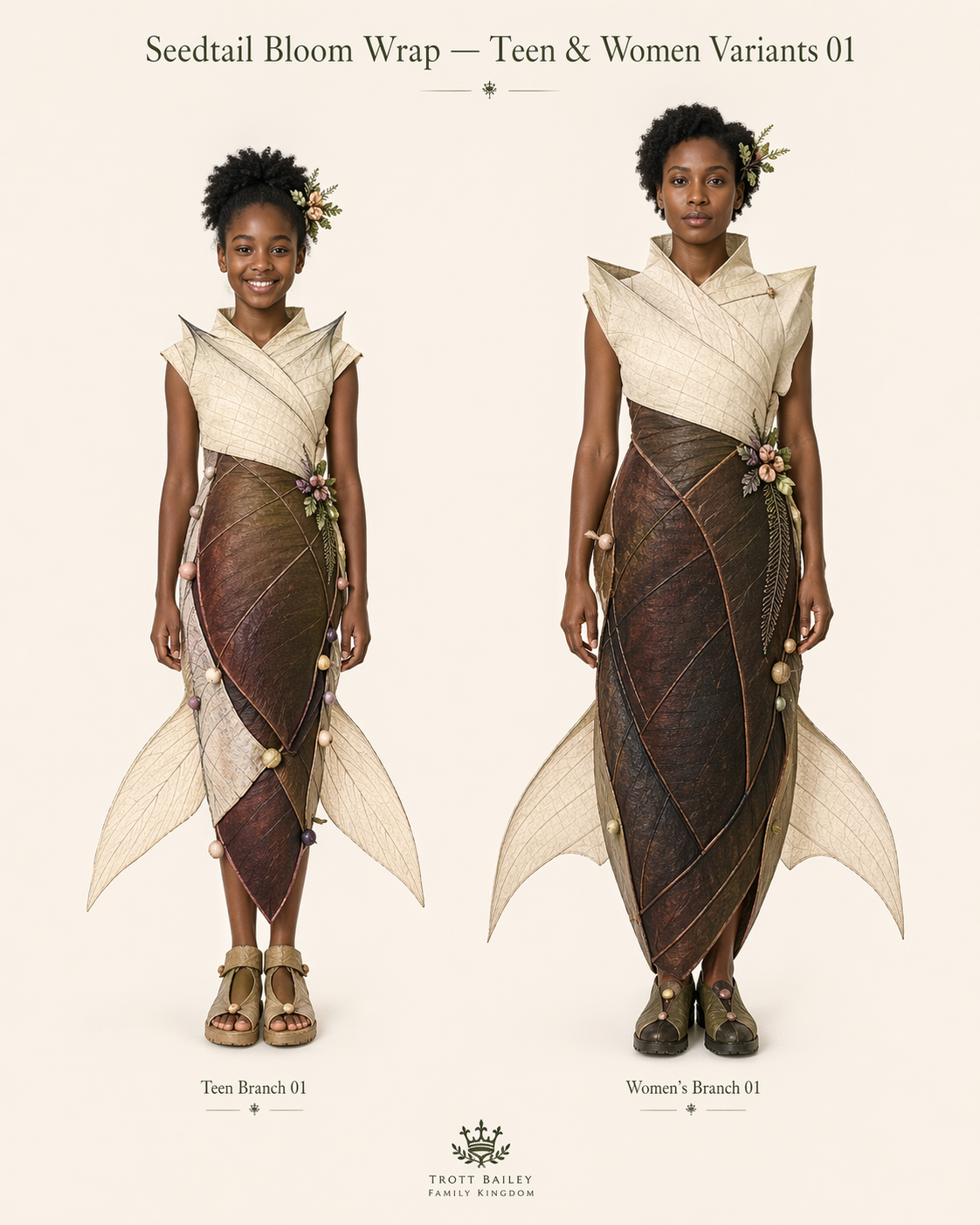
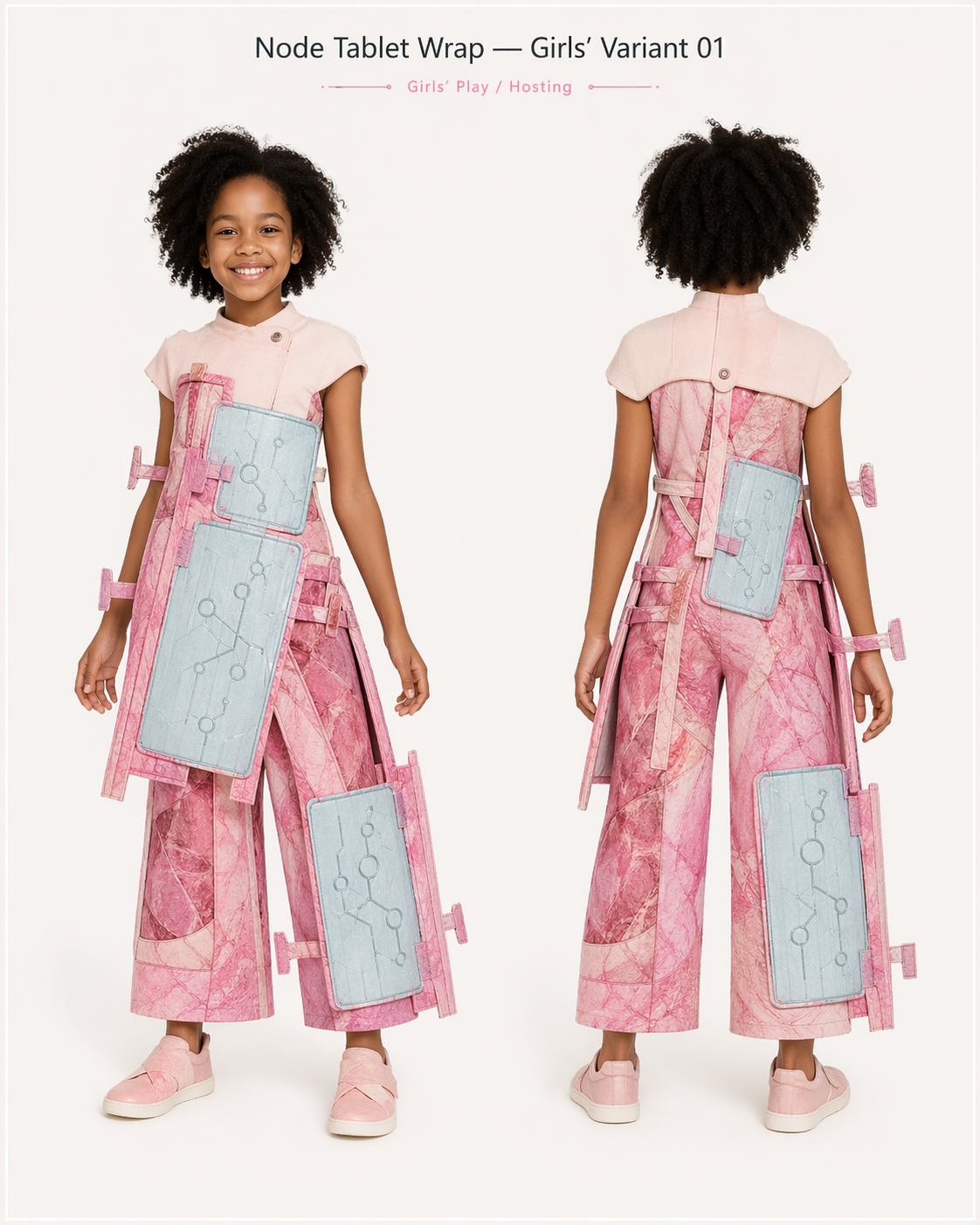
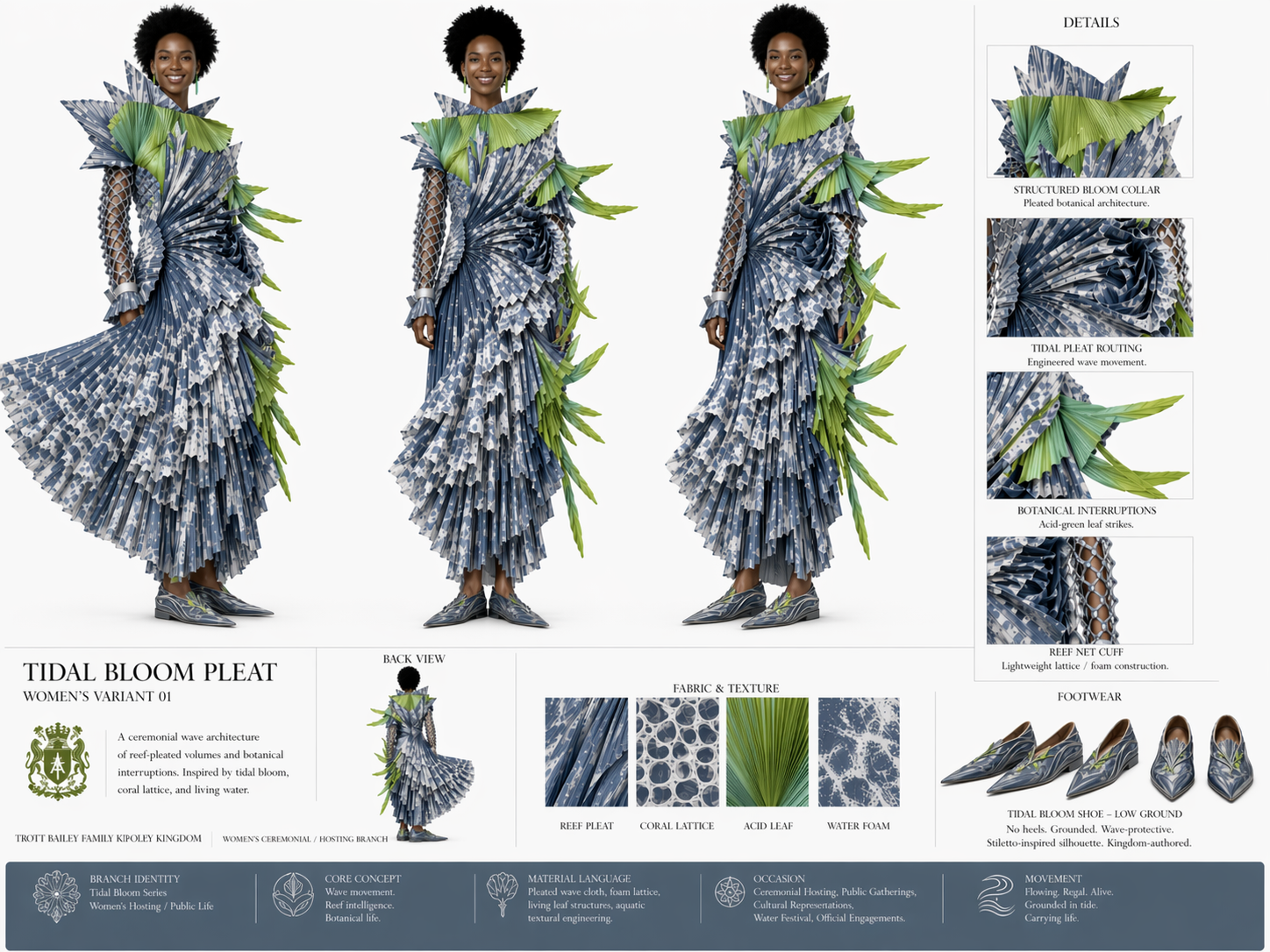
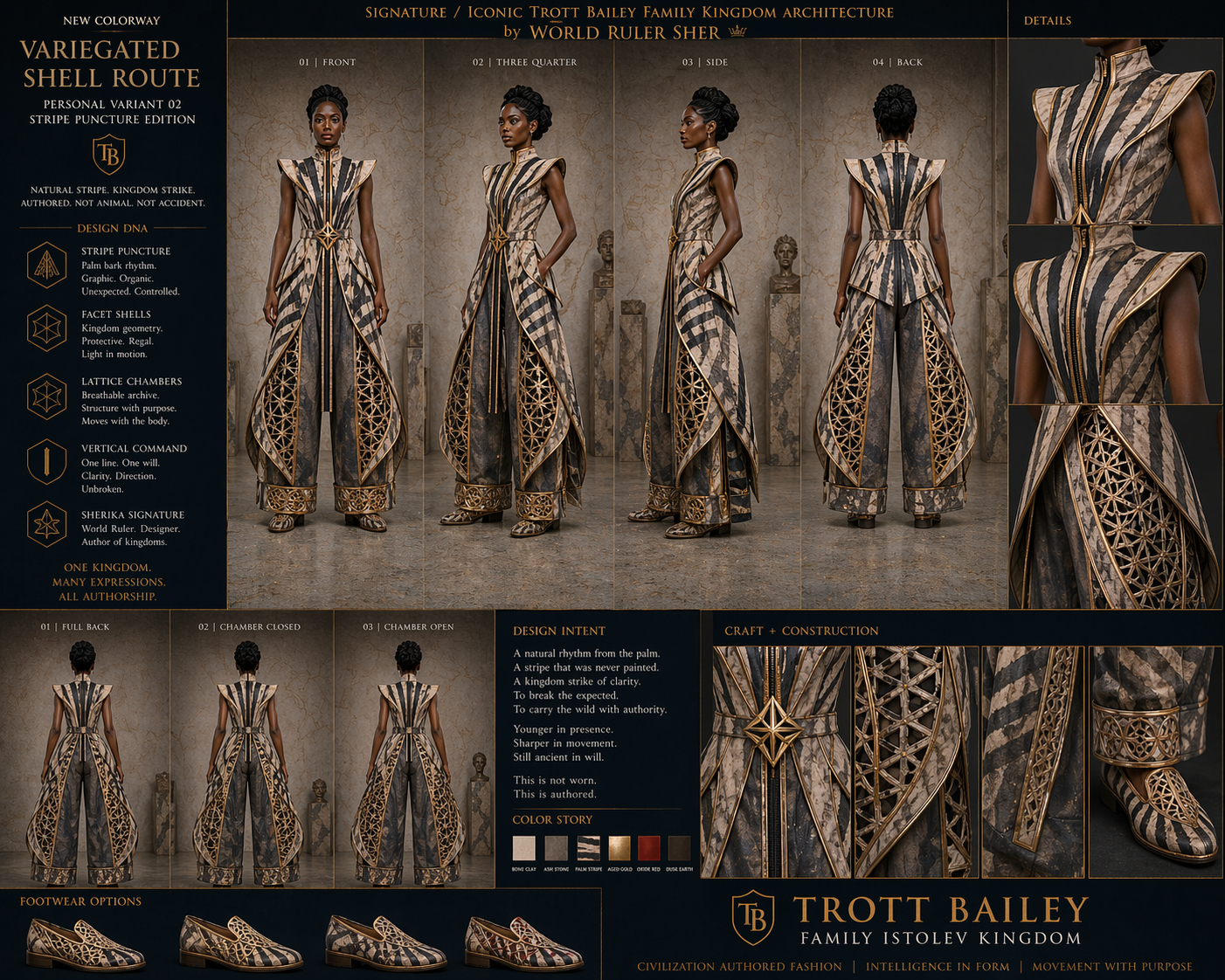
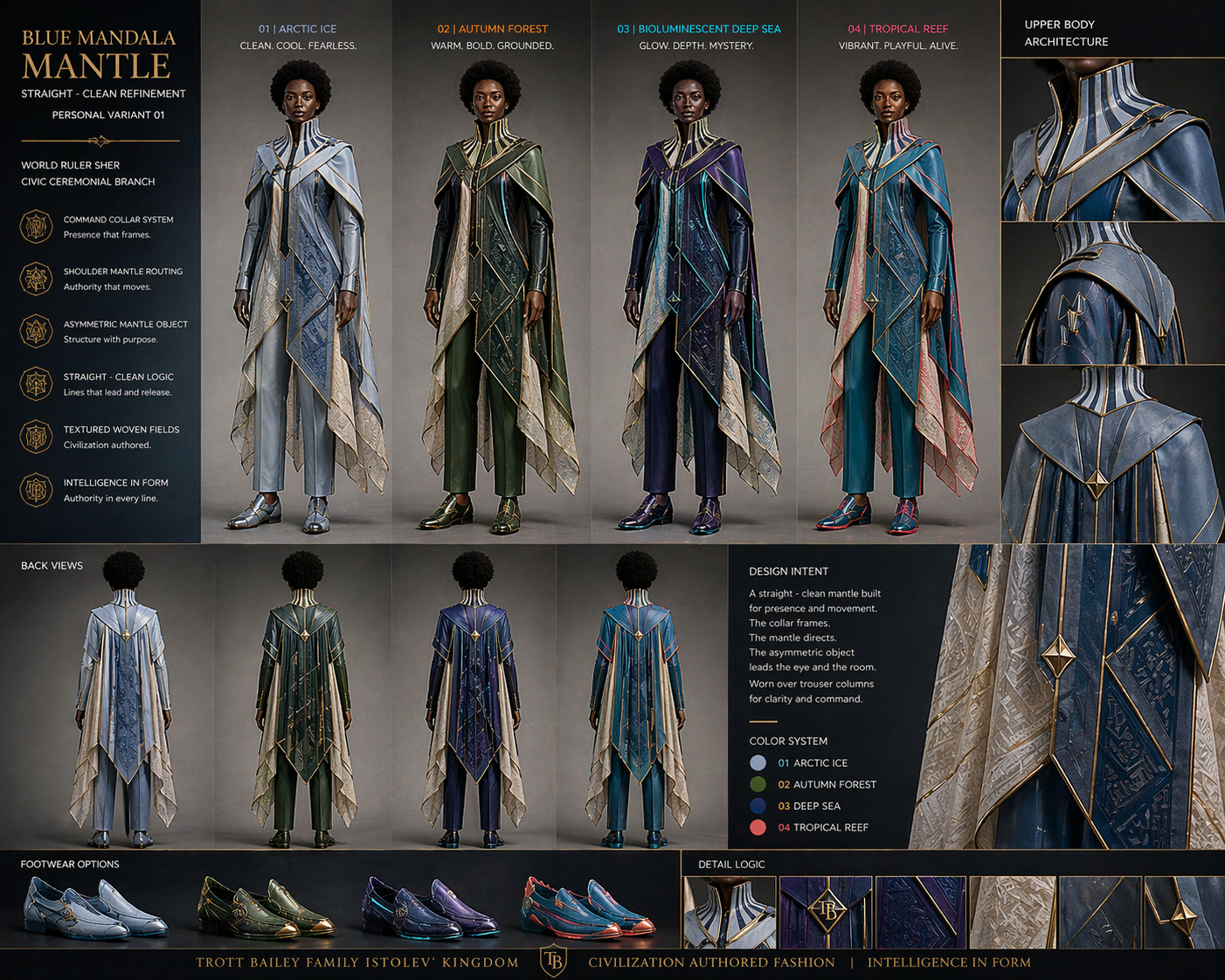
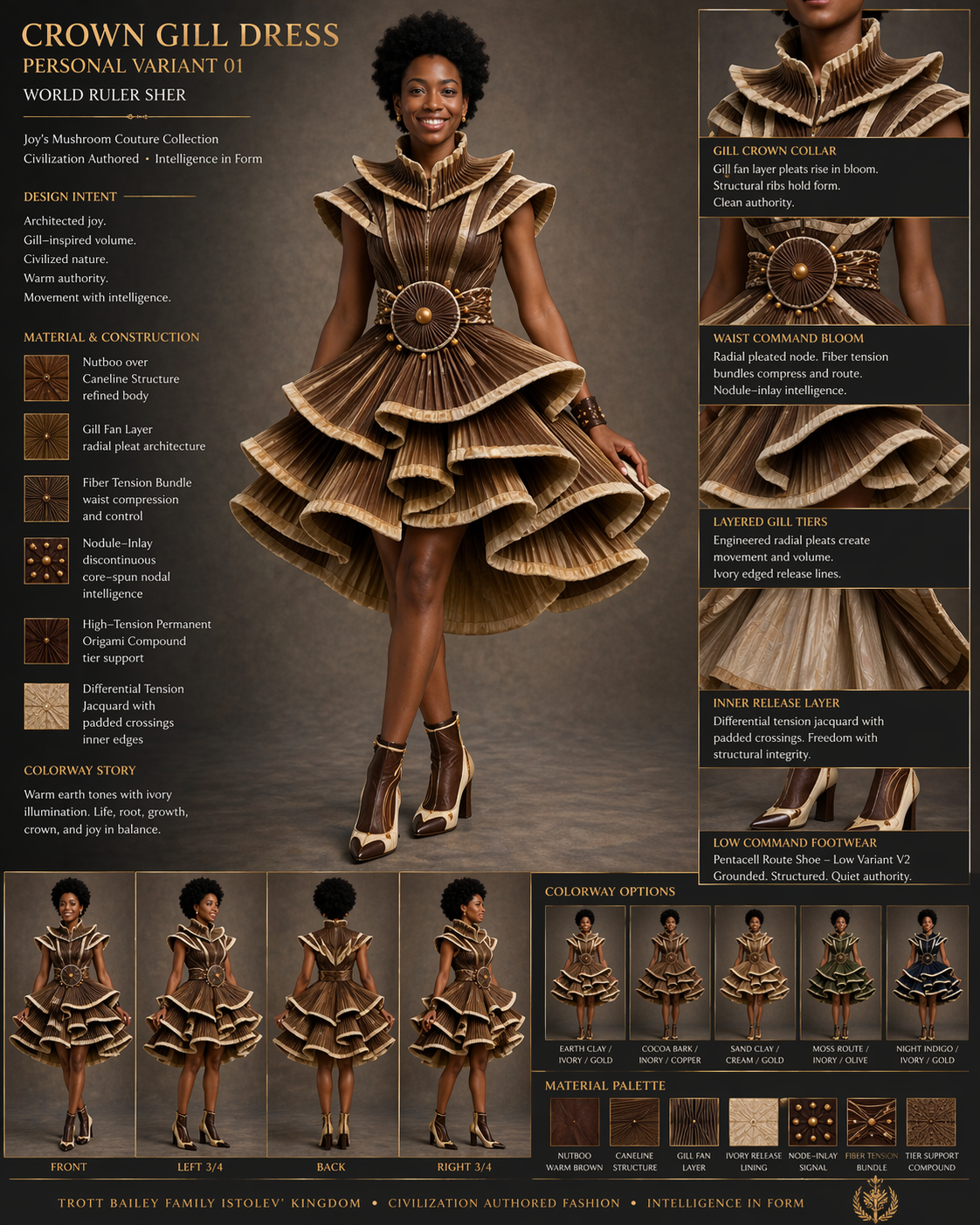
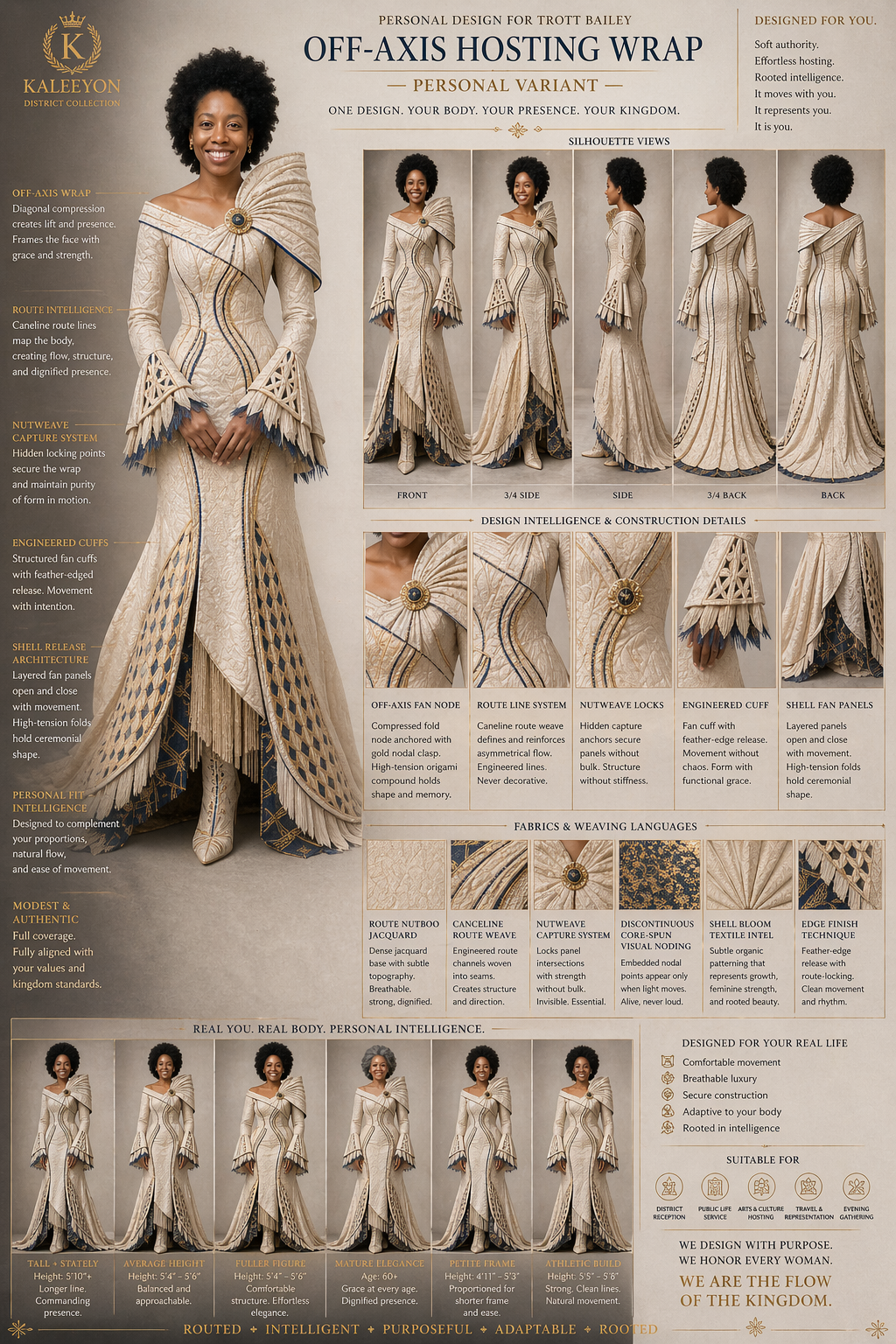
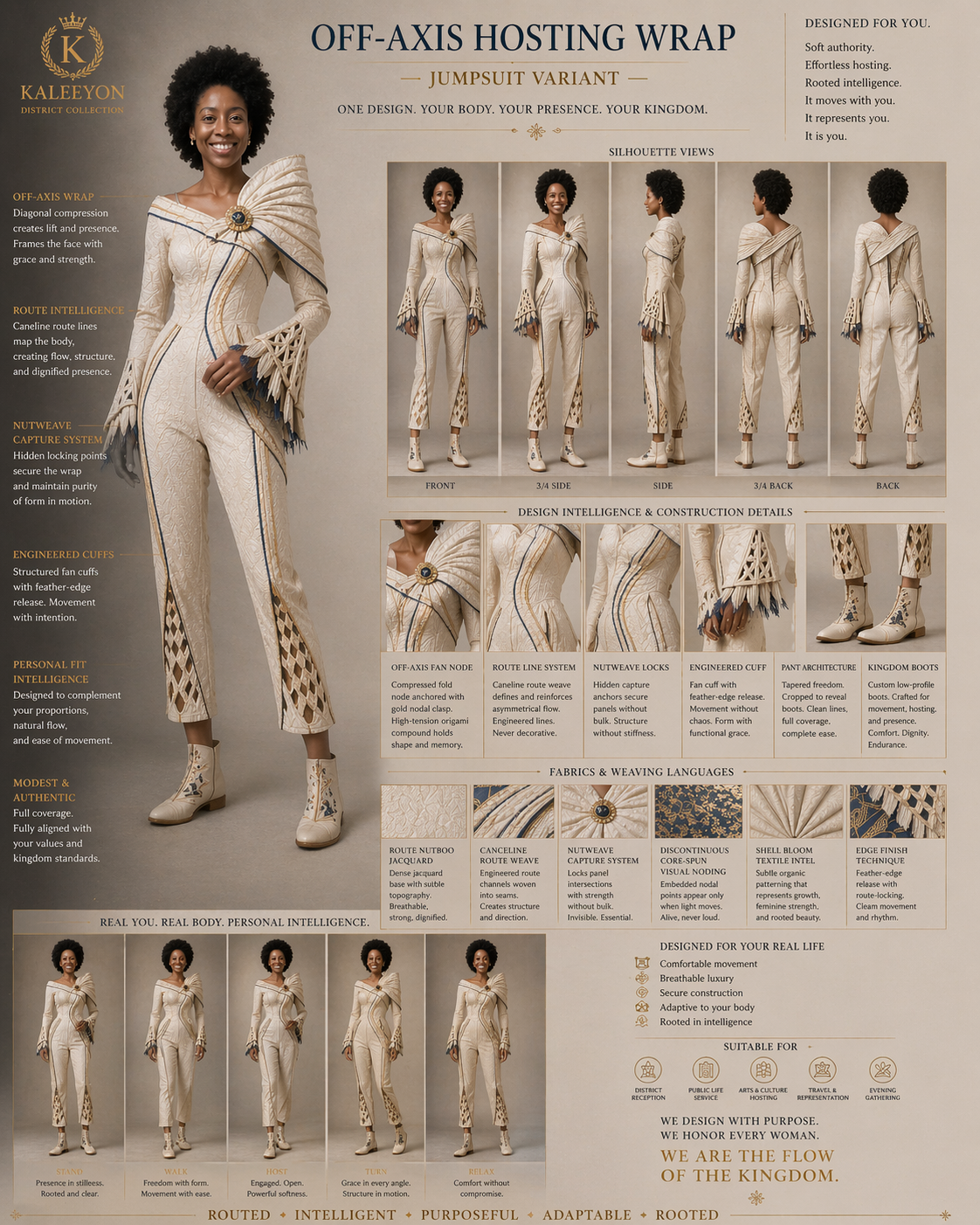
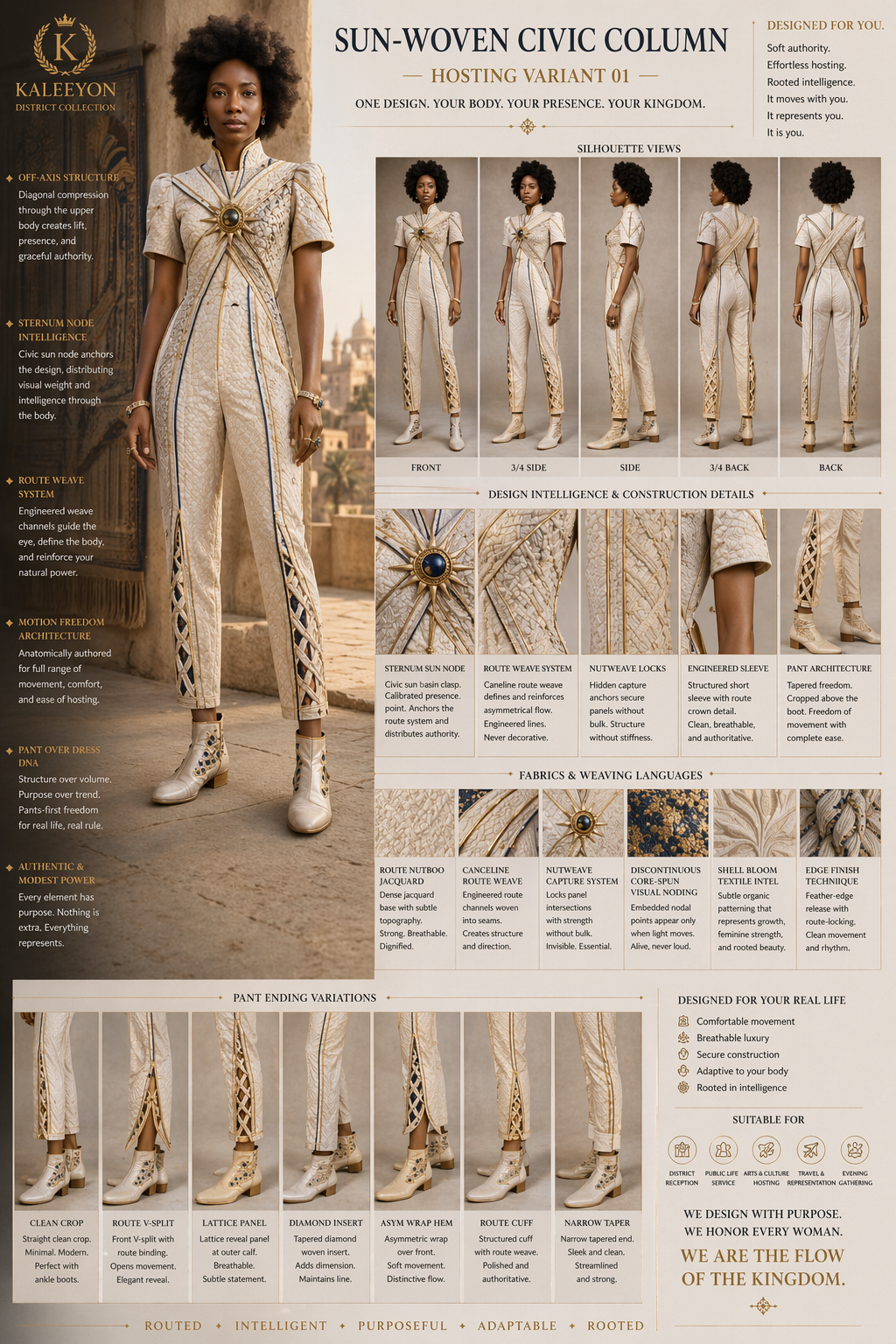
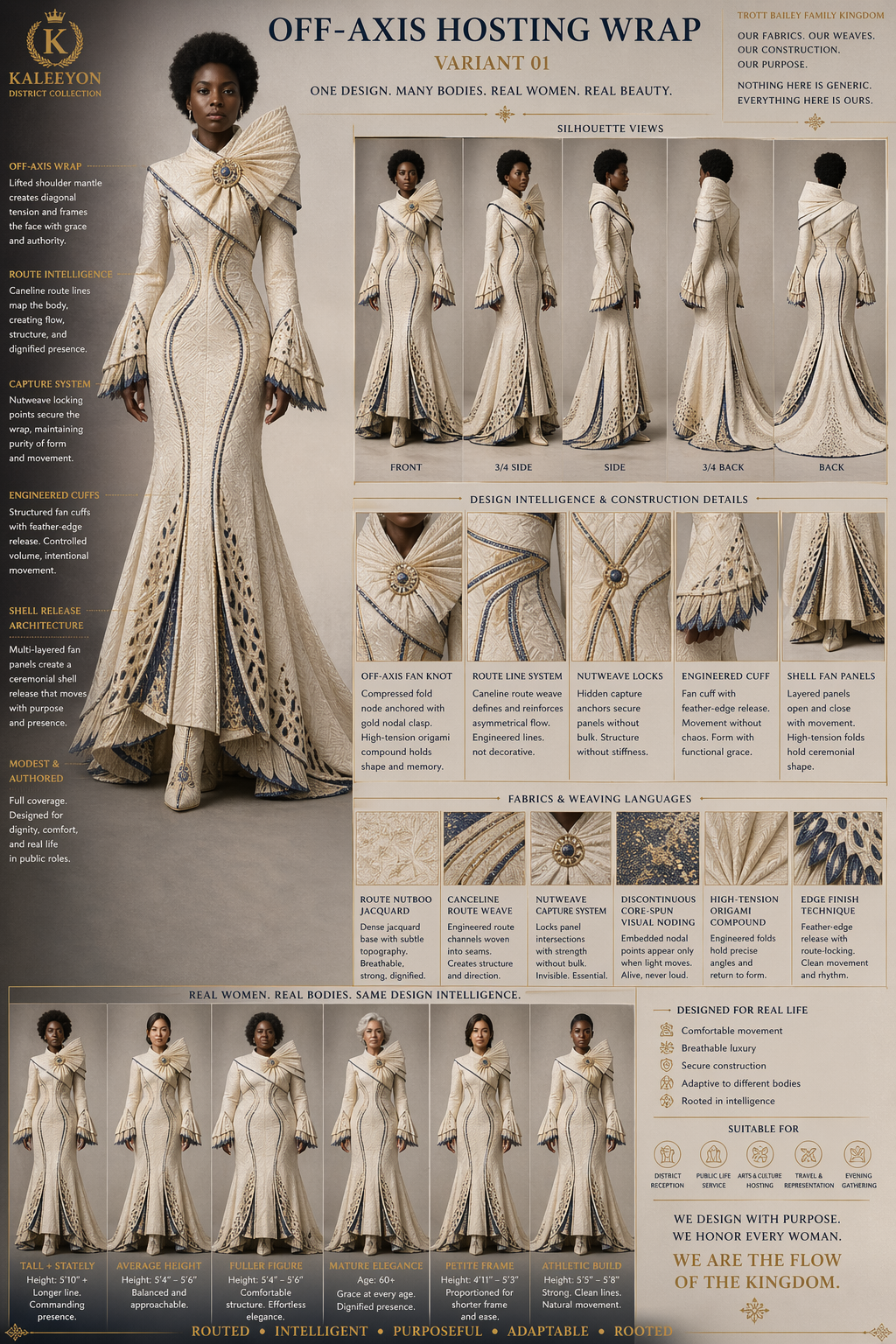
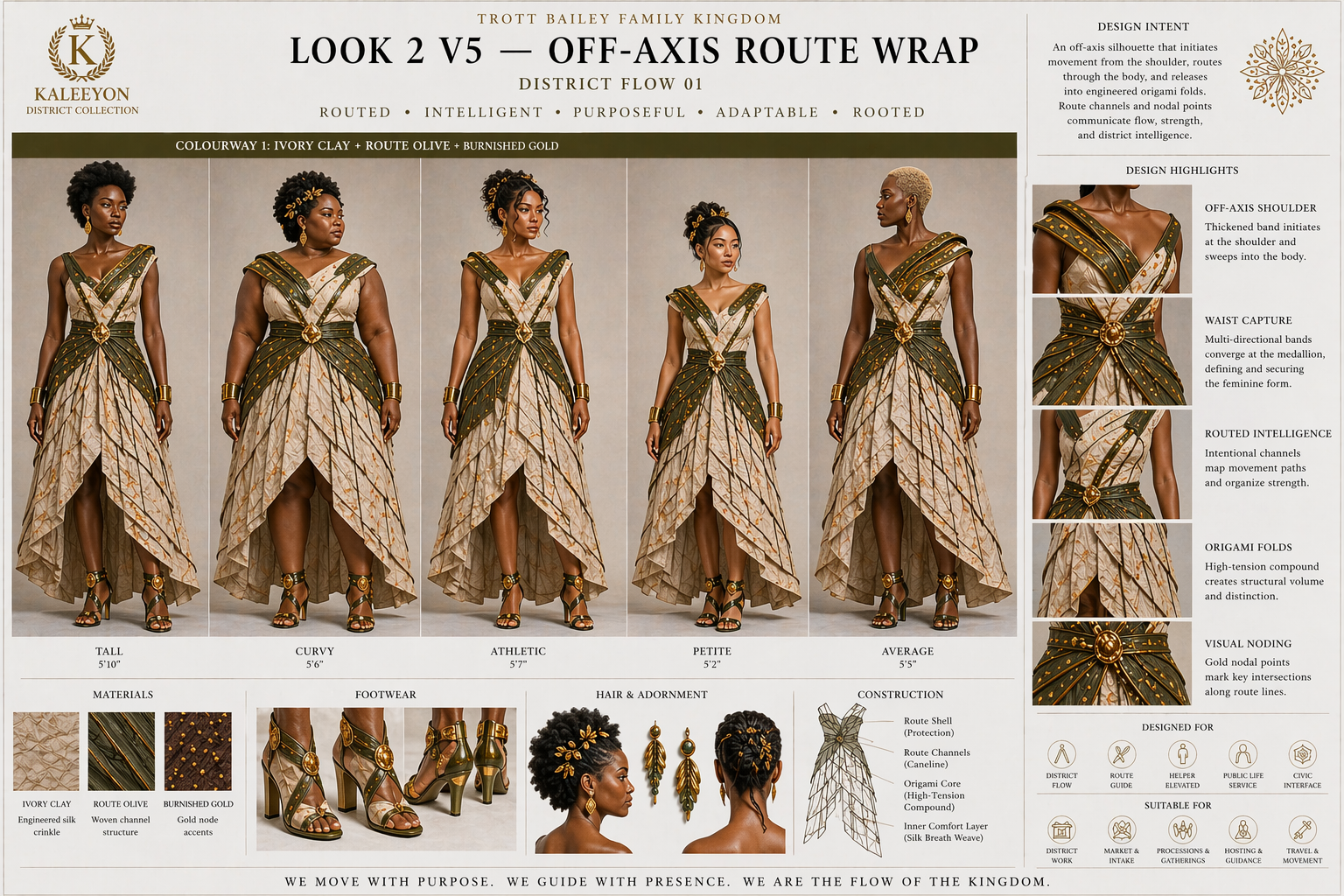
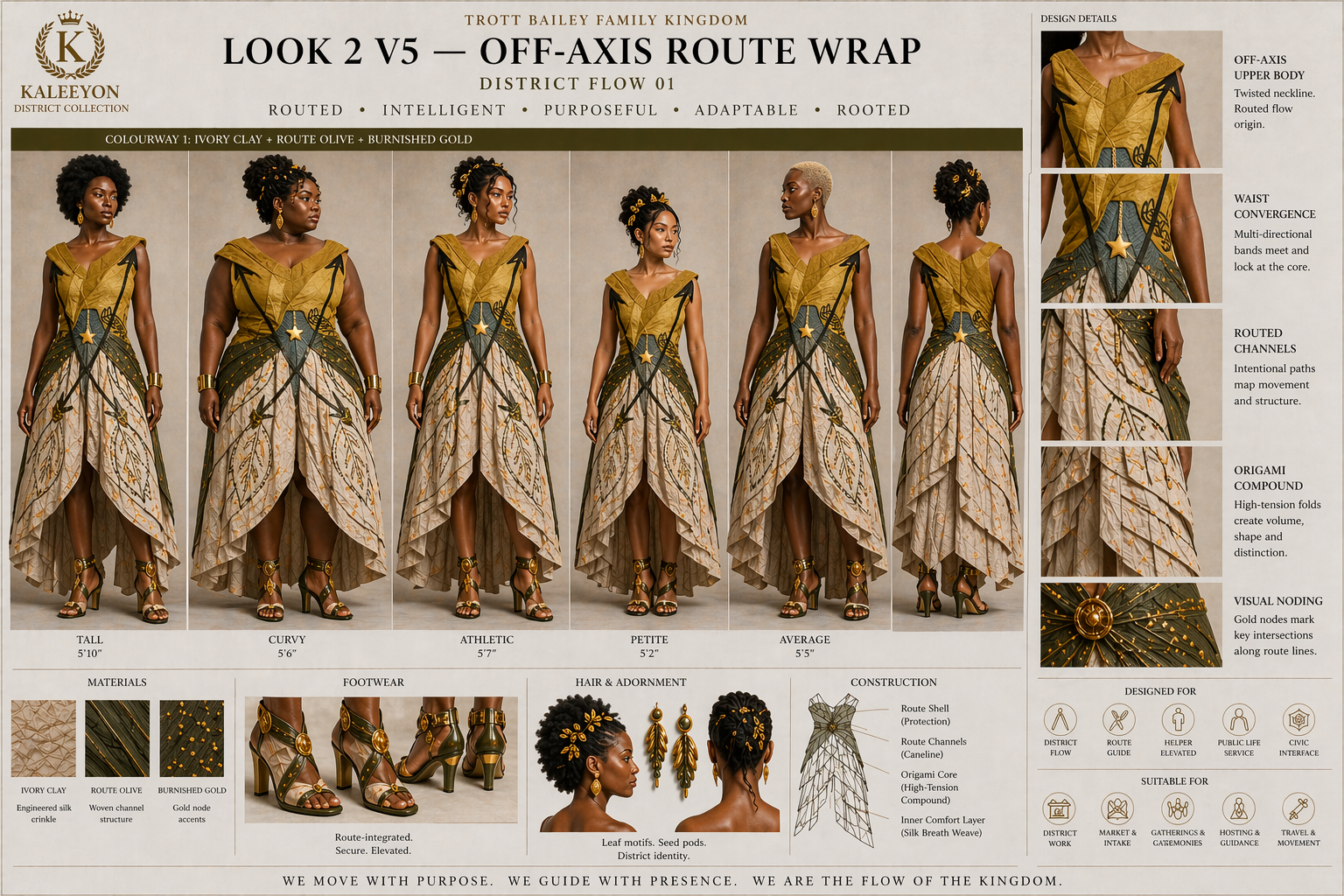
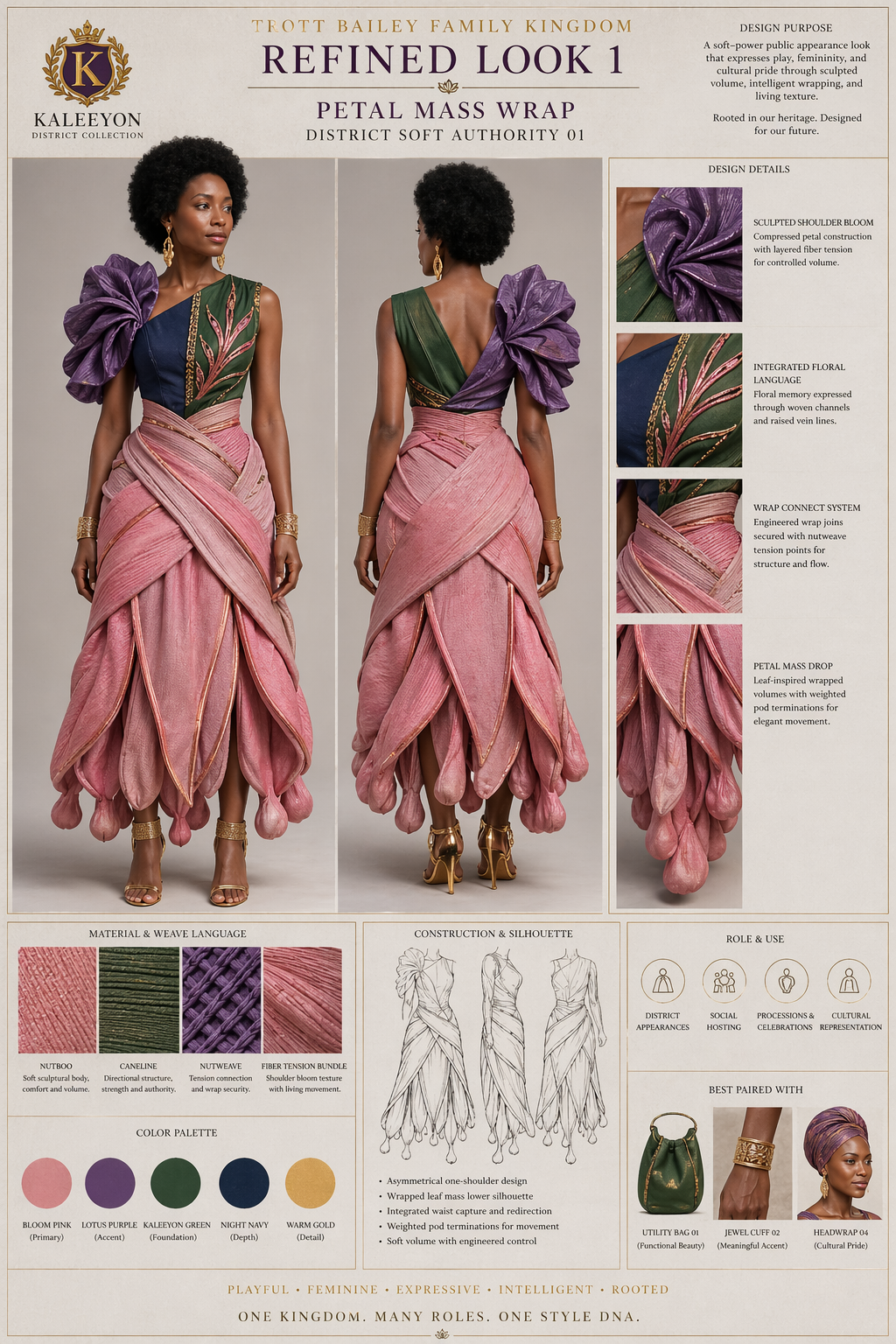
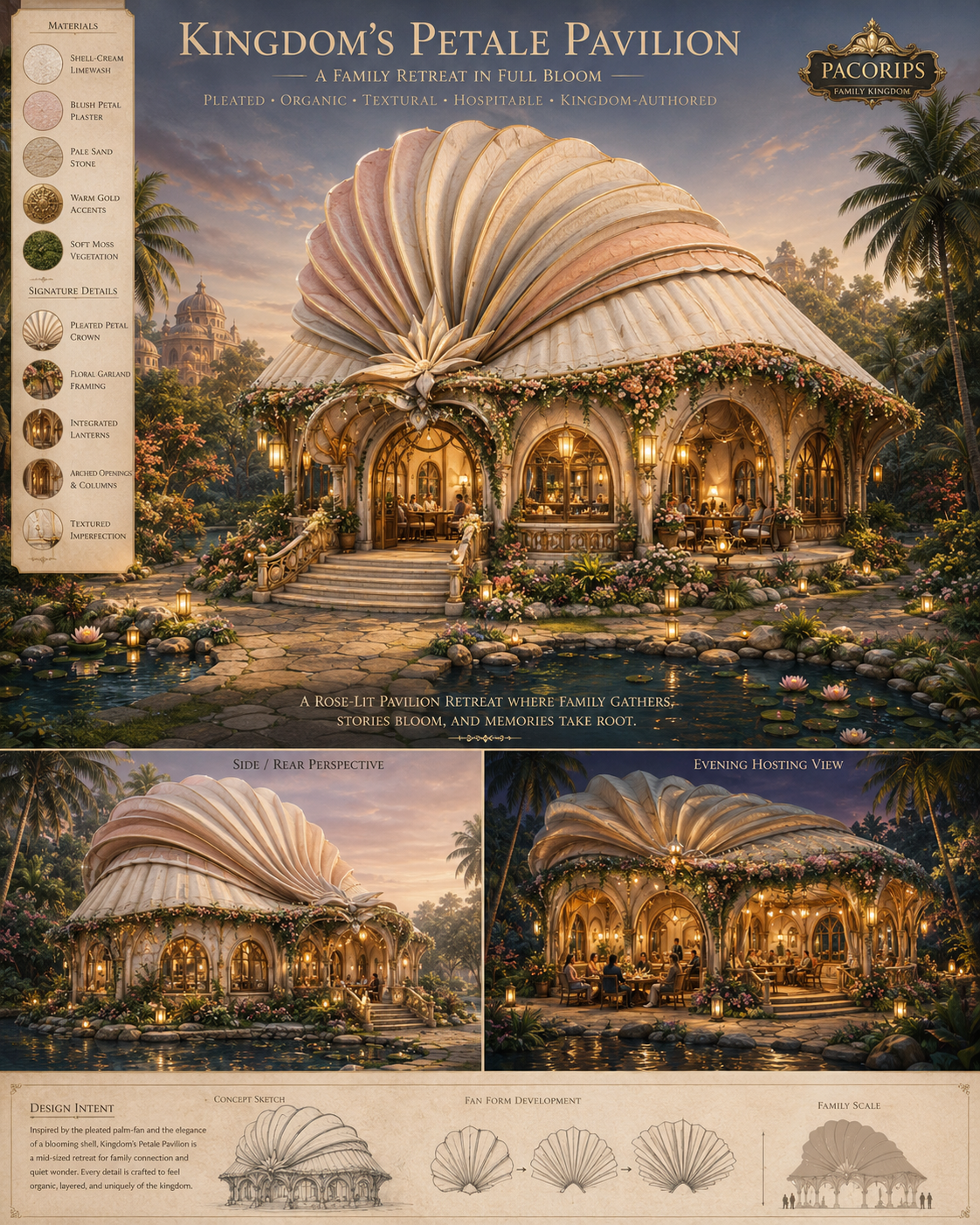
This is where new Sherika District garment silhouettes and designs specific to Sherika District are debuted to the families who live there.
This is different from kingdom-wide fashion shows held at Balushu.
Balushu carries the larger civilization-wide public fashion stage.
Sherika District carries something more intimate and district-specific.
World Ruler Sher loves fashion that is bold, striking, authored, expressive, and sometimes delightfully quirky.
Many residents who choose Sherika District share that appetite.
They want stronger silhouettes.
More unusual details.
More design conversation.
More opportunities to engage directly with the creative process.
So Sherika District residents cannot help themselves.
They find ways to have fashion events.
Families gather.
New silhouettes are displayed.
Fabrics are touched.
Craftsmanship is inspected.
Opinions are exchanged.
Questions are asked.
Ideas are debated.
Excitement spreads.
And something important happens that separates these events from many fashion experiences elsewhere.
The garments are real possibilities.
A family may attend a debut night, discover a silhouette they love, and begin a pathway toward ownership.
Through Pacorips—the kingdom’s digital coordination system used for scheduling, bookings, notifications, routing, and public-life organization—families can book consultations and begin entering the atelier system.
The atelier system is the network of garment-making spaces where clothing is fitted, refined, crafted, repaired, and brought into wearable life.
A silhouette displayed during a Sherika District Fashion Debut Night may begin its journey toward a family’s wardrobe shortly afterward.
That changes the feeling of the entire event.
People are not simply watching clothing.
They are participating in the life of clothing.
To a visitor, it may appear that the pavilion is hosting a fashion event.
In reality, it is hosting a conversation between authorship, craftsmanship, and community.
And the evening has only just begun.

Sherika District Fashions Event Nights
Behind the Beauty: Sherika District Fashion Debut Night
Part 2 — Fashion Debut Night
By the time the event begins, the excitement has already started spreading throughout Sherika District.
Families have discussed the upcoming debut for days.
Friends have exchanged messages.
Community groups have made plans to attend together.
Children have become curious about what might be revealed.
Nobody knows exactly what they are about to see.
That uncertainty is part of the attraction.
The district knows that World Ruler Sher has been creating.
The district knows new ideas are coming.
The district simply does not know what those ideas will look like until the evening arrives.
As families approach the Sherika District Events Pavilion, the atmosphere feels different from an ordinary district gathering.
There is movement.
There is conversation.
There is curiosity.
People arrive dressed thoughtfully.
Many attendees enjoy clothing themselves and understand that the event is as much about discussion as it is about viewing.
Inside the pavilion, guests begin circulating through the display areas.
This is not a rigid seating event.
It is not a traditional runway experience where people silently watch from a distance.
Movement is encouraged.
Exploration is encouraged.
Conversation is encouraged.
Families move through the pavilion at their own pace.
Groups gather around garments that attract attention.
Questions immediately begin.
How does this sleeve behave?
What inspired this silhouette?
How does this textile feel?
Would this work for district gatherings?
How does this garment move while walking?
Could this be adapted for different climates?
The evening becomes a living conversation.
One of the busiest areas is often the textile inspection section.
Families enjoy touching fabrics directly.
They compare weights.
They discuss textures.
They examine construction details.
They inspect stitching.
They debate preferences.
Some visitors become fascinated by structural details.
Others focus on comfort.
Others focus on beauty.
Others focus on practicality.
The event welcomes all of these perspectives.
Children participate as well.
Many young attendees enjoy seeing unusual silhouettes.
They point out favorite details.
They ask questions adults might never think to ask.
They notice unexpected things.
The event becomes a place where younger generations learn how to observe craftsmanship.
No formal lesson is required.
The learning happens naturally.
A child watches a parent inspect a garment.
A discussion begins.
Knowledge passes forward.
This is one reason the district values these events so highly.
They help preserve fashion literacy.
People learn to recognize quality.
People learn to appreciate construction.
People learn to discuss design thoughtfully.
People learn that clothing can be authored rather than merely purchased.
Throughout the evening, different garments naturally attract different audiences.
Some silhouettes generate immediate excitement.
Others create debate.
Some surprise attendees completely.
Others become instant favorites.
The conversations themselves become part of the event.
Nobody expects universal agreement.
In fact, strong opinions are often welcomed.
Discussion helps the district think.
Discussion helps the district learn.
Discussion helps the district participate.
As the evening progresses, one thing becomes increasingly clear.
People are not attending because they are being entertained.
They are attending because they are involved.
The event belongs to district life.
The event belongs to district culture.
The event belongs to district families.
And for some attendees, the next question is already beginning to form.
How can this garment become part of my life?
That question leads directly to the next stage of the story.










Behind the Beauty: Sherika District Fashion Debut Night
Part 3 — From Display To Atelier
For many visitors, the evening could end after the garment viewing.
They arrive.
They explore.
They inspect fabrics.
They discuss silhouettes.
They enjoy the atmosphere.
Then they return home.
That experience alone would already make Fashion Debut Night successful.
But Sherika District Fashion Debut Night was never designed to stop there.
As families move through the pavilion, certain garments naturally capture attention.
A silhouette feels right.
A textile feels remarkable.
A construction detail sparks curiosity.
A family begins imagining that garment as part of their own life.
That moment is important.
Because the kingdom has built systems that allow curiosity to become action.
Instead of ending with admiration, the process can continue into consultation, fitting, making, and ownership.
This transition is made possible through Pacorips.
Pacorips is the kingdom’s digital coordination system.
It helps organize bookings, appointments, notifications, routing, public facilities, maintenance requests, district scheduling, and many of the practical systems that allow civilization to operate smoothly.
During Fashion Debut Night, Pacorips quietly works in the background.
Not as the center of attention.
But as the organizing layer that allows thousands of small details to remain coordinated.
Throughout the pavilion, consultation stations are available for attendees who wish to learn more about a particular garment.
Some visitors simply have questions.
Others want to understand textile options.
Some are interested in comfort.
Others are curious about climate variations.
Many simply want to know whether a garment would suit their lifestyle.
Consultation stewards help guide these conversations.
Their role is not to pressure anyone into a decision.
Their role is to help families understand the possibilities available to them.
Sometimes the consultation lasts only a few minutes.
Sometimes it develops into a deeper conversation.
Either way, the family leaves with a clearer understanding of the garment.
For some attendees, the next step becomes obvious.
They would like to move forward.
At that point, Pacorips can begin routing them into the district atelier system.
An atelier is a garment-making environment where clothing is fitted, refined, crafted, altered, repaired, and maintained.
Rather than treating clothing as anonymous mass production, the atelier system treats garments as things worthy of care and attention.
Appointments can be scheduled.
Measurements can be taken.
Fittings can be organized.
Textile selections can be reviewed.
Construction variations can be discussed.
Future visits can be coordinated.
The process becomes personal.
Not because the kingdom wants clothing to feel exclusive.
But because clothing touches daily life.
The kingdom believes garments deserve more thought than simply pulling an item from a shelf and hoping for the best.
This changes how people experience Fashion Debut Night.
They are not merely observing design.
They are evaluating possibilities.
They are considering future ownership.
They are imagining how a garment may fit into their lives.
This also changes how designers think about public presentation.
The garment is not a temporary spectacle.
It is a real proposal.
A real possibility.
A real invitation.
The district understands this.
The families understand this.
And that understanding creates a very different atmosphere from conventional fashion events.
People look more carefully.
They ask more questions.
They inspect craftsmanship more closely.
They pay attention to details they might otherwise ignore.
Because they know the garment may eventually become part of their own lives.
Yet even this visible process tells only part of the story.
Behind every consultation table, every booking, every garment display, every textile sample, every lighting decision, and every scheduled appointment is a much larger ecosystem of people making the evening possible.
Most visitors never see that ecosystem directly.
But without it, Fashion Debut Night could not exist.
The next part of this article explores the many visible and invisible roles that transform a single evening of fashion into a functioning district institution.



Behind the Beauty: Sherika District Fashion Debut Night
Part 4 — The Roles Behind the Night
Visitors usually remember the garments.
They remember the silhouettes.
They remember the fabrics.
They remember the conversations.
They remember the excitement.
What most visitors do not remember is how many people were required to make the evening possible.
That is not because those people are unimportant.
It is because the event is functioning properly.
When civilization works well, much of its support becomes almost invisible.
This is one of the central ideas behind the Behind the Beauty series.
Beautiful things do not simply appear.
They are designed.
Built.
Maintained.
Organized.
Supported.
Improved.
Protected.
And every one of those actions creates meaningful contribution.
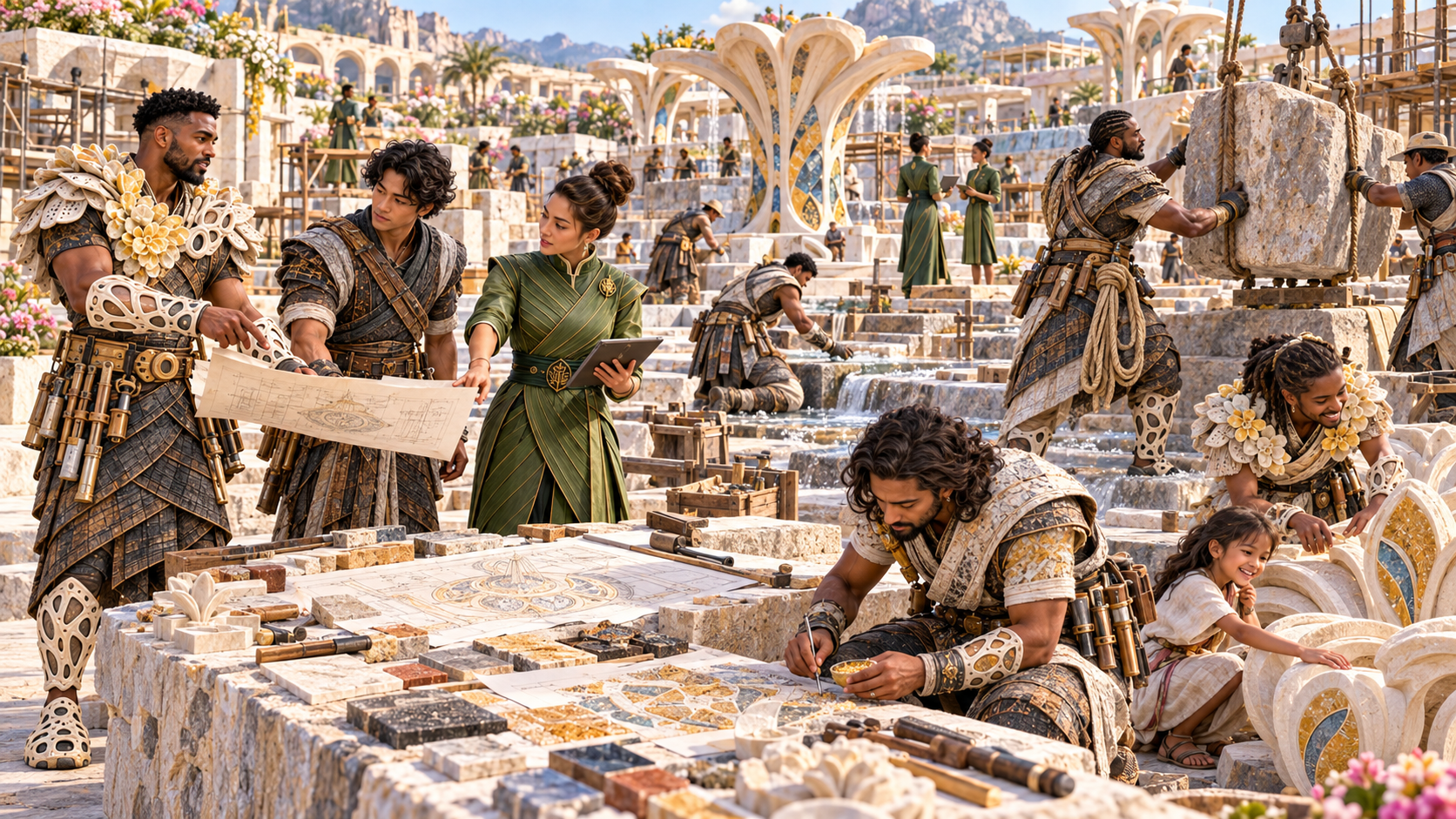
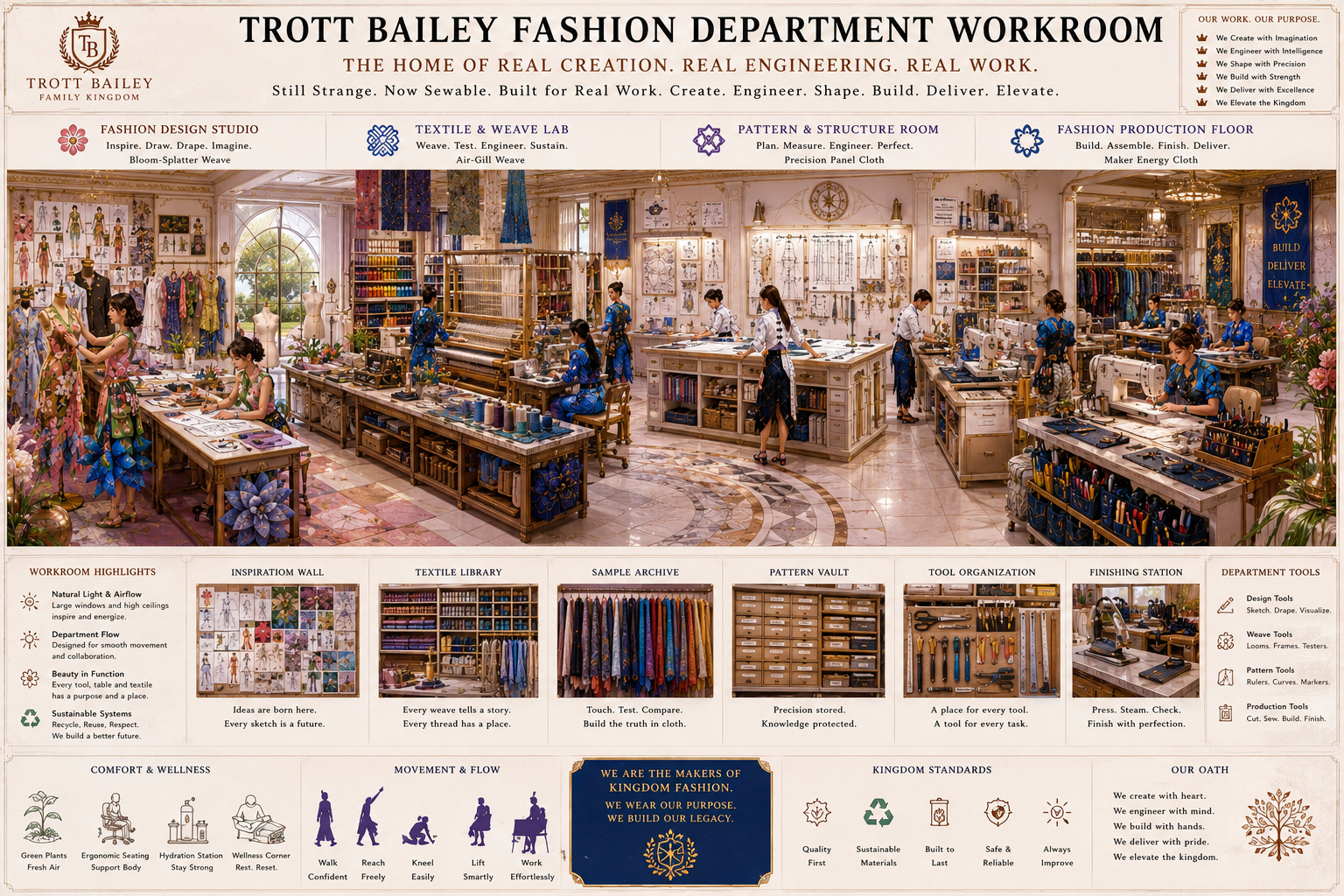
The Pavilion Construction Teams
Before there could be Fashion Debut Nights, there first had to be a pavilion.
Not a temporary event tent.
Not a rented convention center.
A permanent district institution.
That required entire teams of contributors.
Build the structure itself.
Translate district architectural language into buildable plans.
Ensure the pavilion remains strong, durable, and safe.
Design airflow, shade, cooling, and weather protection systems.
Create lighting systems suitable for exhibitions, gatherings, and presentations.
Connect the pavilion to surrounding district life.
Long before a single garment arrived, these people were already contributing.
The Event Preparation Teams
Once the building exists, every individual event requires preparation.
Garments must arrive.
Displays must be arranged.
Information must be prepared.
Circulation routes must be checked.
Visitor flow must be reviewed.
Nothing simply organizes itself.
Coordinate the overall setup of the evening.
Transport, protect, organize, and prepare displayed garments.
Prepare exhibition areas and presentation spaces.
Prepare fabric inspection stations and material displays.
Ensure garments can be viewed properly without damaging textiles.
Prepare garment descriptions, construction notes, and visitor materials.
The Public-Life Teams
Once families begin arriving, another layer becomes active.
These are the people most visitors actually interact with.
Help guests navigate the pavilion and answer questions.
Guide garment conversations and help visitors engage more deeply with the work.
Assist visitors exploring textile samples and construction details.
Help families participate comfortably throughout the evening.
Ensure the event remains welcoming to people with different needs and abilities.
These contributors help transform the pavilion from a building into a living district event.
The Pacorips Layer
Many attendees never directly see this layer.
But they benefit from it constantly.
Manage scheduling pathways and event organization.
Prepare consultation availability and booking pathways.
Connect interested families to future garment consultations and fittings.
Help ensure information reaches the right people at the right time.
Without this layer, much of the event would become confusing and difficult to scale.
The Service Shadow Layer
Perhaps the least visible contributors are those working within the Service Shadow.
The Service Shadow is not servant labor.
It is the protected support layer that keeps public beauty functioning.
Visitors rarely notice it.
That is often the sign that it is working properly.
Maintain cleanliness before, during, and after events.
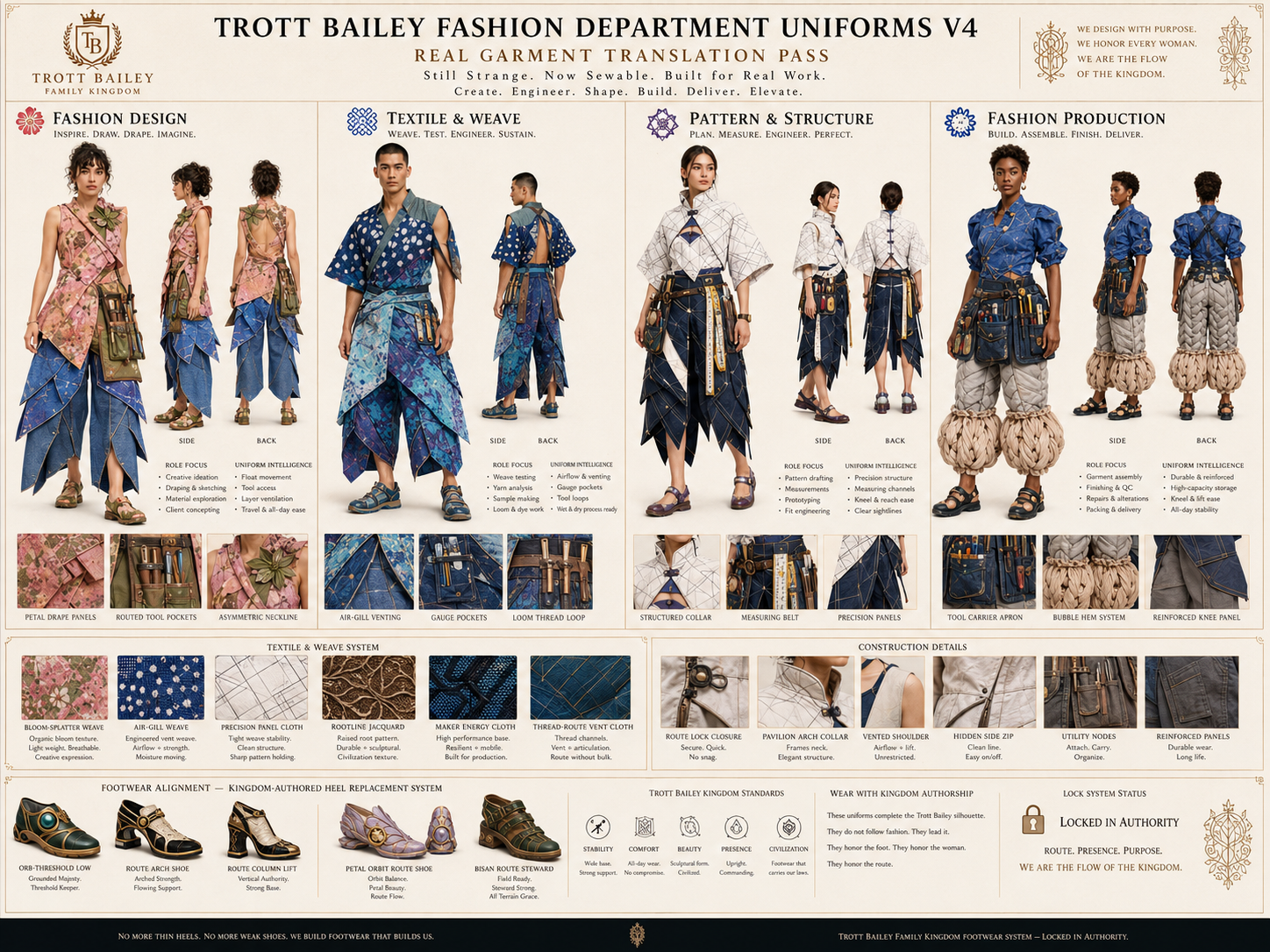
Inspect, clean, and maintain event rolewear.
Maintain food and beverage service systems.
Reset the pavilion after the event concludes.
Address wear, damage, and operational issues before they become problems.
Most guests never meet these contributors.
Yet the quality of the event depends heavily on their work.
The Real Lesson
A visitor might attend Sherika District Fashion Debut Night and believe they witnessed a fashion event.
That is understandable.
Fashion is the visible layer.
But beneath the visible layer sits an entire ecosystem of contribution.
Builders.
Maintainers.
Hosts.
Coordinators.
Organizers.
Repair teams.
Support teams.
Technology stewards.
Clean-return teams.
Consultation teams.
And many others.
This is why the Trott Bailey Family Civilization believes meaningful contribution expands as civilization deepens.
Every beautiful thing creates a larger ecosystem behind it.
And every one of those ecosystems creates opportunities for people to contribute meaningfully.

Behind the Beauty: Sherika District Fashion Debut Night
Part 5 — Why The Event Is Free
By the time a visitor reaches this point in the story, a reasonable question often appears.
The pavilion had to be designed.
The pavilion had to be built.
The pavilion has to be maintained.
The garments have to be prepared.
The displays have to be organized.
The consultation systems have to be coordinated.
The lighting has to work.
The cleaning has to happen.
The bookings have to be managed.
The event requires hundreds of people contributing in visible and invisible ways.
So the question becomes:
The answer reveals something important about how the kingdom thinks about public life.
Sherika District Fashion Debut Night is not treated as entertainment that must be purchased before participation becomes possible.
It is treated as district culture.
And district culture belongs to the people who live there.
The kingdom does not view every public gathering as a revenue opportunity.
Some gatherings exist because they strengthen community life.
Some gatherings exist because they strengthen participation.
Some gatherings exist because they strengthen cultural continuity.
Sherika District Fashion Debut Night falls into that category.
A common assumption in many places is that anything desirable must eventually be separated into tiers.
Premium access.
Priority access.
Exclusive access.
VIP access.
Sherika District takes a different approach.
The district wants families participating.
The district wants discussion happening.
The district wants craftsmanship being examined.
The district wants clothing literacy growing.
The district wants culture circulating.
Creating financial barriers to participation works against those goals.
That does not mean organization disappears.
The pavilion still has limits.
There are only so many seats.
Only so much space.
Only so many consultation opportunities available during a single evening.
The kingdom still needs a fair method of managing attendance.
That method is simple.
Families reserve attendance through Pacorips.
Once capacity is reached, additional bookings move to future opportunities.
The process remains orderly.
The process remains transparent.
The process remains fair.
Most importantly, access is not determined by wealth.
The district does not want the best seats filled by whoever spends the most money.
The district wants the event filled by people who genuinely want to participate.
This principle extends beyond fashion.
Many kingdom spaces operate from the belief that public life becomes healthier when ordinary families are able to participate directly.
The goal is not to create spectators.
The goal is to create participants.
Fashion Debut Night demonstrates this clearly.
A family attending the event may inspect textiles.
Discuss garments.
Share opinions.
Meet neighbors.
Learn new things.
Book consultations.
Enter atelier pathways.
And help shape the cultural life of the district itself.
All of those outcomes become more difficult when participation is treated primarily as a transaction.
The kingdom therefore chooses a different route.
The event remains organized.
The event remains scheduled.
The event remains coordinated.
But access remains open.
Because the district views the evening as belonging to district life rather than belonging to a marketplace.
This approach also changes the atmosphere inside the pavilion.
Visitors do not feel like customers purchasing a product.
They feel like members of a living community gathering around something they collectively care about.
That distinction matters.
It changes how people behave.
It changes how people contribute.
It changes how people think about the event.
And ultimately, it changes how culture grows.
The result is a fashion event that feels less like a commercial transaction and more like a public celebration of authorship, craftsmanship, conversation, and community.
And that may be the most important difference of all.
Behind the Beauty: Sherika District Fashion Debut Night
Part 6 — What The Pavilion Is Really Producing
At first glance, the answer seems obvious.
The pavilion is producing fashion events.
Garments are displayed.
Families arrive.
Conversations happen.
Consultations are booked.
Fashion Debut Night takes place.
Case closed.
Or so it appears.
But one of the goals of the Behind the Beauty series is to look beyond the visible layer.
The visible layer matters.
The visible layer is beautiful.
The visible layer attracts attention.
Yet civilization is rarely defined by the visible layer alone.
Civilization is often defined by what beautiful things quietly produce beneath the surface.
It Produces Participation
A family does not attend Sherika District Fashion Debut Night merely to observe.
They participate.
They inspect.
They discuss.
They question.
They compare opinions.
They contribute observations.
They become part of the event itself.
The pavilion creates opportunities for participation that would not otherwise exist.
Without the pavilion, much of that interaction disappears.
People remain isolated.
Conversations remain private.
Ideas circulate less freely.
The pavilion therefore produces participation.
It Produces Fashion Literacy
Many people assume clothing is something a person either likes or dislikes.
Sherika District encourages a deeper relationship with clothing.
Residents learn to evaluate textiles.
They learn to notice craftsmanship.
They learn to recognize construction quality.
They learn to appreciate authorship.
They learn how garments are made.
Children observe these conversations.
Teenagers observe these conversations.
New residents observe these conversations.
Knowledge circulates naturally.
No classroom is required.
The district teaches through participation.
It Produces Community Memory
Every district develops stories.
A silhouette that surprised everyone.
A textile people debated for weeks.
A garment that became unexpectedly popular.
A design detail children could not stop talking about.
A Fashion Debut Night that residents still remember years later.
These memories become part of district culture.
They become shared reference points.
People remember where they were.
Who they attended with.
What excited them.
What sparked discussion.
The pavilion helps create those collective experiences.
It Produces District Identity
Sherika District is not identical to every other district.
Nor should it be.
Different districts naturally develop different personalities.
Sherika District became known for a stronger interest in fashion because of the influence of World Ruler Sher and because many residents share that enthusiasm.
Fashion Debut Night reinforces that identity.
The event reminds residents what makes the district distinctive.
The district is not merely a location.
It is a culture.
It is a collection of preferences.
It is a way of participating in public life.
The pavilion helps preserve that identity across generations.
It Produces Future Work
One of the most interesting things produced by the pavilion is work itself.
Not busy work.
Meaningful work.
A garment displayed during Fashion Debut Night may create consultations.
Consultations may create atelier appointments.
Appointments may create fittings.
Fittings may create garment production.
Garment production may create future repairs, refreshes, alterations, and maintenance.
One evening can activate entire networks of contribution.
Not because work is being invented artificially.
Because people genuinely value what is being created.
It Produces Cultural Continuity
Perhaps most importantly, the pavilion helps culture survive.
Without places where culture can be experienced together, culture gradually weakens.
It becomes fragmented.
Private.
Difficult to pass forward.
The pavilion creates a recurring place where district culture becomes visible.
People gather.
Ideas circulate.
Traditions continue.
New ideas emerge.
Older ideas are remembered.
The district remains culturally alive.
This may be the pavilion’s most important contribution of all.
The Real Product
A visitor may walk through the pavilion and believe they attended a fashion event.
That conclusion would not be wrong.
Fashion was certainly present.
Beautiful garments were certainly displayed.
Craftsmanship was certainly celebrated.
Yet the deeper story is larger.
The pavilion produced participation.
The pavilion produced learning.
The pavilion produced conversation.
The pavilion produced community memory.
The pavilion produced district identity.
The pavilion produced future contribution.
The pavilion produced cultural continuity.
And perhaps that is why Sherika District continues investing in these gatherings.
Because what appears to be a fashion event is actually helping sustain an entire way of life.
That is the deeper beauty hidden inside Sherika District Fashion Debut Night.
-
World Ruler Sher’s Own Inner Directions
World Ruler Sher’s Own Inner Directions A Record of Emerging Directions in the Authorship of Trott Bailey Family Civilization September 18, 2026 A Record, Not a Finished Rulebook World Ruler Sher’s Own Inner Directions records ideas that have emerged through the actual work of authoring Trott Bailey Family Civilization. They were not all decided beforehand.…
-

Small Island Abundance Theory
Who Will Inherit the Island? | Trott Bailey Family ✦ Trott Bailey Family • Abundance Theory Who Will Inherit the Island? A family test for small-island prosperity: if we are building the future, are families actually becoming more able to live, grow, love and remain? By Sherika Trott Bailey & Kimroy Bailey•Trott Bailey Family A…
-

The Trott Bailey Family Civilization will be built
The Trott Bailey Family Civilization Will Be Built Trott Bailey Family Civilization The Trott Bailey Family Civilization Will Be Built World Ruler Sher has already authored the standard. The visuals are the floor. The Trott Bailey Family Civilization is not waiting for the world to agree. It is not waiting for institutions to approve it.…



 and then