
Food Department Constitutional Layer
Food Department Constitutional Layer
A clean governing record on reliable nourishment, food security, reduced desperation, family stability, human capability, and Life Upon Life.
Purpose Of This Record
This record does not replace the full Mind’s Eye discovery record. The Mind’s Eye record preserves the reasoning path. This constitutional layer preserves the governing clarity that can be reused later.
Use this record when translating the Food Department into systems, public articles, household practices, agriculture links, storage policies, apprenticeship pathways, building requirements, garment systems, or future department structures.
1. Surface Misunderstanding
The Food Department can easily be misunderstood as a department that simply provides food.
That is too shallow.
Providing food is operational. It describes one activity. It does not explain the deeper reason the department exists.
2. Constitutional Purpose
The Food Department exists to help ensure that individuals, families, and communities are reliably nourished.
Reliable nourishment matters because hungry, undernourished, or food-insecure people are more likely to be forced into emergency thinking. When food becomes uncertain, families spend more of their energy trying to survive the immediate problem. Long-term growth becomes harder.
3. The Failure Being Prevented
Food failure is not only starvation. Starvation is one extreme form. Food failure can appear in several ways.
Hunger
People do not have enough food to meet basic survival needs.
Poor Nourishment
Food exists, but it does not support strong bodies, energy, growth, recovery, or health.
Unreliable Access
Families cannot trust that food will be available consistently.
Food Dependency
People rely on food systems they cannot influence, understand, maintain, repair, or replace.
Loss Of Food Knowledge
People forget how to grow, prepare, preserve, store, cook, or judge food quality.
Social Instability
When food becomes unreliable, desperation can spread through families, communities, and public life.
The Desperation Discovery
Before food becomes culture, hospitality, celebration, flourishing, or capability, food is one of the things preventing desperation.
A hungry person thinks differently from a fed person. A desperate family thinks differently from a stable family. A food-insecure community thinks differently from a food-secure community.
This does not mean hungry people are morally weaker. It means desperation changes the conditions under which people are forced to make decisions.
4. Realities The Food Department Stewards
Biological Reality
Human bodies require nourishment for survival, growth, healing, energy, and development.
Time Reality
People need food repeatedly. Harvest may happen now, but need continues daily.
Freshness Reality
Food quality changes over time. Some food spoils, some loses value, and some requires preservation.
Capability Reality
Nourished people are better able to learn, work, parent, create, repair, govern, and contribute.
Family Reality
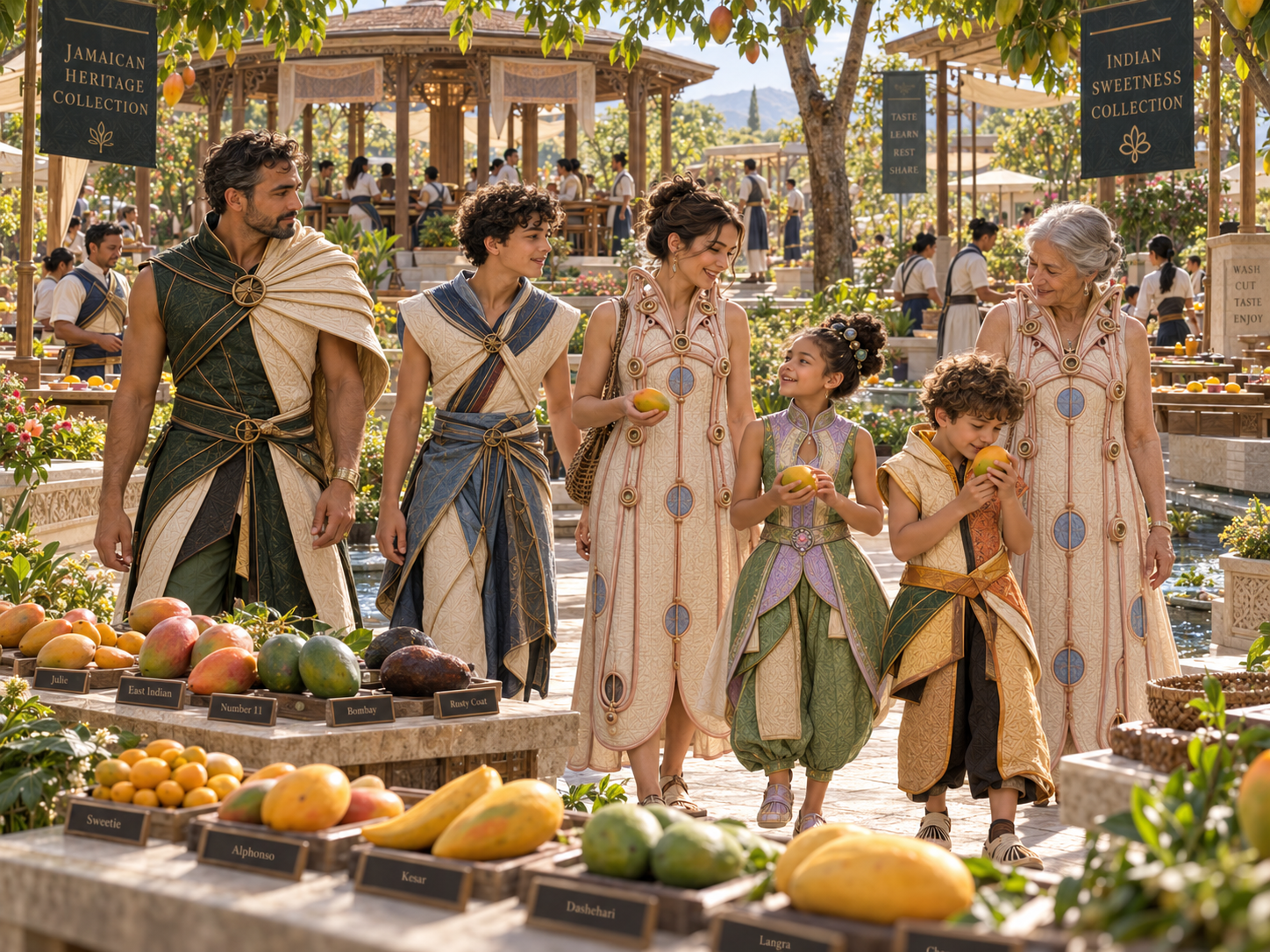
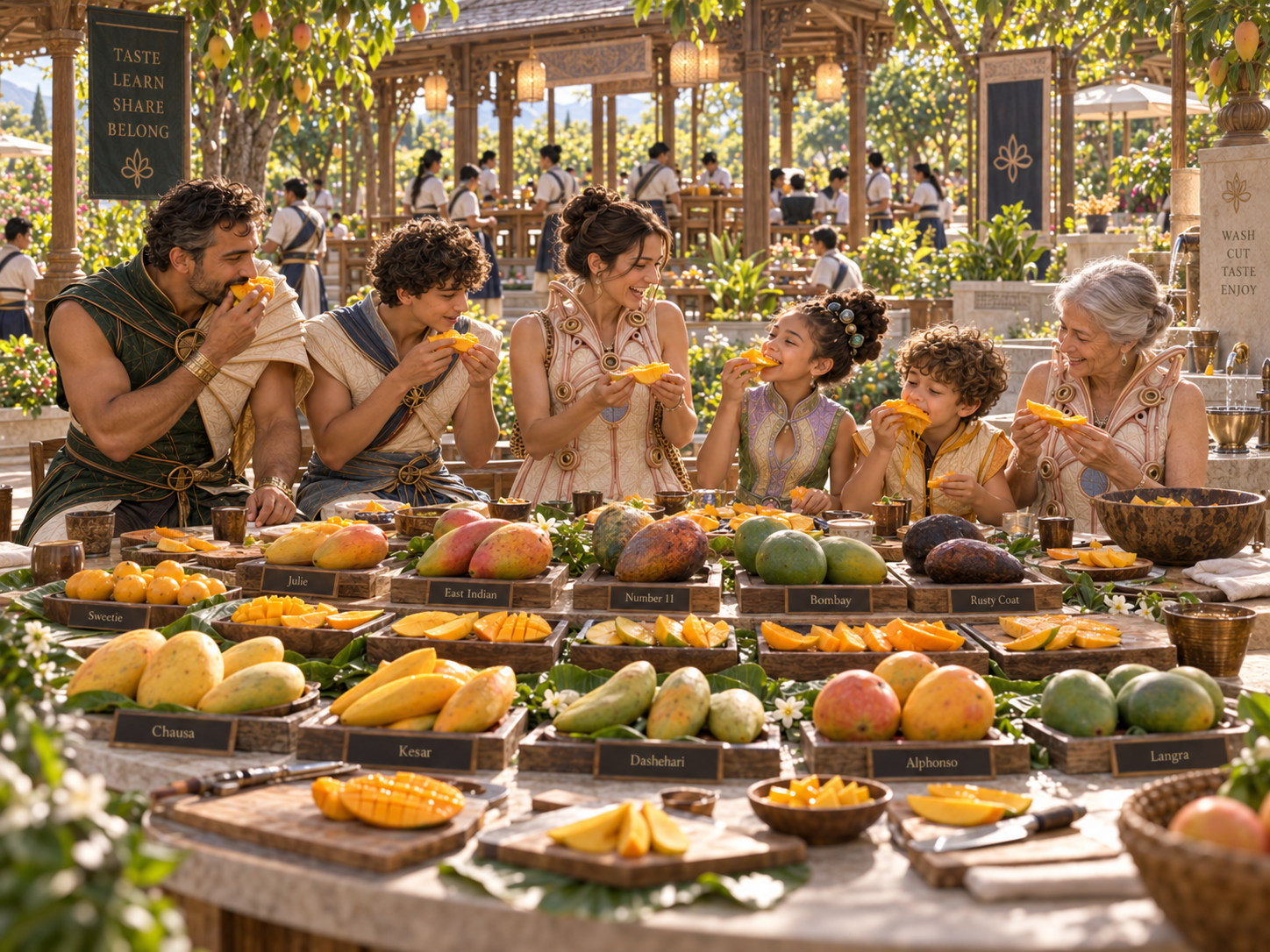
Food enters family life through meals, care, teaching, routine, hosting, and memory.
Security Reality
Reliable food access reduces panic, desperation, dependency, and social instability.
5. Food Is The Vehicle, Nourishment Is The Deeper Concern
Food is visible. Nourishment is what food is supposed to accomplish inside life.
A civilization can have food while still failing to nourish people well. This happens when food is present but poor in quality, poor in freshness, unreliable, badly prepared, disconnected from health, or unable to support strong bodies.
6. Food Security And Social Stability
Food security matters because it changes the pressure people live under.
When food is unreliable, people are pulled toward immediate survival. When food is more reliable, people have more room to think about children, learning, family life, community improvement, business, invention, stewardship, and the future.
Life Upon Life
A weak civilization creates problem upon problem. A struggling civilization creates emergency upon emergency. A failing civilization creates desperation upon desperation.
A strong civilization creates Life Upon Life.
This means that one layer of stability helps create the next layer of growth. Food security helps families breathe. Stable families can raise children with more attention. Capable children become stronger adults. Stronger adults improve the community. Improved communities give the next generation a better starting point.
7. Responsibilities Of The Food Department
Prevent Hunger
Reduce the chance that people are forced into desperation because food is unavailable.
Protect Nourishment
Support access to food that helps bodies grow, heal, think, work, recover, and develop.
Strengthen Food Security
Ensure food access remains reliable during ordinary days and disruptions.
Preserve Food Knowledge
Protect knowledge of growing, cooking, storing, preserving, preparing, and judging food quality.
Reduce Dangerous Dependency
Build enough local and household food capability that people are not helpless when outside systems fail.
Support Family Life
Recognize food as care, teaching, hospitality, daily rhythm, and family stability.
Coordinate With Agriculture
Work with cultivation systems so food production supports nourishment, freshness, and resilience.
Coordinate With Health
Recognize that food quality, food safety, and nutrition affect disease, strength, recovery, and long-term capability.
8. Relationship To Other Departments
Water Department
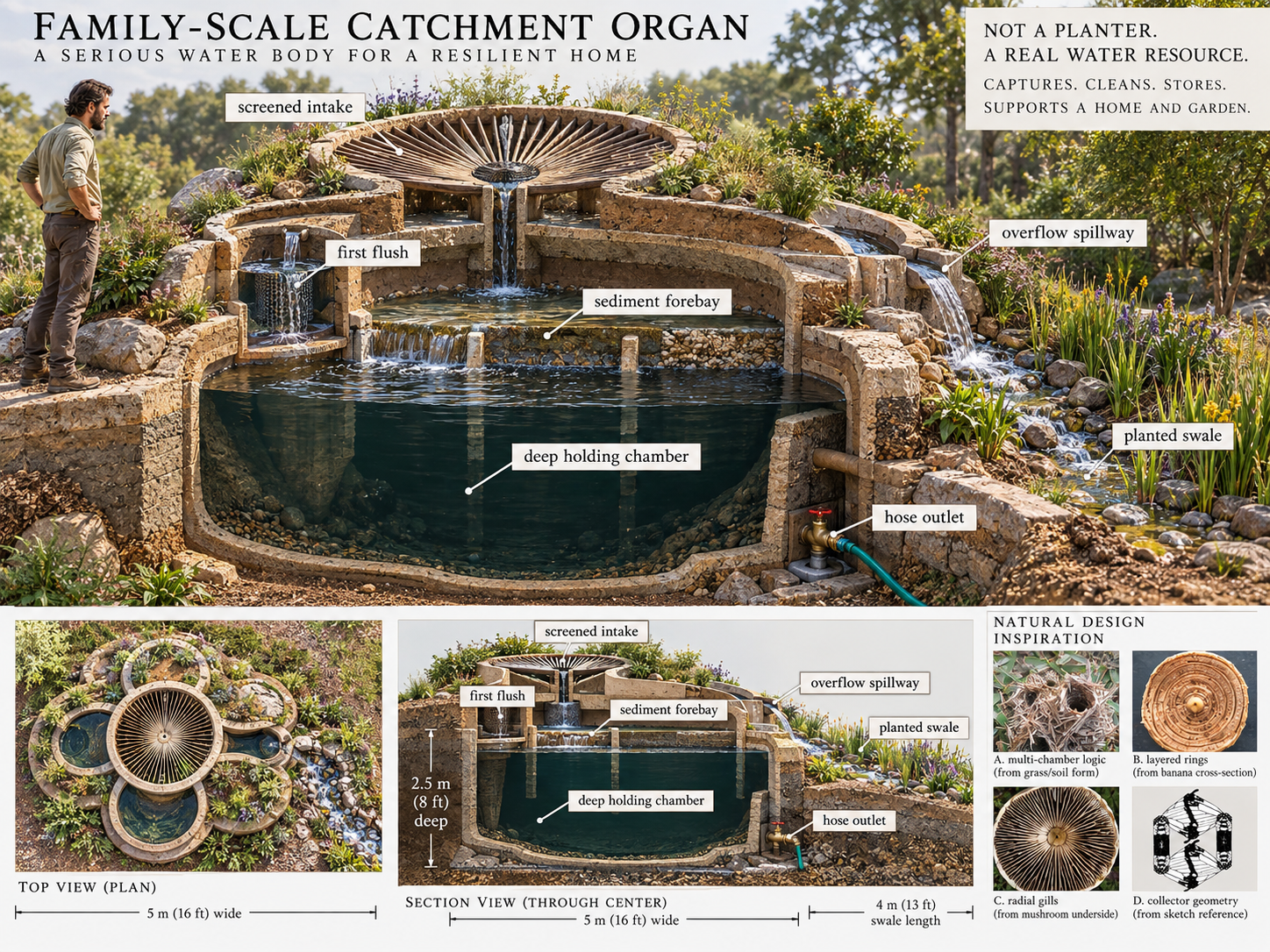
Food production, cooking, hygiene, livestock, gardens, and preservation all depend on reliable water.
Agriculture Department
Agriculture transforms soil, water, sunlight, labor, and biological growth into food supply.
Health Department
Health is weakened when nourishment is poor, unreliable, unsafe, or disconnected from bodily needs.
Family Development
Meals, cooking, feeding children, hosting, and food routines shape family stability and care.
Child Development
Children need nourishment for growth, learning, play, emotional steadiness, and capability development.
Hospitality Department
Food is one of the most common ways care, welcome, respect, and relationship are expressed.
Repair Department
Food systems depend on working tools, storage systems, cooking equipment, preservation equipment, and transport systems.
Capability Development
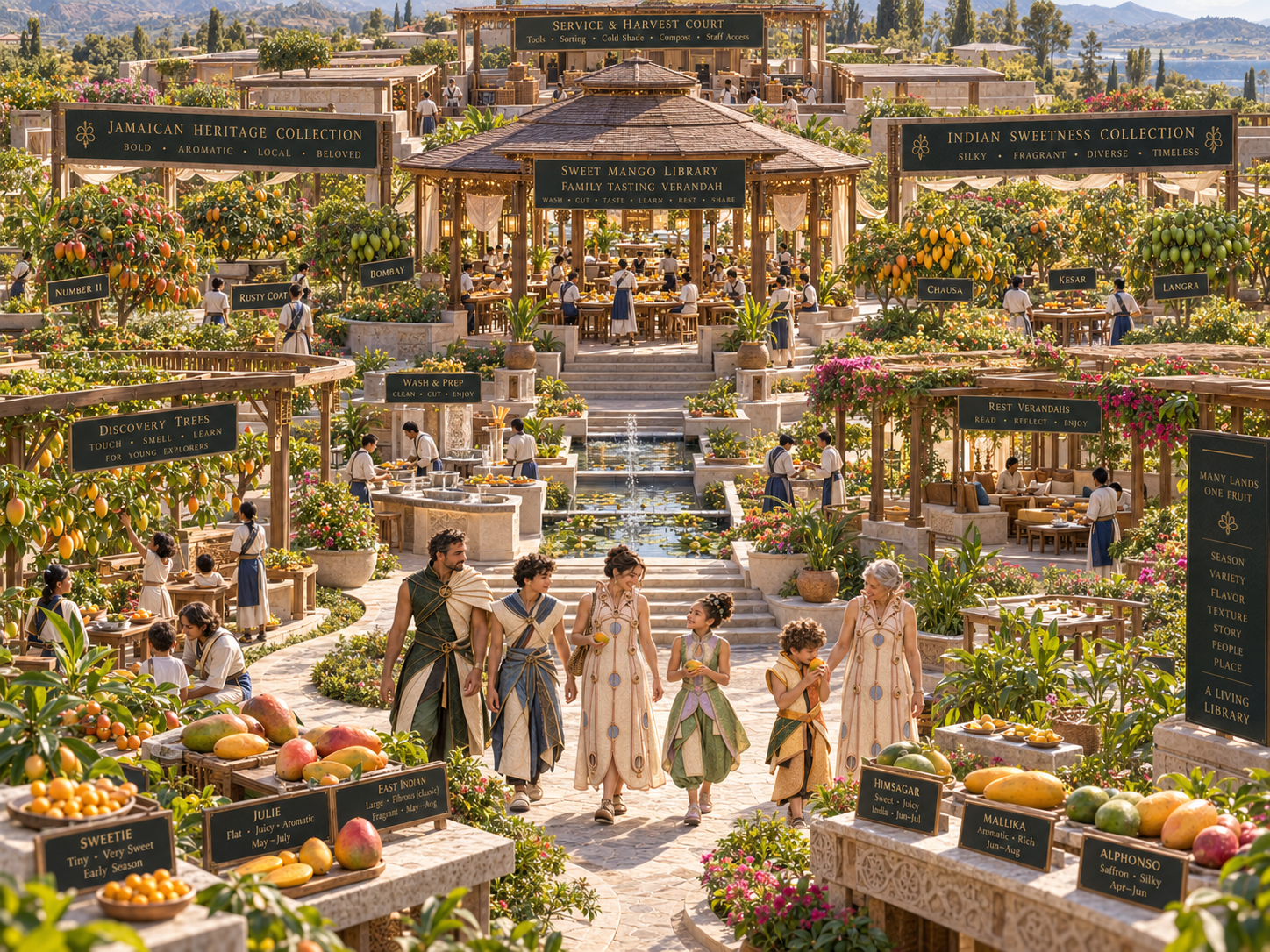
Food knowledge must be taught, practiced, preserved, and passed on across generations.
9. Citizen Capability
The Food Department cannot succeed if ordinary people are completely disconnected from food. A civilization should help its people understand enough about food to participate responsibly.
Every child should gradually learn:
- Where food comes from.
- Why food quality matters.
- How food spoils.
- How food is preserved.
- How meals are prepared.
- How food affects strength, growth, mood, energy, and health.
- Why backup food systems matter.
- Why food should not be wasted carelessly.
- Why feeding people is one of the basic responsibilities of family and civilization.
10. Anti-Drift Rule
Do not reduce the Food Department to restaurants, supermarkets, kitchens, farming, diets, food trends, culinary aesthetics, or food entertainment.
Those may exist inside the civilization, but they are not the constitutional layer.



 and then