
The Market Is Not a Parent
The Market Is Not a Parent
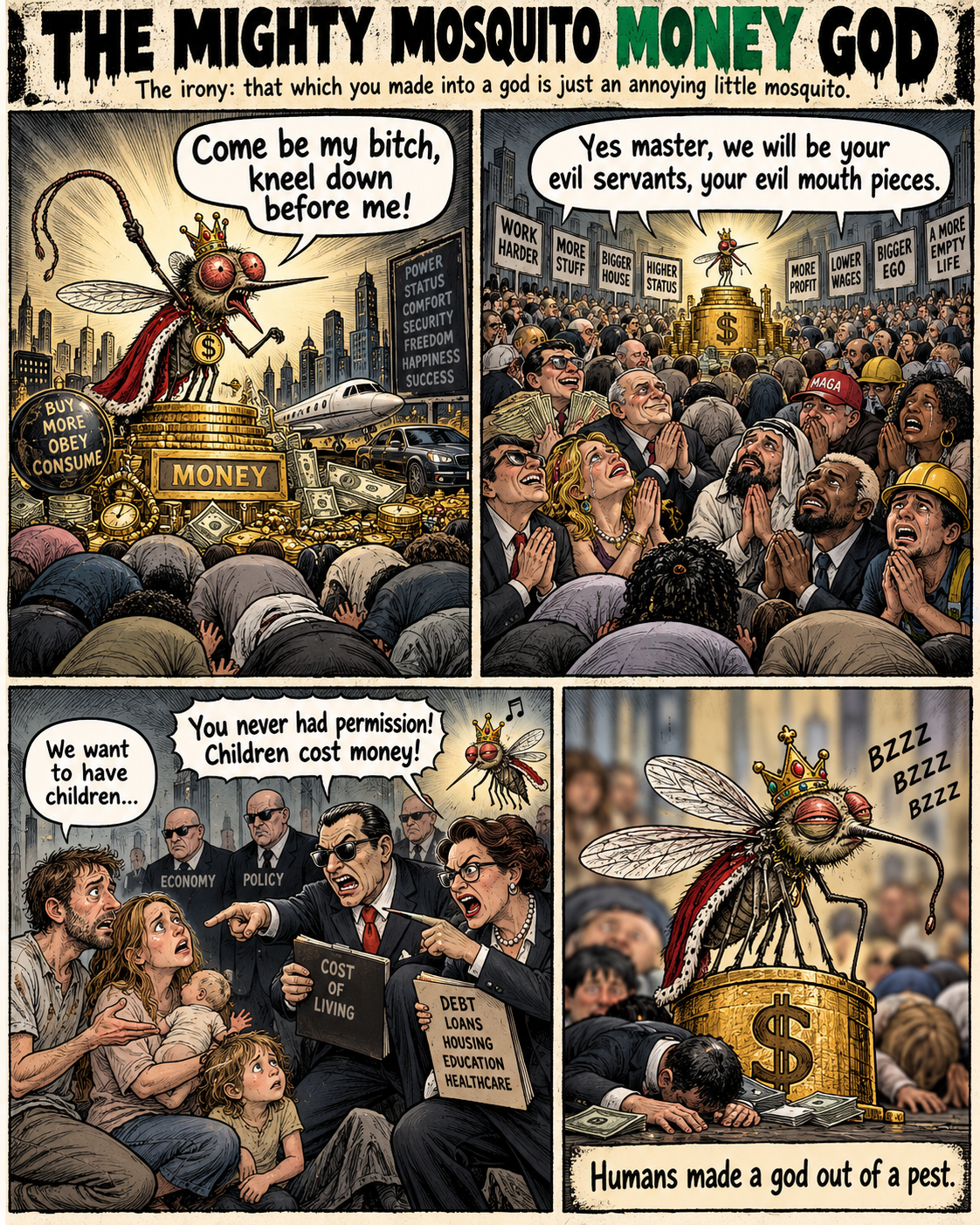
The market is not an innocent force. The market is people making choices, passing costs, lowering quality, hiding behind excuses, and dumping the final burden onto families.
The Point of This Article
The point of this article is simple.
The family is not breaking because it is weak.
The family is being crushed because everyone keeps passing the burden down the line.
The baker says wheat went up.
The wheat speculator says the market moved.
The pizza shop says labor and fuel went up.
The landlord says interest rates, taxes, insurance, and market value went up.
The employer says margins are tight.
The manufacturer says materials cost more.
The insurance company says policy, risk, claims pressure, and administrative cost.
The school says fees, supplies, portals, rules, and forms.
The government says budget, process, eligibility, and limits.
Everybody has an explanation.
Everybody has a reason.
Everybody has a sentence ready.
But the sentence does not feed the child.
The explanation does not lower the rent.
The excuse does not give the mother rest.
The excuse does not bring the father home earlier.
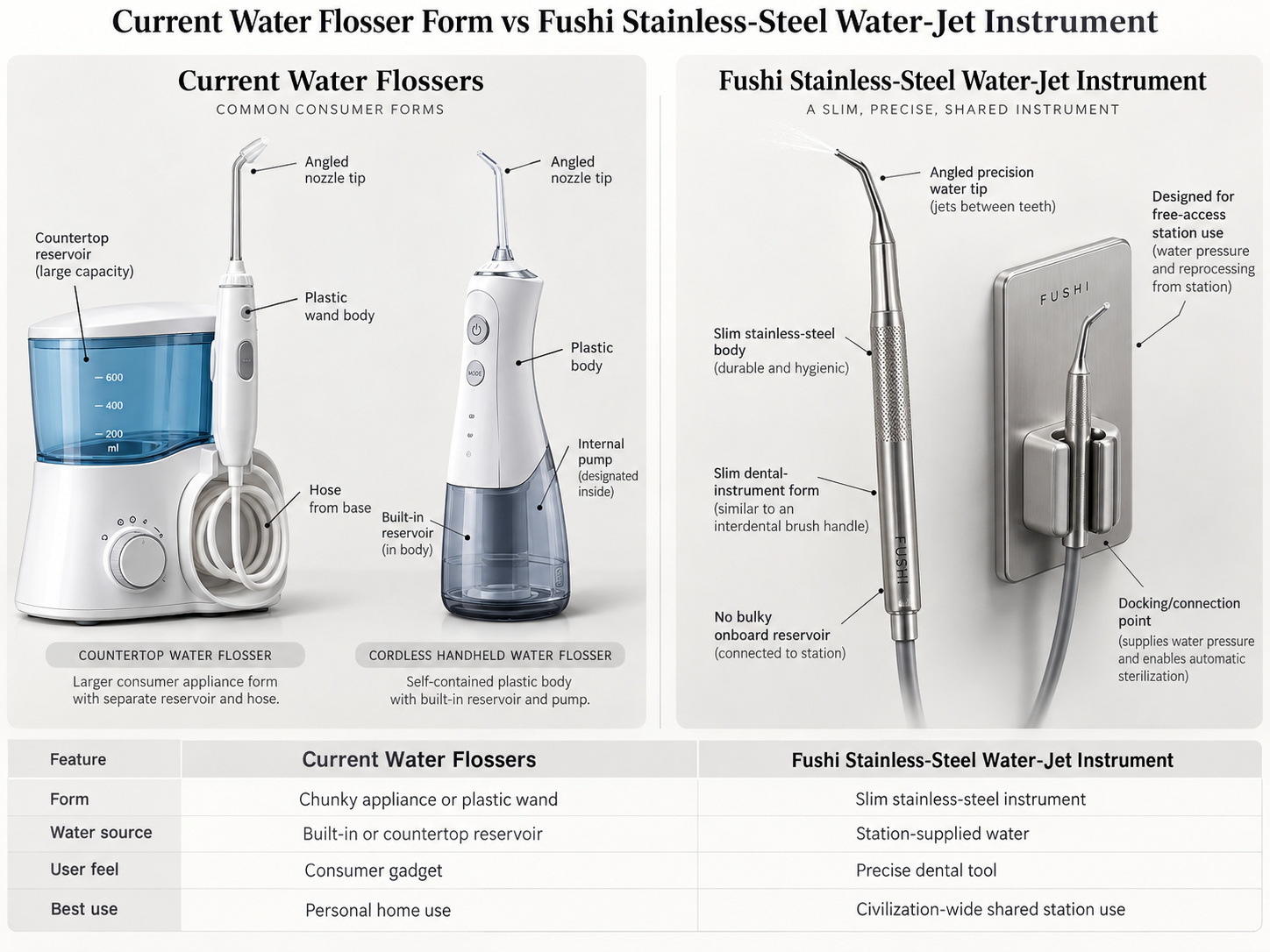
The excuse does not make the toothbrush bristles stay in the brush.
The excuse does not make the machine last.
The excuse does not make the phone stronger.
The excuse does not make the sheet stop feeling like plastic.
The excuse does not make the insurance company help when help is needed.
The excuse does not repair the household after every cost has been passed down to it.
The Market Is Not a Parent
The market is not a parent.
It is not a mother.
It is not a father.
It is not a home.
It is not a village.
It is not a conscience.
It is not a covenant.
It is not a reliable friend.
The market that chases money is no anchor, no firm ground, no reliable friend.
It will not stand with the family when the rent rises.
It will not stand with the mother when food costs more and nourishes less.
It will not stand with the father when his job is cut in the name of efficiency.
It will not stand with the child when the product breaks, the claim is denied, the school fee arrives, the shoes are too small, and the grocery cart costs more than last month.
The market smiles when it sells.
The market explains when it fails.
The market blames when families cannot keep up.
But it does not carry.
It does not covenant.
It does not protect.
It does not remain faithful.
It moves to the next profit.
Money Can Price the Crib. It Cannot Understand the Baby.
A baby is not a market segment.
A baby is not a revenue category.
A baby is not a stroller purchase, diaper subscription, formula customer, daycare slot, pediatric billing code, clothing size, car-seat order, and future school enrollment number.
A baby is a life.
A baby needs arms.
Warmth.
Milk.
Clean skin.
Sleep.
Rhythm.
Soft voices.
Safe floors.
Rested adults.
A mother whose body is not treated like a production machine.
A father who is not immediately pulled away and reduced to earning pressure.
A home that does not panic because the baby increased need.
A civilization that expected the baby, prepared for the baby, and received the baby without turning every need into a bill.
Money can price the daycare slot.
It cannot understand attachment.
Money can price the pediatric visit.
It cannot understand a mother watching a fever at 3 a.m.
Money can price the formula.
It cannot understand the panic when the shelf is empty.
Money can price the stroller.
It cannot understand the parent trying to move through broken sidewalks, unsafe transit, hot streets, and public spaces with no shade, no bathroom, and no place to sit.
The Family Loses Twice
The market is even more disgusting because it used to know how to make good things.
It is not that quality was impossible.
Quality was sacrificed.
Durability was sacrificed.
Repairability was sacrificed.
Honesty was sacrificed.
Material integrity was sacrificed.
The family paid more and received less.
The knife dulls.
The sheet feels like plastic.
The toothbrush bristles fall out in the mouth.
The tennis ball barely bounces.
The phone cracks.
The machine fails.
The part breaks.
The furniture loosens.
The appliance dies.
The insurance company delays.
The food shrinks.
The package gets smaller.
The clothing pills, stretches, thins, and tears.
Then the market says, “Buy again.”
No.
Down with that market.
Not down with human making.
Not down with true craft.
Not down with farmers, builders, engineers, cooks, seamstresses, repairers, designers, and workers who make useful things with honor.
Down with the market-rule that turns every human need into extraction.
Down with the pass-the-buck chain.
Down with profit that eats durability.
Down with pricing that crushes families.
Down with fake innovation.
Down with worse products wrapped in better branding.
Down with systems that make people pay more to live worse.
The Numbers Are Already Shouting
This is not only a feeling.
The numbers are already shouting.
HUD’s 2024 Annual Homelessness Assessment Report recorded that between 2023 and 2024, 39 percent more people in families with children experienced homelessness.
The Federal Reserve reported that parents using paid childcare paid a median of $240 per week, about $960 per month. Parents using paid childcare for 20 or more hours per week paid a median of $1,400 per month.
WHO says more than 720,000 people die by suicide every year, and suicide is the third leading cause of death among 15–29-year-olds.
OECD reported that many developed countries are far below replacement fertility, with Korea having the lowest OECD total fertility rate at around 0.78 children per woman in 2022.
These numbers do not all have one cause.
But together they show one direction: societies are failing to make life, family, work, belonging, and continuation feel possible.
The Consequences Are Not Soft
Stop making the consequences sound soft.
This is not merely about parents being “stressed.”
This is not merely about families being “busy.”
This is not merely about people needing “better work-life balance.”
This is not merely about young adults “delaying milestones.”
Those are polite phrases for a brutal reality.
Say it plainly.
When food becomes panic, housing becomes threat, childcare becomes another rent, health becomes a bill fight, transport becomes exhaustion, products become trash, work consumes the body, relatives invade the household, and every need comes with a price, the family is not merely inconvenienced.
The family is pushed toward the edge.
Some parents collapse inward.
Some stop dreaming.
Some lose their minds under the weight.
Some marriages become war zones.
Some homes become places of shouting, silence, shame, dread, and emotional starvation.
Some fathers disappear into work, anger, addiction, avoidance, or despair.
Some mothers are praised while they are being emptied until there is almost nothing left.
Some children receive love through exhaustion and correction through panic.
Some young people look at all of this and quietly decide:
That is sterility.
Not only biological sterility.
Vision sterility.
Future sterility.
Hope sterility.
A generation looking at family and seeing danger instead of promise.
A generation looking at children and seeing bills before blessing.
A generation looking at marriage and seeing exposure, legal risk, betrayal, gossip, pressure, and exhaustion.
A generation looking at the future and saying, “No.”
The market may remain.
Stores may still open.
Apps may still sell entertainment.
Banks may still collect payments.
Employers may still demand productivity.
Platforms may still sell loneliness back to the lonely.
But the human continuation system starts refusing.
Public Context Sources Used in This Part
Public source links: HUD 2024 AHAR, Federal Reserve: Childcare Costs, WHO: Suicide, and OECD: Fertility Trends.
The Market Is Not a Parent
Work was supposed to serve family. Money was supposed to help the household live. The job was the tool, not the master.
Did You Forget the Point?
Ask them plainly.
Will you really watch food, housing, childcare, transport, health, rest, beauty, and childhood get swallowed by profit systems and then shrug like nothing can be done?
Will you really let the market price family life into danger and then call that normal?
Will you really let speculators, employers, landlords, insurers, manufacturers, platforms, lenders, and excuse-makers pass every cost down the line until the burden lands on the household?
Will you really let parents be pushed toward madness, suicide, breakdown, despair, and exhaustion while everyone pretends the problem is budgeting?
Will you really let the next generation look at marriage, children, home, and future and say, “No, I will not continue this”?
What kind of society does that?
What kind of people sit there and let a money-hungry market kill the very families that keep society standing?
Did you forget the point?
Work was supposed to serve family.
Money was supposed to help the household live.
A job was supposed to be a tool.
A business was supposed to provide something useful.
A market was supposed to move goods and services under moral order.
A father sacrificed some family time to go work for a few hours so his family could live better.
A mother worked, planned, cooked, washed, corrected, taught, and carried so the family could live better.
The point was never to throw the family away so the job could be worshiped.
The point was never to sacrifice the home for the office.
The point was never to let children receive the leftovers of their parents after the market has taken the best of their bodies.
The point was never to trade family meals, family walks, family laughter, family correction, family prayer, family rest, and family future for hollow promotions and ego plaques on the wall.
How did the tool become the master?
How did work become more sacred than family?
How did profit become more protected than children?
How did housing investors become more respected than parents trying to keep a roof over their children?
How did companies that make worse products for more money get called smart?
How did a father’s absence become normal because the commute is long and the bills are high?
How did a mother’s depletion become normal because “everyone is busy”?
How did children become budget threats before they were celebrated as life?
How did family become the thing everyone praises in speeches and sacrifices in practice?
What About Single People?
Someone may say, “What about single people? Not everyone has a family.”
That does not weaken the argument.
It proves the argument.
Every single person came through family need.
Every single person was once a baby.
Every single person needed arms, food, washing, protection, language, correction, sickness watched, danger blocked, and adults to teach them how to live among other people.
Some single people are unmarried sons and daughters.
Some are brothers and sisters.
Some are aunties and uncles.
Some are widows.
Some are divorced.
Some are young adults preparing for marriage.
Some are elders whose spouses died.
Some are people who wanted family but were blocked, betrayed, priced out, delayed, or wounded.
Some are single by choice.
Some are single by circumstance.
But single people still need a society full of formed people.
Formed doctors.
Formed builders.
Formed neighbors.
Formed leaders.
Formed workers.
Formed caregivers.
Formed young people who will not turn public life into disorder.
Where are those people formed?
First, in family.
Or, when family fails, in whatever institution is forced to repair what family could not carry.
So the answer is not family versus single people.
The answer is family and single people against a market-rule system that turns all human need into extraction.
“I Am Only One Man” Changes When Money Is Involved
Some man will say, “I am only one person. What can my one act do?”
But be honest.
If money were involved, that excuse would change.
If you were being paid to do it, suddenly you would find energy.
Suddenly you would find ideas.
Suddenly you would find time.
Suddenly you would find a way to promote it.
Suddenly you would post about it.
Suddenly you would make flyers.
Suddenly you would tell everyone.
Suddenly you would organize.
Suddenly you would stay up late.
Suddenly you would wake up early.
Suddenly you would say, “Look what I built.”
If someone paid you to run free food days, you would find a way.
If someone paid you to promote free Wi-Fi days, you would find a way.
If someone paid you to open a spare room for a family to sleep, you would find a way.
If someone paid you to organize extra clothing, tools, shoes, furniture, or household items you are not using, you would find a way.
If someone paid you to drive families to appointments, you would find a way.
If someone paid you to repair broken things, you would find a way.
If someone paid you to cook, teach, clean, carry, build, organize, post, promote, or gather people, you would find a way.
But when the question is giving, suddenly you become small.
Suddenly you are “only one person.”
Suddenly the system is too big.
Suddenly you do not know where to start.
Suddenly you are too busy.
Suddenly you need a committee.
Suddenly you need a sponsor.
Suddenly you need a platform.
Suddenly you need someone else to go first.
Suddenly the burden is too much.
That is the trial.
Because when money is involved, people love to boast.
“I did it myself.”
“I built this with my own hands.”
“I started from nothing.”
“I found a way.”
“Nobody helped me.”
“I grinded.”
“I sacrificed.”
“I made it happen.”
So which is it?
Are you only one man, or are you a man who can find a way when the reward is big enough?
Are you helpless, or are you only helpless when generosity is the assignment?
Are you too small to help, or only too selfish to help without gain?
That is hypocrisy.
If one man can build a business, one man can start one free meal day.
If one man can promote a product, one man can promote a free food table.
If one man can organize customers, one man can organize neighbors.
If one man can drive for profit, one man can give one family a ride.
If one man can rent a room for money, one man can open one spare room in mercy.
If one man can sell used goods online, one man can give away something useful he is not using.
If one man can build his own name, one man can help protect another family’s life.
If one man can chase market gain with discipline, one man can practice generosity with discipline.
The man who becomes powerful for money and powerless for mercy is not powerless.
He is exposed.
The Call to Action: Stop Feeding the Systems That Devour You
The call to action is not soft.
The call to action is not “be a better shopper.”
The call to action is not “budget harder while the whole system keeps eating you.”
Do not walk blindly into legal traps.
Do not destroy your household with careless rebellion.
Do not make a dramatic move without understanding the consequences for your children, your shelter, your safety, your legal duties, your health, and your future.
But also stop pretending there is no way out.
Stop pretending the only option is to keep feeding the same machine that is crushing you.
If the insurance company takes easily and helps reluctantly, question it.
Stop treating insurance as love.
Stop treating a policy as protection when it behaves like a trap.
Build mutual aid funds.
Build repair circles.
Build emergency support groups.
Build family-to-family care systems that do not make people beg a company after they already paid.
If the bank owns your home more than you do, face that reality.
Stop pretending a mortgage is always freedom.
Stop pretending a house is truly secure when one job loss, sickness, rate shift, or emergency can put the family on the edge.
Some people may choose to leave overpriced housing markets.
Some may move rural.
Some may group together.
Some may build shared homes.
Some may build family compounds.
Some may buy land together.
Some may renovate old houses together.
Some may build small, lawful, practical homes with their own hands.
Some may choose a simpler shelter path instead of spending a lifetime feeding the bank.
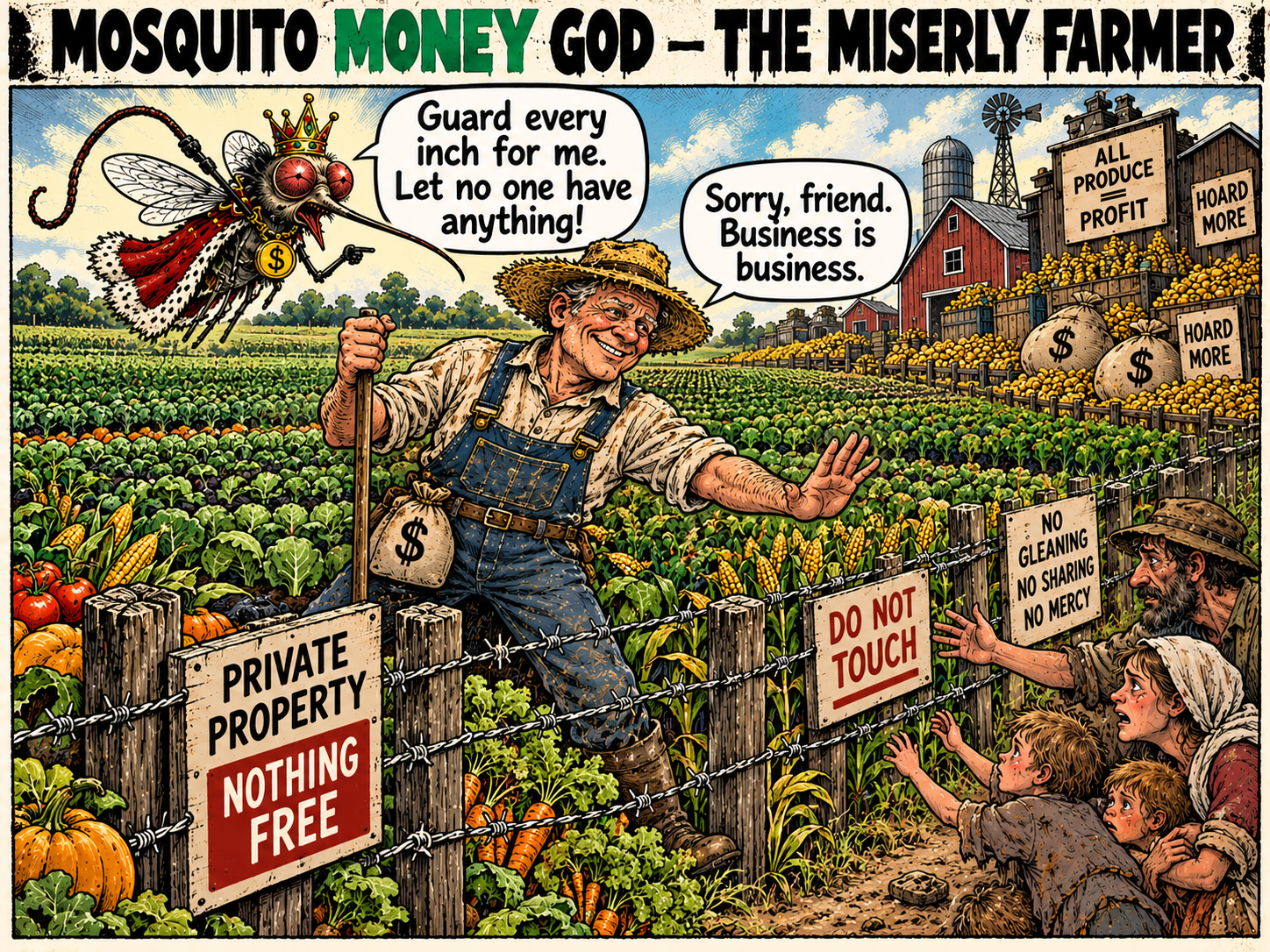
Landlords, lower the rent.
Do not hide behind “market value” while families are being crushed.
If you own property and you can lower the rent, lower it.
If you can house a family for less, do it.
If you can give one month free during crisis, do it.
If you can stop raising rent on a good family just because the market says you can, stop.
If you can open a spare room for a family in need, open it wisely and safely.
If you can help a young family get stable shelter, do it.
Grow food in your backyard.
Grow food in front yards.
Grow food on balconies.
Grow food at churches.
Grow food at schools.
Grow food on empty lots.
Grow herbs in pots.
Plant fruit trees.
Share seeds.
Share harvests.
Teach children how food grows.
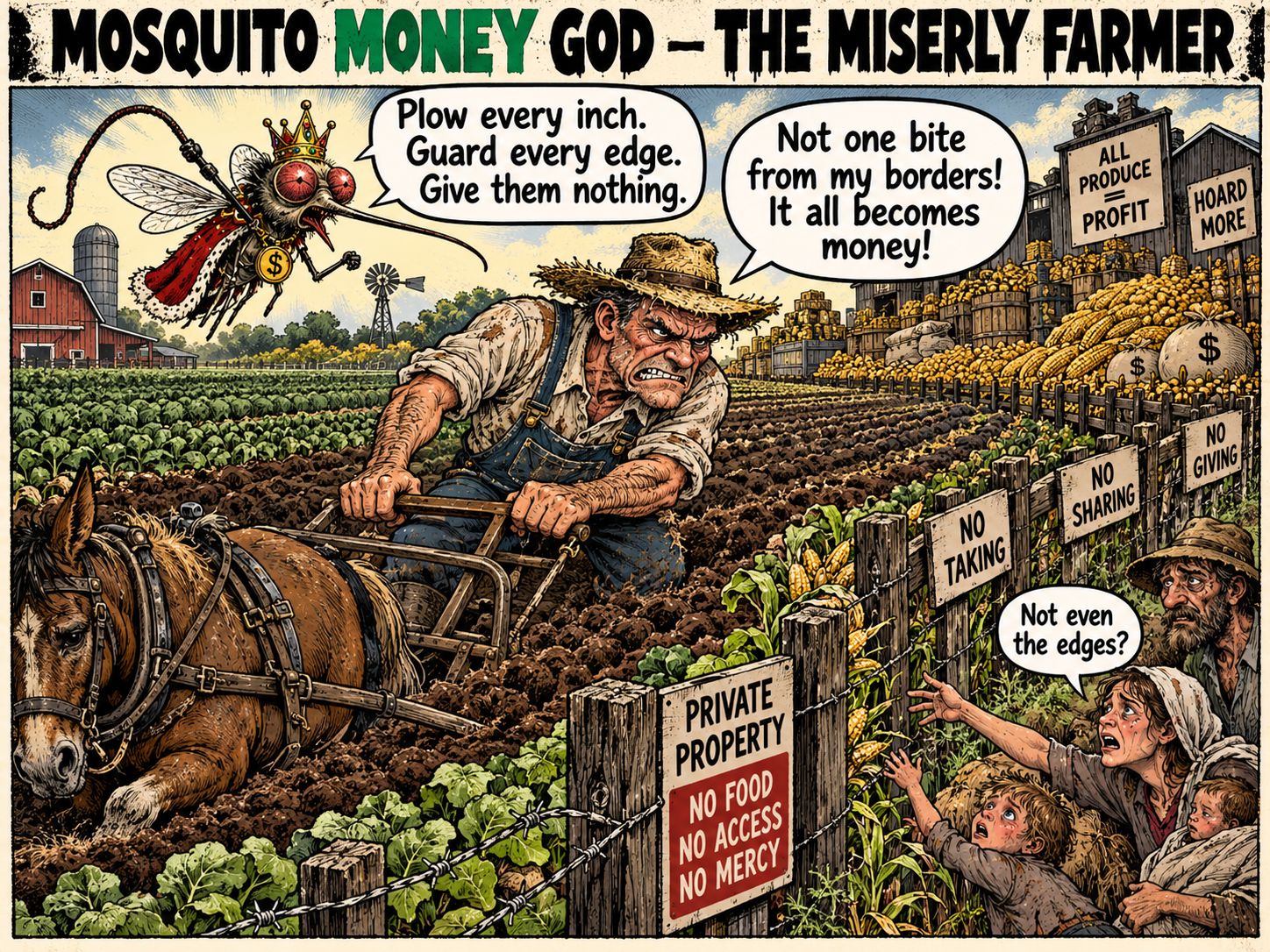
Stop letting every apple, onion, egg, tomato, pepper, herb, and meal pass through a price gate before it reaches the family.
Start food days.
Start soup days.
Start bread days.
Start fruit days.
Start family meal nights where no one pays.
Start with one day a week.
Start with one pot.
Start with one table.
Start with one garden bed.
Leave the school system where it is lawful, wise, and possible.
Do not let schools own your child’s whole mind.
Do not let portals, pressure, debt, testing, status games, and institutional sorting convince you that your child
Do not let portals, pressure, debt, testing, status games, and institutional sorting convince you that your child has no other path.
Homeschool where you can.
Build learning circles.
Build trade circles.
Build reading circles.
Build math circles.
Build farm-learning days.
Build repair-learning days.
Build music-learning days.
Build child invention days.
Build apprenticeships.
Build real skill paths.
Do not take school loans blindly.
Do not hand a young person debt and call it opportunity.
Do not send them into a loan machine just because everyone else is doing it.
Learn a trade.
Teach a trade.
Learn plumbing, wiring, carpentry, farming, sewing, cooking, repair, coding, building, design, childcare, elder care, water systems, food preservation, and how to make something useful with your hands and mind.
If you know how to fix a car, teach a young person.
If you know how to build a wall, teach a young person.
If you know how to cook well, teach a young person.
If you know how to grow food, teach a young person.
If you know how to sew, teach a young person.
If you know how to care for babies, teach a young parent.
If you know how to repair appliances, teach someone.
If you know how to read contracts, teach someone.
If you know how to avoid debt traps, teach someone.
If you know how to build a simple shelter, teach someone.
If you know how to organize people, organize burden removal.
Stop selling every ounce of knowledge.
Stop turning every skill into a course.
Stop turning every lesson into a funnel.
Stop turning every human gift into a product.
Give some knowledge free.
Give some labor free.
Give some food free.
Give some room free.
Give some care free.
Give some repair free.
Give some transport free.
Give something necessary without charging for it.
Not something useless.
Not expired leftovers.
Not trash.
Not a photo opportunity.
Not charity that humiliates the person receiving it.
Something necessary.
Food.
Shelter.
A ride.
A repair.
A room.
Childcare.
Laundry.
School supplies.
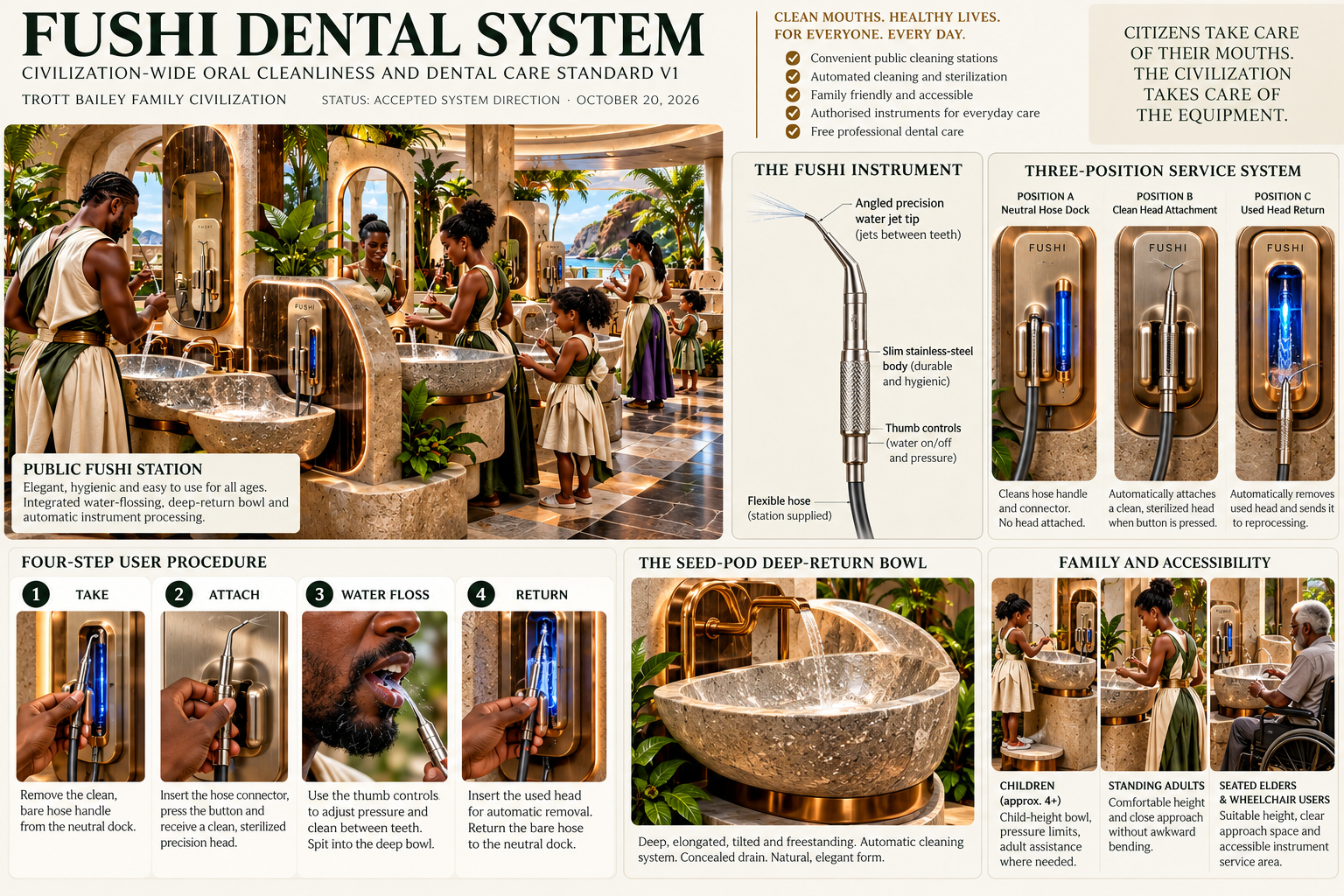
Dental care.
A skill lesson.
A safe place to sit.
A useful tool.
A bag of good groceries.
A day of help that removes pressure from the household.
Group together.
Stop being isolated consumers.
Three families can share tools.
Four families can share childcare mornings.
Five families can grow food together.
Six families can bulk cook.
Seven families can repair clothing, furniture, appliances, bikes, and small machines together.
Ten families can create a free meal rhythm.
A church can open a room.
A neighborhood can grow food.
A retired builder can teach boys and girls how to use tools.
A mother can teach young mothers how to survive the baby years.
A father can teach young fathers how to stand without becoming harsh.
A dentist can give one free dental day.
A mechanic can give one free repair morning.
A farmer can give seedlings.
A landlord can lower rent.
A landowner can create a family garden.
A business can stop raising prices just because it can.
A worker can stop pretending every excuse is clean.
A community can decide that the family bill pile will not keep growing without resistance.
This is not about reckless collapse.
This is about removing dependency where dependency has become a weapon.
Depend less on stores by growing food.
Depend less on banks by building differently.
Depend less on landlords by sharing, building, and lowering rent where you have power.
Depend less on schools by teaching real skills.
Depend less on loans by refusing debt traps.
Depend less on fragile products by repairing and making durable things.
Depend less on paid entertainment by building public beauty and family play.
Depend less on market mercy by creating human mercy.
The Trott Bailey Replacement Standard
Trott Bailey Family Civilization chooses removal.
Remove food from the bill pile.
Remove shelter from the bill pile.
Remove childcare from the bill pile.
Remove health and dental care from the bill pile.
Remove transport from the bill pile.
Remove school supplies from the bill pile.
Remove repairs from the bill pile.
Remove laundry from the bill pile.
Remove water, shade, bathrooms, public seating, public play, public beauty, and rest from the bill pile.
Then organize contribution with honor.
Then build useful work.
Then build durable goods.
Then build food abundance.
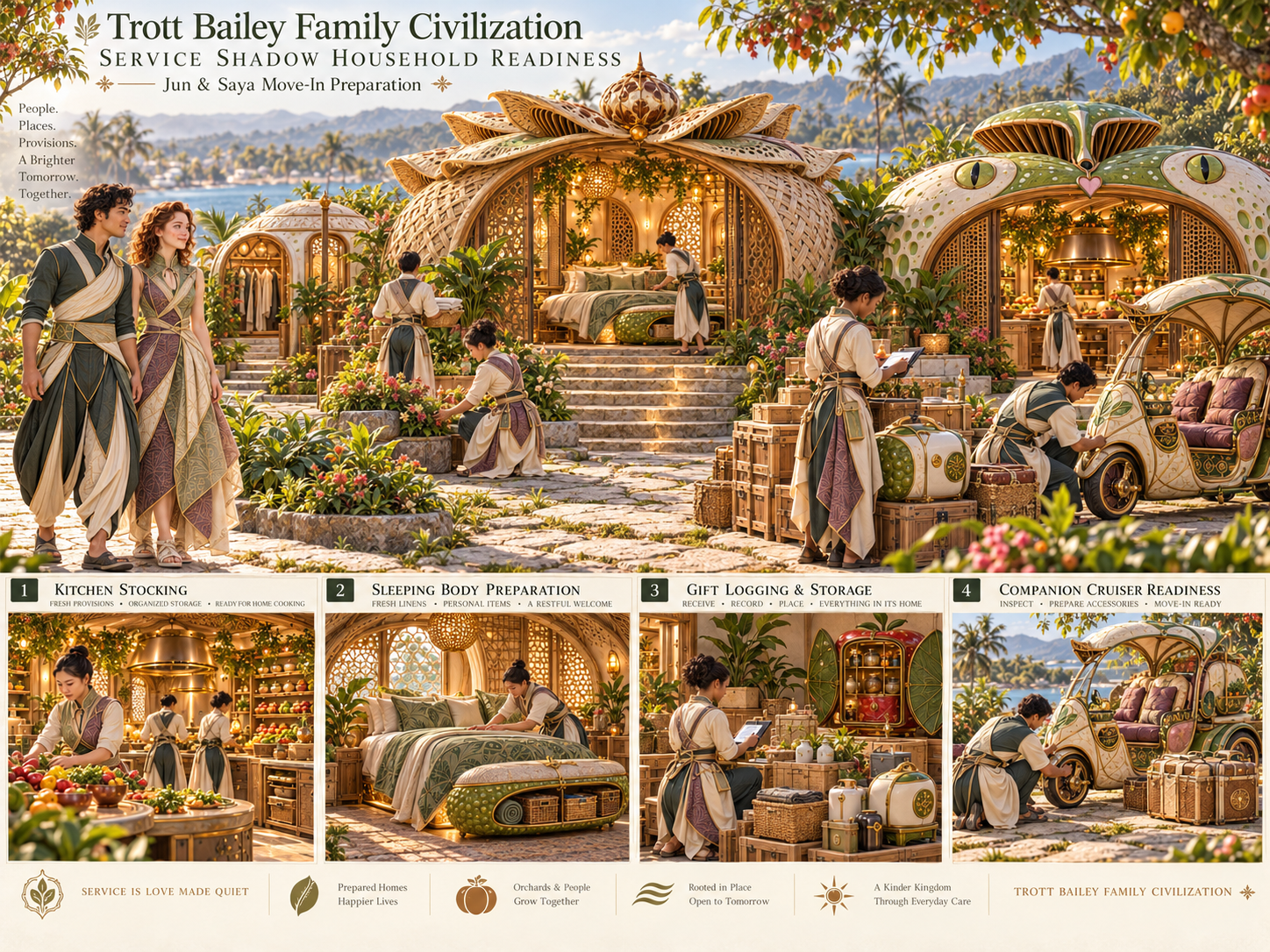
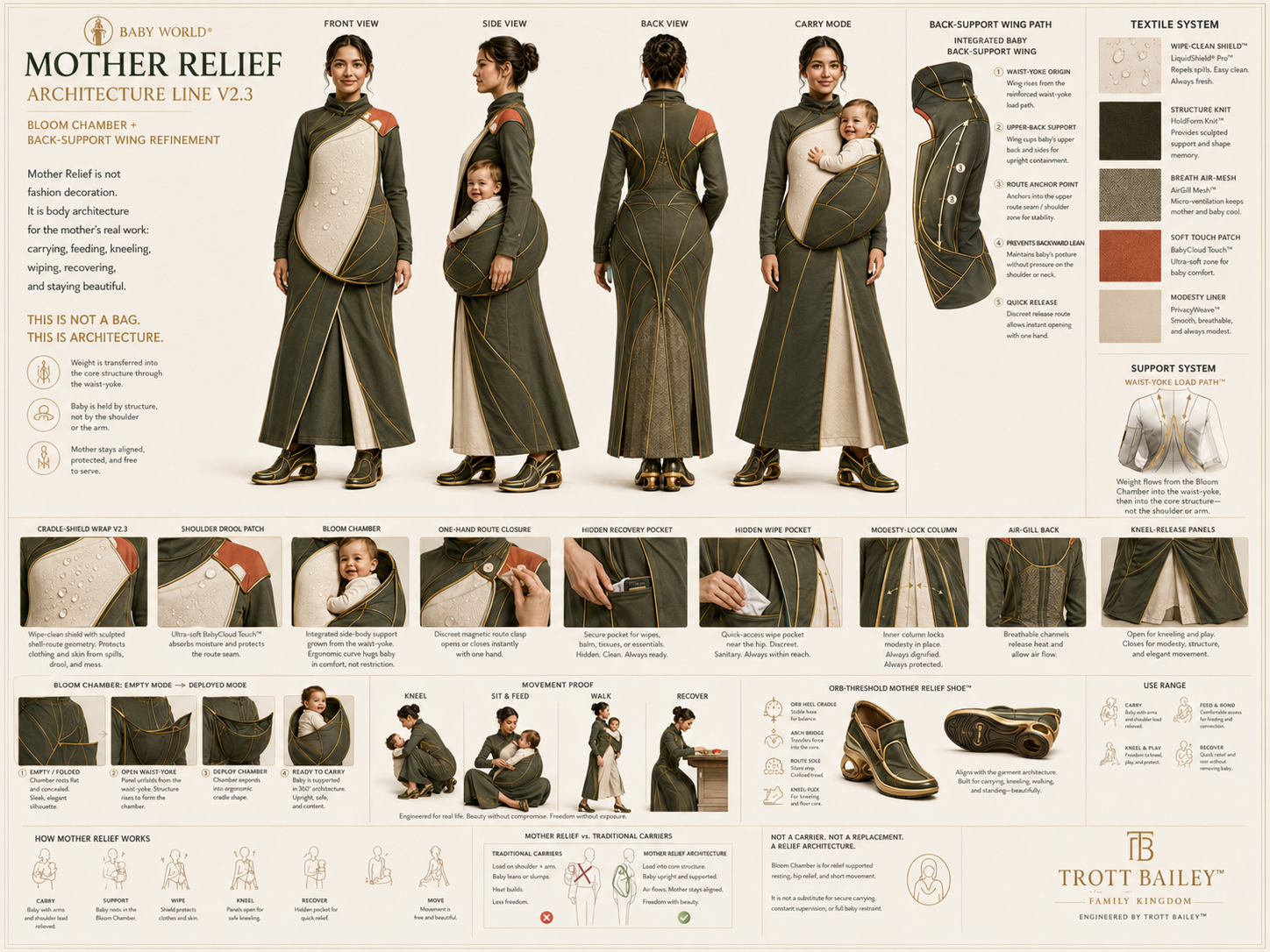
Then build homes, care systems, repair systems, family routes, Baby Worlds, Sabenneries, washcourts, clean-return systems, public beauty, and protected childhood.
Then society can stop pretending family should keep standing under a mountain.
You cannot worship the market, drain the parents, price the children, weaken the home, and still expect a good society to stand.
A society that sacrifices family for profit is not advancing.
It is selling its foundation.
It is trading children for quarterly comfort.
It is trading mothers for productivity charts.
It is trading fathers for bill payments.
It is trading homes for market value.
It is trading future for present extraction.
And when the family finally refuses to continue, when young people refuse marriage, refuse children, refuse hope, refuse the burden, and refuse the lie, do not act shocked.
The Market Is Not a Parent
This final call is for families who see the level of Trott Bailey Family Civilization and want to live at that level: character, competence, contribution, discipline, family order, and real readiness.
This Is Not a Mass Rally
Let this be clear.
Trott Bailey Family Civilization does not depend on rallying the masses.
It does not depend on begging the public to understand.
It does not depend on convincing every loud fool who still worships the market.
It does not depend on revolutionary slogans.
It does not depend on trying to drag unwilling people into sense.
Such foolishness never works.
It makes sense to feed families.
It makes sense to remove survival from constant pricing.
It makes sense to protect mothers from being drained.
It makes sense to honor fathers instead of reducing them to bill machines.
It makes sense to raise children inside beauty, food abundance, safety, correction, learning, play, skill, and family presence.
It makes sense to build homes around family life instead of building families around rent panic.
It makes sense to teach trades, grow food, repair what breaks, make durable goods, and give necessary things free.
It makes sense to stop treating every need as a transaction.
It makes sense to stop adapting families to a devouring market and start building a civilization that serves life.
This Call Is for Families Who Want the Level
This call is for families who see the level and want to live at that level.
Not the decoration level.
Not the clothing level.
Not the beautiful buildings level only.
Not the public abundance level only.
The deeper level.
Character.
Competence.
Family order.
Emotional steadiness.
Skill.
Truthfulness.
Work that serves life.
Children being raised with correction and love.
Fathers who can stand without becoming harsh.
Mothers who can nurture without being emptied.
Families who can receive abundance without becoming lazy, entitled, chaotic, or useless.
That must be said plainly.
This is not a civilization for people who want free things but refuse responsibility.
This is not a civilization for families that want abundance while carrying disorder.
This is not a civilization for adults who want provision but refuse contribution.
This is not a civilization for parents who want children protected but refuse to discipline, teach, guide, correct, and model wisdom.
This is not a civilization for men who want honor but refuse to become honorable.
This is not a civilization for women who want replenishment but refuse truth, order, and family seriousness.
This is not a civilization for young people who want opportunity but despise correction, skill, patience, and service.
This is a civilization for families willing to become worthy of the level they say they want.
Free Does Not Mean Careless
Some people hear “free food,” “free homes,” “free childcare,” “free services,” and they think it means careless living.
No.
Free does not mean careless.
Free does not mean lazy.
Free does not mean sloppy.
Free does not mean entitled.
Free does not mean people sit around consuming while others carry the world.
Food can be free and still require gratitude.
Homes can be free and still require care.
Childcare can be free and still require parental responsibility.
Public beauty can be free and still require respect.
Learning can be free and still require discipline.
Tools can be shared and still require accountability.
Services can be free and still require order, timing, cleanliness, honesty, and contribution.
Trott Bailey Family Civilization removes the market’s price gate from survival.
It does not remove moral standards from life.
Families Must Become Competent
Families who want this level must become competent.
Competent in home life.
Competent in child raising.
Competent in food.
Competent in cleanliness.
Competent in basic repair.
Competent in emotional self-control.
Competent in time.
Competent in learning.
Competent in contribution.
Competent in receiving help without becoming dependent in spirit.
Competent in giving help without becoming proud.
Competent in marriage privacy.
Competent in protecting children from destructive relatives, digital invasion, foolish trends, and old-world disorder.
- Learn to cook useful food.
- Learn to grow something.
- Learn to repair something.
- Learn to teach your children without crushing them.
- Learn to discipline without rage.
- Learn to receive correction without acting wounded by every truth.
- Learn to keep private family business private.
- Learn to stop gossip at the door.
- Learn to clean and maintain what has been provided.
- Learn to help another family without turning it into performance.
- Learn to work with others without creating drama.
- Learn to become useful without needing applause.
This is not market competence.
This is not resume competence.
This is not fake corporate polish.
This is living competence.
Can your family keep peace?
Can your family raise children with honor?
Can your family care for a home?
Can your family learn a skill?
Can your family contribute without being forced?
Can your family receive abundance without becoming wasteful?
Can your family live among other families without spreading disorder?
Families Must Become Characterful
Character matters.
More than image.
More than style.
More than money.
More than charm.
More than online speech.
More than pretending to agree.
Trott Bailey Family Civilization is not looking for families who can talk beautifully while living sloppily.
It is not looking for people who love the idea but hate correction.
It is not looking for people who want abundance but bring gossip, envy, laziness, entitlement, sexual disorder, disrespect, and excuses.
It is not looking for families who want to be carried while refusing to become trustworthy.
Character means truthfulness.
Gratitude.
Self-control.
Modesty.
Work ethic.
Clean speech.
Sexual honor.
Respect for marriage.
Protection of children.
Respect for elders without allowing elder manipulation.
Refusal to gossip.
Refusal to exploit.
Refusal to bring old-world filth into a new civilization.
Refusal to treat free provision as something to waste.
Refusal to turn help into dependence.
Refusal to use family language to dump disorder onto better families.
Do Not Come Looking for a Soft Place to Be Useless
This must be said.
Do not look at Trott Bailey Family Civilization and think it is a soft place to be useless.
Do not look at free food and think laziness.
Do not look at free homes and think disorder.
Do not look at Baby Worlds and think other people will raise your children while you become careless.
Do not look at public beauty and think you can dirty what others built.
Do not look at abundance and think you can arrive with entitlement.
Do not look at mercy and think standards disappeared.
Families who want this level should begin now.
Start becoming more truthful.
More competent.
More useful.
More disciplined.
More protective of children.
More serious about marriage.
More able to give something free.
More able to receive help without becoming spoiled.
More able to work without worshiping work.
More able to contribute without needing to be watched.
More able to live inside beauty without damaging it.
More able to stand in abundance without rotting.
This Civilization Does Not Depend on You
And let no one misunderstand the invitation.
Trott Bailey Family Civilization does not depend on you.
It does not depend on your agreement.
It does not depend on your applause.
It does not depend on your permission.
It does not depend on your slow awakening.
It does not depend on your committee.
It does not depend on mass approval.
It does not depend on the market’s blessing.
It does not depend on old-world institutions deciding to understand.
This call is not desperation.
This call is distinction.
It distinguishes the families who want a higher civilization from families who only want relief without refinement.
It distinguishes people who want abundance with backbone from people who want provision without character.
It distinguishes families who are ready to become useful from families who still want to be entertained by ideas.
It distinguishes builders from spectators.
It distinguishes contributors from consumers.
It distinguishes characterful families from families that still carry the rot of the old world.
The Family-Level Call
So if you are a family and you feel the pull, begin with your own household.
Strengthen your marriage.
Correct your children with love.
Teach common sense.
Teach honor.
Teach integrity.
Teach wisdom.
Teach right choices.
Teach self-control.
Wipe tears after correction.
Correct without crushing.
Protect your daughter’s mind when outside messages say she is not beautiful.
Protect your son from foolish hardness, laziness, sexual disorder, and market worship.
Watch what enters your children’s minds.
Watch what enters their bodies.
Watch their habits.
Watch their speech.
Watch their friendships.
Watch their relationship to work, screens, food, beauty, money, and truth.
Then become useful beyond your own walls.
Give one necessary thing free.
Teach one skill free.
Help one family breathe.
Remove one burden from the bill pile.
Grow one food route.
Repair one broken thing.
Lower one cost where you have power.
Stop one gossip chain.
Protect one young marriage from interference.
Refuse one old-world excuse.
Make your household proof that family can be serious, generous, competent, protected, disciplined, and alive.
The Final Line
The market is not a parent.
The market is not a civilization foundation.
The market is not the future.
Families are the future.
But not every family is ready for the level of the future being built.
So become ready.
Become characterful.
Become competent.
Become useful.
Become generous.
Become disciplined.
Become a family that can live inside abundance without rotting.












































 and then