
Pacorips and Service Shadow: Protecting the Workers Who Protect the Kingdom
Trott Bailey Family Kingdom · Pacorips + Service Shadow
Pacorips and Service Shadow: Protecting the Workers Who Protect the Kingdom
Pacorips should protect workers from system failure, not blame workers for system failure.
Every beautiful public world has hidden work beneath it.
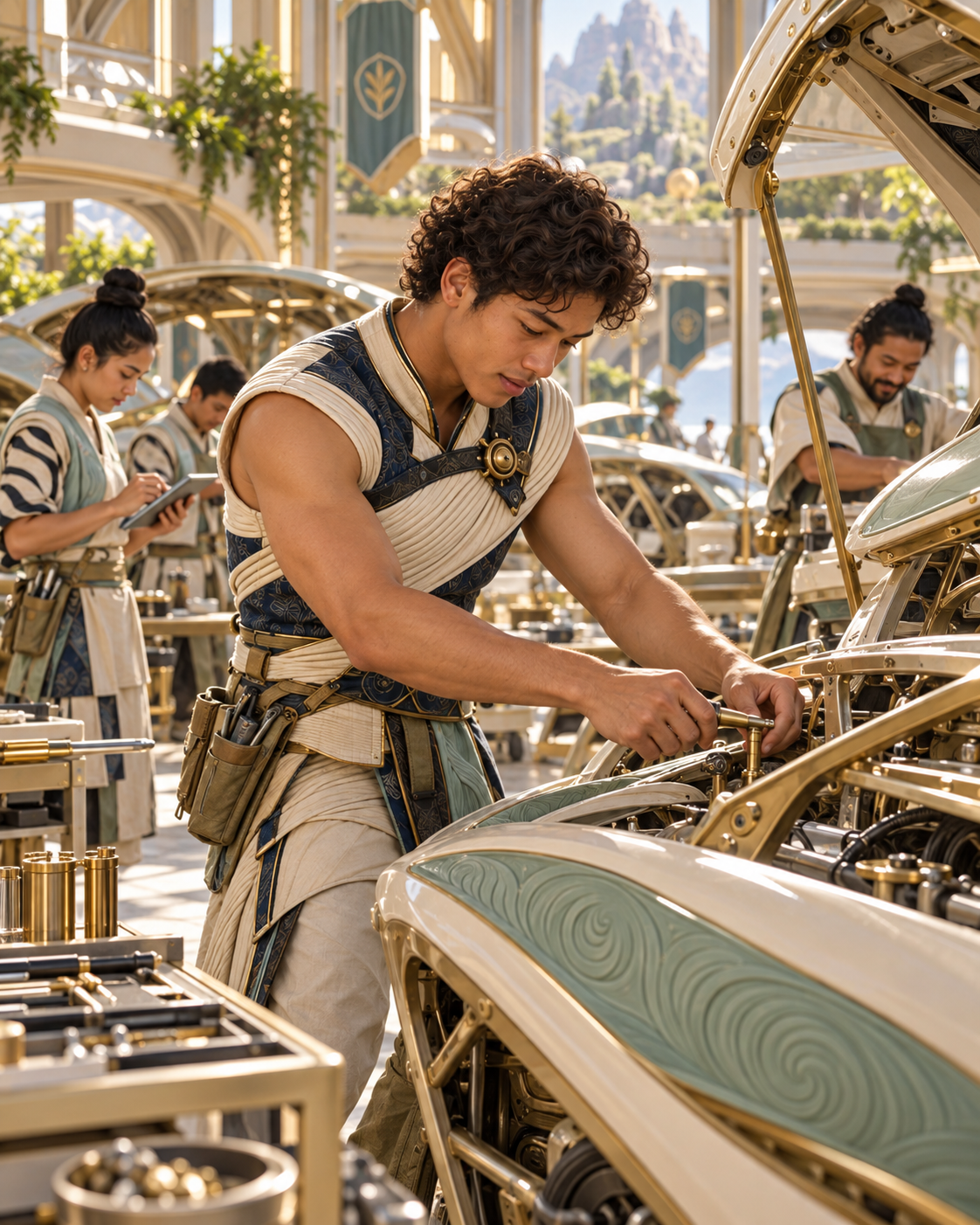
Someone cleans the bathroom before it becomes disgusting. Someone resets the food return wall before the smell begins. Someone checks the drain before water becomes danger. Someone removes wet cloths, repairs broken route pieces, restocks supplies, washes vessels, clears mess, checks tools, supports public events, and keeps the visible kingdom from collapsing under invisible burden.
In the Trott Bailey Family Kingdom, that support layer is called Service Shadow. To understand the full support layer, see Service Shadow Support Spine .
Service Shadow protects the beauty of the kingdom. Pacorips must protect the workers of Service Shadow.
The Core Law
Pacorips in Service Shadow must never become worker surveillance.
It should not watch workers to punish them. It should not turn their speed into a shame score. It should not blame a worker because a public bathroom was badly designed, a drain keeps failing, a return wall is overloaded, or a festival route was under-staffed.
Pacorips must look at the system first.
No worker should carry dangerous work home on their body.
What Service Shadow Workers Carry
Service Shadow workers may handle wet floors, food return, public bathrooms, drains, cleaning tools, used cloths, reusable vessels, waste routing, Makji reset, event cleanup, water channels, body strain, and emergency response.
The work may be quiet, but it is not small. A kingdom that depends on hidden workers while pretending they do not exist is not beautiful. It is dishonest.
That is why Pacorips must remember the workers, the tools, the risk, the routes, the recovery needs, and the repeated failures that make their work harder than it should be.
Hidden work must not mean hidden suffering.
What Pacorips Tracks for Worker Protection
Pacorips can help Service Shadow by remembering what workers should not have to carry alone.
It may track:
- high-risk task alerts
- dangerous drain history
- gear condition
- tool readiness
- chemical or dirty-water exposure risks
- degearing needs
- body recovery needs
- shift handoff notes
- route hazards
- repeated infrastructure failures
- bathroom pressure
- festival cleanup load
- worker hydration and rest needs
- support vehicle dispatch
- PPE cleaning and drying
- injury or safety review
Pacorips remembers the conditions around the worker so the kingdom can correct the system.
Blame the Broken System, Not the Worker
If one worker keeps returning to the same blocked drain, Pacorips should not ask, “Why is this worker slow?”
It should ask:
Why is this drain failing repeatedly?
Is the slope wrong?
Is the inlet too small?
Are food scraps entering the wrong channel?
Is the service route too far?
Is the worker being sent without the right tool?
Is the clean-return system overloaded?
That is the moral difference. Pacorips should not become a whip over workers. It should become a witness against bad design, weak routing, poor staffing, and repeated infrastructure failure.
Pacorips should reveal the burden before the worker is blamed for carrying it.
Service Shadow Protection Rooms
Pacorips worker protection needs physical spaces, not just invisible records.
Service Shadow should include rooms and stations where workers can check gear, hand off shifts, return tools, clean themselves safely, report risk, receive recovery routing, and see that the kingdom has not forgotten the cost of the work.
These spaces may include:
- Shift Handoff Room
- Risk Alert Wall
- Gear Check Desk
- Degearing Record Station
- Body Recovery Routing Desk
- Tool Return + Inspection Wall
- Service Vehicle Dispatch Desk
- Worker Safety Review Room
- Pacorips Service Shadow Control Nook
- PPE Cleaning + Drying Status Wall
Worker protection must be built into the architecture, not added as sympathy afterward.
Degearing Is Dignity
Workers who handle dirty, wet, risky, or exhausting tasks need a dignified way to leave that work behind.
Degearing means the worker can remove contaminated gear, wash, dry, reset tools, return protective items, and move back into family or public life without carrying the work home on their body.
Pacorips can help remember which gear was used, which PPE needs washing or replacement, which worker needs recovery routing, and whether a repeated task is creating unsafe exposure.
The kingdom must not ask workers to protect public beauty and then leave them dirty, tired, and unseen.
Public Bathrooms, Food Return, and Clean-Return Pressure
Public bathrooms, Sabenneries, Baby World food stations, Balushu festivals, Makji rest groves, and return walls can all create heavy reset pressure.
Pacorips can help Service Shadow see when pressure is rising before the place becomes nasty, unsafe, smelly, slippery, or overwhelming.
This connects directly to clean-return systems such as Clean Return Is Not Trash , where used vessels, organic returns, Doon items, banana-leaf wraps, and washable carriers are routed back into order.
Pacorips helps Service Shadow reset the public world before mess becomes crisis.
Protecting Workers Protects Families Too
Worker protection is not separate from family protection.
A worker who returns home exhausted, contaminated, unsupported, or injured carries that burden into their household. Their spouse may carry the emotional aftermath. Their children may feel the stress. Their body may keep the cost long after the public sees a clean room.
A family-first civilization cannot ignore what Service Shadow workers carry home.
Protecting workers is part of protecting family life.
Service Shadow Is Shubaka, Not Servitude
Service Shadow must never become a hidden servant class.
In the Trott Bailey Family Kingdom, Shubaka means meaningful contribution inside a civilization that should also protect, train, equip, rotate, and dignify the person doing the work.
A Service Shadow worker learns coordination, timing, logistics, invisible excellence, practical repair, public reset, tool use, clean-return intelligence, and care for the systems that hold public life together. This belongs inside the wider idea of Shubaka Without Slavery .
Service does not mean inferiority. Hidden excellence must still be honored.
The Roles Behind Worker Protection
Pacorips worker protection creates real roles, not vague concern.
These may include:
- Service Shadow Pacorips Coordinator
- Risk Alert Steward
- Gear Check Helper
- Tool Return Inspector
- Degearing Record Keeper
- Body Recovery Dispatcher
- Worker Safety Reviewer
- Service Vehicle Dispatcher
- PPE Cleaning + Drying Steward
- Public Bathroom Reset Dispatcher
This connects to the larger role logic in The Roles Behind the Trott Bailey Family Civilization , where every beautiful place creates meaningful work.
A beautiful kingdom must create roles for care, repair, reset, protection, and recovery.
What This System Must Avoid
- Worker surveillance
- Productivity policing
- Blaming workers for repeated design failures
- Dirty degearing rooms
- Gear that is not cleaned or dried properly
- Workers sent into danger without proper tools
- Public beauty built on hidden exhaustion
- Service Shadow treated like a lower class
- Risk alerts ignored until someone is hurt
- Clean-return systems designed without worker recovery
The moment Pacorips becomes a weapon against the worker, it has betrayed its purpose.
The Promise
Pacorips and Service Shadow together promise that the kingdom’s beauty will not be built on forgotten bodies.
Pacorips remembers the risk. Service Shadow carries the reset. The kingdom corrects the system. Workers are equipped, protected, routed, washed, recovered, and honored.
Pacorips protects the workers who protect the kingdom.
That is the purpose. Not surveillance. Not blame. Not hidden exhaustion dressed up as service.
No worker should carry dangerous work home on their body.



 and then