
Prado Reform, Phase Two: Building for Dignity, Not Just Transactions


Trott Bailey Perspectives • Prado Reform • Phase Two
Prado Reform, Phase Two: Building for Dignity, Not Just Transactions
A Trott Bailey Family gift of vision for a municipality of more than 35,000 people.
Every growing town must eventually answer one question:
Is it building for dignity, or just for transactions?
A transaction-first town sees beaches, land, food, tourists, construction, and public space as things to sell. A dignity-first town asks whether families can eat well, children can play safely, elders can sit in shade, workers can wash and rest, fishermen can land their catch cleanly, wetlands can survive, public bathrooms exist, streets can handle rain, and architecture can protect people from heat, salt, humidity, and flooding.
Prado is not a blank place. Prado is a real municipality in Bahia. IBGE records 35,003 residents in the 2022 census and estimates 37,533 residents in 2025. A vision for Prado is therefore not an abstract design exercise. It is a question about the future of tens of thousands of residents, families, children, workers, elders, fishers, farmers, visitors, and public spaces.
These ideas are offered as a gift from the Trott Bailey Family: time, observation, research, imagination, design discipline, and care spent on behalf of a real town. It is not every day that a family sits with the problems and potential of a municipality of more than 35,000 residents and asks what it could become if it were built for dignity instead of merely transactions.
1. Phase One Named the Broken Loops
Phase One of Prado reform was observation. In How would Trott Bailey Family redesign Prado. First Stage., the first repair vision focused on Prado’s visible civic gaps: water edges, riverfronts, mangrove protection, public bathrooms, rinse points, Krubaro clean-return walls, fishing dock support, rural collection nodes, tourism overload, mosquito prevention, Service Shadow worker dignity, and child-safe public spaces.
The article Prado Is Not Lacking Beauty. Prado Is Lacking Vision sharpened the diagnosis. Prado has beaches, rivers, vegetation, children, family life, food potential, and natural beauty. What it lacks is not scenery. It lacks the civilization loops that allow beauty to become daily dignity.
Phase One asked: what is broken? Where are the missing loops? Where is garbage entering water? Where are people left without public bathrooms? Where are children exposed to unsafe water edges? Where are workers expected to maintain public life without dignified support? Where are rivers treated like back edges instead of civic fronts?
Phase One named the problem: Prado’s beauty is real, but its public-life systems are incomplete.
2. Phase Two Must Craft the Vision
Phase Two asks a different question: what should Prado become?
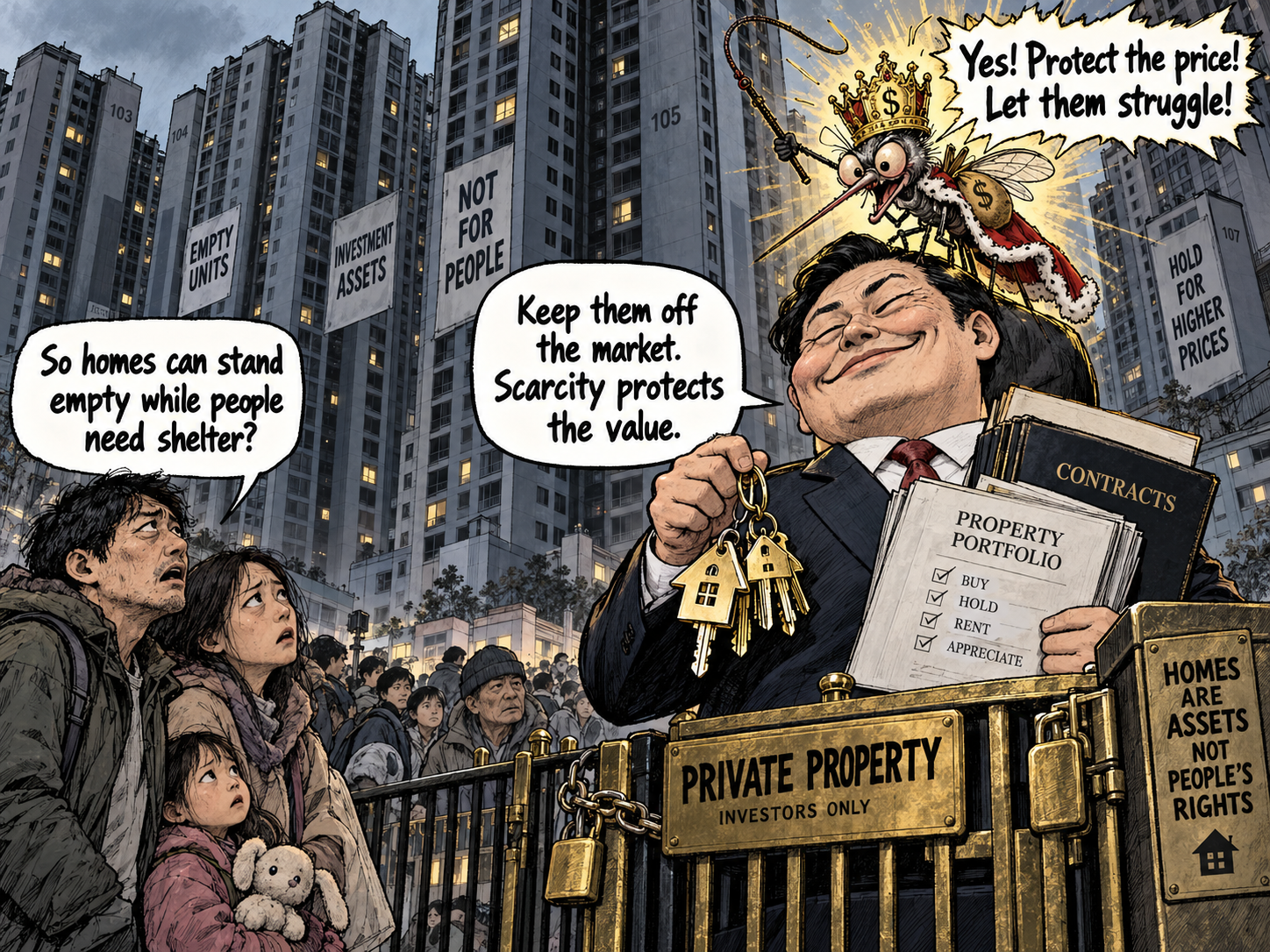
Prado does not need to become another beach town. It does not need a money-grabbing identity that turns land into speculation, beaches into products, food into pricing, workers into invisible service bodies, children into afterthoughts, and architecture into whatever can be built quickly enough to sell.
Prado can become a resident-first coastal town that feeds, cools, teaches, cleans, delights, restores, and builds beautifully.
One outcome of that vision is that Prado can become a food haven within Bahia. That does not mean Prado must literally feed the entire state. It means Prado can become a model town where public meals, edible landscapes, crop preservation, compost and fertility, clean-return, child delight, wetland protection, fishing support, resident-first tourism, and smart coastal architecture are joined into one civic identity.
Vision is the difference between a town being consumed and a town being built for its families.
3. Raw Abundance Is Not Food Security
Prado has visible food potential. Mangoes, plantains, limes, oranges, watermelons, sweet potatoes, and bananas all belong in the practical imagination of the town. But raw abundance is not the same thing as food security.
Fruit can rot. Roots can be underused. Surplus can disappear. Crops can remain seasonal. Families can still struggle to find reliable cooked meals. A town can be surrounded by food potential and still fail to feed its people well if it does not organize growing, cooking, preserving, storing, distribution, and organic return.
Prado needs a full food loop:
Grow it → cook it → preserve it → store it → feed families → return the waste to soil.
Mangoes
Shade, juice, dried mango, sauces, jam, child harvest days, and mango-lined public routes.
Plantains
Warm cooked sides, chips, flour, roasted meals, and family pantry staples.
Limes and oranges
Drinks, seasoning, marmalade, citrus syrups, dried peel, and fragrant public courts.
Watermelons
Hydration, child delight, fruit-water parks, juices, frozen treats, and compost-return lessons.
Sweet potatoes
Food-security roots, flour, baby food, roasted meals, chips, snacks, and emergency reserves.
Bananas
Fresh fruit, dried banana, banana chips, flour, breakfast bases, and family snack systems.
Prado can also create its own breakfast and pantry line: Prado Cornflakes, Plantain Breakfast Flakes, Banana Crunch Flakes, Sweet Potato Morning Flakes, Mango-Citrus Crunch, and family food reserve mixes.
Breakfast should not be imported weakness when a town can make its own morning food.
4. Prado Needs Cooked Meal Commons
A food town is not complete if families cannot easily find somewhere to eat a real cooked meal.
If public food life is mostly supermarkets, small snack counters, coke shops, scattered vendors, and occasional options, then families are still left without a strong food destination. A town should have places where people can say, simply and confidently: “Let’s go eat.”
Prado needs Cooked Meal Commons: central, beautiful, reliable places where families, workers, elders, children, fishermen, farmers, and visitors can eat real meals with dignity.
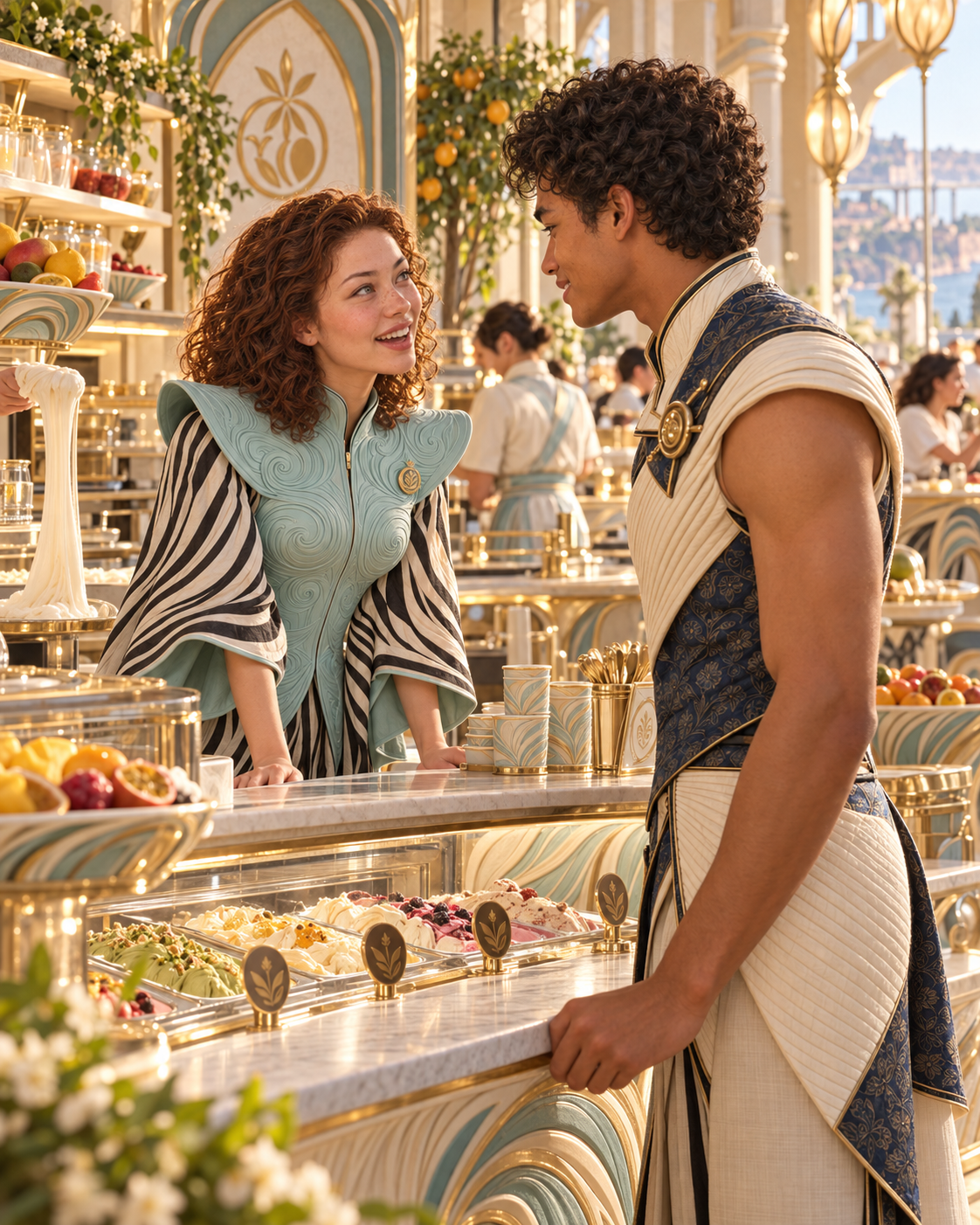
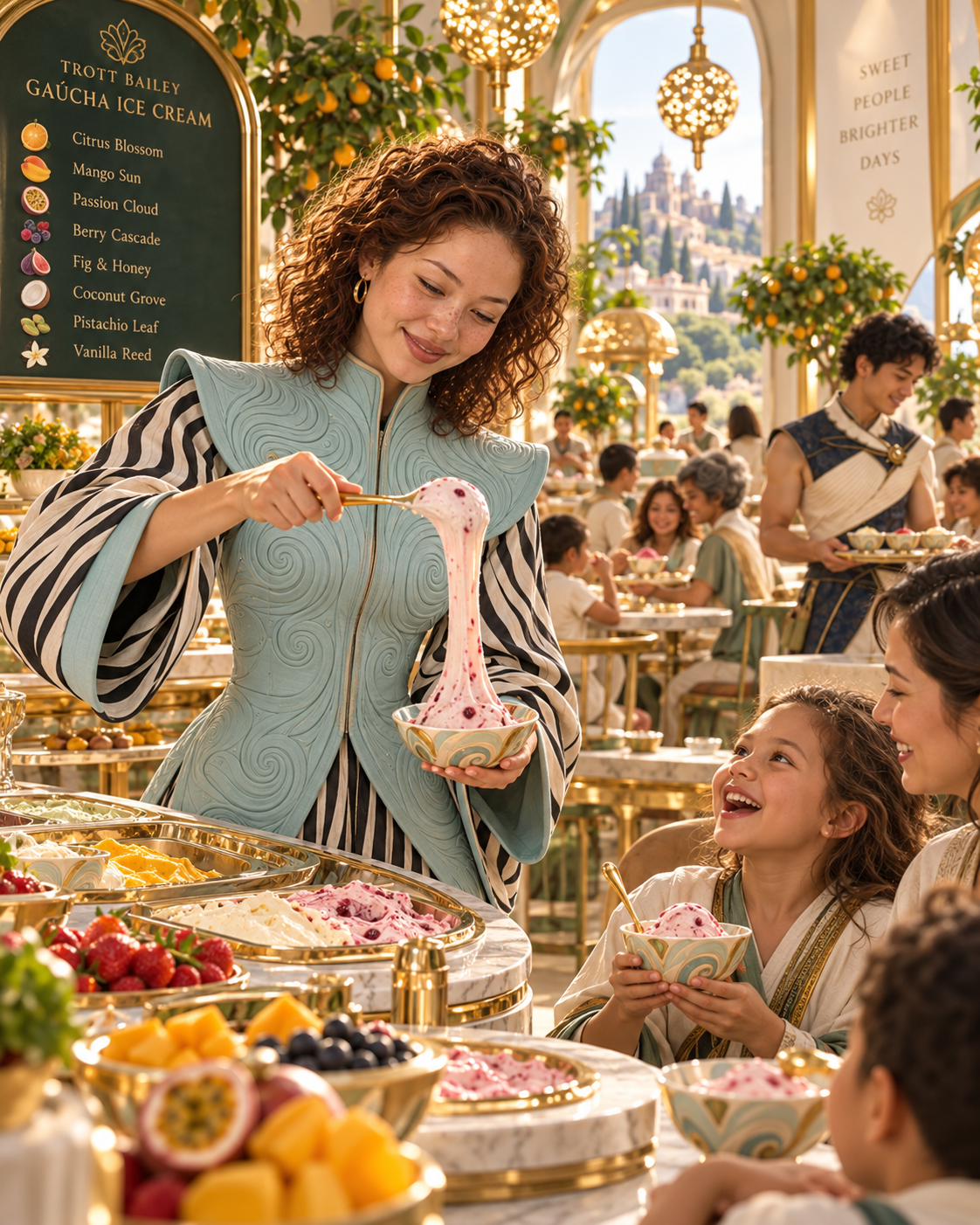
In Trott Bailey language, this connects to the idea of a Sabennerie. A Sabennerie is a public food abundance center: not merely a restaurant or food court, but a place where cooked meals, warm food, drinks, family portions, child tasting, elder-friendly food, clean water, seating, clean-return, and service support are organized as public nourishment.
Prado’s Sabennerie network could include rice, beans, fish, stews, soups, plantain, sweet potato, mango sauces, citrus drinks, watermelon coolers, banana breakfast foods, Prado Morning Flakes, child tiny-taste counters, and elder-soft meals.
Prado’s food heart must be a place where families are fed, not just where products are sold.
5. Compost and Fertility Must Become Civic Infrastructure
A dignity-based food vision cannot treat organic waste as garbage. Food scraps, peels, leaves, spoiled produce, market waste, and garden cuttings should not become dumping, smell, pests, blocked drains, or landfill pressure. They should return to soil through a disciplined fertility system.
Brazil’s National Fertilizer Plan gives this local idea a national context. The Brazilian government’s summary of the plan states that around 85% of fertilizers used in Brazilian agriculture came from imports, with a goal of reducing that import share to about 45% by 2050. Prado cannot solve Brazil’s fertilizer dependence by itself, and compost does not replace every mineral nutrient need. But Prado can build a local fertility-resilience model.
A Prado Compost + Fertility Campus should be a clean, odor-managed, pest-managed, educational, beautiful facility that receives organic return, produces high-quality compost where appropriate, supports public edible landscapes, strengthens local gardens and farms, and teaches residents that food waste is not the end of food.
This connects to Krubaro. Krubaro is the Trott Bailey clean-return and waste-routing system: the logic that used matter should be sorted, cleaned, reused, composted, routed, or safely handled instead of becoming loose trash.
Food scraps are not garbage. They are soil returning home.
The Prado fertility loop should be:
Household Krubaro → neighborhood organic return → Prado Compost + Fertility Campus → farms, orchards, edible public landscapes, and family food systems.
6. Children’s Delight Is Not Extra
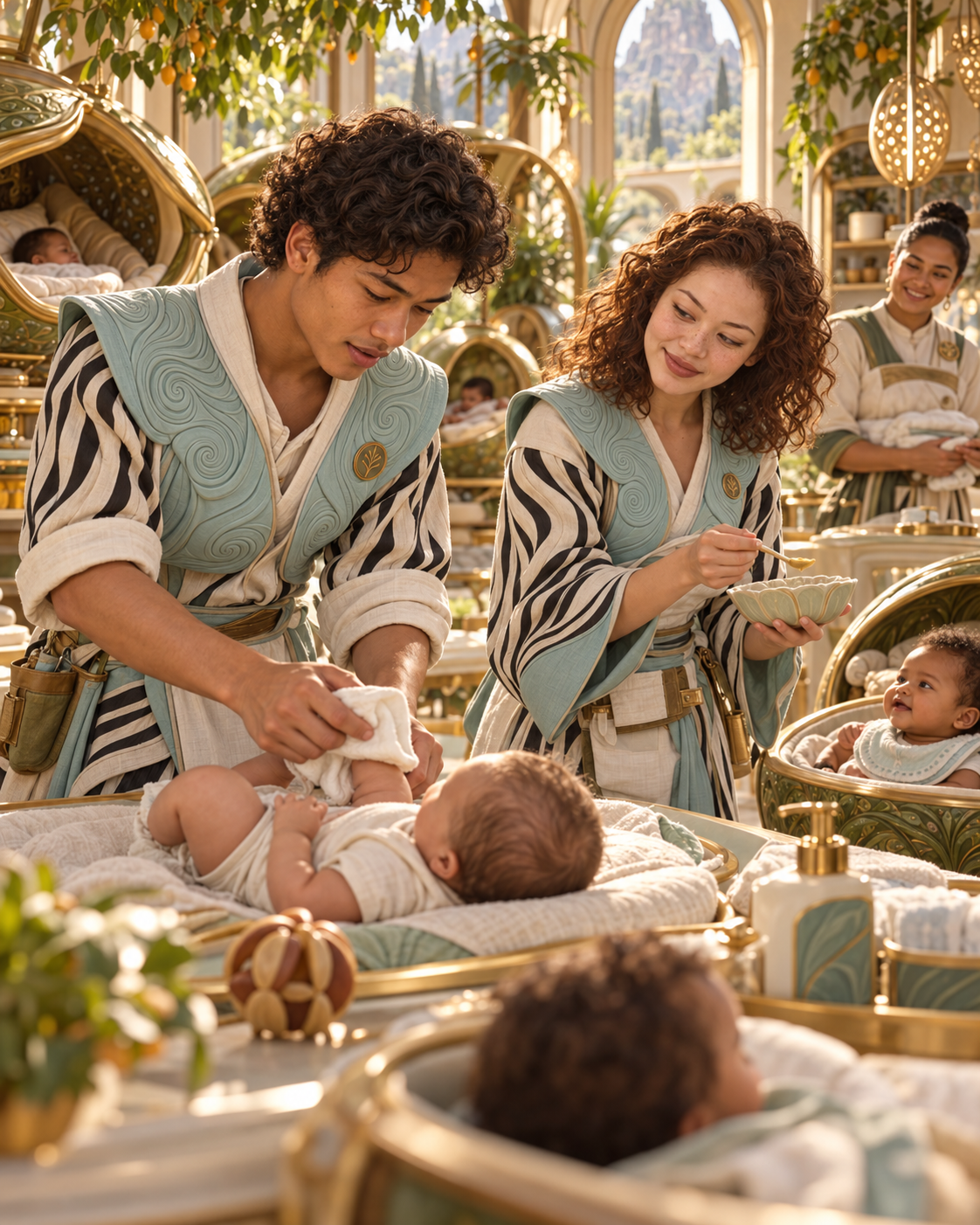
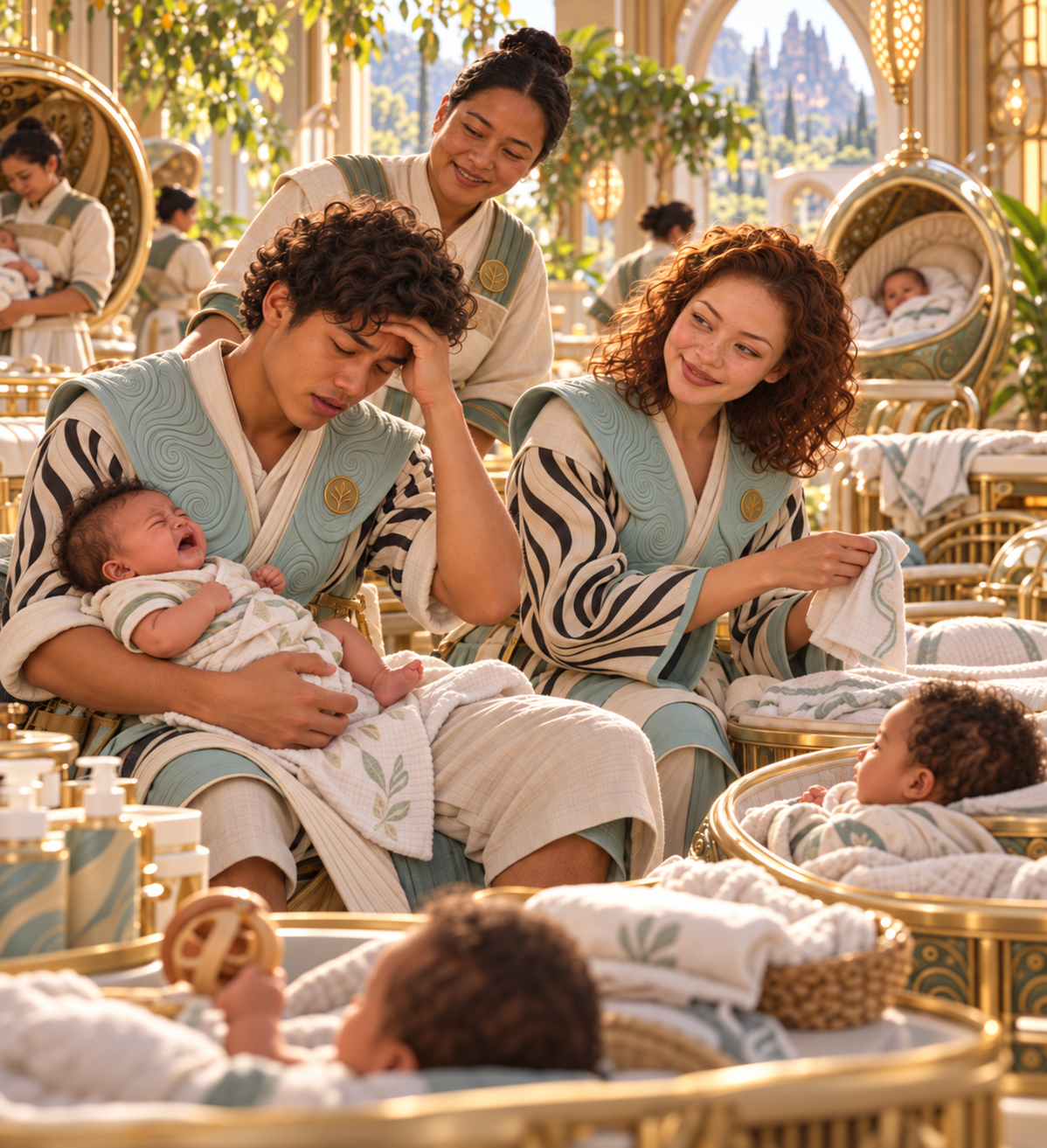
A town that builds only for adult transactions will eventually treat children as inconvenience. A dignity-first town does the opposite. It makes room for childhood in public life.
Brazil’s Estatuto da Criança e do Adolescente, Law 8.069/1990, includes children’s and adolescents’ right to “brincar, praticar esportes e divertir-se” — to play, practice sports, and have fun. That matters for Prado. Children’s play is not an optional decoration pasted onto the town after roads, food, construction, and tourism have already claimed everything.
Prado’s child fruit-water parks should therefore be understood as civic childhood infrastructure. A Watermelon Picking Water Park is not a silly theme. It is food learning, water learning, harvest delight, family gathering, child movement, cooling, fruit tasting, and compost-return education in one place.
Prado could develop Mango Splash Groves, Citrus Mist Courts, Banana Leaf Water Trails, Sweet Potato Mud-to-Food Courts, and child-safe water edges where children learn that food grows from soil, water, sun, care, and return.
Food security should enter childhood as joy, not fear.
End of Part 1.


Prado can empower families to save their organic scraps by organizing a daily food scraps retrieval system that’s separately branded from regular garbage disposal. They should have pick up schedules that are widely publicized and a reward system to encourage participation.


Trott Bailey Perspectives • Prado Reform • Phase Two
Prado Can Build a Future for Families, Not Just a Market for Transactions
The second half of the vision connects clean public life, water-edge protection, tourism, architecture, transport, and the final dignity test.
7. A Food Haven Cannot Be Dirty
Prado cannot become a food haven, a family town, a tourism town, or a water-edge town without clean public-life systems.
A clean-return wall is a beautiful public return point where used cups, food containers, bottles, compostable scraps, towels, tools, or other items are sorted and routed back into cleaning, reuse, compost, or service systems instead of becoming loose trash. This is not the same as hiding bins. It is teaching a town that matter should return.
Prado needs clean-return walls, public bathrooms, rinse pavilions, fishing dock support nodes, beach return courts, food vendor clean-return courts, rural collection nodes, mosquito prevention systems, tourism-season overload planning, child-safe water edges, and worker dignity stations.
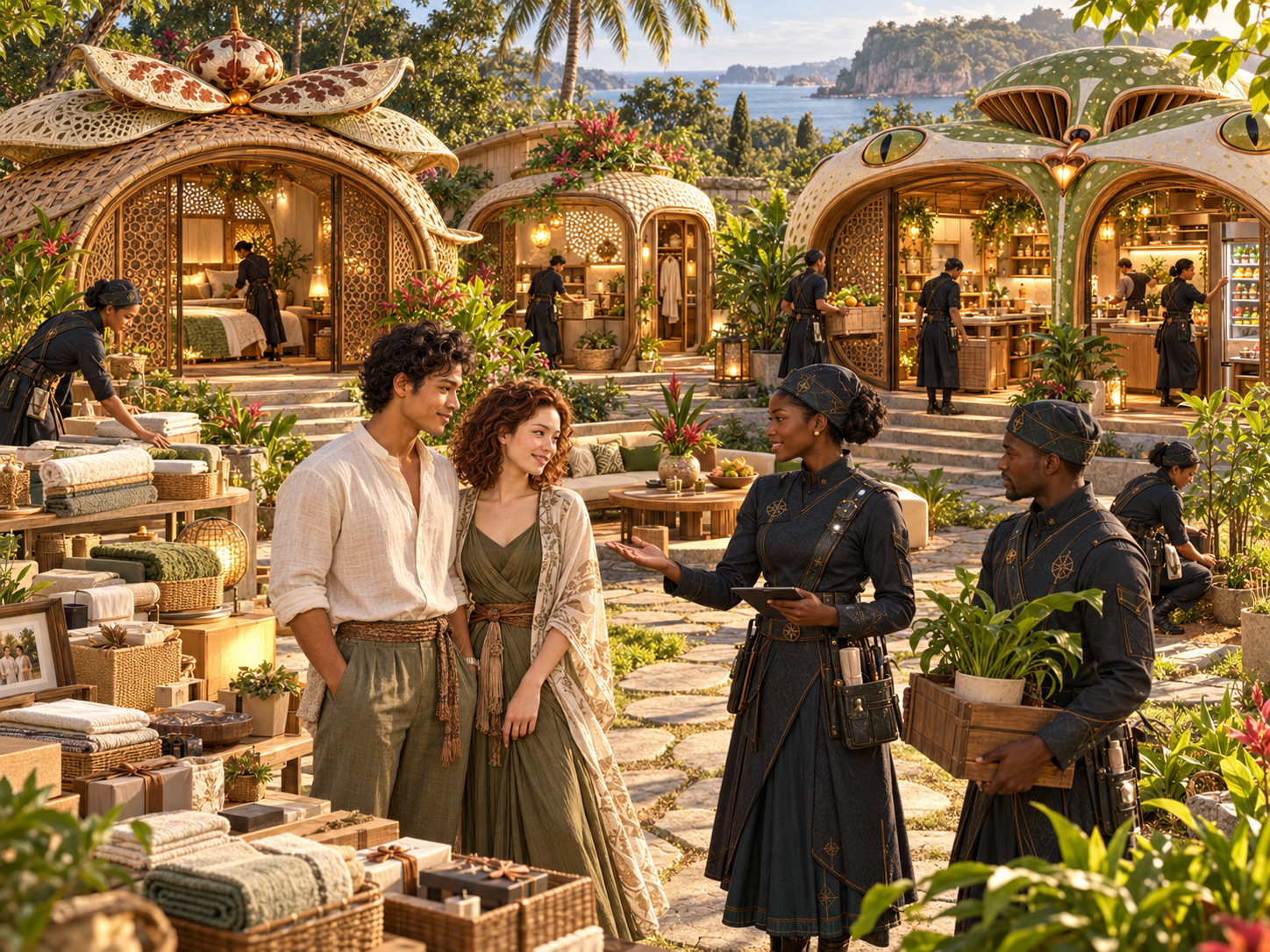
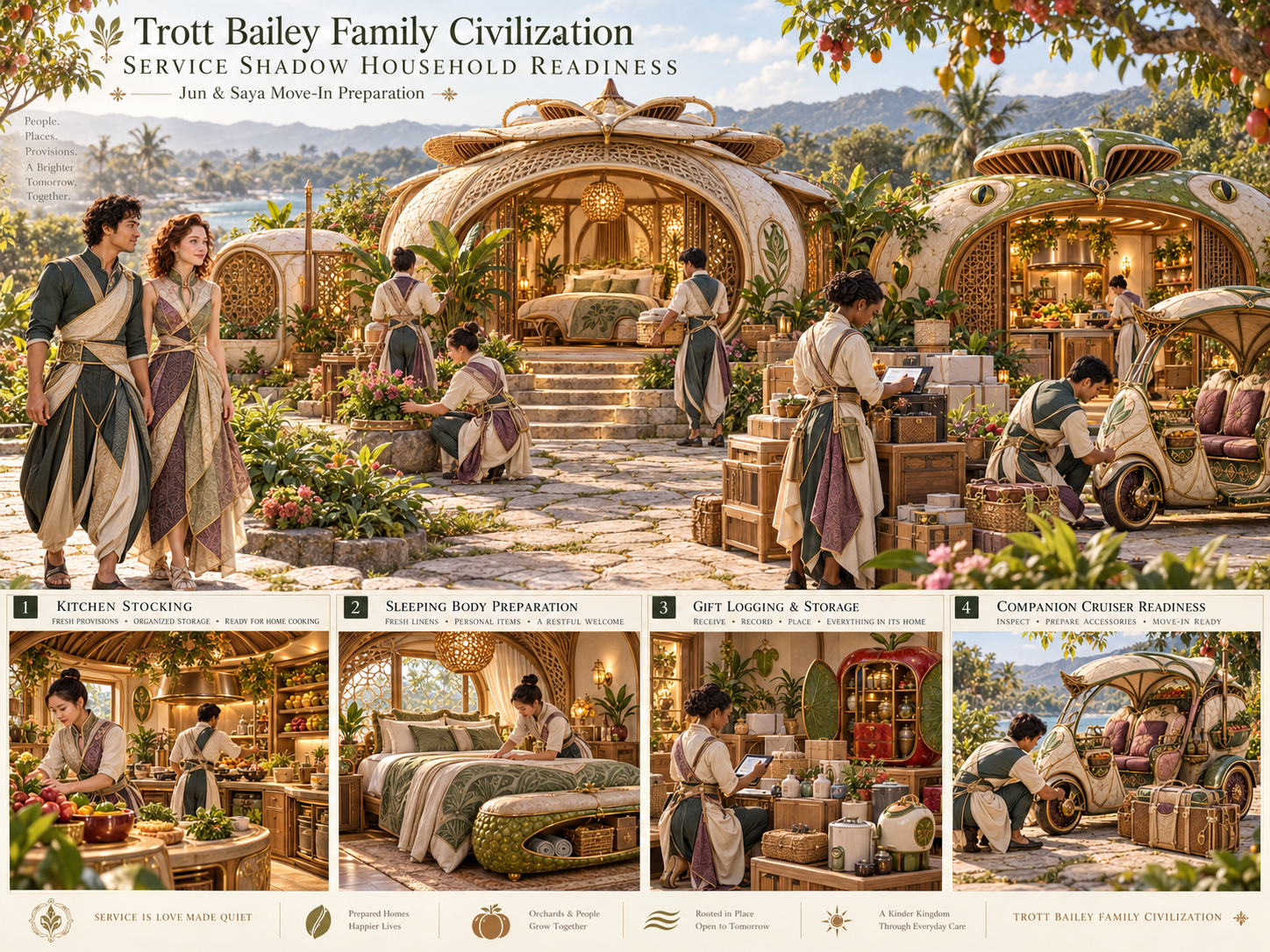
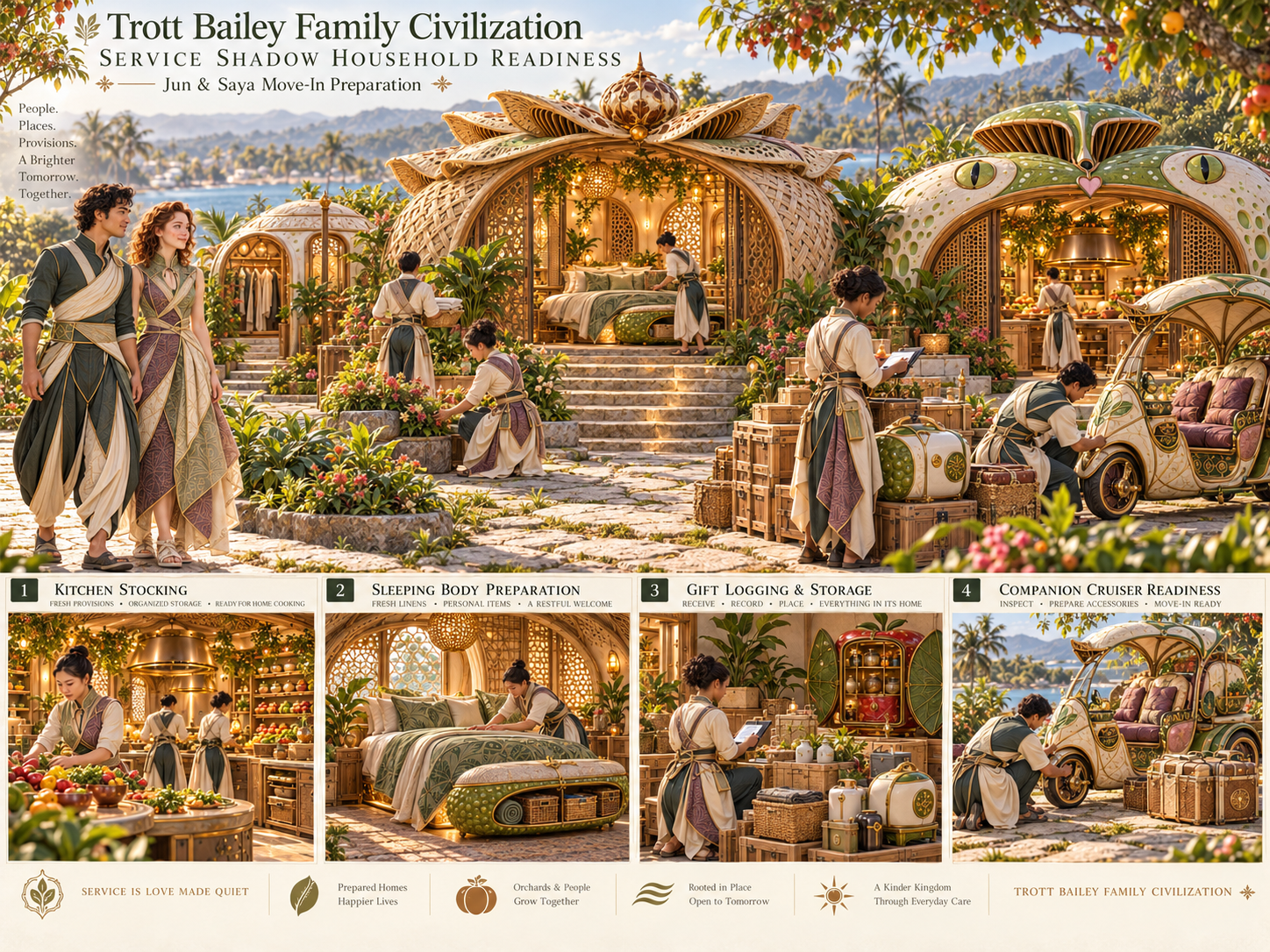
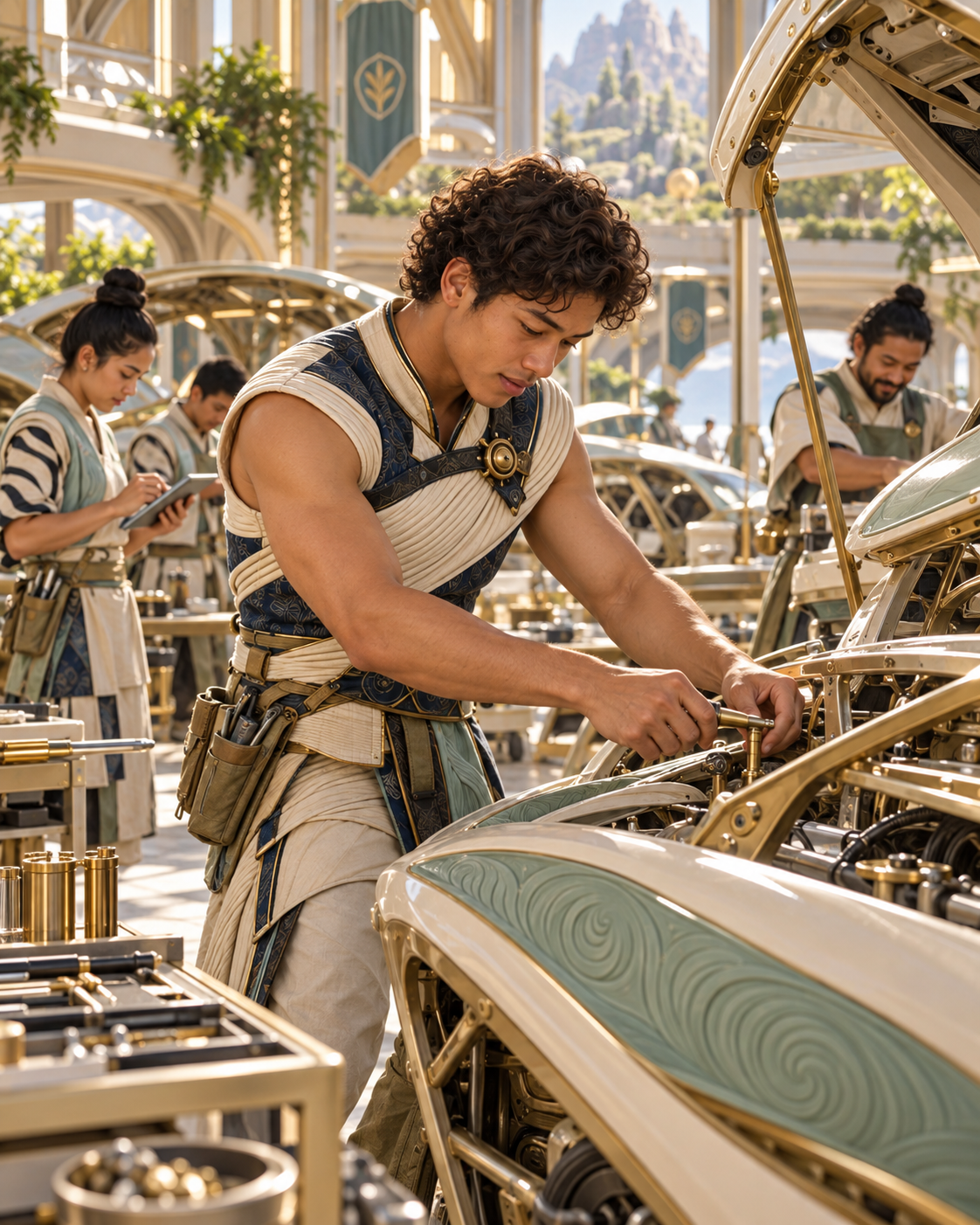
A Service Shadow is the support layer that keeps public life working. It may be hidden, semi-visible, above-ground, or underground, but its purpose is clear: cleaning, supply movement, repair, return, water support, worker routes, tool storage, rest spaces, and maintenance. In Trott Bailey thinking, Service Shadow should not be ugly back-of-house. The people who keep a town clean should have dignified architecture too.
A food haven cannot be dirty. A tourism town cannot collapse in high season. A river town cannot treat the river as a back edge.
This is where Phase One’s Prado systems matter. The Jucuruçu Clear-Flow Family Riverfront, Costa das Baleias Clean-Return Promenade, Broken Drain to Clear-Flow Edge, Prado Clean-Return Waste Spine, Prado Krubaro Clean-Return Wall System, Service Shadow Worker Dignity Station, Public Bathroom + Rinse Pavilion, Tourism-Season Overload Mode, Prado Mosquito Prevention System, Food Vendor Clean-Return Court, Fishing Dock Support Node, and Clean Corridor Spine / Rural Collection Node are not side ideas. They are the operating system that makes the food vision believable.
8. Prado Must Protect Its Water Body
Prado cannot build a food future by abusing its water body.
Wetlands, mangroves, rivers, drains, low wet-dry zones, estuaries, beaches, and water edges are not leftover land. They are living infrastructure. They store water, slow runoff, cool the landscape, support fish, birds, insects, frogs, plants, and micro-life, and warn humans where water wants to move.
Prado’s coastal context makes this especially important. INEMA’s description of APA Ponta da Baleia / Abrolhos notes restinga vegetation along the coastal zone and extensive mangroves in river estuaries. A 2025 vulnerability study of Prado also identifies very high and high vulnerability classes in mangrove areas, marine plains, and fluvial plains.
That means careless construction, garbage dumping, unplanned tractor movement, sewage leakage, blocked channels, and destroyed vegetation are not small local inconveniences. They damage Prado’s water body.
Prado needs mangrove protection, wetland buffers, no-dump edges, no-drive zones, reed filtration, water testing, algae monitoring, child-safe water-edge standards, clear-flow riverfronts, and Shubaka wetland stewardship routes.
Shubaka is a Trott Bailey term for service/carrying work done with dignity. The point is not to hide the workers. The point is to design the town so that the people maintaining water, cleanliness, public food, parks, bathrooms, and service routes can work safely, beautifully, and with rest.
If Prado builds with water, it must also build water-edge responsibility.
9. Tourism Must Grow From Resident Dignity
Prado does not need to reject tourism. It needs tourism that grows from a town already alive for its own people.
Bahia’s sustainable tourism planning framework recognizes that tourism development requires infrastructure, public services, institutional strengthening, and attraction-building. That supports a better Prado tourism model: not more extraction from beaches, but a deeper resident-first identity that visitors can respectfully enter.
Food landscapes, Cooked Meal Commons, clean promenades, fishing dock support, wetland trails, fruit-water parks, compost education, earth architecture, and family transport loops can become real attractions because they first make life better for residents.
Money-grabbing planning asks: how can tourists spend more?
Dignity-based planning asks: how can residents live better every day, and how can visitors be hosted without overwhelming the town?
The best tourism grows from a town that is already alive for its own people.
10. Prado Must Author Its Own Architecture
Prado must not only reform its systems. It must also author its own built identity.
A reformed Prado should be recognizable before a sign tells you where you are.
Prado has documented kaolin resources in the region. Research published in HOLOS describes an important kaolin deposit in Prado, exploited by Mineração de Caulim Monte Pascoal since 1992. That does not mean Prado should recklessly extract material from the land. It means Prado has real earth-resource identity that can be studied, respected, and translated into architecture with discipline.
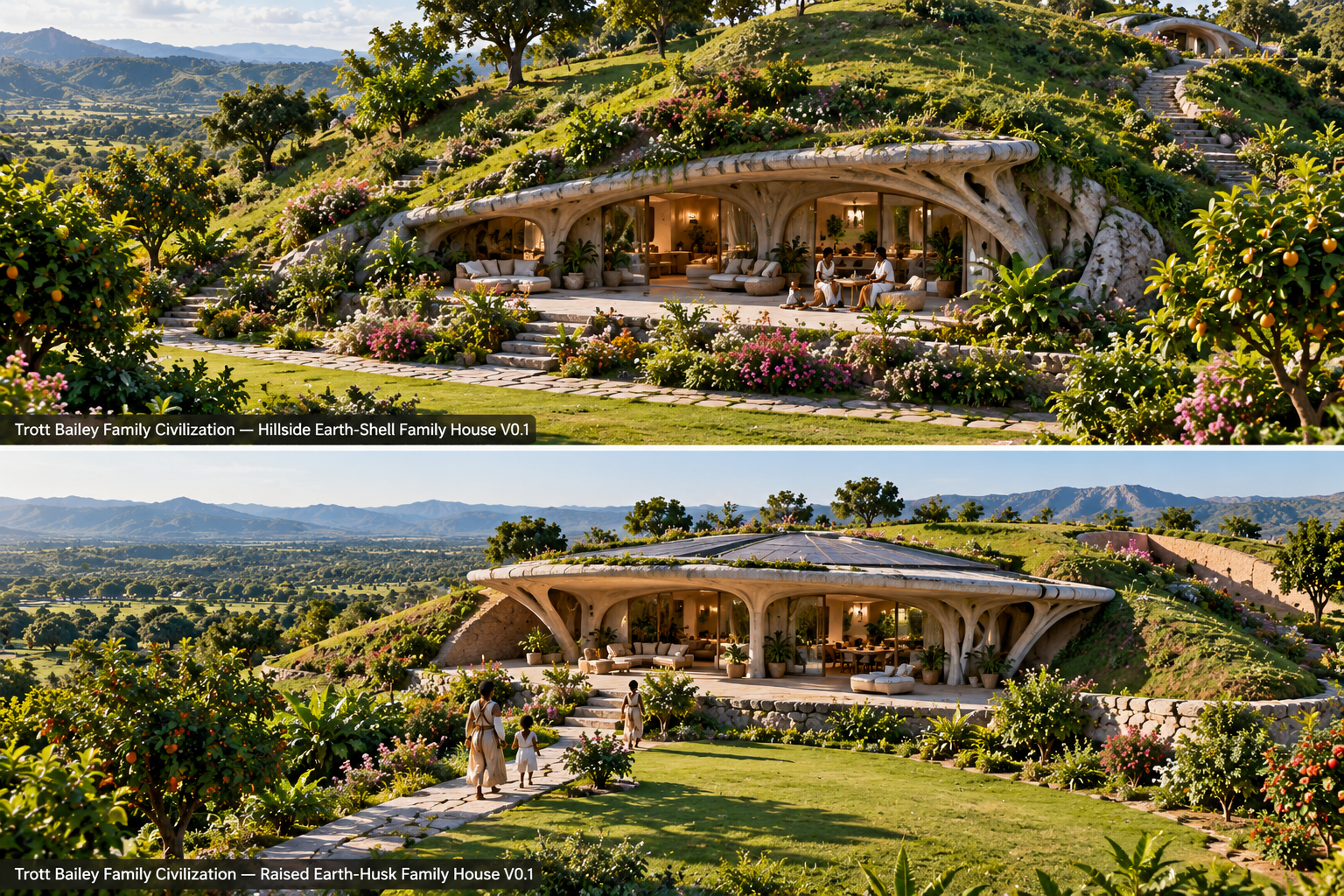
Prado’s architecture should be suited to heat, rain, salt air, humidity, flooding risk, sandy soil, wetland edges, and family life. It should use smart and striking forms: pigmented rammed earth, fired clay, kaolin-informed finishes, ceramic drainage, gill walls, bead-fan crown vents, rain catchment bodies, ribbed stone threshold dryers, Krubaro return bodies, raised plinths, stilt variants where appropriate, verandah connectors, and beauty-made-function facades.
A Trott Bailey Prado home should not be a square box. It should be a compound: Hearth-Court Body, Chamber-Pod Bodies, verandah connectors, central family court, Threshold Reset, Kultan Water Hearth, Quick-Dry Walks, Rain Catchment, Krubaro, and Service Shadow.
A Kultan Water Hearth is a clean-water working body that handles washing, rinsing, draining, drying, and routing water better than an ordinary sink. Quick-Dry Walks are interior paths designed to recover quickly from wet feet, spills, sand, and daily family movement. The Ribbed Stone + Warm-Air Threshold Dryer is the formal entry system where feet can wash, drain, dry, and enter clean.
Prado should look like a place that knows what it is.
11. Dignity Must Be Reachable
A vision that families cannot reach is not yet a public system.
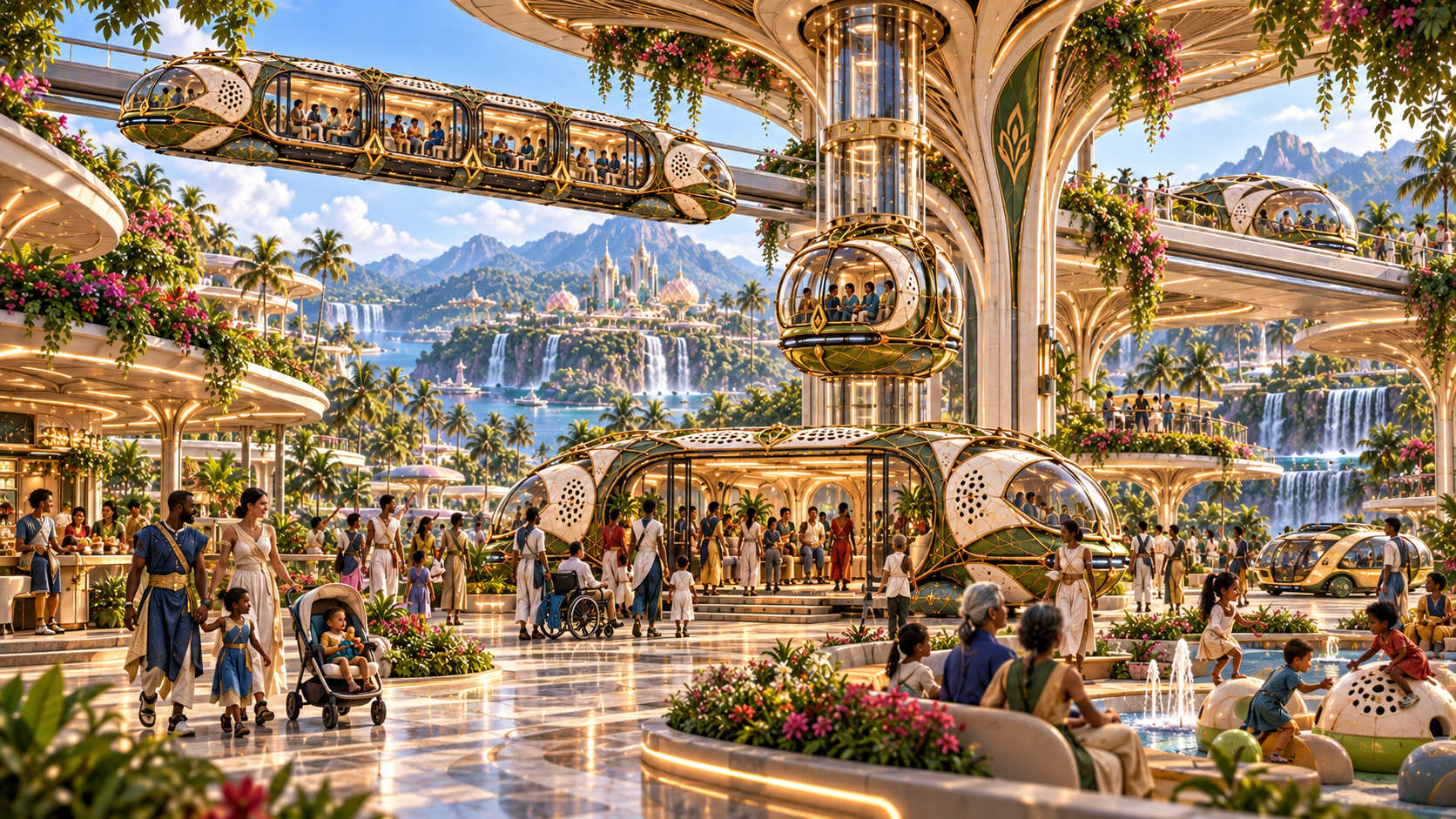
Prado needs transport that connects neighborhoods to cooked meals, schools, fruit-water parks, beaches, clinics, markets, fishing docks, wetland stewardship corridors, compost return, preservation kitchens, rural collection nodes, and civic food spaces.
That means shaded walking routes, safe bicycle routes, family shuttle loops, harvest routes, compost collection routes, Service Shadow routes, and rural-to-town collection points. Transport should connect families to abundance, not only move cars through town.
If Prado creates food places that residents cannot reach, parks that families cannot use, compost systems that households cannot participate in, and beaches that collapse under seasonal overload, then the vision remains incomplete.
A dignity-based town makes the good reachable.
12. The Dignity Test
Every Prado proposal should face the same test:
Is this building for dignity, or just for transactions?
If Prado builds only for transactions, beaches become products, land becomes speculation, food becomes pricing, workers become invisible, children become afterthoughts, wetlands become obstacles, and architecture becomes whatever can sell quickly.
If Prado builds for dignity, then food systems, cooked meals, compost, clean return, child play, transport, wetlands, architecture, fishing, tourism, family life, and worker support become one civic promise.
Prado does not need to become another beach town. Prado can become a food-secure, child-delighting, clean, beautifully built coastal town where residents live better first, and visitors are welcomed into a place with real identity.
This is not a tourist slogan. This is not a money-grabbing plan. This is a Trott Bailey Family gift of vision: a dignity-based future offered to a municipality of more than 35,000 people.
If Prado builds only for transactions, its beauty will be consumed. If Prado builds for dignity, its beauty can become a future for its families.
Research and Evidence
- IBGE — Prado, Bahia: population and municipal profile
- Brazilian Government — National Fertilizer Plan summary
- Estatuto da Criança e do Adolescente — Lei 8.069/1990
- HOLOS — Characterization and beneficiation of kaolin from Prado, Bahia
- Revista GEOgrafias — Environmental vulnerability analysis of Prado, Bahia
- INEMA — APA Ponta da Baleia / Abrolhos
- Bahia Tourism — Integrated Sustainable Tourism Development Plans
Related Trott Bailey Articles
- How would Trott Bailey Family redesign Prado. First Stage.
- Prado Is Not Lacking Beauty. Prado Is Lacking Vision
- Prado Was the Pressure Chamber
- Krubaro Inside the Home: Why Clean Return Belongs in Beautiful Interiors
- Pacorips and Service Shadow: Protecting the Workers Who Protect the Kingdom
- Why Trott Bailey Homes Are Finishing Hearths, Not Survival Kitchens
- A Civilization Should Know How to Delight Its Children
- Children Should Be Free to Get Safely Dirty
- Children Should Be Able to Help Themselves



 and then