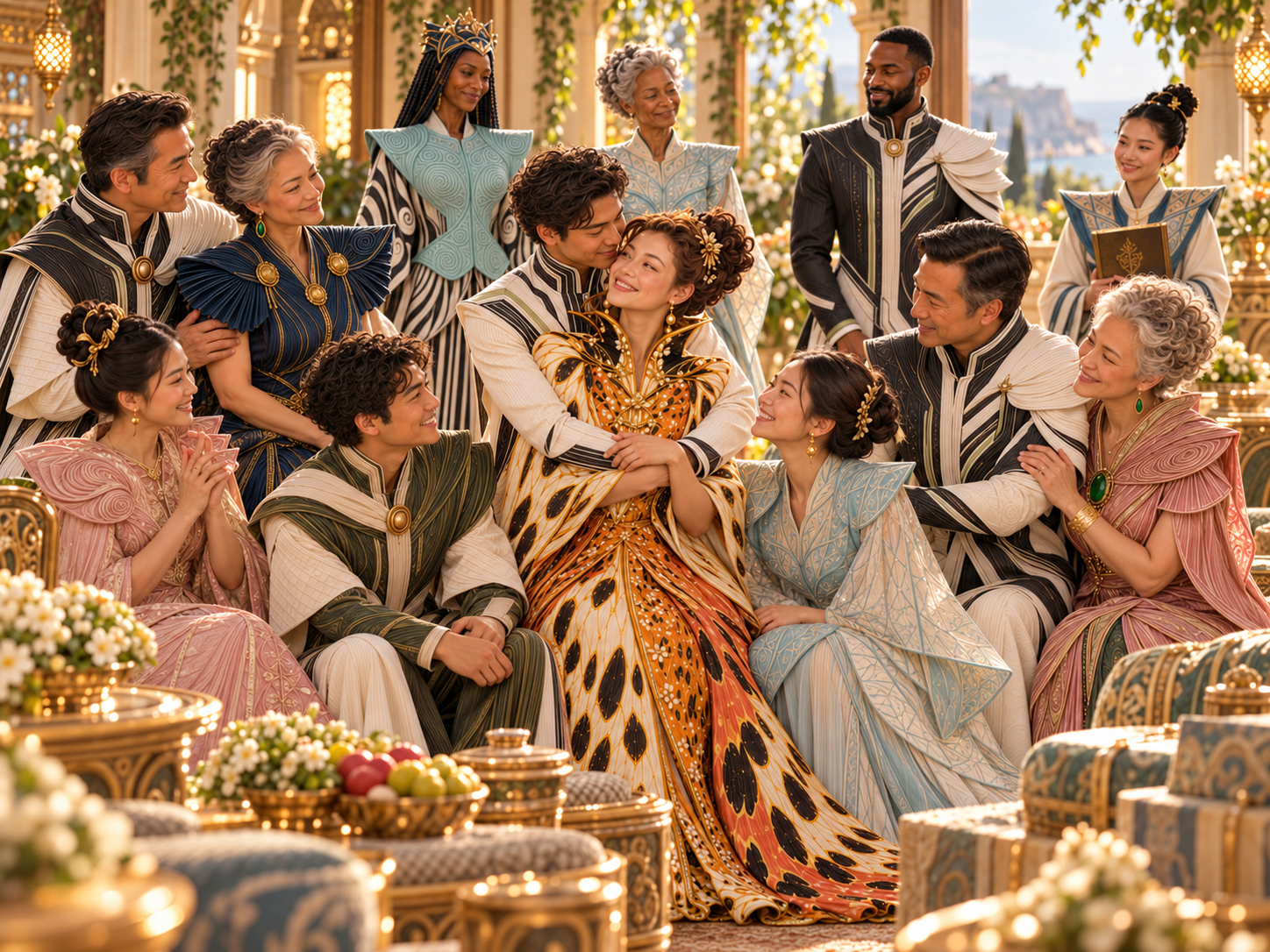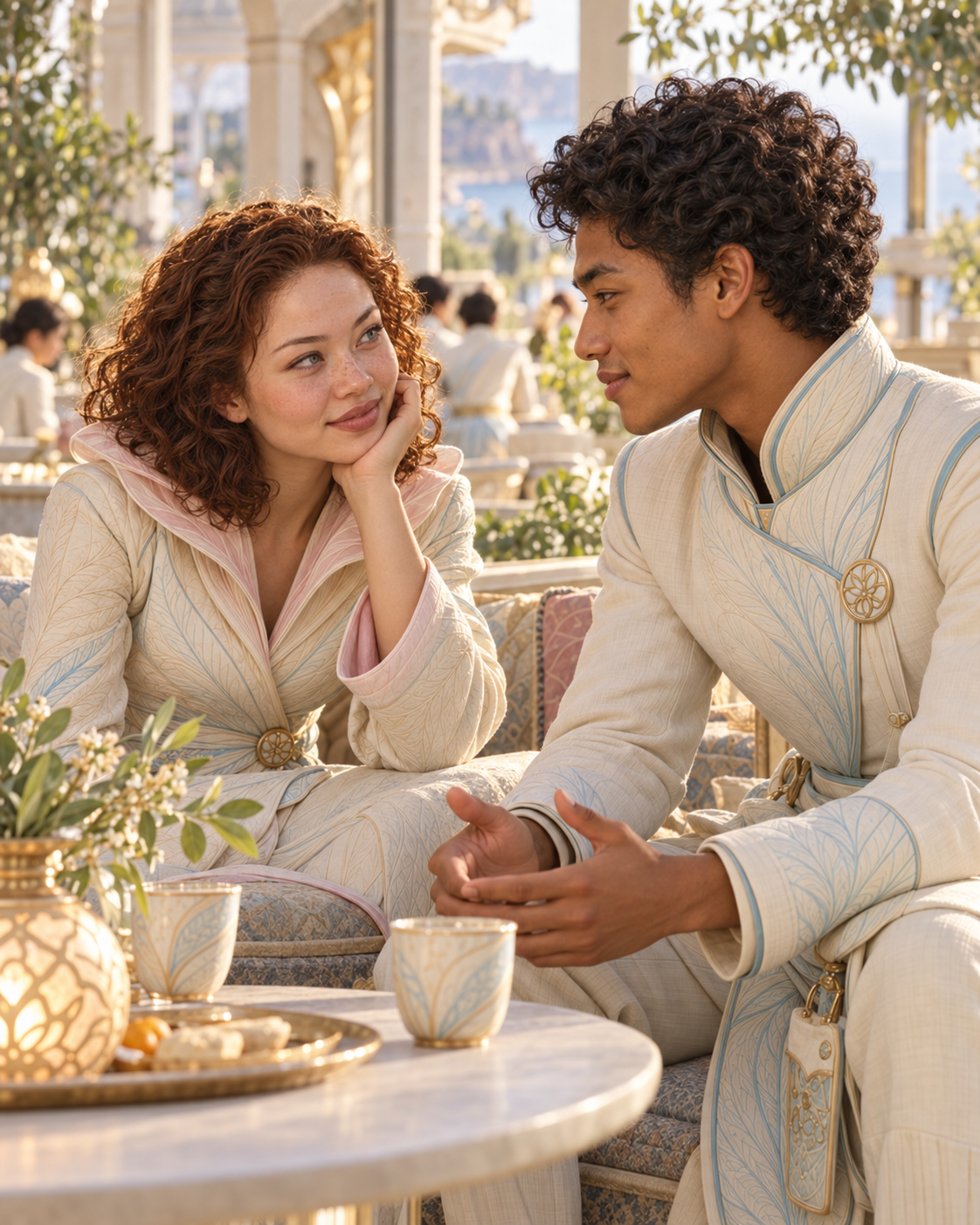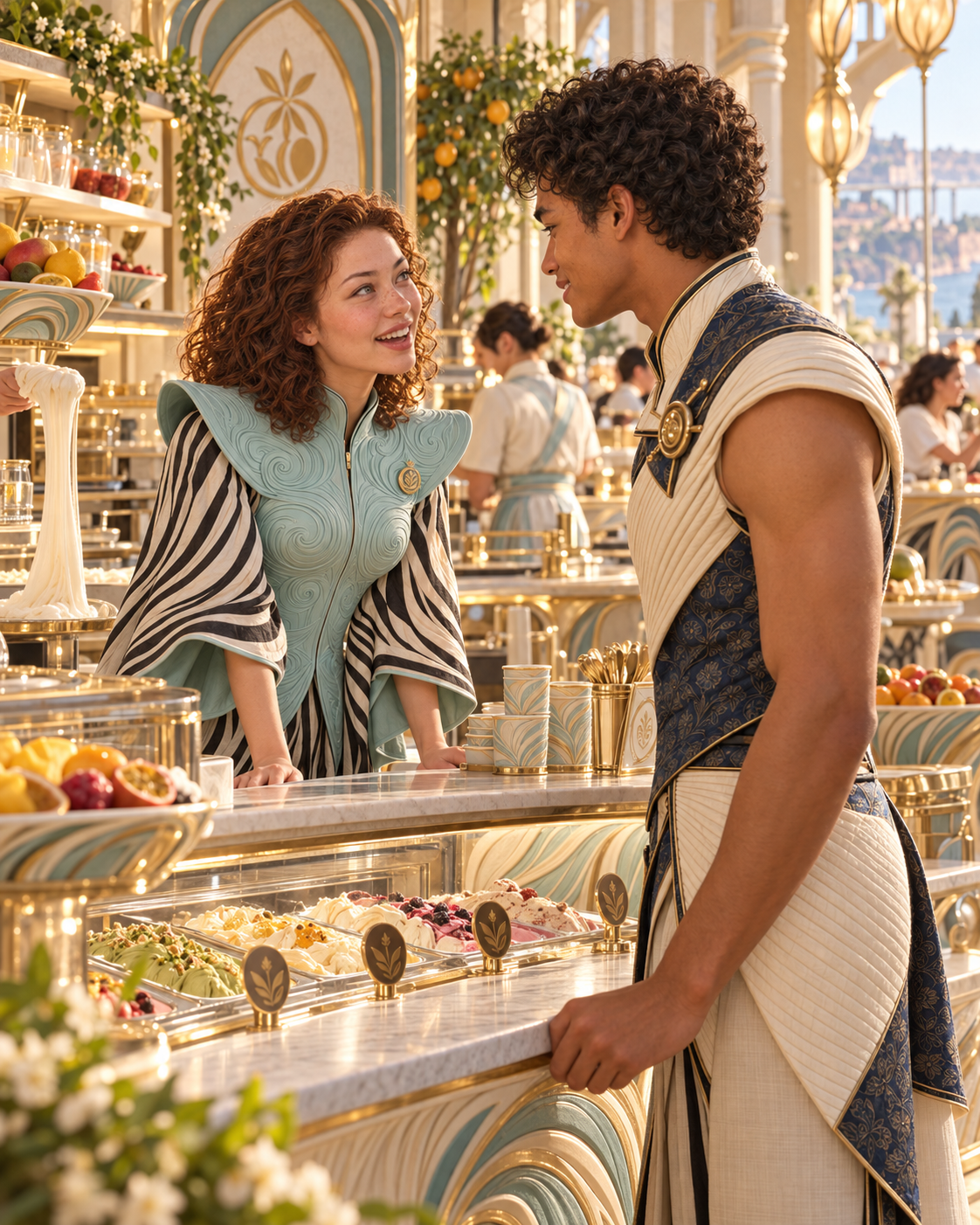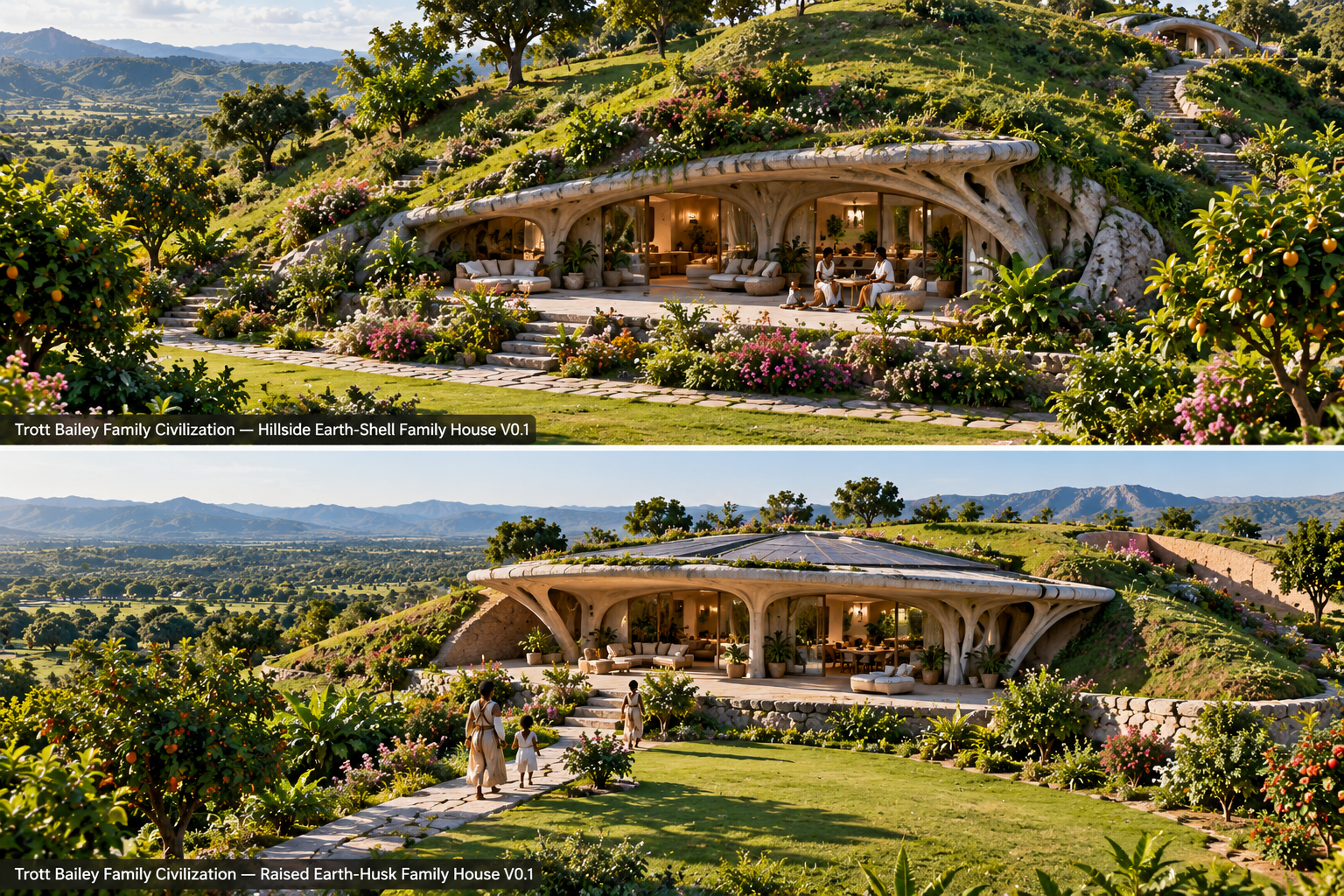


Family Challenges: How Families Build Unity, Skill and Memory Together

Trott Bailey Family Civilization
Family Challenges: How Families Turn Civilization Into Shared Adventure
A voluntary, family-chosen milestone where a household decides to learn, build, travel, serve, create, practise, master, or experience something together.
A Family Challenge begins when a household says:
“We want to do this together.”
That is the simple heart of it.
A Family Challenge is a voluntary, family-chosen milestone where a household decides to learn, build, travel, serve, create, practise, master, or experience something together.
The family chooses the challenge. The family names the milestone. The family decides what completion means. The family starts together and finishes together.
That is what makes it powerful.
Family Challenges are not handed down from an office. They are not assignments. They are not competitions. They are not proof that one family is better than another.
They are family-authored adventures.
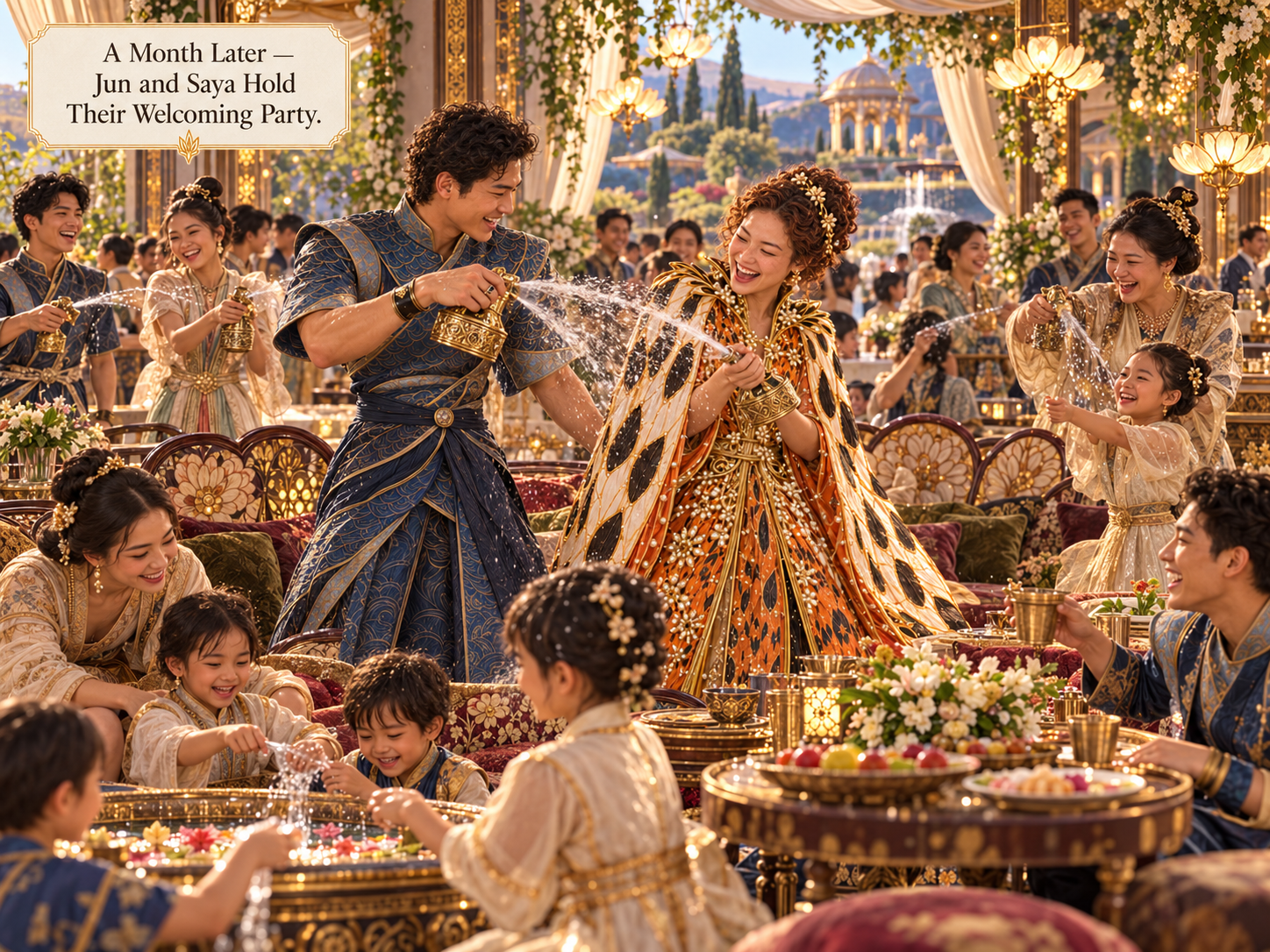
A challenge may begin in a kitchen, garden, family room, workshop, river route, harbor, orchard, welcome house, or LuvYou Caterport. It may last one morning, one week, one season, one year, or longer.
What matters is that the family enters it together.
Start Together, Finish Together
The first movement is simple.
The family talks.
The household asks:
“What do we want to do together?”
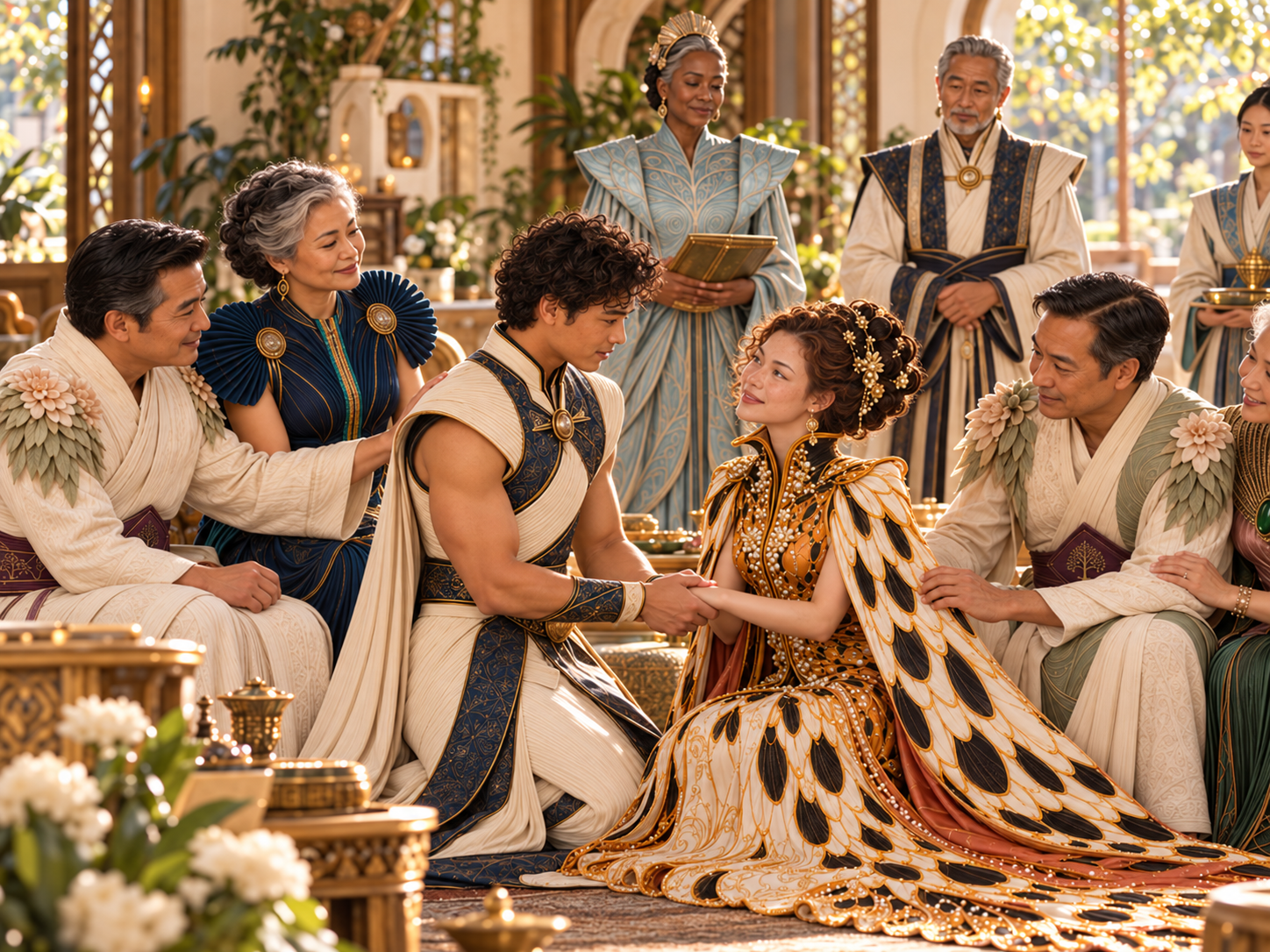
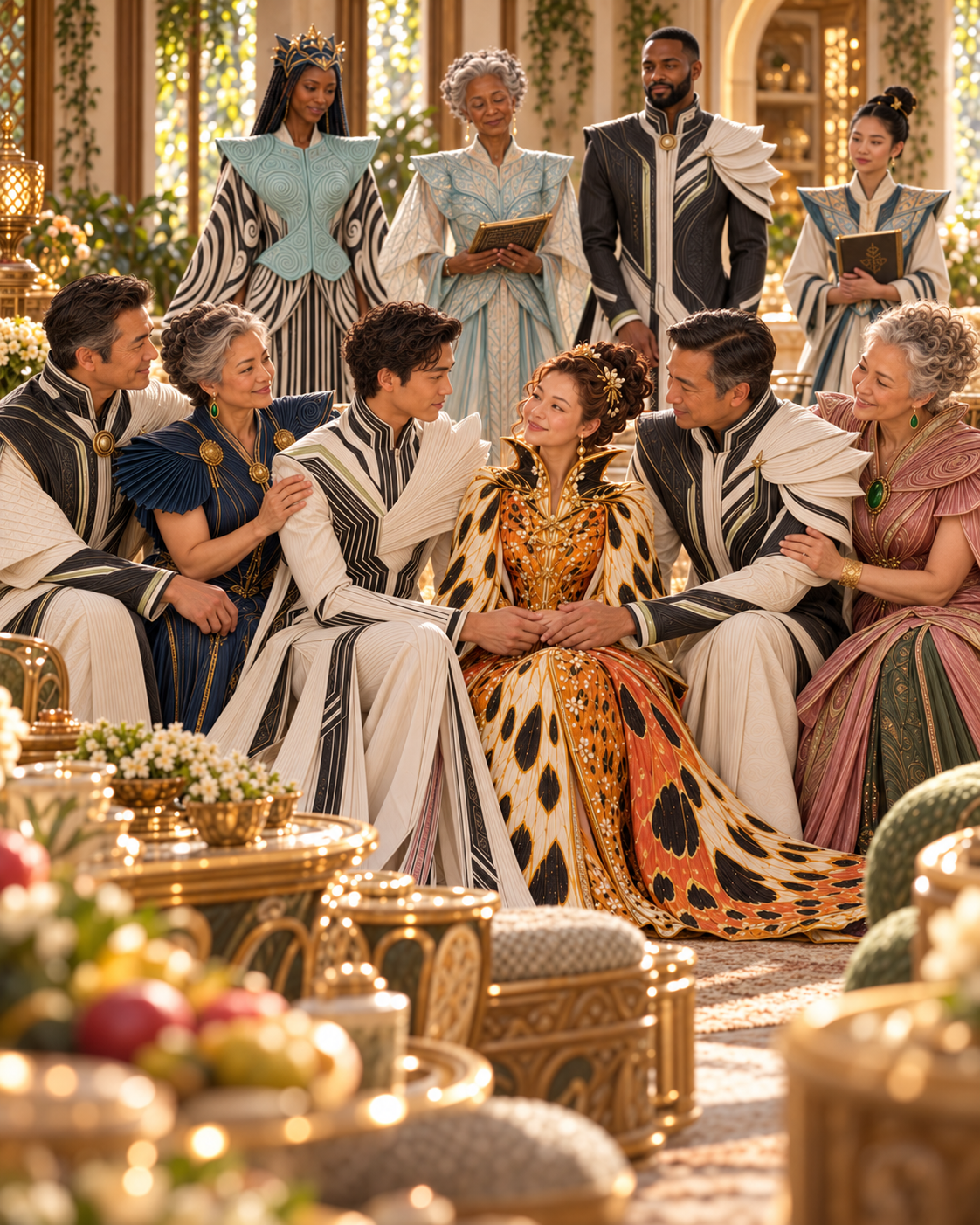
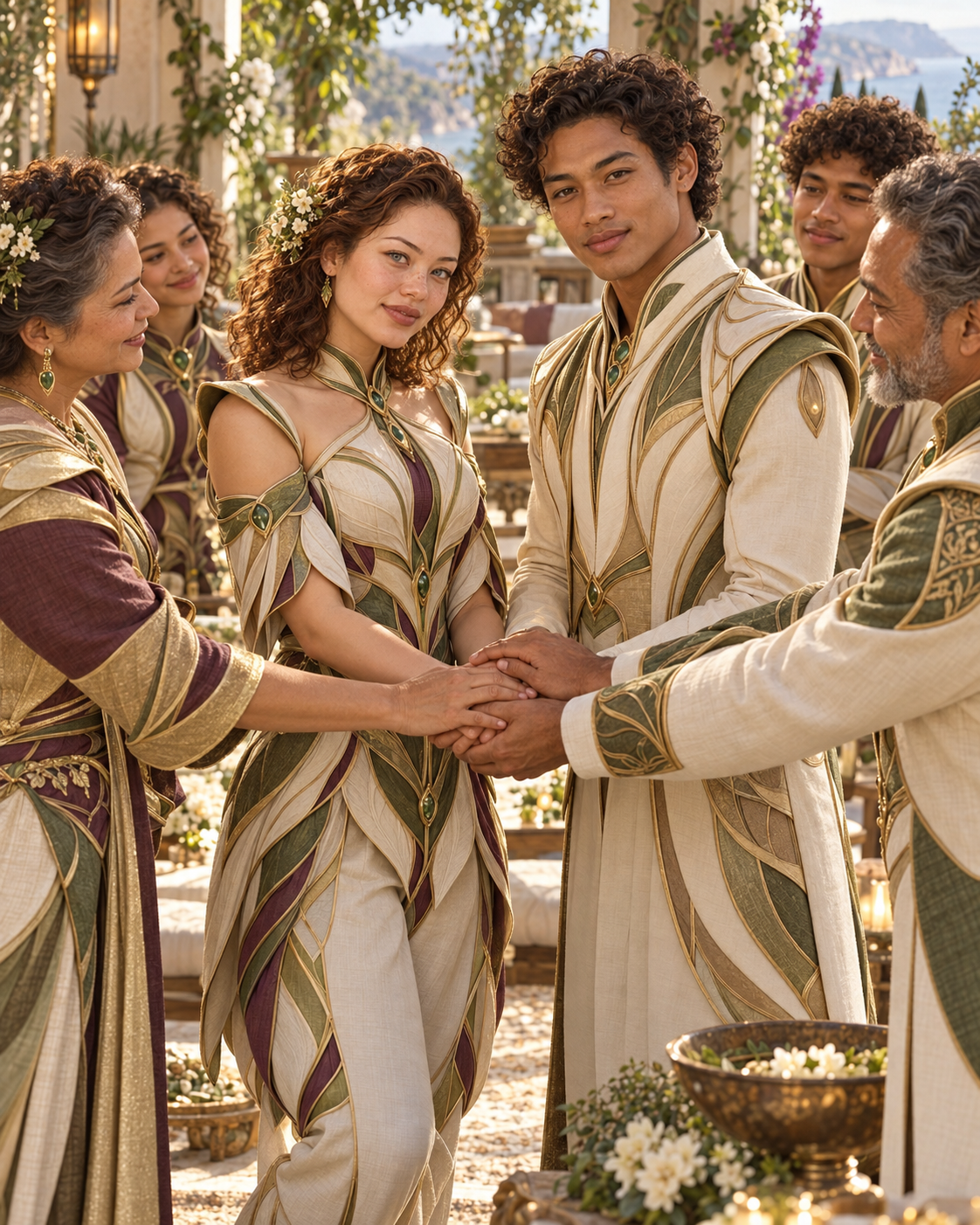
A child may suggest it. A father may say, “Let us build this.” A mother may say, “Let us learn this properly.” Grandparents may say, “Let us teach you how this is done.” Siblings may invent something together.
Then the family names the challenge, decides what it hopes to accomplish, chooses how it will know the milestone is complete, and begins.
Start together, finish together.
That does not mean every family member does the same task every day. It means the challenge remains a shared family undertaking from beginning to completion.
A family may choose something small and sweet: one shared breakfast, one room reset, one garden bed, one family walk, one song learned together, one photo wall, one hospitality meal, one planting day, one table made beautiful.
Another family may choose something larger: a year inside a new cuisine, a sailing route, a language season, a harvest journey, a workshop skill, a family archive, a service project, a foodway, a water route, or a public celebration.
The size is not the point.
The family choosing together is the point.
The Civilization Makes Bigger Challenges Possible
In the old money-driven world, many family dreams are blocked before they begin.
A family may want to learn sailing, but travel costs stop it. A family may want to learn a language in another country, but lodging costs stop it. A family may want to enter a new cuisine, but ingredients, transport, tools, and time stop it. A family may want to spend a season learning from another place, but every movement becomes expensive.
The dream gets reduced to videos, pictures, and wishful talk.
Trott Bailey Family Civilization changes that.
With free travel, free food, welcoming households, LuvYou Caterports, and public systems built for family movement, a Family Challenge can become larger than an ordinary activity.
A family can go where the learning lives.
It can enter a foodway. It can enter a harbor. It can enter a language region. It can enter a farming season. It can enter a workshop route. It can enter an orchard world. It can enter another family’s way of doing something and learn through living contact.
LuvYou Caterports are not commercial airports built around payment gates. They are family-movement organs inside a civilization where travel is not treated as a luxury for people who can afford extraction.
The Caterport does not only move bodies.
It moves family ambition.
It allows a household to reach the world that matches its challenge.
A Family Can Enter a Whole New Cuisine
One family may decide:
“For the next year, we are going to learn a whole new cuisine and way of cooking.”
That is a Family Challenge.
The household chooses the cuisine, learns the ingredients, studies the tools, practises the techniques, tastes unfamiliar flavours, learns food names, records discoveries, cooks badly at first, then better.
It laughs. It argues about seasoning. It chooses favourite dishes. It learns what takes patience. It learns what must be prepared early. It learns what children enjoy. It learns what elders remember.
Slowly, the family builds a new food branch inside family life.
By the end, the family has not only learned recipes. It has learned timing, cooperation, food respect, cultural curiosity, kitchen rhythm, and shared responsibility.
The milestone may become a recipe book, a family feast, a Mind’s Eye record, an Abundance Points celebration, a household cooking vessel, a garment detail, or simply a story the family keeps:
“That was the year we entered that cuisine together.”
A Family Can Learn Sailing Together
Another family may decide:
“We want to learn sailing together.”
That challenge takes the family to water.
It asks the household to learn wind, balance, knots, boat care, navigation, weather signs, patience, and coordinated movement.
A sailing Family Challenge is not only about the boat. It is about trust.
Who listens? Who watches the wind? Who ties? Who steadies? Who learns slowly? Who gets nervous? Who becomes brave? Who notices the sky changing? Who remembers the route?
The sea teaches the family differently from a classroom. It asks the family to pay attention, move together, respect timing, respect force, respect quiet signals, and respect danger without becoming afraid of life.
At the end, the family may not become expert sailors. That is not always the point.
The milestone may be:
“We learned enough to sail a simple route together.”
“We learned the language of wind and rope.”
“We learned how each of us behaves on water.”
“We crossed this route as one household.”
That is a real family achievement.
A Family Can Learn a Language by Living Where It Is Spoken
Another family may decide:
“We want to learn a new language by living for a season among people who speak it.”
That is a Family Challenge at civilization scale.
The family does not only sit at a table memorizing words. It goes where the language lives.
It hears the language in kitchens, gardens, boats, markets, schools, festivals, streets, workshops, greetings, songs, jokes, instructions, and everyday family life.
The children learn by playing. The parents learn by asking. The household learns by eating, helping, listening, repeating, misunderstanding, laughing, trying again, and slowly becoming less foreign to the sound.
Language enters the body differently when a family lives inside it.
A phrase becomes attached to a meal. A greeting becomes attached to a doorway. A song becomes attached to a night. A word becomes attached to a tool, a fruit, a path, a joke, a child’s mistake, or a family friend.
The milestone is not only:
“We studied the language.”
It becomes:
“We lived near the language.”
“We were welcomed by families who spoke it.”
“We learned enough to greet, help, cook, travel, ask, thank, sing, and remember.”
That is a Family Challenge worthy of record.
Recording the Milestone
Some Family Challenges remain private family memories. That is enough.
Other families may want recognition.
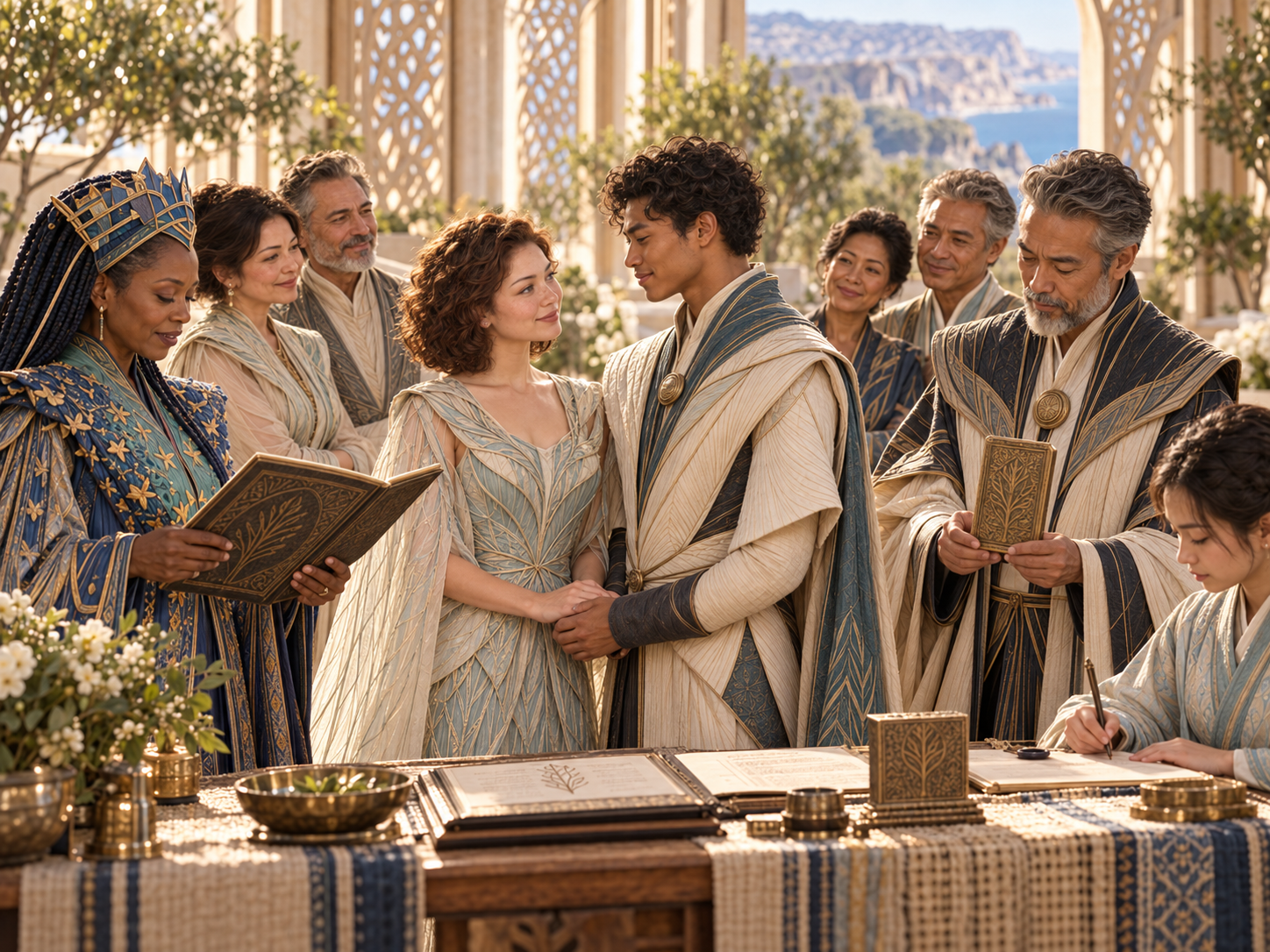
Pacorips is Trott Bailey Family Civilization’s memory and recognition record system. For Family Challenges, it gives a household a simple place to record a challenge when the family wants the achievement remembered, recognized, or connected to Abundance Points, rewards, ceremonies, household markers, garment branches, or other acknowledgements.
The family authors the challenge and lives it. If the household wants the achievement recognized, it opens a simple Pacorips record at the beginning of the challenge, naming the agreed Family Challenge and the hoped-for accomplishments. When the family finishes, it completes the milestone report. If the family wants no public or formal recognition, no Pacorips record is required. The challenge can remain a private family memory.
The completion report does not need to be complicated.
It may answer:
- What was the challenge?
- Why did the family choose it?
- What did the family hope to accomplish?
- Who participated?
- How long did it last?
- What was completed?
- What did the family learn?
- What memory should be preserved?
- What recognition does the family choose?
The family is not writing for inspection.
The family is recording its milestone.
Recognition Is Remembrance
Recognition may be private or public.
A family may choose a meal, photograph, Mind’s Eye record, family book entry, recipe archive, child’s drawing, planted tree, garden marker, household object, woven cloth, cooking vessel, tool, song, private ceremony, garment detail, district announcement, family celebration, travel-route record, public honor wall, or another acknowledgement.
The form of recognition should fit the challenge.
A cuisine year may end with a recipe archive and family feast. A sailing challenge may end with a route record, knot board, family photograph, or coastal ceremony. A language challenge may end with a family storybook, recorded greetings, songs learned, letters written, or a return invitation from the host families.
Abundance Points are not money. They are not survival currency. They are not a way to make families compete for necessities.
They are recognition.
They allow the civilization to say:
“You did something beautiful together.”
Mind’s Eye preserves the deeper meaning: what the family chose, why it chose it, who was there, what happened, what was funny, what was difficult, what the family learned, and how the milestone should be remembered.
This is how a challenge becomes history. Not just activity. History.
What the Achievement Means
A Family Challenge does not mean one family is better than another. It means that family chose something and completed it together.
That is all. And that is enough.
The achievement may be small or grand. It may last one morning or one year. It may happen in the kitchen, garden, sea, orchard, workshop, language region, public route, family room, Caterport, welcome house, or another family’s home.
What matters is that the family entered it together.
Family Challenges are family-authored adventures inside a civilization built to make shared life larger.
A family says:
“We want to enter this thing together.”
And because Trott Bailey Family Civilization is built to move, feed, welcome, teach, remember, and celebrate families, the challenge can become real.
The family can go. The family can learn. The family can help. The family can return changed. The family can mark the milestone. The family can tell the story.
“We sailed together.”
“We learned the language there.”
“We cooked with that family.”
“We helped in that harvest.”
“We crossed through that Caterport.”
“We entered a new foodway.”
“We came back with something new inside us.”
That is the power of Family Challenges. They turn civilization into something a family can use with joy.
Not merely a place where people live.
A living world where households can choose adventure, build skill, create memory, and complete something meaningful together.