

Imagine getting your hair done by someone who truly loves doing hair

Imagine Getting Your Hair Done by Someone Who Truly Loves Doing Hair
A personal pondering on capability, mastery, contribution, and what everyday life could feel like when money is no longer standing between people and one another’s excellence.
I was thinking about how nice it would be to go get my hair done by someone who truly loves doing hair.
Not someone who is doing hair because they have bills due.
Not someone trying to squeeze as many paying heads into the day as possible.
Not someone who wishes they were doing something else but hair is what pays.
I mean someone who genuinely loves hair.
Someone who loves different textures. Someone who enjoys washing it, caring for it, learning what keeps it healthy, trying new styles, braiding it, twisting it, shaping it, restoring it, and seeing how beautiful it looks when they are finished.
Someone who has become very good because they genuinely care about what they are doing and enjoy becoming better at it.
I would love that.
Imagine Sitting in That Chair
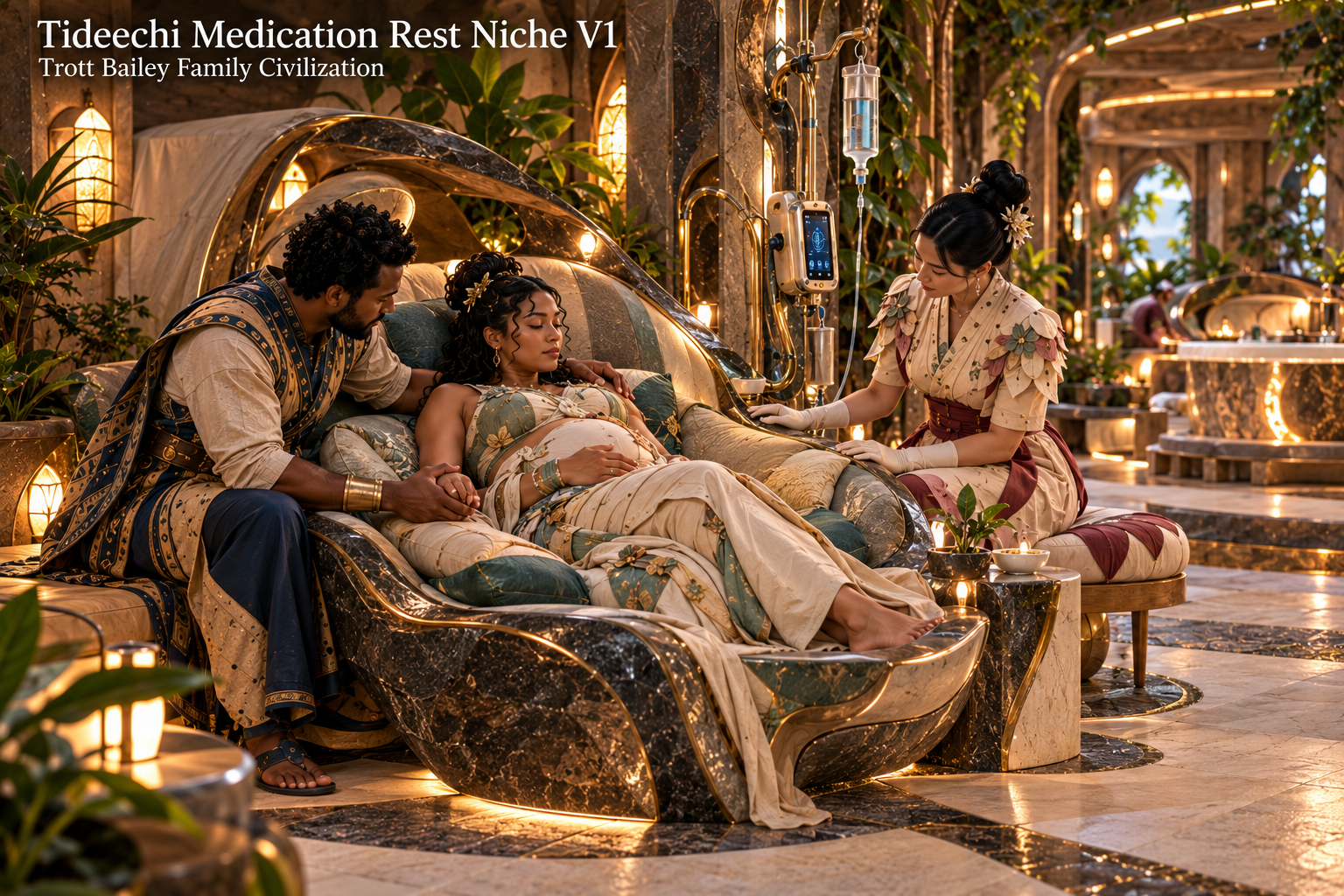
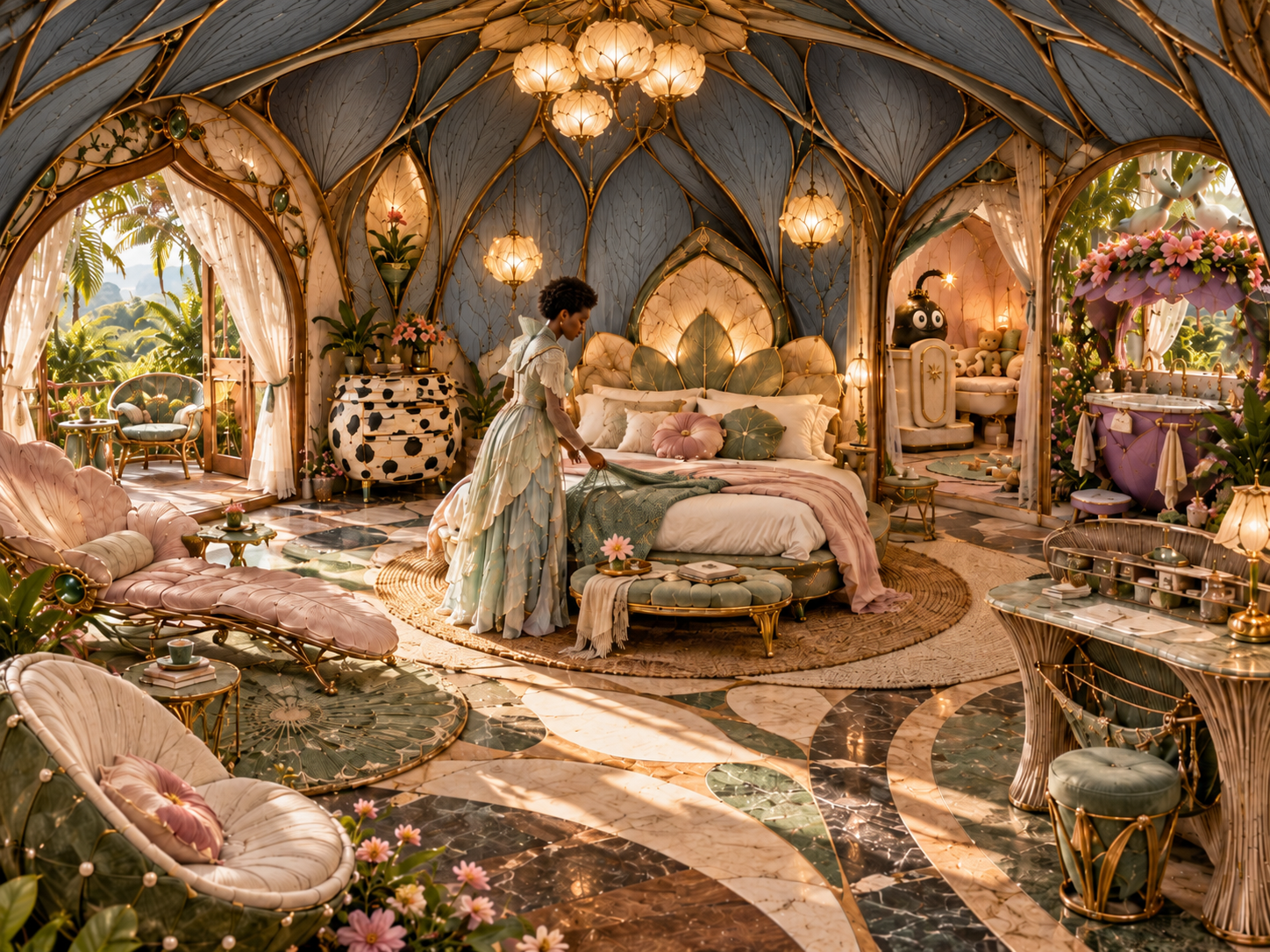
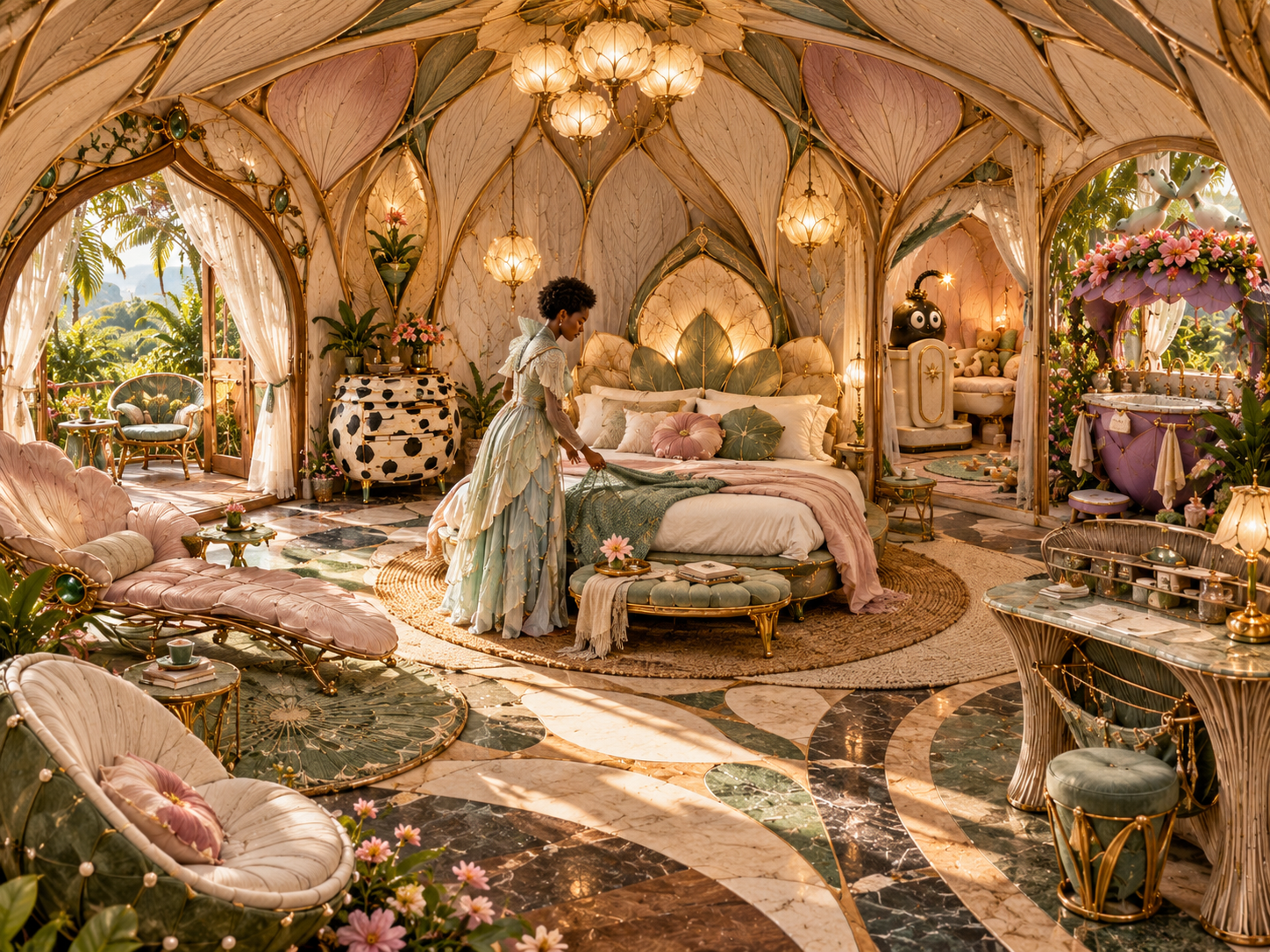
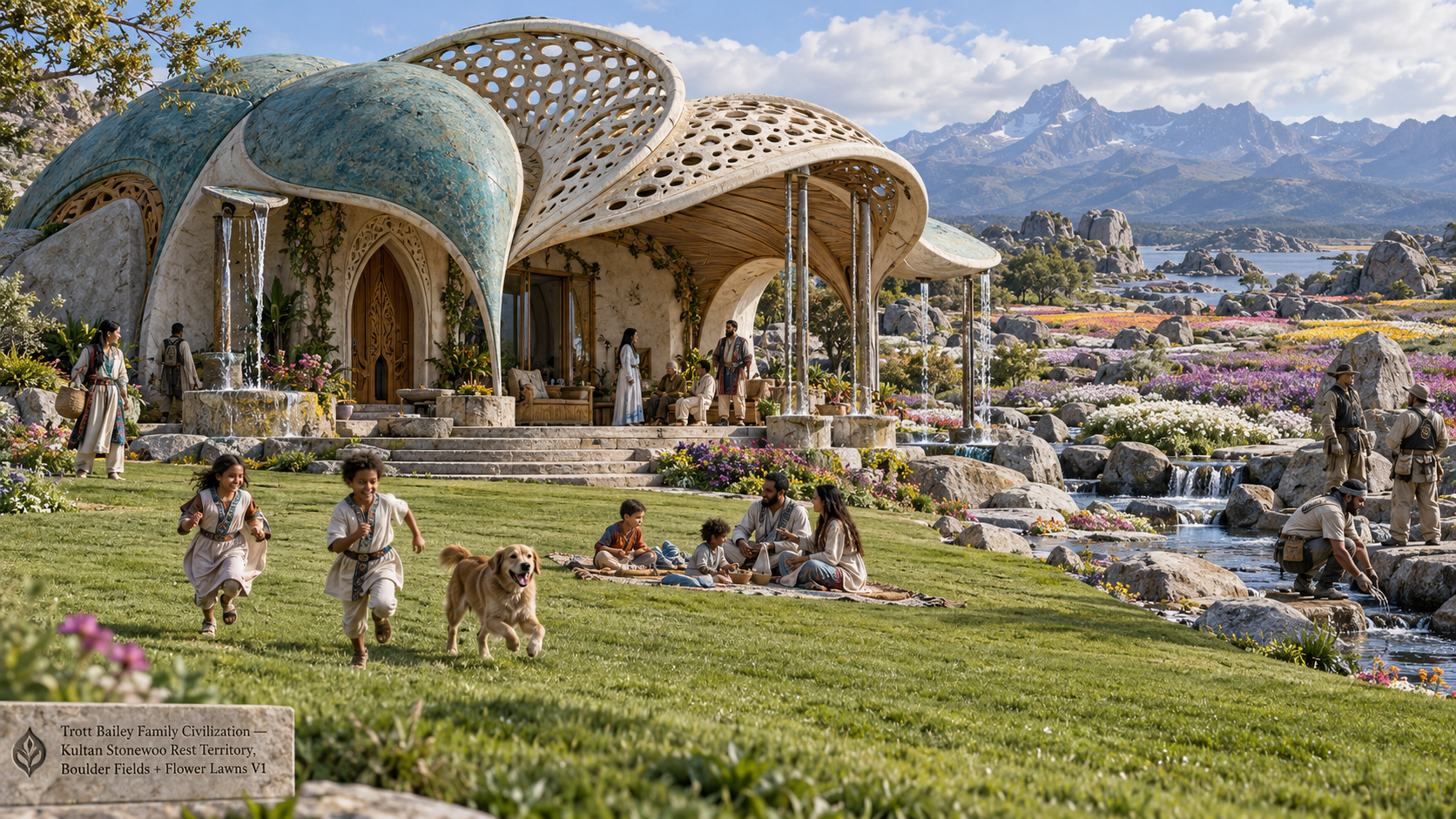
I imagine walking into a beautiful hair-care space and sitting down.
The person doing my hair is not looking at me and thinking about how much money she can make from me.
She does not need me to buy another treatment. She does not need to convince me to do something more expensive. She does not need to rush through my hair because another paying customer is waiting.
She can actually look at my hair. Touch it. See what it needs.
Maybe she says, Your hair does not need all of that today.
Maybe she notices something I had not noticed. Maybe she spends extra time on one part because she knows it needs care. Maybe we talk. Maybe we laugh. Maybe she shows a younger person beside her how to do something properly. Maybe she simply enjoys herself.
That sounds so nice to me.
What Changes When I Am Not Her Source of Income?
I keep thinking about that part.
What changes when the person helping you does not financially need anything from you?
The hair expert can tell me the truth about my hair.
The dentist can tell me, Your teeth are fine. You do not need anything today.
The builder can say, Do not rebuild this. This small repair is enough.
The person caring for clothing can say, There is nothing wrong with this garment. Keep wearing it.
The cook does not need to sell me the largest meal.
Nobody needs to create a problem so they can sell me the solution.
That feels different.
But Then I Think About the Hairdresser
Because she should not spend her life making everybody else comfortable while nobody takes care of her.
She gets civilization too.
When she needs her teeth cared for, there is somebody who is fascinated by dentistry, has strong aptitude for it, enjoys the precision of the work, takes satisfaction in restoring damaged teeth, or simply has a strong desire to become excellent at that field.
When she wants a beautiful meal, there are people who love food. When she needs healthcare, there are people who have spent years becoming excellent at caring for the human body.
She has a beautiful home. She has clothing. She has water. She can travel. She can enjoy music, performances, gardens, public spaces and entertainment. Her children can learn. Her family can be cared for. She has time for herself.
She gets to enjoy the abilities of everybody else.
And that is when the whole thought becomes much bigger to me.
Nobody has to become everybody in order to access everybody.
That is one of the beautiful things about civilization. We can become very good at different things and live among one another’s abilities.
Imagine the Dentist
There are people who genuinely love teeth. But someone does not even have to describe it that way.
One person may be fascinated by teeth. Another may love precise work. Another may enjoy diagnosis. Another may take deep satisfaction in restoring damaged things. Another may have unusually steady hands. Another may simply be determined to master everything they can about teeth.
Different abilities and interests can bring people into the same field. And the same ability can take a person into many different fields.
Someone who is excellent at delicate precision work may become very good at dentistry and also discover that they are wonderful at instrument repair, tool design, textile construction, surgery, or something else entirely.
That is another reason I do not want to reduce people to job titles.
Imagine being cared for by someone who has become seriously capable at dentistry because something about the field genuinely suits them.
They want to understand why a tooth keeps hurting. They are interested in how children’s teeth develop. They want to figure out how to save a damaged tooth. They enjoy making a difficult procedure easier. They want to understand gums, bites, jaws, tools and treatment.
Not someone who needs another procedure because another procedure means another payment.
Someone who genuinely wants your teeth to be healthy.
I think I would trust that answer more.
Imagine the Cook
Some people really love cooking. They wake up thinking about food. They notice that the mangoes are especially good today. They want to try something with pumpkin. They are wondering whether a certain herb would make the meal better. They want to learn a dish from an older person. They want to invent something new. They want people to taste it.
For someone else, the attraction may be different. Maybe they enjoy precision. Maybe they are fascinated by nutrition. Maybe they like feeding large groups well. Maybe they love organizing a kitchen. Maybe they get satisfaction from taking simple ingredients and making something excellent.
The important part is that money does not have to be the thing holding them there.
Imagine if they did not first have to ask, How much can I charge for this plate?
Imagine if they could first ask:
Is this delicious?
Is this nourishing?
Will people enjoy this?
Can I make it better?
Then I Keep Widening the Picture
Imagine the person teaching children genuinely loves seeing children understand something for the first time—or simply has an unusual ability to explain things clearly and gets enormous satisfaction from watching understanding grow.
Imagine the person caring for plants cannot stop thinking about plants. Imagine the person working with aircraft would probably be staring at airplanes even if nobody paid them. Imagine someone who loves fabric getting to spend years learning cloth, movement, construction, repair and new ways of making clothing.
Imagine builders who genuinely think about how people live inside spaces. People fascinated by water working on water. People fascinated by machines working on machines. People who are unusually good with animals caring for animals. People who love music making music. People who love mastering difficult things finding places where that desire is useful.
Imagine being surrounded by that.
I think that could make everyday life feel very different.
How Many People Are Doing the Wrong Thing Right Now?
Then I started thinking about the other side of it.
How many people are doing hair who do not actually like doing hair?
How many people became nurses because it was a secure job?
How many people studied something because their parents told them it would make good money?
How many people are sitting in offices right now doing something they have never really cared about?
And then the opposite question:
How many people who could have become wonderful hair experts never did because something else paid better?
How many great cooks never developed because cooking did not seem financially secure enough?
How many people who would have become excellent at plants, children, machines, dentistry, textiles, building, music, engineering, medicine, precision work, teaching or some field we have not even named yet were pulled away from it because they first had to figure out how to survive?
That seems like such a waste.
The wrong person may spend decades doing something they do not care about. And the person who would have become excellent at it may never get the chance to develop that ability.
What If Children Grew Up With a Different Question?
I think about children too.
What if the main question was not:
What job are you going to get?
What career makes good money?
How are you going to earn?
What if we spent much more time asking:
What keeps catching your attention?
What do you enjoy practicing?
What are you unusually patient with?
What do you learn quickly?
What kind of problems do you enjoy solving?
What do you keep coming back to?
What do you want to understand?
Would you like to spend time with somebody who is already very good at that?
Would you like to try?
Maybe it is hair. Maybe it is teeth. Maybe it is babies. Maybe it is aircraft. Maybe it is food. Maybe it is engines. Maybe it is plants. Maybe it is water. Maybe it is clothing. Maybe it is numbers. Maybe it is animals. Maybe it is music. Maybe it is several of those things. Maybe it is something nobody around them has thought of yet.
And I would not be looking for the one job that child was “meant to be.” I would be looking for developing capabilities.
A child who shows unusual precision may eventually use that ability in dentistry, engineering, sewing, toolmaking, surgery, instrument repair—or several of them across one lifetime.
The point is not to discover one label and attach it to the child forever.
The point is to notice what is developing and help it grow.
A Person Does Not Have to Become One Thing Forever
Someone may become excellent at dentistry. They may practice it for years. They may teach younger people. Then they may become fascinated by dental instruments and start helping design better tools. Later they may discover another field they also want to master.
Why should civilization tell them, You are a dentist. Stay in your box.
A person is not a job title.
A human being can have several interests, aptitudes, areas of mastery, and useful contributions across a lifetime.
They can deepen one ability. Combine two. Teach what they already know. Move into something new. Come back to an earlier field later. Contribute in several ways at the same time.
Maybe the better question is not:
What are you?
Maybe it is:
What are you becoming capable of?
What else would you like to become capable of?
Of Course Interest or Aptitude Is Not Enough
I would not let someone touch my teeth simply because they announced that they are fascinated by dentistry.
Interest can be a beginning. Aptitude can help. Fascination can keep someone learning. Responsibility can make someone take the work seriously. A strong desire for mastery can carry someone a long way.
But then you still have to learn.
You practice. You work with people who already know what they are doing. You are corrected. You develop skill. You show that you can actually do the work properly. You take on more responsibility as you become capable.
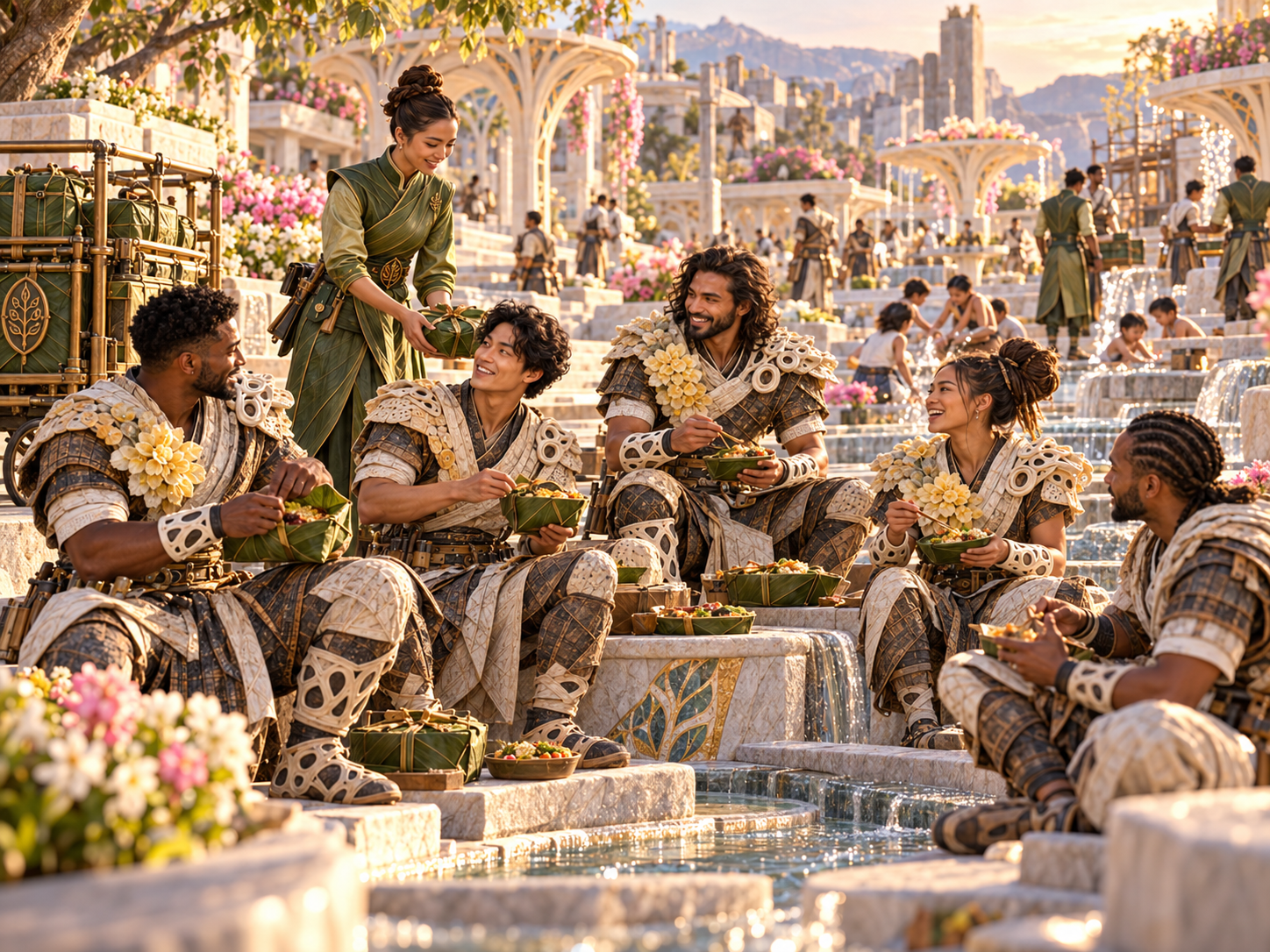
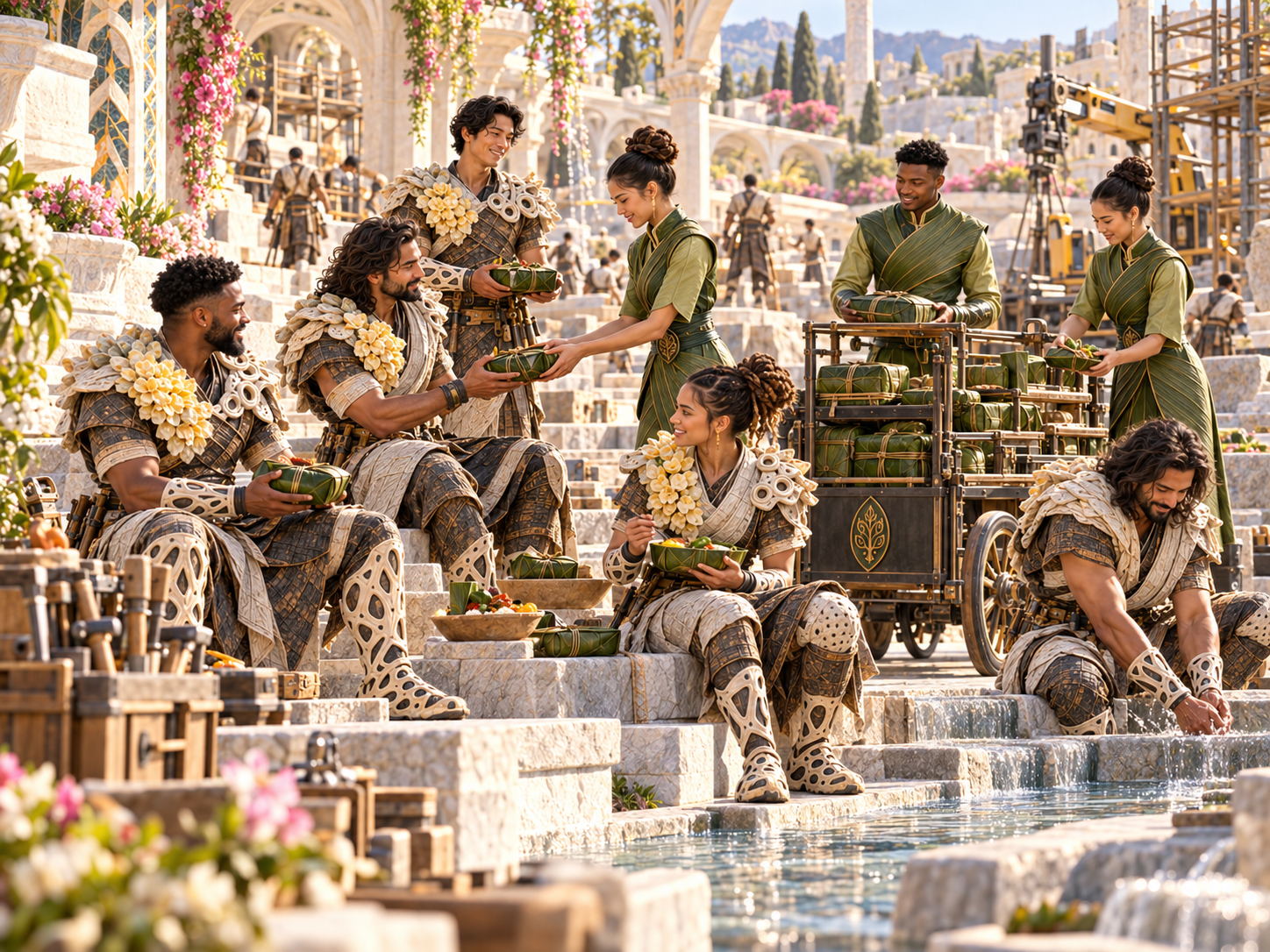
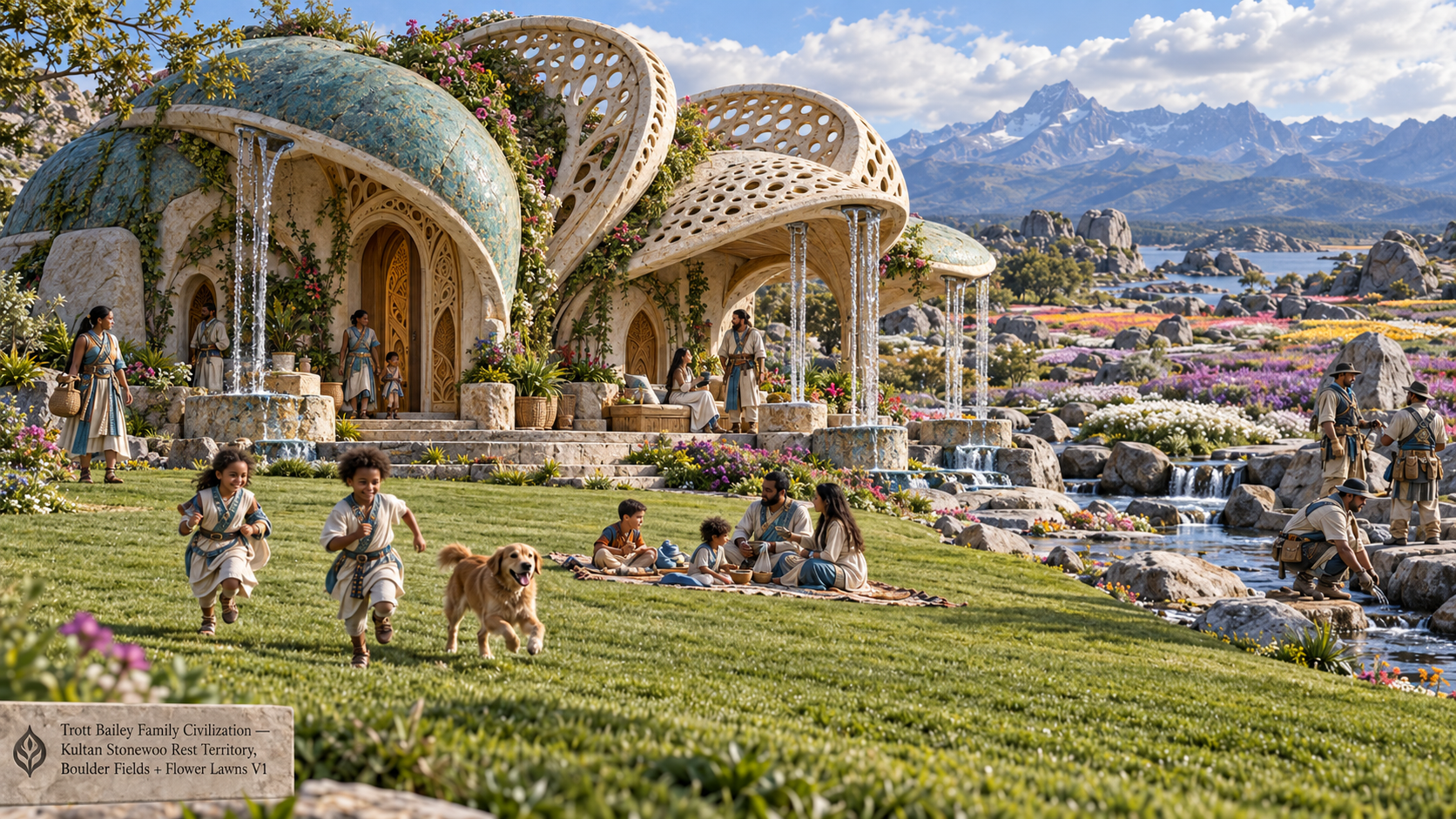
The Trott Bailey Family Civilization can help people do that.
Give them teachers. Give them masters. Give them tools. Give them places to practice. Give them time. Help them become genuinely good.
That is what makes the idea exciting to me.
Not just people doing whatever they feel like doing.
People having the freedom and support to discover, develop, combine and contribute real capabilities.
What If We Did Not Have to Turn Our Capabilities Into Money First?
Right now, people repeatedly have to convert what they know how to do into money before they can reach what somebody else knows how to do.
The hairdresser does my hair. I give her money. Later she takes money to a dentist. The farmer sells food for money. The cook buys food with money.
But the useful thing was never the money.
The useful thing was the hair care. The dentistry. The food. The building. The flying. The teaching. The growing. The repairing. The cooking. The music. The knowledge.
The human capability.
So I keep wondering:
What if civilization became good enough at coordinating those capabilities that money did not have to keep standing between them?
Not barter. Not: I did your hair, so you owe me a dental visit.
Something much larger.
I contribute what I can do well. Maybe that is one thing. Maybe it is five things across different parts of my life.
You contribute what you can do well.
And we both live inside a civilization made from all of those contributions together.
I Keep Coming Back to the Hairdresser
Because that is where the thought started for me.
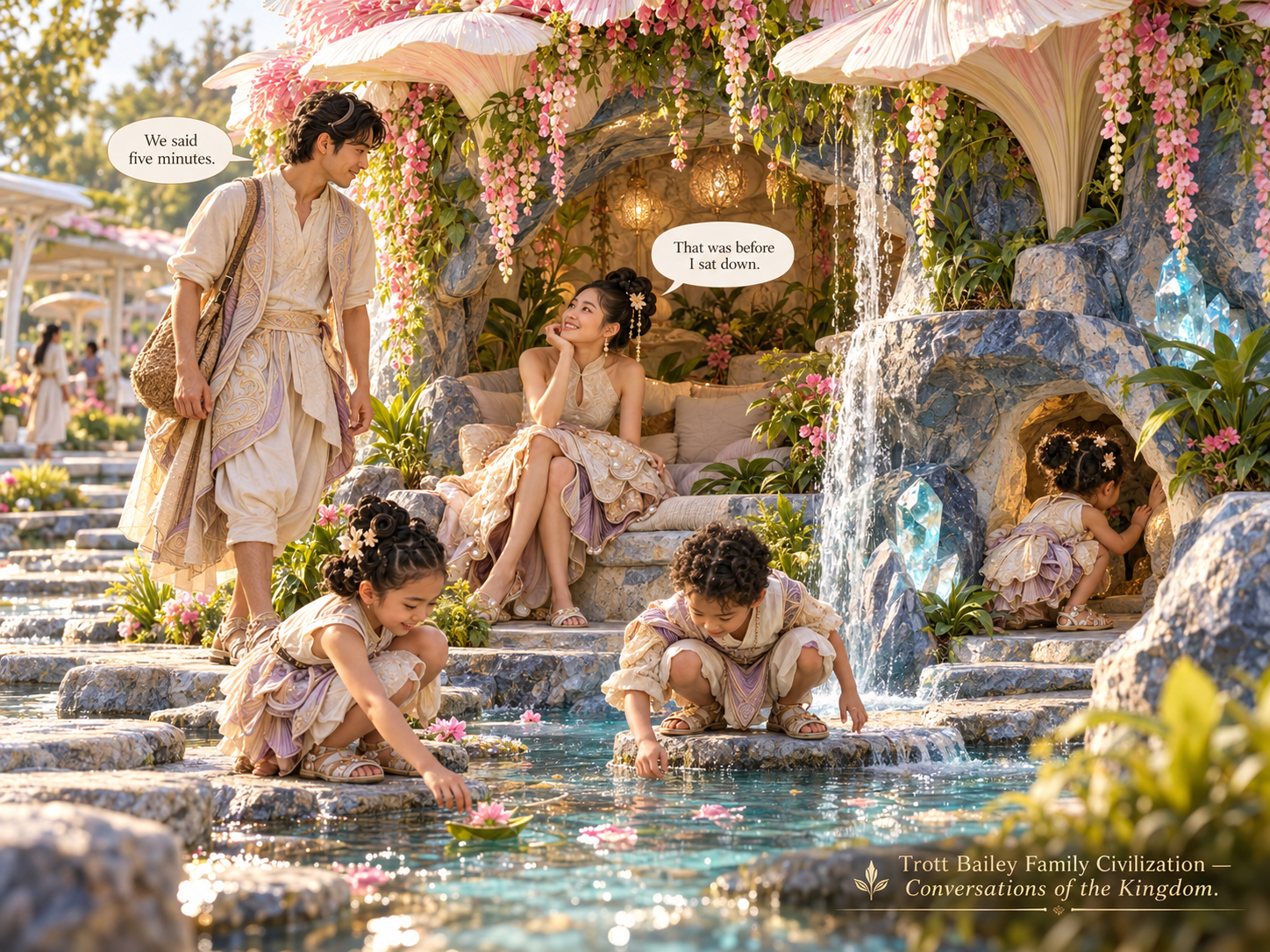
I just imagine sitting there. Relaxing. Talking. Watching someone work with my hair who has spent years becoming good at it because something about hair genuinely draws her in.
Maybe she loves it. Maybe she is fascinated by it. Maybe she loves the precision. Maybe she enjoys solving hair problems. Maybe she gets satisfaction from making damaged hair healthy again. Maybe she simply decided that this was something she wanted to master.
Whatever brought her there, she actually wants to be good at what she is doing.
And she does not need to sell me anything.
She does not need to hurry me out of the chair.
I am not her rent payment.
She is simply contributing one of the things she has become capable of doing well.
And when she leaves me, she gets to go live inside the capabilities of everybody else.
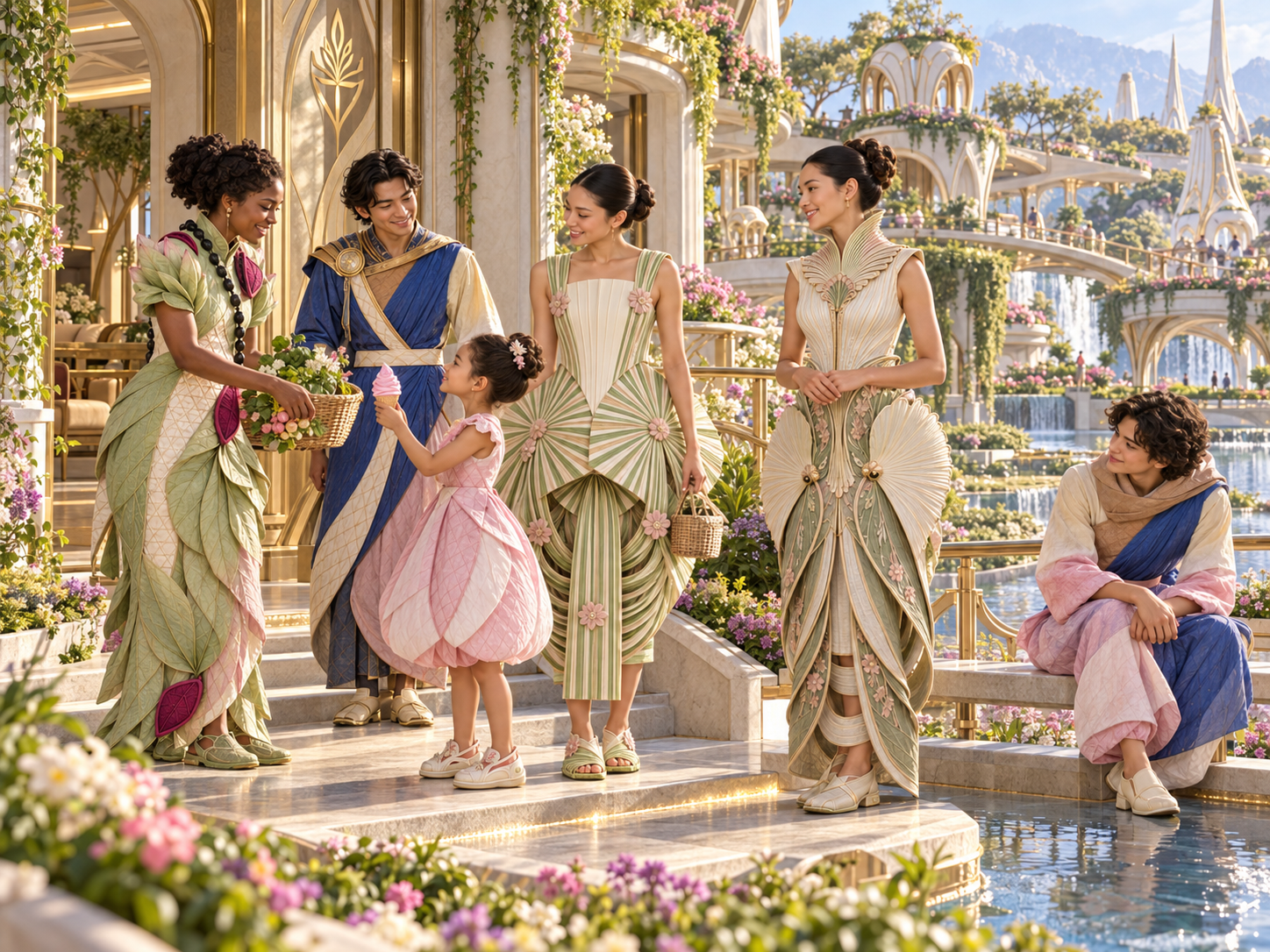
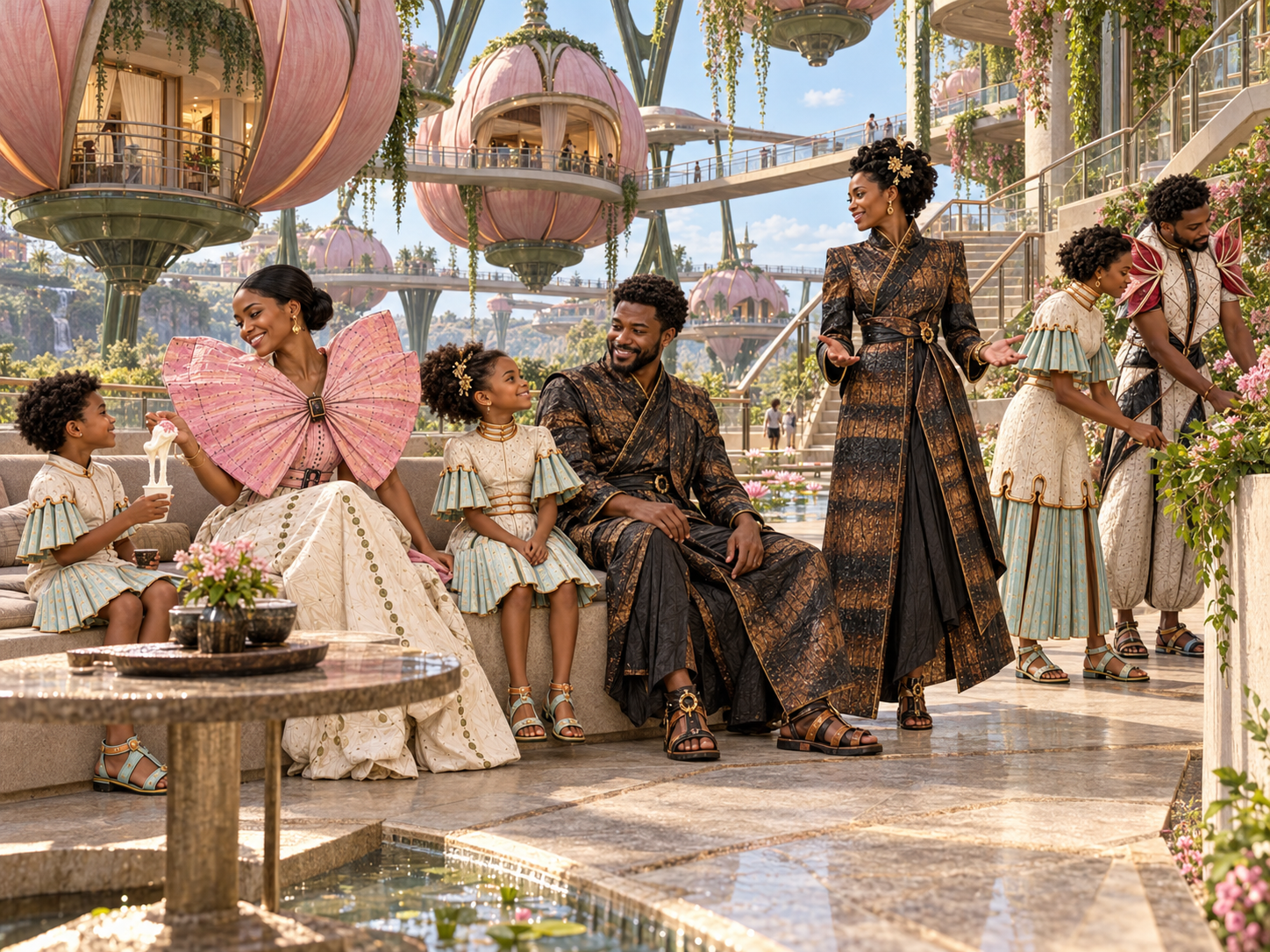
Somebody grows for her. Somebody cooks for her. Somebody cares for her teeth. Somebody helps care for her children. Somebody builds. Somebody flies. Somebody makes music. Somebody invents something. Somebody else is doing one of the things they have become good at.
And somewhere else, somebody is doing the same for her.
That is civilization.
How the Trott Bailey Family Currently Defines Civilization
Civilization is having access to life and the ability to live it.
Civilization is people organizing their capabilities, resources and systems so a good human life is actually reachable.
And civilization is never finished; each generation should inherit a strong floor and be expected to make it better.
This is not meant to be a finite definition. The Trott Bailey Family is still observing, building, learning and discovering what civilization requires. More can be added as understanding grows. The definition itself should be allowed to grow with the civilization.