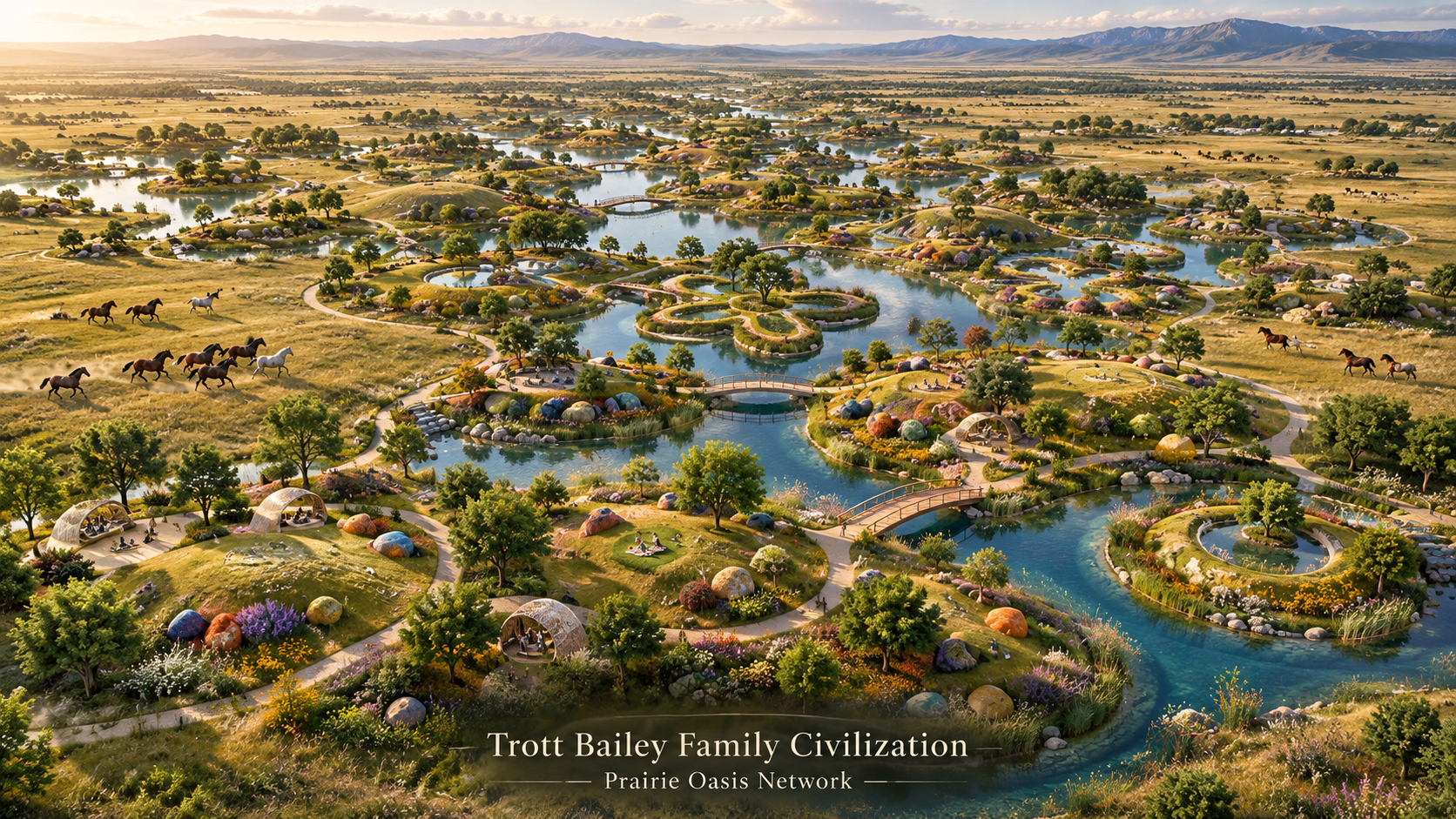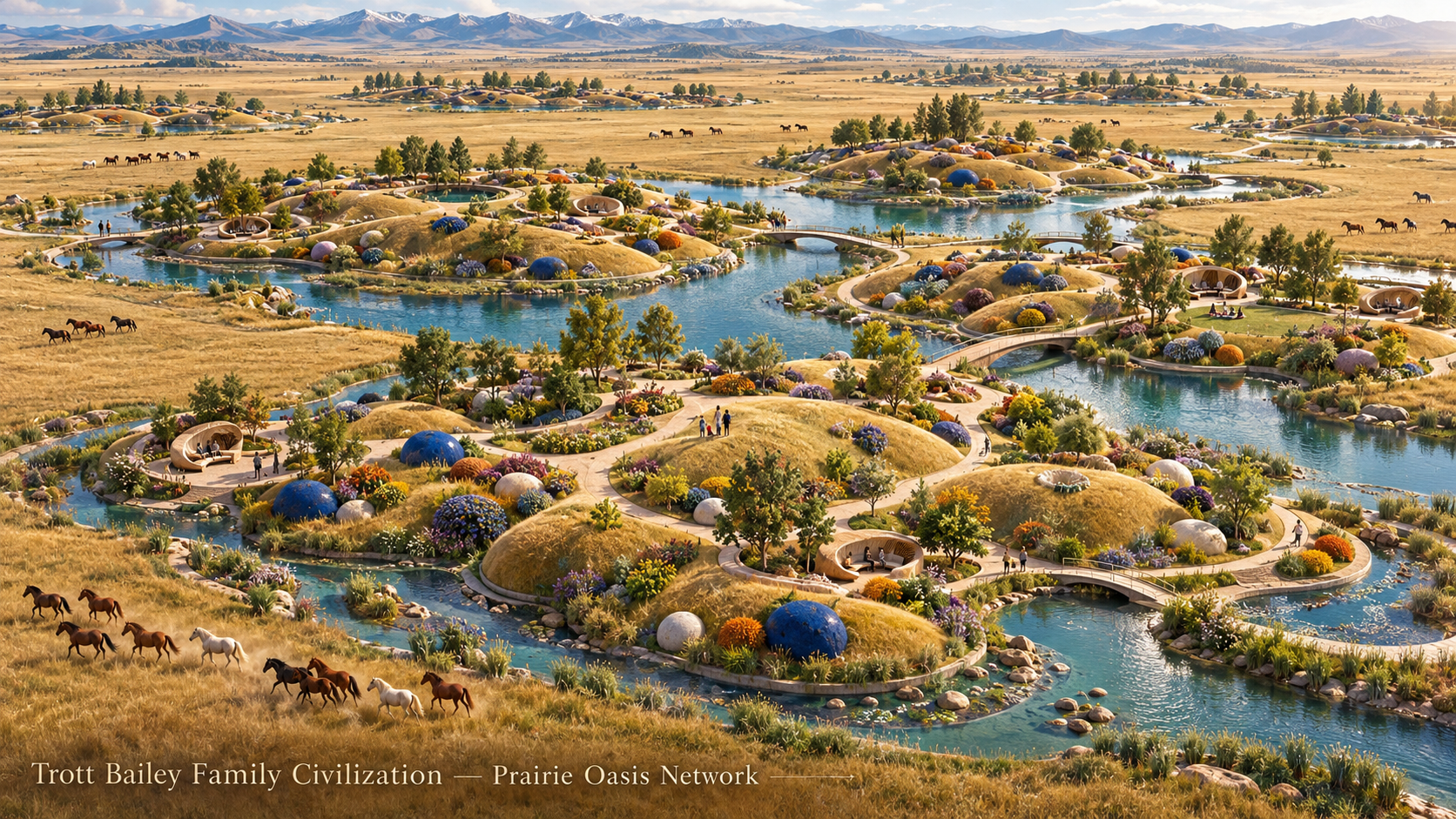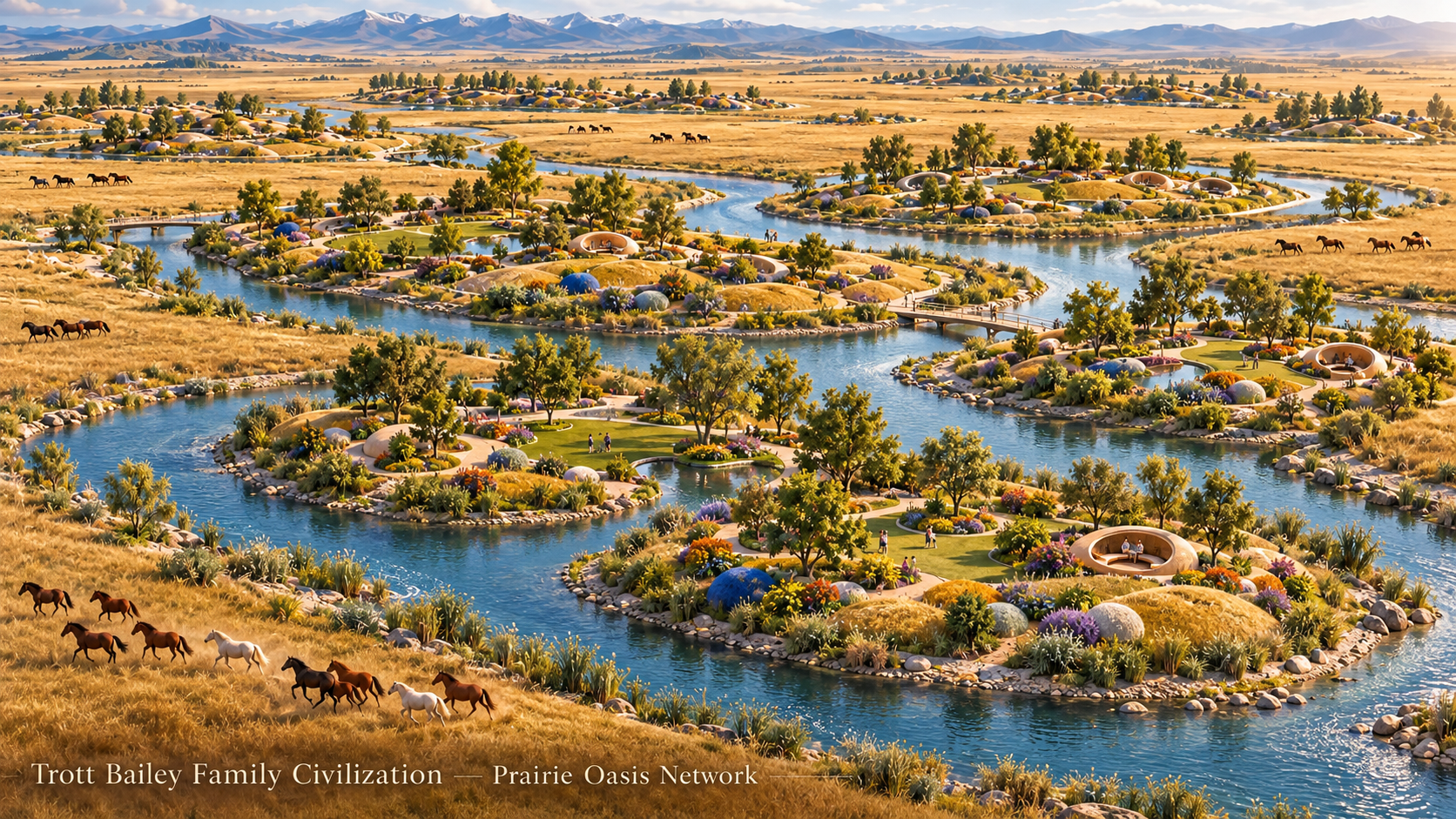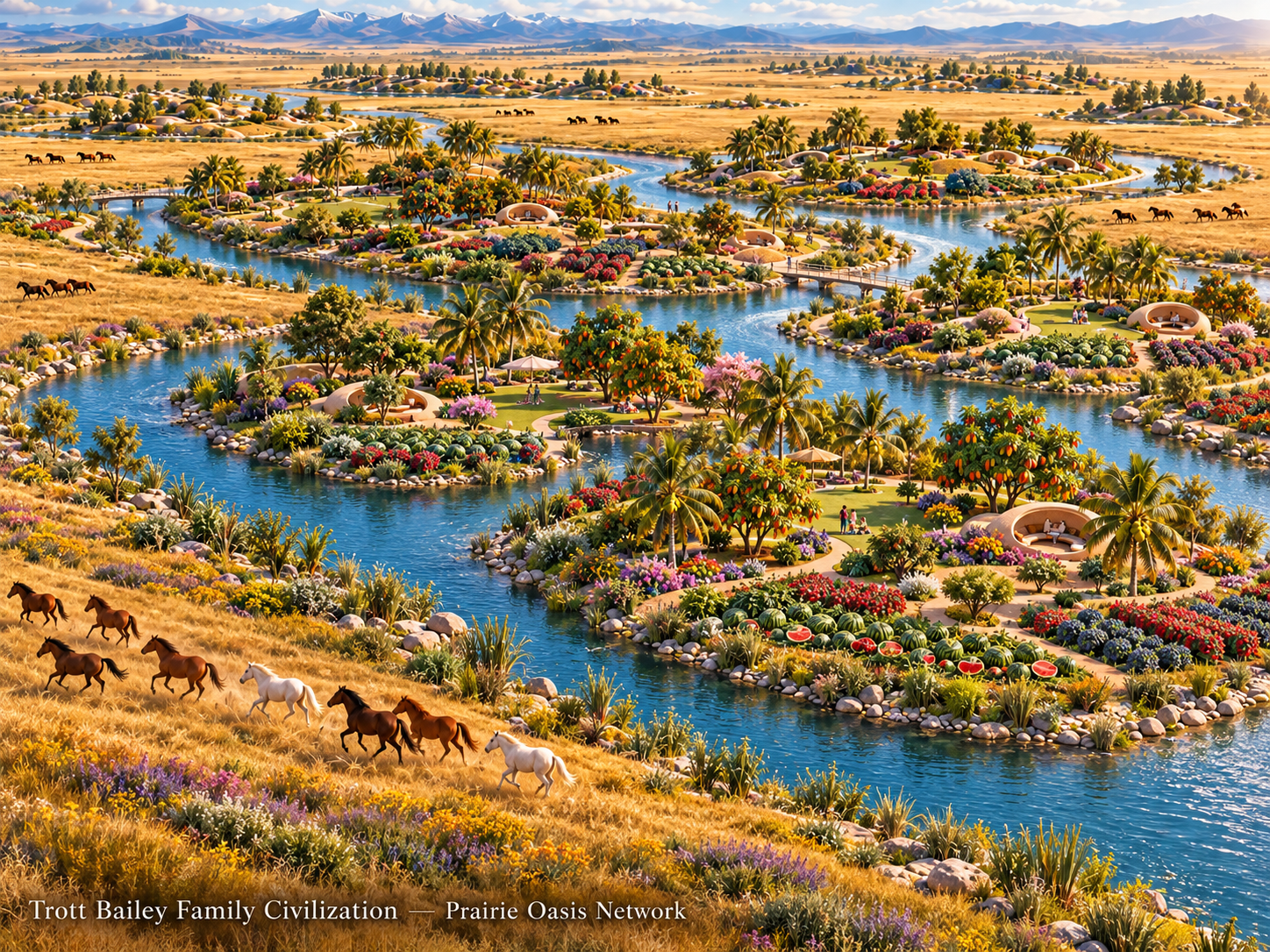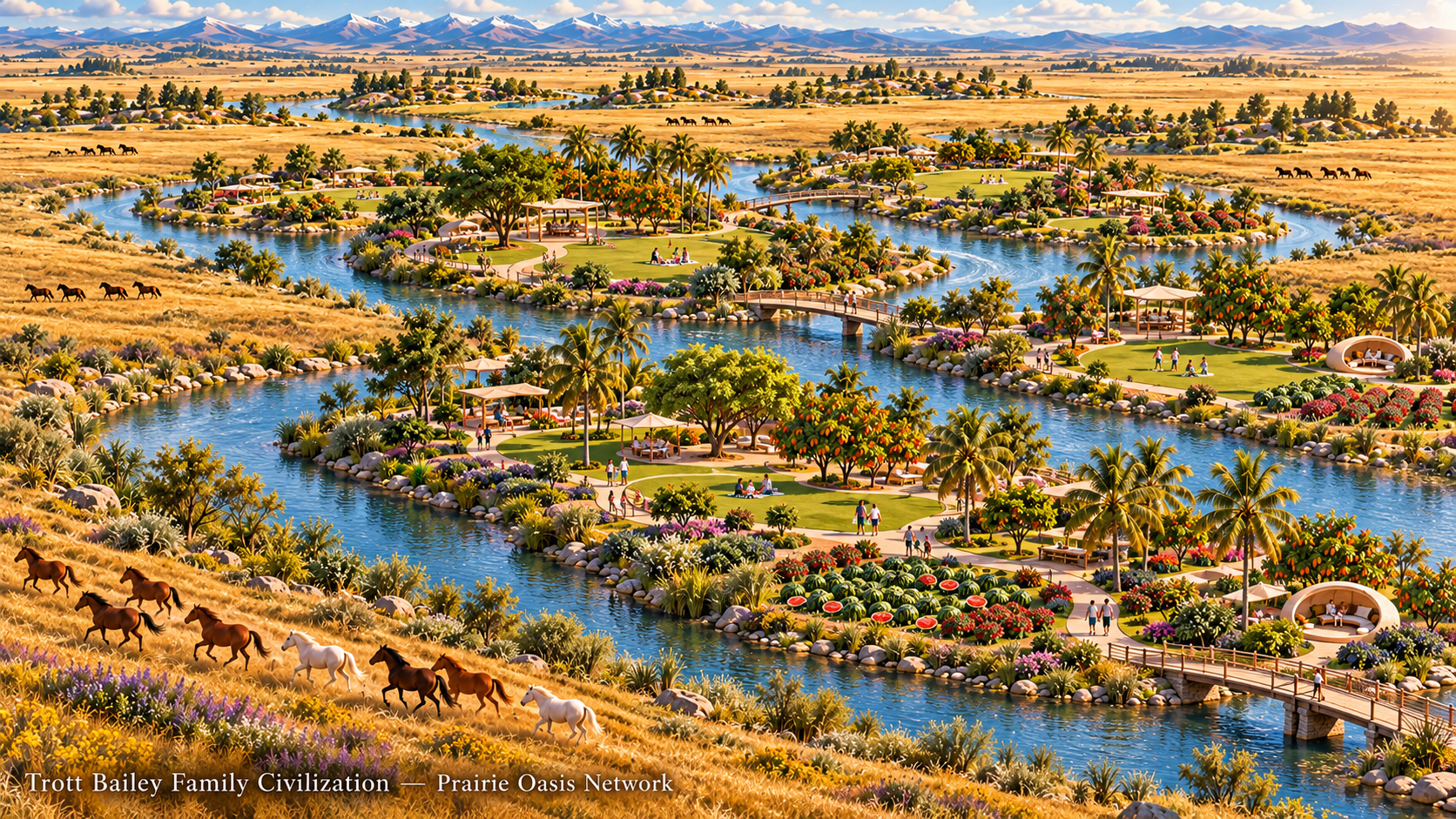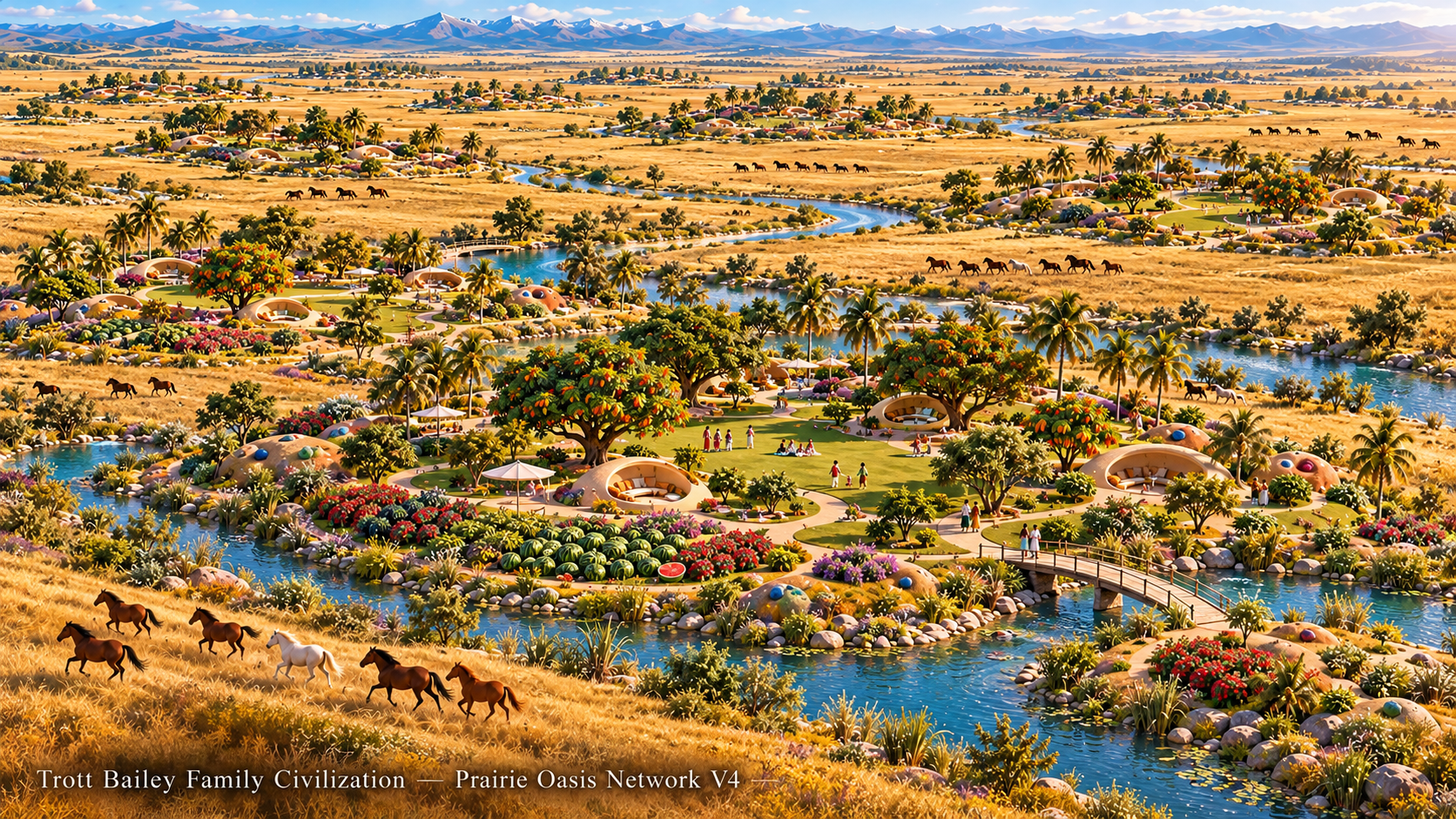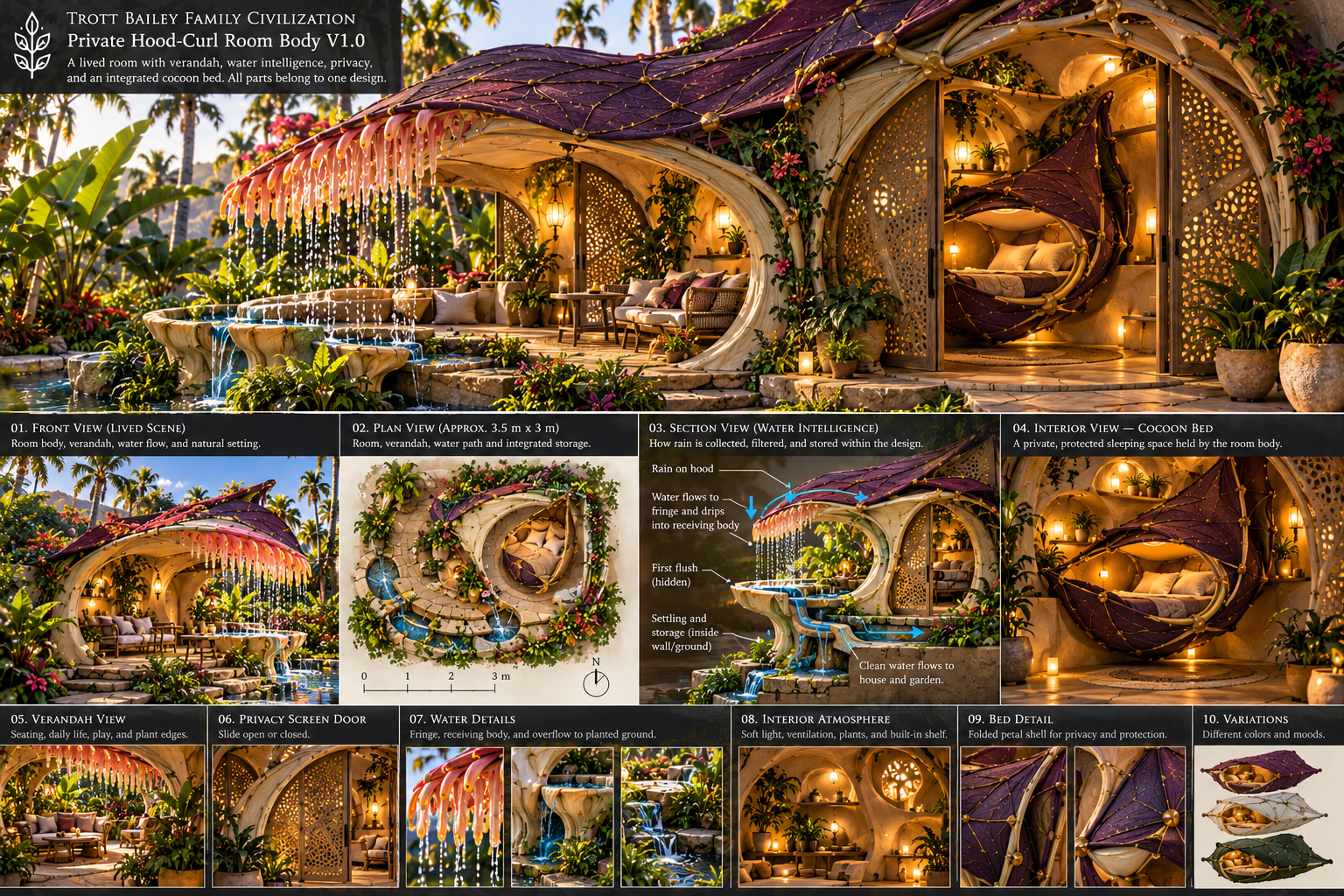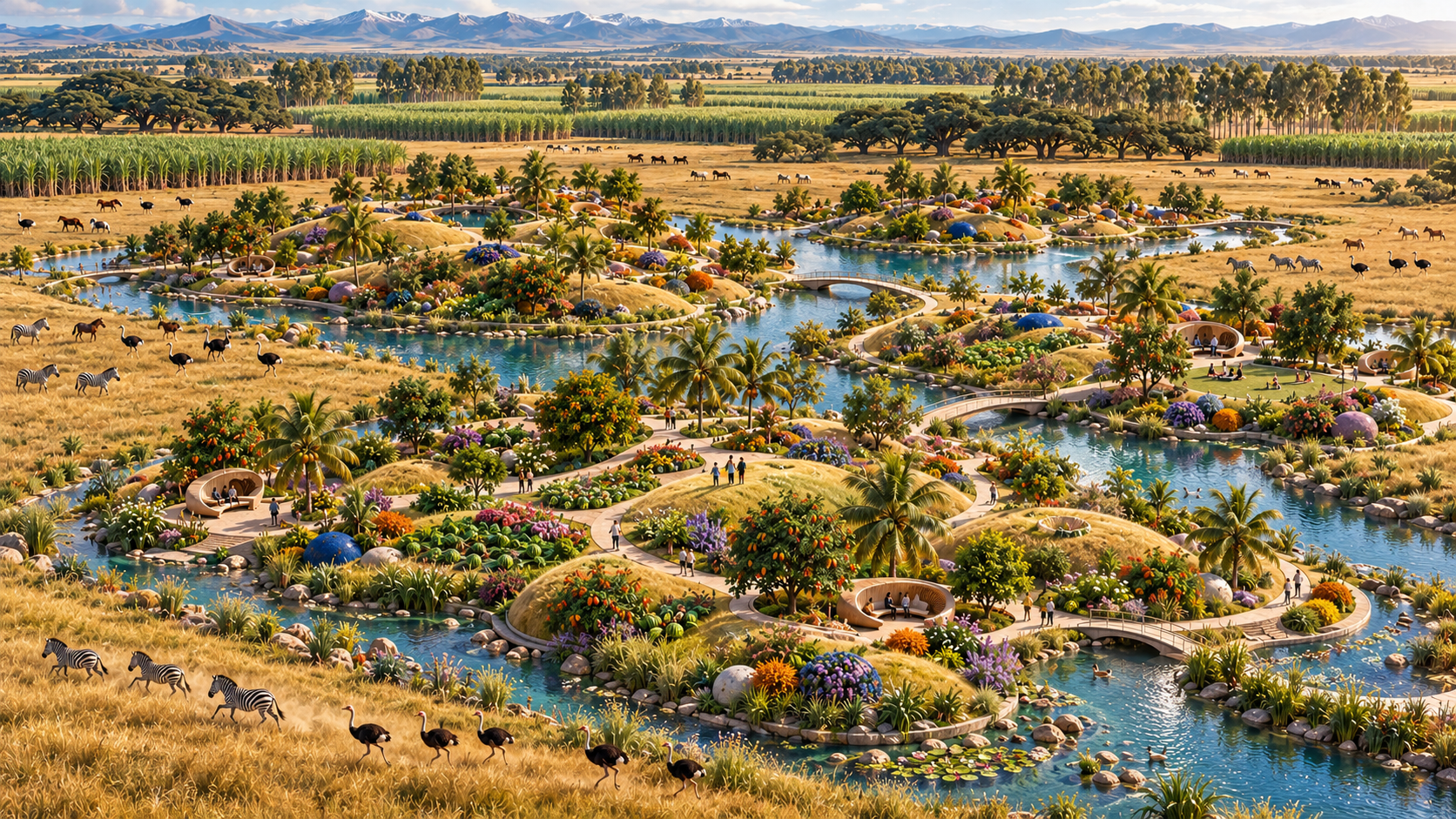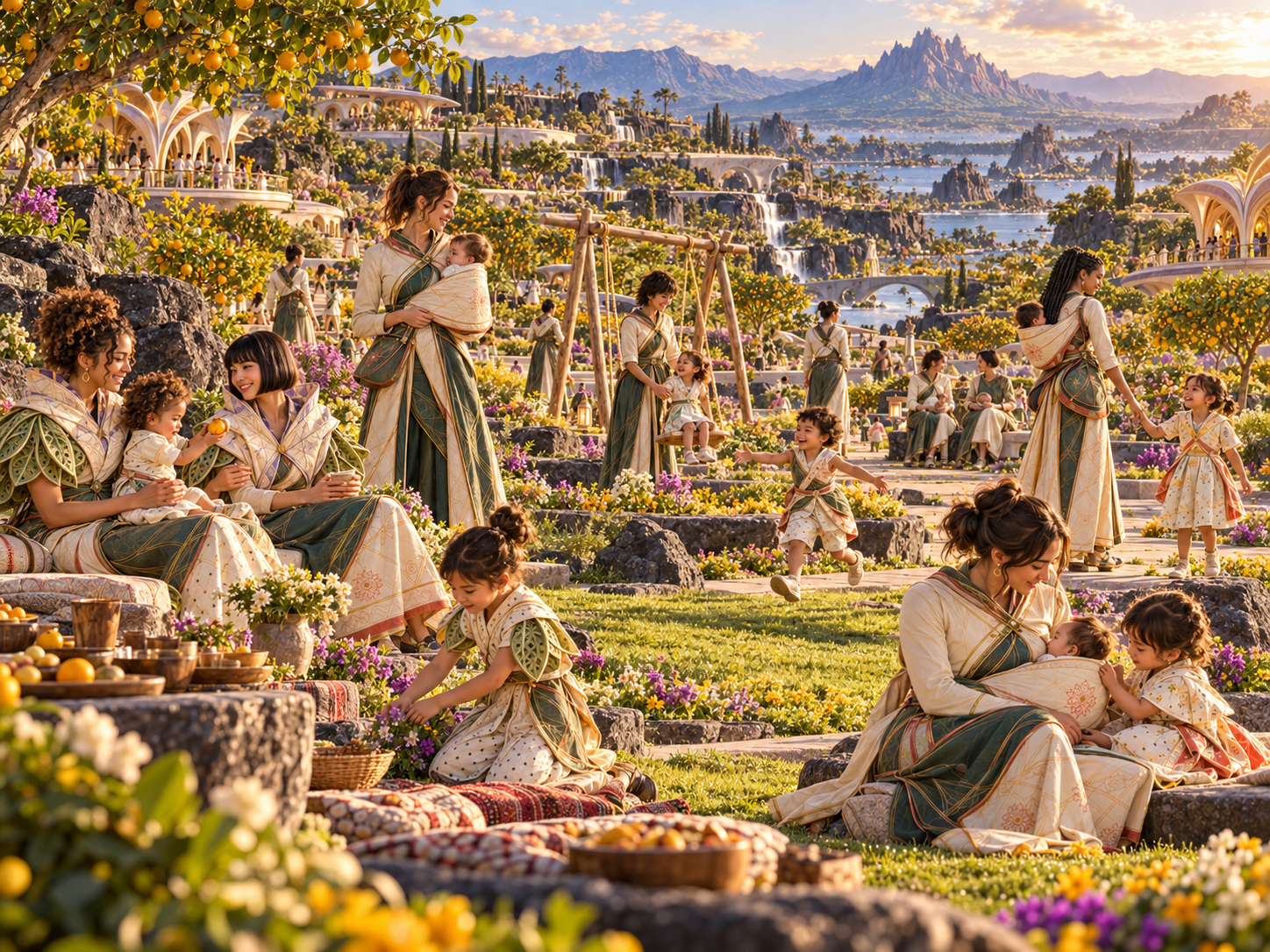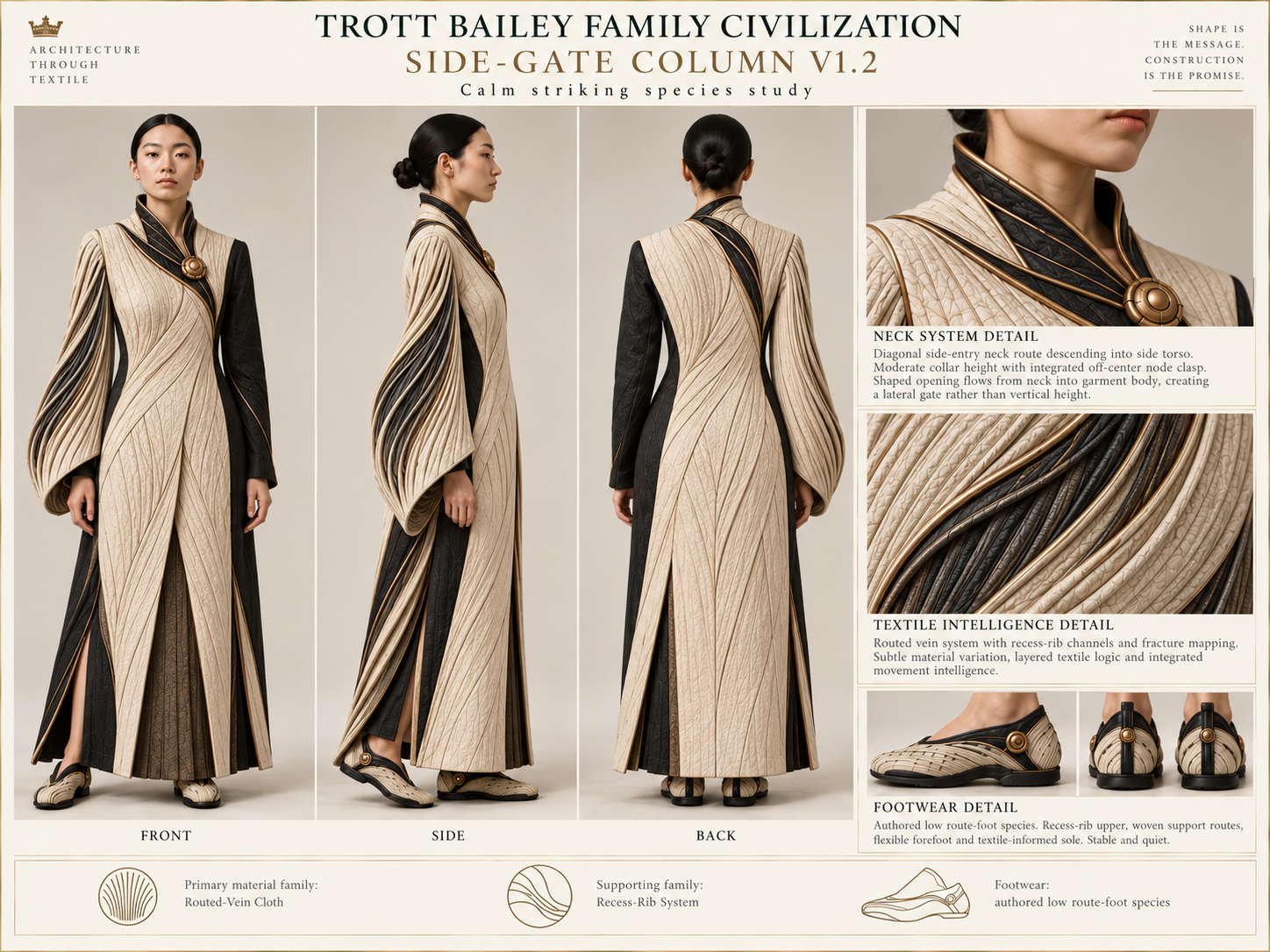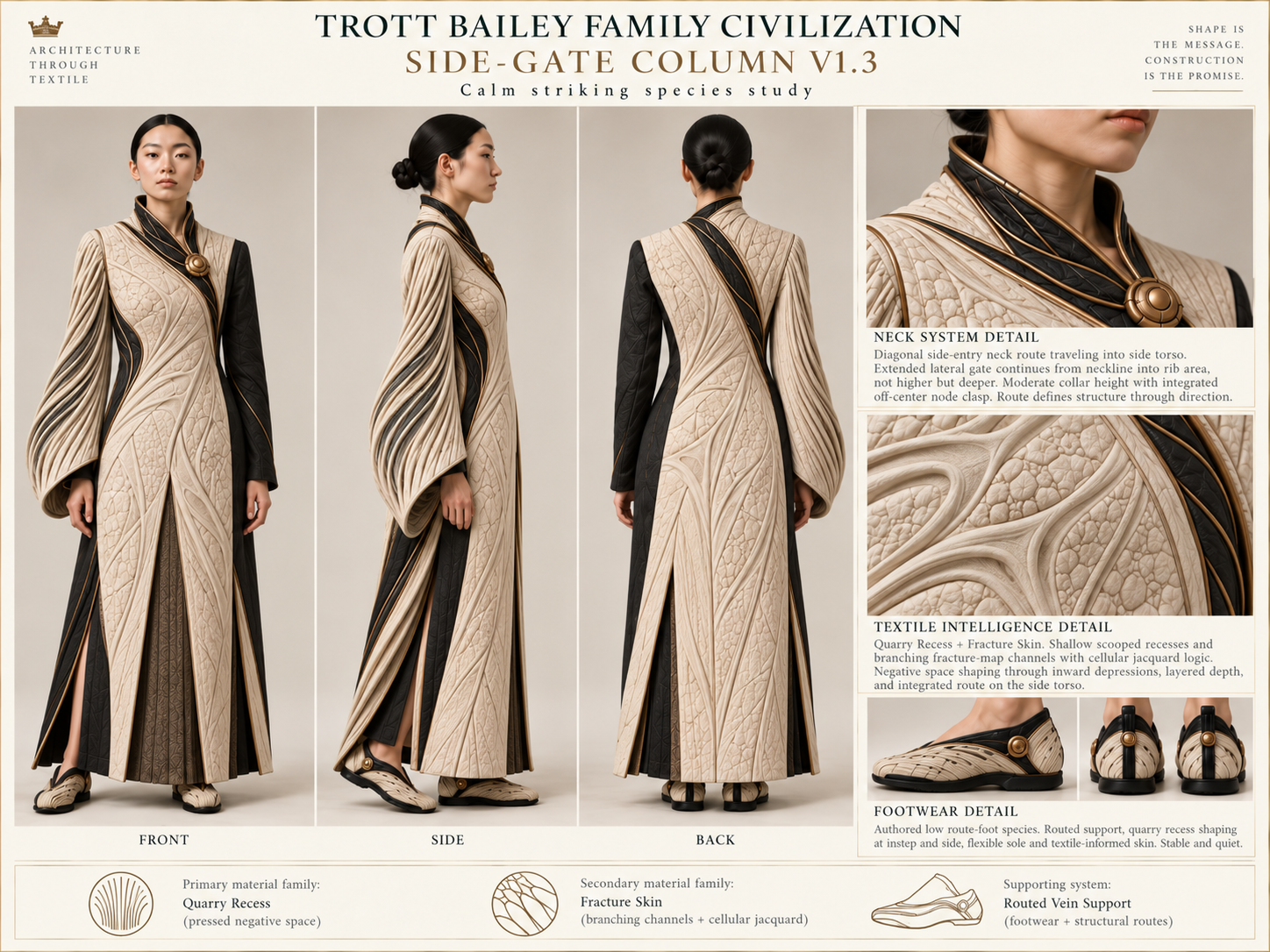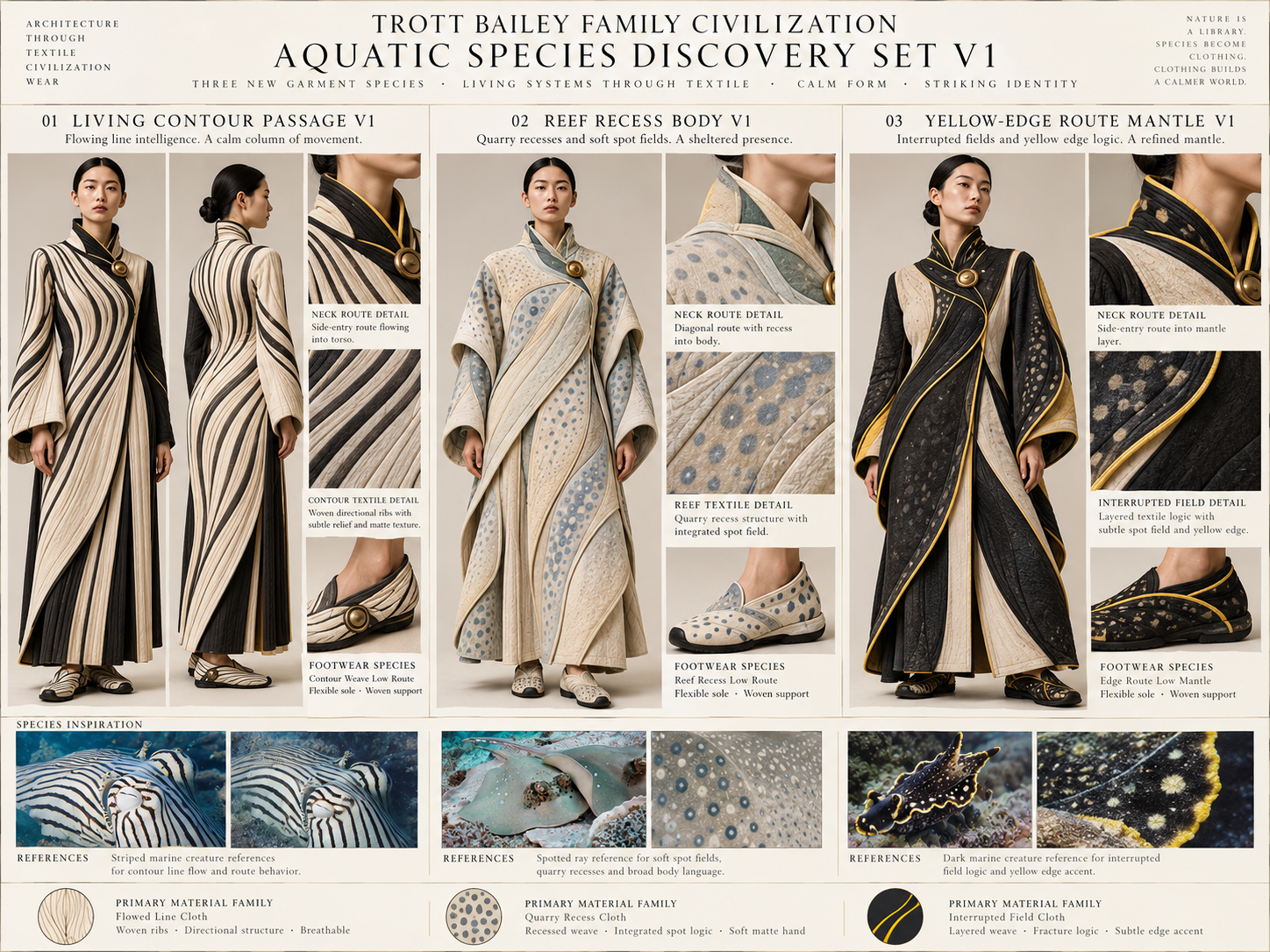


How the Civilization Is Raised Simultaneously Across Brazil and Across Earth. Distributed Founding Nuclei Strategy

Trott Bailey Family Civilization
Distributed Founding Nuclei Strategy
How the Civilization Is Raised Simultaneously Across Brazil and Across Earth
Trott Bailey Family Civilization does not begin as one enormous settlement.
It begins through many capable nuclei.
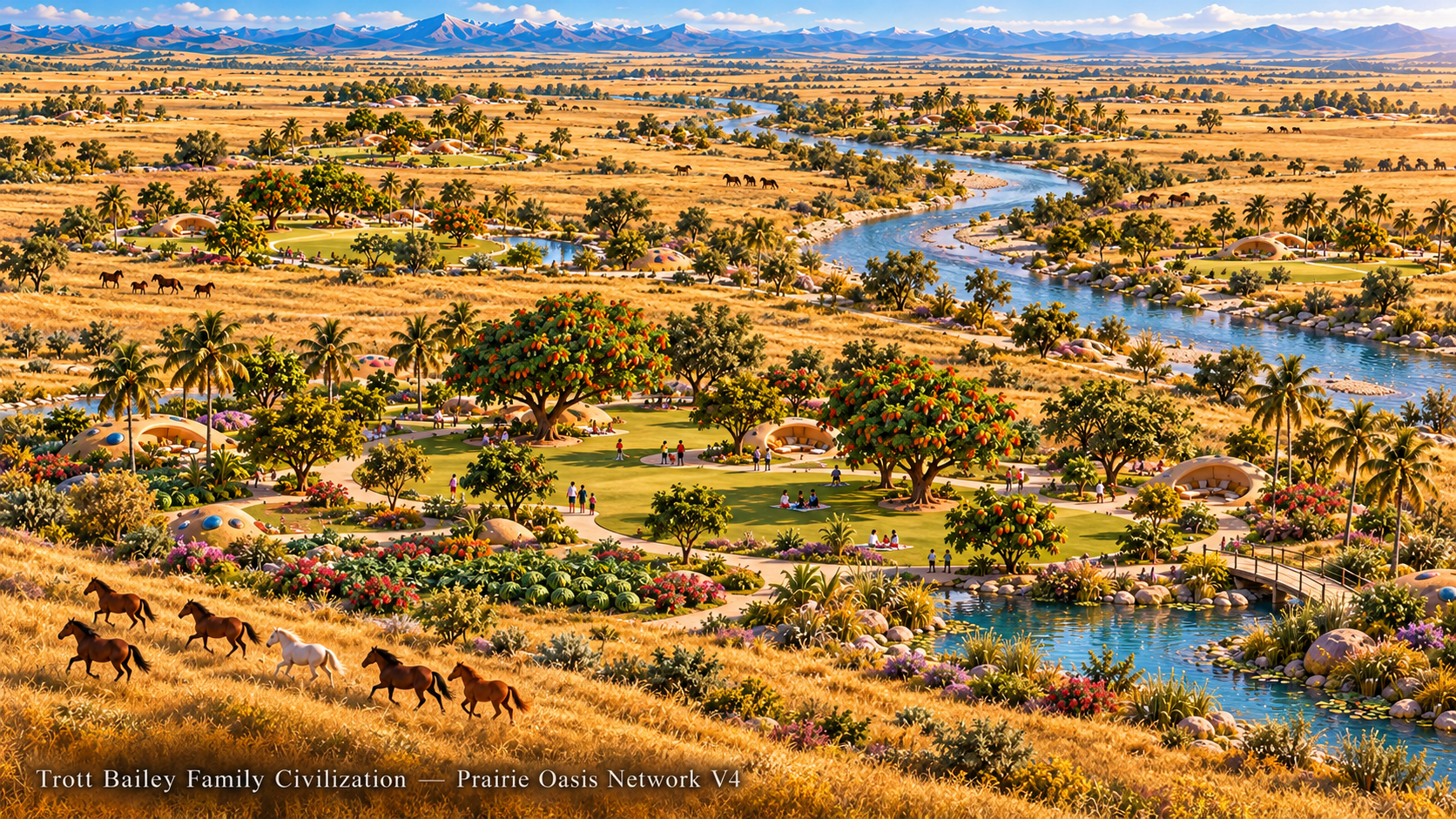
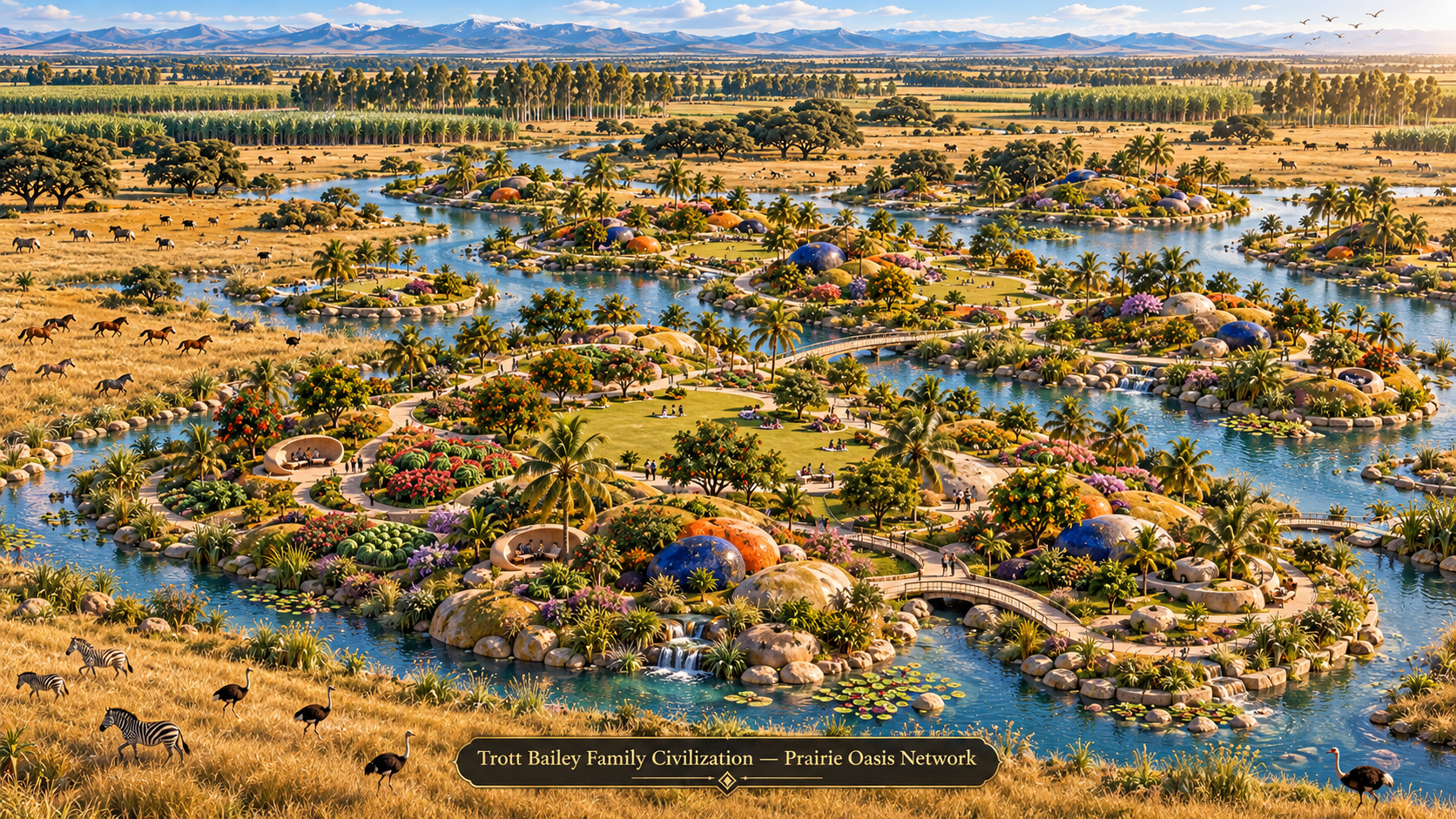
A nucleus is a small but serious physical beginning of the civilization: productive land, capable families, machinery, essential infrastructure, food abundance, workshops, water, energy, clean return, beautiful homes and enough organized capability to continue building.
1. Define the Physical Structure Clearly
The words nucleus, kingdom and civilization should not be used as though they mean the same thing.
Nucleus
A nucleus is the first operational seed of the civilization in a place.
It is deliberately small enough to organize well and serious enough to support real family life and continued construction.
It should already contain enough capability to feed people, house families, operate essential systems, use machinery, repair equipment, manage water and sanitation, develop food production and continue expanding.
Kingdom
A kingdom is a more mature territorial and functional body.
It may contain several settlements, productive landscapes, public systems, workshops, research areas, transport links, family districts and specialized civilization functions.
A nucleus can grow into a kingdom. Several related nuclei may also become part of one larger kingdom structure.
Civilization Network
Trott Bailey Family Civilization is the connected whole.
It is not one settlement, one city or one kingdom.
It is the family-authored network of kingdoms, nuclei, systems, routes, knowledge, public infrastructure and people operating under common civilization laws and standards.
2. Begin With Productive Land
The first nuclei should begin on land that already gives us an advantage.
We are not interested in proving ourselves through unnecessary hardship.
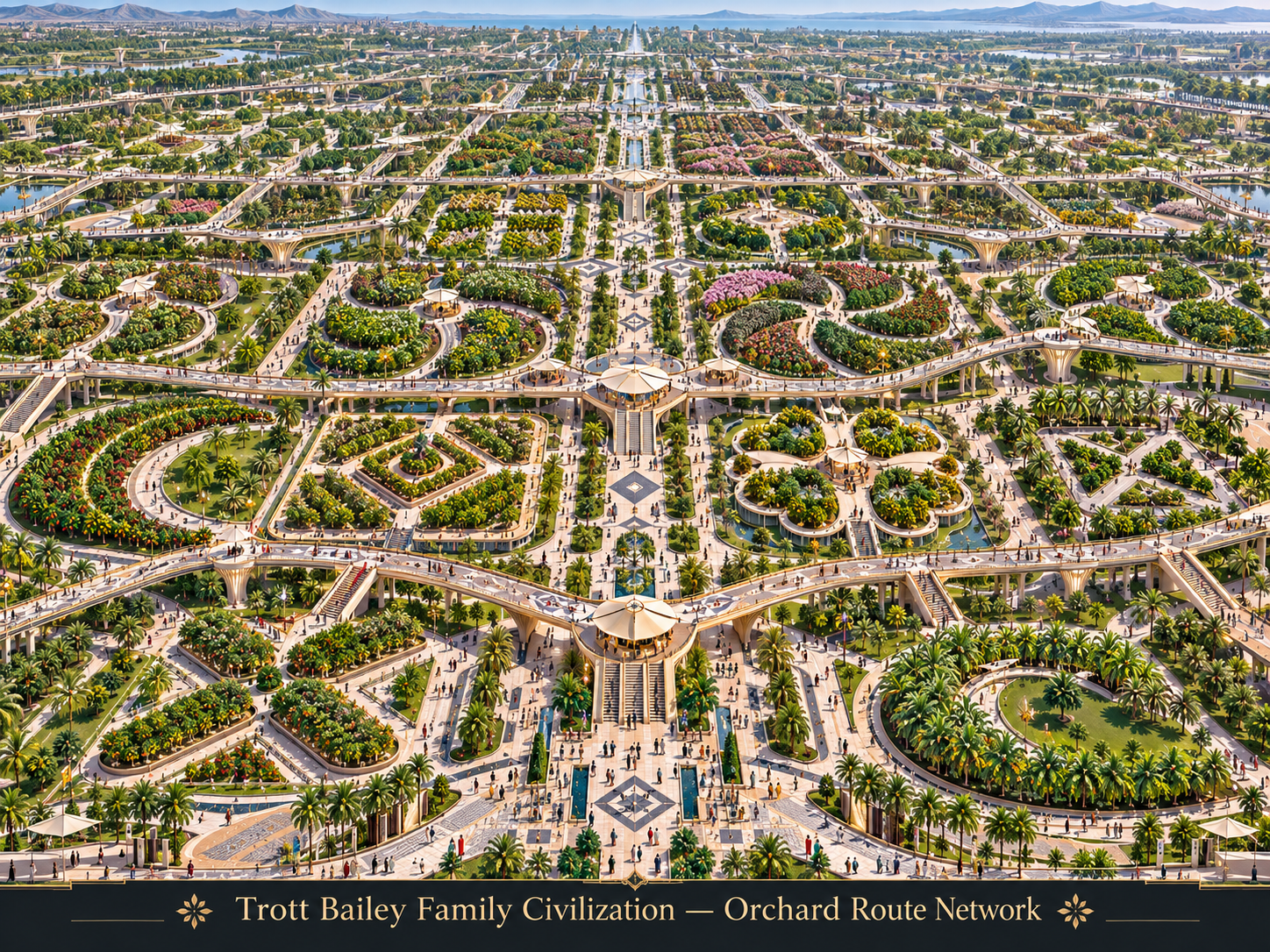
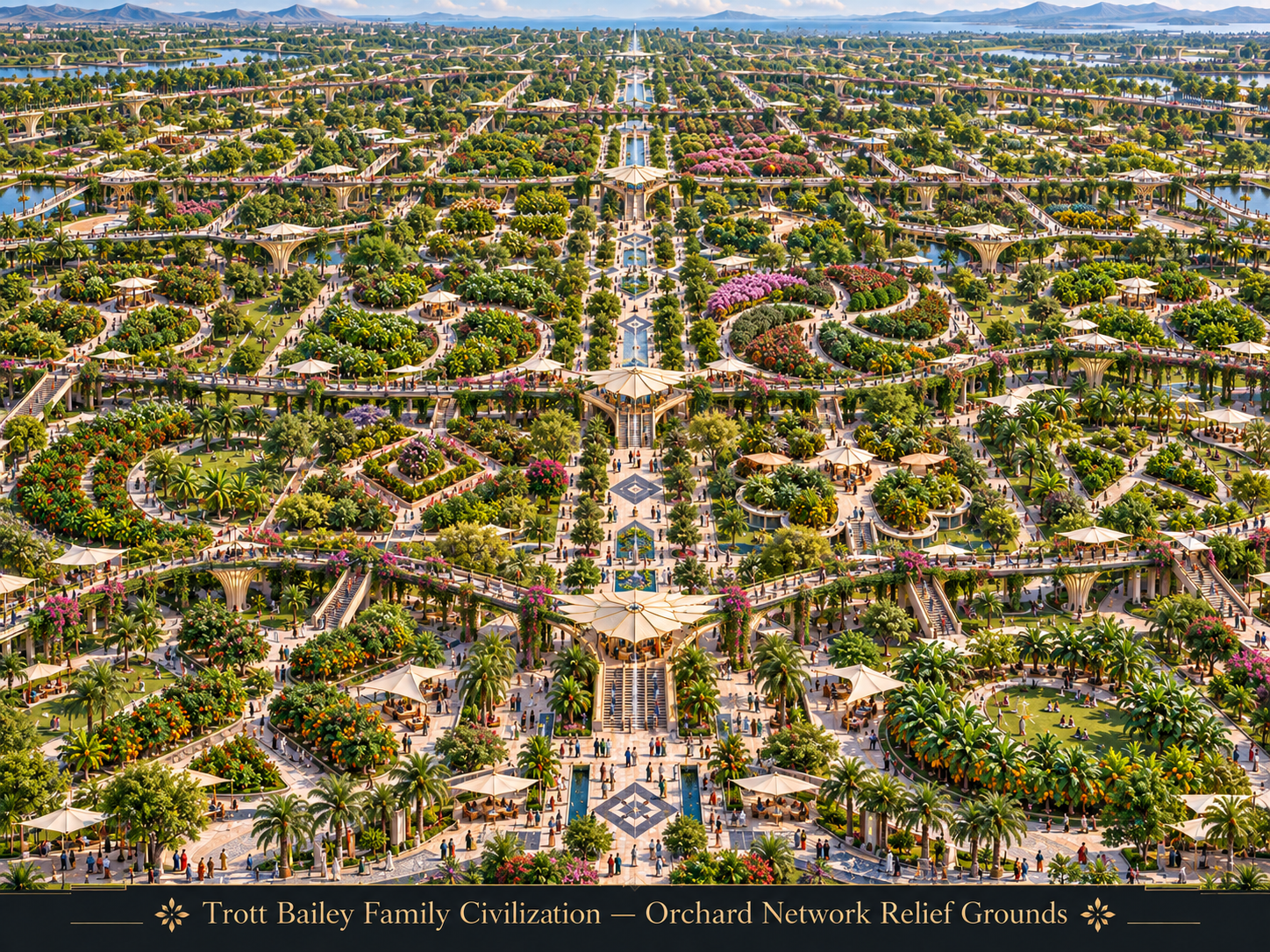
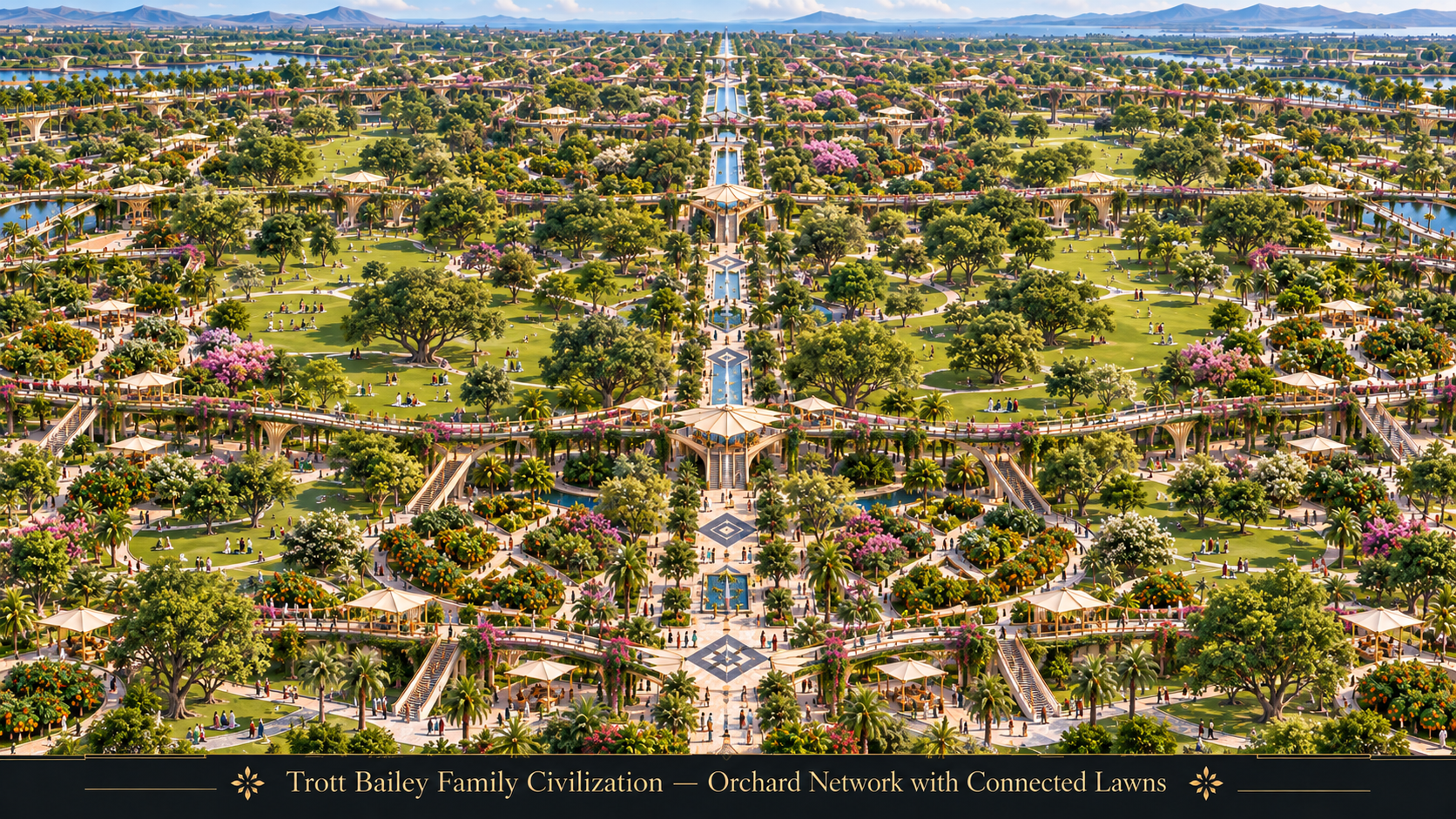
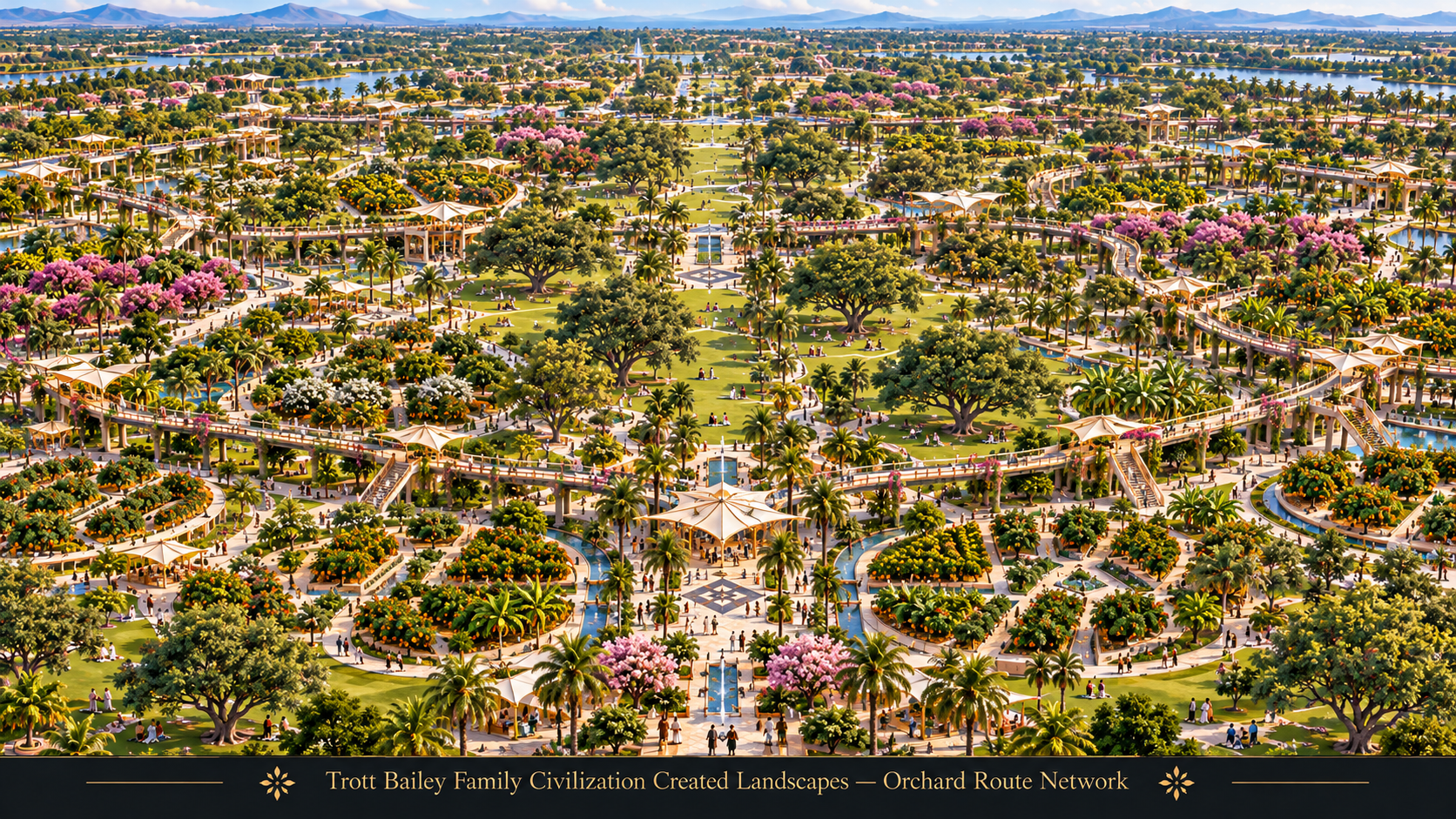
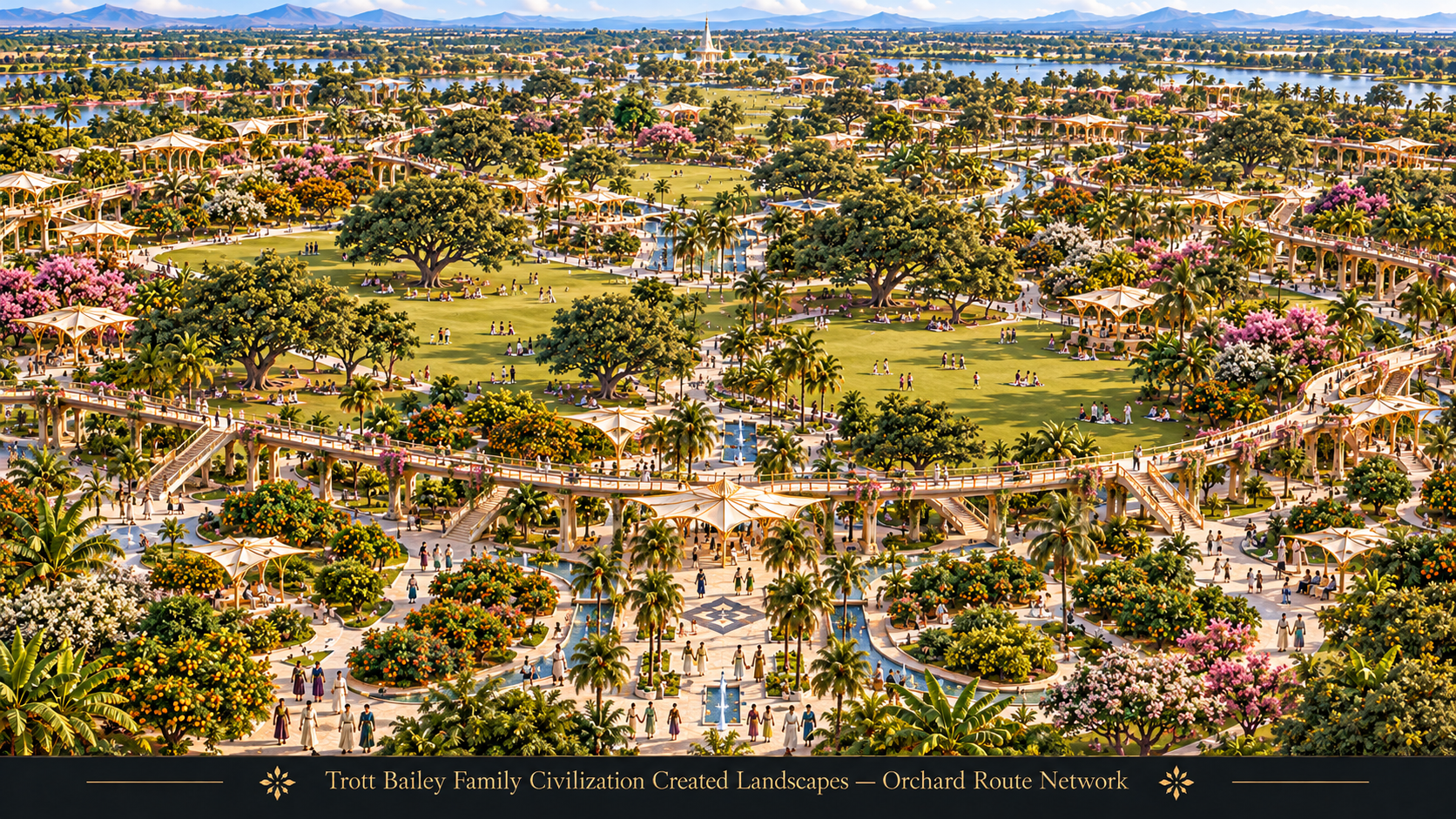
Where possible, secure several thousand acres of fertile land that already contains productive fruit trees, useful vegetation, water resources or established agricultural value.
Existing mature food trees are especially valuable because biological time cannot simply be replaced with machinery.
A machine can help us build a house quickly.
It cannot instantly turn a newly planted mango, avocado, breadfruit, jackfruit, citrus or other perennial tree into a mature producer.
Existing productive orchards therefore give the first nucleus years of biological development from the beginning.
The land should contain enough space for:
- mixed orchards;
- food production;
- plant nurseries;
- housing clusters;
- workshops;
- machinery yards;
- water systems;
- energy systems;
- compost systems;
- clean-return systems;
- research and experimentation;
- roads and internal routes;
- public spaces;
- child and family systems;
- future expansion.
3. Sea Access Is a Founding Requirement
Where practical, major founding nuclei should be on the sea or have very fast access to it.
Sea access gives the civilization another major productive and transport field.
It allows us to establish:
- harbours;
- marine transport;
- fishing systems;
- fish farms and aquaculture;
- food processing;
- coastal research;
- marine machinery;
- boat construction and repair;
- movement of materials;
- later Care-Port development;
- connections between coastal nuclei.
Fish farms add another layer of food security and dietary diversity.
4. The Four Founding Thresholds
A founding nucleus should pass through four clear physical thresholds.
These thresholds prevent premature population growth and make the physical sequence easy to understand.
Threshold One — Secure the Ground and Route
- secure fertile productive land;
- secure reliable legal access to the land;
- secure sea access or rapid harbour access where appropriate;
- understand flood, storm, soil, slope, water and access conditions;
- establish the main movement routes;
- identify existing assets that can immediately be used.
The nucleus must first have a secure physical place from which to grow.
Threshold Two — Make the Site Competent
- water capture, treatment, storage and distribution;
- energy generation and storage;
- sewage treatment;
- compost systems;
- clean return and material handling;
- essential roads and routes;
- communications;
- refrigeration and food storage;
- emergency capability;
- basic workshop and repair capacity.
This is the threshold where land becomes functioning civilization infrastructure.
Threshold Three — Establish Productive Capability
- orchards;
- annual and perennial food production;
- nursery and propagation;
- fish farms and aquaculture where appropriate;
- food processing and preservation;
- construction machinery;
- fabrication;
- repair;
- material handling;
- transport;
- storage;
- initial manufacturing capacity.
At this point the nucleus should increasingly produce rather than merely receive.
Threshold Four — Receive and Multiply Capable Families
Build the first beautiful family homes and receive the first capable households.
These households should not only live there.
They should enlarge what the nucleus can do.
Once the nucleus can continue building, training and receiving additional families without weakening its essential systems, multiplication begins.
5. Establish Infrastructure Before Large Population Growth
We should not move large numbers of people onto land and then begin wondering how they will receive water, energy, sanitation and material-return services.
The nucleus should first be made capable.
Water.
Energy.
Sewage treatment.
Composting.
Clean return.
Roads and movement routes.
Food storage and preservation.
Workshop and machinery capacity.
Communication and knowledge systems.
These systems should be designed as civilization infrastructure from the beginning, not as hardship arrangements that later have to be torn apart.
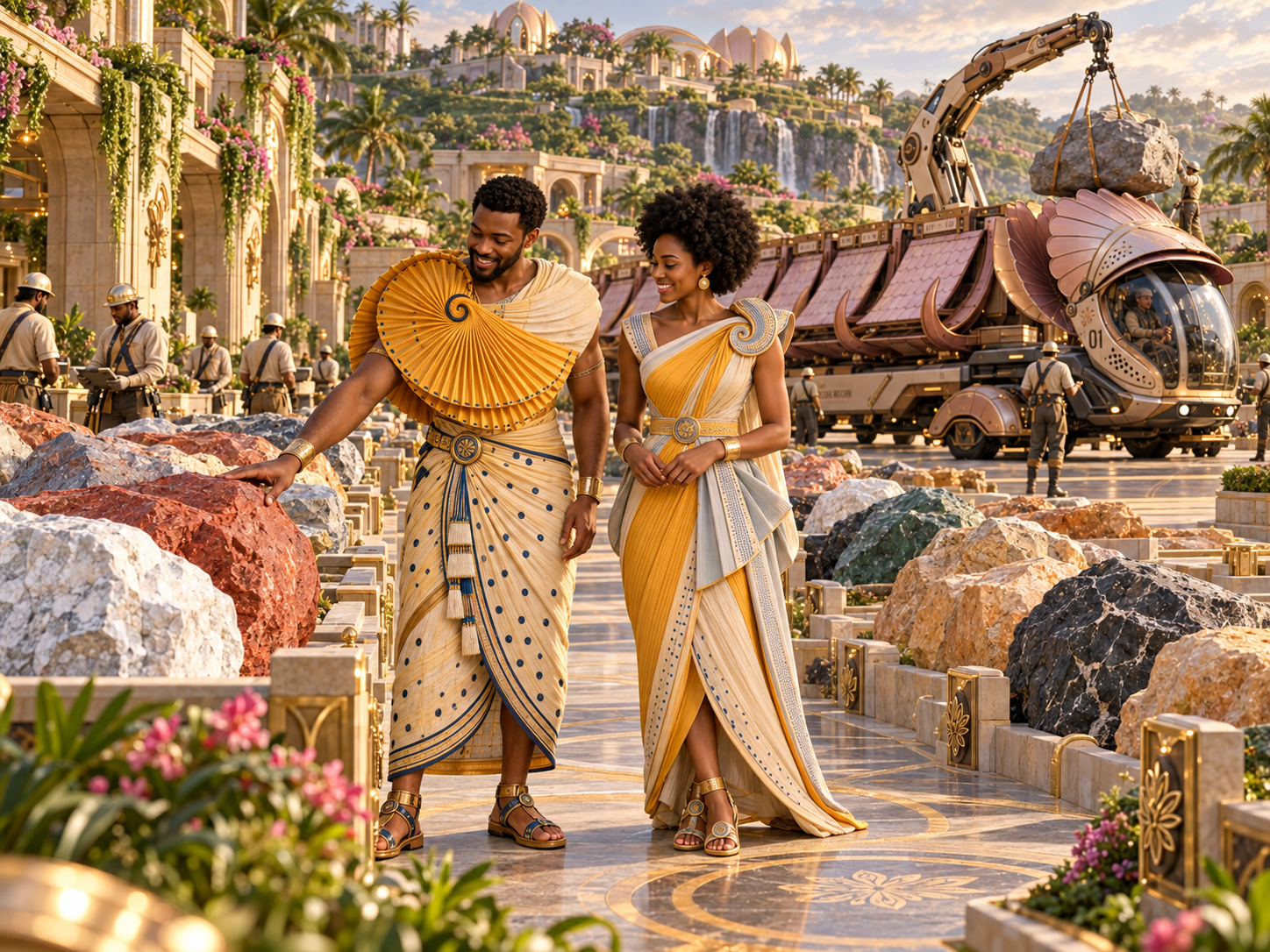
6. Machines Remove Unnecessary Hardship
Trott Bailey Family Civilization does not accept hardship as proof of virtue.
People should not spend their lives performing exhausting repetitive work simply because human labour is available.
Where machinery can safely remove strain, increase precision, increase speed or multiply output, machinery should be used.
This includes machinery for:
- excavation;
- grading;
- construction;
- lifting;
- hauling;
- orchard work;
- irrigation;
- vegetation management;
- planting;
- harvesting;
- food processing;
- material handling;
- compost processing;
- cleaning;
- fabrication;
- road building;
- fish-farm management;
- water movement;
- maintenance.
Human beings should supply judgment, knowledge, creativity, care, supervision, problem-solving and skilled operation.
7. Use Small Things for Large Multiplied Effects
The first nucleus does not need every possible system at maximum scale.
It needs the right leverage points.
A small number of well-selected tools, people and systems can create very large effects.
One nursery can multiply thousands of plants.
One fabrication workshop can repair dozens of machines and later manufacture parts and new machines.
One excavator can support roads, drainage, ponds, foundations, water systems and landscaping.
One capable construction team can build homes that allow several more capable families to arrive.
One water system can support homes, orchards, workshops, food processing and fish production.
One fish-farm system can supply food, knowledge and breeding stock for other sites.
One excellent propagation programme can spread improved plant material across many nuclei.
One experienced family can help train several other families.
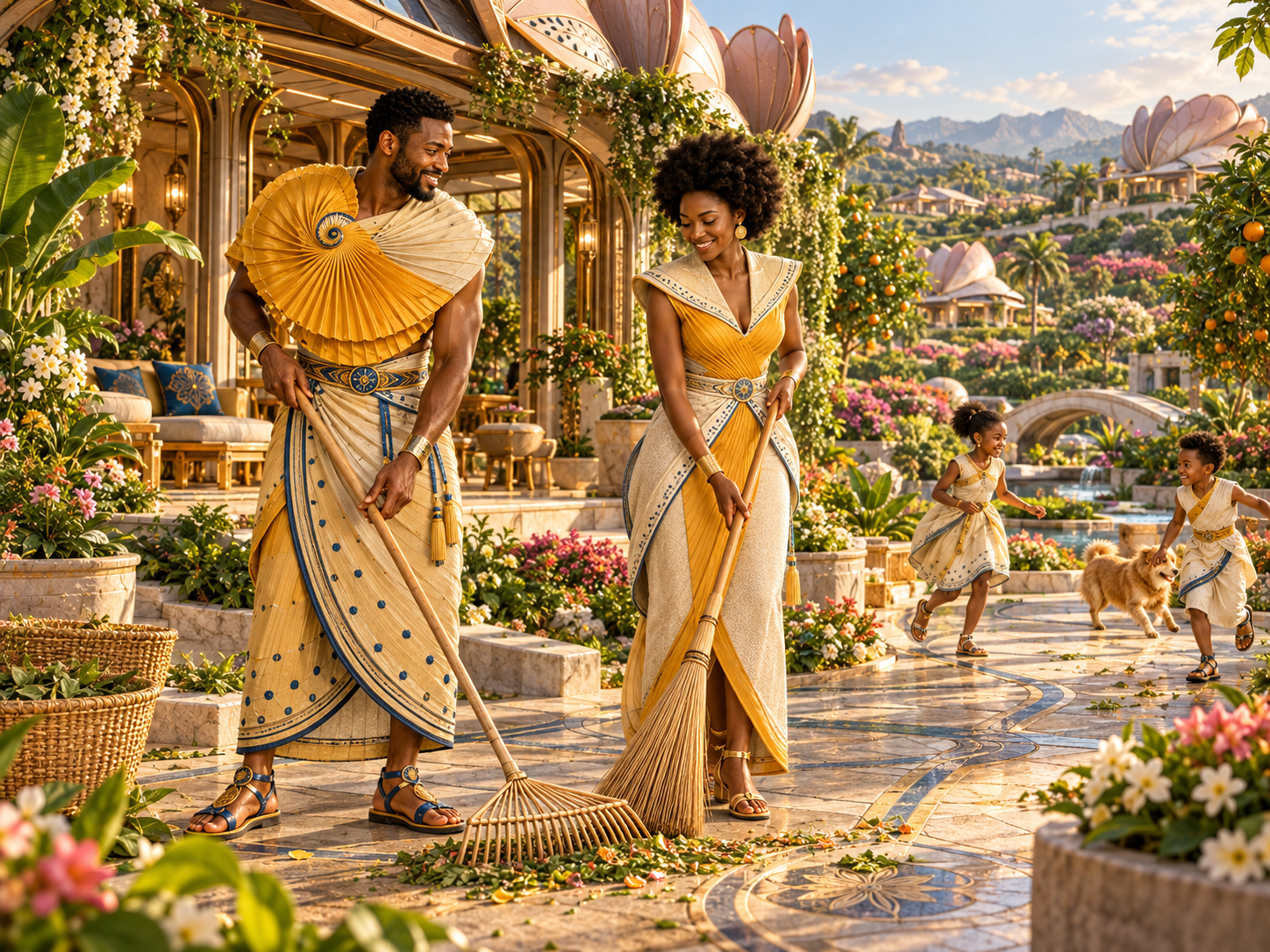
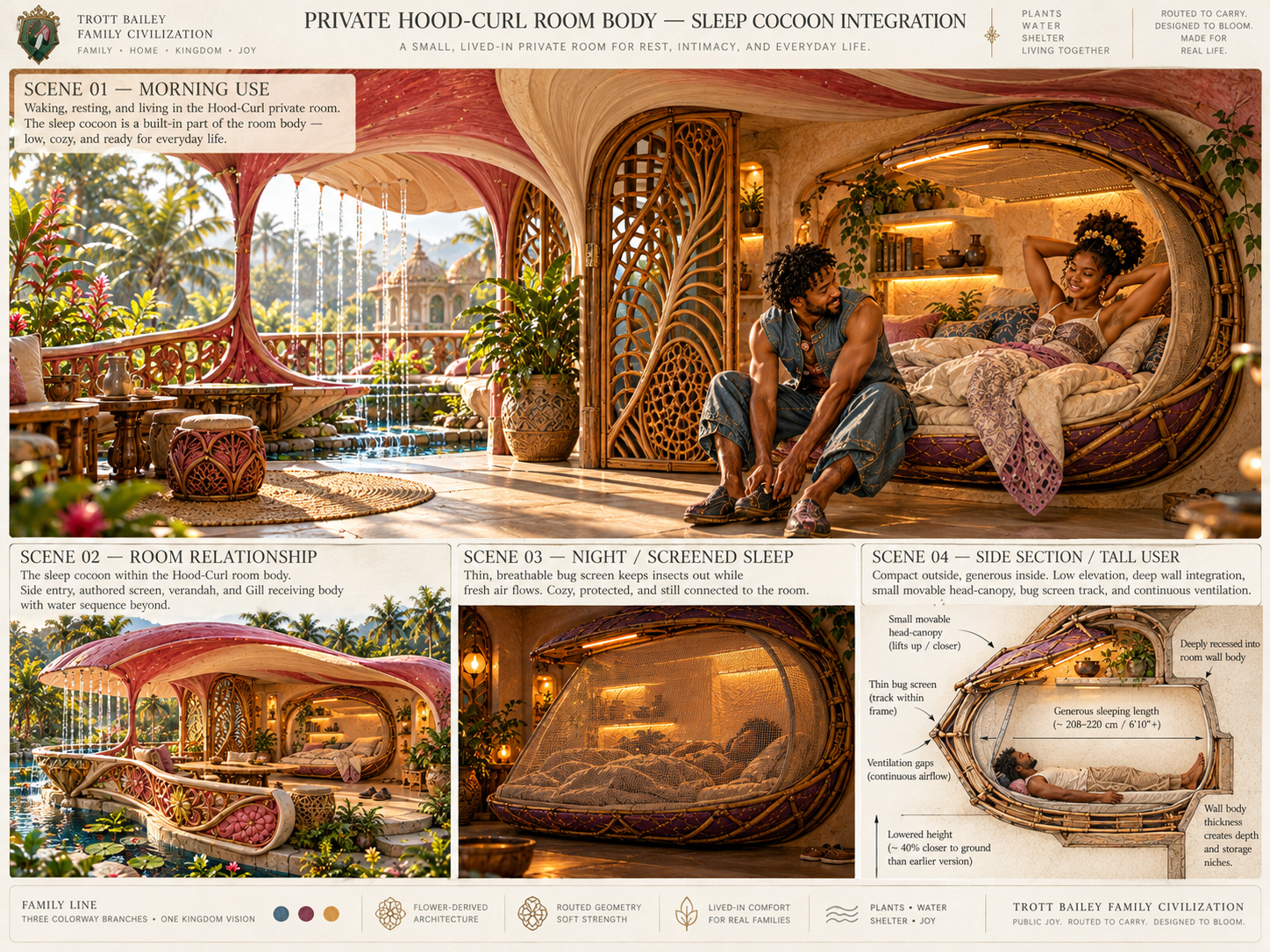
8. Build Beautiful Homes for the First Capable Families
The first homes should not be hardship shelters.
They should already express Trott Bailey Family Civilization.
They should be beautiful, durable, comfortable, family-centered and designed around the way families actually live.
The first households matter greatly.
We are not trying to populate the land as quickly as possible with random numbers of people.
The first families should increase the capability of the nucleus.
Early citizens may include people skilled or highly trainable in:
- building;
- engineering;
- machinery;
- fabrication;
- farming;
- orchard management;
- aquaculture;
- cooking;
- food preservation;
- water systems;
- energy;
- sanitation;
- clean return;
- medicine and health;
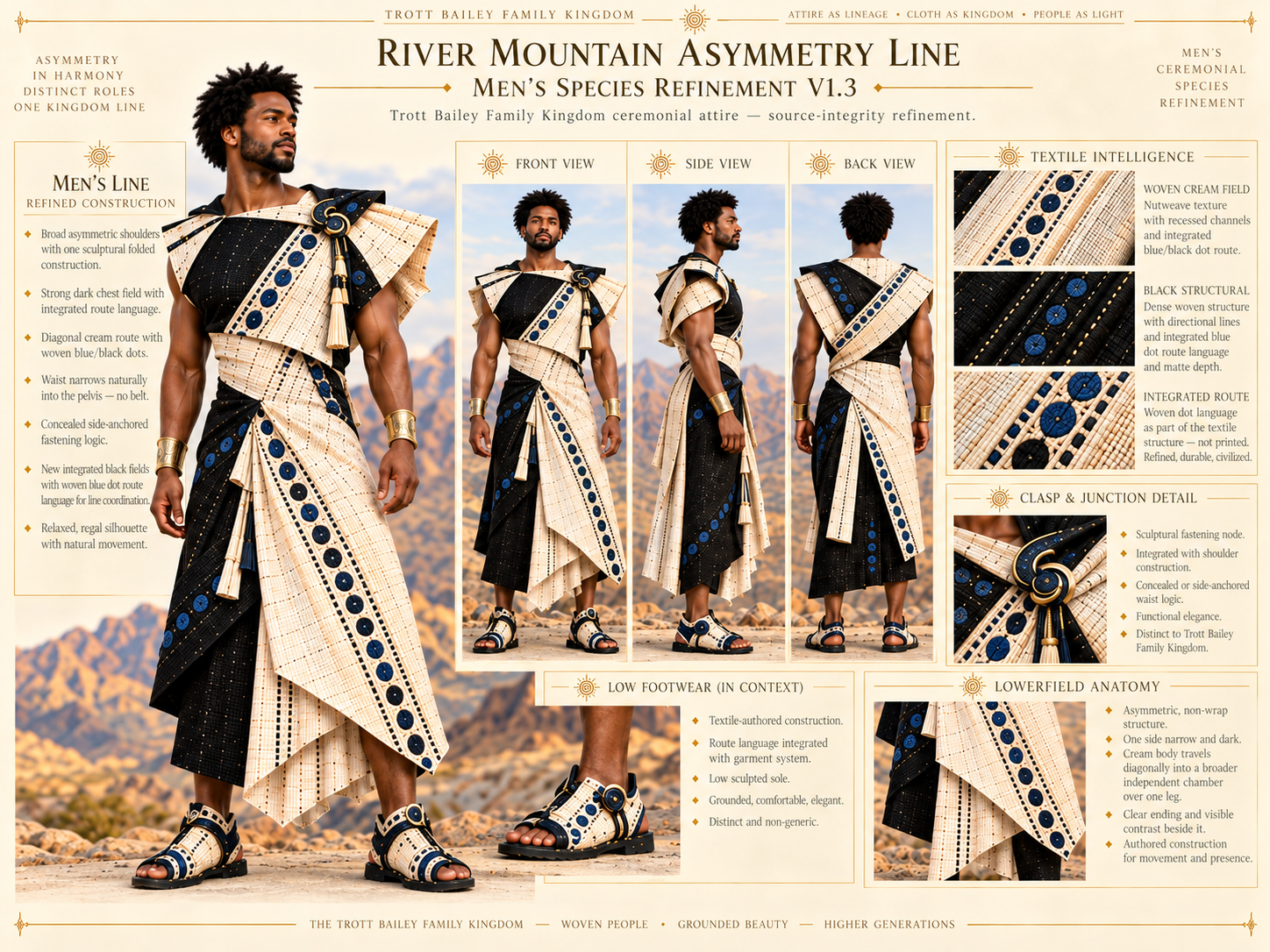
- textiles and garments;
- footwear;
- child care;
- education;
- transport;
- organization;
- media and documentation;
- repair;
- research;
- invention.
9. Every New Family Should Help Make Room for More Families
The first infrastructure supports the first families.
The first families expand the capability of the settlement.
Expanded capability allows more homes and systems to be built.
More homes allow more capable families to arrive.
Those families add more food production, building capacity, machinery knowledge, care, teaching, repair, invention and organization.
Infrastructure supports families.
Families increase capability.
Capability builds more infrastructure.
More infrastructure supports more families.
More families increase capability again.
The nucleus gradually becomes able to reproduce its own civilization systems.
10. Replication Is Not Cloning
A nucleus should reproduce the civilization’s principles and capabilities.
It should not mechanically copy another nucleus.
A coastal tropical nucleus may require fish farms, tropical orchards, marine transport, high-rainfall water systems and architecture designed for heat and humidity.
A cold-region nucleus may require completely different food species, insulation, energy systems, building materials, seasonal storage and water management.
The civilization remains one civilization because the deeper laws remain consistent.
Place matters.
Climate matters.
Materials matter.
Local knowledge matters.
Local food matters.
Local ecology matters.
The civilization learns from each place rather than flattening Earth into one repeated settlement.
11. Do Not Depend on One Giant Settlement
The civilization should not wait for one nucleus to become enormous before another begins.
Multiple nuclei should rise in parallel.
One may begin in coastal Bahia.
Another may begin elsewhere in Brazil around fertile agricultural land.
Another may form around a harbour.
Another may begin near strong freshwater resources.
Another may form around manufacturing capacity.
Another may be especially suitable for aquaculture.
Another may have extraordinary fruit-growing conditions.
Another may specialize in machinery.
The same process then expands outside Brazil.
12. Nuclei Should Specialize and Exchange Capability
A strong nucleus does not have to master every field equally.
One may become excellent at tropical fruit propagation.
Another may become excellent at fish farming.
Another may develop agricultural machinery.
Another may specialize in textile production.
Another may develop water-treatment systems.
Another may advance marine transport.
Another may become especially strong in child development.
Another may specialize in food research.
Another may become a major fabrication centre.
The discoveries of one nucleus should become available to the others.
13. Specialize Without Creating Fragility
Specialization is useful.
Dependency on one single place is dangerous.
No critical civilization capability should exist in only one nucleus if it can reasonably be reproduced elsewhere.
If only one place knows how to operate an essential water system, that is a weakness.
If only one workshop can manufacture a critical part, that is a weakness.
If one nursery holds the only breeding stock of an important crop, that is a weakness.
If only one team knows how to maintain a major machine species, that is a weakness.
Critical redundancy should exist in:
- water treatment;
- essential machinery repair;
- critical seed and plant genetics;
- energy systems;
- medical knowledge;
- communications;
- transport;
- food storage;
- fabrication;
- sanitation;
- knowledge archives.
14. Capability Must Reproduce
The most important output of an early nucleus is not only food, houses or machinery.
It is more capability.
A nursery produces plants.
A workshop produces parts and machines.
A learning and apprenticeship system produces skilled people.
An orchard produces food and propagation material.
A fish farm produces food, breeding stock and aquaculture knowledge.
A family settlement produces experienced families capable of helping another settlement begin.
A construction team trains more builders.
A machinery team trains more operators.
A water team teaches another water team.
Pacorips helps identify and connect ability.
15. Knowledge Transfer Is Core Infrastructure
A distributed civilization can only multiply quickly if knowledge moves as efficiently as people, machinery and materials.
Big King Media and Mind’s Eye are therefore part of civilization expansion infrastructure.
They are not decorative archives added after the work is finished.
When a nucleus discovers a better way to build a wall, grow a crop, operate a fish farm, repair a machine, organize a nursery, construct a water system, care for a child, process food, make a garment, design a route, prevent a failure or train an apprentice, that knowledge should be captured.
Record:
- what was attempted;
- what worked;
- what failed;
- why it failed;
- what was changed;
- what materials were used;
- what machinery was needed;
- what skills were required;
- what environmental conditions mattered;
- what another nucleus should change before adapting it.
Big King Media preserves operational knowledge.
Mind’s Eye preserves the reasoning, discoveries, decisions and corrections behind the civilization.
16. Photofall Is the Visible Recognition Standard
The question of anti-drift is simple.
The civilization does not require an enormous bureaucracy to explain the standard every time somebody wants to build.
The standard is already visible.
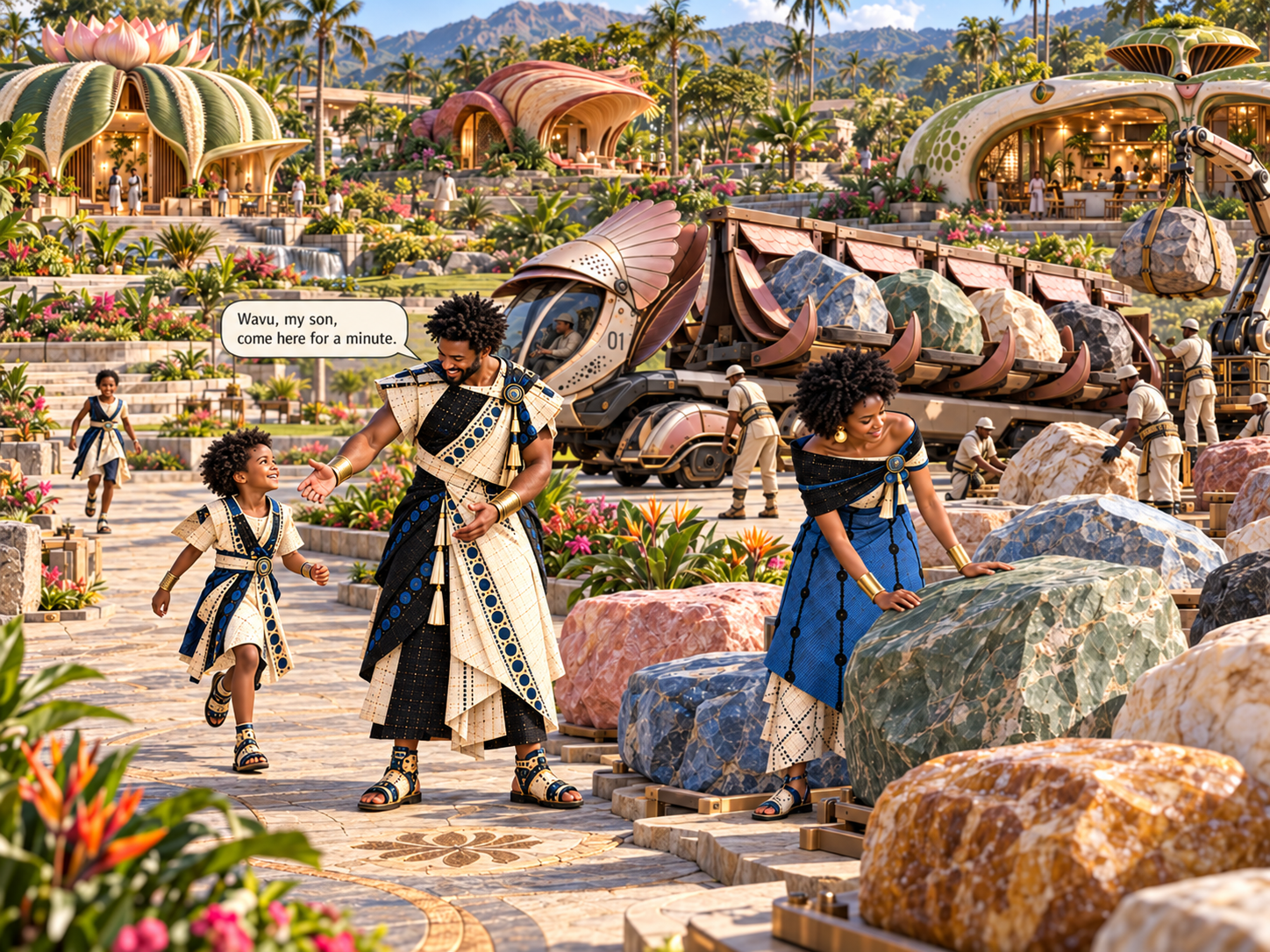
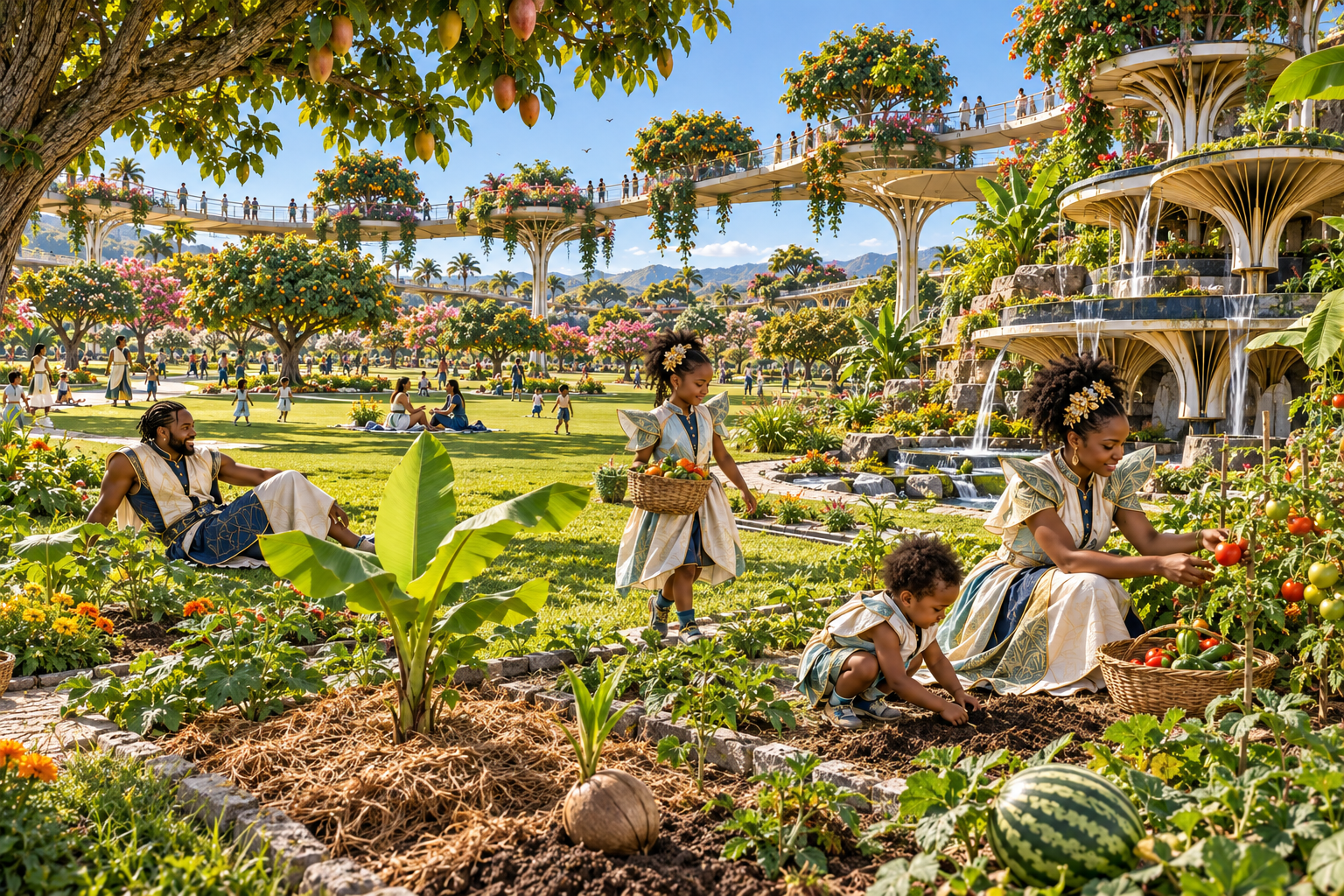
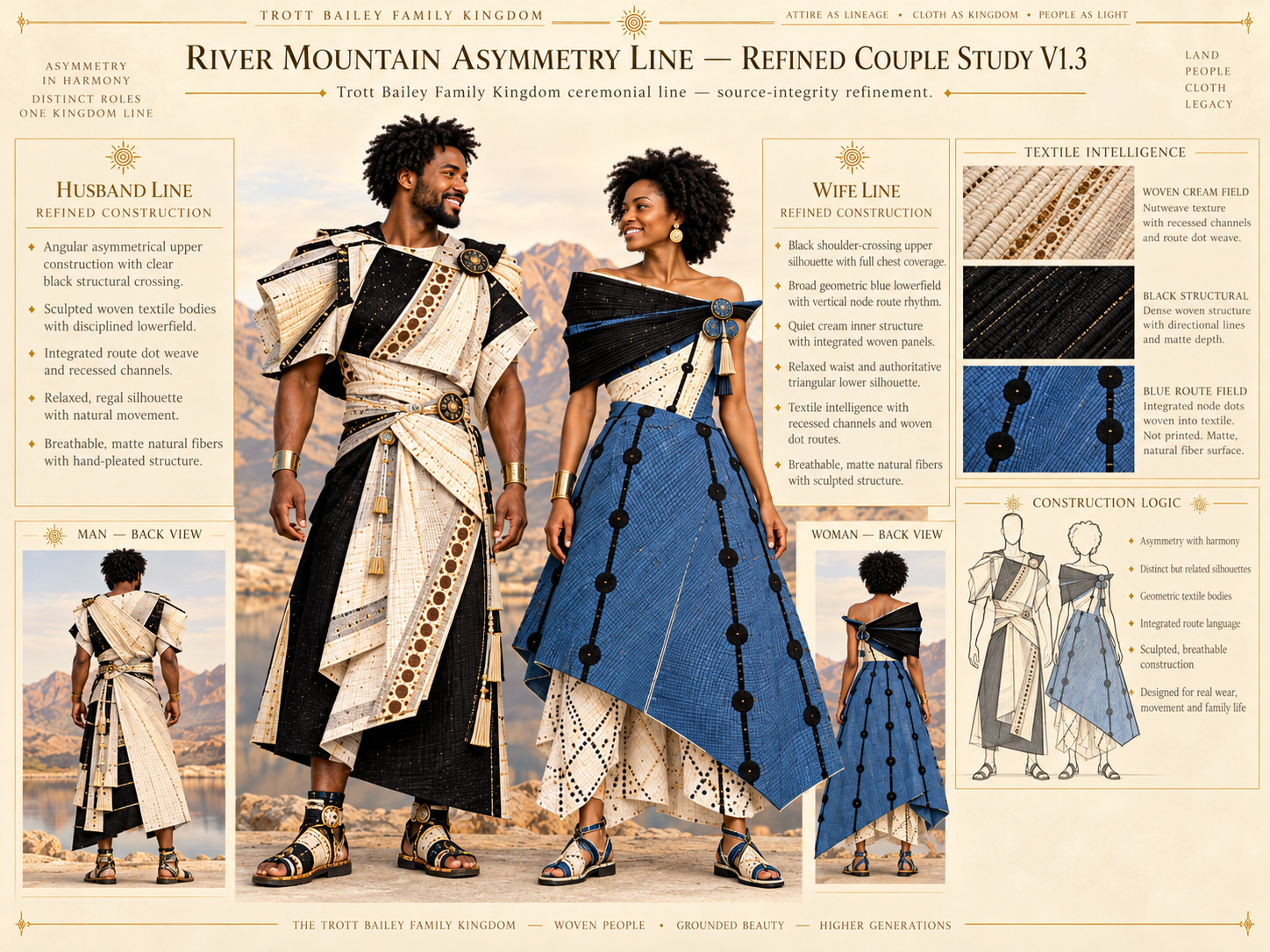
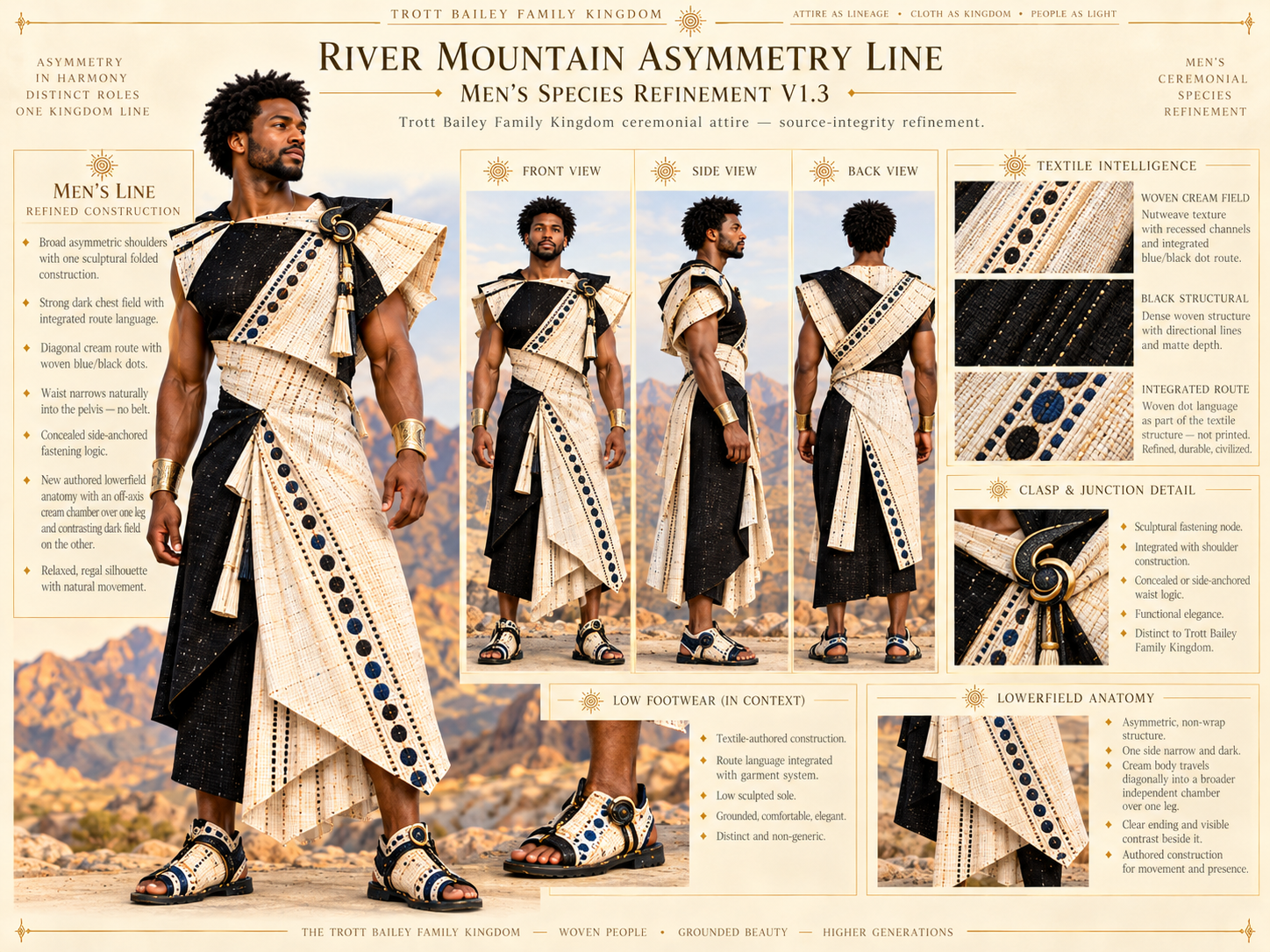
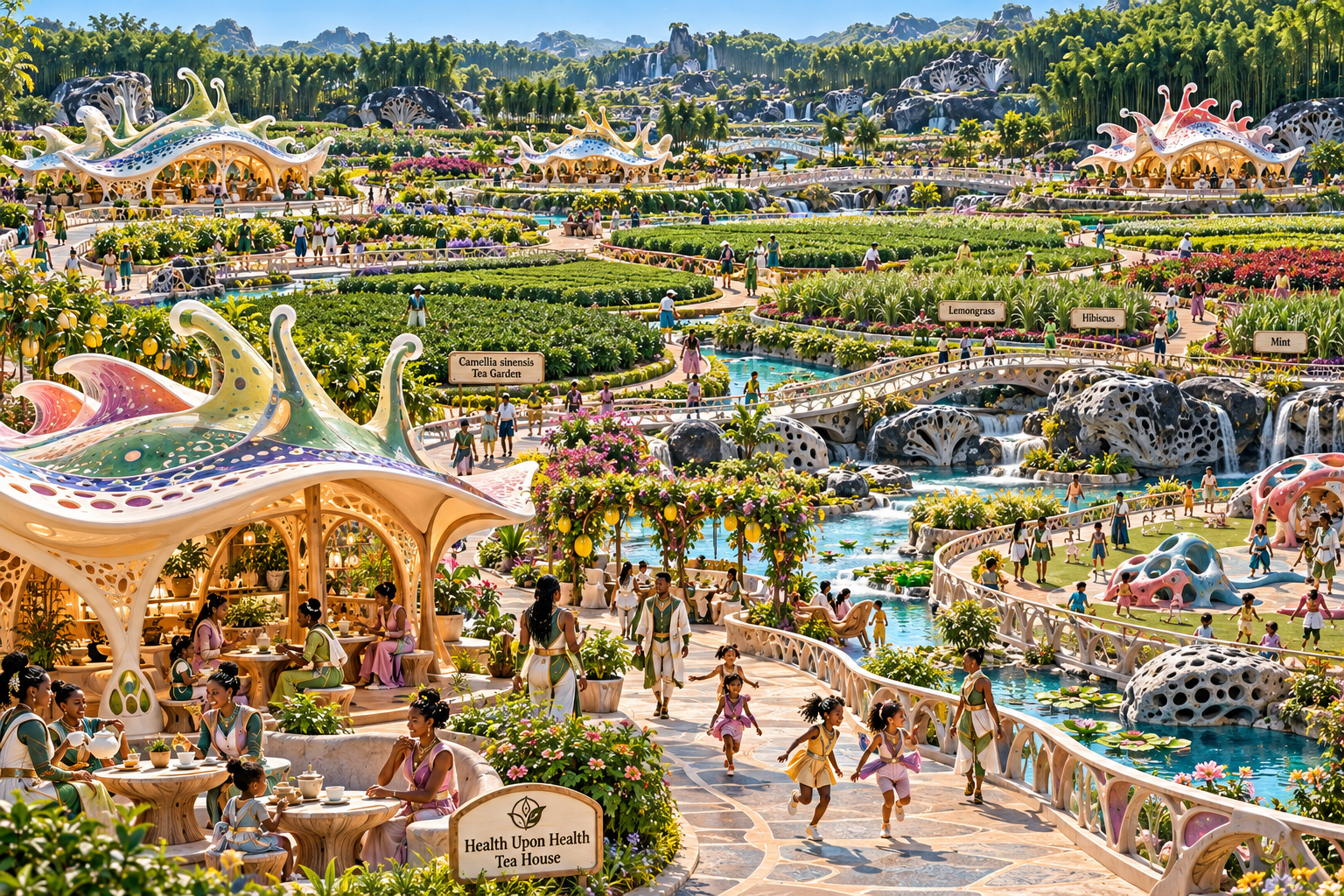
Trott Bailey Family 1Drop Photofall shows what the civilization is being designed and built to become.
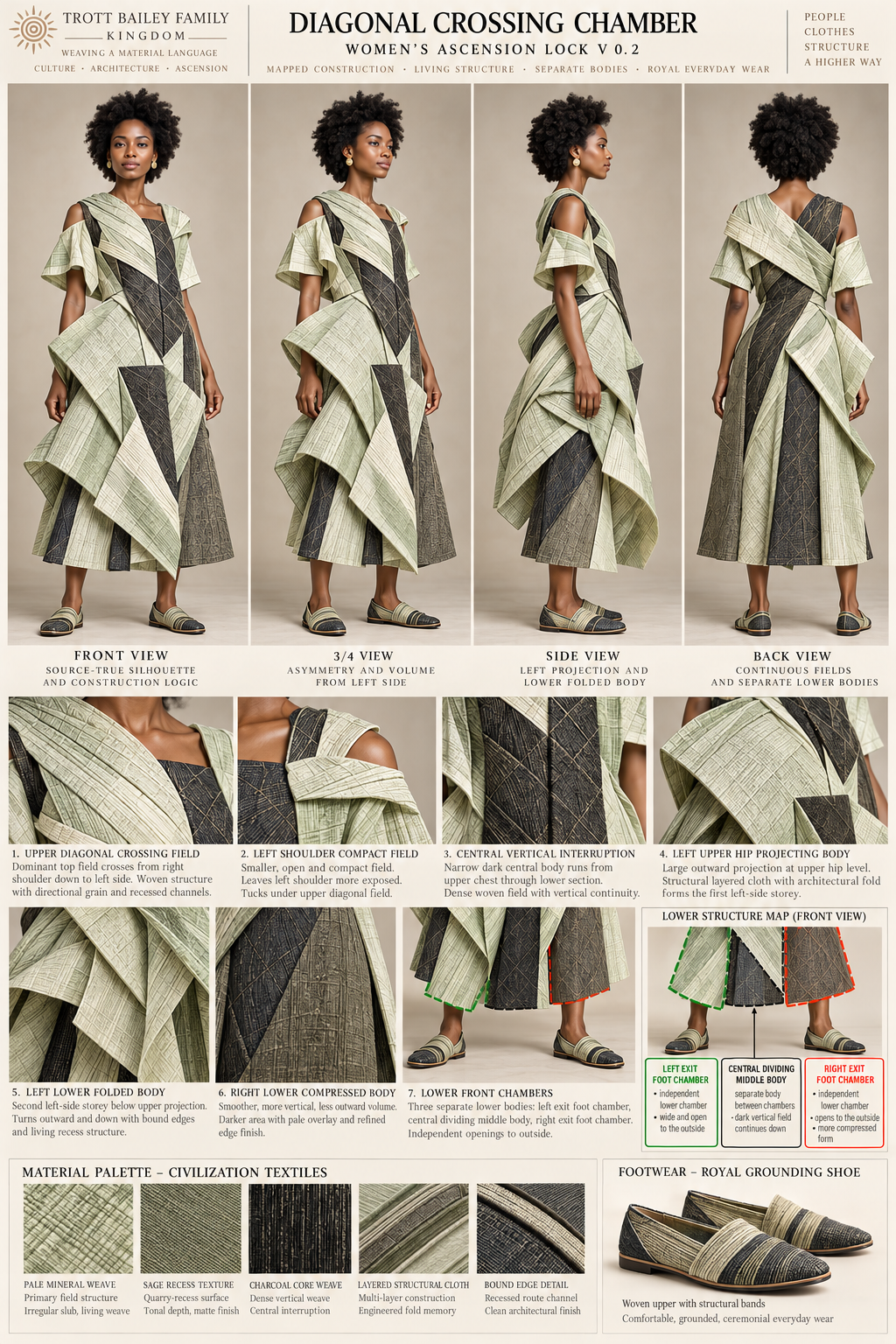
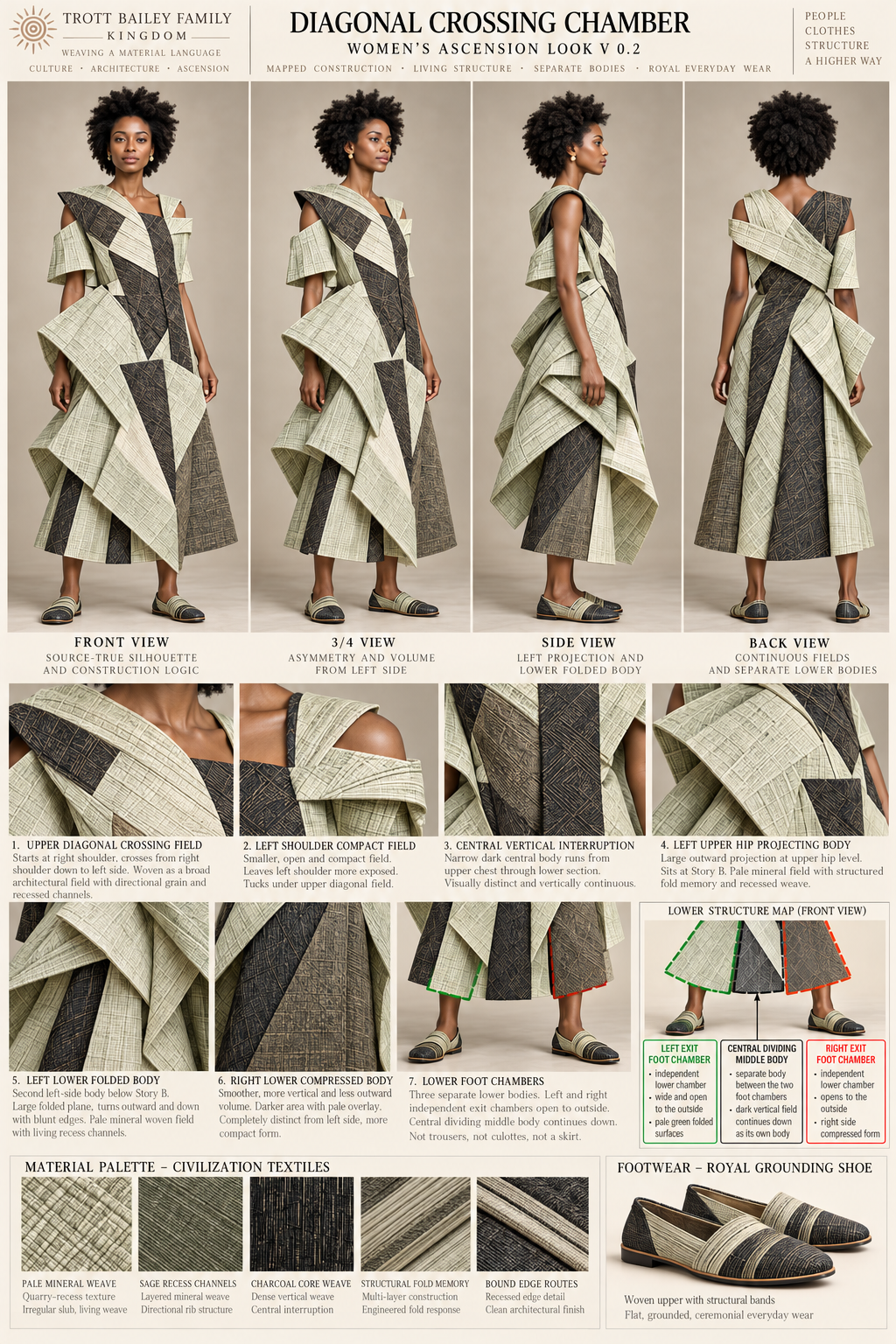
It contains the visible standards for architecture, garments, machinery, orchards, Care-Ports, public spaces, interiors, transportation, family environments and other civilization systems.
These images are not merely inspiration.
They establish the visible level of beauty, craftsmanship, functionality, family intelligence, abundance, machinery intelligence and civilization authorship expected of work carrying the Trott Bailey Family name.
Local Variation Is Allowed
A Brazilian coastal nucleus does not need to look identical to a nucleus in Indonesia, Korea, Kenya or a cold climate.
Buildings can respond to local weather.
Food can respond to local ecology.
Materials can change.
New inventions can appear.
Local knowledge can improve the system.
The civilization can develop new architectural species, machinery species, garment branches and landscape forms.
Inferior Construction Is Not Local Adaptation
“Local conditions” cannot be used as an excuse for producing something cheap, ugly, poorly made, unnecessarily harsh, generic or visibly beneath the civilization’s established standard.
Adaptation may change the answer.
It may not lower the civilization.
Improvements Can Raise the Standard
Photofall is not a ceiling.
If a nucleus develops something genuinely better, that improvement can be recorded and become part of the visible civilization library.
This allows the standard to continue rising without losing authorship.
17. Replication Creates Parallel Growth
Civilization expansion should not depend only on linear growth.
The pattern should become reproductive.
One nucleus becomes capable.
It helps another nucleus form.
Those nuclei eventually help several more.
They produce more trained people, machinery, plant material, technical knowledge, building systems and operating experience.
The exact numbers do not have to follow a perfect doubling sequence.
The civilization grows through multiplication rather than through one centre trying to carry all expansion.
18. Connected Nuclei Create Resilience
A distributed civilization is stronger than a single overloaded centre.
If one location experiences drought, storm damage, crop disease, machinery failure or another serious disruption, other nuclei can assist.
They may move:
- food;
- seed material;
- breeding stock;
- machinery;
- replacement parts;
- technical teams;
- medical support;
- builders;
- water equipment;
- energy equipment;
- transport;
- knowledge.
No single local difficulty should automatically become a civilization-wide crisis.
19. Brazil Can Hold Many Different Early Nuclei
Brazil is large enough that the first expansion does not need to depend on one environment.
Different nuclei can use different strengths.
Coastal regions can combine orchards, aquaculture, harbour systems and marine transport.
Other regions can specialize in crops, livestock where appropriate, machinery, manufacturing, energy, freshwater systems, materials, research or other useful fields.
Nuclei can be connected without being crowded together.
This allows the civilization to develop depth while preserving land, beauty, family space and productive landscapes.
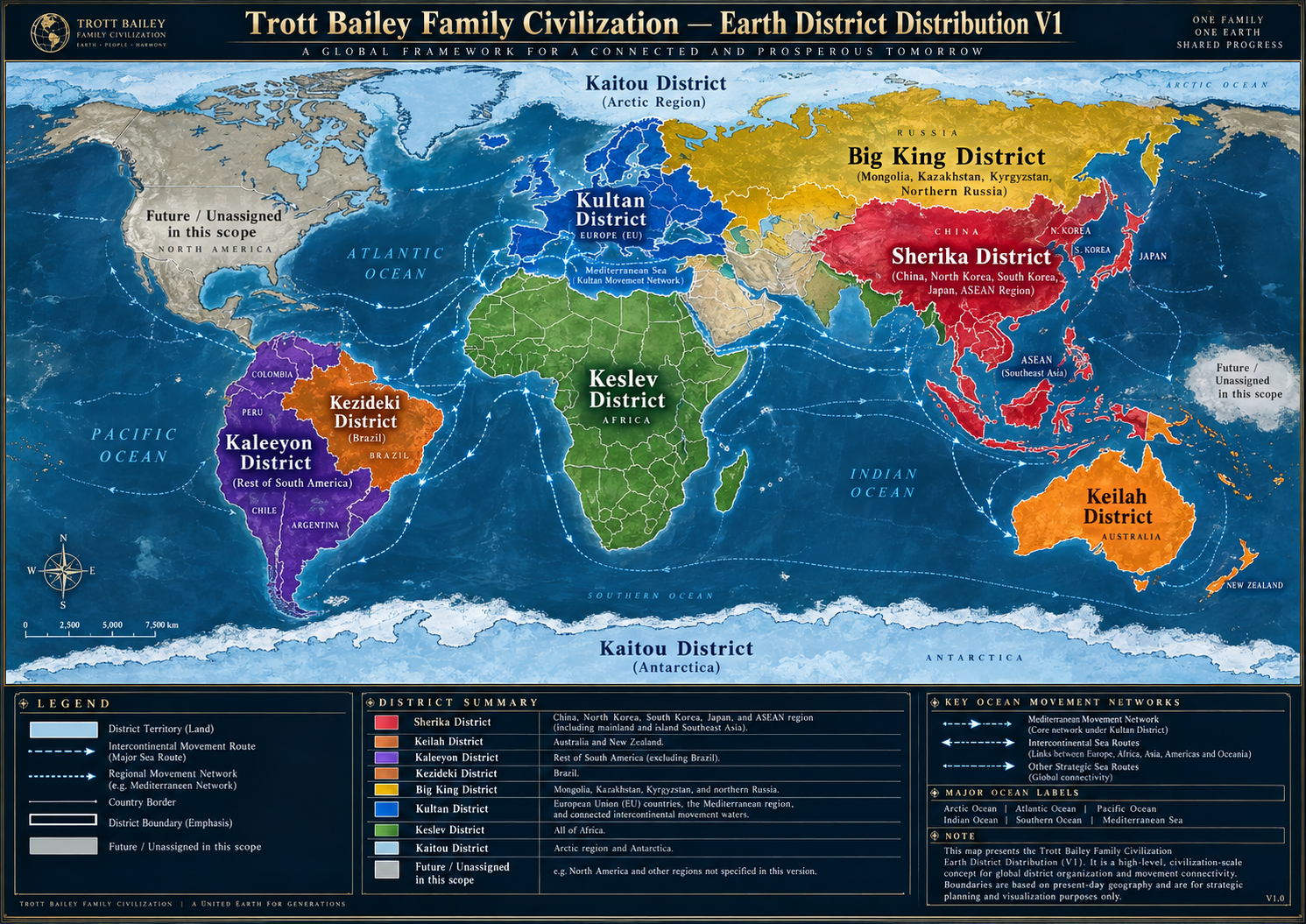
20. Expansion Across Earth
The same principle extends beyond Brazil.
A nucleus responds intelligently to the place where it is built.
The food in Indonesia will not be identical to the food in Brazil.
Architecture in a cold region cannot simply copy tropical architecture.
Agriculture responds to climate.
Materials differ.
Water conditions differ.
Local knowledge matters.
But the civilization’s deeper principles remain recognizable:
Abundance.
Family-centered life.
Everything free at the point of use.
Beautiful surroundings.
Useful work.
Machinery removing unnecessary strain.
Food and water security.
Clean return.
Care for children.
Learning.
Repair.
Invention.
Generosity.
Deep organization.
Continuous improvement.
This allows Trott Bailey Family Civilization to remain one civilization without becoming one repetitive settlement copied across Earth.
21. The Map We Are Building
The civilization map does not need to look like one giant capital surrounded by dependency.
It can look like a constellation.
Nuclei.
Kingdoms.
Orchards.
Harbours.
Care-Ports.
Workshops.
Family settlements.
Research places.
Manufacturing houses.
Food systems.
Transport routes.
Beautiful public places.
Each locally capable.
Each connected.
Each adding something to the whole.
Founding Sequence
Threshold One — Ground
Secure fertile productive land.
Secure sea or rapid harbour access where appropriate.
Understand the land, water and environmental conditions.
Establish the first routes.
Threshold Two — Competence
Establish water.
Establish energy.
Establish sewage treatment.
Establish compost and clean return.
Establish communication, food storage and basic repair capacity.
Threshold Three — Production
Bring in machinery and workshop capability.
Strengthen existing food production.
Establish nursery and propagation.
Establish aquaculture where suitable.
Develop fabrication, repair and food-processing capacity.
Threshold Four — Families and Multiplication
Build the first beautiful family homes.
Bring in the first highly capable families.
Expand food, repair, construction, manufacturing and care capability.
Build additional homes.
Receive additional capable families.
Train more people than the nucleus itself requires.
Record what works.
Build to the Photofall standard or above it.
Reproduce critical knowledge and capability in more than one location.
Help seed another nucleus.
Connect the nuclei.
Share discoveries.
Repeat simultaneously in many places.
Governing Strategy
Trott Bailey Family Civilization is not being built by forcing one settlement to become the whole civilization.
It is being raised through many capable places at once.
Each nucleus begins small enough to organize well and strong enough to grow.
Each one uses machinery to multiply human effort.
Each one establishes abundance rather than hardship.
Each one develops capable families.
Each one learns from its land rather than blindly copying another place.
Each one builds to the visible civilization standard shown through Photofall or raises that standard higher.
Each one records what it discovers.
Each one reproduces critical capability so the wider civilization does not depend on fragile single points of failure.
Each one produces knowledge, skills, food, machines, systems and people that strengthen other nuclei.
Each one becomes increasingly able to help another part of the civilization rise.
Many capable nuclei rise simultaneously.
Each successful nucleus makes the next easier to establish.
The nuclei grow into kingdoms.
The kingdoms remain connected.
Knowledge moves between them.
Machines, plants, people, skills and discoveries move between them.
Capability keeps producing more capability.
The result is a distributed, self-multiplying Trott Bailey Family Civilization rising across Brazil and across Earth.
Build capability in many places at once. Multiply what works. Preserve what is learned. Remove unnecessary hardship. Build to the visible standard or higher. Prevent fragile dependencies. Connect the kingdoms. Keep raising Trott Bailey Family Civilization across Earth.