

The Tourist Is Not Prey

The Tourist Is Not Prey
Hospitality has become extraction dressed in a smile.
This article will not be written in the mild dead voice that has taken over the internet.
It will not pretend that every cruelty is merely “a challenge.” It will not call greed “pricing pressure.” It will not call fake smiles “customer-facing service.” It will not call exploitation “the modern travel economy.” It will not decorate the truth until the truth can no longer accuse anyone.
This is earth.
People are tired. People are poor. People are working miserable jobs, raising children under pressure, saving little by little, and trying to buy a few days of rest before they return to the same grind. A family may save for months just to take one small vacation. A mother may count every cost before she books the room. A father may work extra hours so the children can see the beach. A couple may finally get a few days away after years of bills, stress, sickness, rent, school needs, and exhaustion.
Then they arrive somewhere unfamiliar, and the tourism machine meets them at the door with inflated prices, hidden fees, tip pressure, poor food, cold service, weak rooms, and the insult of fake welcome.
That is hospitality rotting.
Modern tourism has corrupted hospitality by turning the vulnerability of the stranger into a market opportunity. The guest is away from home, tired, unfamiliar, and often financially stretched. They do not know the best routes. They may not know the fair prices. They may not know the local language, the customs, the safe areas, the honest drivers, the good food places, or the traps. They may be traveling with children, elders, pregnancy, disability, fear, or exhaustion.
True hospitality protects that vulnerability.
Corrupt tourism exploits it.
The tourist is not prey.
The stranger is not a wallet.
Welcome is not supposed to be a hunt.
Hospitality used to carry moral meaning
Hospitality is not just a room.
Hospitality is not just a booking confirmation, a reception desk, a key code, a mattress, a towel, or a payment receipt.
Hospitality is the moral intelligence of receiving a person who is away from home.
A stranger arrives. You receive them. You give them a clean place to sleep. You offer water. You offer food. You speak with courtesy. You help them understand where they are. You do not treat their unfamiliarity as an opportunity to rob them.
That was the old moral understanding of hospitality.
The guest is not in their own territory. They are not surrounded by their own kitchen, their own neighbors, their own roads, their own language, their own trusted people, or their own daily rhythms. They are displaced for a short time, and that displacement creates responsibility for the host.
A true host does not despise the guest. A true host does not trick the guest. A true host does not shame the guest. A true host does not see confusion as profit. A true host does not inflate everything just because the guest has nowhere else to go.
True hospitality can still charge fairly. It can still pay workers. It can still maintain the property. It can still protect itself from abusive guests. It does not mean being foolish, free, or financially irresponsible.
But there is a difference between fair payment and predatory extraction.
Modern tourism often pretends not to know the difference.
The tourist is not automatically rich
One of the most poisonous assumptions in tourism is that a tourist is automatically rich.
People see luggage and imagine wealth. They hear another language and imagine money. They see a family on vacation and imagine excess. They see someone outside their usual place and think, “They must have plenty.”
But vacation does not mean wealth.
Travel does not mean abundance.
A tourist is not a sacrifice animal for the local economy.
Many tourists are workers. Mothers. Fathers. Grandparents. Students. Immigrants. Families. People who saved for months. People using credit cards. People stretching their last money. People who already paid for transportation, clothes, documents, hotel deposits, food, school breaks, and time away from work.
A person can be on vacation and still be financially fragile.
A person can be traveling and still be counting money.
A person can be away from home and still be under pressure.
This is the lie tourism likes to ignore. It wants to pretend every guest is rich so the greed feels justified. It wants to pretend every traveler can afford the trap. It wants to pretend overcharging is harmless because the tourist will go home anyway.
But everyone is a tourist to someone else.
The person overcharging a stranger today may become the stranger tomorrow. The worker behind the counter may also be saving for years to take their own small vacation. The driver who raises the price for a foreign family may have a family of his own trying to escape exhaustion for a weekend. The hotel owner who acts as though every guest is a walking wallet may also know bills, debt, repairs, food costs, school costs, fuel costs, and the pressure of ordinary life.
That is what makes the spirit so ugly.
Everyone knows how hard life is under this system. Everyone knows what paycheck to paycheck feels like. Everyone knows that most people do not have endless vacation money. Most people get one or two short breaks a year, if they get any break at all. They save slowly. They sacrifice. They postpone other needs. They search for discounts. They count every cost. They bring their children because they want to give them a memory, a beach, a new city, a little beauty, a little breathing room.
And when they finally arrive, the tourism machine says:
Now take as much as possible from them.
That is not hospitality.
That is betrayal wearing a welcome sign.
The fake smile economy
There is also the fake smile.
Not the real smile of welcome. Not the smile of someone who enjoys receiving people. Not the smile of a proud host who wants strangers to experience the best of their place.
I mean the fake smile that says: I am being pleasant because I want your money, but behind the smile I do not care about you.
That smile is everywhere now.
It is in the hotel that photographs itself beautifully online but gives guests a tired room, stained walls, weak breakfast, broken fixtures, bad towels, old mattresses, mildew smell, poor lighting, and cold service.
It is in the restaurant that charges vacation prices for reheated food, tired fruit, cheap bread, artificial juice, and plates that taste like nobody cared.
It is in the taxi or tour service that changes the price once they realize the traveler is unfamiliar.
It is in the beach setup where shade, chairs, towels, water, and basic comfort become another little trap.
It is in the person who acts offended if they do not receive a tip for doing the basic job they were already paid to do.
Courtesy has been replaced with performance.
Warmth has been replaced with sales behavior.
The human guest has been replaced with a revenue opportunity.
People still say “welcome,” but the spirit behind the word has changed.
The mouth says welcome.
The system says extract.
That is why the fake smile feels so disgusting. It is not simple politeness. It is not real warmth. It is not human decency. It is a mask worn by a money-hungry arrangement that has forgotten what it means to receive a stranger.
Hospitality is not supposed to be a fake smile over a hungry hand.
Wanting tips to do the job
Tipping has also become part of this sickness.
A tip should be a gift for exceptional care, not a ransom for basic decency. It should not be demanded through attitude, guilt, pressure, embarrassment, or silent punishment. A guest should not have to wonder whether the worker will become cold, rude, or careless because the guest did not add extra money to every interaction.
Do the job well because the job is the job.
Serve the food properly. Clean the room properly. Carry the luggage properly. Answer the question properly. Drive safely. Speak with basic respect. Bring the item that was ordered. Solve the problem if something is wrong.
That is not extra.
That is the work.
The guest already paid.
A society that underpays workers and then tells workers to emotionally pressure guests for tips has not created hospitality. It has created awkwardness, resentment, and hidden hostility.
The worker feels cheated. The guest feels hunted. The employer avoids responsibility. The worker thinks the guest is cheap. The guest thinks the worker is greedy. The business keeps the money.
That is not welcome.
That is not dignity.
That is a broken labor system hiding behind a tip jar.
Breakfast was once a courtesy
There was a time when breakfast in a place of lodging felt like part of being received.
Not luxury. Not a grand feast. Just a simple, fresh, thoughtful morning offering. Something that said: You slept here, now begin the day with care.
Bread. Fruit. Eggs. Porridge. Tea. Coffee. Juice. Something local. Something warm. Something made with attention. Something that remembered that a guest waking up in an unfamiliar place should not immediately have to begin the day by being monetized again.
Now even breakfast has been broken into categories.
Websites and booking platforms helped train the hospitality world to itemize the guest experience until every part of welcome could become another charge. The bed is one charge. The food is another charge. The cleaning is another charge. The service is another charge. The platform is another charge. The city is another charge. The chair, the towel, the view, the time, the convenience, the air around you — everything is waiting to become a fee.
And even after all that charging, the quality is often poor.
The food is not fresh. The breakfast is industrial. The fruit is tired. The bread is cheap. The eggs are cold. The juice is artificial. The room smells strange. The bathroom is weak. The mattress is old. The staff is irritated. The guest is expected to be grateful for almost nothing.
but the care has gone down.
Hospitality has learned how to charge more without learning how to care better.
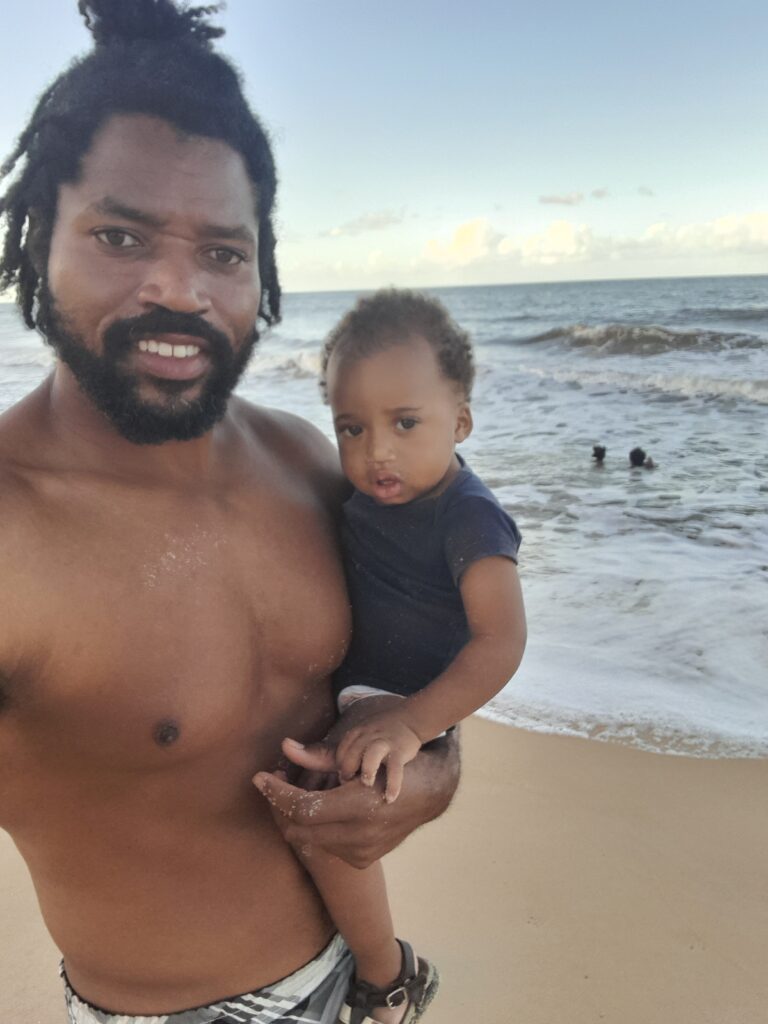
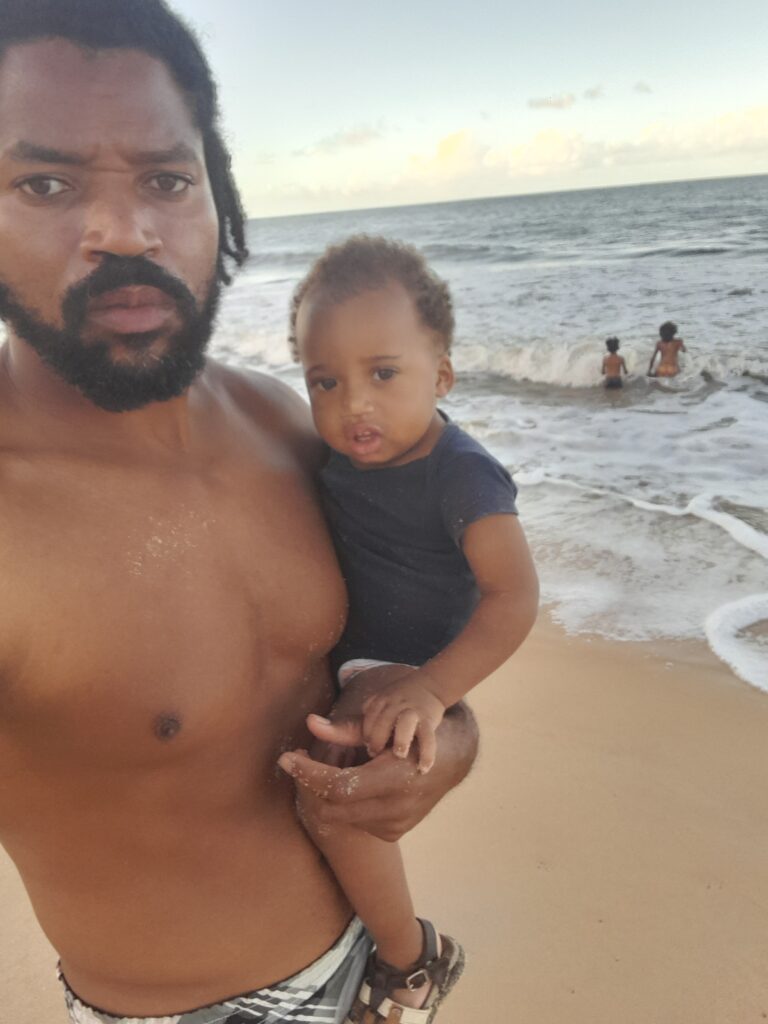
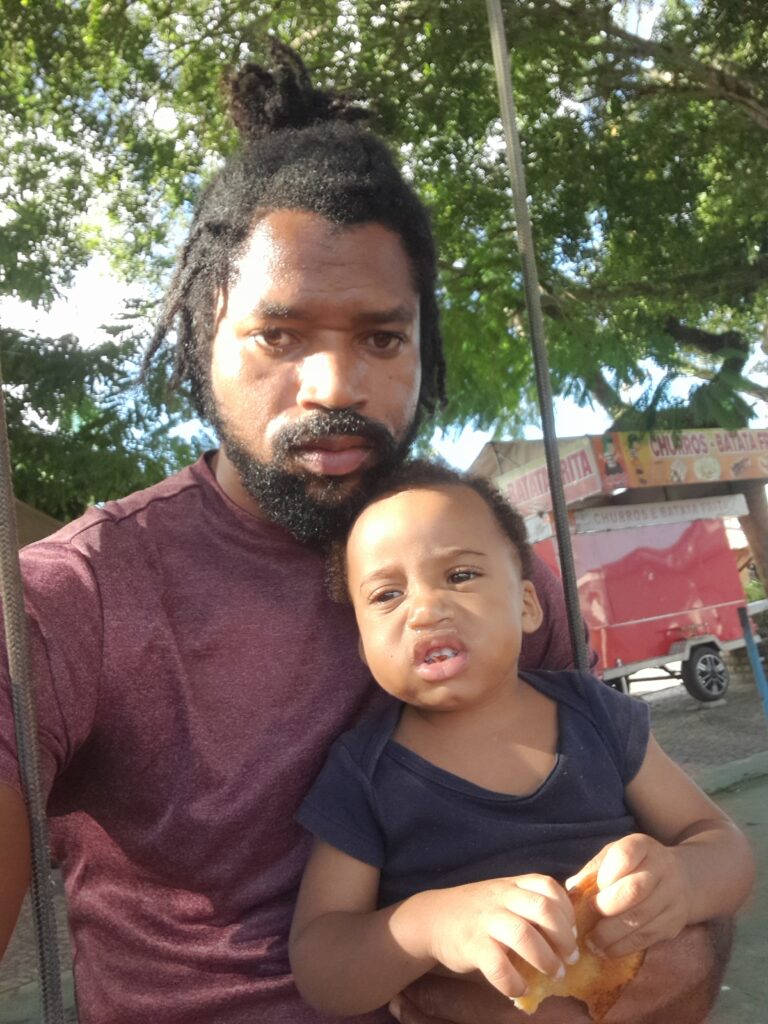
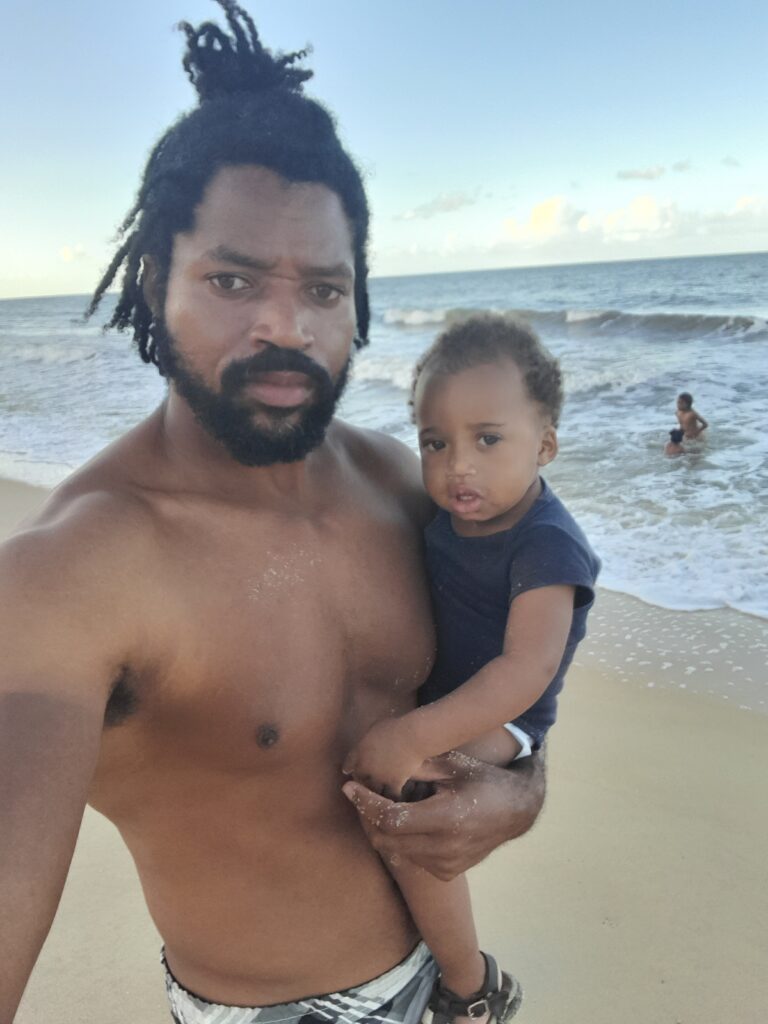

The Tourist Is Not Prey
Part 2 — The Family Arrival Test, the death of courtesy, and the Trott Bailey free-hospitality law.
The family arrival test
The truth of hospitality appears when a tired family arrives.
Not when the room is photographed. Not when the listing is written. Not when the platform shows polished reviews and perfect angles. The truth appears when the mother walks in with children after travel. The truth appears when the baby is hungry, the children need the bathroom, the bags are heavy, the parent is confused, the room is not ready, the food is overpriced, and the worker has to decide whether to help or behave like the family is an inconvenience.
That moment tells the truth.
Does the host see human beings, or does the host see problems?
Does the place have water available, or only bottled water for sale?
Does anyone help the family orient themselves, or does every question receive irritation?
Is there real food, or only expensive dead food?
Is the room actually clean, or only cleaned enough for the next transaction?
Are children treated as guests too, or as extra charges with small bodies?
This is where hospitality is proven.
A family away from home is not a luxury nuisance. A family away from home is a human unit under pressure. Children still need care. Parents still need patience. Bodies still need food, water, sleep, bathrooms, shade, and safety.
If a hospitality system cannot receive a tired family with decency, then it should stop calling itself hospitality.
Accommodation is not hospitality
Accommodation is the minimum physical provision.
Hospitality is the living spirit of welcome.
A place can provide a bed and still have no hospitality. A place can have a beautiful lobby and still have no hospitality. A place can have expensive décor, online booking, uniformed staff, digital check-in, scented air, and polished marketing and still fail at the basic moral work of receiving a stranger.
Hospitality asks:
Is the guest safe?
Is the guest oriented?
Is the guest fed honestly?
Is the guest respected?
Is the guest protected from confusion?
Is the guest treated as a person or as a wallet?
Is the guest received with care, or managed as another transaction?
This is why modern hospitality feels so empty. It has confused the outer shell for the inner duty. It has confused property access with welcome. It has confused customer management with care.
A guest does not only need a room.
A guest needs rest.
A guest needs clarity.
A guest needs not to be hunted.
Tourism has made places forget their own dignity
This spirit does not only harm tourists. It harms the host community too.
When a town becomes too dependent on tourism money, people can begin to perform a fake version of themselves. Food becomes staged. Culture becomes staged. Smiles become staged. Prices become staged. The local person begins to see the stranger not as a human being, but as the reason rent is higher, land is more expensive, food costs more, and ordinary life is being pushed aside.
Then resentment grows.
The tourist resents being overcharged. The local resents needing the tourist. The worker resents the employer. The employer resents bad reviews. The guest resents bad service. Everybody smiles badly.
It is a spiritual sickness wearing a hospitality uniform.
A place should be proud to receive people without selling its soul. A place should be able to welcome strangers without turning its own people into performers and predators. A place should not have to choose between poverty and fake luxury.
Tourism should not destroy local dignity.
A town should not have to become a stage.
A meal should not have to become a prop.
A smile should not have to become bait.
A guest should not have to become prey.
Everyone needs rest
The deepest cruelty is that most travelers are not traveling because life is easy.
They are traveling because life is hard.
They are tired. They are overworked. They are trying to reconnect with their spouse. They are trying to give their children joy. They are trying to see the ocean before returning to bills. They are trying to feel alive after months of labor. They are trying to celebrate an anniversary, a birthday, a survival, a graduation, a small victory. They are trying to remember that the world is bigger than work.
And instead of being met with true welcome, they are often met with the same capitalist pressure they were trying to escape.
This is why hospitality feels dead.
Because the guest came looking for rest, and the system saw only a wallet.
The death of courtesy to strangers
Courtesy to strangers is one of the oldest measurements of civilization.
How do you treat the person who is not from here?
How do you treat the person who does not know the road?
How do you treat the person who does not know the price?
How do you treat the person who cannot easily defend themselves in your language, your town, your rules, your environment?
That is where the truth of a place appears.
Not in the advertisement. Not in the hotel photos. Not in the tourism slogan. Not in the smiling brochure.
The truth appears when the stranger needs help.
The truth appears when the family asks a question.
The truth appears when someone arrives tired.
The truth appears when there is a chance to overcharge and nobody would know.
The truth appears when hospitality must choose between care and greed.
Too often now, greed wins.
That is why the spirit feels so disgusting. It is not only about money. It is about what kind of human behavior is being normalized. It is about people knowing life is hard and still choosing to make it harder for the next person. It is about people knowing vacation is difficult to afford and still treating the traveler as if they deserve to be drained. It is about people knowing exhaustion, then selling fake rest at inflated prices.
That is moral decay.
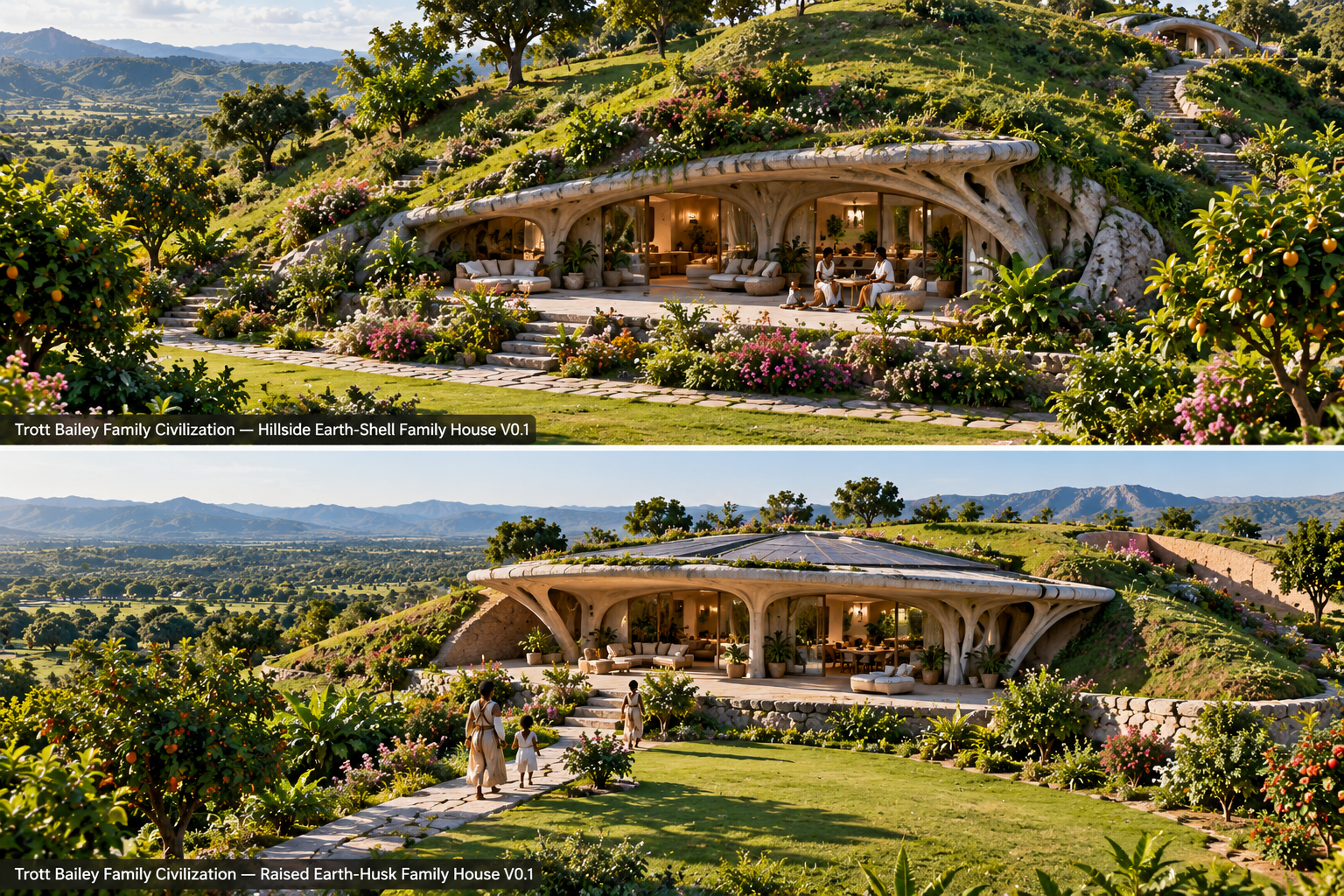
Trott Bailey Family Civilization cannot copy this model
Trott Bailey Family Civilization cannot build hospitality on this rotten model.
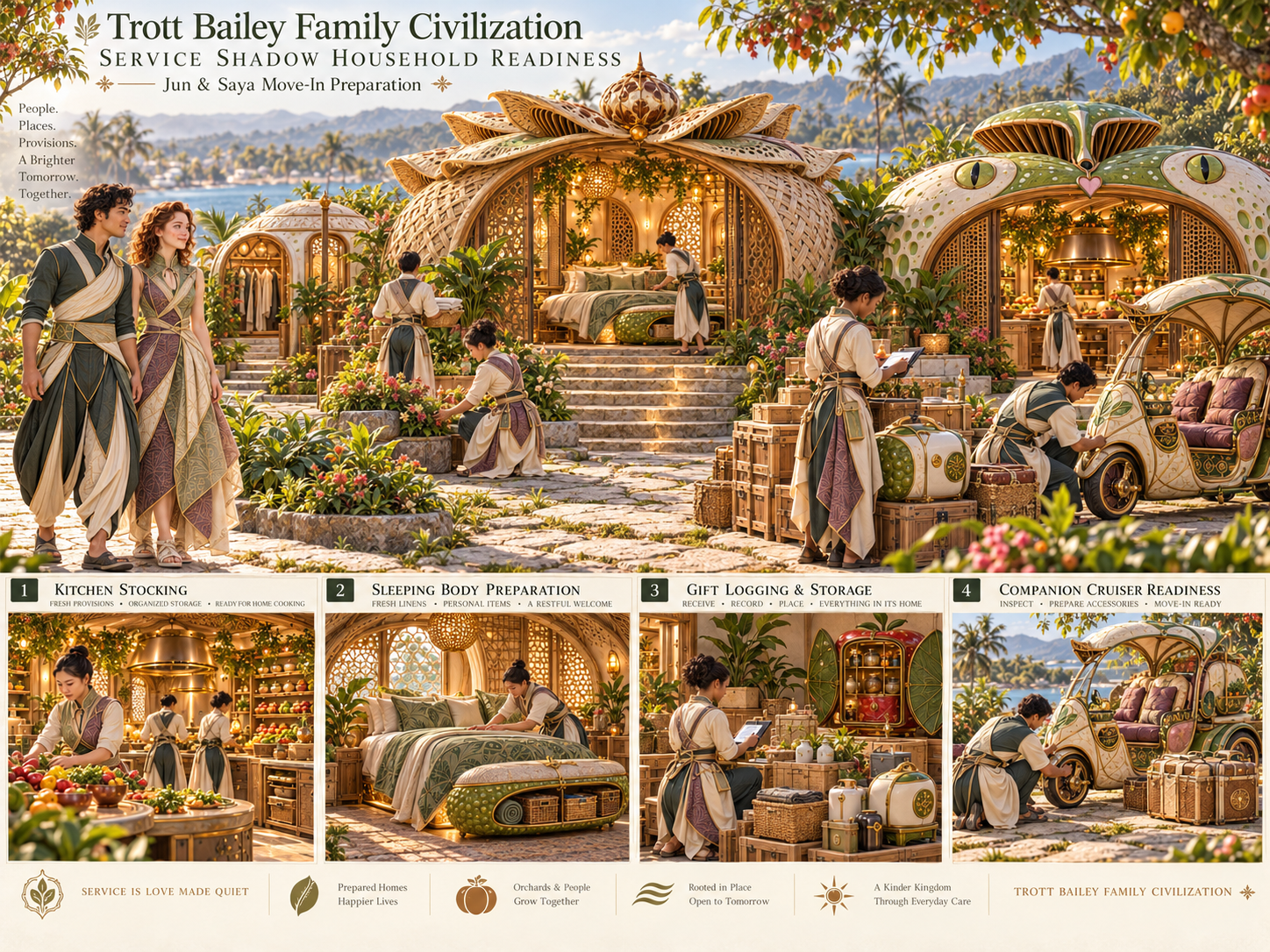
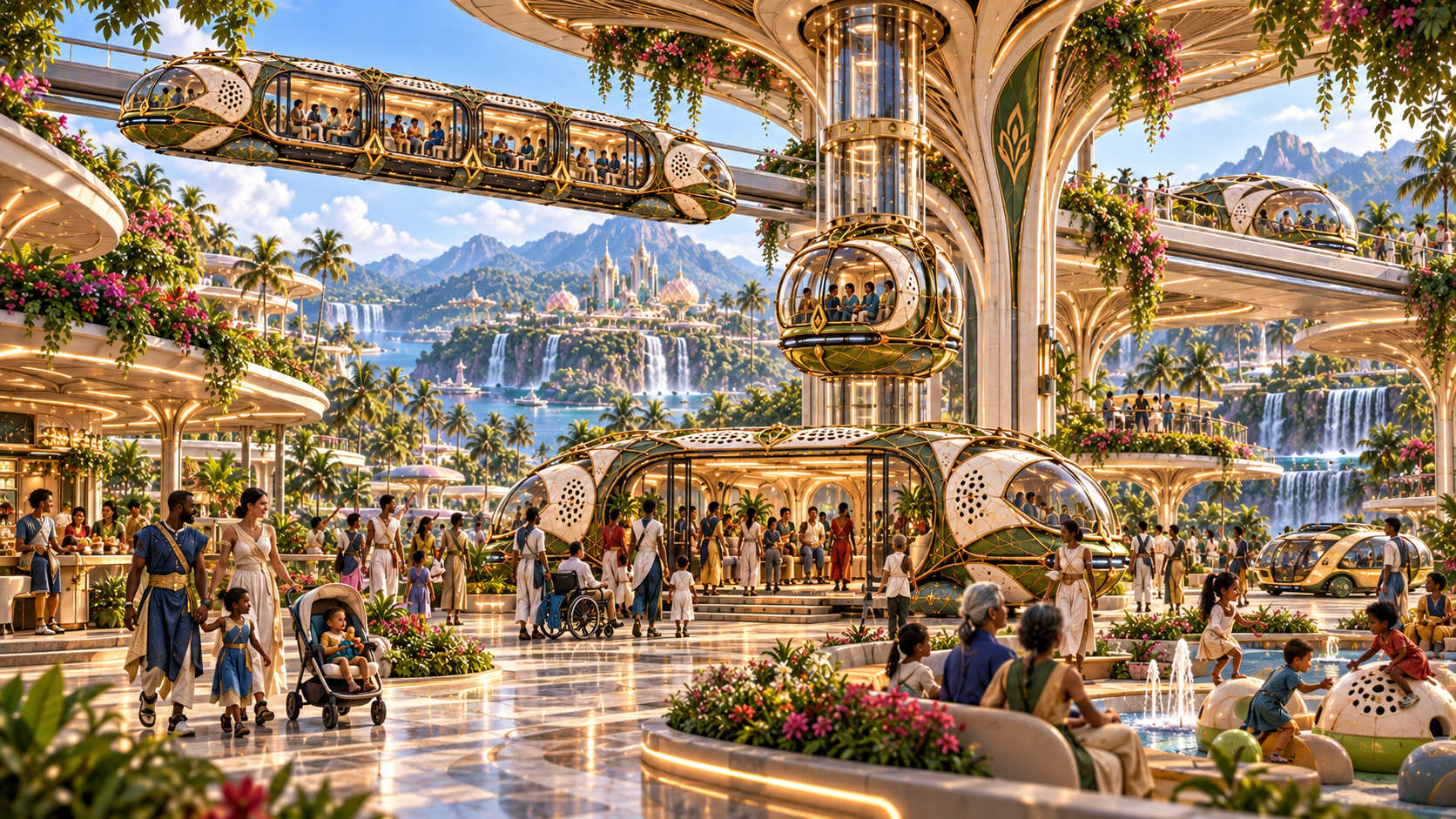
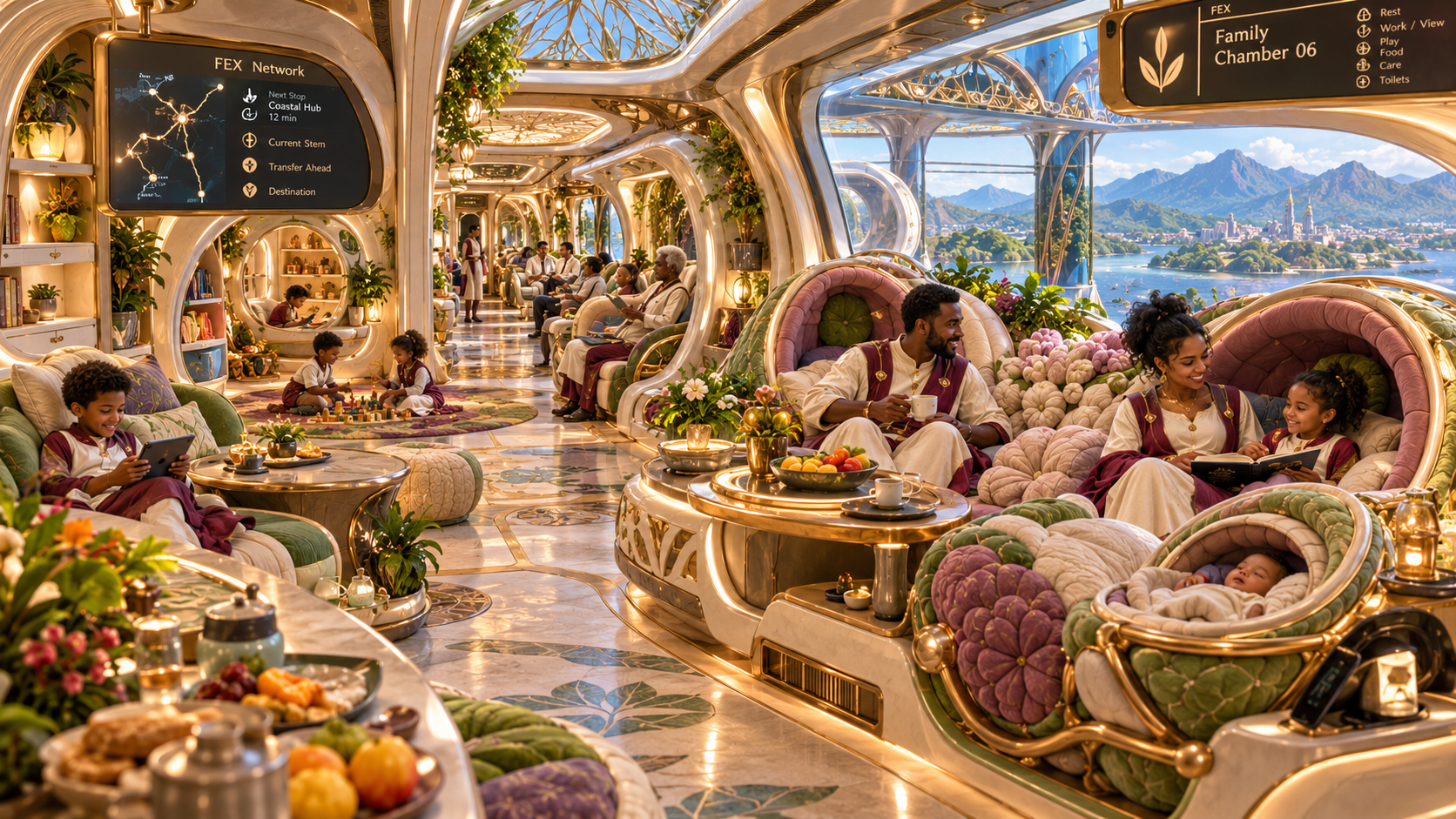
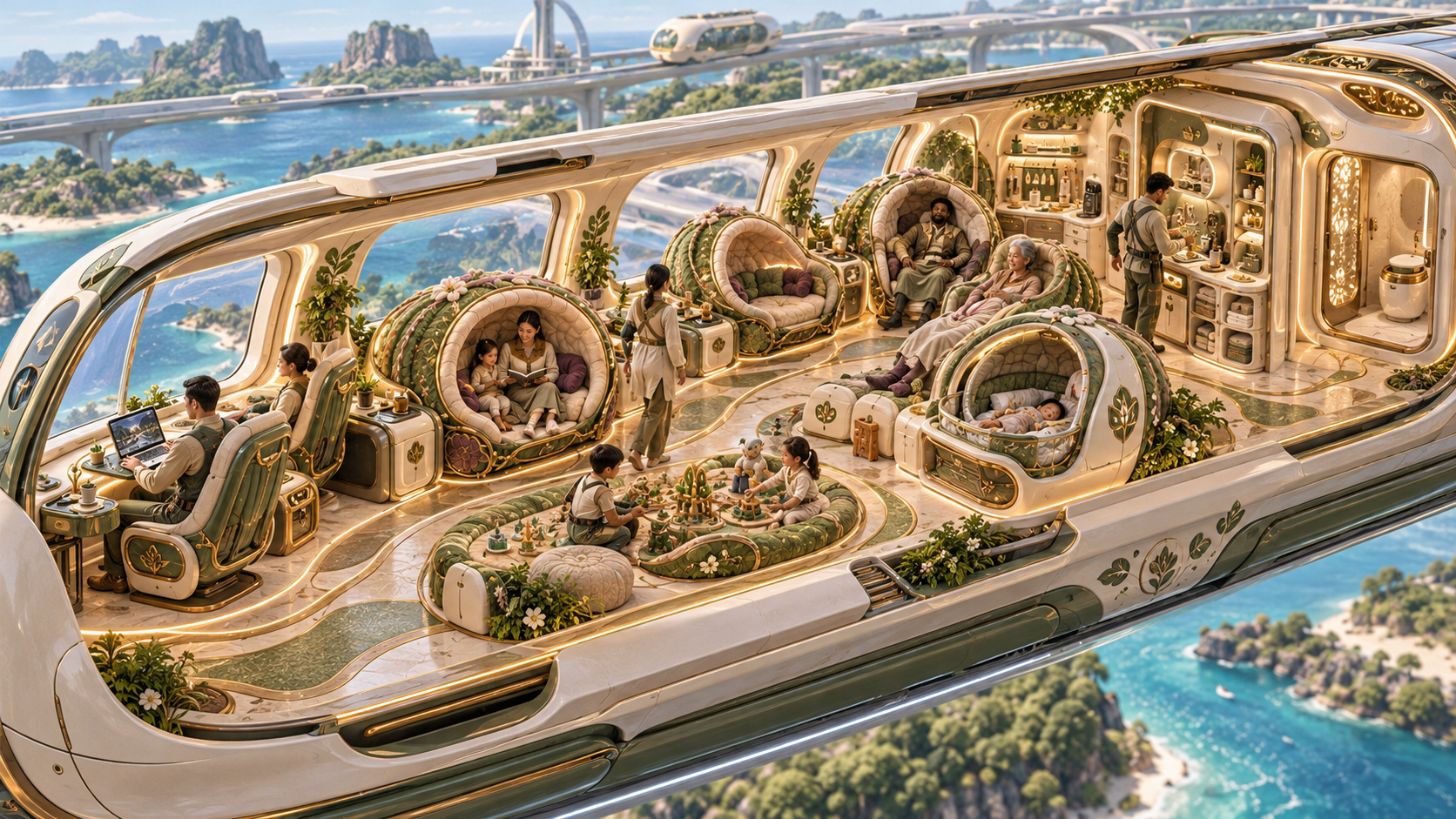
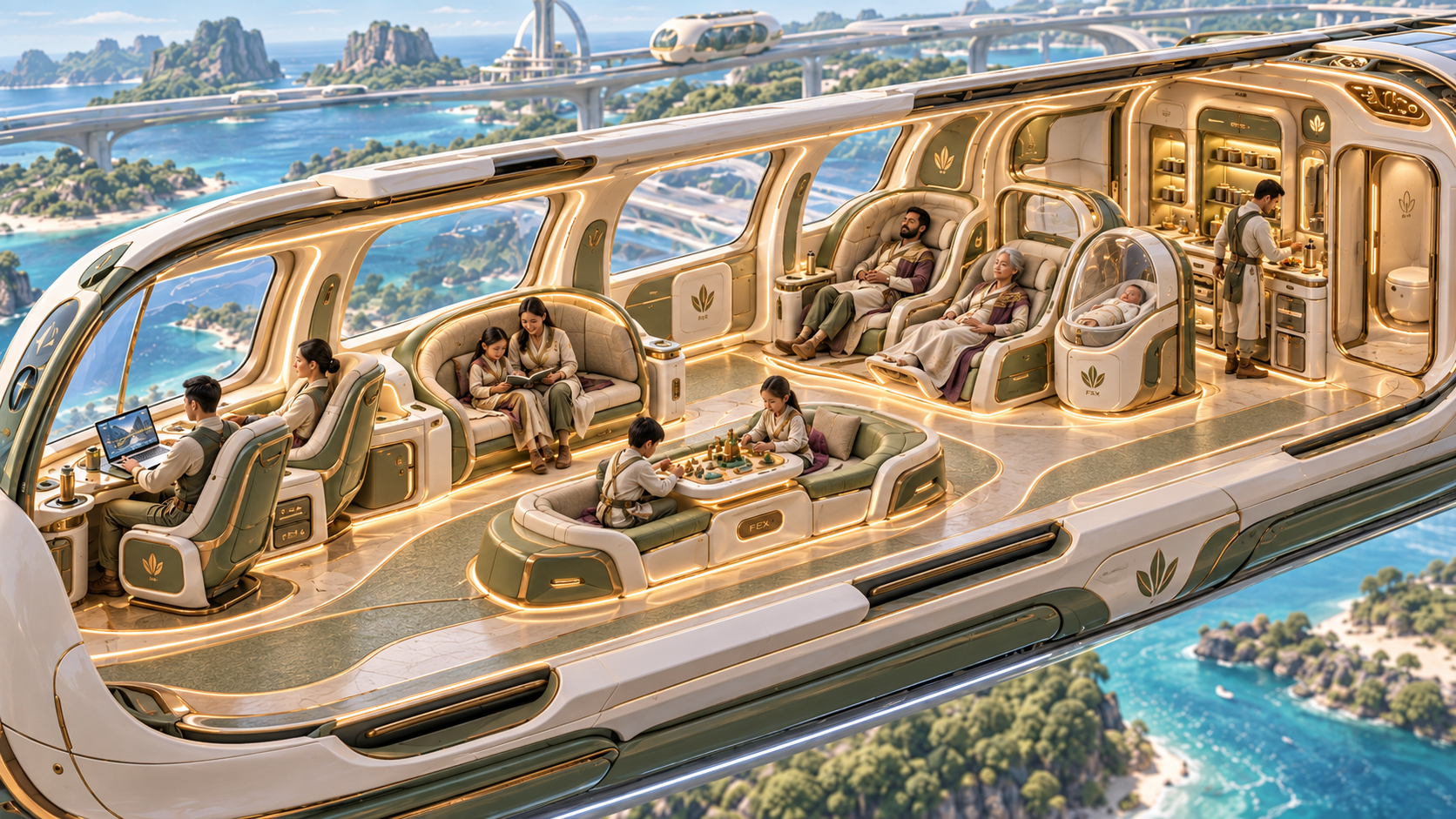
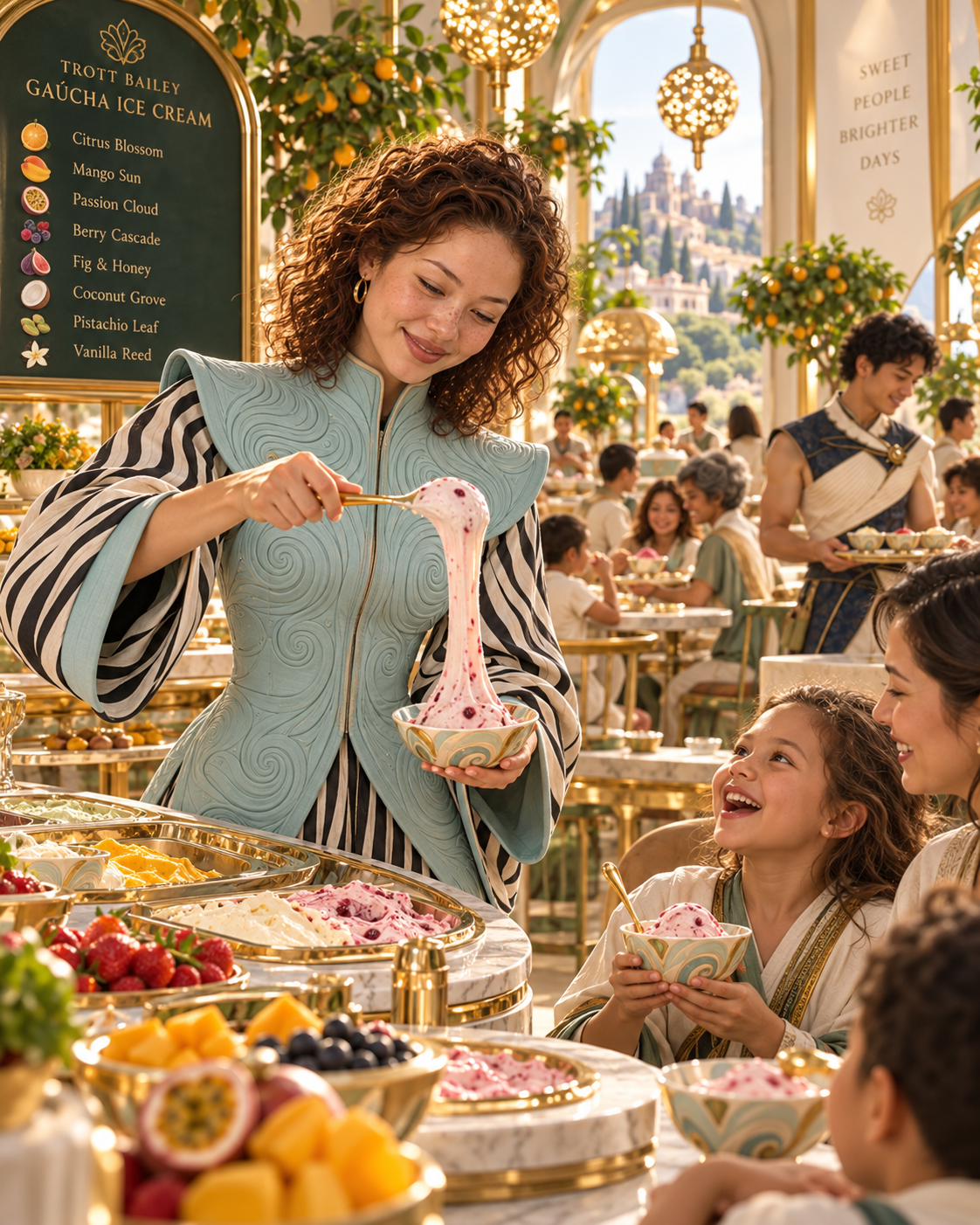
We cannot build guest houses, family travel systems, Balushu stays, Sabennerie welcome, family lodging, public rest places, beach receiving areas, learning travel, kingdom visits, or any future hospitality branch on fake smiles, hidden fees, tips, charges, or money extraction.
Our hospitality must begin from the human being.
The tired body.
The hungry child.
The confused stranger.
The arriving family.
The mother with bags.
The father trying to keep everyone together.
The elder who needs a place to sit.
The person who does not know the language.
The guest who has traveled far.
The traveler who needs rest, not another hunt.
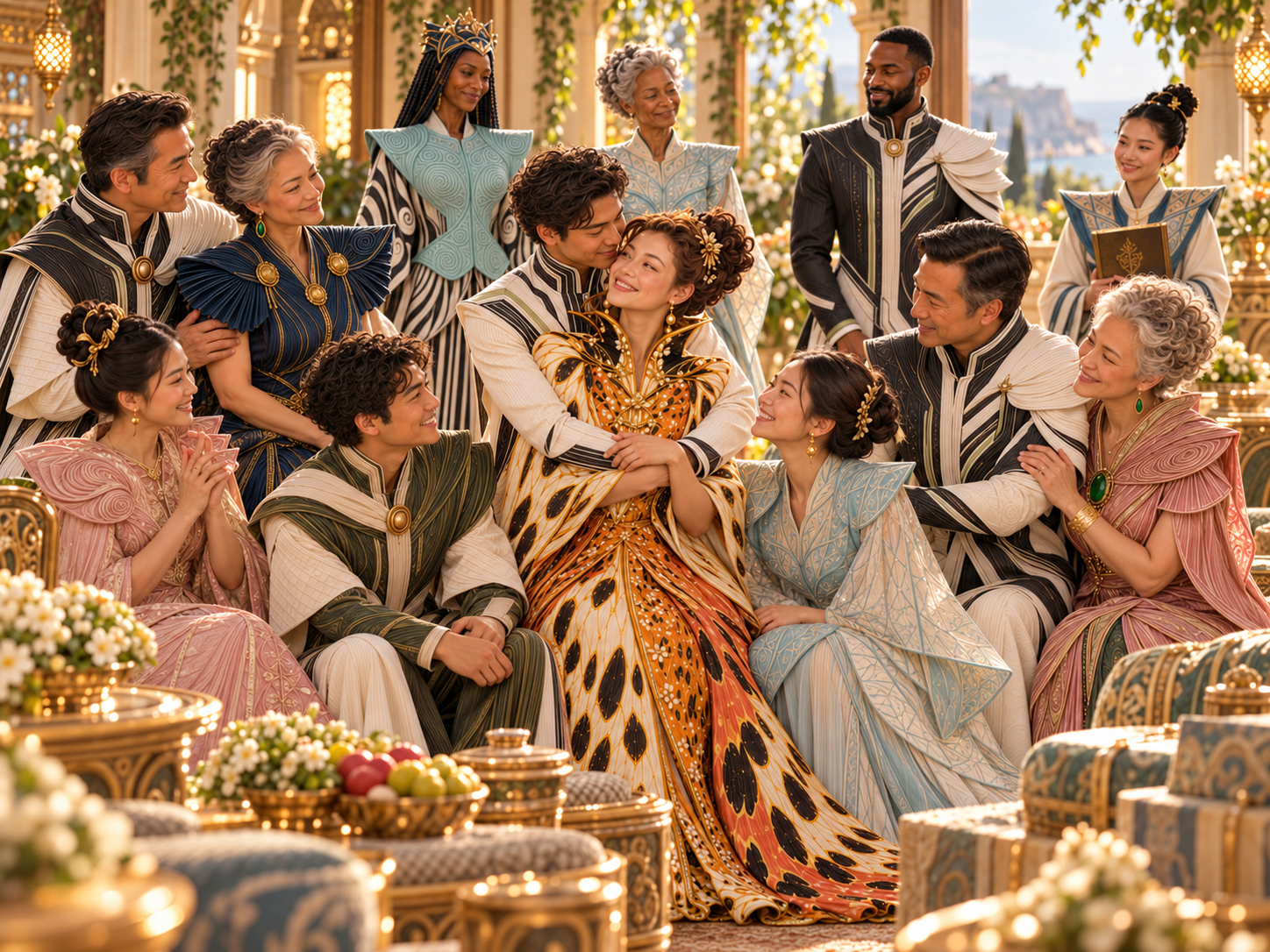
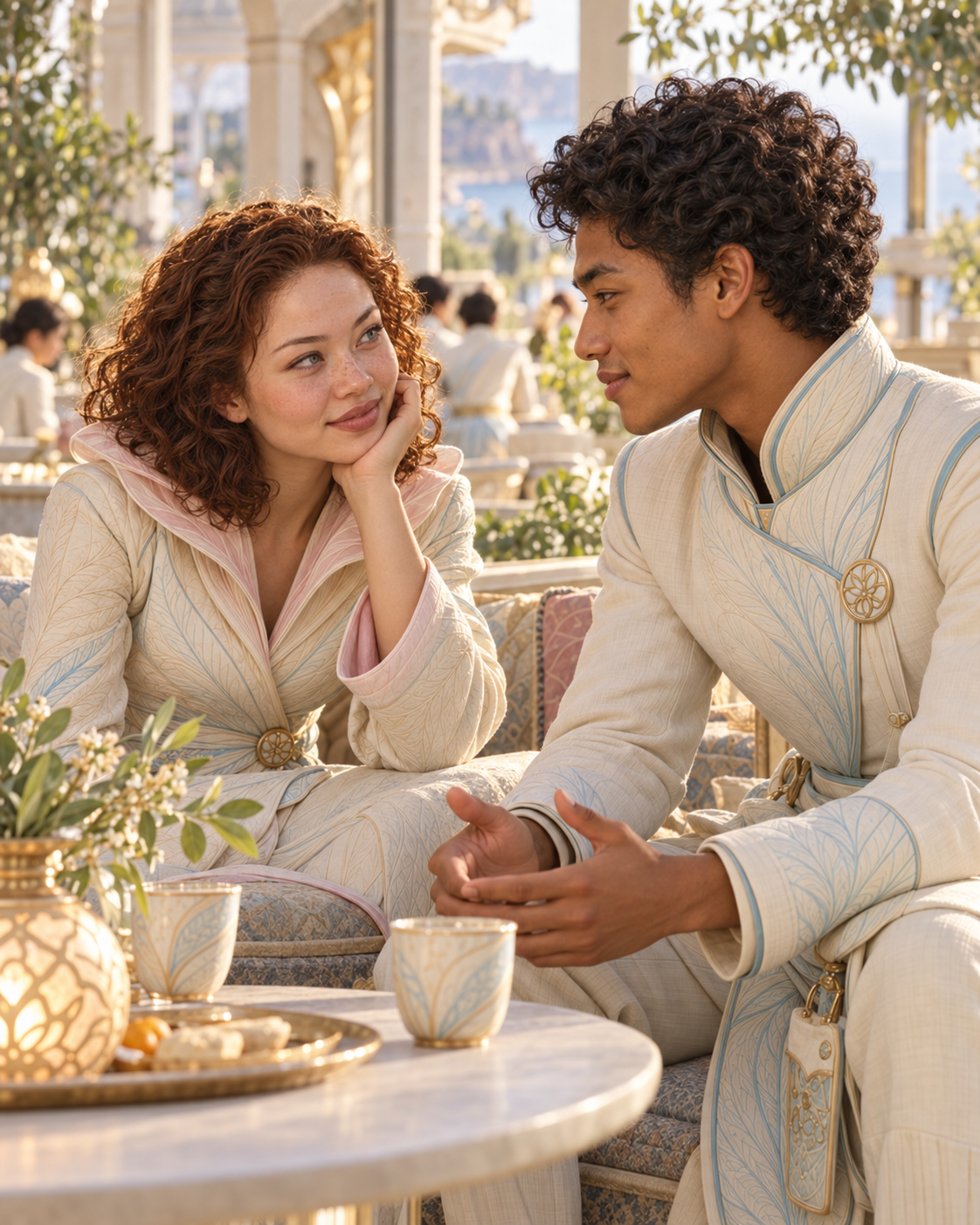
A person away from home is vulnerable, not available for exploitation. In Trott Bailey Family Civilization, hospitality is free.
Not cheaper.
Not more fairly priced.
Not softened with better customer service.
Free.
Because welcome is not a product. Rest is not a product. A clean place to sleep is not a trap. Morning food is not an upgrade. Water is not a fee. Shade is not a fee. Help is not a fee. A child’s comfort is not a fee. The stranger’s confusion is not a fee opportunity.
Trott Bailey hospitality is not hospitality with a kinder price tag.
It is hospitality removed from price altogether.
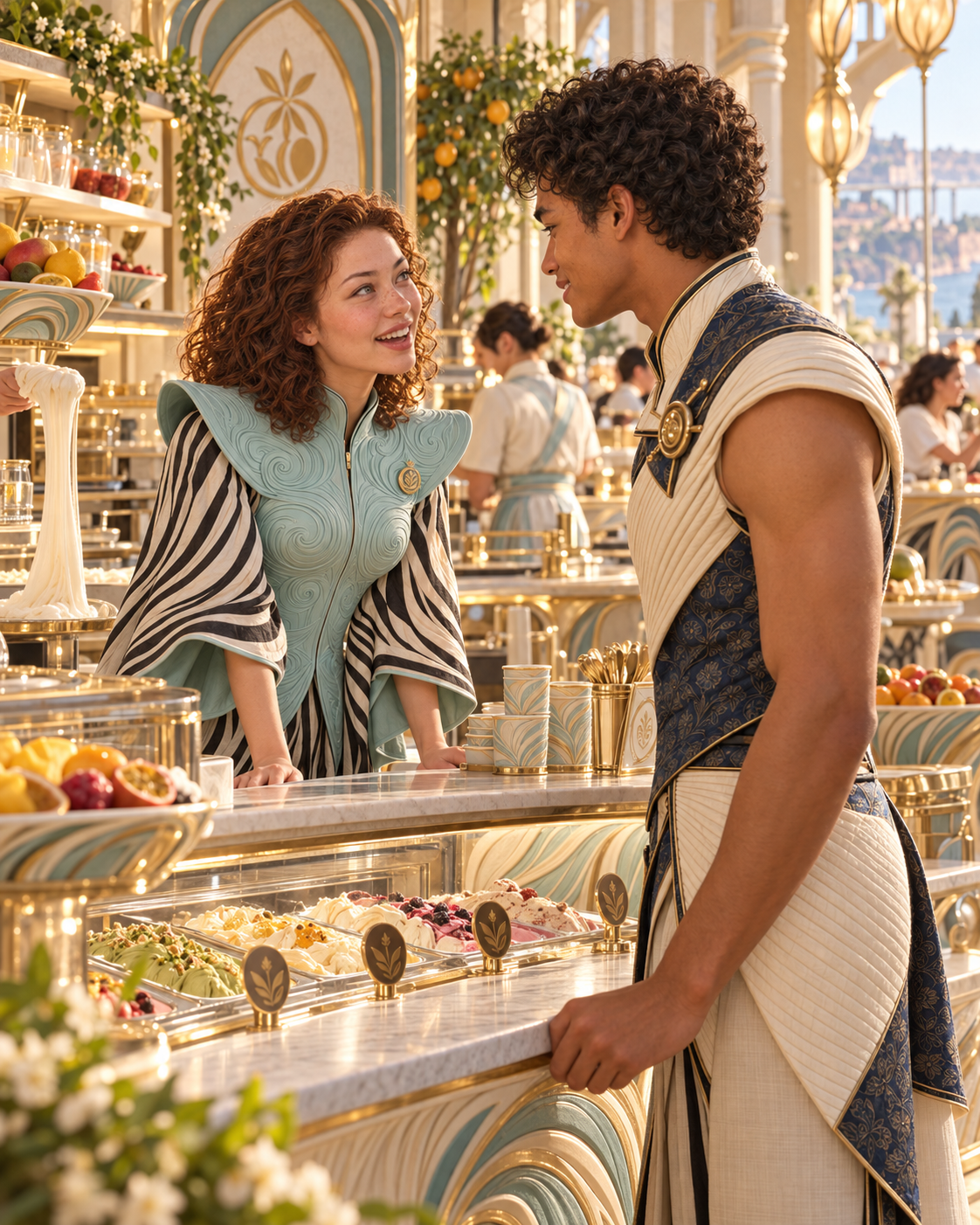
This means real food. Clean rest. Honest help. Fresh breakfast where breakfast is given. No fake luxury covering weak care. No hidden traps. No treating children as burdens. No treating questions as annoyances. No building a hospitality system where the guest must keep paying little fees to feel like a human being.
A guest should not leave feeling robbed.
A guest should not leave feeling foolish.
A guest should not leave feeling hated behind the smile.
A guest should leave restored.
That is the standard.
Hospitality must mean something again
Hospitality must be recovered.
Not as nostalgia. Not as a soft fairy tale about the past. Not as a weak customer-service improvement over a rotten money system. Hospitality must be recovered as a real civilization standard.
A guest should be treated as a human being first. A stranger should be received with basic courtesy before they are measured for profit. A family on vacation should not be assumed rich. Workers should not be forced to pressure guests for tips. Breakfast should mean morning care, not another trap. Food should be fresh when freshness is promised. Rooms should be clean in reality, not only in photographs. Local culture should be honored, not turned into a fake show. A host should be proud of the care they give. A guest should leave feeling restored, not robbed.
The future of hospitality cannot be built on fake smiles and inflated prices. It cannot be built on treating every traveler as a rich fool. It cannot be built on websites and platforms slicing welcome into fees while the human quality disappears.
Hospitality must mean something again.
It must mean: You are away from home, but you are not prey here.
It must mean: You are a stranger, but you will not be exploited here.
It must mean: You are received freely, and we will care for you with dignity.
It must mean: We are not pretending to welcome you while secretly despising you.
It must mean: Rest is sacred.
Hospitality is not supposed to be heartless.
Hospitality is not supposed to be a hunt.
Hospitality is not supposed to be extraction dressed in a smile.
Hospitality is supposed to be one of the ways human beings prove that civilization still exists.
And right now, too much of tourism is proving the opposite.
Hospitality is no longer hospitality.
But it can be again, if we are honest enough to name the disgusting spirit that replaced it.