

Trapped By Beauty

Island Life · Youth · Human Development
Trapped by Beauty
The Peculiar Pain of Being Born on an Island and Needing the World
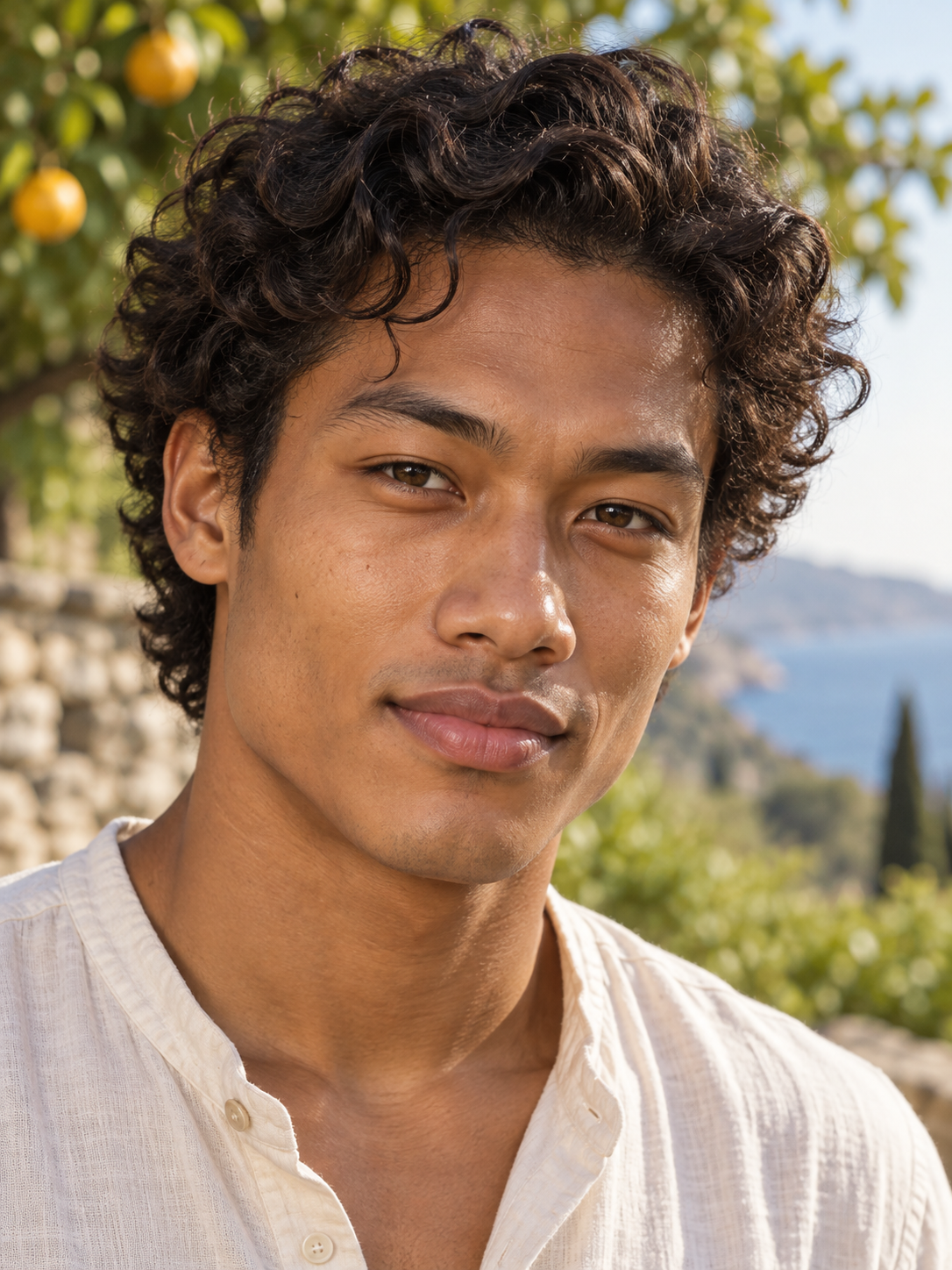
Lila and Pueblo were born on an island people crossed oceans to visit.
People came for the beaches, the sea, the food, the warmth, the music and the little roads curling along the coast.
Visitors called it paradise.
Lila and Pueblo understood why.
They loved it too.
They knew where the water changed colour near the reef. They knew which beach stayed quiet in the mornings. They knew where mangoes fell beside the road. They knew the villages, shortcuts, hills and bends where the sea suddenly opened in front of you.
They knew their island intimately.
And that was part of the pain.
By the time they were young adults, they could drive across much of it in only a few hours.
Sometimes Pueblo drove simply because he wanted to go somewhere.
Lila would get in beside him.
Windows down. Music on. No destination.
They would take a road they had travelled dozens of times.
- This bend.
- That village.
- The hill.
- The coast.
- That junction again.
They knew what was coming before it appeared.
After a few hours, there was always the same question.
Where now?
Who understands the peculiar pain of being young, with energy bursting out of your body and curiosity running faster than your life can carry it, and already knowing where almost every road goes?
Youth wants roads that keep going.
It wants strange towns, new faces, different weather, unfamiliar food, different accents and different ways of living.
It wants to disappear over a horizon and find out what is there.
But on a small island, eventually the road meets the water.
You can drive for hours and come back home before dinner.
You can know every town and still have years of curiosity left inside you.
You can love your island and still feel its edges pressing against your life.
That is difficult to explain to someone who sees only the beauty.
If the island were ugly, people might understand.
But how do you tell someone that paradise is too small?
How do you explain that beauty does not satisfy the human need for range?
Lila wanted to see snow falling in a city.
Not on a screen.
She wanted to stand in it.
Pueblo wanted to cross a desert and know what the world felt like when the sea was nowhere nearby.
They wanted long train rides, cities too large to learn in a weekend, unfamiliar food, languages they could not understand, forests unlike theirs, markets, farms, ports and back roads.
They wanted other people’s normal.
They wanted to get things wrong.
To ask for help.
To enter places where nobody knew them.
To see people solving familiar human problems in completely different ways.
They wanted the world to stretch them.
People told them:
“You live where everyone wants to vacation.”
As though that settled the matter.
It did not.
The strangest part was watching other people arrive to satisfy the exact instinct Lila and Pueblo carried inside themselves.
Every week, planes came down over the water.
Visitors stepped off excited.
They had left home because they wanted somewhere different.
Adventure.
Discovery.
New people.
New experiences.
They wanted to explore.
Lila understood them completely.
Pueblo did too.
That was exactly what they wanted.
The difference was simple.
The visitors could come.
Lila and Pueblo could not so easily go.
For them, leaving meant expensive airfare, passports, visas, time away from work, and enough money to survive somewhere unfamiliar and still get home if things fell apart.
Moving away was harder still.
At home, people knew what Lila and Pueblo could do.
Outside the island, they had to prove themselves again.
Skills did not always translate.
Qualifications did not always translate.
Networks disappeared.
Accents changed how people judged you.
You could know exactly what you were capable of and still arrive somewhere else as an unknown person from a small island.
The world was only a few hours away by plane.
It could still feel impossibly far.
The whole world could come to them.
They could not easily go to the whole world.
And when they looked to the people leading the island, they kept hearing the same answer.
Tourism.
More visitors.
More hotels.
More cruise ships.
More investment.
More ways to make the island attractive to people coming from somewhere else.
The island seemed to have a grand plan for bringing the world in. It had no equally grand plan for making the wider world reachable to its own young people.
That was the failure.
The tourist was allowed to be the explorer.
The local was expected to help the explorer enjoy the island.
Lila did not want the greatest adventure of her life to be helping somebody else enjoy theirs.
Pueblo did not either.
They wanted to become more fully human.
And that meant travel.
They wanted to stand inside other people’s realities, not look at them through hotel windows.
They wanted the unfamiliar to challenge them.
They wanted to discover that things they thought were normal were only local.
They wanted to see something working elsewhere and ask why it could not work at home.
They wanted to come back changed by what they had seen.
No single island could give them every encounter they needed.
No single country could.
They needed the wider Earth.
And none of the barriers stood alone.
Small geography met expensive travel.
Expensive travel met a narrow economy.
Leaving meant paying to cross the sea and then proving their usefulness all over again once they reached the other side.
Above all of it sat visionless leadership still talking about bringing more visitors in while giving far too little thought to helping young islanders enter the wider world.
That was what people missed when they looked at Lila and Pueblo and saw two lucky young people living in paradise.
They saw the sea.
Lila and Pueblo also saw the boundary.
They saw the airport.
Lila and Pueblo also saw the price of getting through it.
They saw paradise.
Lila and Pueblo saw home.
One evening they drove until the road ended near the water.
They sat there quietly.
A plane crossed above them.
Somewhere beyond that sea, people were waking up in cities they had never seen.
Children were growing up under different skies.
Workers were solving problems in ways they had never encountered.
Roads were continuing for hundreds and hundreds of kilometres.
A whole Earth was happening beyond the horizon.
Lila and Pueblo wanted it.
Not because they hated home.
Because they loved life.
They wanted to encounter enough of the world to be changed by it.
- To become more capable.
- More useful.
- More developed.
- More fully human.
They wanted to leave.
Work elsewhere.
Learn elsewhere.
Build elsewhere.
Return when they wanted.
Leave again when they wanted.
They refused the idea that birthplace should determine the geographical size of a human life.
You can love an island with your whole heart and still feel trapped by it.
You can be grateful for its beauty and still need to leave.
You can cherish the sea and still resent the cost of crossing it.
You can call somewhere home without accepting it as the boundary of your life.
Lila and Pueblo already knew their island was beautiful.
What they needed was the world.
That is the peculiar pain of being trapped by beauty: living in a place so beautiful that almost nobody understands why you still need to go.