

How Civilization Scale Free Food and Free Travel Reshape News, Gaming, Learning and the movement of human capability.


Travel to Abundance
How Wokumbakia and AgriGames Give People New Reasons to Travel
Before getting into the idea, a quick orientation may help.
Wokumbakia becomes especially practical around food because Trott Bailey Family Civilization puts human nourishment, food abundance and civilization-scale free access to food at the center of its food system. Mixed orchards, Foodways and productive landscapes can produce enormous and changing abundance across the civilization. Wokumbakia gives civilization a way to continuously tell people where that abundance is, what is becoming ripe or exceptional, and where something worth experiencing or participating in is happening.
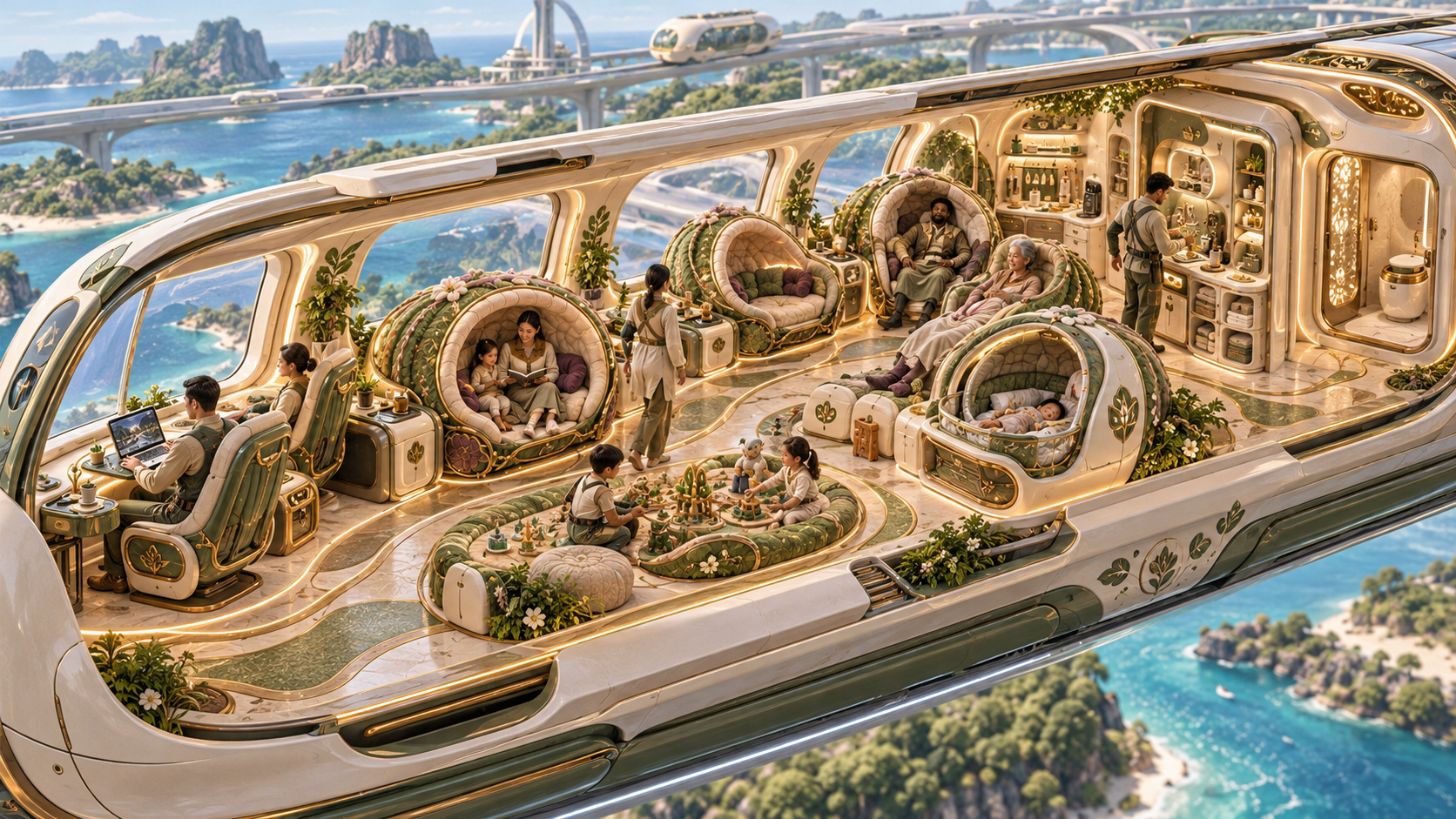
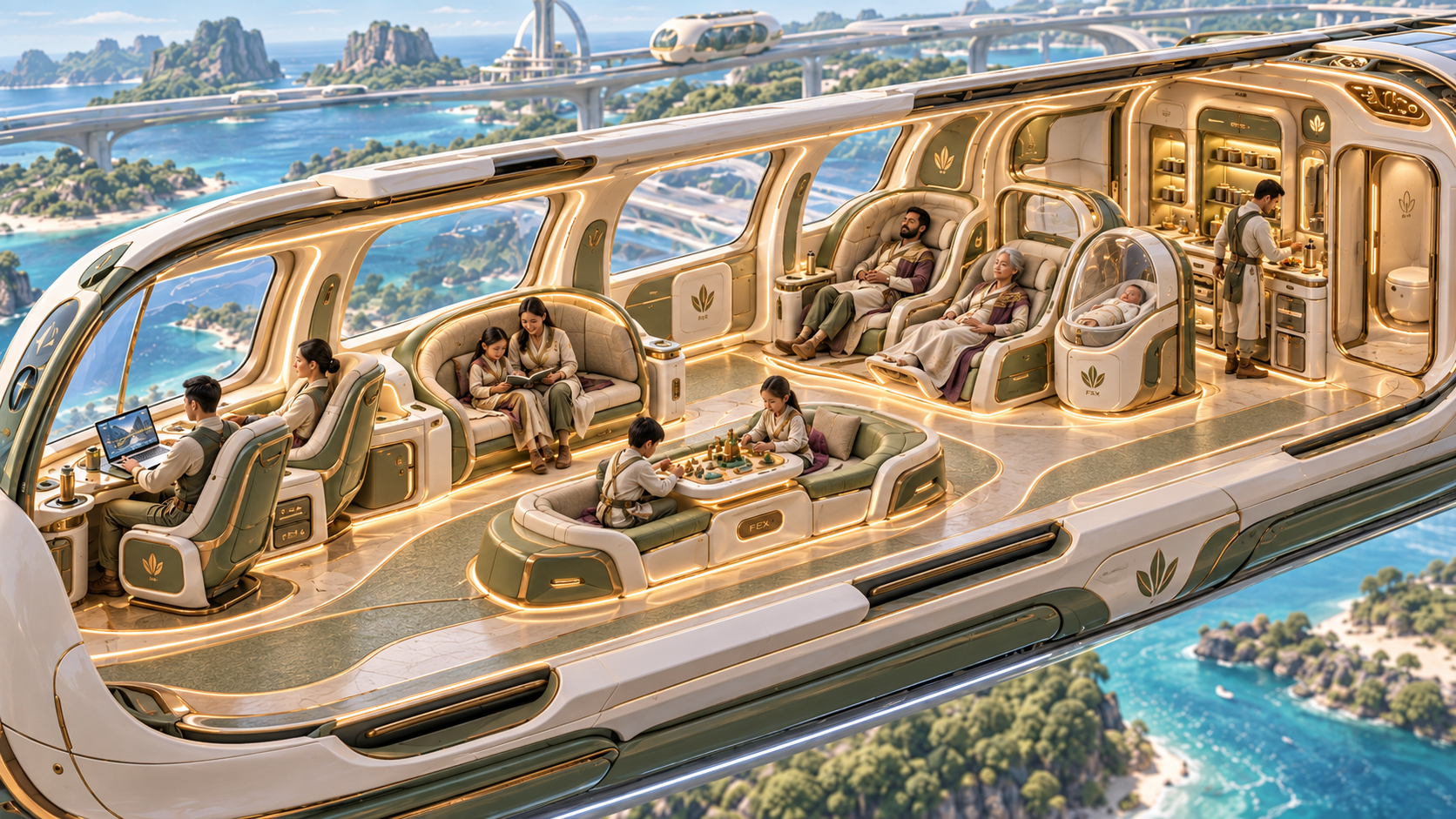
Civilization-scale free travel is another Trott Bailey Family Civilization proposition, and it works in unison with civilization-scale free access to food. Together, they create the need for Wokumbakia to tell people where abundance and activity are happening, while opening new reasons for people to travel toward those places and participate.
That is the connection.
A mixed orchard has an extraordinary year.
Wokumbakia tells people.
AgriGames creates things to do around that abundance.
Families hear about it and think:
And because travel is freely accessible across the civilization, they can.
A Bumper Orchard Becomes News
Imagine a mixed orchard having an extraordinary season.
The strawberries are at peak sweetness.
The cherries are heavy.
Lychees are ripening across another part of the orchard.
Grape harvest begins Friday.
Several mango varieties are coming behind them.
Citrus is developing for later.
Other foods are at different stages throughout the landscape.
Wokumbakia can report:
This mixed orchard is producing exceptionally this season.
Strawberries are at peak sweetness, cherries are heavy, lychees are ripening, grape harvest begins Friday and several mango varieties are approaching their season.
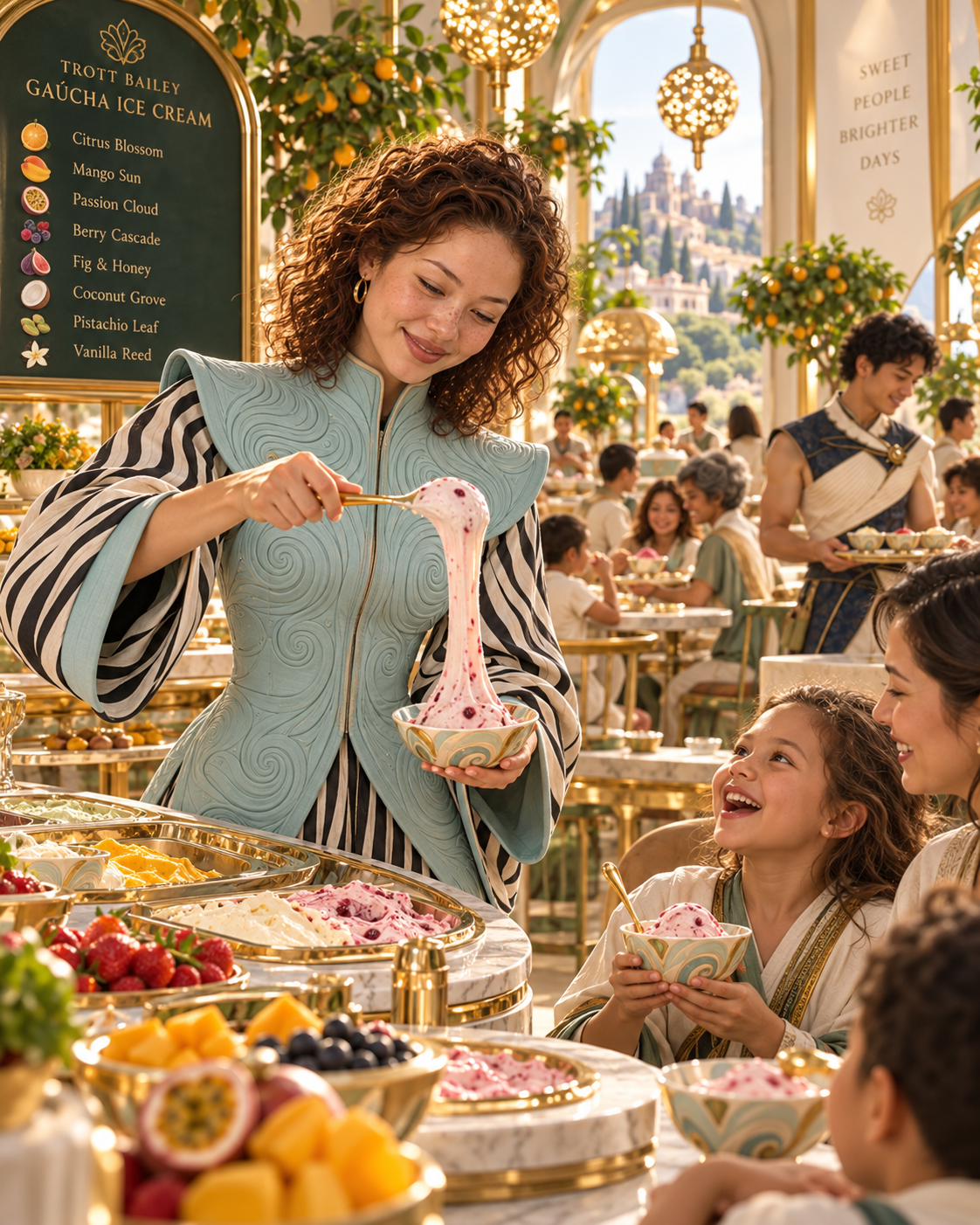
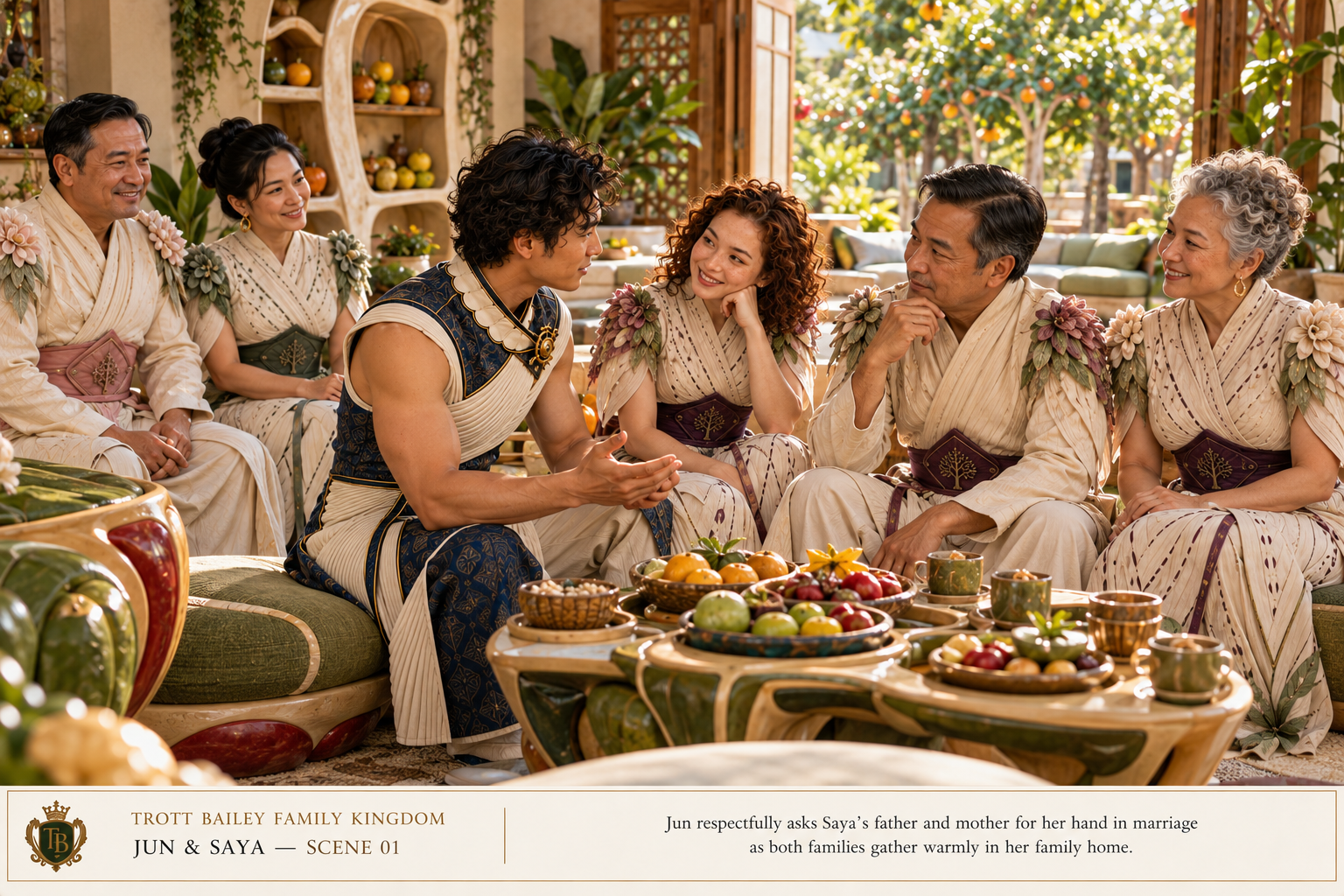
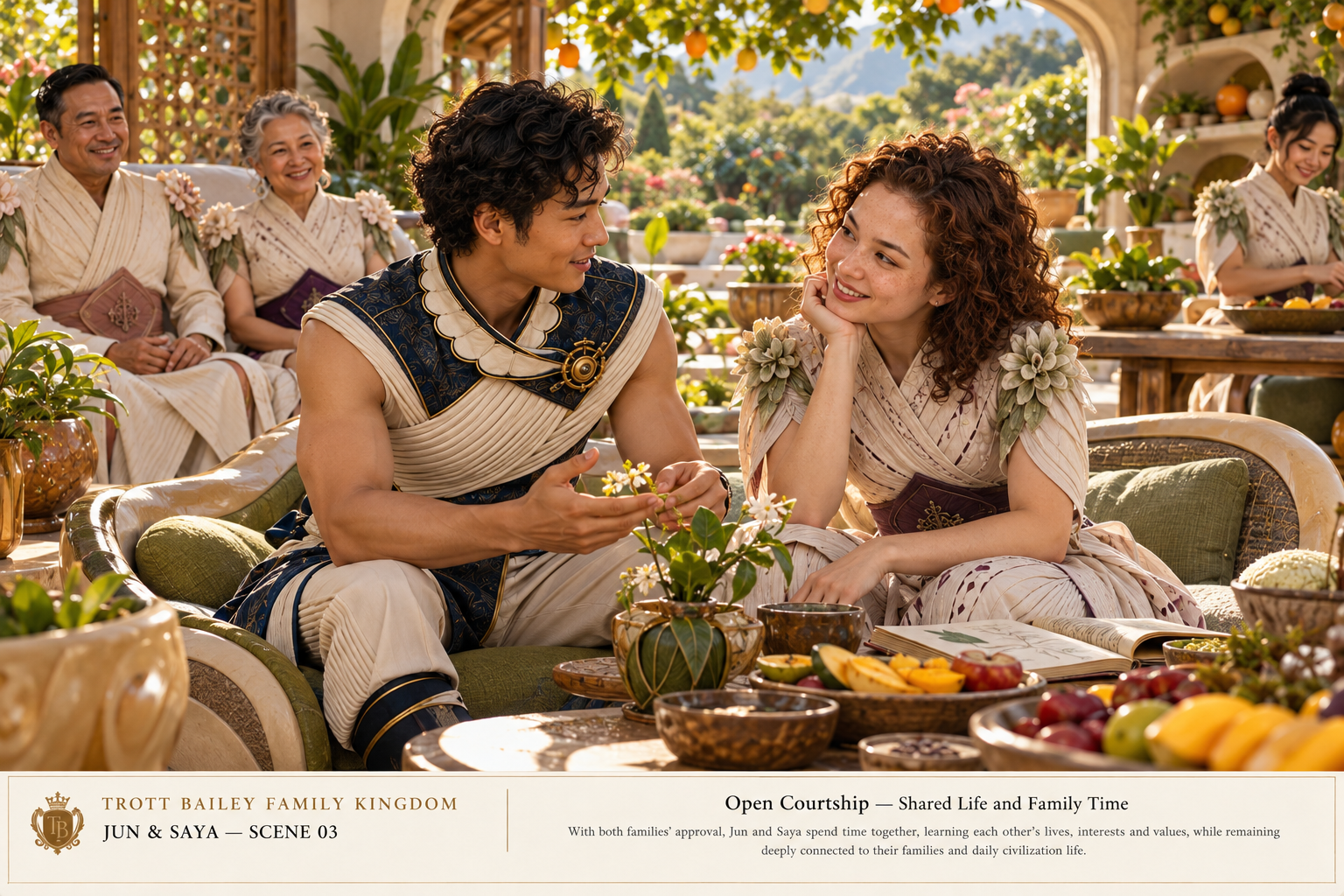
Families are welcome to come eat, harvest, taste, play and spend time in the orchard.
This tells civilization more than the fact that food exists.
And because a mixed orchard produces different foods in overlapping waves, the story keeps changing.
This week may belong to strawberries and cherries.
Next week the grapes may take over.
Then lychees.
Then mangoes.
The same place can keep giving people new reasons to pay attention—and new reasons to visit.
AgriGames Makes the Abundance Fun
Now AgriGames enters.
The orchard does not need to become one giant organized competition. The games simply grow out of what is actually happening.
The Sweetest Strawberry Competition
Best Cherry Variety Public Tasting
Grape Flavour Finals
Children’s Ripeness Hunt
Best Meal Made From What Is Ripe Today
Family Harvest Challenge
Preservation Challenge
Best New Orchard Recipe
People can taste.
Vote.
Experiment.
Cook.
Harvest.
Compare varieties.
Learn.
Children can participate instead of merely following adults around.
One person may come because the fruit sounds delicious.
Another because they want to enter a competition.
Another because their children want to play.
Another because they want to learn preservation.
Another simply because spending a day inside an orchard overflowing with food sounds enjoyable.
Free Travel Lets People Go
Without travel, Wokumbakia can tell people that something wonderful is happening elsewhere while they remain physically separated from it.
Civilization-scale free travel changes that.
A family sees the report:
The mixed orchard is having a bumper year.
They see the AgriGames schedule.
Saturday: Sweetest Strawberry finals.
Morning: Children’s harvesting.
After lunch: Grape tasting.
Throughout the weekend: Preservation activities.
And they decide:
The travel system gets them there.
Free travel now serves another purpose beyond moving people from one location to another.
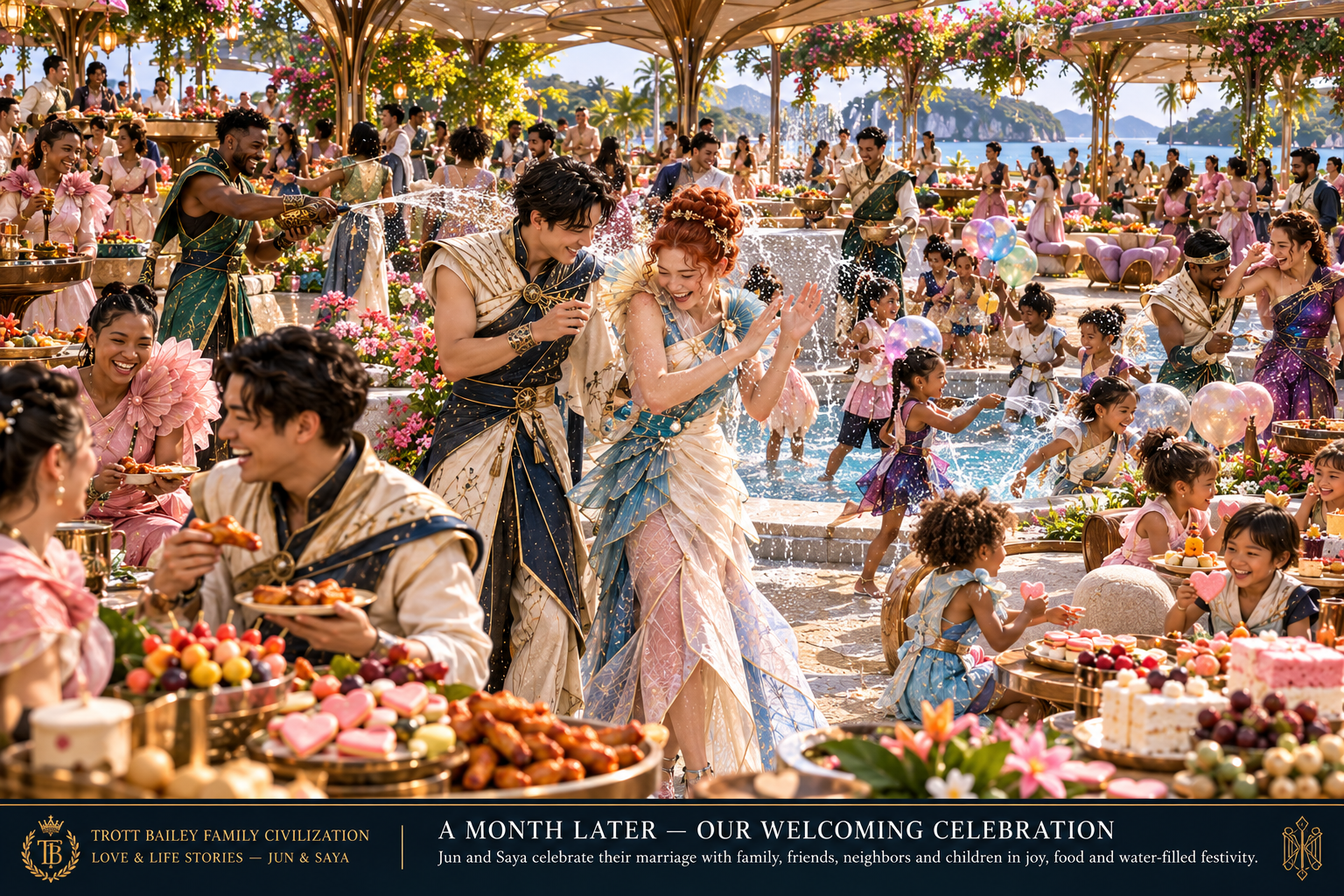
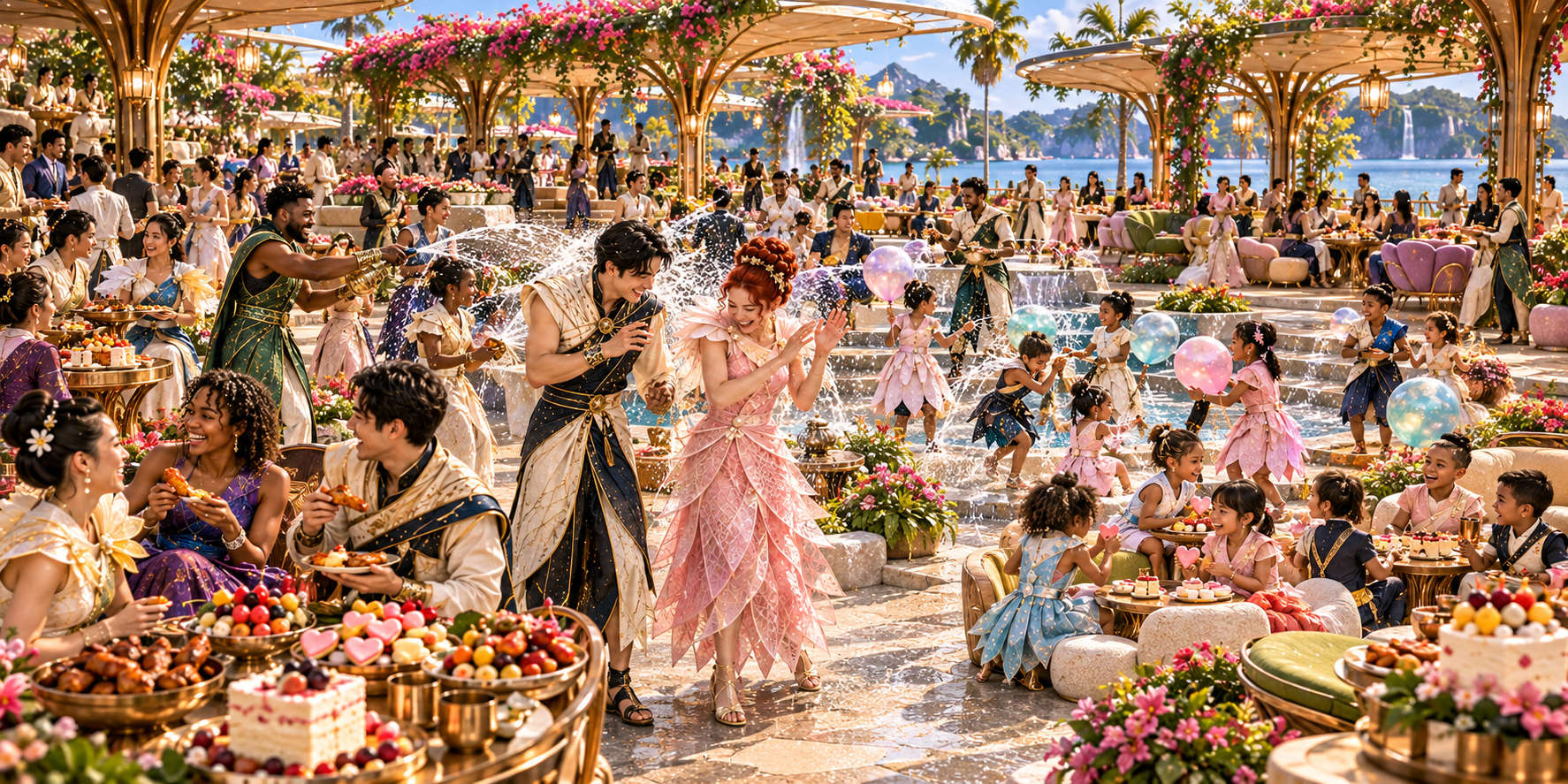
People can travel because a harvest is peaking, a competition is happening, a food is exceptionally good, a community is celebrating, a new recipe is being tested, a growing technique is being demonstrated, or an entire productive landscape is simply having a magnificent year.
What People Do When They Arrive
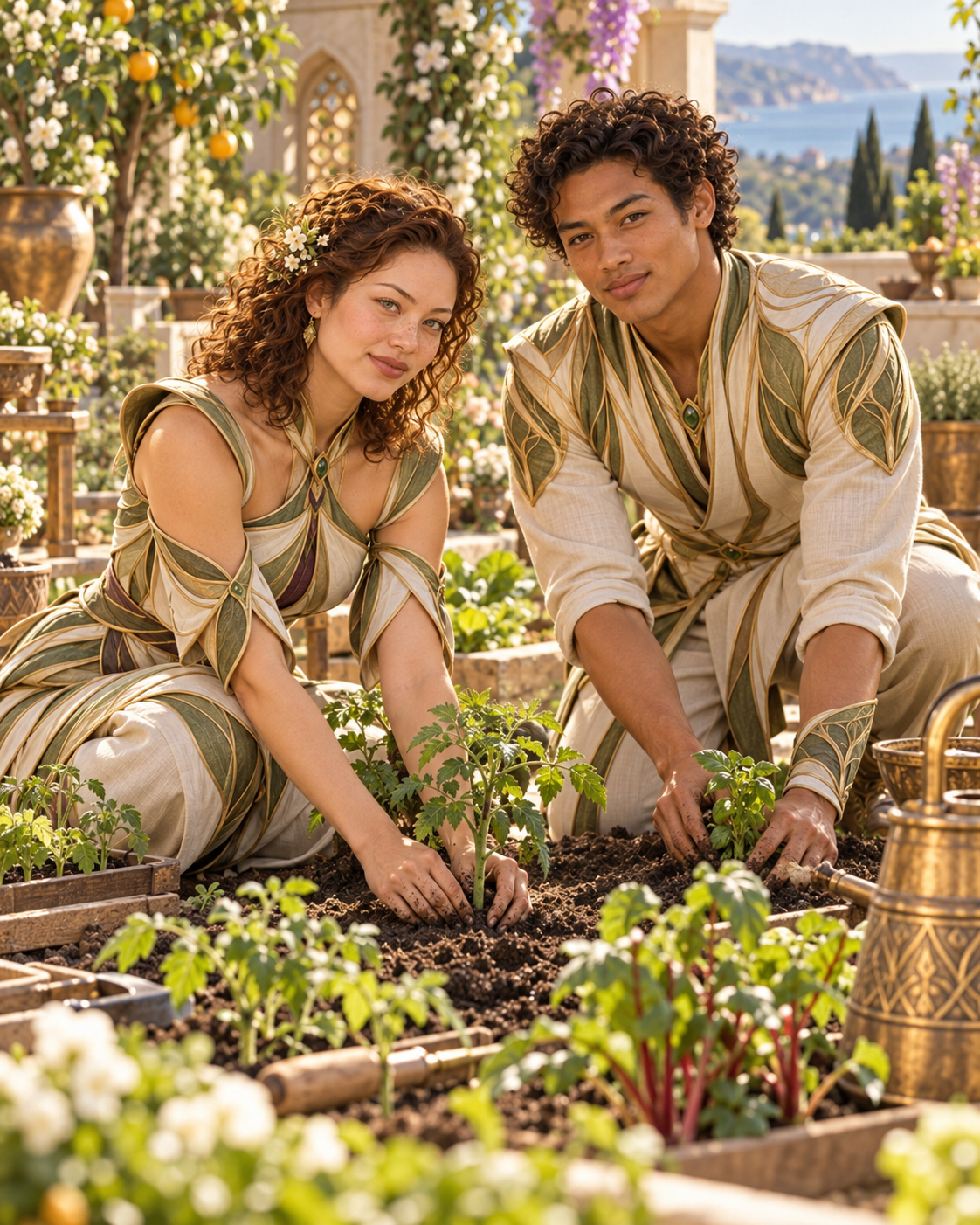
They do not need to arrive as spectators.
They can eat strawberries directly in the landscape.
Taste different cherries.
Join the grape harvest.
Compare mango varieties.
Help preserve foods that are arriving quickly.
Try a dish made from what was harvested that morning.
Vote in an AgriGames tasting.
Learn how growers decide whether a fruit is truly ripe.
Watch propagation.
Talk to the people caring for the orchard.
Let their children move from one activity to another.
Sit beneath the trees and eat.
Meet families from other regions.
Perhaps return a few weeks later when a completely different group of foods is peaking.
The experience can be useful.
It can also simply be delightful.
That matters.
Trott Bailey Family Civilization does not need to make food abundance feel like a problem people have been summoned to solve.
Come because the strawberries are wonderful.
Come because the orchard is beautiful.
Come because the games sound fun.
Come because you have never tasted fresh lychee from the tree.
Come because your children want to pick grapes.
Come because something good is happening.
Mixed Orchards Make Travel to Abundance Much Richer
This is why mixed-orchard planting matters so much to the idea.
Travel to Abundance is not:
An entire productive landscape can be flourishing at once.
Different heights.
Different species.
Different flavours.
Different harvest periods.
Different foods becoming ready in succession.
Someone enters the orchard and does not encounter one crop.
They encounter a food world.
Strawberries close to the ground.
Grapes along another route.
Cherries elsewhere.
Lychees above them.
Mangoes beginning to colour.
Citrus still developing.
Herbs and other edible plants between them.
Some food is ready now.
Some will be ready tomorrow.
Some belongs to next month.
That variety creates discovery.
A child can walk into the orchard expecting grapes and discover a fruit they have never eaten.
A family can arrive for one competition and stumble into another.
A cook may taste two foods together and invent something.
A grower may notice how another species performs.
The abundance itself creates possibilities nobody had to schedule in advance.
Travel Can Follow the Harvest
Wokumbakia can keep telling people how the landscape is changing.
This week: strawberries are exceptional.
Next week: grape harvest begins.
Lychees: approaching peak.
Mangoes: first varieties now ripening.
Citrus: later in the season.
That creates a different rhythm of travel.
People can follow food through time.
A family may deliberately travel during grape harvest because their children have never experienced one.
Another may prefer mango season.
Someone else may watch Wokumbakia and decide to go when the widest number of foods overlap.
People may return to the same orchard at different times and have completely different experiences.
The reason to travel is not manufactured.
Something is ripe now that was not ripe before.
Something is happening now that will not be happening in exactly the same way next month.
Wokumbakia tells people.
And people can go.
People Can Carry What They Learn Home
A family may go simply because the orchard sounds fun.
But experiences teach.
Someone learns how to identify ripe fruit.
Someone learns a new recipe.
Someone sees a preservation method.
Someone watches grafting for the first time.
Someone learns why one variety tastes different from another.
Someone sees how a mixed orchard is watered.
Someone learns how fallen organic material is returned to the soil.
Someone tastes a preparation they want to reproduce at home.
Where appropriate, approved seed, seedlings, cuttings or other propagation material may travel back with people too.
The experience spreads.
And sometimes what travelled home eventually produces new abundance somewhere else.
Young People May Discover Capabilities Along the Way
There is one additional connection worth noting.
The same movement can expose young people to capabilities they might never otherwise encounter.
A teenager who travelled because an orchard event sounded fun may become fascinated by irrigation.
Another may become interested in preservation machinery.
Another may discover plant breeding.
Another may love propagation.
Another may become absorbed in cooking.
For young people moving through Trott Bailey Family Civilization’s wider rotational capability pool, these experiences create another stream of real-world exposure.
They came because something interesting was happening.
That is an additional benefit.
The central idea remains simpler.
Wokumbakia Gives People New Reasons to Travel
This is where the three systems fit cleanly together.
Wokumbakia does not merely announce:
There is food.
It can say:
AgriGames does not merely tell people to take an interest in agriculture.
It says:
Come taste the finalists. Bring the children. Enter the challenge. Try the recipe.
Free travel does not merely make movement possible.
It means:
You can actually go.
The rest follows naturally.
People eat.
Play.
Harvest.
Taste.
Compete.
Celebrate.
Learn.
Meet people.
Carry ideas home.
Some knowledge spreads.
Some seeds spread.
Some recipes spread.
Some capabilities develop.
And somewhere else, eventually, more abundance appears.
The Loop Is Simple
That is the point.
A civilization that makes food abundant, food freely accessible and travel freely accessible creates possibilities that do not exist when those systems are treated separately.
News tells people what is happening.
Games make them want to participate.
Travel gets them there.
And sometimes the best reason to cross a country—or a continent—can be wonderfully uncomplicated: