
Cleaning Up Prado Series: Not Selling Beauty — Giving Care: Prado’s Free Almond Oil Care House

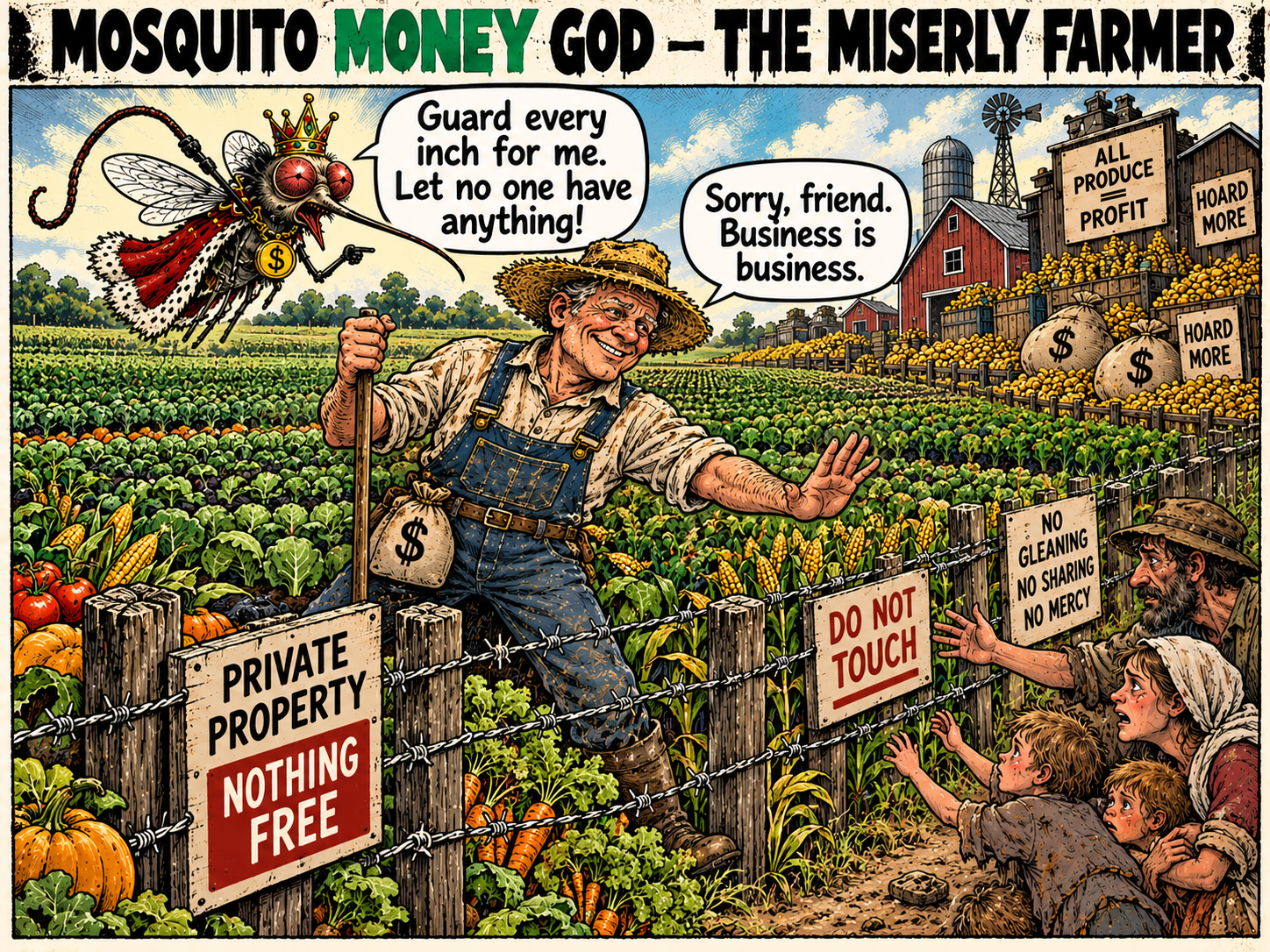
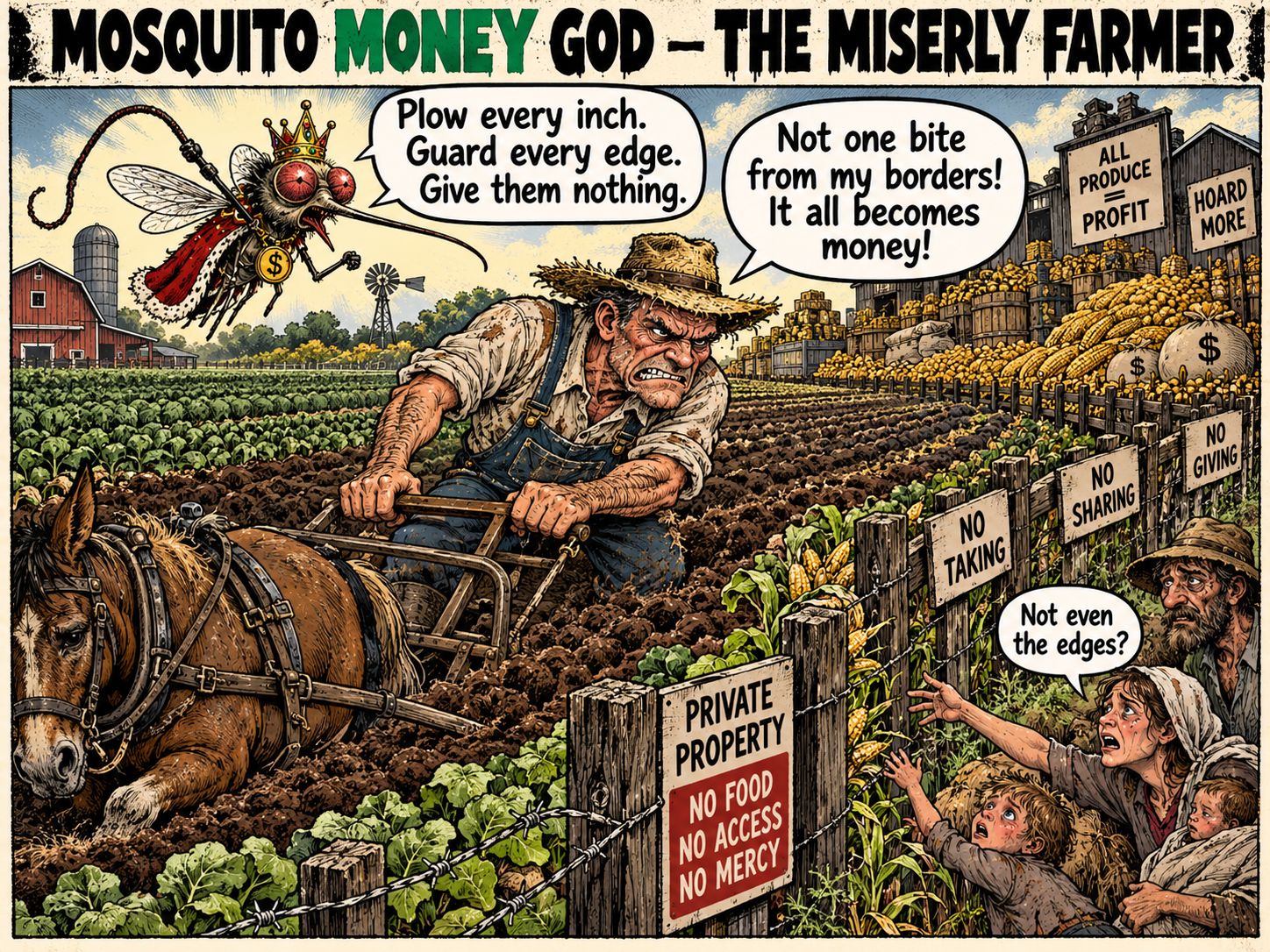
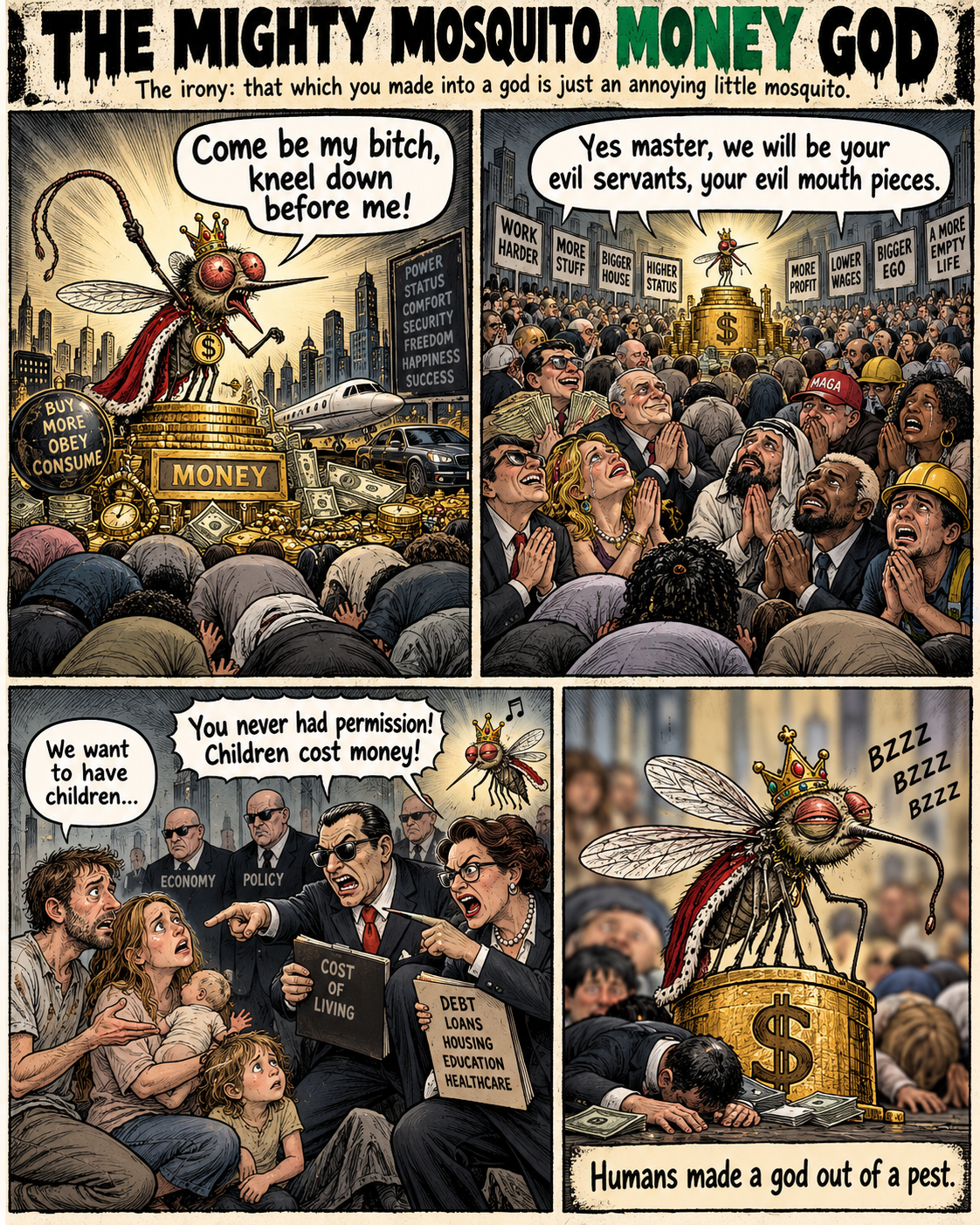
A prophetic depiction: A little beach municipality named Prado can bring hair care to the world. Prado’s generous spirit permeates its Almond Oil into India. Both Brazil and India bonds over hair care.
Cleaning Up Prado Series
Not Selling Beauty — Giving Care: Prado’s Free Almond Oil Care House
How fallen almonds could become free hair-and-skin care, youth training, volunteer service, and public dignity for Prado.
Prado should not sell beauty back to its own people. Prado should organize care and give it with dignity.
Prado has many almond trees.
Almonds fall on the ground. Leaves fall. Seedlings appear. Shade is already trying to grow. Oil may also be sitting inside what Prado is stepping over.
This article continues the Cleaning Up Prado series by looking at another part of the same problem: Prado is not only surrounded by things that need to be cleaned. Prado is also surrounded by resources that need to be organized.
The dirty canal article asked why families should live beside stagnant water. The shade article asked why a hot town should waste free seedlings. This article asks another question:
Why should Prado walk over fallen almonds when those almonds could help teach, gather, soften, employ, and care for the people?
The Context Behind the Idea
World Ruler Sher has found herself liking Prado. She sees the charm of the municipality, the coastline, the heat, the trees, the families, the ordinary movement of people, and the quiet promise of the place.
But she also sees what Prado has learned to tolerate: dirty canals, wasted seedlings, hot walking routes, unshaded public spaces, weak maintenance routines, and useful resources treated as mess.
This series is not about shaming ordinary families. It is not about blaming the people who live near neglected places. It is about asking Prado to look more carefully at what it already has and to create practical steps that cannot easily be excused away.
That same resident-first spirit appears in other Trott Bailey Prado writings, including Prado Is Not Lacking Beauty. Prado Is Lacking Vision, How Would Trott Bailey Family Redesign Prado. First Stage., and Prado Needs Beauty-Made-Functional Architecture.
This Is Not a Product Line
This must be said plainly.
The Prado Almond Oil Care House is not about selling beauty.
It is not about bottling beauty for profit.
It is not about branding nature.
It is not about turning every living thing into a money-hungry opportunity.
Prado should not look at fallen almonds only through the eyes of profit. That would cheapen the whole idea.
This is about gifting, teaching, refilling, recording, employing, volunteering, and building dignity.
The goal is not to own nature, sell nature, or use nature as a slogan.
The goal is to organize what is already falling, teach people how to care for hair and skin, create a clean public service, and make Prado feel more cared for from the ground to the body.
Not Bottles on a Shelf — A Community Care Service
Prado does not need to begin by bottling almond oil like a store product.
The better model is a community service.
People can come to a public Almond Oil Care House or Almond Oil Care Station. They can bring their own small clean bottle. They can learn how the oil is extracted. They can receive a modest refill. They can be shown how to use the oil properly on hair and skin.
This changes the whole spirit.
The oil is not just a thing. It becomes a gathering.
It becomes a learning center.
It becomes a youth training space.
It becomes a volunteer beauty-care circle.
It becomes a small employment pathway.
Bring a bottle. Learn the care. Share the knowledge. Leave with dignity.
Why Almond Oil Is Worth Studying
The trees commonly called almond trees in coastal Brazil are often Terminalia catappa, also called tropical almond or amendoeira-da-praia. Before any public oil program begins, Prado should confirm the species locally with proper botanical or technical support.
There is serious reason to study the oil. Research on Terminalia catappa has examined the physical and chemical properties of oil from its kernels. Recent research has described cold-pressed Terminalia catappa oil as rich in unsaturated fatty acids, especially oleic and linoleic acids, with palmitic acid as the main saturated fatty acid.
That does not mean Prado should make wild beauty claims. It does not mean the oil cures anything. It means Prado has enough reason to study the resource seriously, test it properly, and decide whether it can support a safe public hair-and-skin care service.
The public language should stay responsible:
- hair and skin comfort;
- dryness care;
- softening;
- moisture sealing;
- massage oil after proper approval;
- community beauty-care education.
The public language should not claim that the oil cures disease, treats infection, heals wounds, fixes eczema, prevents illness, or replaces medical care.
If Global Companies Can Sell Oil, Prado Can Build Care
Global companies have already taught the world to accept body oil as normal.
Johnson’s Baby Oil, for example, is sold in Brazil and marketed for baby skin massage/use in babies 6 to 18 months. Its own Brazil product page lists ingredients including Paraffinum Liquidum, fragrance components, and Tocopheryl Acetate.
The issue is not that Johnson & Johnson is wrong for selling baby oil. The issue is that small communities often treat their own natural resources as inferior before they even test them.
Prado should not do that.
Prado should not copy a factory product. Prado should not make careless claims. Prado should not rush into public use without hygiene, testing, and clear instructions.
But Prado should also stop thinking that only giant companies are allowed to create trusted body-care systems.
If a global brand can sell oil around the world, Prado should not shrink just because its possible oil comes from local trees instead of a factory.
The answer is not to quit. The answer is to be serious.
Test the oil. Document the process. Keep collection zones clean. Use hygienic equipment. Label batches. Teach proper use. Make responsible claims. Build public trust.
Anvisa’s public guidance says personal hygiene products, cosmetics, and fragrances are external-use preparations for the skin, hair, nails, lips, teeth, oral mucous membranes, and other body areas. Anvisa also says companies are expected to comply with appropriate quality and safety standards aligned with good manufacturing principles to ensure product safety and consumer protection.
So the lesson is not, “only big companies may make body oil.”
The lesson is: body-care products need discipline, proof, hygiene, and responsible public care.
The Correct Spirit: Not Reckless, Not Timid
A few testing standards and legal requirements should not scare Prado away from thinking bigger.
That is how small communities stay small: they see a rule and call the whole idea impossible.
But the answer is not to ignore safety.
The answer is not to be reckless.
The answer is also not to be timid.
Not reckless. Not timid. Serious. Clean. Tested. Free. Dignified.
Rigor should not become a wall that blocks local abundance.
Rigor should become the bridge between local abundance and public trust.
Clean Collection Comes First
Prado must not collect almonds from contaminated places for skin or hair use.
This point is important.
Almonds from canal edges, stagnant water areas, sewage routes, trash piles, animal-waste zones, pesticide-treated areas, or road-oil contaminated places should not become body-care oil.
Canal-edge seedlings can be rescued for shade, but canal-edge almonds should not become oil for skin and hair.
The oil program needs clean collection zones.
Approved collection zones should be:
- away from sewage and stagnant drainage;
- away from trash piles;
- away from heavy road contamination;
- away from animal waste;
- away from unknown chemical use;
- easy to inspect;
- clean enough for a public-care program.
This is how the plan protects the people and protects the idea.
The Basic Oil Extraction Process
The oil comes from the kernel inside the hard seed, not from the soft outer fruit.
A community demonstration process could look like this:
- Collect fallen almonds from clean approved zones.
- Wash and sort the fruit.
- Remove the outer flesh.
- Crack the hard seed carefully.
- Remove the kernel inside.
- Dry the kernels properly.
- Press the kernels with a small oil press or oil expeller.
- Filter the oil.
- Test the batch.
- Use the oil only through controlled public-care service after safety checks.
The key machine is a small oil press or oil expeller.
In Portuguese, the equipment can be described as:
- mini prensa de óleo a frio;
- extratora de óleo vegetal;
- prensa de óleo vegetal;
- prensa de rosca para sementes oleaginosas.
Other basic tools would include washing tubs, stainless-steel tables, drying racks or a dehydrator, nut or seed crackers, filter cloth, batch labels, clean refill tools, storage containers, gloves, hair covers, cleaning supplies, and a record book.
End of Part 1. Continue with Part 2: who the Care House serves, how it works, how youth learn, how volunteers help, and how Prado turns local abundance into free public care.
Prado Free Almond Oil Care House
How the Care House Works
A public service model for clean refill days, hair-and-skin guidance, youth learning, volunteer beauty circles, employment pathways, and a lasting knowledge archive.
What the Almond Oil Care House Could Be
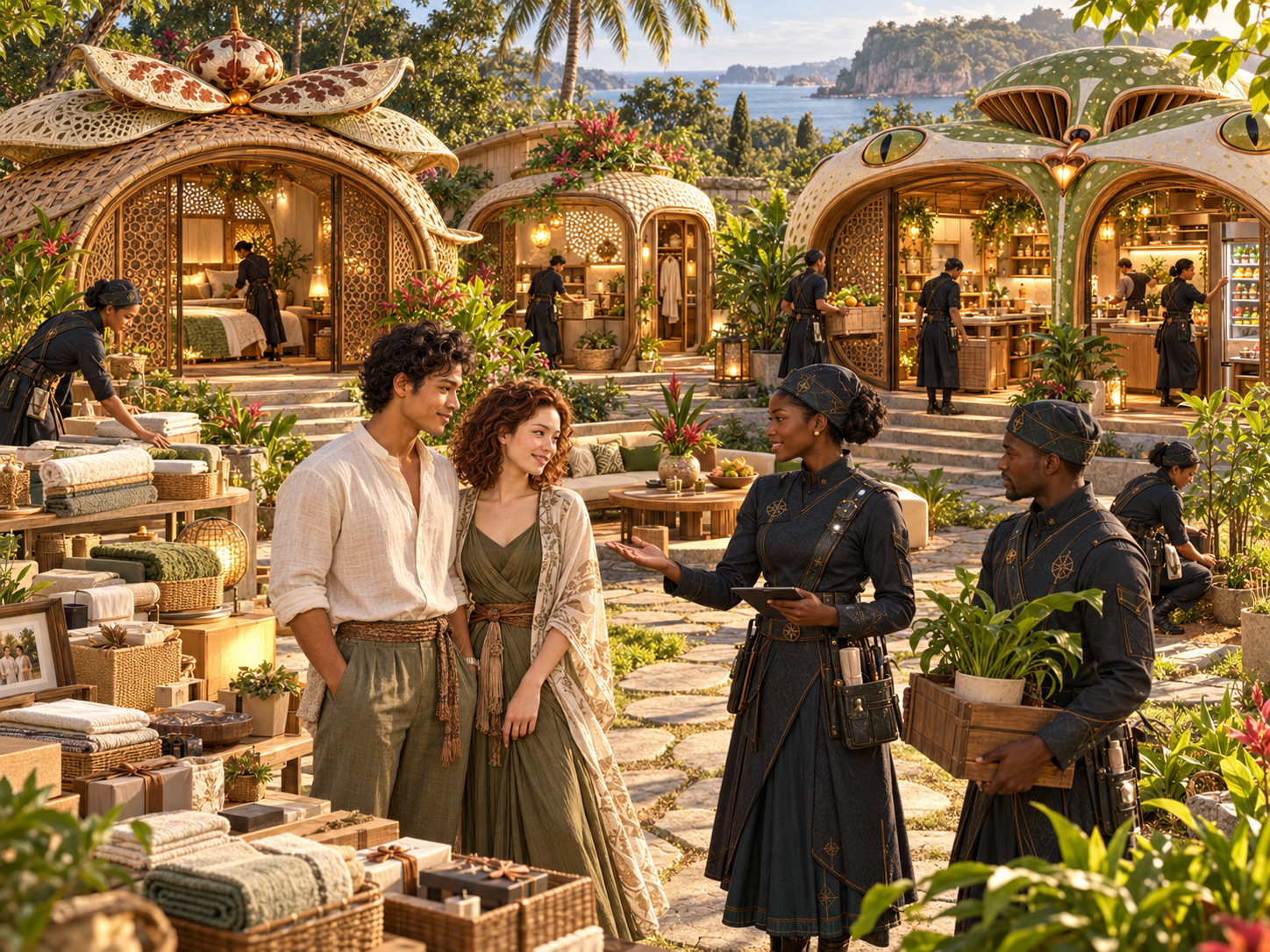
The Prado Almond Oil Care House would be a public service space.
Not a store.
Not a salon selling beauty back to the people.
Not a factory trying to become another brand.
A community care center.
A place where residents can bring a small clean bottle, learn the process, receive a controlled refill, and get guidance on how to use the oil.
It could be connected to the wider Trott Bailey idea of building practical civic spaces for Prado, where training has somewhere useful to go, as discussed in What Prado Builds for the Young Will Decide What Prado Becomes and Prado Reform, Phase Two: Building for Dignity, Not Just Transactions.
Not selling beauty. Giving care.
Who This Service Is For
This service is for ordinary people who deserve care without being sold another product.
It is for mothers caring for children’s hair.
It is for fathers who want to learn simple body-care routines for their families.
It is for elderly people with dry hands, feet, elbows, and knees.
It is for workers exposed to sun, dust, salt air, and heat.
It is for young people who love hair care, skin care, hygiene, beauty, natural oils, and public service.
It is for women who already know practical hair traditions and need a dignified place to teach.
It is for families who cannot keep buying every product that global companies convince the world to need.
It is for residents who deserve softness without shame.
Public care should not only serve tourists, shoppers, or people with money. It should serve the people who live in Prado every day.
What Happens on a Care Day
1. Welcome and bottle check
Residents arrive with a small bottle. A trained worker or volunteer checks whether the bottle is clean, dry, and suitable for refill. If not, the person can still participate in the learning session and return with a proper bottle another day.
2. Process demonstration
Visitors see the almond oil process: clean collection, washing, cracking, drying, pressing, filtering, batch labeling, and safe storage.
3. Small refill
Residents receive a small amount of oil from a tested batch. The refill should be modest to avoid waste and to teach careful use.
4. Hair and skin guidance
Trained care guides show residents how to use a small amount on dry hair ends, braids, scalp massage where appropriate, elbows, knees, feet, and dry skin areas.
5. Safety instruction
Residents are taught patch testing, storage, external-use rules, and when not to use the oil.
6. Youth learning and recording
Youth help document the day, interview care workers, record demonstrations, and build the video archive.
What People Can Learn There
The Care House is not only a refill station.
It is a public learning space.
People can learn:
- how to identify clean collection zones;
- how to sort fallen almonds safely;
- how the kernel becomes oil;
- how a cold oil press works;
- why hygiene matters;
- how to store oil away from heat and sun;
- how to apply small amounts without wasting it;
- how to care for dry hair ends;
- how to support braided or textured hair routines;
- how to soften dry elbows, knees, feet, and hands;
- how to avoid using oil on irritated, broken, or infected skin;
- how to stop use if irritation happens.
This is especially fitting for a hot coastal town, where sun, salt air, wind, beach life, dust, and daily outdoor movement can leave skin and hair feeling dry.
The Care House can teach people to use local care wisely.
Volunteers Who Love Hair and Skin Care
Some people love hair care.
Some people love skin care.
Some people love braiding, massage, natural oils, hygiene, children’s hair routines, elder care, and showing others how to feel cared for.
Those people should have a place to serve.
A town should not waste people who love care.
The Almond Oil Care House can create a volunteer beauty circle.
These volunteers can help teach simple routines, demonstrate careful use, support families, answer questions, help elders, and make the care days feel warm instead of clinical.
This should not become a beauty competition.
It should not become vanity culture.
It should be public softness.
People leaving with softer hair, softer skin, better knowledge, and more confidence in their own town.
Employment and Training Pathways
The Care House can also create real work.
Not fake participation.
Not youth used only for photos.
Real roles.
Possible roles include:
- clean collection zone monitors;
- almond sorting assistants;
- kernel cracking and preparation workers;
- oil press operators;
- hygiene assistants;
- batch record keepers;
- refill station attendants;
- hair-and-skin care guides;
- elder-care day helpers;
- youth workshop mentors;
- video archive assistants;
- nursery and shade-tree workers;
- compost workers for unused organic material.
This connects the oil article back to the shade article.
The seedlings become shade.
The clean almonds become oil.
The leaves and unusable fruit become compost.
The youth become trained.
The town becomes more organized.
The same almond tree can support shade, oil, compost, youth training, public care, and civic beauty.
Safety Rules That Protect the People
Prado should be ambitious, but it should also be clean and disciplined.
The Care House needs rules.
- No canal-edge almonds for body oil.
- No rotten, moldy, contaminated, or suspicious fruit.
- No oil from unapproved collection zones.
- No public refill from untested batches.
- No disease-cure claims.
- No use on broken, infected, irritated, or wounded skin.
- No use near eyes, mucous membranes, or unsafe body areas.
- No baby-first distribution without health-professional review and specific approval.
- No unlabeled batches.
- No mystery oil.
- No careless storage in heat or direct sun.
- No ignoring irritation complaints.
These rules do not weaken the idea.
They make the idea trustworthy.
The First Pilot Should Be Modest
Prado should not begin by promising oil for everyone.
Start with a pilot.
A pilot can be small, clean, recorded, and honest.
Pilot Step 1: Confirm the tree and test the oil
Identify the tree species properly and partner with a university, technical school, pharmacist, cosmetic chemist, public-health worker, or lab.
Pilot Step 2: Select clean collection zones
Use only approved clean areas. Reject canal-edge and contaminated areas for oil production.
Pilot Step 3: Process one small batch
Collect, wash, crack, dry, press, filter, label, and record the batch.
Pilot Step 4: Test before public use
Check for contamination, rancidity, stability, and basic safety concerns before any refill day.
Pilot Step 5: Host a learning-only demonstration
Before giving oil to the public, let people observe the process and learn the care rules.
Pilot Step 6: Begin controlled adult refill days
Start with adults and clear instructions. Expand only when safety, testing, guidance, and trust are stronger.
That is not fear.
That is maturity.
The Public Care Stations Inside the House
The Care House can be divided into simple stations.
1. Clean Collection Learning Table
Shows which almonds can be used and which must be rejected.
2. Cracking and Kernel Table
Shows how the hard seed is opened and how the kernel is separated.
3. Pressing Demonstration Station
Shows the oil press in action during approved demonstrations.
4. Filtering and Batch Record Station
Teaches why filtering, labeling, dates, and records matter.
5. Bring-Your-Own-Bottle Refill Station
Offers controlled refills from tested batches only.
6. Hair Care Guidance Corner
Shows careful use for hair ends, braids, scalp massage where appropriate, and dryness care.
7. Skin Comfort Corner
Shows careful use on dry hands, elbows, knees, feet, and other external skin areas where appropriate.
8. Youth Video Archive Corner
Records demonstrations, interviews, lessons, and updates for future generations.
The Knowledge Archive
If Prado learns something useful, Prado should not let that knowledge disappear.
Every workshop should be recorded.
Every method should be saved.
Every correction should become part of the learning record.
The Care House can create a public video archive that connects with wider Trott Bailey media and learning culture through places like Trott Bailey Family 1Drop, Trott Bailey University, and Trott Bailey Family Oasis Videos.
Record:
- clean collection rules;
- almond sorting;
- kernel cracking;
- drying methods;
- oil pressing;
- filtering;
- batch labeling;
- hygiene routines;
- safe hair use;
- safe skin use;
- patch testing;
- storage rules;
- what mistakes to avoid;
- how the program improves over time.
Youth today can learn directly. Children tomorrow can still access the knowledge.
How This Connects to the Shade and Shoreline Plan
The almond oil idea should not replace the shade plan.
It should sit beside it.
The seedlings become shade trees.
The clean fallen almonds become oil education and care.
The leaves and unusable fruit become compost.
The youth help record the process.
The town learns not to waste what falls.
This creates a simple civic loop:
- Clean the canal.
- Rescue the seedlings.
- Create shade.
- Collect clean almonds.
- Press oil safely.
- Teach hair and skin care.
- Compost organic leftovers.
- Train youth.
- Record knowledge.
- Give care freely.
This is how Prado stops seeing nature as either mess or money.
There is a better way.
Nature can become public care.
What Prado Should Not Do
A serious care program needs boundaries.
Prado should not:
- sell the oil as a beauty hustle;
- pretend safety does not matter;
- collect almonds from dirty places;
- use canal-edge almonds for hair or skin oil;
- make medical claims;
- hand out untested oil;
- ignore Anvisa guidance;
- use youth only for photos;
- hide the process from the public;
- let knowledge disappear after one workshop;
- turn the idea into another profit-first project.
What Prado Should Do
Prado should:
- identify the trees properly;
- choose clean collection zones;
- test the oil;
- create a simple hygienic pressing station;
- host learning demonstrations;
- start with small adult refill days;
- train volunteers who love hair and skin care;
- create youth employment and learning roles;
- record every method on video;
- share knowledge freely;
- connect the oil program to the shade, compost, canal, and shoreline plan.
Closing: Public Softness Is a Form of Dignity
Cleaning Prado is not only about removing dirt.
It is also about learning how to care.
The canal must be cleaned because families should not live beside stagnant water.
The seedlings should be rescued because a hot town should not waste shade.
The clean almonds should be studied because they may become oil for hair and skin comfort.
The youth should be involved because they need real work, real learning, and real civic purpose.
The knowledge should be recorded because future generations should not have to start from zero.
And the people should receive care because dignity is not only roads, drainage, and buildings.
Dignity is also the feeling that your town wants you to be well.
Soft hair matters.
Moisturized skin matters.
Clean public care matters.
A free refill day matters.
A volunteer who teaches a mother how to use a little oil on a child’s hair matters.
An elder leaving with softer hands matters.
A young person learning extraction, hygiene, documentation, and public service matters.
That is not small.
That is civilization in daily form.



 and then