CATEGORY 02 / 16 · FOUR BELESHKY METHODOLOGY · V1.0.0
A roof is only the beginning.
A country can have millions of houses and still leave families struggling to reach one. We ask whether homes are safe and ready, whether ordinary families can actually enter and keep them, what those homes demand, and what they give back over a lifetime.
Housing is a secure family base, not merely a count of roofs or property deeds. A home should remain usable as people marry, raise children, learn, repair, travel and pass useful capability to the next generation.
The same four-beleshky weighting
Four independent questions about the home
Capacity
Are suitable homes available and ready for families to live in?
Open all nine scoring positions ↗02 · 35%Reach
Who actually lives in an adequate home, and who can obtain one without paying?
Open all nine scoring positions ↗03 · 25%Friction
What does getting and keeping a home demand from a family?
Open all nine scoring positions ↗04 · 15%Return / Durability
How well does housing sustain family life and remain useful across generations?
Open all nine scoring positions ↗The nine anchors express the Trott Bailey authored scoring benchmark, not a claim that any country already achieves it. Census results and household surveys measure conditions; the TBF beleshky point is a transparent interpretation. Announced programs do not prove effective access.
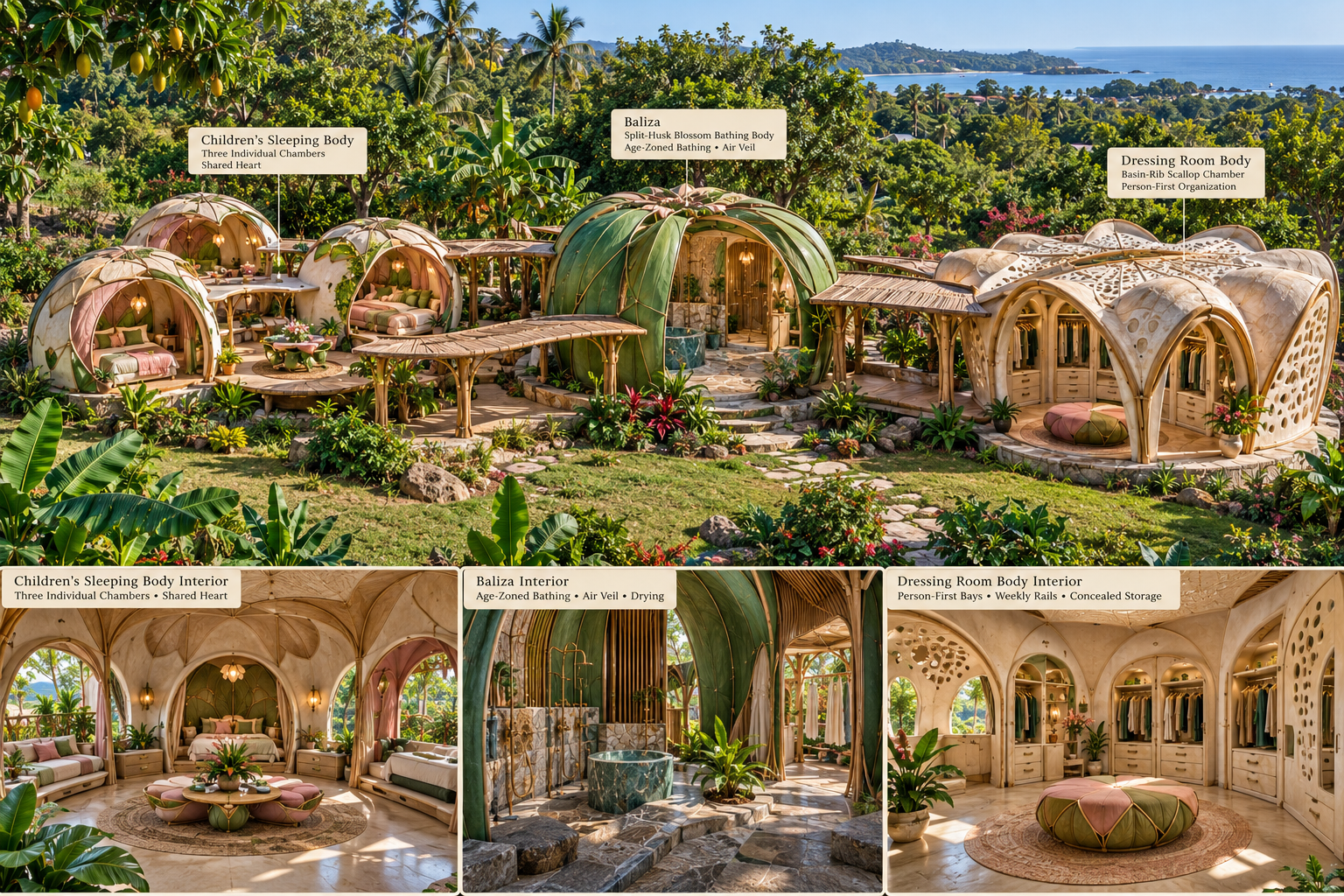
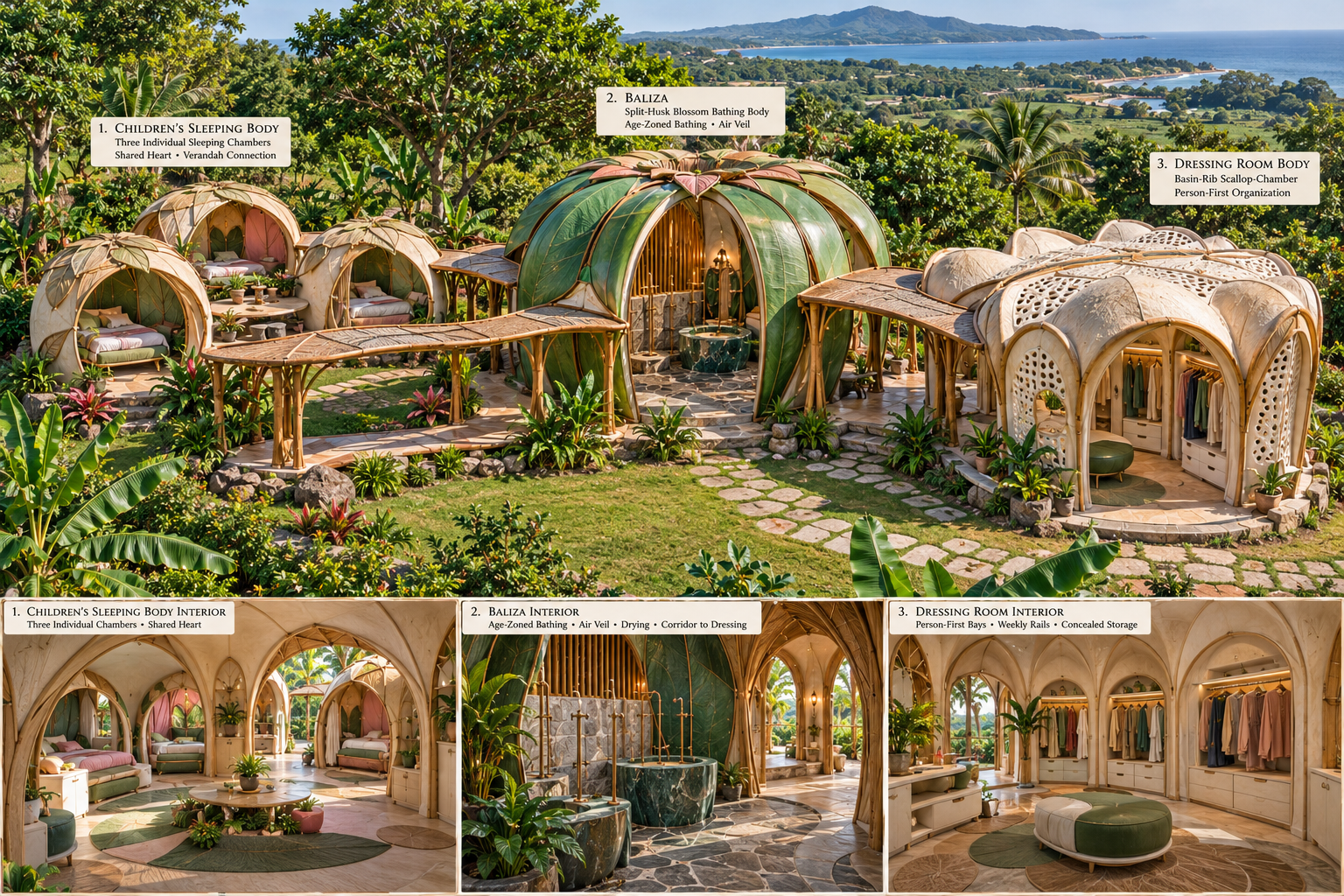
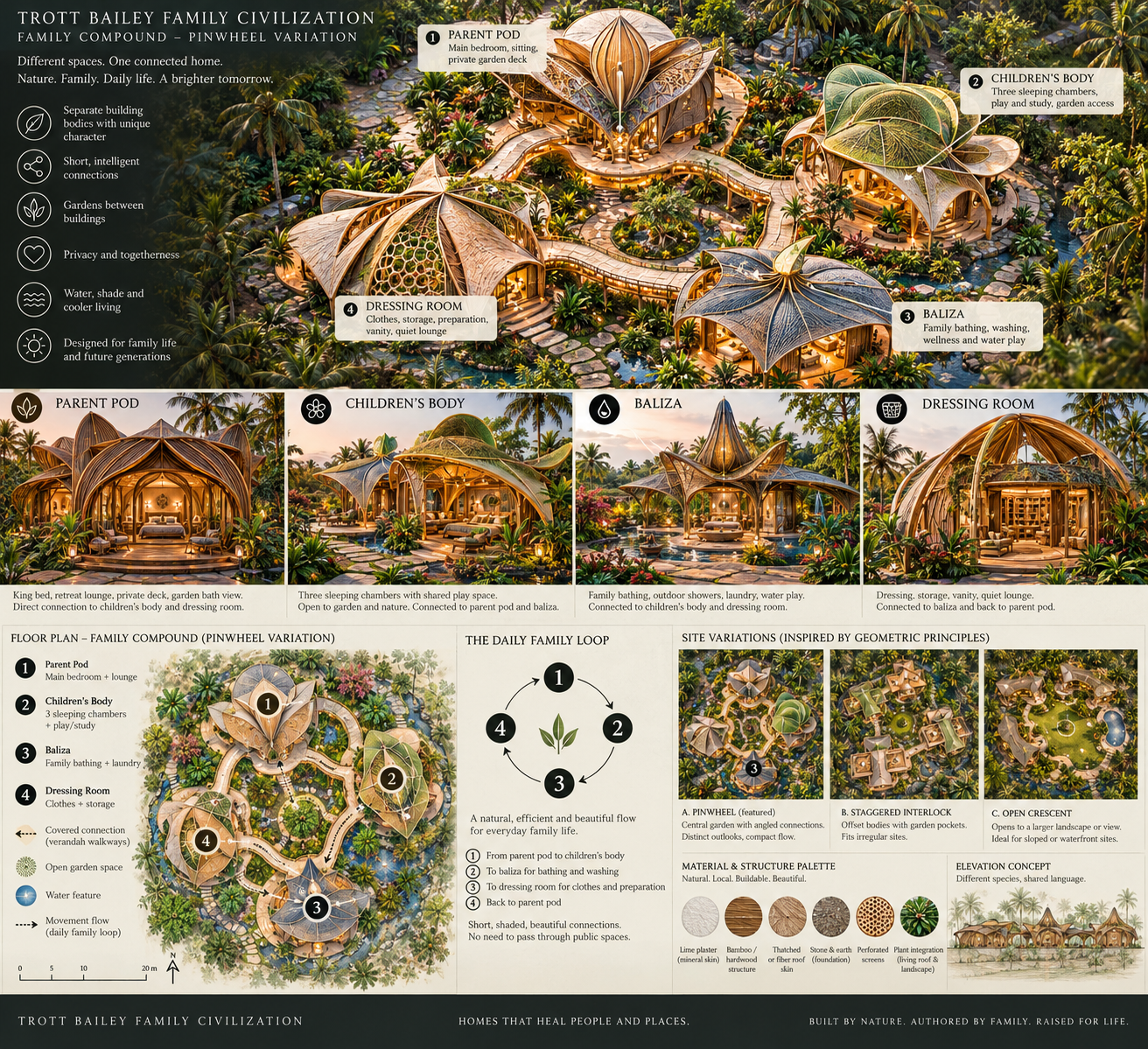
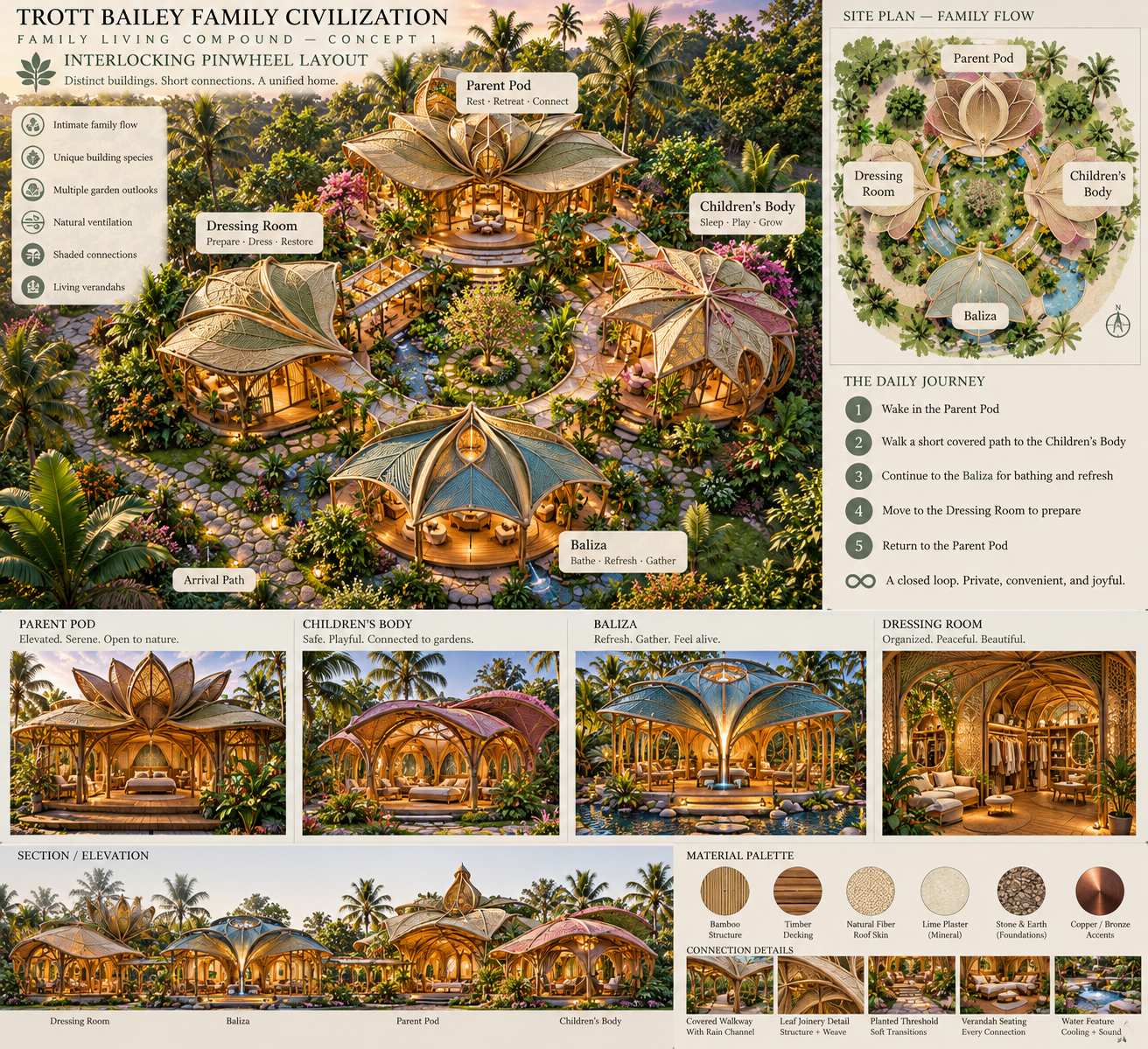
Trott Bailey Housing Living Principle
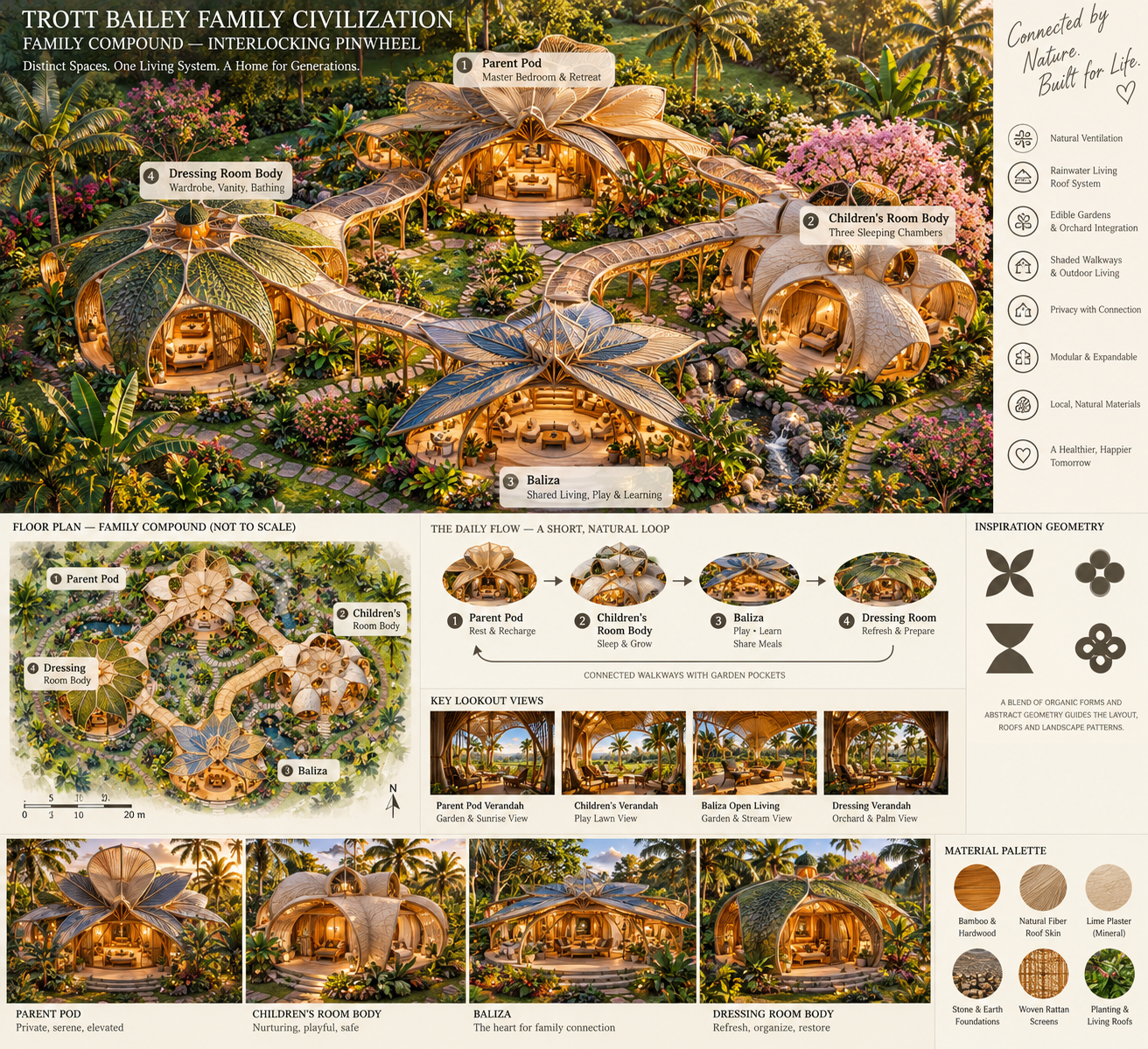
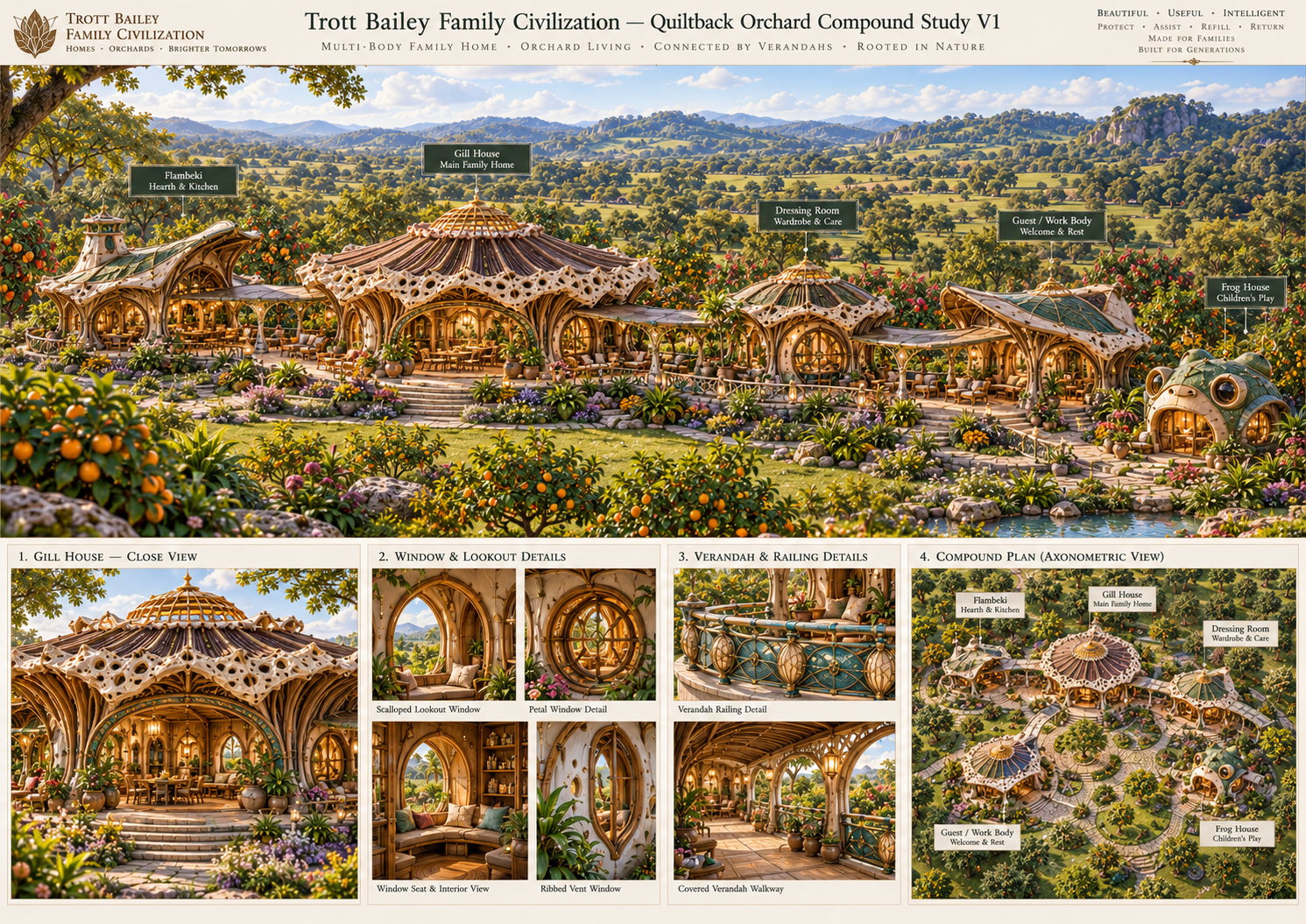
A family home can grow with a family and remain part of civilization
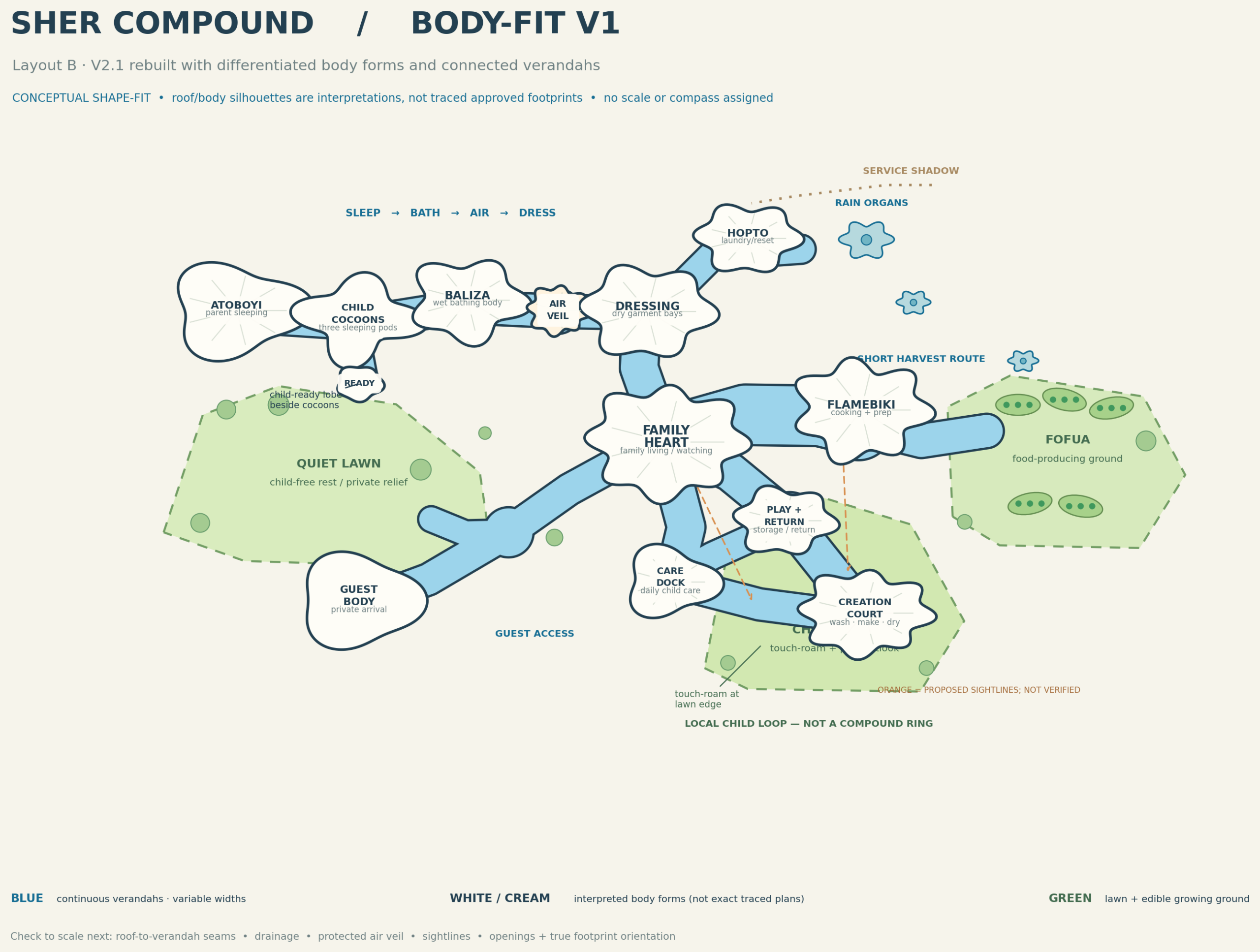
The household core home is a lasting base. Family land, building help, repair, mobility and a productive compound can support private family life and the wider civilization at the same time.
Compounds can be large or compact depending on place and family. Public systems and private family realms remain distinct. Other housing forms qualify according to their actual family benefit and evidence.
Trott Bailey records: Marriage and Housing: Core Family Homes & Free Circulation ↗ · Compounds Are Civilization Circulation Systems ↗
Direct access and household reality
Housing and Land share one 0–4 Money Gate
Housing Reach measures adequate shelter and who can effectively obtain it without payment. The shared Housing/Land Money Gate additionally checks secure land/tenure access: housing alone is not proof of joint clearance, and a land grant is not proof that a safe ready home exists. Matching, dated sources must support both. The Money Gate is separately applied at the national zero baseline; do not copy its points into Housing or silently subtract twice.
Housing adequacy
Safe, habitable, serviced, accessible home rather than an announcement, an empty building or a deed.
Free access population
People actually eligible and served without rent, purchase or compulsory recurring housing payment.
Land/tenure joint test
Secure land use or tenure enabling stable housing and family life, verified by the related Housing/Land direct gate.
Friction consequences
Documented earning, debt, waiting and eviction burdens inform Friction; they are not the Money Gate score itself.
Overall clearance
Four of four for Housing/Land AND for each of the other four essentials is required before national zero may be crossed.
| Effective money-free reach | Housing/Land gate |
|---|---|
| 0% confirmed | 0/4 |
| More than 0%, below 30% | 0.5/4 |
| 30% to below 50% | 1/4 |
| 50% to below 75% | 2/4 |
| 75% to below 100%, reliable | 3/4 |
| 100%, reliable and accessible, money-free | 4/4 |
Eight 25-point jumps
Exactly what earns each score?
| Score | Capacity | Reach | Friction | Return / Durability |
|---|---|---|---|---|
| -100 | Extensive failure: safe, habitable homes and the means to maintain them are largely absent. | Under 5% of the population can establish adequate housing; severe exclusion dominates. | Severe housing exclusion and displacement: payments, dangerous insecurity and arbitrary blocks consume ordinary family life. | Housing routinely fails to protect health, relationships or secure family life; homes cannot be sustained. |
| -75 | Emergency and makeshift shelters dominate; reliable building materials and services are scarce. | About 5% to under 25% effectively occupy adequate homes; shelter access is extremely limited. | Extreme rent or debt pressure, evictions, unsafe tenure and prohibitive delays dominate. | Frequent loss, deteriorating structures and instability interrupt family continuity. |
| -50 | Basic dwellings exist, but structural hazards, crowding or critical service gaps affect many. | About 25% to under 40% of people live in adequate homes. | High housing-cost overburden and persistent insecurity; access or repairs demand excessive time and earnings. | Weak repair, short tenure and poor adaptation make housing fragile across life changes. |
| -25 | Working housing stock exists; construction, repair or basic readiness has major bottlenecks. | About 40% to 50% of people live in adequate homes; many remain excluded. | Housing is obtainable for many, but substantial repayment, relocation, permitting or tenure burdens remain. | Families may remain housed but face fragile security, difficult repairs and poor room for growth. |
| 0 | The country maintains baseline adequate housing capacity, with uneven quality and responsiveness. | More than 50%, but not more than 75%, can access adequate homes. | Mixed burden: basic access functions, while meaningful payment or procedural obstacles persist for many. | Basic lasting homes serve many households, with uneven repair, adaptability and future security. |
| +25 | Broad, safe and serviced housing stock, with functioning local building and repair capacity. | More than 75% live in adequate homes OR more than 30% have genuinely money-free adequate housing access. | Payment, eviction and administration burdens have measurably fallen, with meaningful tenant and family protection. | Secure family homes support ordinary repairs, privacy and child development over years. |
| +50 | Construction, adaptation and maintenance systems respond reliably to changing family needs. | More than 75% live in adequate homes AND more than 30% have effective money-free access, confirmed against the Housing/Land gate. | Major preventable burdens removed; housing is secure, affordable and easy to adapt for most families. | Families can reliably adapt, repair and improve homes, with accessible help and continuity across changes. |
| +75 | Near-universal, safe and resilient housing capacity; families can readily expand and repair. | Over 90% adequately housed, at least 75% reliably served money-free, and Housing/Land clearance at least 3/4. | Access, repair and movement are ordinarily swift and secure; payment burden is minor or exceptional. | Durable homes support expansion, inheritance or equivalent generational security, family Shubaka, compound use and travel. |
| +100 | Universal capacity for suitable, safe, maintained and adaptable homes through family life and future generations. | All people can effectively access an adequate, secure, accessible home without payment; Housing/Land gate 4/4. | Ordinary suitable housing and its maintenance require no payment or unnecessary approval obstacles; tenure and family continuity are secure. | Lasting secure home and land access, generational continuity, expansion help, service relief and free circulation support family life throughout life. |
Beleshky 1 · 25% of Housing
Capacity
Are suitable homes available and ready for families to live in?
Extensive failure: safe, habitable homes and the means to maintain them are largely absent.
Read the Trott Bailey foundation ↗Emergency and makeshift shelters dominate; reliable building materials and services are scarce.
Read the Trott Bailey foundation ↗Basic dwellings exist, but structural hazards, crowding or critical service gaps affect many.
Read the Trott Bailey foundation ↗Working housing stock exists; construction, repair or basic readiness has major bottlenecks.
Read the Trott Bailey foundation ↗The country maintains baseline adequate housing capacity, with uneven quality and responsiveness.
Read the Trott Bailey foundation ↗Broad, safe and serviced housing stock, with functioning local building and repair capacity.
Read the Trott Bailey foundation ↗Construction, adaptation and maintenance systems respond reliably to changing family needs.
Read the Trott Bailey foundation ↗Near-universal, safe and resilient housing capacity; families can readily expand and repair.
Read the Trott Bailey foundation ↗Universal capacity for suitable, safe, maintained and adaptable homes through family life and future generations.
Read the Trott Bailey foundation ↗Evidence needed
- National housing census: population, occupied units, adequate/safe dwellings and household formation
- Completed and service-ready homes versus announced or unfinished projects; vacancies that are truly habitable and available
- Structural safety, climate resilience, water/power/sanitation readiness, accessibility, builder and repair response
How to improve
- Measure habitable rather than just constructed units and publicly report the unfinished-to-usable conversion.
- Repair unsafe existing homes, equip neighborhoods for upkeep and provide rapid family-responsive building help.
- Build appropriate homes and support expansion when families change.
Beleshky foundation: Marriage and Housing: Core Family Homes & Free Circulation ↗
↑ All four beleshky levelsBeleshky 2 · 35% of Housing
Reach
Who actually lives in an adequate home, and who can obtain one without paying?
Under 5% of the population can establish adequate housing; severe exclusion dominates.
Read the Trott Bailey foundation ↗About 5% to under 25% effectively occupy adequate homes; shelter access is extremely limited.
Read the Trott Bailey foundation ↗About 25% to under 40% of people live in adequate homes.
Read the Trott Bailey foundation ↗About 40% to 50% of people live in adequate homes; many remain excluded.
Read the Trott Bailey foundation ↗More than 50%, but not more than 75%, can access adequate homes.
Read the Trott Bailey foundation ↗More than 75% live in adequate homes OR more than 30% have genuinely money-free adequate housing access.
Read the Trott Bailey foundation ↗More than 75% live in adequate homes AND more than 30% have effective money-free access, confirmed against the Housing/Land gate.
Read the Trott Bailey foundation ↗Over 90% adequately housed, at least 75% reliably served money-free, and Housing/Land clearance at least 3/4.
Read the Trott Bailey foundation ↗All people can effectively access an adequate, secure, accessible home without payment; Housing/Land gate 4/4.
Read the Trott Bailey foundation ↗Evidence needed
- Percentage of PEOPLE (not only dwellings) living in adequate housing; rural, disability and household-size breakdown
- Effective money-free adequate-housing access, measured by population actually able to obtain or retain that benefit
- Separate Housing/Land direct audit: both shelter and secure land or tenure; source-linked free-access eligibility and actual take-up
How to improve
- Expand secure, adequately serviced homes for families currently excluded.
- Publish separate and comparable adequate-housing and effectively free-housing population shares.
- Verify the joint Housing/Land gate before awarding upper money-free Reach positions.
Beleshky foundation: Compounds Are Civilization Circulation Systems ↗
↑ All four beleshky levelsBeleshky 3 · 25% of Housing
Friction
What does getting and keeping a home demand from a family?
Severe housing exclusion and displacement: payments, dangerous insecurity and arbitrary blocks consume ordinary family life.
Read the Trott Bailey foundation ↗Extreme rent or debt pressure, evictions, unsafe tenure and prohibitive delays dominate.
Read the Trott Bailey foundation ↗High housing-cost overburden and persistent insecurity; access or repairs demand excessive time and earnings.
Read the Trott Bailey foundation ↗Housing is obtainable for many, but substantial repayment, relocation, permitting or tenure burdens remain.
Read the Trott Bailey foundation ↗Mixed burden: basic access functions, while meaningful payment or procedural obstacles persist for many.
Read the Trott Bailey foundation ↗Payment, eviction and administration burdens have measurably fallen, with meaningful tenant and family protection.
Read the Trott Bailey foundation ↗Major preventable burdens removed; housing is secure, affordable and easy to adapt for most families.
Read the Trott Bailey foundation ↗Access, repair and movement are ordinarily swift and secure; payment burden is minor or exceptional.
Read the Trott Bailey foundation ↗Ordinary suitable housing and its maintenance require no payment or unnecessary approval obstacles; tenure and family continuity are secure.
Read the Trott Bailey foundation ↗Evidence needed
- Housing-cost overburden with clearly specified income base, rent/mortgage and utility inclusions
- Eviction, displacement, insecure tenure, administrative delays and discrimination evidence
- Household working time committed to payments, relocation, construction bottlenecks and repair delays
How to improve
- Reduce repeated earning burdens and unnecessary permits, while protecting families from unsafe displacement.
- Strengthen security of tenure and timely repairs, including for renters.
- Verify practical changes in cost pressure and waiting time, not announcement counts.
Beleshky foundation: How Refugee Life in Brazil Became the Friction Economy Theory ↗
↑ All four beleshky levelsBeleshky 4 · 15% of Housing
Return / Durability
How well does housing sustain family life and remain useful across generations?
Housing routinely fails to protect health, relationships or secure family life; homes cannot be sustained.
Read the Trott Bailey foundation ↗Frequent loss, deteriorating structures and instability interrupt family continuity.
Read the Trott Bailey foundation ↗Weak repair, short tenure and poor adaptation make housing fragile across life changes.
Read the Trott Bailey foundation ↗Families may remain housed but face fragile security, difficult repairs and poor room for growth.
Read the Trott Bailey foundation ↗Basic lasting homes serve many households, with uneven repair, adaptability and future security.
Read the Trott Bailey foundation ↗Secure family homes support ordinary repairs, privacy and child development over years.
Read the Trott Bailey foundation ↗Families can reliably adapt, repair and improve homes, with accessible help and continuity across changes.
Read the Trott Bailey foundation ↗Durable homes support expansion, inheritance or equivalent generational security, family Shubaka, compound use and travel.
Read the Trott Bailey foundation ↗Lasting secure home and land access, generational continuity, expansion help, service relief and free circulation support family life throughout life.
Read the Trott Bailey foundation ↗Evidence needed
- Home quality and safety over time; repeated damage or service interruptions; access to repair
- Family privacy, adaptable layout, room for children, elder care, work/learning and compound Shubaka
- Long-term secure tenure, inheritance or equivalent generational continuity; relocation/travel options without losing housing
How to improve
- Ensure families can adapt and repair homes as children and household needs change.
- Support productive compounds, practical family teaching and protected private spaces.
- Give families durable tenure, smooth maintenance, travel flexibility and continuity across generations.
Beleshky foundation: Family Should Be Light Enough to Soar ↗
↑ All four beleshky levelsHypothetical scoring lab
Test how changes move the Housing score
This calculator illustrates the weighted method. It does not alter a country, its evidence, or ranking.
Housing = 0.25 × Capacity + 0.35 × Reach + 0.25 × Friction + 0.15 × Return/Durability. National diagnostic contribution = Housing × 0.08, before overall Money Gate rules.
Transparent country research
What a country must prove to climb
Adequate is not the same as owned
Housing adequacy is not the same as ownership. Secure non-ownership tenure can count for adequacy. High ownership percentages do not prove money-free access for new households.
A service may inform several categories only where it has distinct measured effects. Housing evaluates the shelter; Land the spatial opportunity; Energy and Water their own service access; Human Time the hours consumed or returned.
Document the before and after
Every national assessment identifies the population denominator, observation year, exact adequacy criteria, money-free programme eligibility versus actual use, relevant gate-source map, and how its score was selected. The country source is separate from a TBF design publication.
Publishing this method never changes country beleshkies, national scores or rank history. Future country re-audits require dated sourced evidence and append-only before/after entries.
Authored design sources

 and then