CATEGORY 04 / 16 · FOUR BELESHKY METHODOLOGY · V1.0.0
Safe water must reach every family, and return safely.
A country can move water across whole landscapes while a family beside it still has to pay to turn on the tap. We measure safe household water, dignified sanitation, reliable access and the living water systems that protect future life.
Water and sanitation are essential life infrastructure. Good pipes are not enough: clean water, safely managed waste, actual household reach, low burden and long-term water health all need separate evidence.
The same four-beleshky weighting
Four independent questions about water, sanitation and living ground
Capacity
Can the country reliably provide safe drinking water, dignified sanitation and household water services?
Open all nine scoring positions ↗02 · 35%Reach
What percentage of people actually receive both safely managed drinking water and sanitation?
Open all nine scoring positions ↗03 · 25%Friction / Loss
What bills, contamination, collection time, service failures and return-system burdens consume household life?
Open all nine scoring positions ↗04 · 15%Return / Regeneration
Does the water system protect groundwater, healthy living ground and future family water security?
Open all nine scoring positions ↗WHO/UNICEF JMP safely managed water and sanitation are two different measurements. The Reach percentage is people confirmed to have BOTH services, not whichever national percentage is larger. If overlap is unknown, record both rates and leave the combined rate pending. TBF anchor points are evidence-led judgments, not measured population percentages by themselves.
Trott Bailey Water Living Principle
From safe household water to clean return and living water
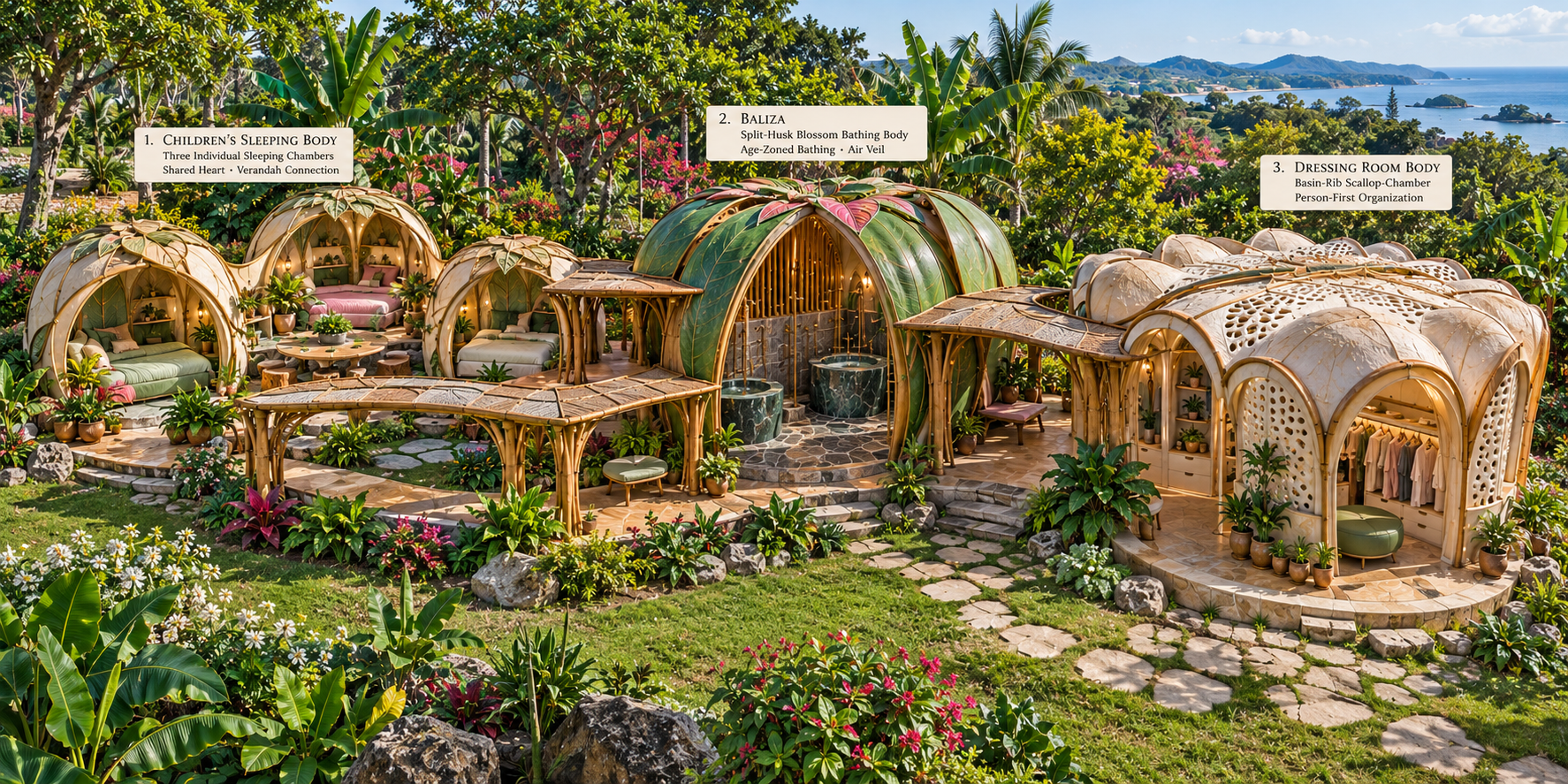
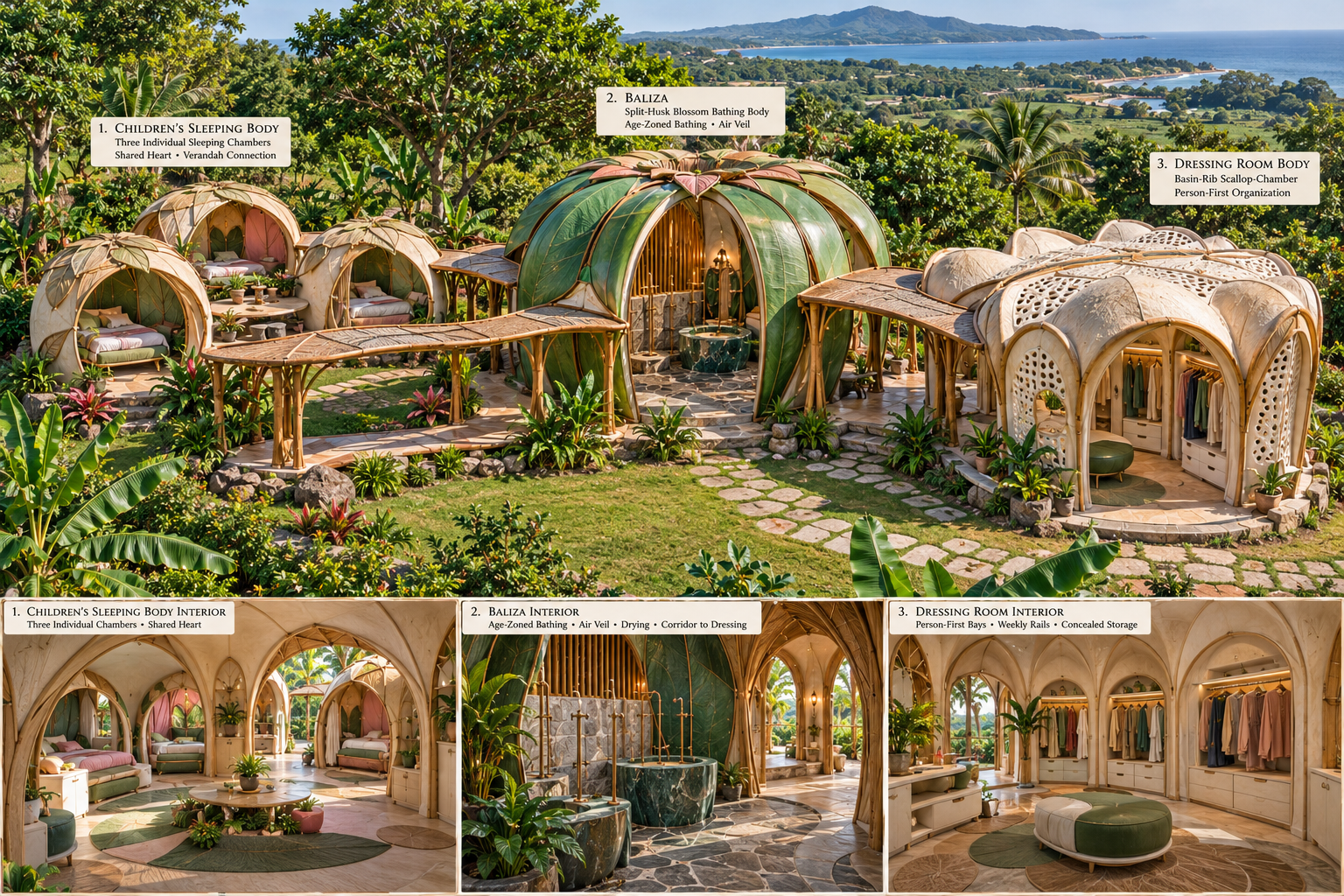
Family Rain Organ, protected cisterns, proven safe drinking-water treatment, age-friendly bathing and sanitation, Krubaro clean return, protected drains and Water With Life landscapes form connected but safely separated functions. Compound Shubaka may include supervised upkeep, planting and learning; necessary repairs and treatment must be handled by qualified stewards without loading the family with avoidable work.
The open-water landscape route is not a potable-water treatment train. Keep source water, drinking water and treated/non-potable return systems safely separated. Neither stones, roots nor ordinary soil infiltration alone prove removal of pathogens or chemicals. Protect wellheads from surface return and test performance. These are authored designs until independently measured in operation.
Drinking water, hygienic sanitation and open living-water landscapes must have safe, separated routes. Family Shubaka may support suitable upkeep and learning, but household access never depends on a contribution role.
Trott Bailey design works: Family Rain Organ V1.1 — Domestic Water Catchment ↗ · Entering the Trott Bailey Civilization — Money-Free Starting Line ↗
Safe water + sanitation and shared Water/Energy clearance
One shared Water/Energy Gate, and two separately proven services
The national 0–4 direct gate is shared between Water and Energy. Safe water and hygienic sanitation may reach people through paid infrastructure, and the Water category must record that real physical access. High free-access Reach levels require evidence of reliable no-payment water; a shared Gate 4/4 additionally requires independently proven universal free essential household energy. Safe sanitation remains necessary even where water is free. No automatic second penalty is imposed by adding direct gate points into the category formula.
Water access is not sanitation access
Record safely managed drinking water and safely managed sanitation separately, then prove the actual people receiving both.
Safe and reliably usable
A pipe or free tap does not establish potable safety, continuity, household availability or dignified sanitation.
Combined population coverage
Reach A% counts the people with BOTH essential services. Do not infer their intersection from two national rates.
Free-water population
Reach M% counts reliable domestic water available without ordinary payment for that same adequately served population.
Water/Energy joint gate
Full 4/4 requires independent verified no-payment essential energy AND safe water access. Water-only evidence cannot clear the joint gate.
Friction is observed separately
Tariffs, disconnection, collection time, broken drains, contamination and avoidable repair burden inform Friction using dated evidence.
| Effective money-free reach | Shared Water/Energy gate |
|---|---|
| Verified no-payment 0% of both water and energy essential access | 0/4 |
| Some reliable effective joint free access, below 30% | 0.5/4 |
| 30% to below 50% verified joint free access | 1/4 |
| 50% to below 75% verified joint free access | 2/4 |
| 75% to below 100% reliable joint free access | 3/4 |
| 100% safe and usable domestic water plus essential household energy free, with necessary sanitation verified | 4/4 |
Eight 25-point jumps
Exactly what earns each score?
| Score | Capacity | Reach | Friction / Loss | Return / Regeneration |
|---|---|---|---|---|
| -100 | Drinking-water and sanitation provision has collapsed; no dependable protected system serves ordinary households. | Fewer than 5% of people are verified to receive both safe drinking water and safely managed sanitation. | Extreme contamination, dangerous sewage, displacement, severe water collection burden and repeated service exclusion are common. | Pollution and extraction destroy water bodies, living ground and future water security with little protection. |
| -75 | Scattered water points and sanitation exist; contamination and service breakdown are frequent. | About 5–24% are verified to receive both services; most families remain excluded. | Frequent illness hazards, lengthy water collection, disconnections or open waste conditions impose severe family burden. | Severe groundwater depletion, contamination, erosion or untreated returns continue with failing restoration. |
| -50 | Basic water provision is present, but treatment, collection, sewerage or safe onsite sanitation is seriously inadequate. | About 25–39% receive both services; major geographic and household access gaps persist. | Heavy water bills or repeated water collection, unsafe wastewater and persistent leak/service failures affect many households. | Some protection exists but water quality, recharge, wetlands or safe wastewater management are declining. |
| -25 | Functioning basic supply and sanitation in parts of the country; substantial gaps in quality, continuity or wastewater management remain. | About 40–49% receive both services; reliable service still excludes a majority. | Working services exist but major collection, interruption, bill, hygiene or safe-disposal burdens persist. | Isolated safe reuse or source protection programmes exist while substantial watershed and return failures persist. |
| 0 | Basic operating systems deliver water and sanitation to much of the population, with uneven safe management and resilience. | At least 50% and up to 75% receive both safe drinking water and safely managed sanitation; equality gaps remain. | Routine services are usable for many, with mixed affordability, waiting, interruptions or avoidable leaks. | Basic source protection and wastewater care operate, but regeneration, storage and reuse are incomplete. |
| +25 | Broadly available improved water infrastructure, effective sanitation capability and working maintenance, with verified service performance. | Over 75% receive both services, including a checked rural and underserved-group breakdown. | Verified reductions in collection time, contamination, disconnections, outages and leakage for many households. | Measured repair of some waterways, aquifers, wetlands and safe water-return systems, with improving household reserves. |
| +50 | Strong, tested water treatment, safe sanitation, storage, maintenance and reliable supply in most communities. | Over 75% receive both services AND over 30% have dependable money-free domestic water; consistent Water/Energy direct-gate evidence is recorded. | Most households face substantially less payment, collection, illness, outage and sanitation-management burden. | Working watershed and catchment protection, safe rain capture, fit-for-purpose reuse, wastewater treatment and documented recovery. |
| +75 | Near-universal, reliable, climate-resilient capacity for safe domestic water and sanitation, including remote communities. | Over 90% receive both services, at least 75% receive dependable money-free domestic water, and the shared Water/Energy Gate reaches at least 3/4 with verified reliability. | Collection, failure and payment burdens are exceptional; safe, serviceable sanitation and accessible repairs predominate. | Broad restoration and monitoring of aquifers, soil infiltration, rivers, healthy landscapes and safe return without exposing drinking-water sources. |
| +100 | Universal, tested, continuously serviceable capacity for safe drinking, washing and sanitation with resilient storage, adaptation and repairs. | Every person reliably receives safe water AND safely managed sanitation without ordinary payment, with the shared Water/Energy Gate independently verified at 4/4. | No ordinary payment or avoidable access burden, prompt repair, dignified sanitation, protected worker conditions and minimal preventable leakage or disease exposure. | Long-term measured water security, protected sources, responsible withdrawals, safe return and living-water landscapes that sustain families, ecology and future generations. |
Beleshky 1 · 25% of Water
Capacity
Can the country reliably provide safe drinking water, dignified sanitation and household water services?
Drinking-water and sanitation provision has collapsed; no dependable protected system serves ordinary households.
Read the Trott Bailey foundation ↗Scattered water points and sanitation exist; contamination and service breakdown are frequent.
Read the Trott Bailey foundation ↗Basic water provision is present, but treatment, collection, sewerage or safe onsite sanitation is seriously inadequate.
Read the Trott Bailey foundation ↗Functioning basic supply and sanitation in parts of the country; substantial gaps in quality, continuity or wastewater management remain.
Read the Trott Bailey foundation ↗Basic operating systems deliver water and sanitation to much of the population, with uneven safe management and resilience.
Read the Trott Bailey foundation ↗Broadly available improved water infrastructure, effective sanitation capability and working maintenance, with verified service performance.
Read the Trott Bailey foundation ↗Strong, tested water treatment, safe sanitation, storage, maintenance and reliable supply in most communities.
Read the Trott Bailey foundation ↗Near-universal, reliable, climate-resilient capacity for safe domestic water and sanitation, including remote communities.
Read the Trott Bailey foundation ↗Universal, tested, continuously serviceable capacity for safe drinking, washing and sanitation with resilient storage, adaptation and repairs.
Read the Trott Bailey foundation ↗Evidence needed
- Measured drinking-water quality and reliability: national and local water testing, continuity and infrastructure records.
- Safely managed sanitation, wastewater containment and treatment including on-site systems; record households using each type.
- Storage, source-protection, resilience and maintenance capability; distinguish operating services from planned works.
How to improve
- Repair unsafe supply, ensure validated quality testing and protect household access.
- Build safe wastewater and sanitation routes alongside water supply rather than celebrating pipes alone.
- Expand reliable storage, rain catchment with treatment where suitable, remote services and quick-maintenance support.
Beleshky foundation: Family Rain Organ V1.1 — Domestic Water Catchment ↗
↑ All four beleshky levelsBeleshky 2 · 35% of Water
Reach
What percentage of people actually receive both safely managed drinking water and sanitation?
Fewer than 5% of people are verified to receive both safe drinking water and safely managed sanitation.
Read the Trott Bailey foundation ↗About 5–24% are verified to receive both services; most families remain excluded.
Read the Trott Bailey foundation ↗About 25–39% receive both services; major geographic and household access gaps persist.
Read the Trott Bailey foundation ↗About 40–49% receive both services; reliable service still excludes a majority.
Read the Trott Bailey foundation ↗At least 50% and up to 75% receive both safe drinking water and safely managed sanitation; equality gaps remain.
Read the Trott Bailey foundation ↗Over 75% receive both services, including a checked rural and underserved-group breakdown.
Read the Trott Bailey foundation ↗Over 75% receive both services AND over 30% have dependable money-free domestic water; consistent Water/Energy direct-gate evidence is recorded.
Read the Trott Bailey foundation ↗Over 90% receive both services, at least 75% receive dependable money-free domestic water, and the shared Water/Energy Gate reaches at least 3/4 with verified reliability.
Read the Trott Bailey foundation ↗Every person reliably receives safe water AND safely managed sanitation without ordinary payment, with the shared Water/Energy Gate independently verified at 4/4.
Read the Trott Bailey foundation ↗Evidence needed
- WHO/UNICEF JMP nationally comparable safely managed drinking-water and sanitation rates and their respective source years.
- Verified share with BOTH services (same people, same period), using linked microdata or audits. Do not infer overlap from separate percentages.
- Document household free-water population M%, including disconnection, real-world reliability and the shared Water/Energy Gate evidence; rural, vulnerable and family-of-five availability.
How to improve
- Measure and close the uncovered population with both safe services, especially areas and households left out.
- Establish verified money-free, uninterrupted drinking/washing supply across ordinary household life, not one free tap or a subsidy announcement.
- For +75 or +100, verify combined coverage AND matching direct Water/Energy Gate clearance; complete energy clearance separately.
Beleshky foundation: Entering the Trott Bailey Civilization — Money-Free Starting Line ↗
↑ All four beleshky levelsBeleshky 3 · 25% of Water
Friction / Loss
What bills, contamination, collection time, service failures and return-system burdens consume household life?
Extreme contamination, dangerous sewage, displacement, severe water collection burden and repeated service exclusion are common.
Read the Trott Bailey foundation ↗Frequent illness hazards, lengthy water collection, disconnections or open waste conditions impose severe family burden.
Read the Trott Bailey foundation ↗Heavy water bills or repeated water collection, unsafe wastewater and persistent leak/service failures affect many households.
Read the Trott Bailey foundation ↗Working services exist but major collection, interruption, bill, hygiene or safe-disposal burdens persist.
Read the Trott Bailey foundation ↗Routine services are usable for many, with mixed affordability, waiting, interruptions or avoidable leaks.
Read the Trott Bailey foundation ↗Verified reductions in collection time, contamination, disconnections, outages and leakage for many households.
Read the Trott Bailey foundation ↗Most households face substantially less payment, collection, illness, outage and sanitation-management burden.
Read the Trott Bailey foundation ↗Collection, failure and payment burdens are exceptional; safe, serviceable sanitation and accessible repairs predominate.
Read the Trott Bailey foundation ↗No ordinary payment or avoidable access burden, prompt repair, dignified sanitation, protected worker conditions and minimal preventable leakage or disease exposure.
Read the Trott Bailey foundation ↗Evidence needed
- Tariffs, household water/sanitation spending, disconnections and arrears; differentiate legal free entitlements from actually usable no-payment services.
- Water collection journey and queuing time, supply hours per day, leakage/non-revenue water and health-related contamination incidents.
- Sewage overflow and treatment failure, rural burden, disability access and sanitation-worker protections.
How to improve
- Fix recurring leaks, unreliable pumping, unsafe drains, wastewater spills and costly disconnections.
- Reduce water collection and waiting hours through working household service and timely support.
- Remove ordinary money gates with verified universal access and protect workers who repair and clean systems.
Beleshky foundation: Prado Drainage, Mosquitoes & Unplanned Municipal Systems ↗
↑ All four beleshky levelsBeleshky 4 · 15% of Water
Return / Regeneration
Does the water system protect groundwater, healthy living ground and future family water security?
Pollution and extraction destroy water bodies, living ground and future water security with little protection.
Read the Trott Bailey foundation ↗Severe groundwater depletion, contamination, erosion or untreated returns continue with failing restoration.
Read the Trott Bailey foundation ↗Some protection exists but water quality, recharge, wetlands or safe wastewater management are declining.
Read the Trott Bailey foundation ↗Isolated safe reuse or source protection programmes exist while substantial watershed and return failures persist.
Read the Trott Bailey foundation ↗Basic source protection and wastewater care operate, but regeneration, storage and reuse are incomplete.
Read the Trott Bailey foundation ↗Measured repair of some waterways, aquifers, wetlands and safe water-return systems, with improving household reserves.
Read the Trott Bailey foundation ↗Working watershed and catchment protection, safe rain capture, fit-for-purpose reuse, wastewater treatment and documented recovery.
Read the Trott Bailey foundation ↗Broad restoration and monitoring of aquifers, soil infiltration, rivers, healthy landscapes and safe return without exposing drinking-water sources.
Read the Trott Bailey foundation ↗Long-term measured water security, protected sources, responsible withdrawals, safe return and living-water landscapes that sustain families, ecology and future generations.
Read the Trott Bailey foundation ↗Evidence needed
- Groundwater/river trends, quality testing, withdrawals, verified infiltration and ecosystem or watershed condition.
- Wastewater safely treated, reuse appropriate to its safety class, rain capture operation and contamination control.
- Long-term evidence that proposed open-water cooling, habitats, irrigation or infiltration worked rather than presumed benefit.
How to improve
- Protect drinking-water wells and catchments; treat household/industrial wastewater rather than routing it into soil without proof of safety.
- Use safe rain collection and appropriate treated-water reuse, monitor water balances and repair leaking infrastructure.
- Build Water With Life landscapes where tests show better infiltration, cooling, roots and habitat without compromising potable systems.
Beleshky foundation: Water Your Orchards With Life — Open Living Water ↗
↑ All four beleshky levelsHypothetical scoring lab
Test how changes move the Water & Sanitation score
This calculator illustrates the weighted Water & Sanitation method. It does not alter a country, its evidence, or ranking.
Water & Sanitation = 0.25 × Capacity + 0.35 × Reach + 0.25 × Friction/Loss + 0.15 × Return/Regeneration. National diagnostic contribution = Water & Sanitation × 0.06, before overall Money Gate rules.
Transparent country research
What a country must prove to climb
Water supply is not automatically safe sanitation
JMP safely managed drinking water requires an improved source on premises, available when needed and free from contamination. Safely managed sanitation requires improved unshared facilities with excreta safely treated or disposed of. Neither proves money-free access. Account for both in every high Reach claim.
Water & Sanitation measures water quality, facilities, clean return and water health. Energy scores electricity and thermal services separately. Human Time assesses hours returned, and Living Ground measures wider ecological health. Shared source evidence may support distinct outcomes but never automatic duplicate points.
Document the before and after
Each national beleshky shows source URL, year, denominator, the exact quantity measured, separate safely managed water and sanitation shares, their documented intersection if available, rural differences, continuity and direct Water/Energy Gate records. If overlap or full free population coverage is unknown, mark it pending.
Publishing this guide does not change national scores, rankings, money gates or recorded events. Re-scores require a separate dated source-backed country review and preserved before/after ranking history.
Independent measurement references
Research sources for actual country conditions
Trott Bailey writings establish the benchmark. These outside measurement sources help verify real conditions in a specific country. None automatically establishes a beleshky score.
Authored design sources

 and then