
Behind the Beauty — Sherika District Events Pavilion

Behind the Beauty: Sherika District Events Pavilion
How a free, Pacorips-organized Sherika District pavilion turns silhouette debut nights, fabric inspection, atelier booking, community rooms, water-garden arrival, lanterns, Service Shadow, and event reset into meaningful Shubaka contribution.
The Point of This Article
The point of this article is simple:
Shubaka means meaningful kingdom contribution: the roles people carry because civilization must be cared for.
This pavilion creates Shubaka through construction.
Through event hosting.
Through fashion presentation.
Through fabric inspection.
Through consultation and booking.
Through community rooms.
Through Pacorips scheduling.
Through Service Shadow reset.
Through water-garden care.
Through lantern mood.
Through cleaning, repair, maintenance, renewal, and worker recovery.
Pacorips is the Trott Bailey digital care-routing and organization system. In this pavilion, Pacorips keeps bookings, waitlists, reminders, consultation slots, atelier appointments, room reservations, event calendars, Service Shadow preparation, and follow-up organized.
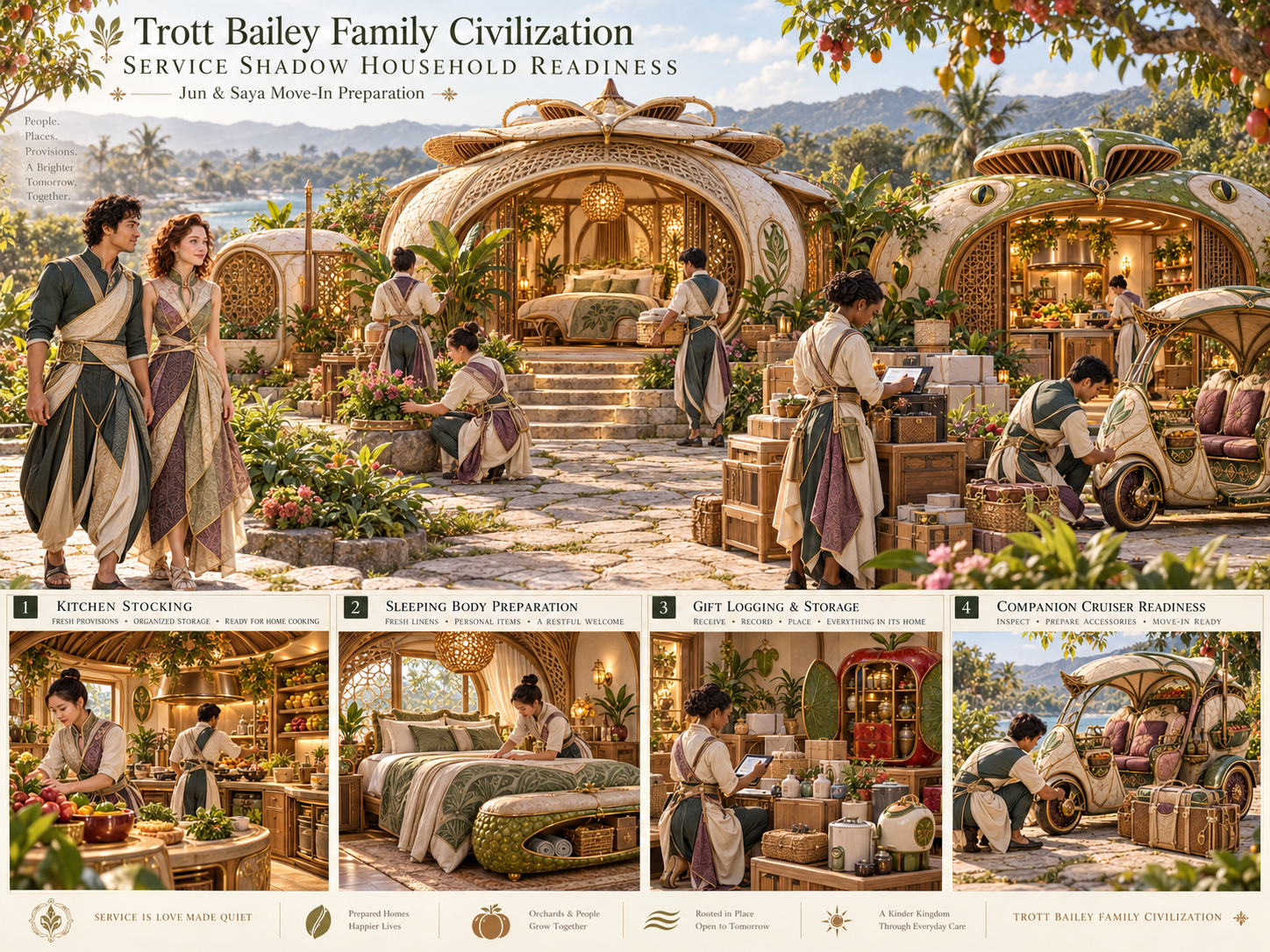
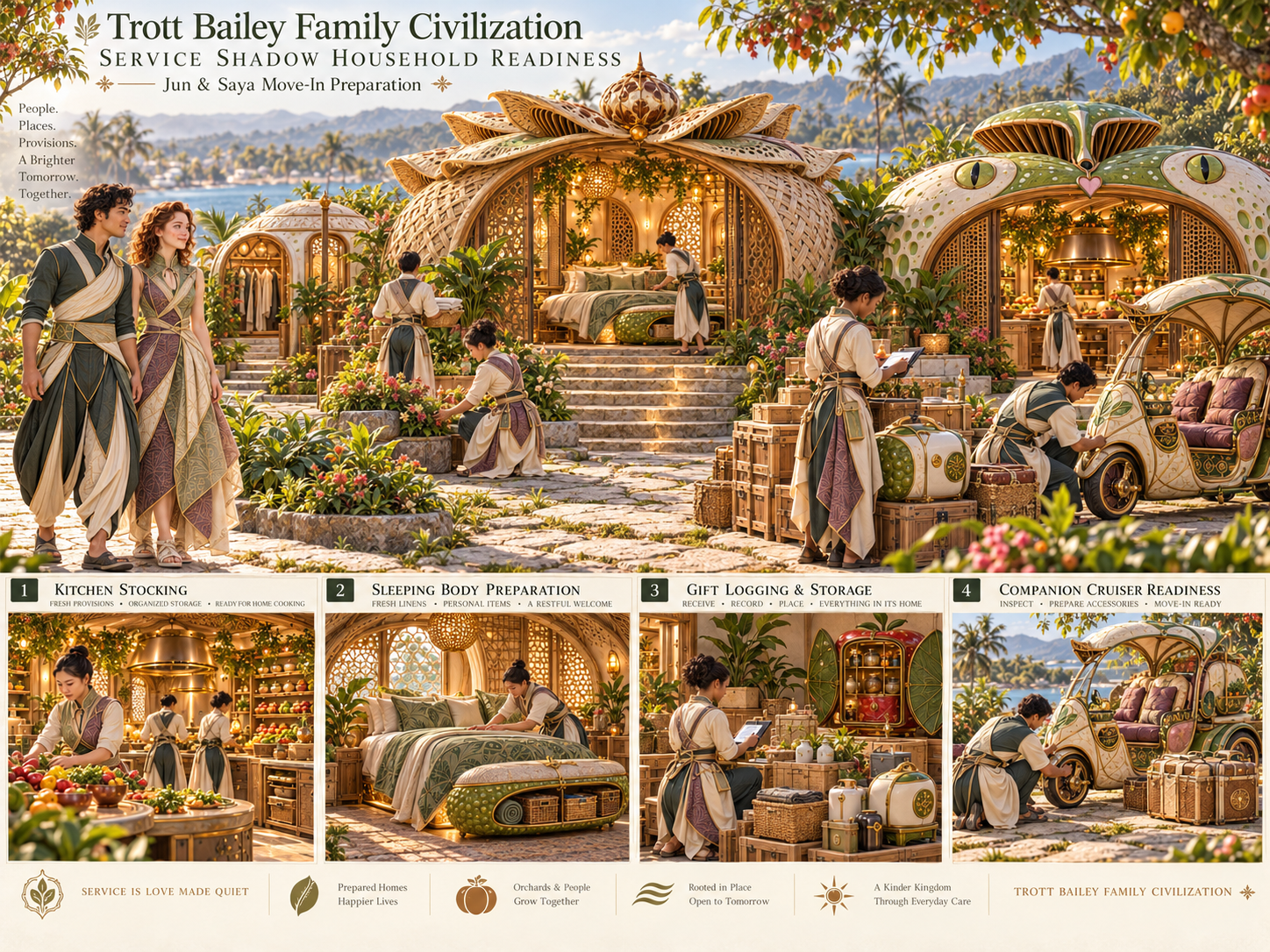
Service Shadow is the protected behind-the-scenes support layer that keeps public beauty working without humiliating or exhausting the workers. It includes setup, cleaning, repair, storage, worker recovery, tool movement, backstage preparation, and post-event reset.
This Is Not the Only Sherika District Pavilion
Sherika District has several pavilion types.
This article is focused on the Sherika District Events Pavilion.
This is the pavilion used for Sherika District silhouette debut nights, fashion events, night events, district presentations, public gatherings, community-room bookings, and event life.
Other Sherika District pavilions have different jobs.
One branch supports families after they finish registration or routing at the District Pacorips building. The District Pacorips building is the district hub where Pacorips nodes help organize care-routing, family support, public-life access, and next steps. After that process, families need a calmer welcome pavilion where they can sit, understand the district, receive guidance, and move into Sherika life without feeling like they were processed through an office.
Another branch is for foreign affairs and international reception. That pavilion receives officials from other nations, press visitors, foreign delegations, and external guests who need protocol, translation, media flow, security-with-dignity, and sovereign presentation.
This article is not about those pavilions.
Do Not Reduce This to a Luxury Event Venue
Do not reduce this pavilion to a hotel event hall.
Not a resort pavilion.
Not a wedding venue.
Not a mall event center.
Not a conference center.
Not a modern opera house.
Not a celebrity runway venue.
Not a commercial banquet hall.
Not old-world fashion week wrapped in prettier architecture.
A hall like this must receive beautifully.
Host beautifully.
Present beautifully.
Organize beautifully.
Recover beautifully.
That last part matters.
A pavilion that can host an exciting night event but cannot reset afterward is not a civilization pavilion.
A pavilion that can display garments but cannot route families into consultation and making is not deep enough.
A pavilion that can take bookings but cannot protect fairness is not trustworthy.
A pavilion that looks beautiful but hides exhausted workers in ugly back routes has failed the very beauty it claims to represent.
Why Sherika District Has Fashion Events
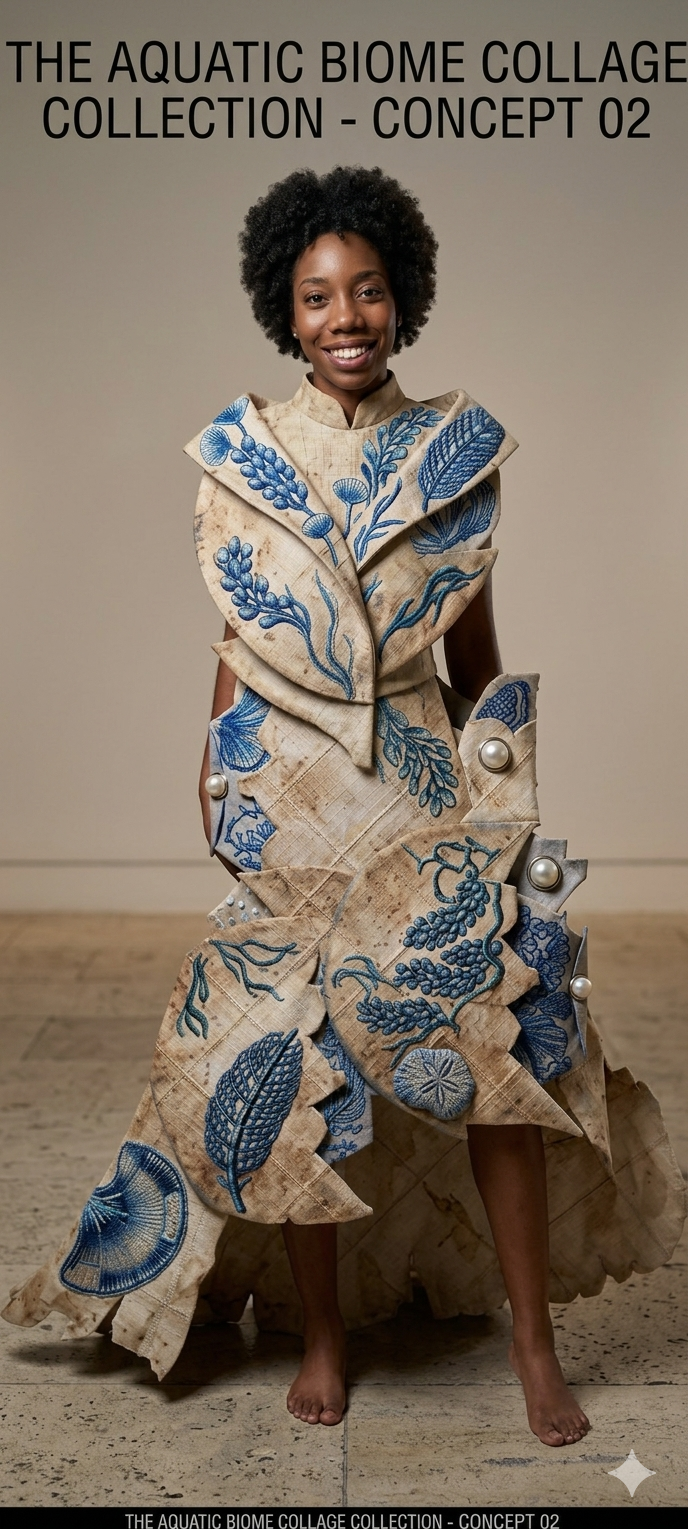
Sherika District Events Pavilion is where new Sherika District garment silhouettes and designs specific to Sherika District are debuted to the families who live there.
This is different from kingdom-wide fashion shows held at Balushu. Balushu carries the larger civilization-wide public fashion stage. Sherika District carries something more intimate and district-specific.
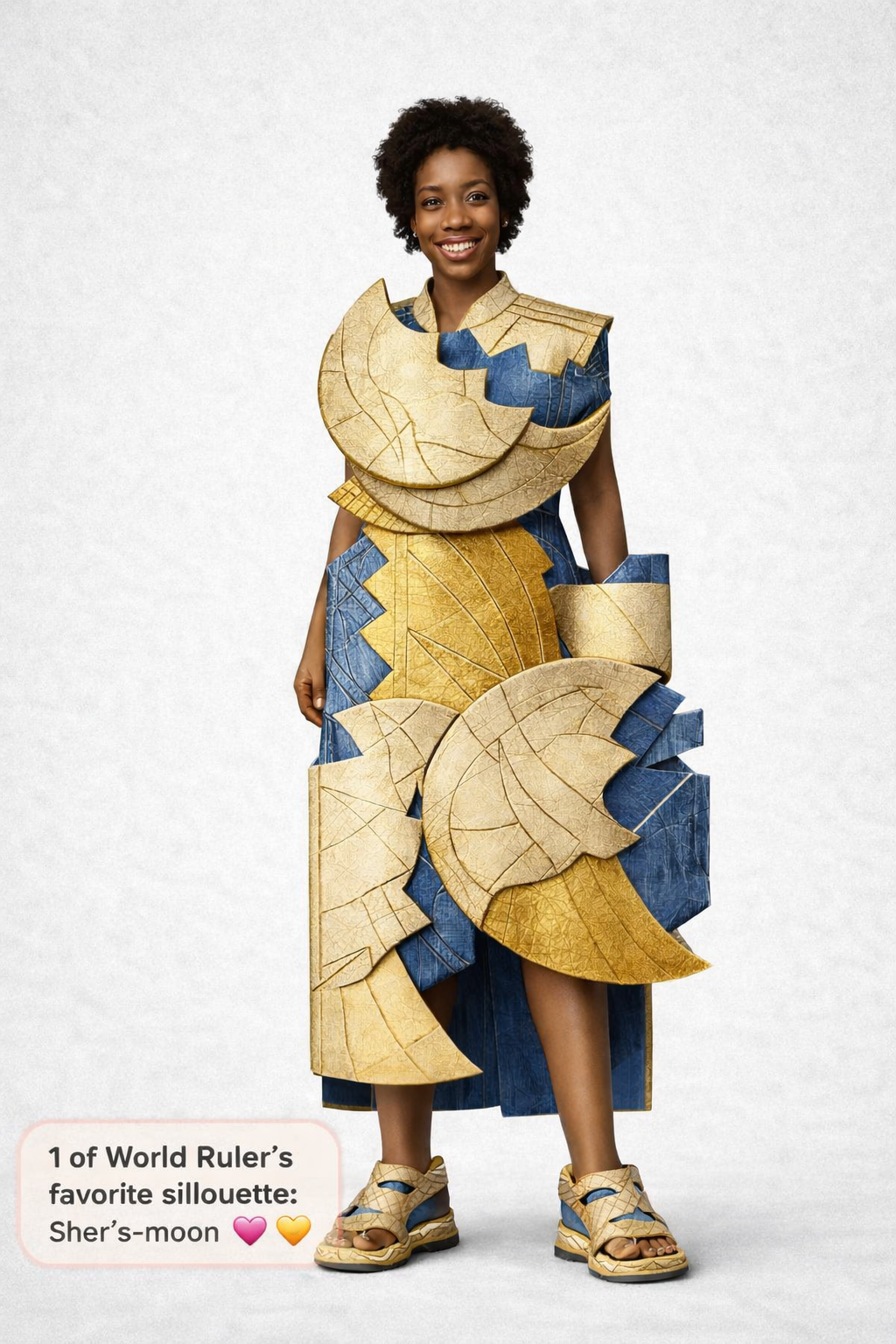
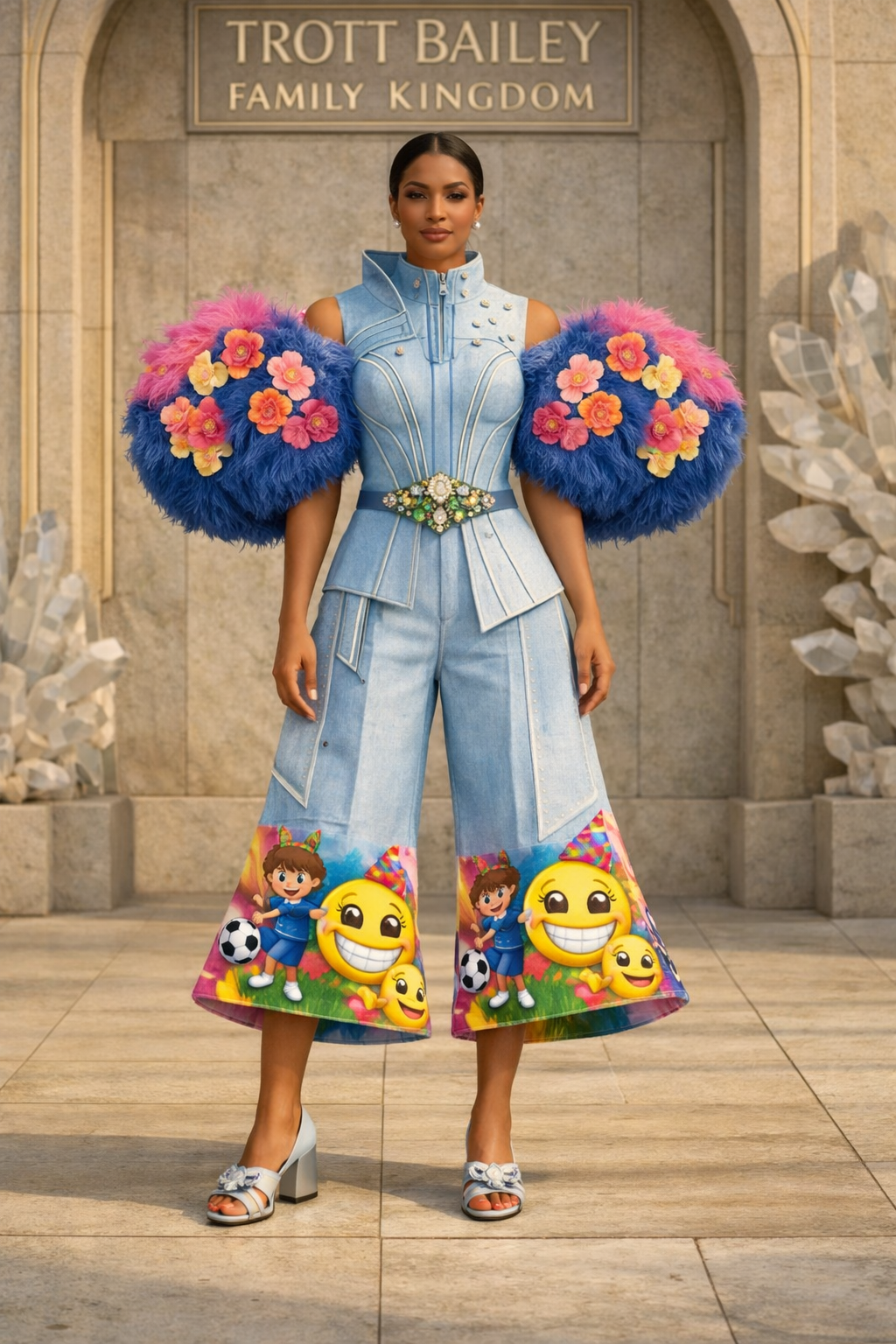
World Ruler Sher loves fashion deeply. She especially loves fashion that is bold, striking, quirky, authored, and not afraid to push beyond ordinary taste. The people who prefer to live in Sherika District tend to share that appetite. They want stronger silhouettes, more expressive garments, more unusual details, more fashion conversation, more fabric inspection, more design debate, and more direct pathways from idea to garment.
So Sherika District residents cannot help themselves. They find ways to have fashion events.
Not stiff fashion events.
Not commercial runway shows.
Not celebrity fashion theater.
Sherika District fashion events are district-life events: families gather, new silhouettes are displayed, fabric is touched, craftsmanship is inspected, opinions are given, quick consultations happen, and those who want the garment can book through Pacorips into Sherika District’s atelier system so making can begin soon after.
From Display to Making
The event does not end when the garment leaves the display route.
Families can see the new silhouette.
Watch how it moves.
Notice the neckline.
Touch the fabric.
Inspect the stitching.
Ask about material behavior.
Compare color branches.
Give opinions.
Receive quick consultation.
Book a next appointment.
Enter Sherika District’s atelier pathway.
Sherika District ateliers are the district’s making houses: places where seamstresses, tailors, fabric specialists, fit workers, silhouette teams, textile workers, and garment stewards help families move from seeing a design to having it made.
What debuts in the pavilion does not remain spectacle.
That is what makes the event exciting.
The family is not just clapping at unreachable fashion.
The family can begin a real path.
The design can move into appointment.
The appointment can move into measurement.
The measurement can move into making.
The making can move into household life.
The pavilion becomes the first public step in a garment’s path into the family.

Example of Bold Fashion from Sherika District in Trott Bailey Family Kingdom
Behind the Beauty: Sherika District Events Pavilion
The pavilion stays exciting because it stays organized: free access, first-booked-first-served scheduling, Pacorips coordination, event conversion, community rooms, and Service Shadow preparation.
Pacorips Keeps the Pavilion Organized
Sherika District Events Pavilion is exciting because it is organized.
Excitement without organization becomes crowding, missed appointments, lost names, unfair access, overworked hosts, confused families, and messy follow-up.
Pacorips prevents that.
Pacorips is the digital organization layer that keeps the pavilion’s bookings, reminders, waitlists, consultation slots, room schedules, atelier appointments, Service Shadow preparation, and follow-up coordinated.
It is not surveillance.
It is not social credit.
It is not cold bureaucracy.
It is not there to turn fashion, community, or family life into forms and pressure.
It is there so free access does not turn into disorder.
No selling access.
No favoritism.
No private gatekeeping.
No hidden room deals.
No confusion over who booked what.
Families and groups book through Pacorips, and the order is honored.
What Pacorips Organizes During Silhouette Debut Nights
During new Sherika District garment silhouette debut nights, Pacorips keeps many moving parts connected.
Families need to know when the event is happening.
Hosts need to know attendance flow.
Fabric stations need to know how many people are expected.
Consultation workers need time slots.
Atelier teams need appointment routing.
Service Shadow needs setup windows and reset timing.
- Event calendar listing.
- Family notifications.
- Attendance booking.
- Seating or arrival waves.
- Silhouette catalog previews.
- Fabric and craftsmanship interest records.
- Touch-and-feel station flow.
- Quick consultation queue.
- Atelier appointment booking.
- Follow-up reminders.
- Garment preference notes.
- Maker, seamstress, tailor, and fit-team routing.
Behind the Fabric Inspection and Consultation Flow
Fabric inspection is not random touching.
If families are going to inspect craftsmanship properly, the pavilion needs workers who prepare the fabric stations, explain the material, protect the garments, guide touch, answer questions, and route interest cleanly.
Beyond the Main Hall: Community Rooms and Smaller Gatherings
The Sherika District Events Pavilion is not alive only on big fashion nights.
It also has rooms that can be booked by Sherika District community groups for meetups, presentations, subculture events, study circles, small showcases, discussions, and local gatherings.
That matters.
A district event pavilion should not live only for big nights.
It should also support the smaller circles, groups, discussions, and subcultures that keep district life alive.
- Community group meetups.
- Small presentations.
- Fabric appreciation circles.
- Design discussion groups.
- Youth taste and silhouette conversations.
- Women’s gatherings.
- Family-life discussions.
- Skill-sharing sessions.
- Small hosted evenings.
- District subculture events.
- Local maker presentations.
- Planning meetings for future Sherika events.
These rooms also stay free.
But they must be scheduled.
Free does not mean people can collide over the same room, leave it dirty, overstay without reset, or ignore the next group.
Community Room Roles
Once the pavilion has bookable community rooms, more Shubaka appears.
These are not fake jobs.
These roles exist because free public rooms need order, preparation, hospitality, room reset, and fair access.
Reception by Day, Event Life by Night
The Sherika District Events Pavilion has rhythm.
By day, it receives.
By night, it presents.
By day, families may arrive for room bookings, small gatherings, consultations, planning meetings, and district presentations.
By night, the pavilion can shift into silhouette debut nights, fashion displays, cultural evenings, public gatherings, ceremony arrivals, and district-hosted events.
Behind the Event Conversion
A building that changes mode creates more roles.
Daytime reception layout is not the same as silhouette debut night.
Community room setup is not the same as fashion presentation setup.
A small group discussion does not require the same lantern mood as a district night event.
That means the pavilion needs event conversion workers.


Trott Bailey Family Civilization authors distinct clothing wear for different roles for the purposes of functionality, organization, durability and beauty.

Behind the Beauty: Sherika District Events Pavilion
Before the pavilion can host silhouette debuts, community rooms, fashion consultations, and night events, it has to be imagined, placed, engineered, built, finished, tested, verified, and opened by a visible construction team with hierarchy, rolewear, tools, and responsibility.
Before the Pavilion Creates Event Shubaka, It Creates Building Shubaka
The Sherika District Events Pavilion creates Shubaka before the first silhouette debut night ever happens.
Shubaka means meaningful kingdom contribution: roles created because civilization must be cared for.
Before a family touches fabric in the hall, someone has to build the hall.
Before Pacorips can organize room bookings, someone has to design the rooms.
Pacorips is the Trott Bailey digital care-routing and organization system. In this pavilion, it organizes event bookings, room reservations, reminders, waitlists, consultation slots, atelier appointments, Service Shadow preparation, and follow-up so free public access stays fair and orderly.
Before Service Shadow can reset the event, someone has to build the Service Shadow routes.
Service Shadow is the protected behind-the-scenes support layer that keeps public beauty working without humiliating or exhausting workers. It includes setup, cleaning, repair, storage, worker recovery, tool movement, backstage preparation, and post-event reset.
Before lanterns can be recalibrated for a night event, someone has to fabricate, wire, install, test, and protect the lantern system.
Before the water-garden arrival can slow the body and dignify the event entrance, someone has to route water, shape the stone, install drainage, test slip safety, and plant the threshold.
That is construction Shubaka.
It is not one job.
It is not one contractor.
It is not one architect pointing at a drawing.
A pavilion this complete creates a whole building ecosystem before the public ever sees the first event.
The Construction Team Is Visible, Ranked, and Responsible
The construction team is not a crowd of unnamed workers in matching uniforms.
It has hierarchy, role clarity, tool logic, material intelligence, and visible responsibility.
The Petale Pavilion Build-Life rolewear system shows this clearly.
The people building the pavilion are dressed according to what they carry.
Their tools are visible.
Their medallions identify responsibility.
Their belts, tablets, sample swatches, tool trays, inspection pendants, route seams, and color accents show the work they are trusted with.
This matters because Trott Bailey Family Civilization does not hide construction intelligence behind vague labor.
The public should be able to see that the building was made by people with distinct roles, skill, judgment, authority, and craft.
The construction team is part of the beauty.
Not because the workers are decorative.
Because a civilization that respects work lets responsibility become visible.
The Five Build-Life Rolewear Anchors
The Petale Pavilion Build-Life rolewear board gives the construction layer a clear hierarchy.
These five roles help the reader understand that building the Sherika District Events Pavilion is not generic construction. It is civilization craft with authority, review, precision, height work, safety, and final verification.
The Planning and Design Team
The first construction layer is thought.
The pavilion has to be placed correctly inside Sherika District.
It must connect to district routes, family arrival paths, Pacorips booking flows, event movement, water-garden approach, community-room access, and Service Shadow support.
It must be beautiful, but it must also function.
The Engineering Team
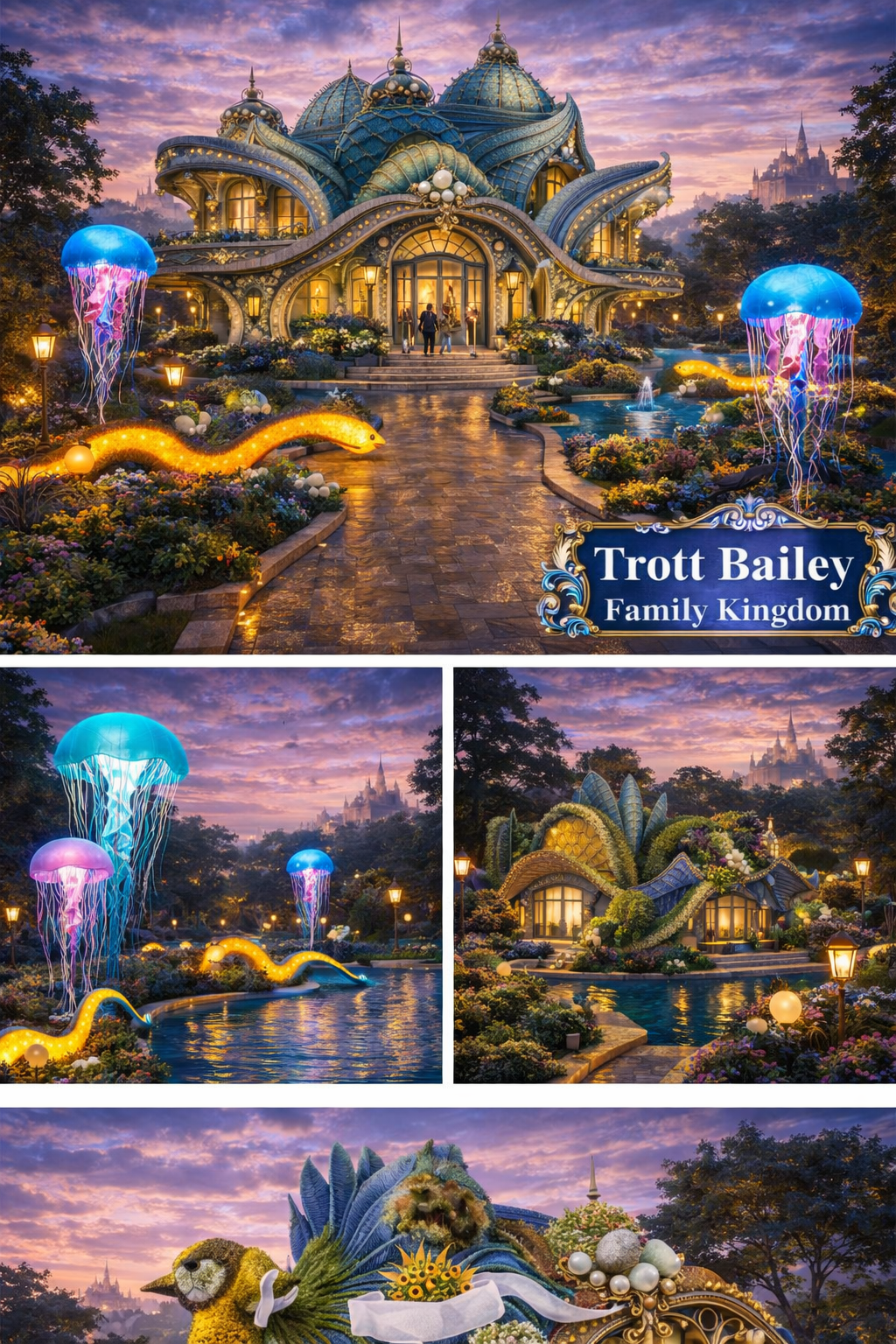
The pavilion has a shell dome, petal roof layers, a lotus crown, warm interior halls, event rooms, water systems, lighting systems, and public crowd movement.
That means engineering cannot be vague.
The building must stand.
Drain.
Ventilate.
Carry sound.
Hold lantern systems.
Support water movement.
Handle event crowds.
Protect workers.
Stay beautiful under real use.
The Craft and Build Teams
Engineering gives the pavilion structure.
Craft gives the pavilion its authored body.
Sherika District Events Pavilion cannot look like a generic venue with a decorative shell stuck on top.
Its stone, ribs, arches, water edges, rooms, lanterns, display surfaces, and seating must all carry Sherika District beauty and function.
The Water-Garden Construction Team
The water-garden arrival is not landscaping added at the end.
It is part of the pavilion’s event body.
It receives people before the doors receive them.
It slows the body.
It cools the approach.
It reflects lantern light.
It softens crowd movement before event entry.
It also creates a full construction team.
The Testing and Opening Team
A building is not ready just because construction ends.
It must be tested.
It must be walked.
It must be lit at night.
It must be checked with families, elders, children, hosts, Service Shadow workers, garment handlers, room-booking teams, and Pacorips flows in mind.
Behind the Water-Garden Arrival During Use
Once the pavilion is alive, the water-garden arrival continues creating roles.
It is event-preparation space.
Water slows the body.
The stair guides arrival.
The pools soften the threshold.
The garden edges calm the crowd.
The lantern reflections make evening arrival feel important without becoming harsh.
Families do not enter through a blank door.
They cross a living Sherika threshold.
Behind the Lanterns and Atmosphere
Sherika District Events Pavilion needs different lighting moods.
Day reception.
Small-room gathering.
Silhouette debut night.
Fabric inspection.
Community presentations.
Night events.
Post-event exit.
The same lighting cannot serve every mode.
Service Shadow Behind the Event
The public sees the water stair.
Service Shadow keeps it clean and safe.
The public sees fabric display stations.
Service Shadow prepares the tables, protects the samples, moves used materials out, and brings clean materials in.
The public sees a glowing hall.
Service Shadow stores the lantern repair tools, cleaning kits, rolewear supplies, seating equipment, presentation materials, and reset carts.
The public sees an exciting event.
Service Shadow protects the workers who make that excitement possible.
- Backstage garment preparation rooms.
- Fabric sample storage and return routes.
- Rolewear repair and host preparation points.
- Lantern repair alcoves.
- Water-system service access.
- Stone and inlay repair storage.
- Community room setup storage.
- Seating reset carts.
- Post-event cleaning routes.
- Worker wash and de-gearing rooms.
- Worker recovery porch.
- Quiet first-aid and firm-care point.
- Pacorips maintenance and event reset check node.
Service Shadow is not servant labor.
It is the protected operating layer that lets a beautiful public hall stay beautiful without crushing the workers who carry the reset.
After Each Event
The pavilion creates Shubaka after each event.
The night does not end when the families leave.
Garment stations must be reset.
Fabric samples must be cleaned, protected, or returned.
Consultation records must be routed.
Atelier appointments must be confirmed.
Seating must be restored.
Water edges must be checked.
Floors must be cleaned.
Lanterns must be inspected.
Workers must recover.
Pacorips must send reminders and follow-up.
Semi-Annual Renewal
The Sherika District Events Pavilion should not be treated as a one-time build.
Twice a year, the pavilion should be reviewed, repaired, refreshed, and adjusted based on real use.
- Inspect shell dome seams and roof behavior.
- Repair petal roof edges and water-worn details.
- Refresh water-garden planting.
- Clean pond sediment and review water quality patterns.
- Recalibrate lantern glow for day, night, event, and community-room use.
- Renew seating fabrics, display surfaces, and consultation tables.
- Repair stair edges, shell inlays, bronze details, and route seams.
- Review event flow patterns and crowd pressure points.
- Review booking data to adjust community room schedules.
- Update silhouette debut flow based on family response.
- Audit Service Shadow routes and worker recovery spaces.
- Review the construction-role feedback from Lead Build Stewards, Material Review Stewards, Inlay Specialists, Roof Petal Technicians, and Quality Sign-Off Stewards.
- Prepare for heavy event seasons.
- Review Pacorips notifications, waitlists, reminders, and follow-up clarity.
Why This Proves Civilization-Scale Shubaka
The Sherika District Events Pavilion is one building.
But it reveals a whole district life system.
Its construction creates Shubaka.
Its build-life rolewear creates Shubaka.
Its material review creates Shubaka.
Its inlay craft creates Shubaka.
Its roof petal installation creates Shubaka.
Its final verification creates Shubaka.
Its silhouette debut nights create Shubaka.
Its fabric inspection stations create Shubaka.
Its consultation flow creates Shubaka.
Its atelier booking creates Shubaka.
Its community rooms create Shubaka.
Its Pacorips scheduling creates Shubaka.
Its water-garden care creates Shubaka.
Its lantern systems create Shubaka.
Its event conversion creates Shubaka.
Its Service Shadow reset creates Shubaka.
Its maintenance and renewal create Shubaka.
The old world asks where jobs will come from because it does not know what civilization is for.
Trott Bailey Family Civilization sees the work required to keep public life beautiful, useful, free, organized, exciting, fair, clean, restorative, and alive.





 and then