CATEGORY 11 / 16 · FOUR-BELESHKY METHODOLOGY · V1.0.0
Beauty should be waiting for families in ordinary life.
A country can be wealthy and busy while ordinary public life remains ugly, hostile, noisy, unsafe or trapped behind admission fees. This category asks what families can genuinely enjoy together, where they can breathe, and whether children, parents and elders find belonging throughout their days.
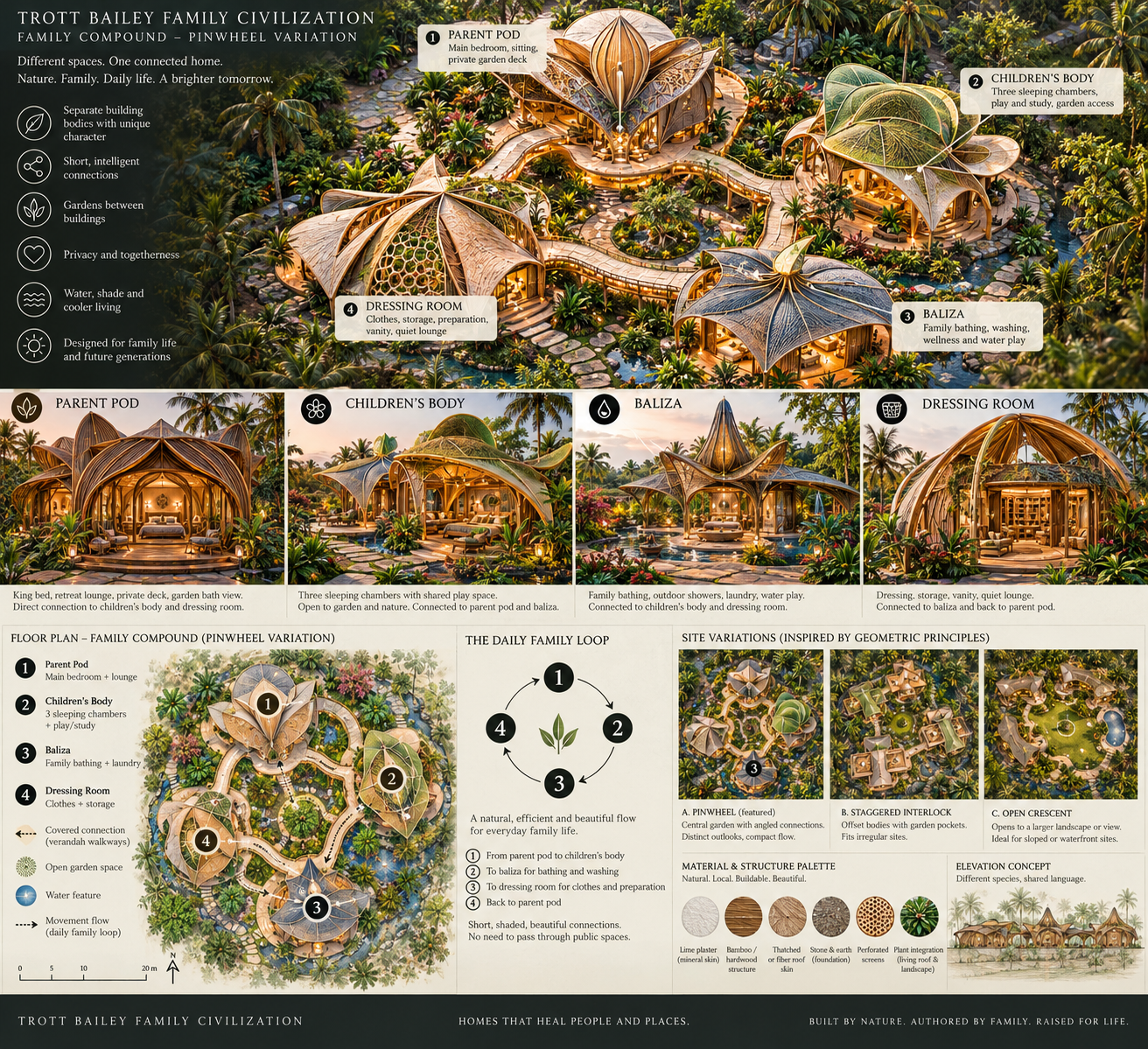
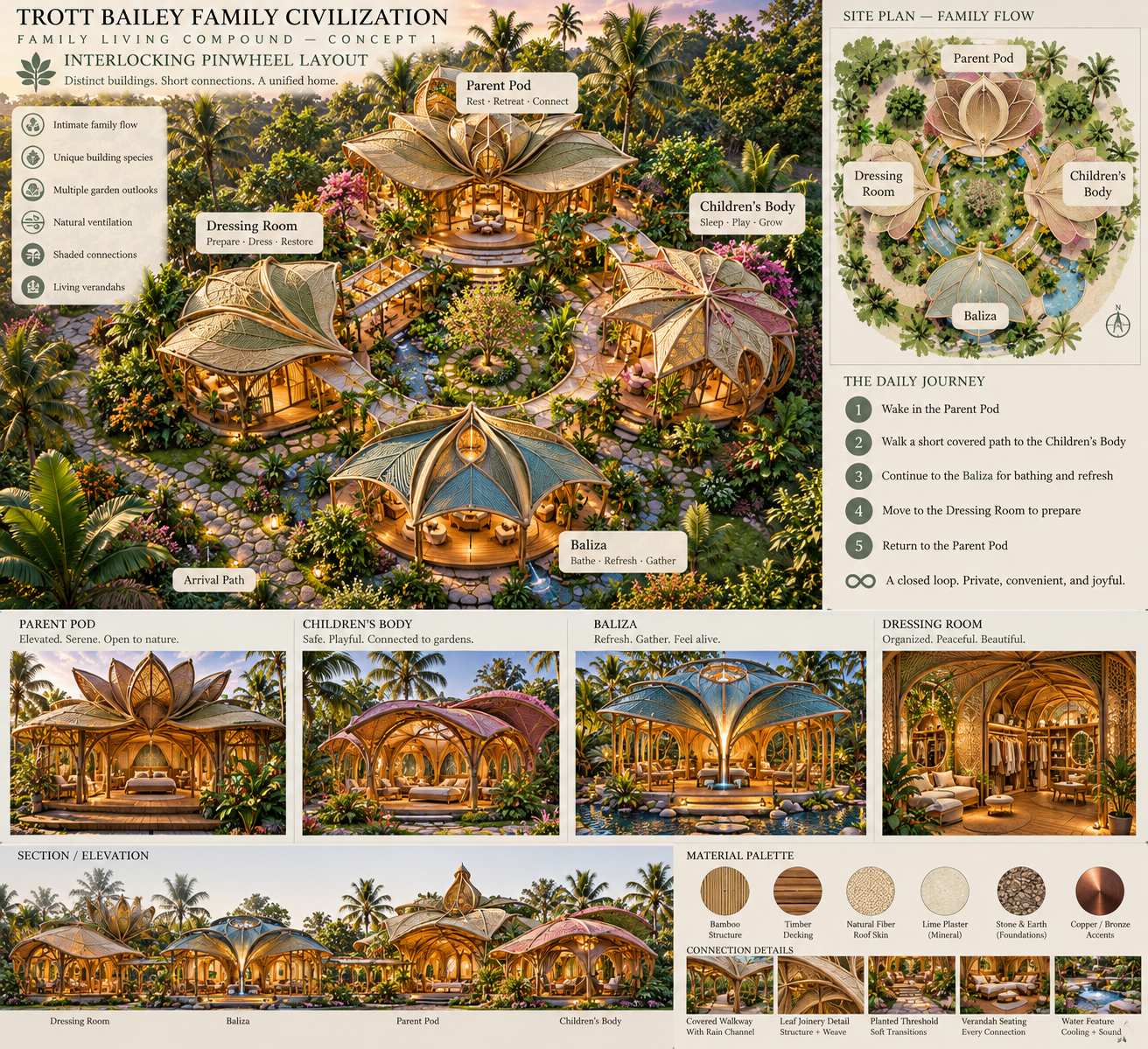
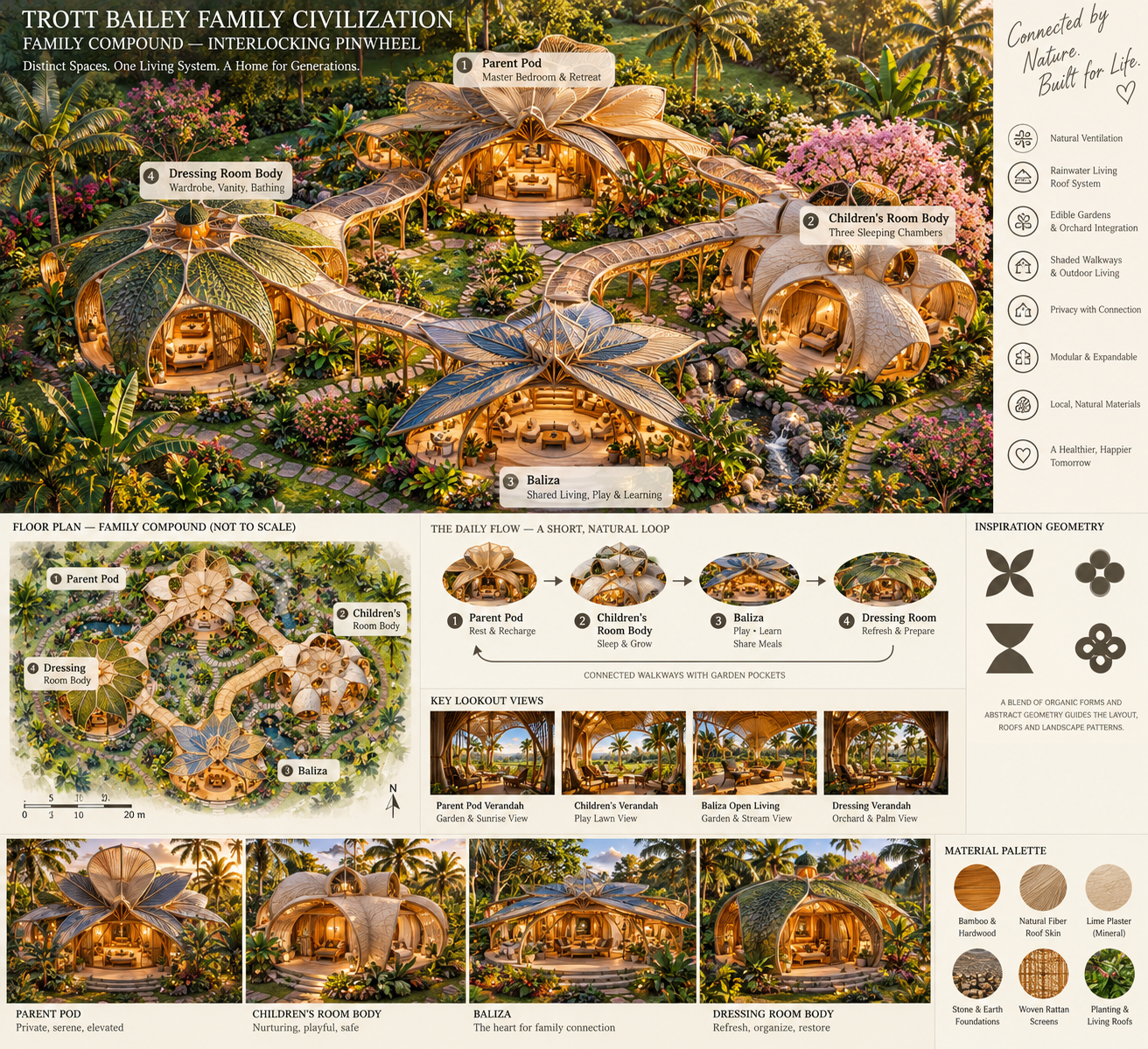
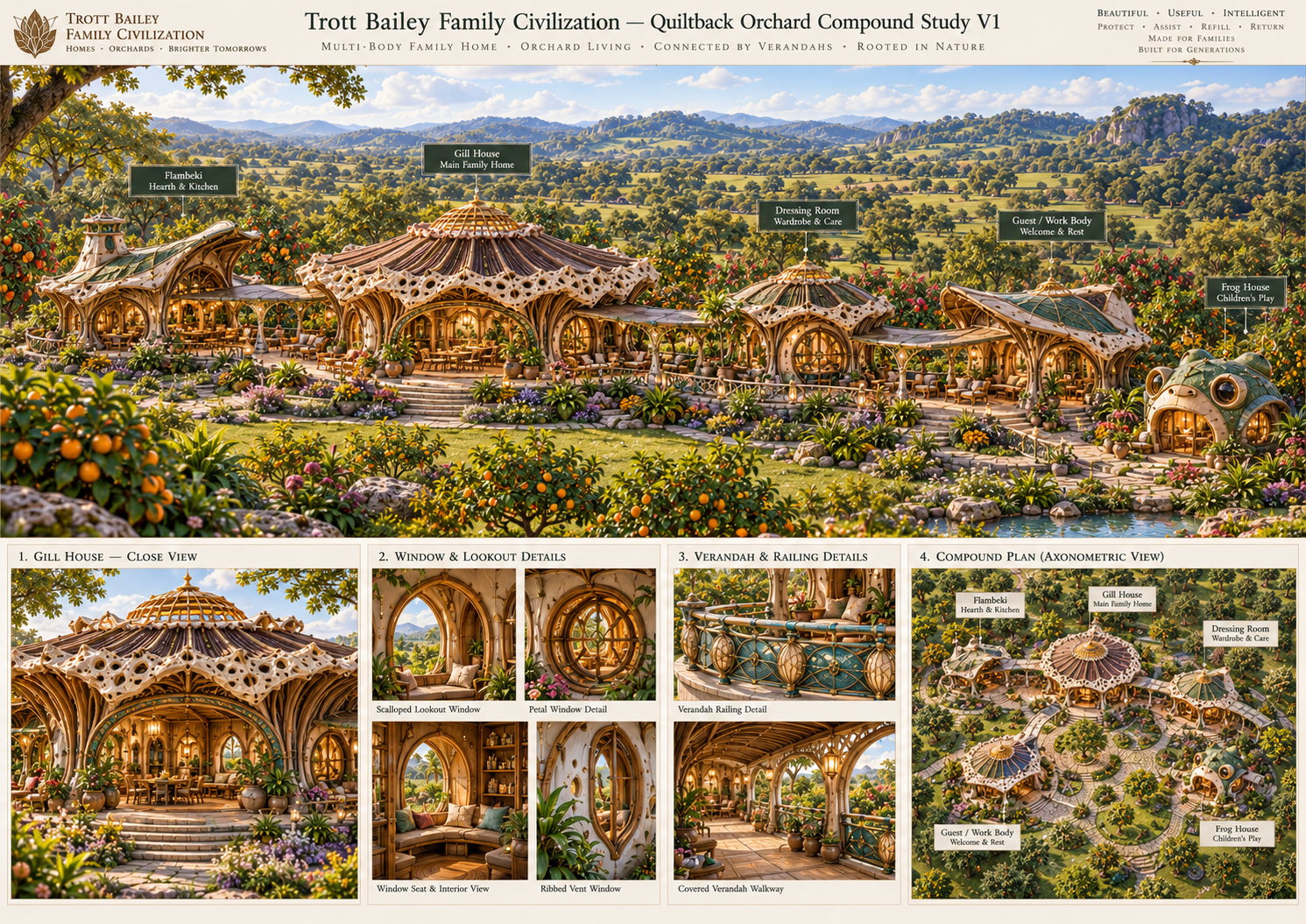
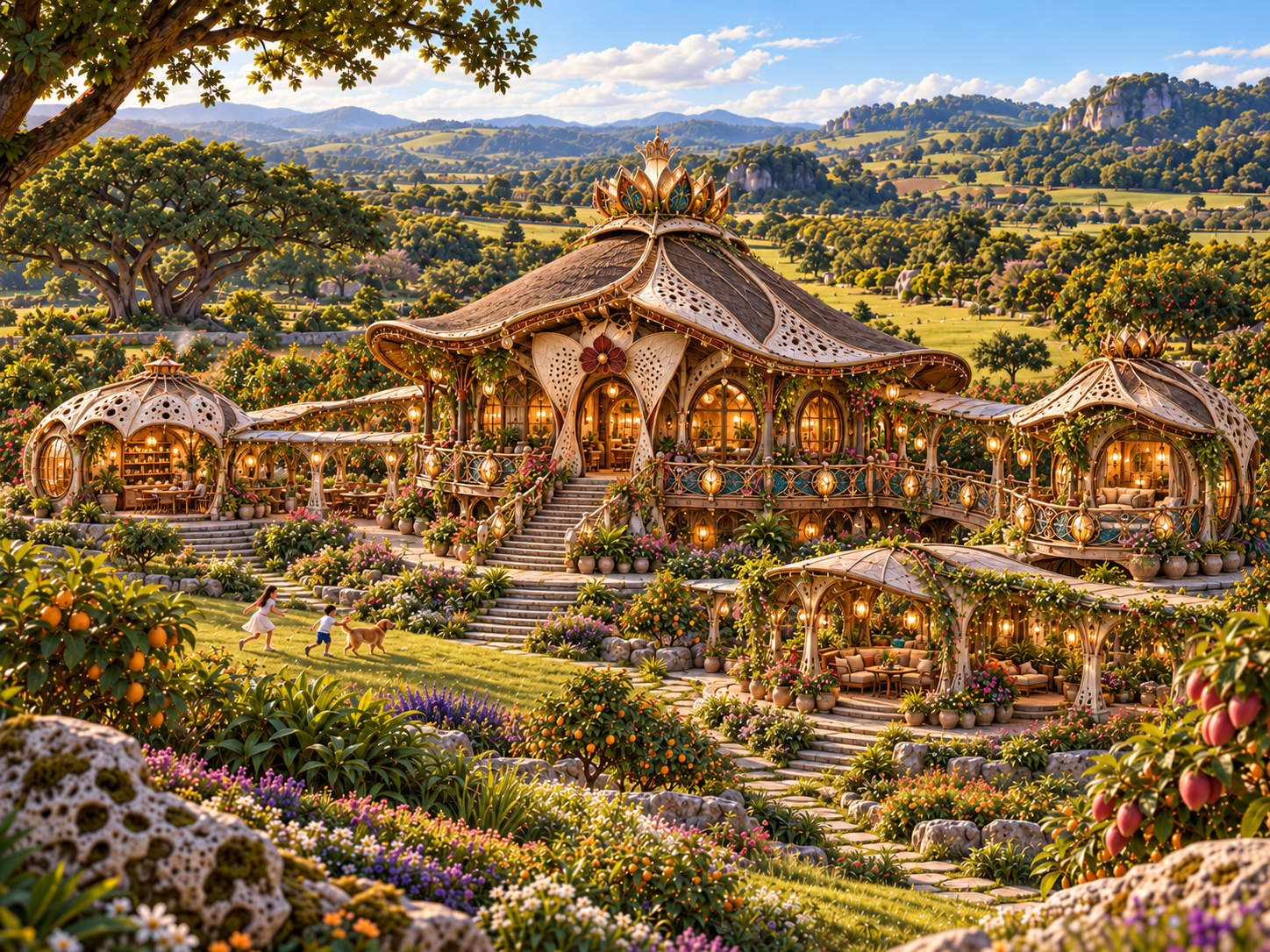
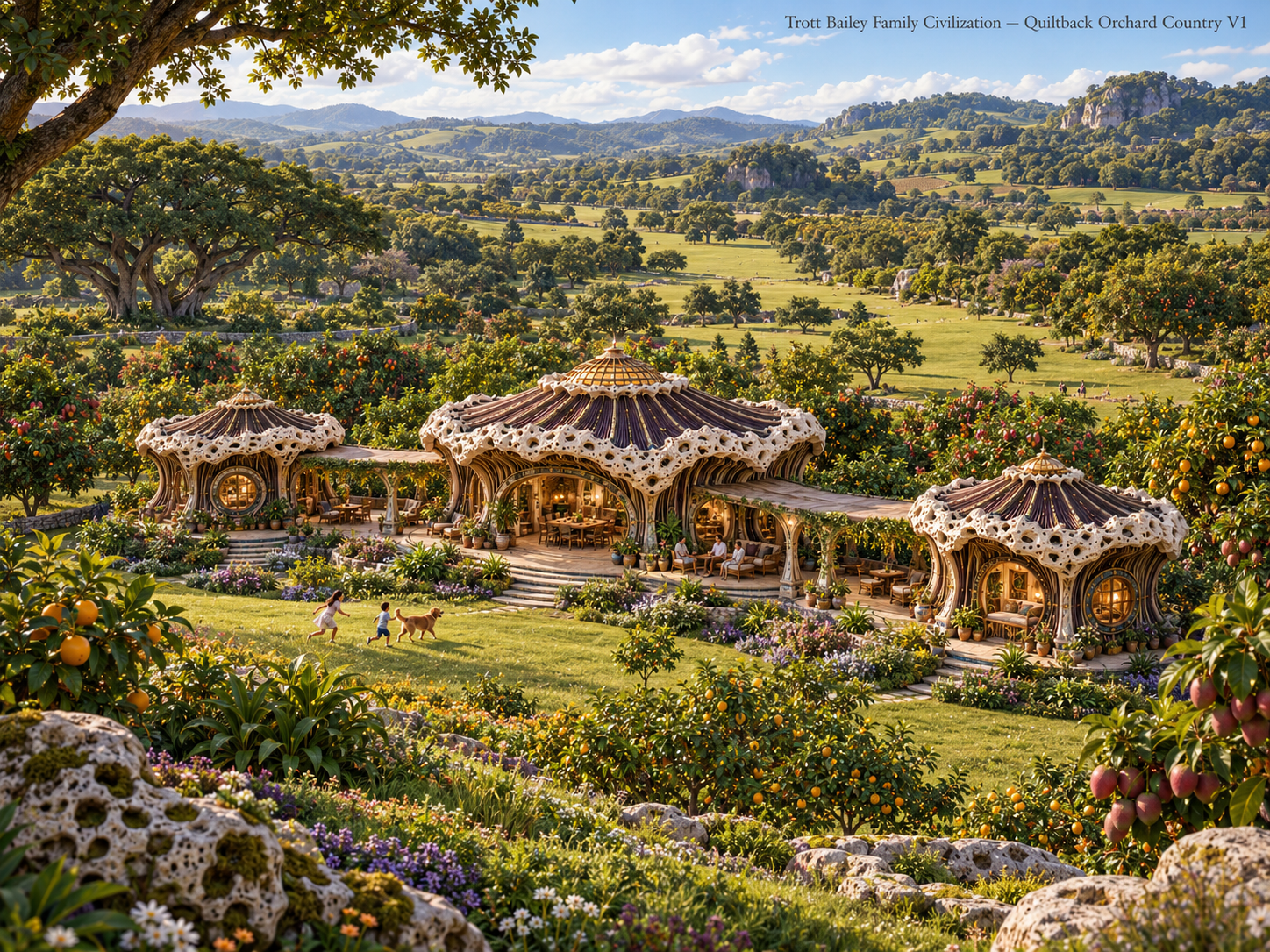
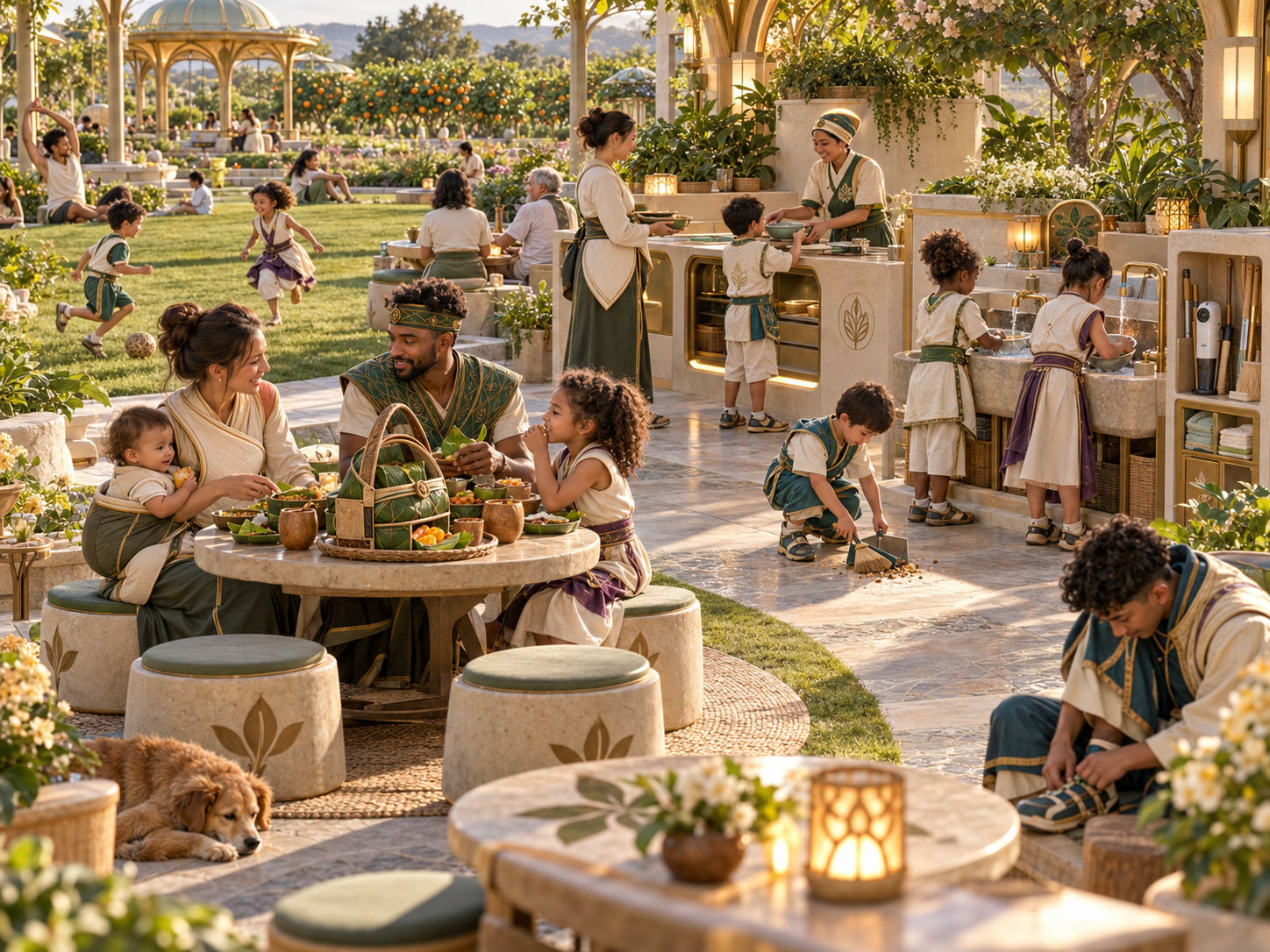
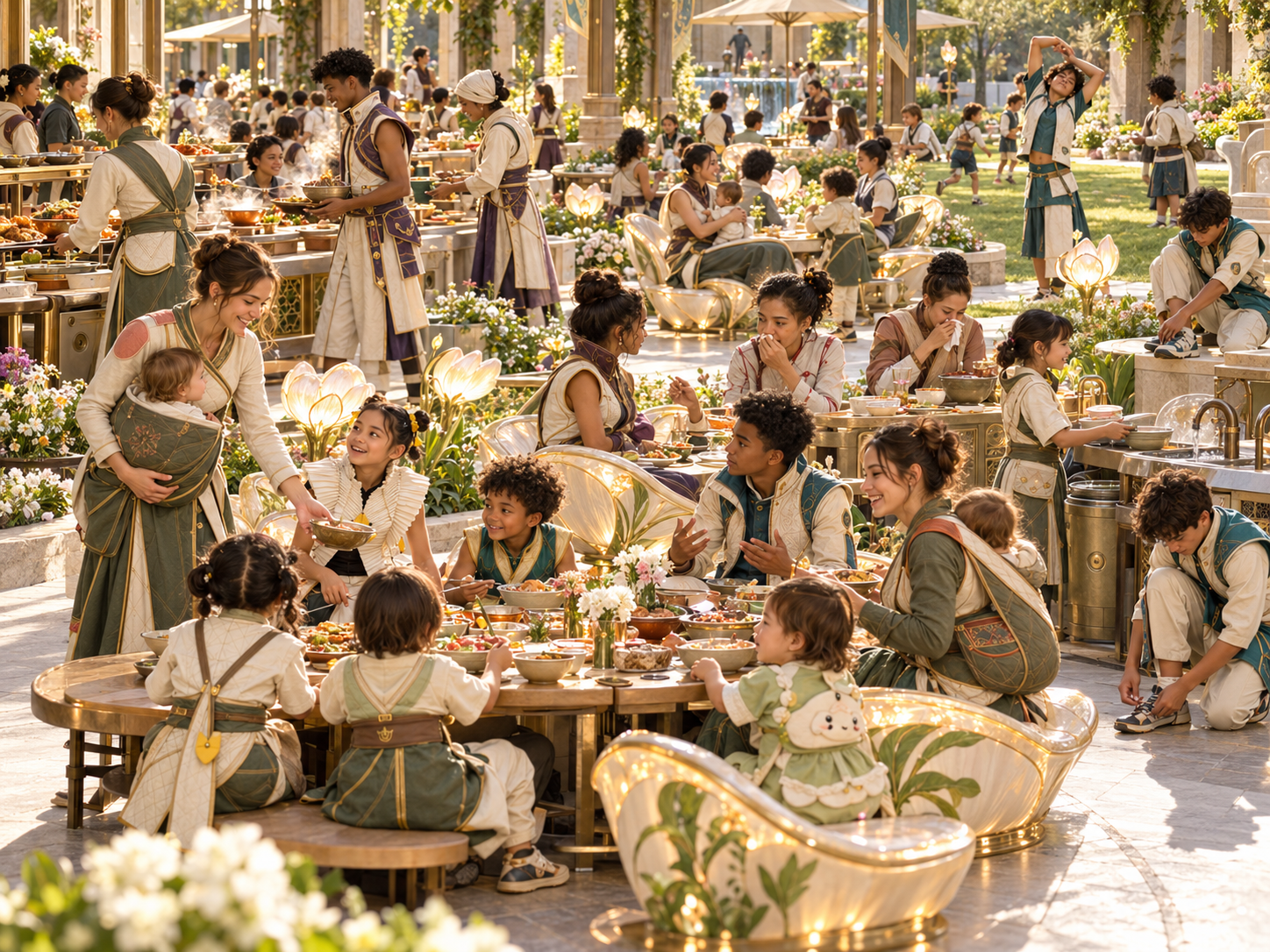
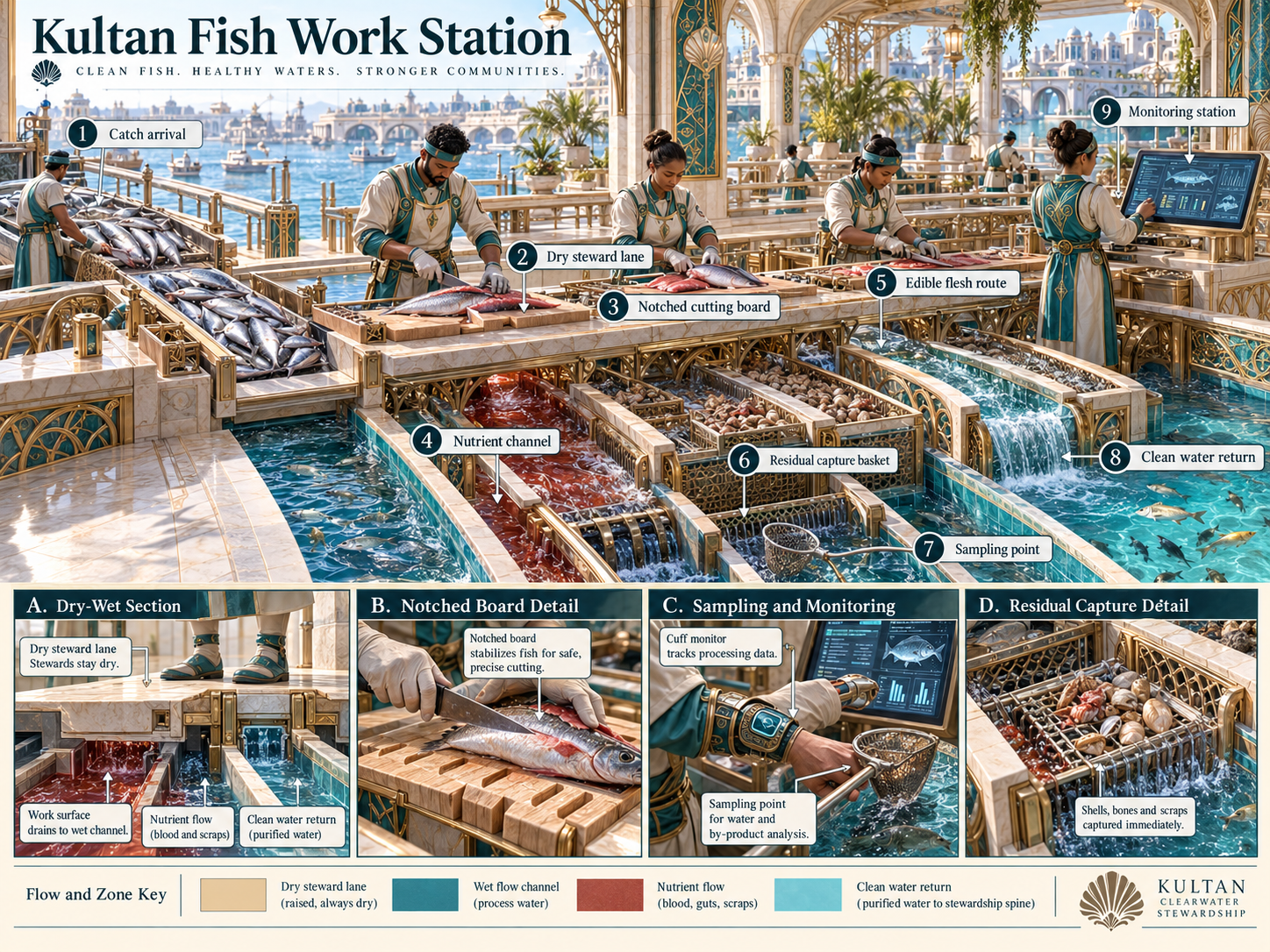
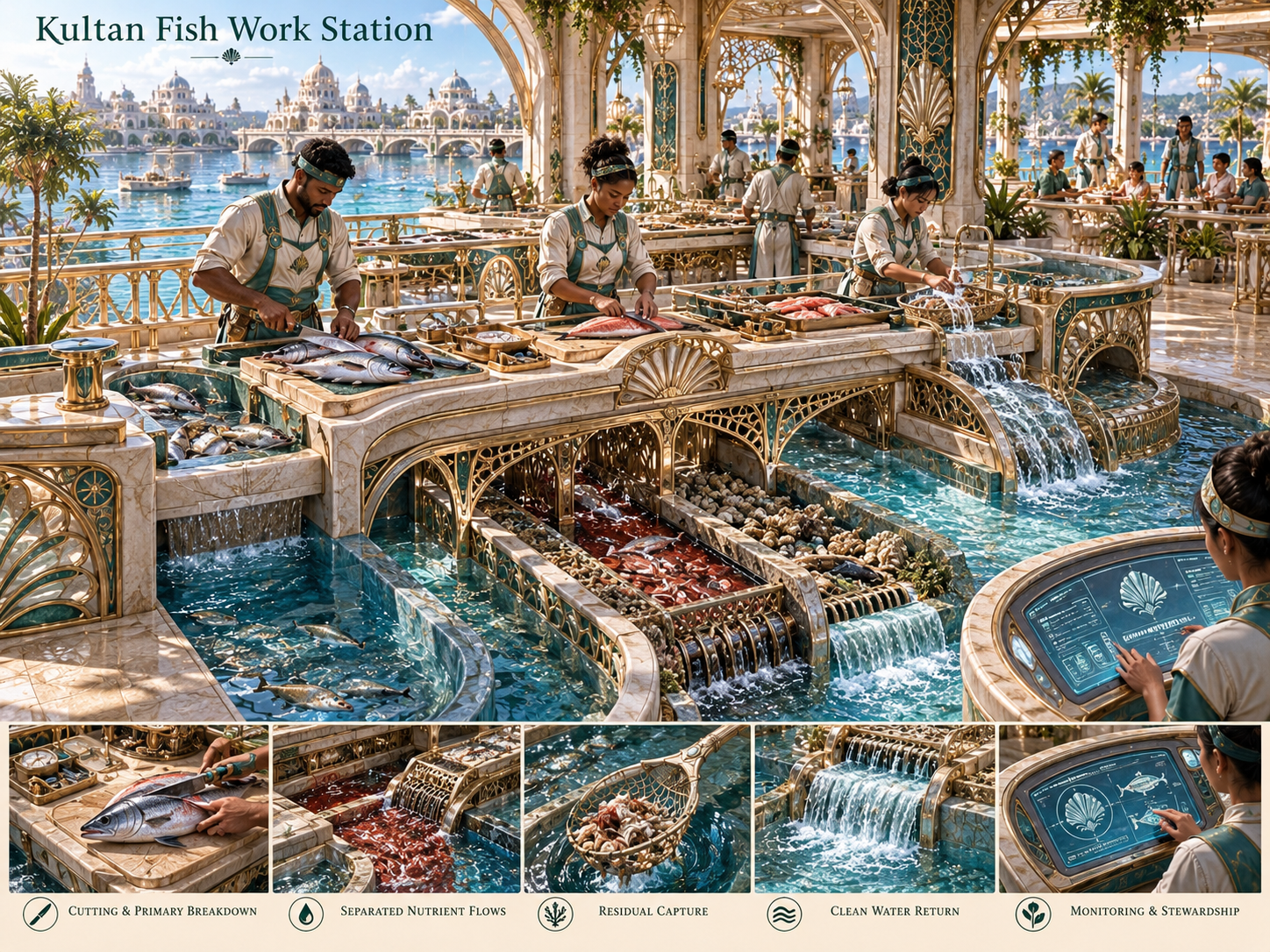
Trott Bailey Family Civilization designs peace and public delight as everyday shared capability: beautiful orchards, clean and shaded routes, safe evening realms, quiet family rest, baby and child life, culture, nature, dignified stewardship and free public use. A fine private resort cannot substitute for public beauty reaching ordinary families.
Existing formula: 25 / 35 / 25 / 15
Four parts of everyday peace and delight
Capacity
Can families reliably find beautiful, clean, safe public environments and varied cultural and recreation capacity?
All nine levels ↗02 · 35%Reach
What share of people can really enjoy safe and welcoming public beauty, and what share can enjoy it free?
All nine levels ↗03 · 25%Friction
How much fear, cost, exclusion, crowding, dirt and time keep families from public life?
All nine levels ↗04 · 15%Return / Delight
Does the environment return real peace, joy, belonging, family closeness and lasting public-life value?
All nine levels ↗The Trott Bailey public-life design is the authored benchmark, not proof that it already operates at national scale. OECD and World Happiness surveys measure reported experience; UN-Habitat and WHO examine spaces and their accessibility. A life-satisfaction score is not the percentage of people with free access to a park, nor a direct conversion to this 25-point TBF ladder.
Trott Bailey Family Civilization · public-life standard
Peace becomes real when public beauty is organized into everyday family life
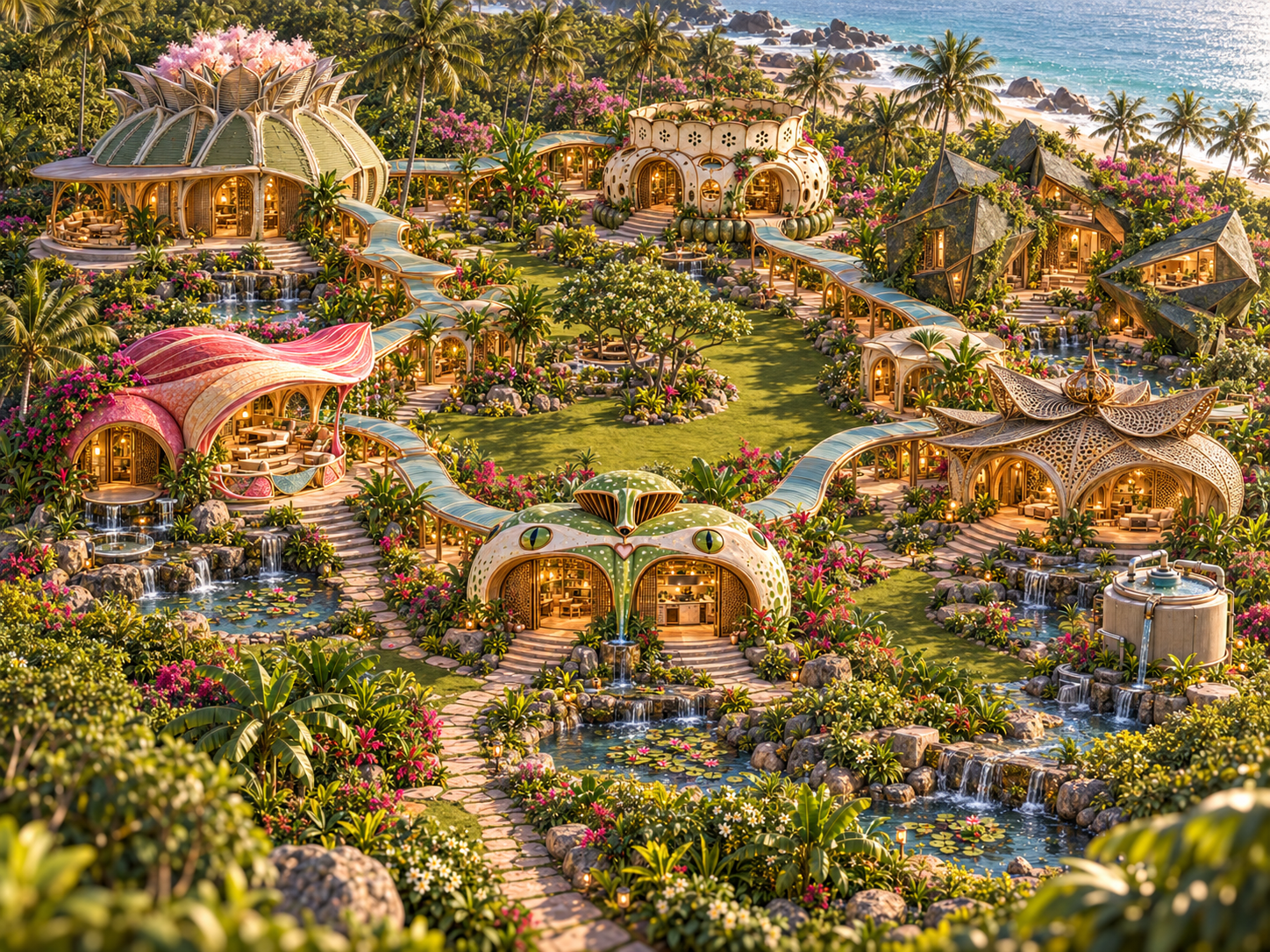
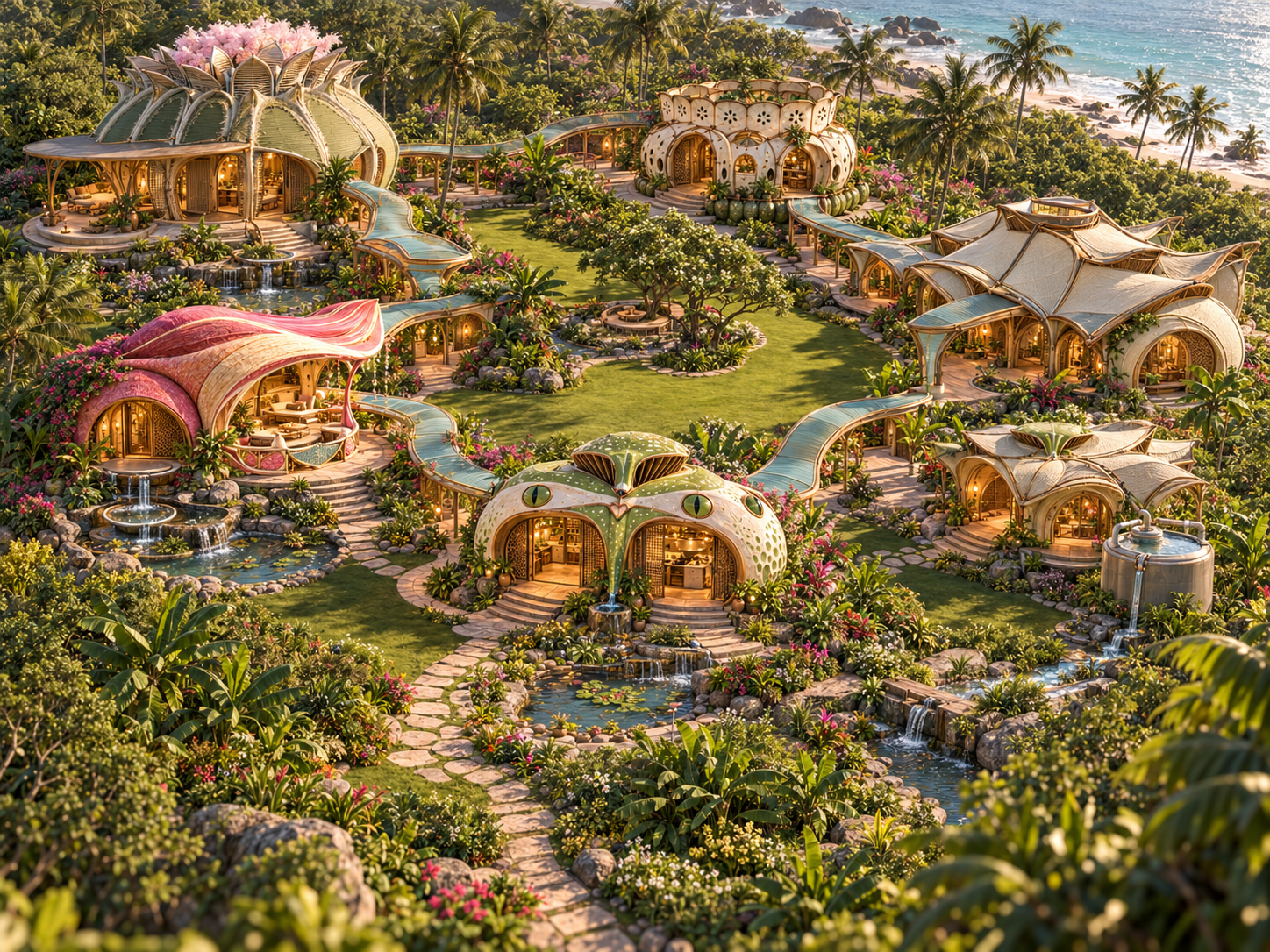
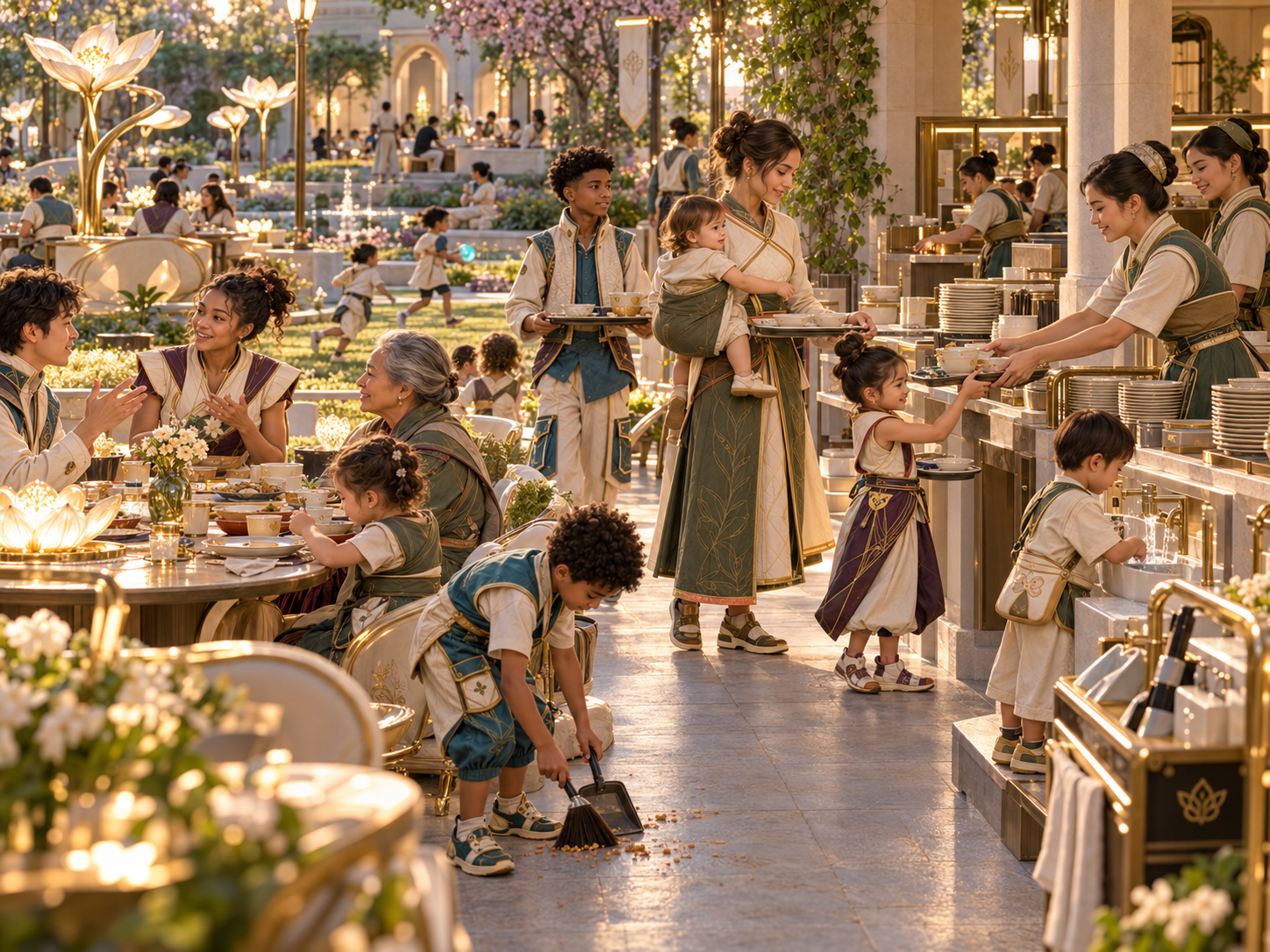
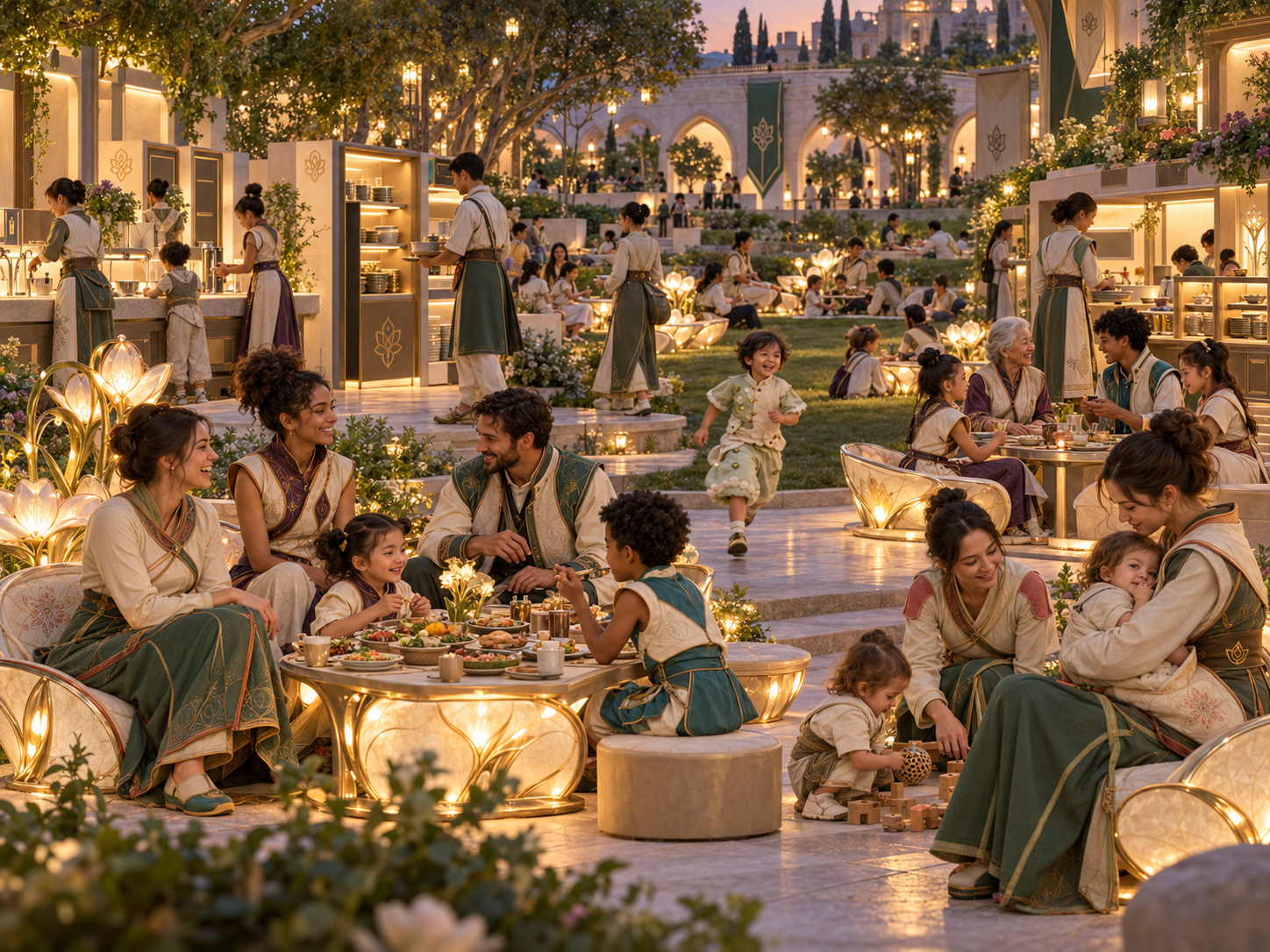
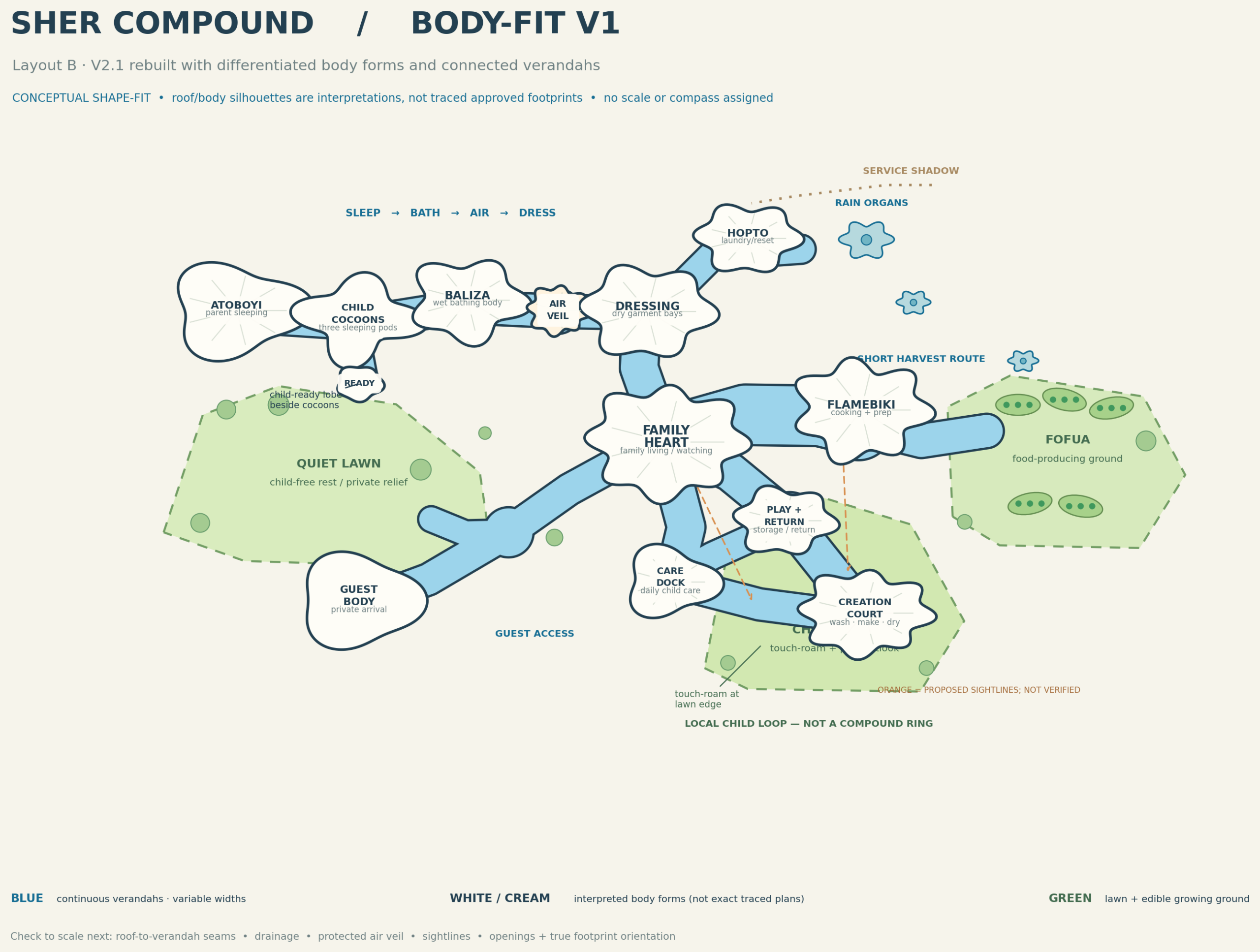
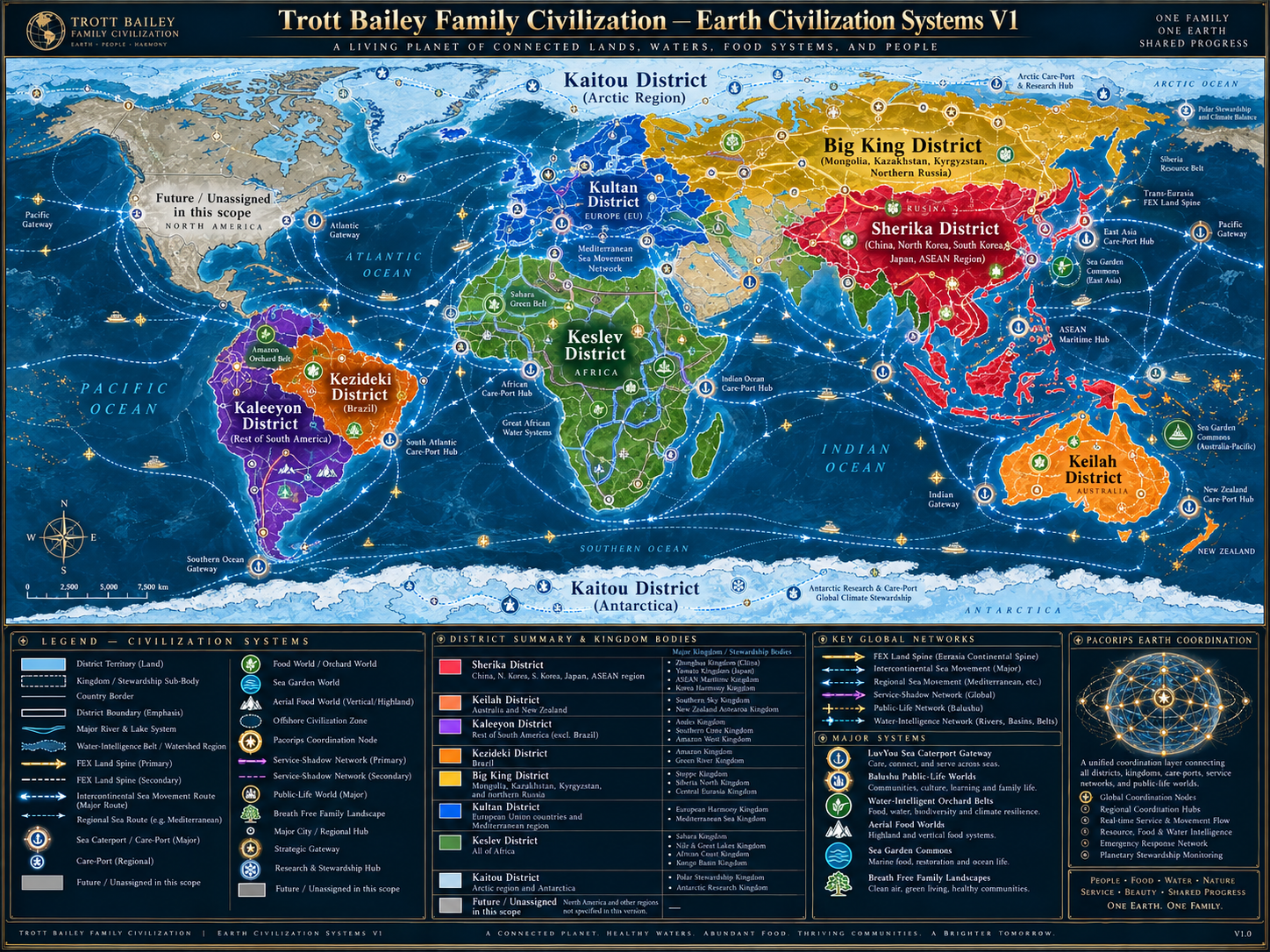
The kingdom uses multiple public-life bodies rather than pushing everyone toward one overcrowded park or paid attraction. It protects peaceful privacy at home and gives people free routes into nature, play, shared meals, culture and safe night life.
Beauty is a lived service with maintenance and safe use. No score is earned simply by naming an imagined place; actual country findings require current measured access, public works and survey evidence.
Trott Bailey sources: A Civilization Laid Out in Orchards — free public family delight ↗ · Balushu: Public Life Without Chaos — design for rest and enjoyment ↗
Free public life and the five Money Gates
No sixth Money Gate: everyday public delight is affected by the existing five
Peace & Beauty has no separate direct gate. Its Reach A% means verified effective population access to usable public beauty, recreation, nature and cultural life; M% is the free-use subset (M≤A). Admissions and ordinary public participation fees inform Reach and Friction, but the existing national five-gate rule remains a separate ceiling and must not be subtracted twice.
Reach standards use observed public access, not a happiness ranking
| Measured public access | Reach level |
|---|---|
| Less than 5% effectively served | −100 Reach |
| 5–24% effectively served | −75 Reach |
| 25–39% effectively served | −50 Reach |
| 40–49% effectively served | −25 Reach |
| At least 50% effectively served | 0 Reach |
| Over 75% served OR over 30% free with at least 50% served | +25 Reach |
| Over 75% served AND over 30% free | +50 Reach |
| Over 90% served AND at least 75% free | +75 Reach |
| Universal reliable practical access, all ordinary use free | +100 Reach |
Food
Free nourishment reduces the cost and stress of spending time together; public Sabenneries are measured for food access in Food, while this beleshky measures the resulting public-life experience.
Housing / Land
Secure family homes and living compounds support peace; this category measures accessible public beauty and delight rather than home tenure.
Healthcare
Available care and parent relief reduce distress, while clinical service access belongs in Health.
Transportation
Ordinary no-payment travel helps people reach beauty and family; this category measures the destination and usable public life.
Water / Energy
Clean water, sanitation, lighting and cooling make public facilities safe and welcoming; direct water and energy availability is scored in their own categories.
A% is measured usable access to safe public beauty/recreation/culture; M% is the money-free subset. These are population coverage percentages, never guessed from happiness rankings. Higher Reach anchors require both broad effective coverage and measured free use. The direct five essentials influence everyday friction but do not create a new Peace Money Gate.
Nine positions per beleshky
What earns each level?
| Score | Capacity | Reach | Friction | Return / Delight |
|---|---|---|---|---|
| -100 | Public safety and restorative public-life systems have collapsed; families cannot depend on safe, clean or welcoming shared spaces. | Fewer than 5% of people can effectively reach safe, usable, welcoming public beauty, rest and family recreation. | Constant fear, violence, filthy or hostile public space and severe barriers routinely prevent families enjoying ordinary life. | Public conditions produce widespread fear, alienation and little opportunity for safe enjoyment or connection. |
| -75 | Only isolated public rest, arts, recreation or basic child-safe places exist; widespread neglect and danger dominate. | Only 5–24% can effectively reach varied safe public-life places; access is highly concentrated. | Extreme hazards, isolation, harassment, long travel, fees or neglect make public relief exceptionally difficult. | Life evaluations and reports of enjoyment are very poor and recovery or shared public-life benefits are rarely observed. |
| -50 | Basic open space and public services exist, but cleanliness, safety, shade, play and cultural facilities fail often. | Only 25–39% can effectively reach these places; children, remote communities or poorer households commonly miss out. | Costly venues, unsafe routes, noise, hostile design and unreliable upkeep create heavy and repeated barriers. | Limited positive daily experience, social contact and restorative activity are reported; conditions remain markedly harmful. |
| -25 | Some usable parks, walks and gathering places exist, but coverage, upkeep and family comfort have serious gaps. | Only 40–49% have practical access, or essential population-disaggregated access remains very uneven. | Meaningful barriers persist: paid entry, poor lighting, scarce shade, long journeys, exclusion or inaccessible facilities. | Some opportunities for enjoyment exist, but reported stress, loneliness or limited leisure remain significant. |
| 0 | Ordinary public areas operate, with basic seating, lighting, parks and community amenities, but provision remains uneven. | At least 50% are effectively served by usable, safe opportunities for rest, nature, public recreation and culture. | Basic public access exists with mixed affordability, upkeep and safety; substantial avoidable barriers remain. | Mixed life evaluations, enjoyment and social support; daily beauty and family recreation benefit some communities. |
| +25 | Broad usable parks, safe walking, child-friendly recreation and cultural provision exist and receive regular maintenance. | Over 75% have effective access, OR more than 30% have reliably free access while at least 50% are effectively served. | Fees, crowding, harassment and upkeep failures are measurably reduced for many communities. | Surveys and use records show measurable improvement in belonging, family outings, recreation and reported day-to-day enjoyment. |
| +50 | Connected green/blue routes, family rest areas, safe public play, evening use, accessibility and dependable upkeep are established. | Over 75% effectively served AND more than 30% can enjoy the complete ordinary public-life offer without payment. | Major public-access barriers are removed, with convenient, inclusive, low-burden neighbourhood life for most families. | Sustained improvements in positive experiences, connection, family relief and recurring public participation are independently observed. |
| +75 | Responsive near-universal public-life infrastructure offers comfortable, varied experiences across seasons and settlements. | Over 90% effectively served AND at least 75% reliably free, with accessible family, disability, youth and rural provision. | Few serious avoidable barriers remain; free provision, calm crowd handling, accessible sanitation and safe evening routes are widespread. | Strong and broad evidence of enjoyable public life, safe night use, accessible nature, social connection and long-term restorative value. |
| +100 | Across ordinary settlements, public beauty, safety, care, delight, accessible outdoor/indoor variety and resilient upkeep are universally provided. | Everyone can reliably reach usable, safe, varied, ordinary public beauty and recreation without payment, including children and people with disabilities. | Ordinary daily public beauty, play, gathering and restoration require no paywall or avoidable exclusion; public use stays safe, clean and calm. | People across ages and regions report strong sustained peace, enjoyment and belonging, supported by independently demonstrated flourishing public environments. |
Beleshky 1 · 25% of Peace & Beauty
Capacity
Can families reliably find beautiful, clean, safe public environments and varied cultural and recreation capacity?
Public safety and restorative public-life systems have collapsed; families cannot depend on safe, clean or welcoming shared spaces.
Read the Trott Bailey foundation ↗Only isolated public rest, arts, recreation or basic child-safe places exist; widespread neglect and danger dominate.
Read the Trott Bailey foundation ↗Basic open space and public services exist, but cleanliness, safety, shade, play and cultural facilities fail often.
Read the Trott Bailey foundation ↗Some usable parks, walks and gathering places exist, but coverage, upkeep and family comfort have serious gaps.
Read the Trott Bailey foundation ↗Ordinary public areas operate, with basic seating, lighting, parks and community amenities, but provision remains uneven.
Read the Trott Bailey foundation ↗Broad usable parks, safe walking, child-friendly recreation and cultural provision exist and receive regular maintenance.
Read the Trott Bailey foundation ↗Connected green/blue routes, family rest areas, safe public play, evening use, accessibility and dependable upkeep are established.
Read the Trott Bailey foundation ↗Responsive near-universal public-life infrastructure offers comfortable, varied experiences across seasons and settlements.
Read the Trott Bailey foundation ↗Across ordinary settlements, public beauty, safety, care, delight, accessible outdoor/indoor variety and resilient upkeep are universally provided.
Read the Trott Bailey foundation ↗Evidence required
- Dated inventory of maintained parks, gardens, play areas, public rest spaces, safe routes, culture and evening facilities by settlement
- Safe design, shade, accessible toilets, child-care relief, lighting and maintenance reliability including service-worker protection
- Rural and urban geographic coverage; extreme weather resilience; public facilities actually open and usable
How a country climbs
- Build and maintain neighbourhood parks, shady walking routes, safe public seating, family play and places for culture
- Add restoration/clean-return and calm care systems instead of relying on one crowded destination
- Measure uptime, sanitation, maintenance and practical public access, not just project openings
Beleshky foundation: Civic Pride in All Trott Bailey Family Kingdoms ↗
↑ All scoring positionsBeleshky 2 · 35% of Peace & Beauty
Reach
What share of people can really enjoy safe and welcoming public beauty, and what share can enjoy it free?
Fewer than 5% of people can effectively reach safe, usable, welcoming public beauty, rest and family recreation.
Read the Trott Bailey foundation ↗Only 5–24% can effectively reach varied safe public-life places; access is highly concentrated.
Read the Trott Bailey foundation ↗Only 25–39% can effectively reach these places; children, remote communities or poorer households commonly miss out.
Read the Trott Bailey foundation ↗Only 40–49% have practical access, or essential population-disaggregated access remains very uneven.
Read the Trott Bailey foundation ↗At least 50% are effectively served by usable, safe opportunities for rest, nature, public recreation and culture.
Read the Trott Bailey foundation ↗Over 75% have effective access, OR more than 30% have reliably free access while at least 50% are effectively served.
Read the Trott Bailey foundation ↗Over 75% effectively served AND more than 30% can enjoy the complete ordinary public-life offer without payment.
Read the Trott Bailey foundation ↗Over 90% effectively served AND at least 75% reliably free, with accessible family, disability, youth and rural provision.
Read the Trott Bailey foundation ↗Everyone can reliably reach usable, safe, varied, ordinary public beauty and recreation without payment, including children and people with disabilities.
Read the Trott Bailey foundation ↗Evidence required
- Population-weighted walking and travel access to safe functioning green and public space, disaggregated by region, age, disability and family
- Percentage A effectively served by usable public beauty plus percentage M served without ordinary admission or participation fees; M cannot exceed A
- Dated household surveys of actual park, nature, culture, night-life and public family-space use, including excluded groups
How a country climbs
- Extend maintained public spaces toward settlements where access is currently poor
- Remove access charges and provide accessible family transport, facilities and opening hours
- Demonstrate improved A and M percentages with direct audited evidence; do not infer population reach from park acreage
Beleshky foundation: A Civilization Laid Out in Orchards — free public family delight ↗
↑ All scoring positionsBeleshky 3 · 25% of Peace & Beauty
Friction
How much fear, cost, exclusion, crowding, dirt and time keep families from public life?
Constant fear, violence, filthy or hostile public space and severe barriers routinely prevent families enjoying ordinary life.
Read the Trott Bailey foundation ↗Extreme hazards, isolation, harassment, long travel, fees or neglect make public relief exceptionally difficult.
Read the Trott Bailey foundation ↗Costly venues, unsafe routes, noise, hostile design and unreliable upkeep create heavy and repeated barriers.
Read the Trott Bailey foundation ↗Meaningful barriers persist: paid entry, poor lighting, scarce shade, long journeys, exclusion or inaccessible facilities.
Read the Trott Bailey foundation ↗Basic public access exists with mixed affordability, upkeep and safety; substantial avoidable barriers remain.
Read the Trott Bailey foundation ↗Fees, crowding, harassment and upkeep failures are measurably reduced for many communities.
Read the Trott Bailey foundation ↗Major public-access barriers are removed, with convenient, inclusive, low-burden neighbourhood life for most families.
Read the Trott Bailey foundation ↗Few serious avoidable barriers remain; free provision, calm crowd handling, accessible sanitation and safe evening routes are widespread.
Read the Trott Bailey foundation ↗Ordinary daily public beauty, play, gathering and restoration require no paywall or avoidable exclusion; public use stays safe, clean and calm.
Read the Trott Bailey foundation ↗Evidence required
- Surveyed safety and fear, harassment, cleanliness, lighting, noise and crowding around actual public-life routes
- Typical family cost and time of outings, including admission, fares, food, queues and child-care needs
- Observed accessibility of toilets, seating, shade, stroller routes, accessible paths and after-dark provision
How a country climbs
- Remove paywalls and supply necessities for family-friendly gatherings
- Keep public places clean and working through appropriate service routes and protective rotations
- Demonstrate reductions in harassment, journey burden, fees and unplanned closures, with independent source dates
Beleshky foundation: Relief Is Infrastructure — public peace and family comfort ↗
↑ All scoring positionsBeleshky 4 · 15% of Peace & Beauty
Return / Delight
Does the environment return real peace, joy, belonging, family closeness and lasting public-life value?
Public conditions produce widespread fear, alienation and little opportunity for safe enjoyment or connection.
Read the Trott Bailey foundation ↗Life evaluations and reports of enjoyment are very poor and recovery or shared public-life benefits are rarely observed.
Read the Trott Bailey foundation ↗Limited positive daily experience, social contact and restorative activity are reported; conditions remain markedly harmful.
Read the Trott Bailey foundation ↗Some opportunities for enjoyment exist, but reported stress, loneliness or limited leisure remain significant.
Read the Trott Bailey foundation ↗Mixed life evaluations, enjoyment and social support; daily beauty and family recreation benefit some communities.
Read the Trott Bailey foundation ↗Surveys and use records show measurable improvement in belonging, family outings, recreation and reported day-to-day enjoyment.
Read the Trott Bailey foundation ↗Sustained improvements in positive experiences, connection, family relief and recurring public participation are independently observed.
Read the Trott Bailey foundation ↗Strong and broad evidence of enjoyable public life, safe night use, accessible nature, social connection and long-term restorative value.
Read the Trott Bailey foundation ↗People across ages and regions report strong sustained peace, enjoyment and belonging, supported by independently demonstrated flourishing public environments.
Read the Trott Bailey foundation ↗Evidence required
- Representative life-evaluation and experienced-wellbeing surveys, positive/negative affect, social connection and loneliness, with uncertainty
- Repeated measurements of enjoyment, family outings and safe time together across gender, age, disability and place
- Maintenance, continued public use, child-play learning and stewardship evidence over multiple seasons; separate hypotheses from outcomes
How a country climbs
- Improve the everyday experience of neighbourhoods, including resting, walking, family music and child-led discovery
- Develop safe evening recreation and restoration areas for different ages without forcing paid activities
- Compare same-method surveys over time and report whether people themselves say public life is improving
Beleshky foundation: A Civilization Should Know How to Delight Its Children ↗
↑ All scoring positionsIllustrative country calculator
See how daily public-life access changes the category result
These hypothetical readings never save or alter live national rankings.
Peace = 0.25 × Capacity + 0.35 × Reach + 0.25 × Friction + 0.15 × Return/Delight. National evidence contribution = Peace × 0.06 before research coverage normalization and the independent overall Money Gate.
Actual national contribution may vary with evidence-coverage normalization. Overall five-part Money Gate clearance is calculated separately.
Measured conditions and TBF assessment
Public beauty cannot be proved by GDP or money alone, or by a single happiness rank
What is observed
Count actual access to maintained open space, greenery, shared public facilities, culture and recreation. Report family-specific barriers, safe nighttime use and representative quality-of-life experiences separately.
Record source date and geography. UN-Habitat SDG 11.7.1 measures city open-space area, not directly nationwide people served. OECD/Gallup life evaluations and daily feelings are distinct; surveys must carry confidence and sampling notes. Rural settlements, disability and age require disaggregation.
What is interpreted
Justice measures safety and rights; Health measures clinical outcomes; Living Ground measures ecological condition; Human Time measures time returned. Peace measures the *accessible public-life experience* and people’s expressed enjoyment. Reuse sources but never duplicate outcome credits without separate evidence.
Older country beleshky readings stay at their existing numbers until a named, dated, source-linked re-audit moves them to the nine-step scale, retaining original values and rank events.
Independent measurements
Evidence on experience, safety and public space
Trott Bailey authored works

 and then