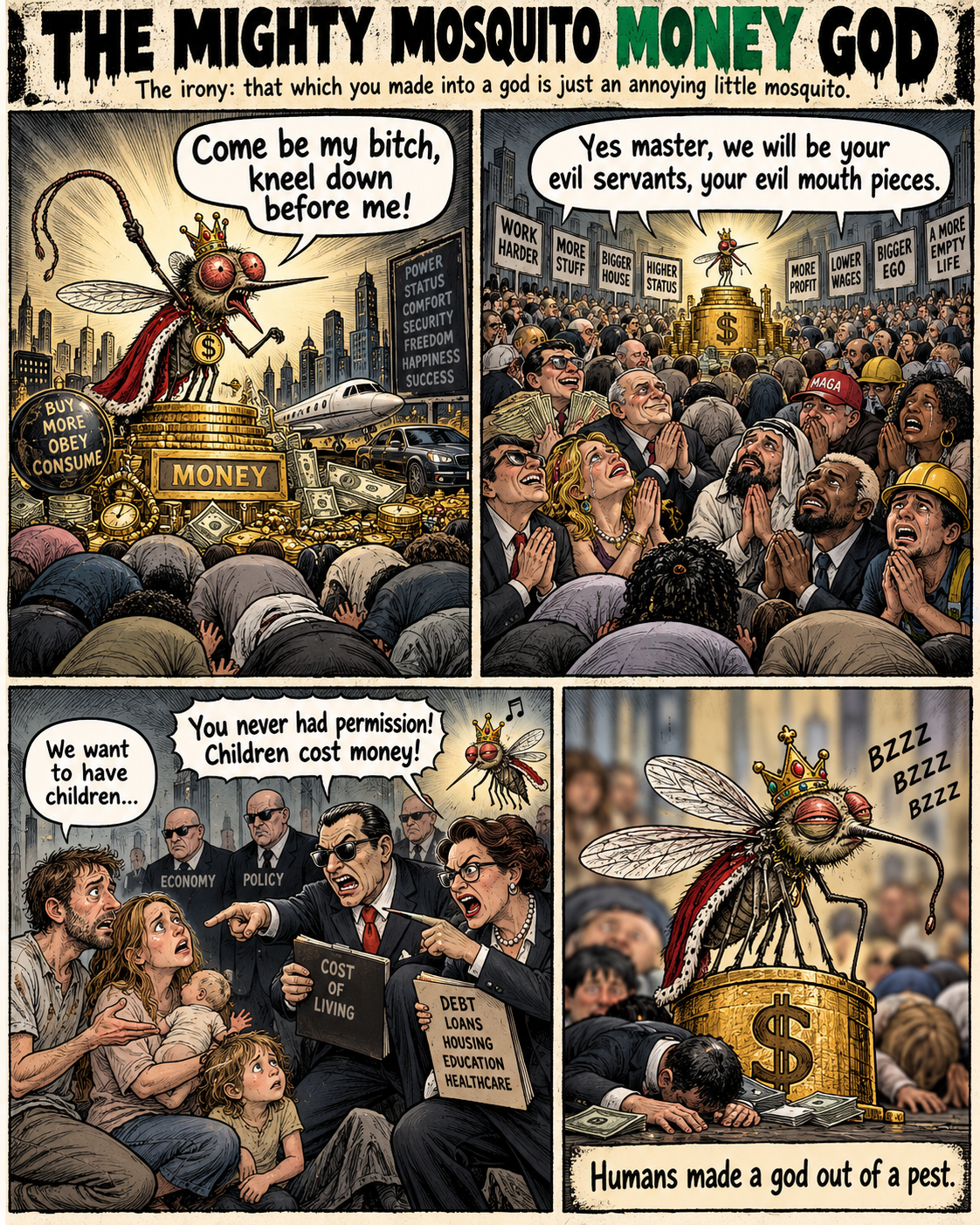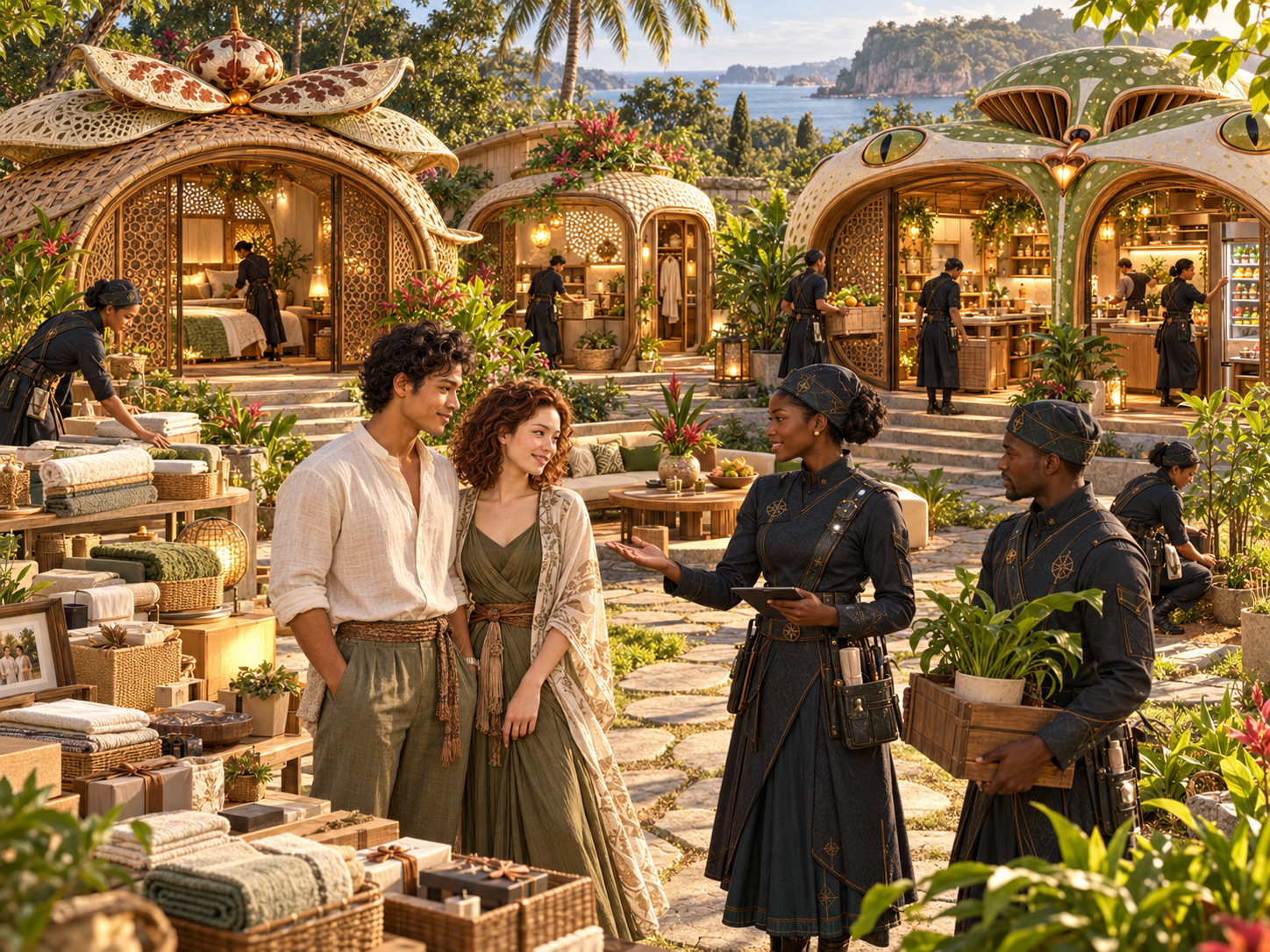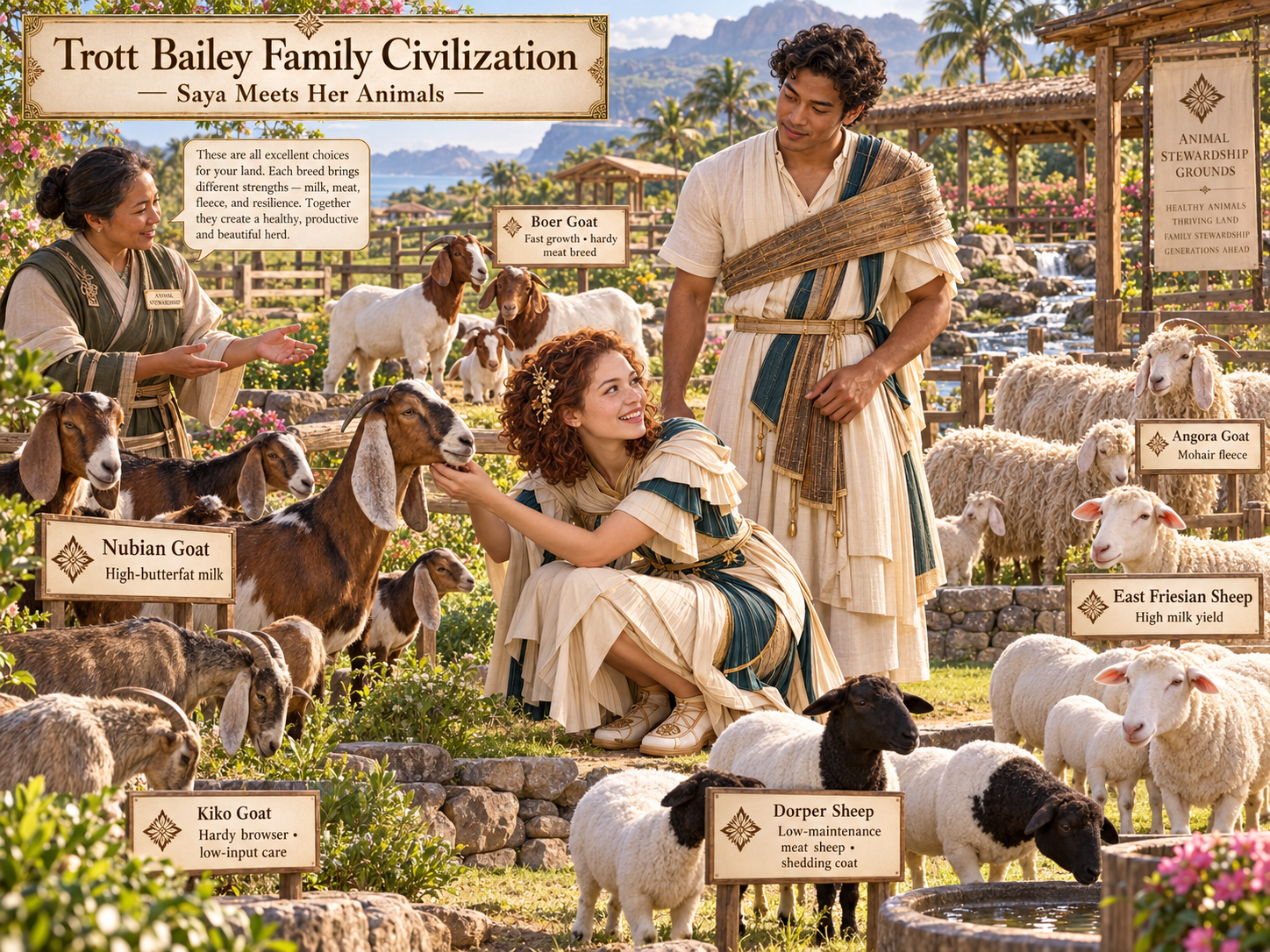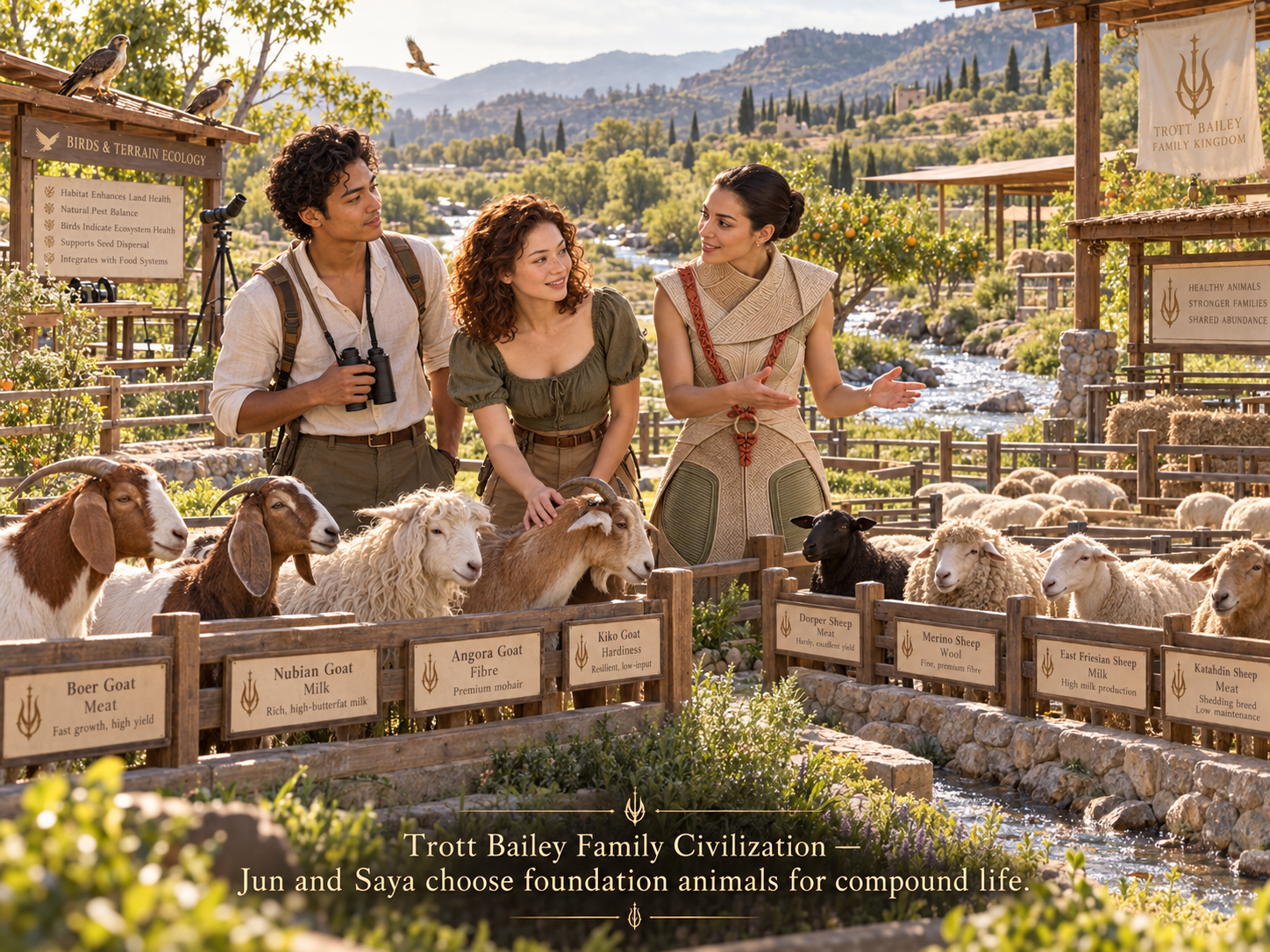

Trott Bailey Family Civilization — Guided Article Map: Human Life
Trott Bailey Family Civilization — Guided Article Map
Human Life: What Is Civilization For?
A guided path through civilization purpose, childhood, sexual culture, marriage, family, work, human time, automation, delightful living, capability and the physical civilization.
This is not another category page.
It is a map of one argument.
The Trott Bailey Family Civilization body of work asks many questions: Why do people work so much? Why are families strained? What is childhood for? What should sex and marriage prepare people to build? What should machines actually do for human beings? What is rest for? What makes a life delightful? And what should civilization physically build?
These are not separate questions.
They lead into each other.
You can start anywhere on this page. Follow the next question. Eventually the path loops back to where it began:
What is civilization actually for?
Choose Your Door
You do not have to begin at the beginning. Start with the question already bothering you.
The Main Path
This is the clearest route through the argument. Each stop creates the question that leads to the next one.
What Is Civilization For?
Before defending the world we inherited, ask whether anybody deliberately designed it around a clear idea of a good human life.
Many systems were inherited, modified and accumulated over generations. That does not make every inherited arrangement wise. It means civilization itself can be examined.
What Did Society Train People For?
Society has taken money, competition, conquest, status and sexual prowess very seriously. Did it take human formation just as seriously?
Family, childhood and marriage preparation help shape human beings. If those things are treated as secondary, the condition of adult life should not surprise us.
What Is Childhood For?
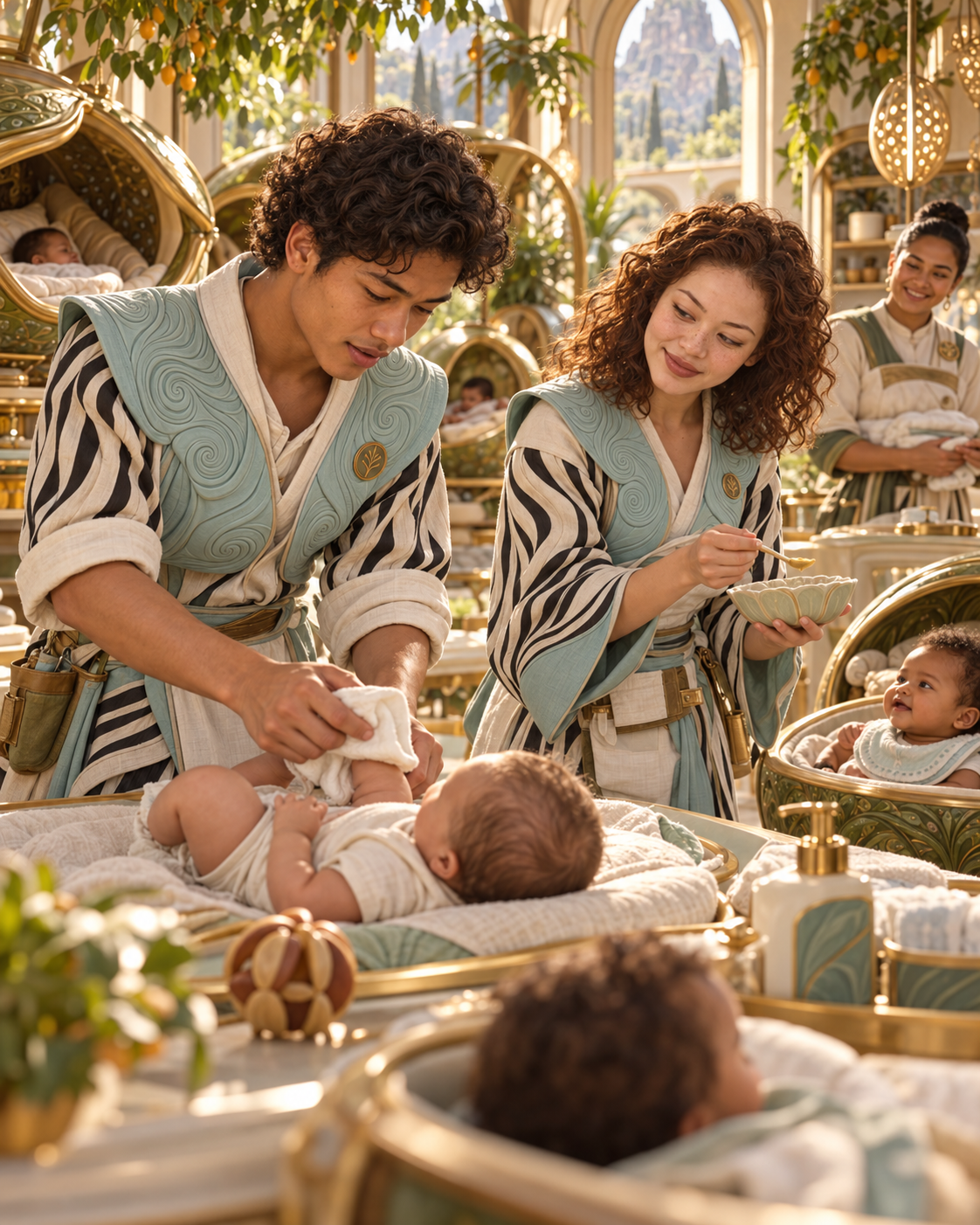
Childhood should not merely prepare a child to enter the economy. It should help a human being learn how to live.
Children learn through family life, observation, play, encouragement, exploration, mistakes, independent judgment and direct teaching. They are not merely absorbing the world. They are also judging it.
Childhood should progressively build groundedness, competence, usefulness, self-knowledge, judgment, courage and curiosity without destroying childhood’s happiness, wonder and newness.
What Are We Teaching People About Sex and Marriage?
Do we train young people for conquest, experimentation and delay, or for self-government, judgment, marriage and learning one spouse deeply?
The sexual-culture series begins by challenging the idea that other people’s daughters should become training grounds for young men. It then asks what a better sexual transition into marriage would look like, and finally tests the claim that marriage itself is simply “hard.”
What Does Family Need?
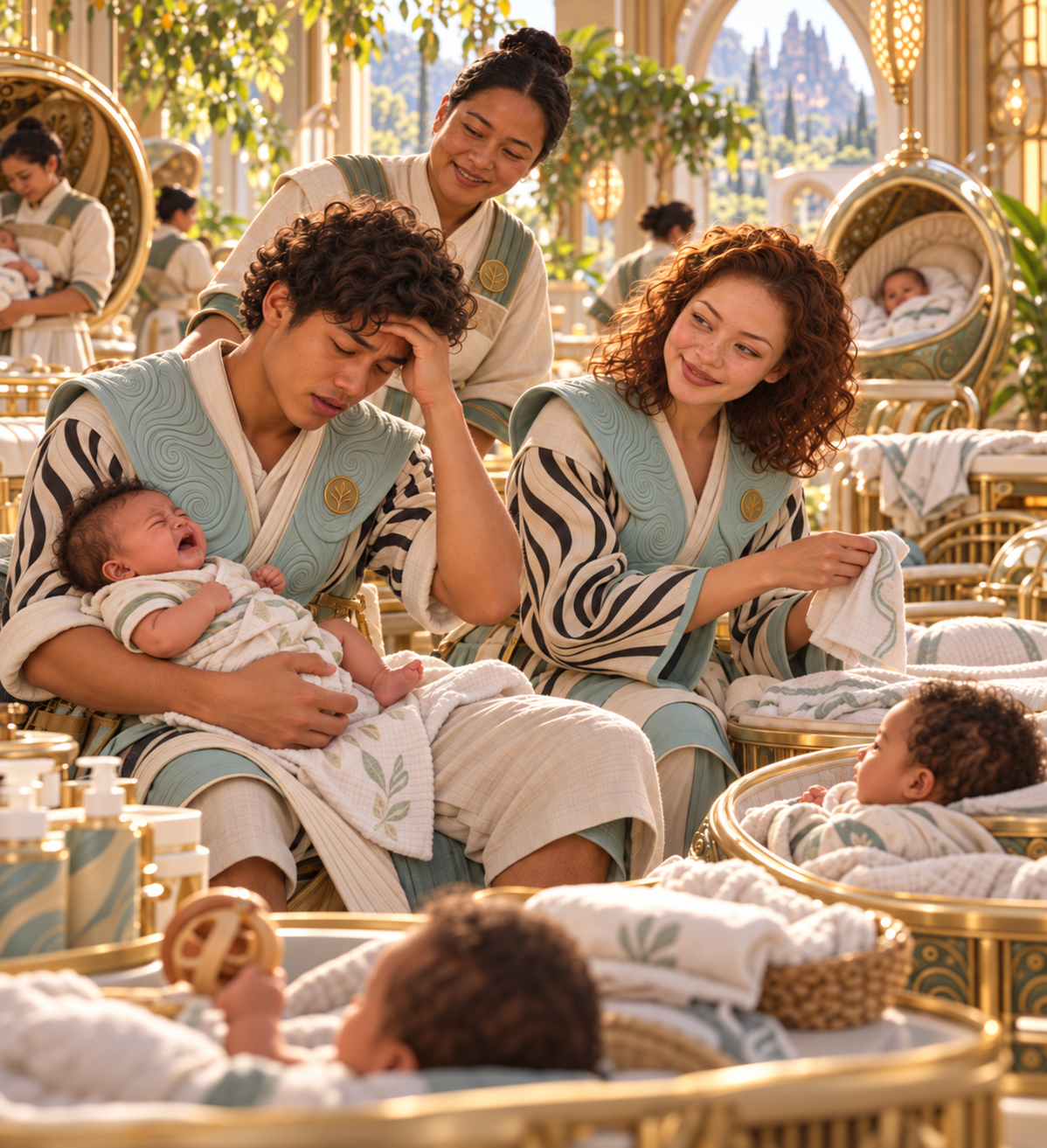
Family cannot perform endless civilization work with no time, no support and every outside burden dumped onto the household.
Parents raise children, model relationships, care for bodies, carry family memory, teach judgment, build confidence, maintain homes and help form the next generation.
Family needs support because family is doing work civilization depends on.
What Steals Family Time and Human Capacity?
Some burdens are real work. Others exist because money, fragmented systems and badly joined infrastructure keep forcing human beings to bridge gaps that should already have been solved.
The Friction Economy work asks a simple systems question: how much human effort is genuinely necessary, and how much exists because civilization was badly joined together?
Who Owns Your Year?
Progress should not only increase output. It should return meaningful portions of human life.
Family needs time because family is doing work that civilization depends on. Children need time with parents. Husbands and wives need time together. People need room for rest, thought, learning, care, exploration and life.
What Should Machines Actually Do for Human Beings?
The point of automation is not merely to produce more. At some point, machines should remove human burden.
A machine that makes a task faster but leaves the family just as exhausted has not delivered the full human benefit of technological progress.
What Is Human Time For? Living.
Returned time does not need a new doctrine explaining why life matters. The Living Delightfully work already answers the question.
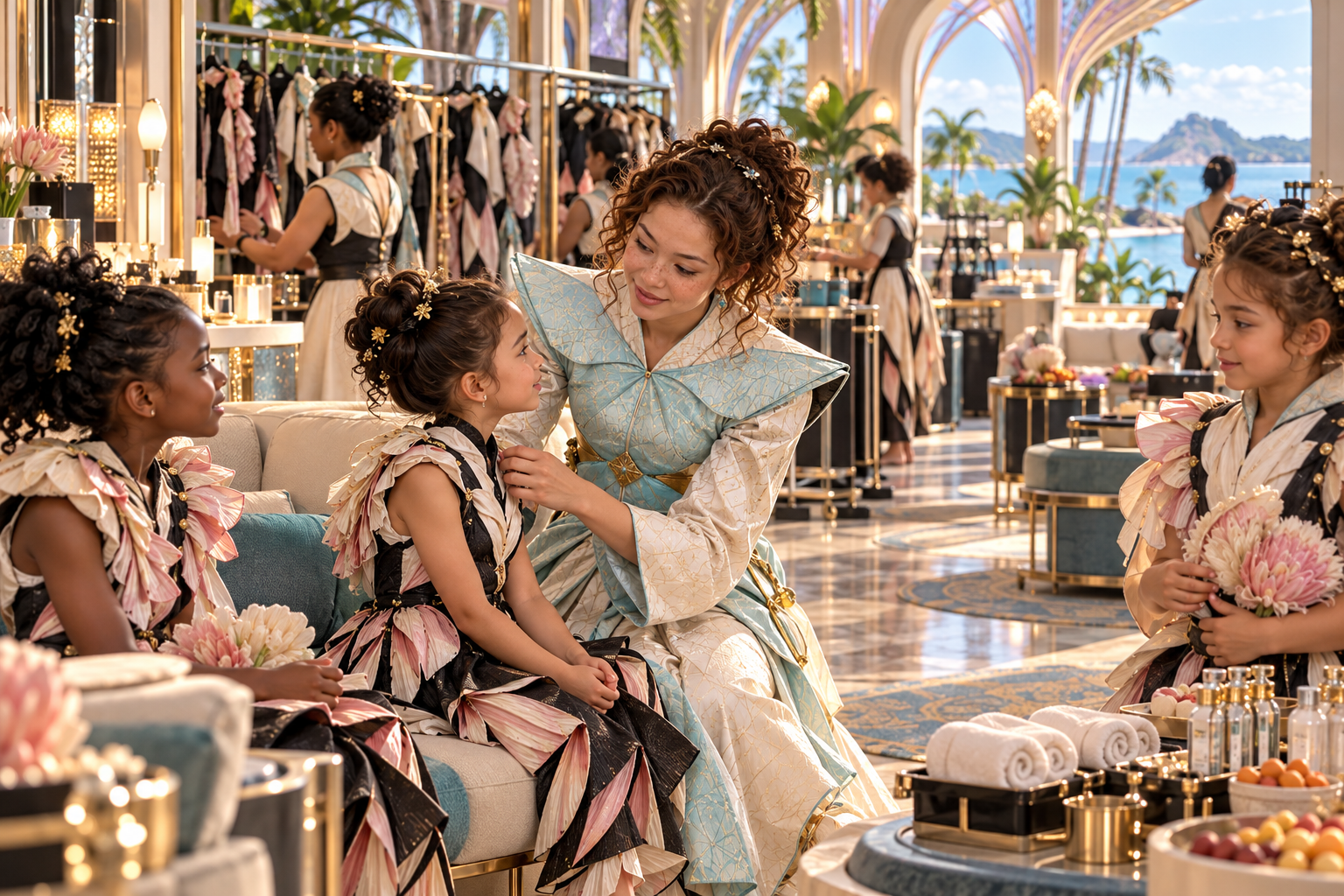
Time can return to family, marriage, children, friendship, food, laughter, sex, rest, learning, making, exploration, beauty, conversation, care, discovery and useful contribution.
Life is not merely the space left over after work.
Freedom Is Not Helplessness
The goal is not to remove meaningful human capability. It is to remove needless burden so people can become more capable at the things worth doing.
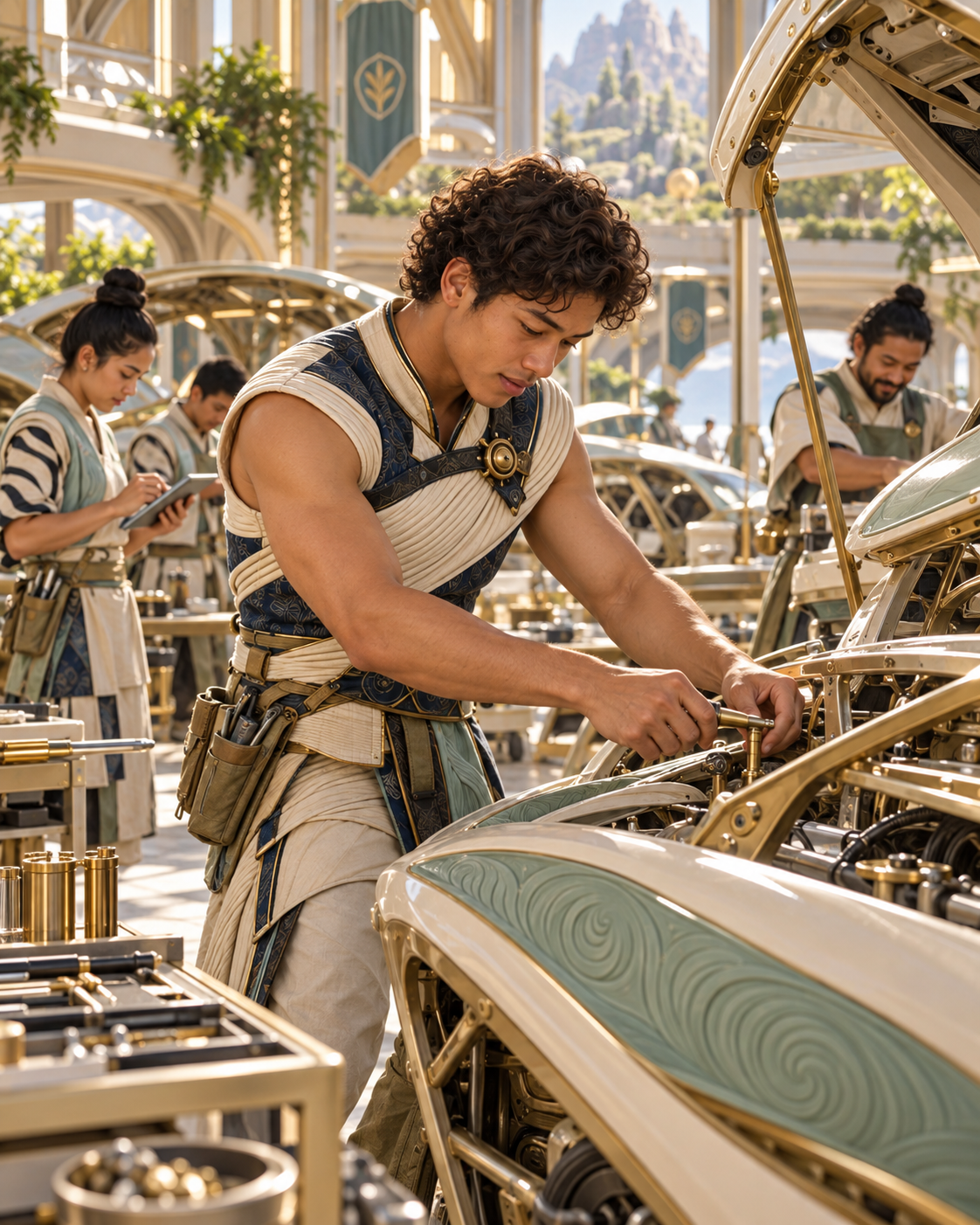
Families can grow food, make things, teach, care, invent, build, solve problems, raise children and reproduce useful capability. Returned human time gives more room for that.
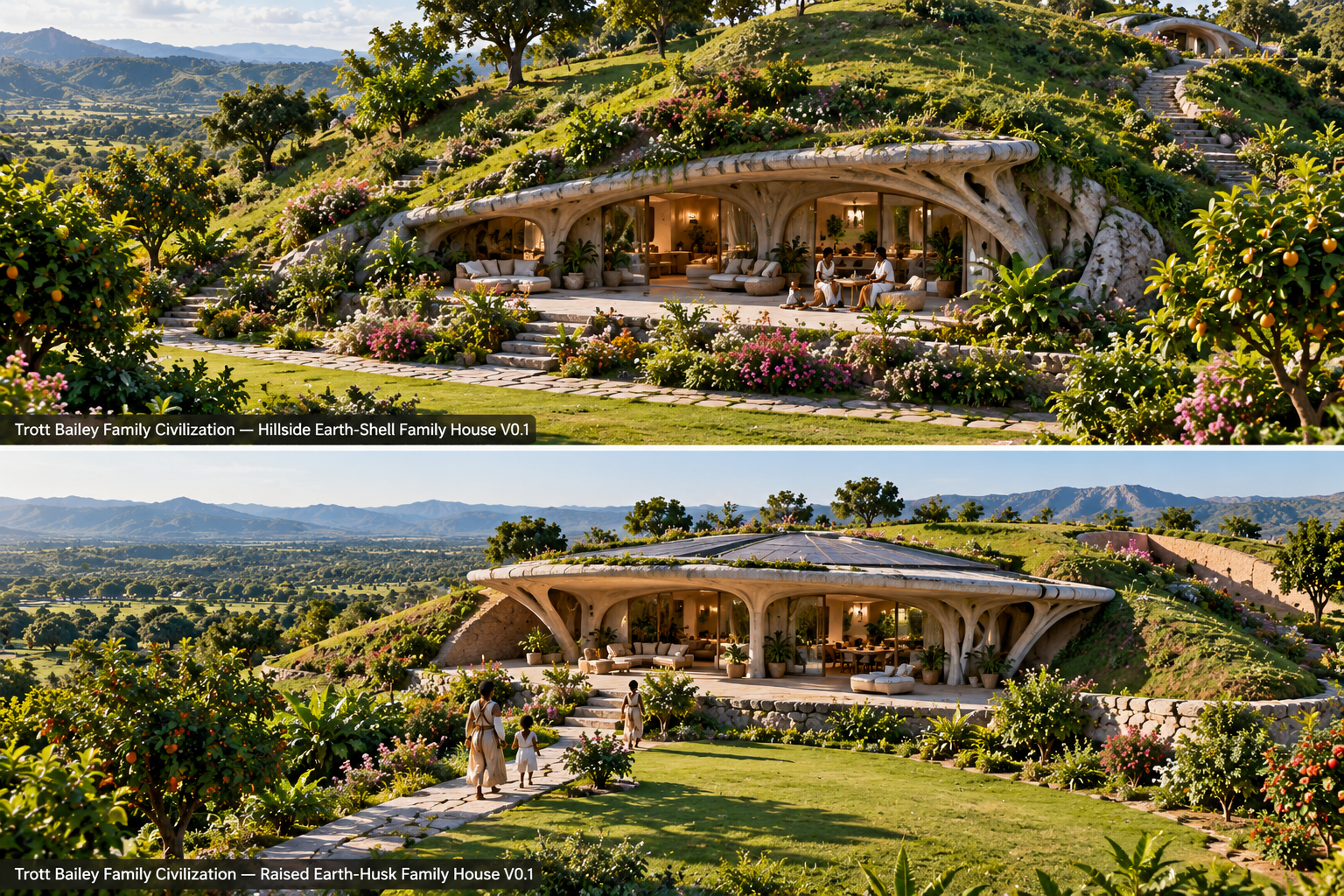
What Should Civilization Physically Build?
Ideas about human life eventually have to become places, systems, tools and environments people can actually use.
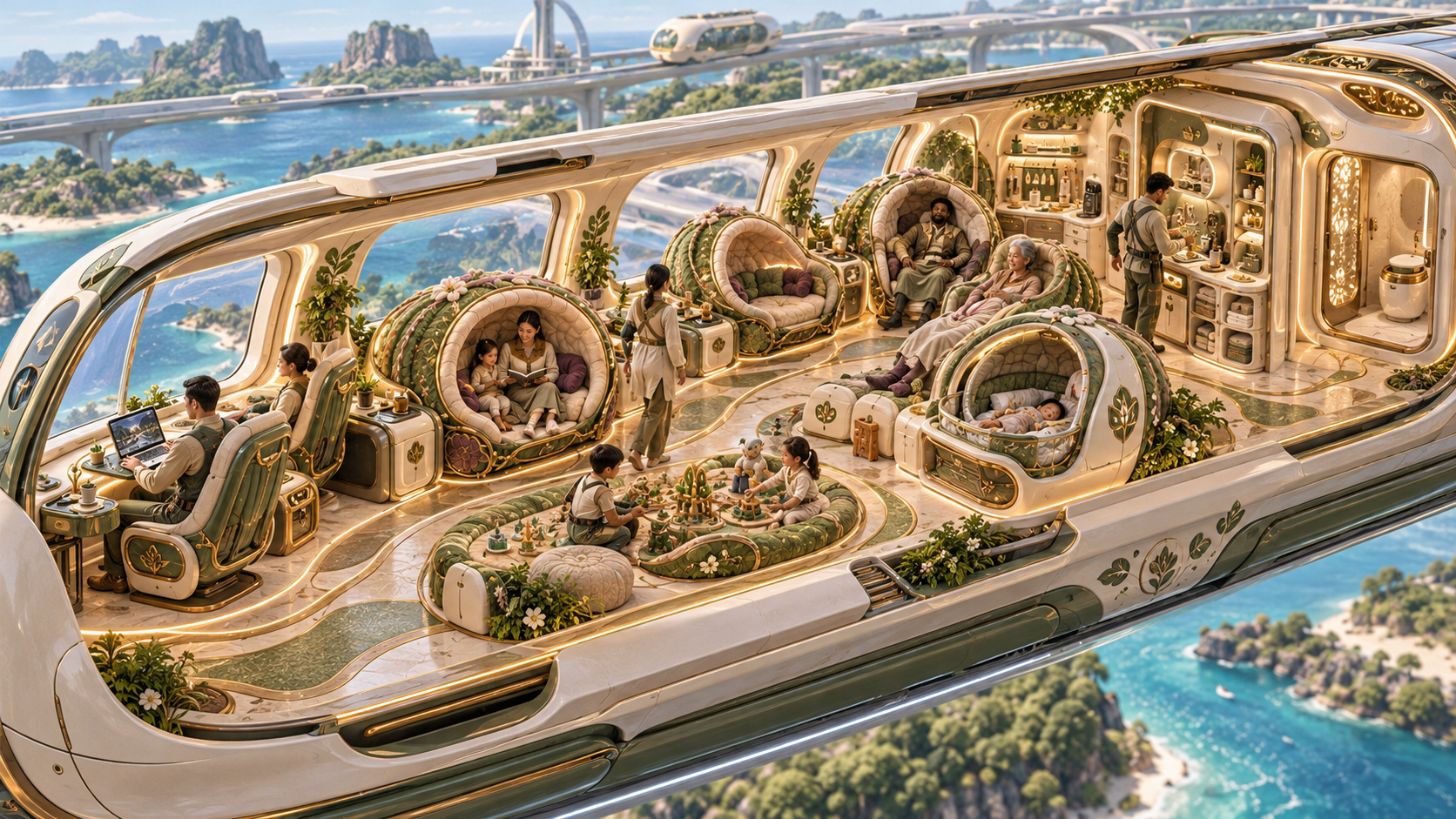
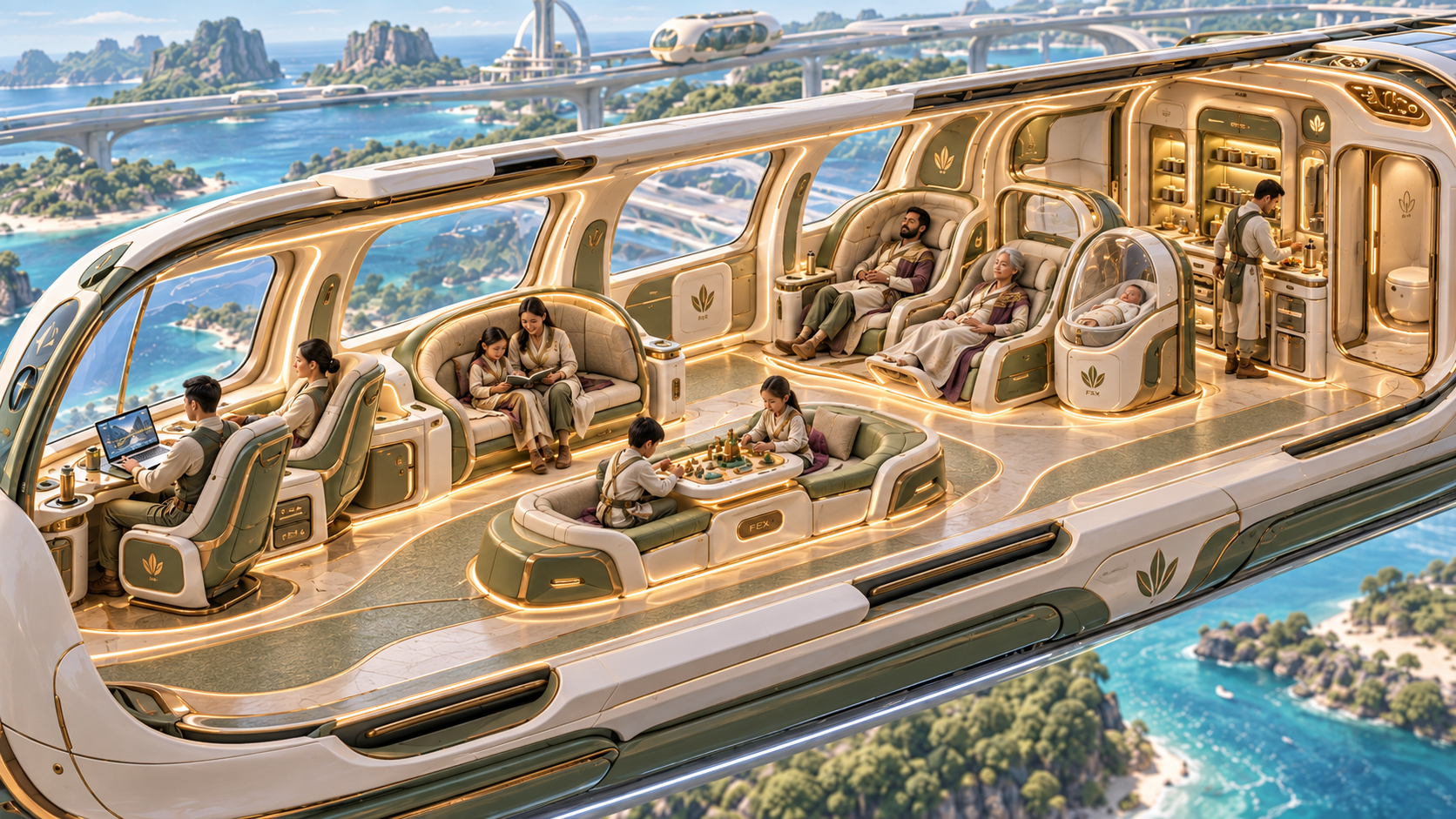
Homes should support family life. Public spaces should support children. Beauty should help life. Food, water, care, movement, learning, rest and delight should exist in the physical world rather than remain promises.
And Now the Loop Closes
A better physical civilization gives families more support.
Better systems remove needless burden.
Automation returns more human time.
Families have more room to live together.
Parents have more room to teach, observe, encourage and speak vision.
Children have more room to learn, judge, explore and become.
Those children become more grounded and capable adults.
Those adults form marriages, families, workshops, communities, inventions and productive systems.
Those systems help build the next civilization.
This Is Not a List. It Is a Loop.
Childhood cannot be separated from family. Family cannot be separated from marriage. Marriage and family cannot be separated from time. Time cannot be separated from work, money and machines. Returned time cannot be separated from the question of how people live. Delight cannot be separated from capability. Capability eventually needs land, tools, places and systems.
Then those physical systems shape the childhood, family life and human beings of the next generation.
Everything comes back around.
The Shortest Reading Route
If you want the whole argument without reading every companion article, follow these core pieces.
What the Whole Map Is Saying
Build civilization for human life.
Take childhood seriously.
Give families enough time to actually be families.
Prepare people for love, sex, marriage, care and responsibility, not only earning and competition.
Stop wasting human effort on badly joined systems.
Use machines to remove needless burden.
Return meaningful time to human beings.
Let people use that life for family, friendship, food, rest, exploration, sex, learning, making, beauty, laughter, care, invention and meaningful contribution.
Raise people who are grounded enough to know themselves, capable enough to help life work, and free enough to actually live.
Then build physical civilization around that human standard.
The loop is simple: build better conditions for human life, and those human beings become more capable of building a better civilization.



 and then