The first seeds did not arrive with a fancy agricultural campaign. We began putting them into the ground and watching. Prado’s sandy soil revealed itself through little experiments. We observed what sprouted, which plants spread, how moisture behaved beneath mulch and where organic material could begin rebuilding the surface. If a plant struggled, we looked at its surroundings instead of blaming the plant for not growing fast enough.
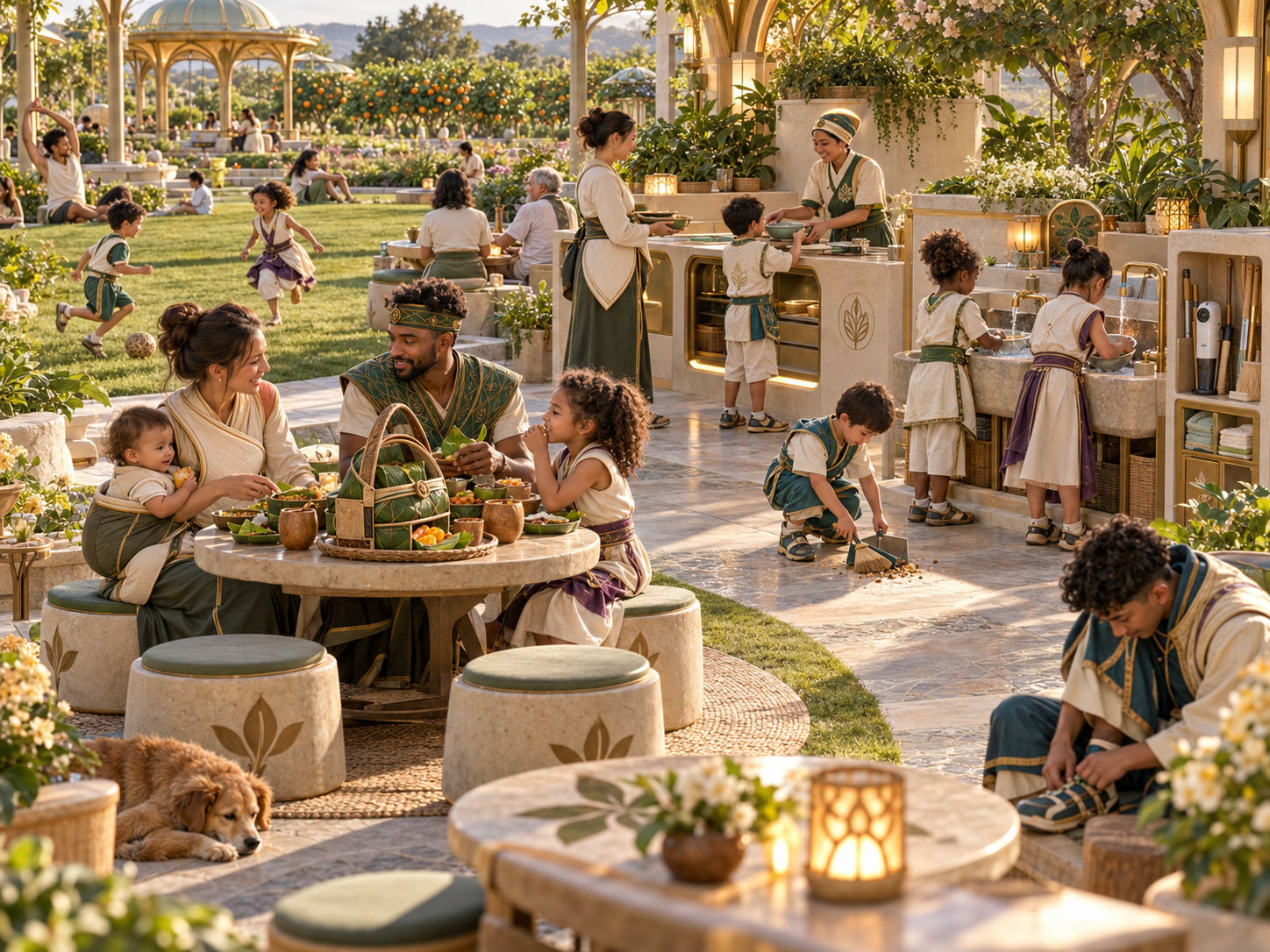
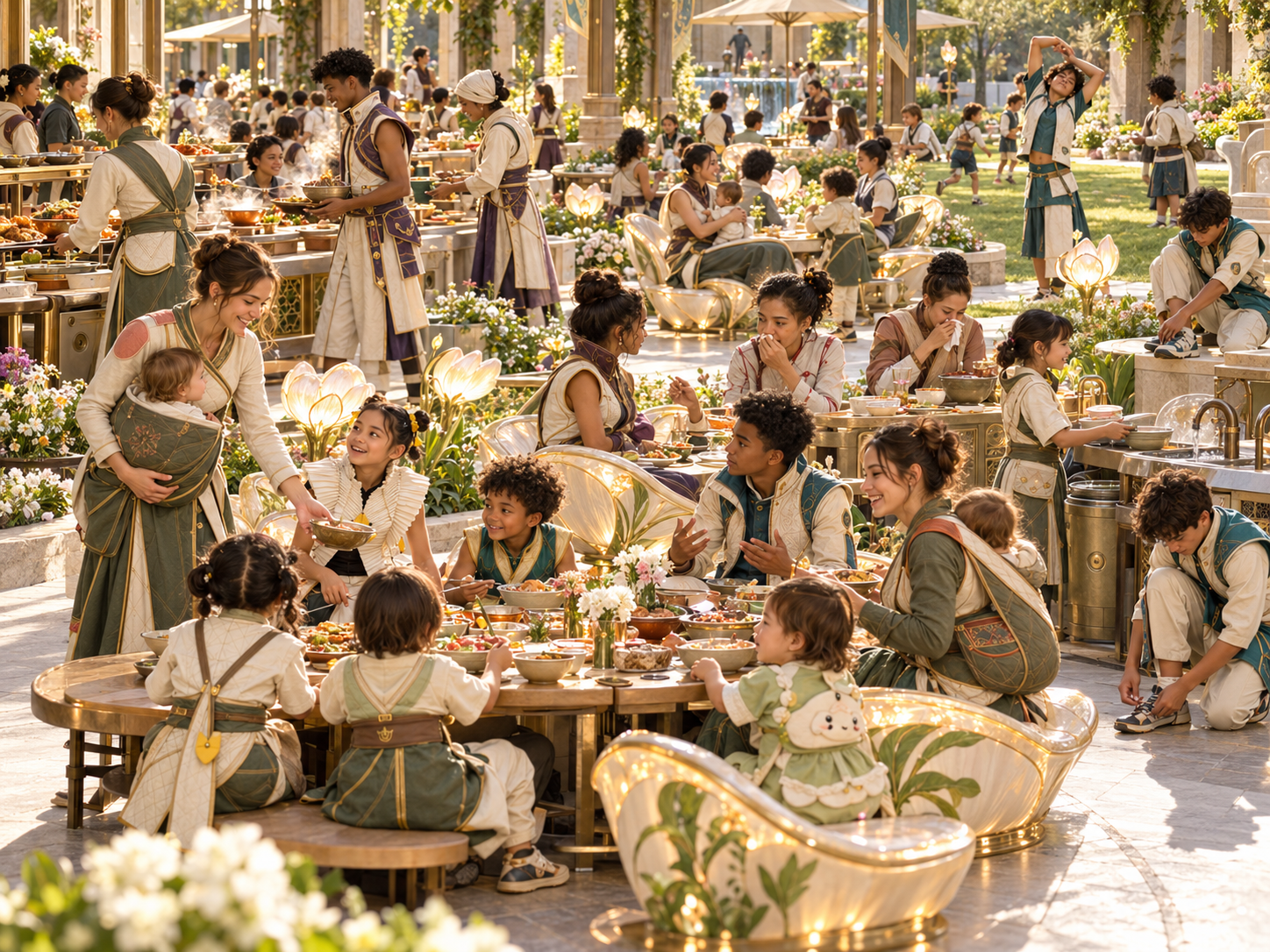
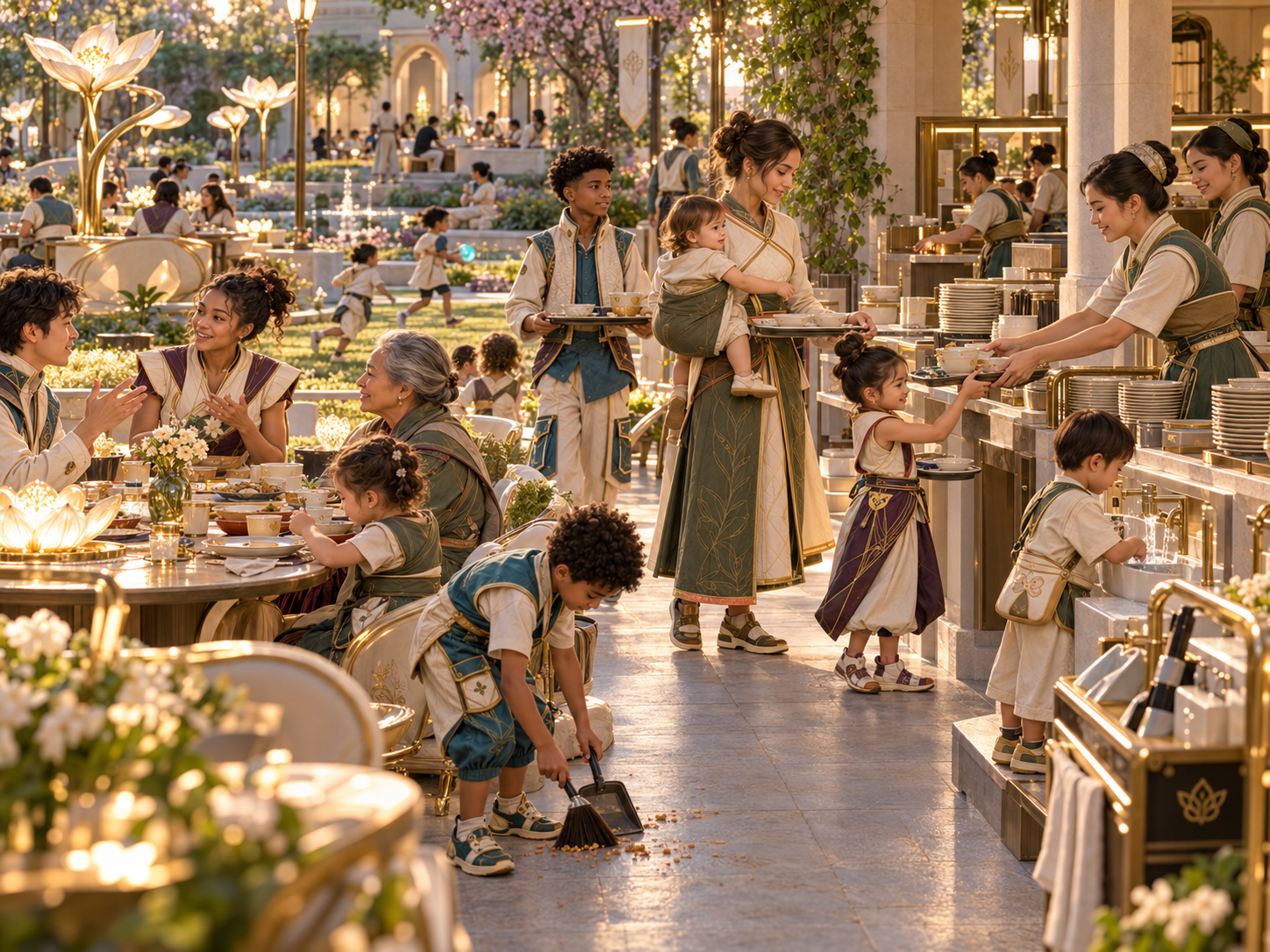
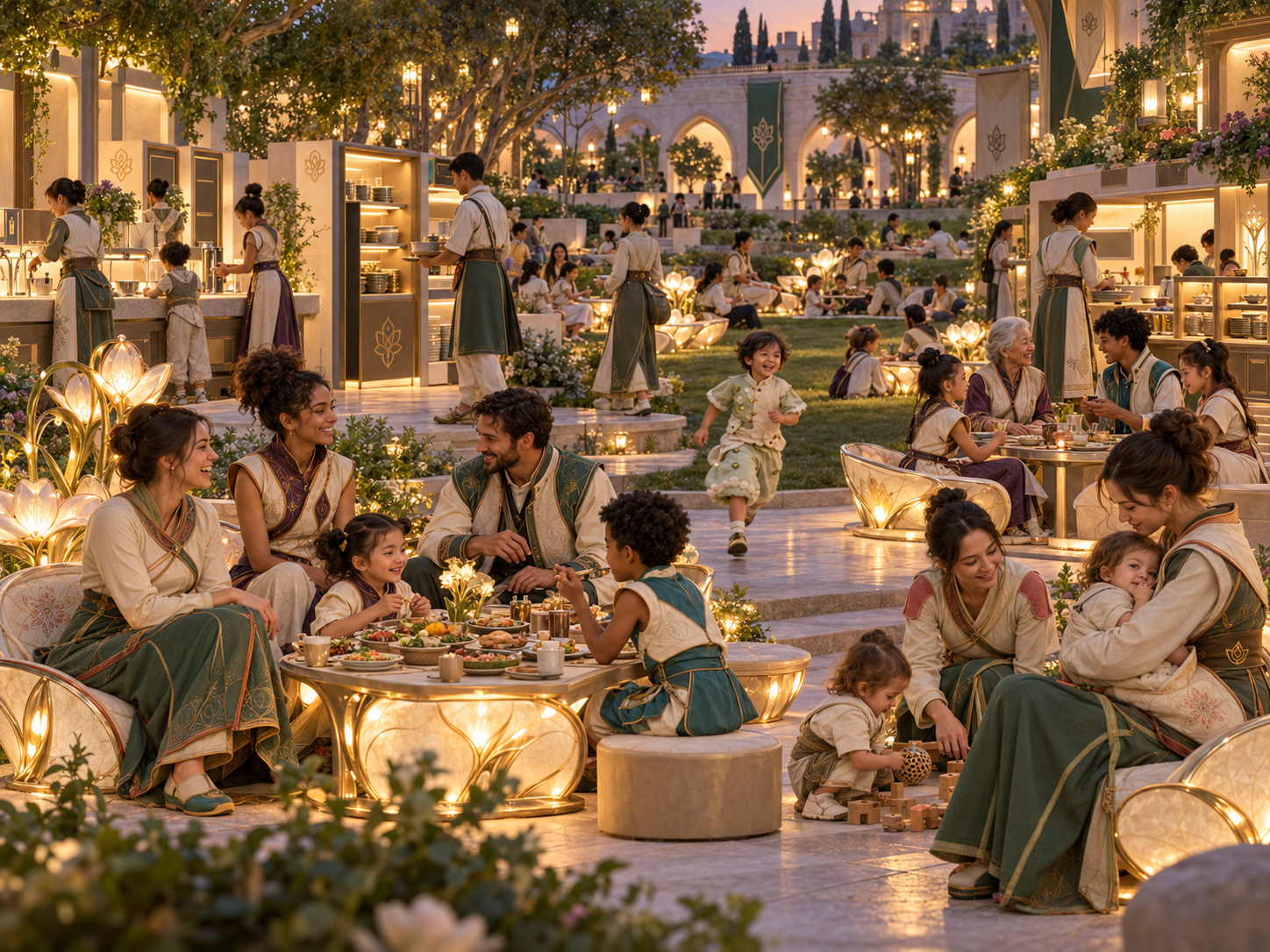
There is an extraordinary satisfaction in watching life answer. A tiny shoot becomes a pumpkin vine, a watermelon begins swelling and a banana plant finds its place. Children can touch the leaves and learn the name of a crop. An older neighbour can enjoy fruit. A mother can carry produce home. The ground becomes a social space because people have a reason to look, talk, help and share.
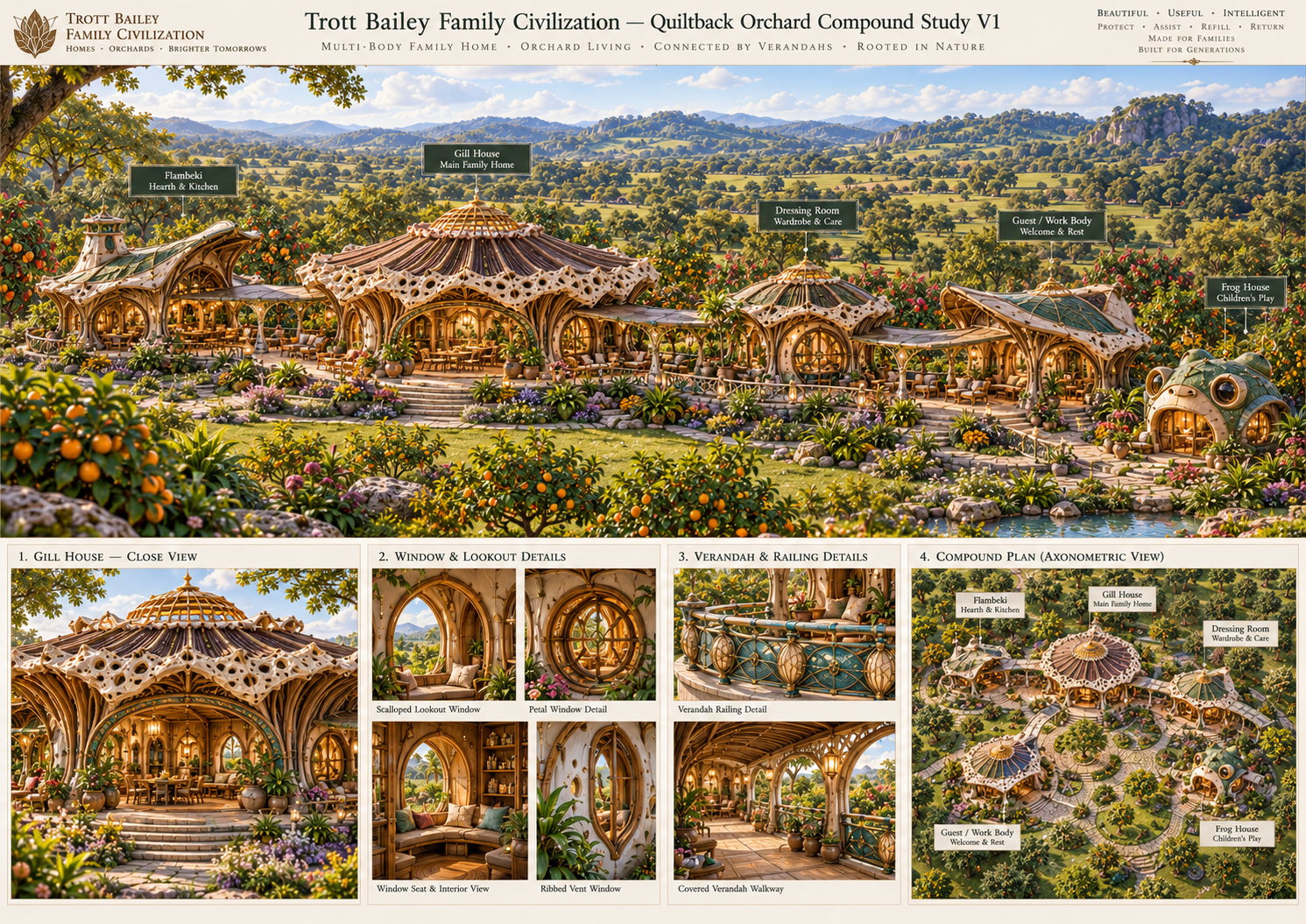
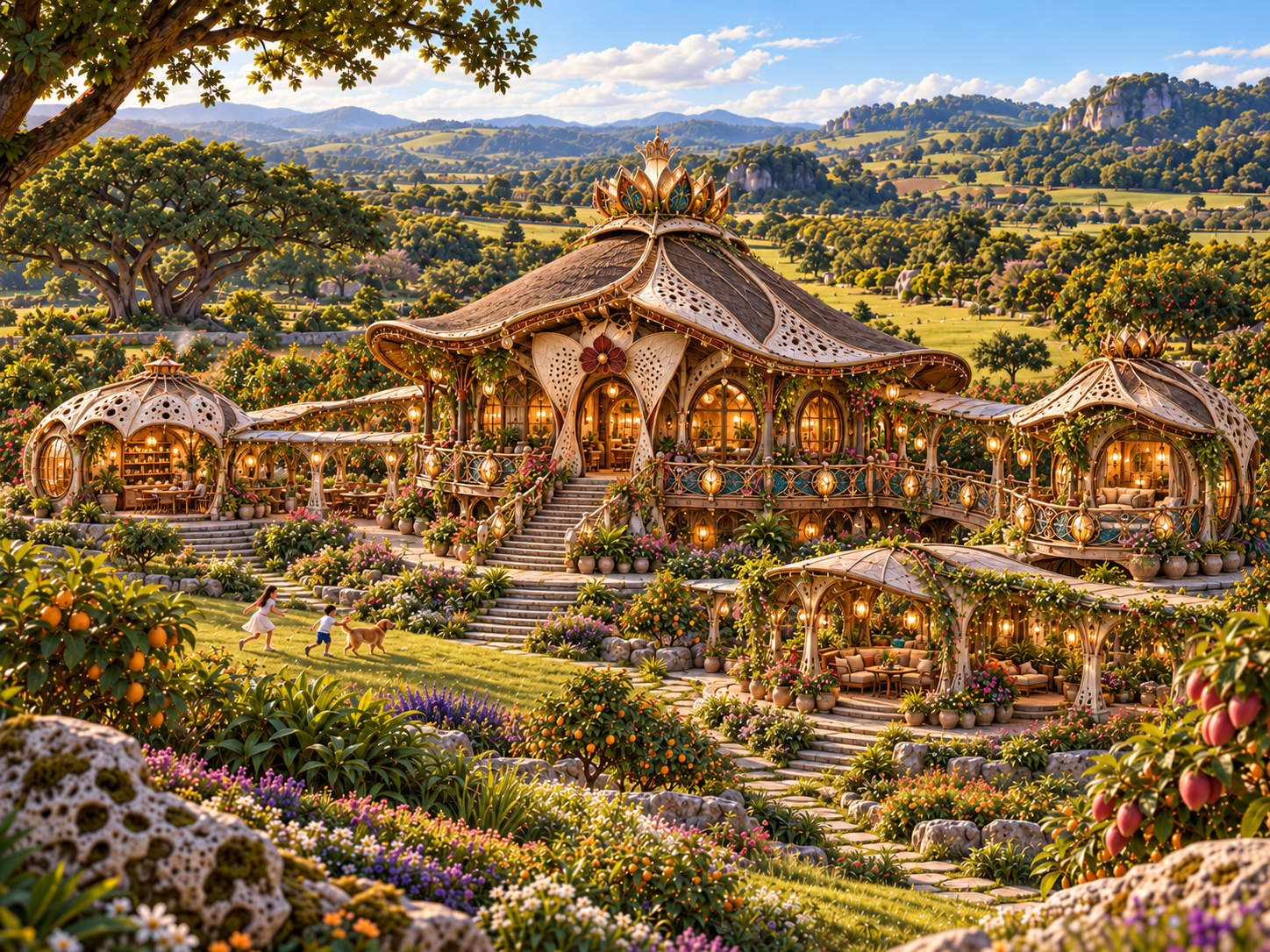
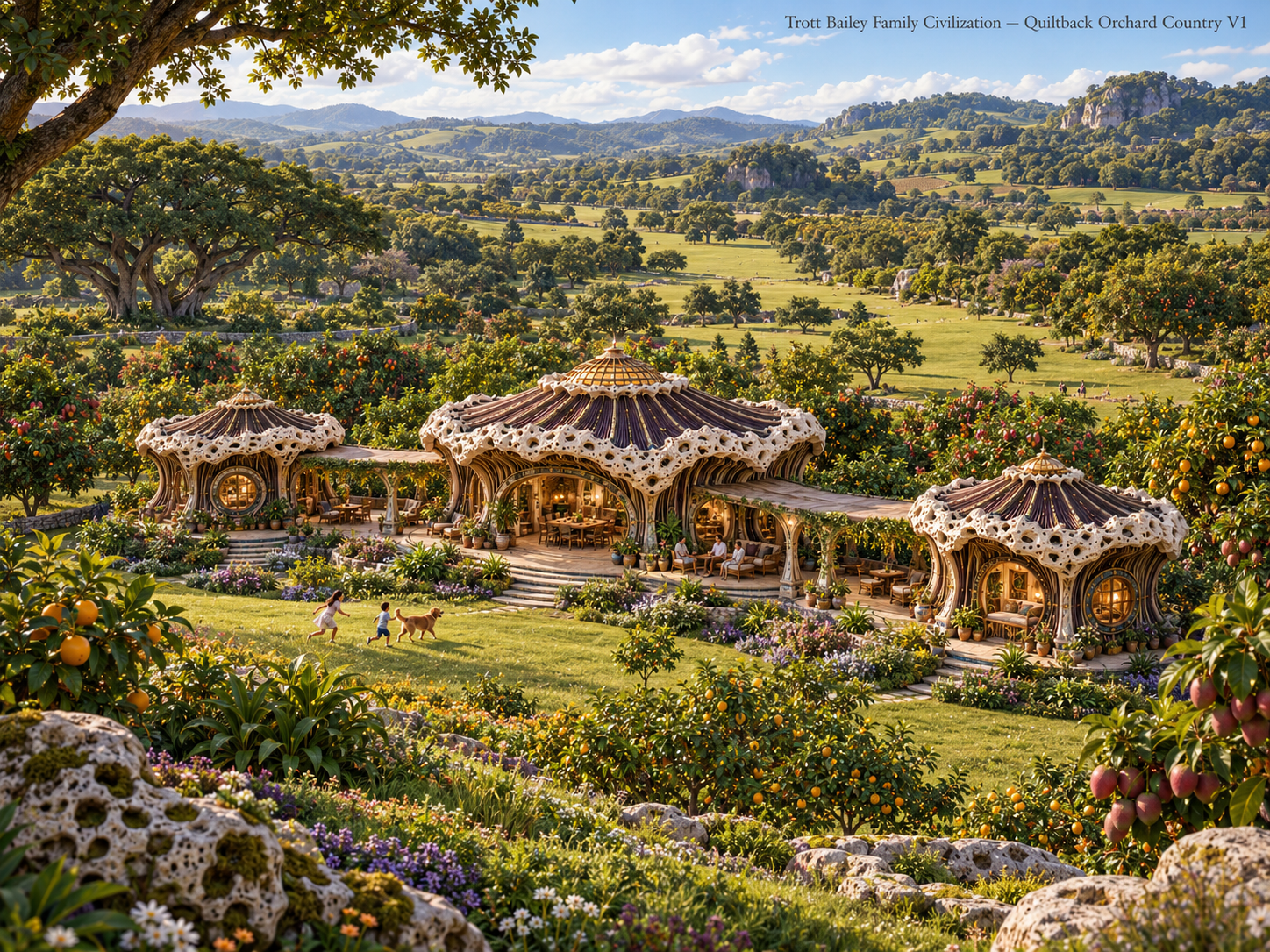
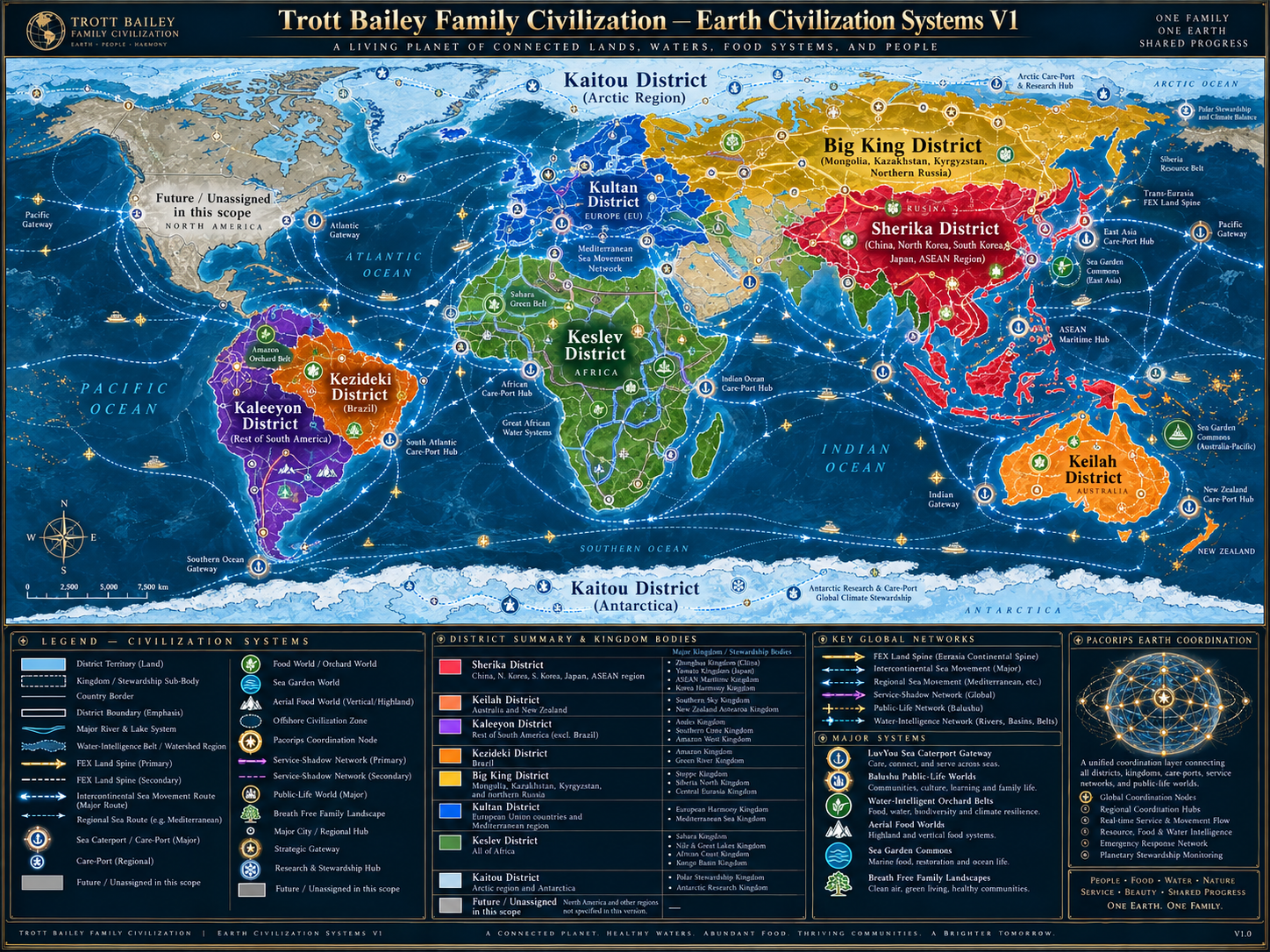
This is how our field studies connected with the orchard, Keslev and the Foodway. We stopped thinking of food production as a distant commodity moving through a chain of shops. Food could be part of a family walk, the shade between buildings, the edge of a public route and the place where a young person learns stewardship.
Our work is observable. The plants grow or they do not. People use the ground or walk past it. Soil either begins to hold more living material or it remains exhausted. We can improve the system from the evidence in front of us. I love that kind of laboratory.


 and then