Abundance Theory: The family’s framework for measuring and producing usable life, resources, capability, access and human time.
AgriGames: Practical food, agricultural learning, exploration and family participation tied to real productive landscapes.
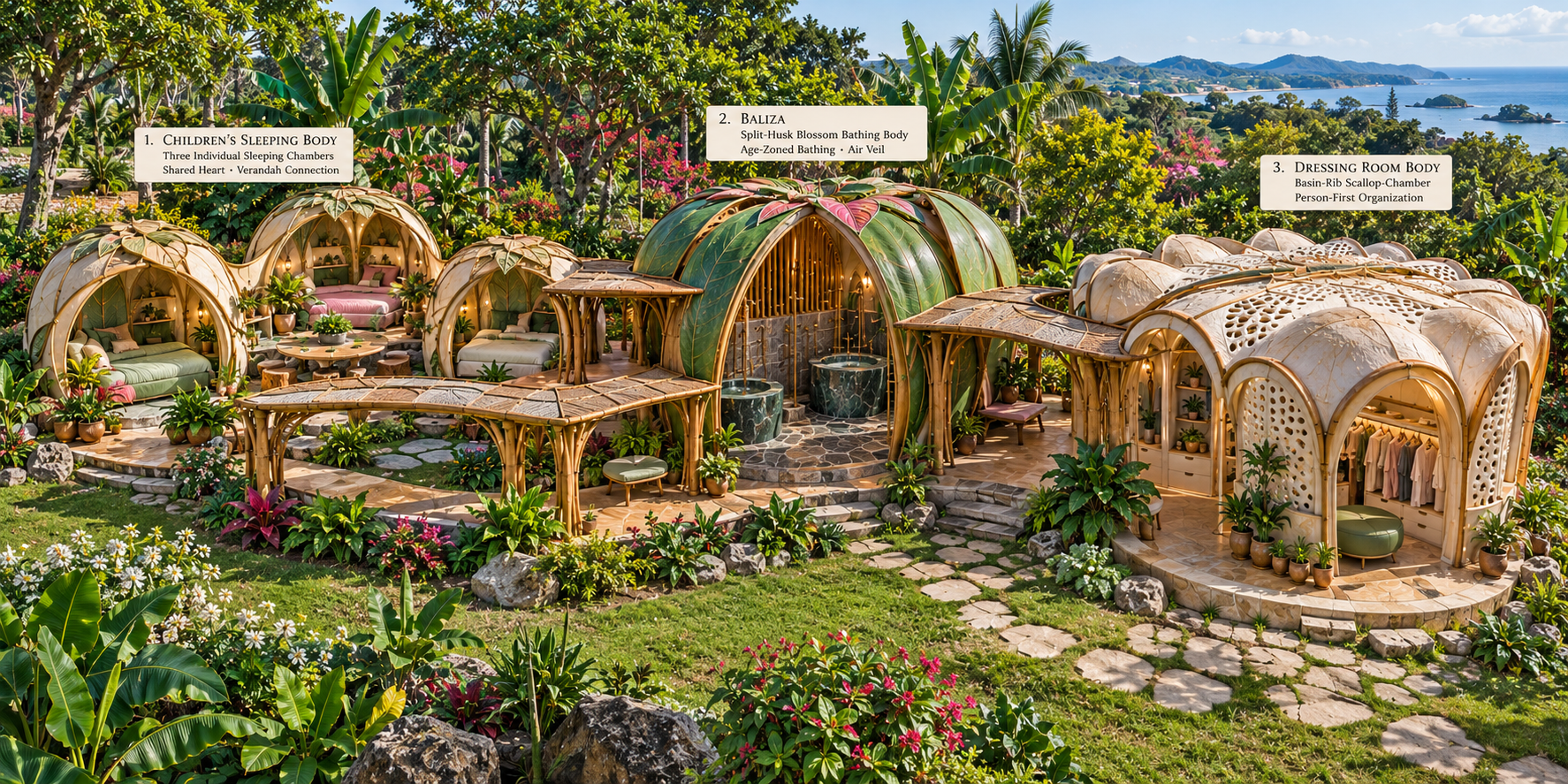
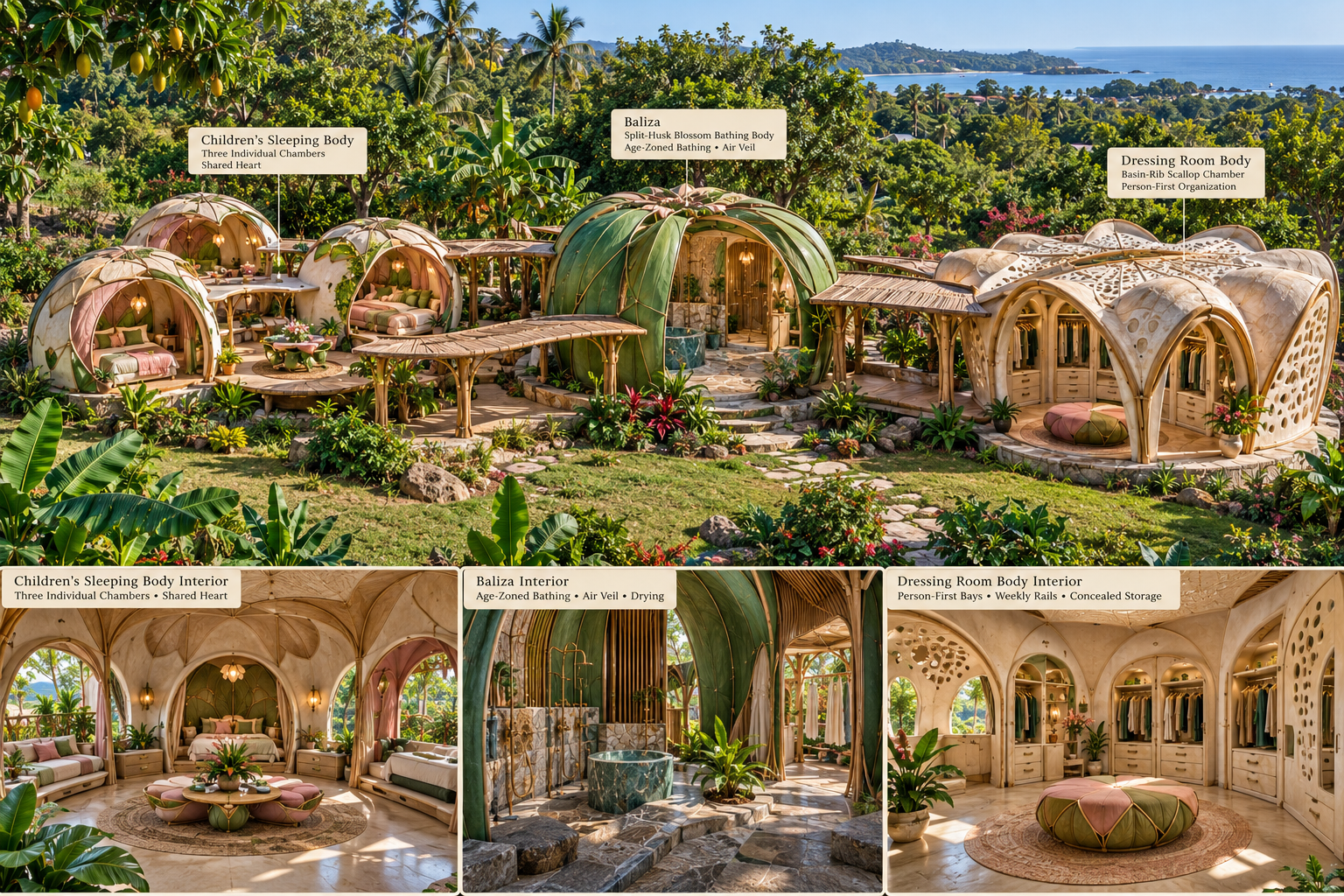
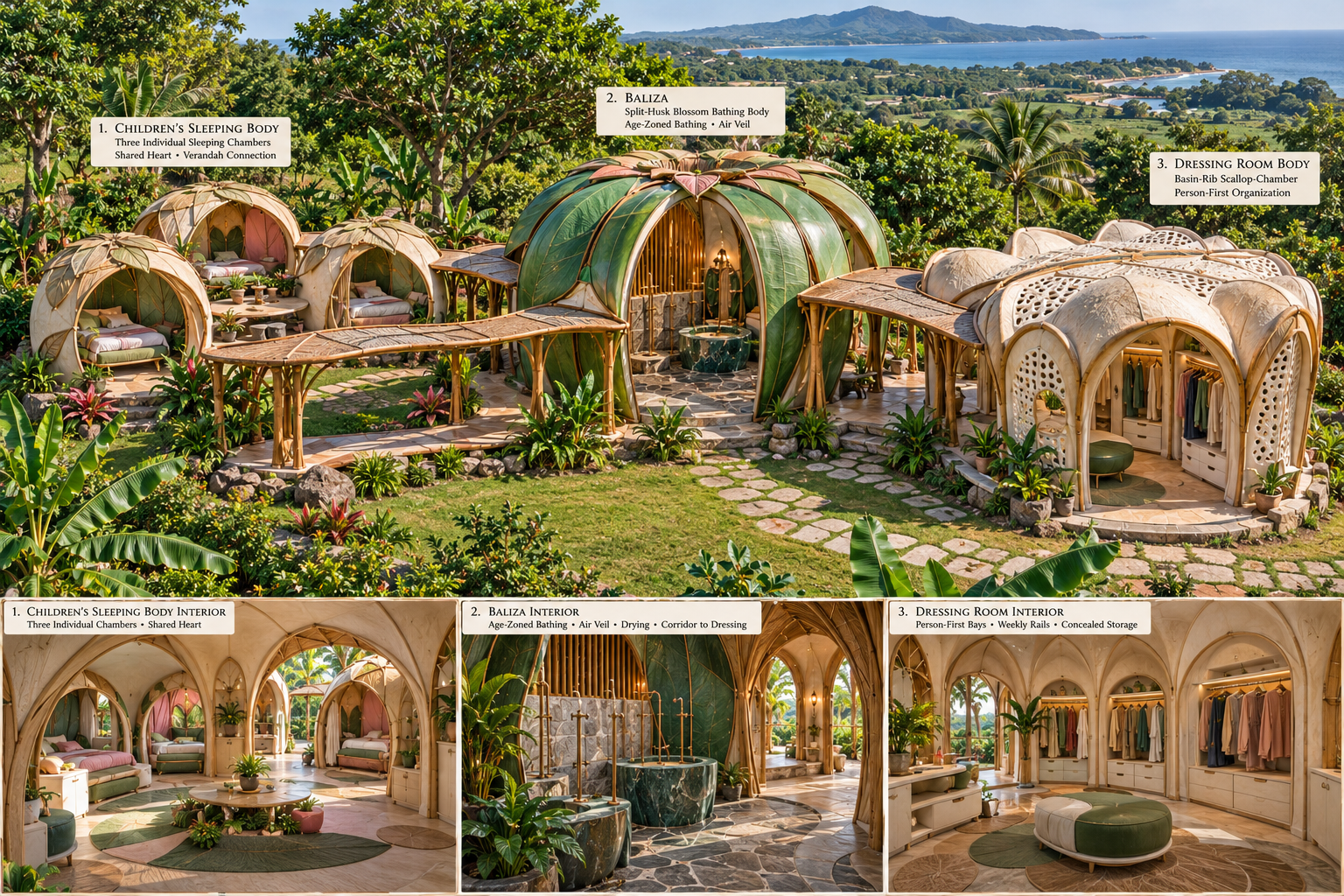
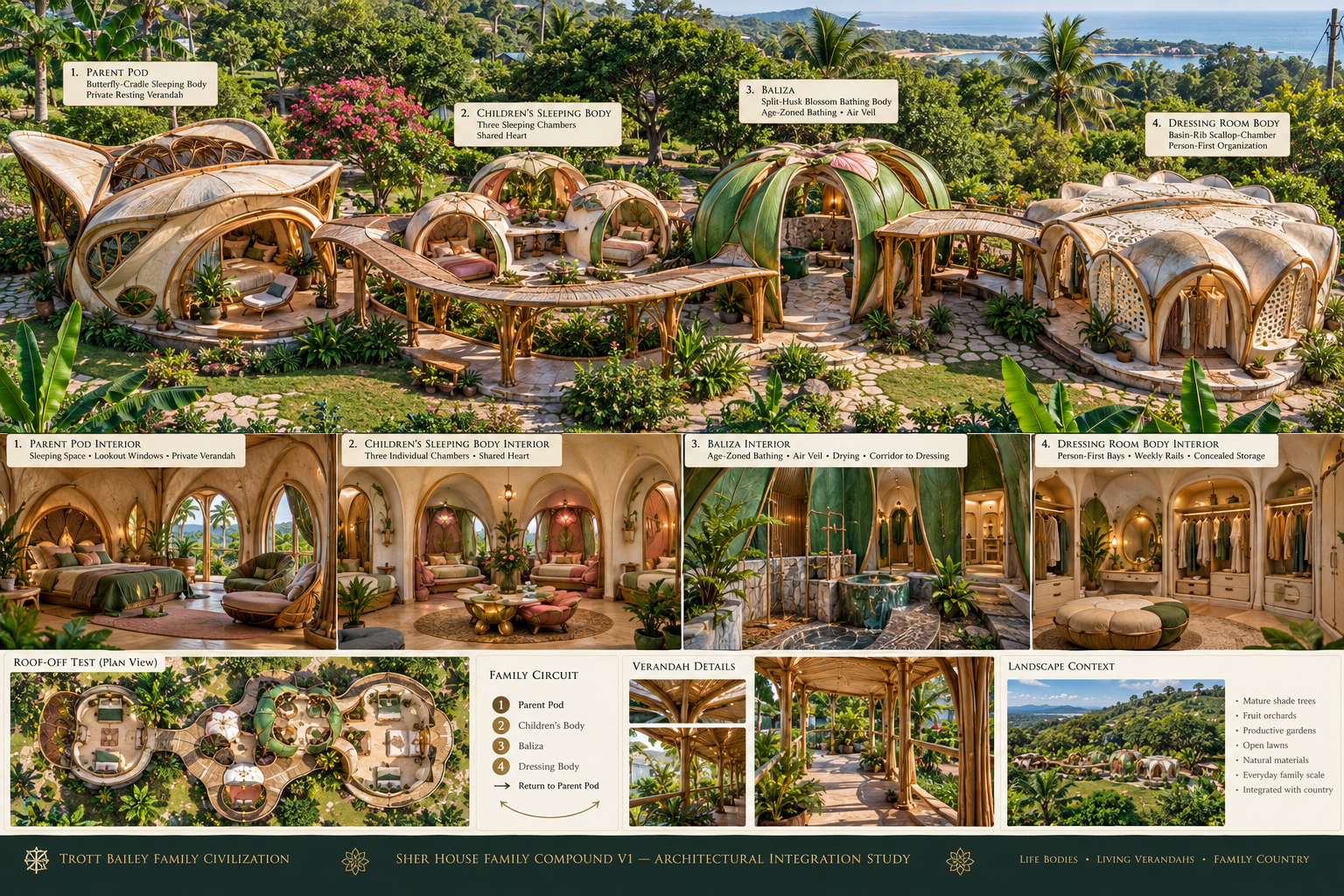
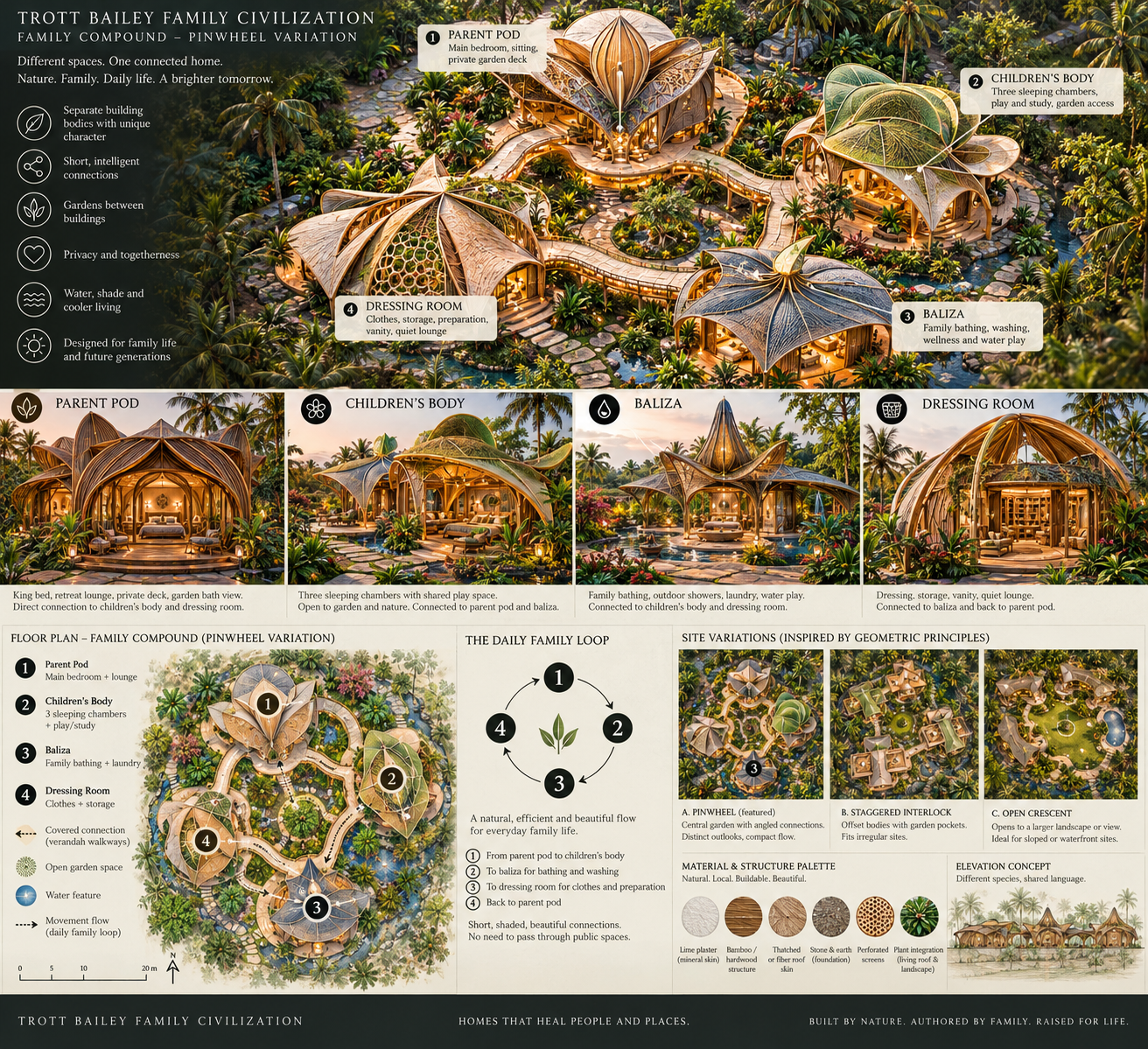
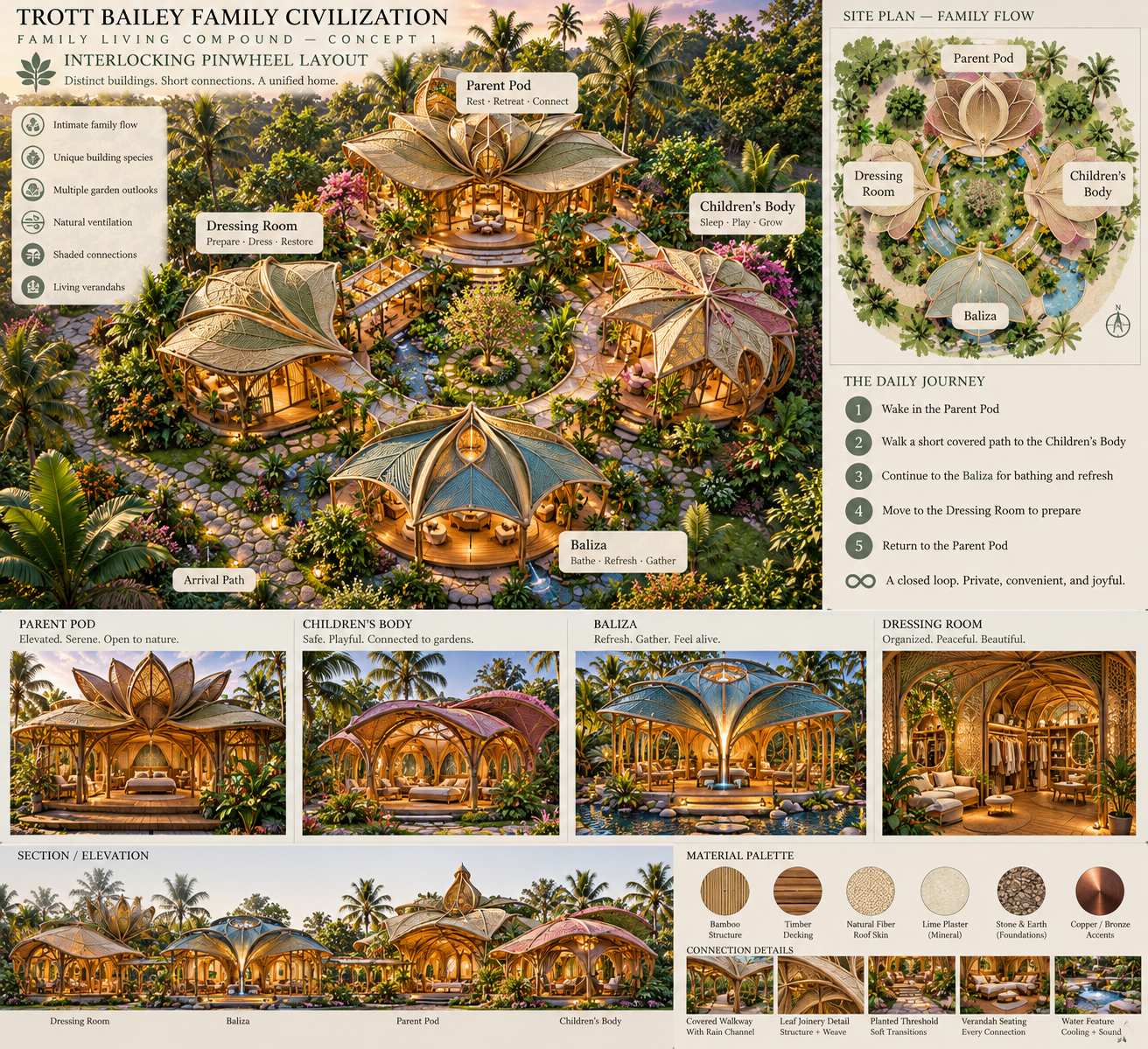
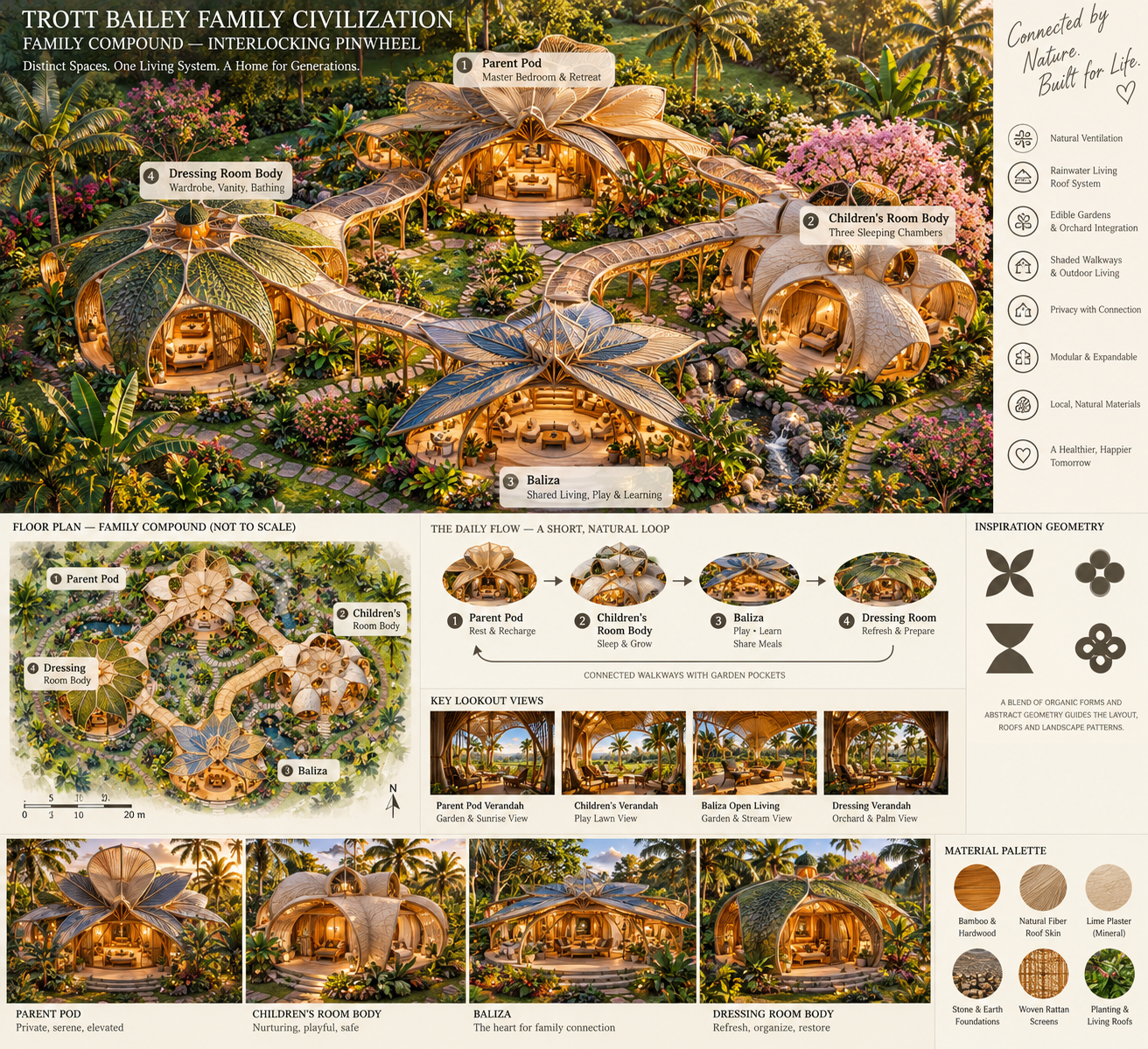
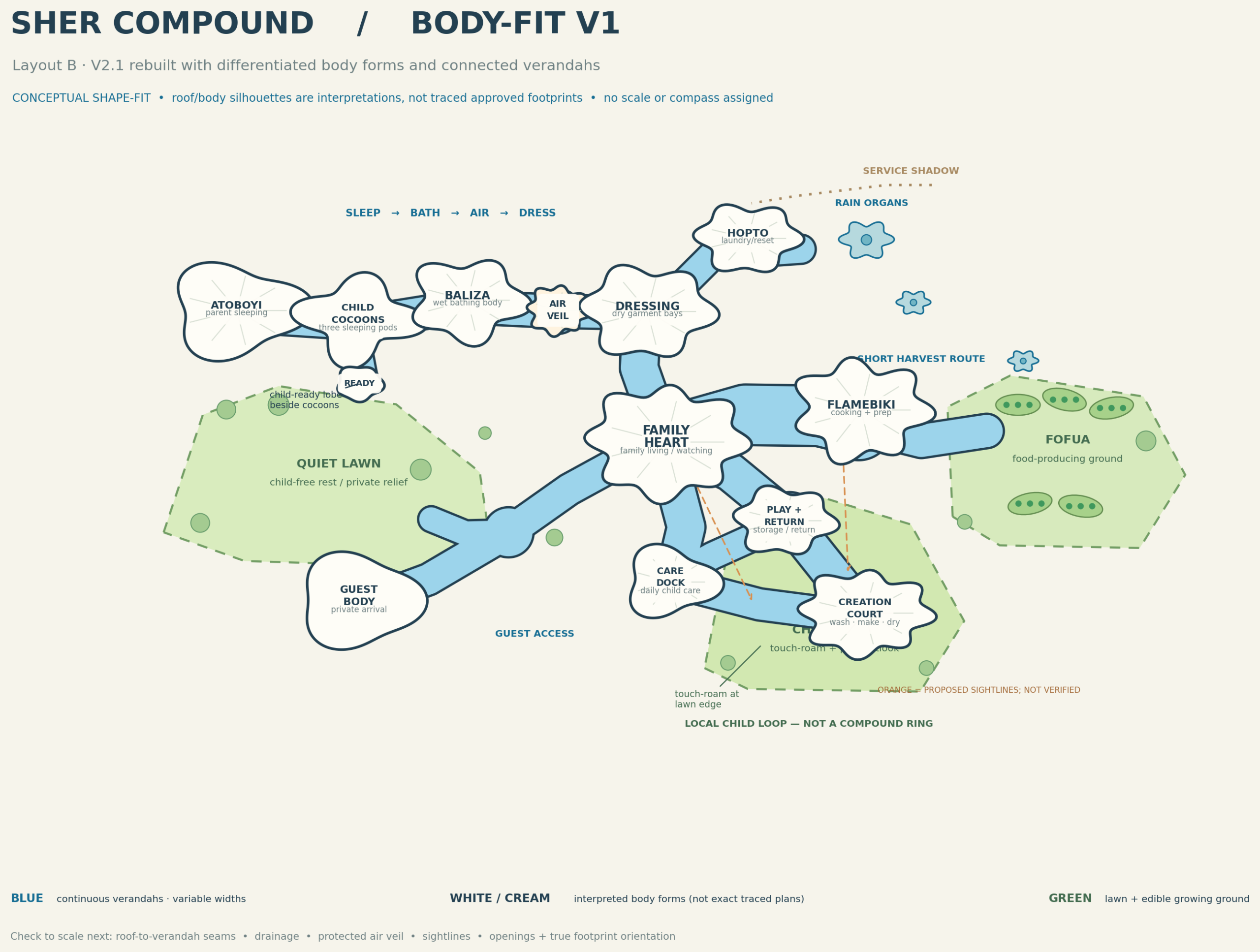
Baliza: Sherika’s organized wash-to-dress system, including bathing, drying and garment preparation.
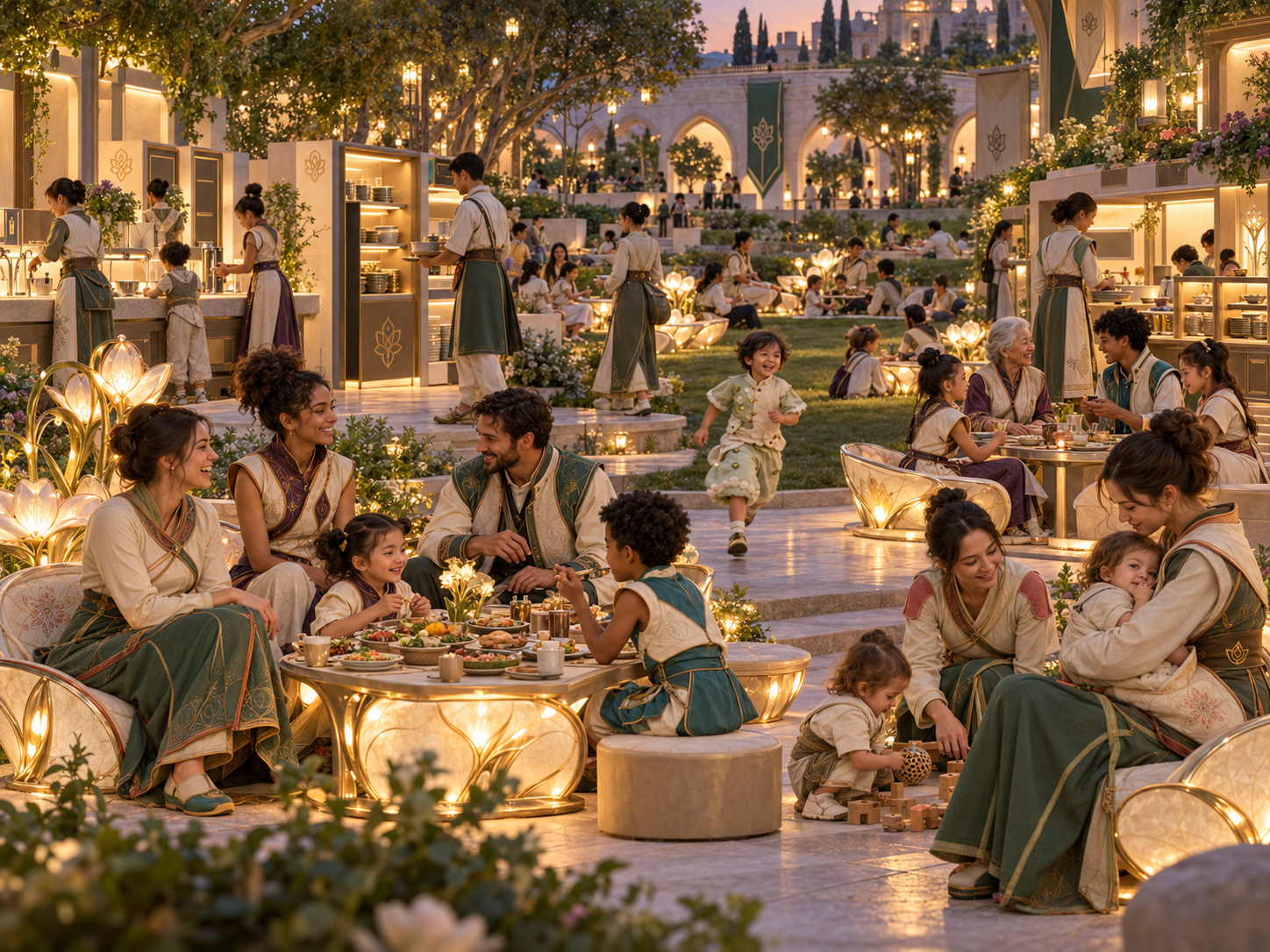
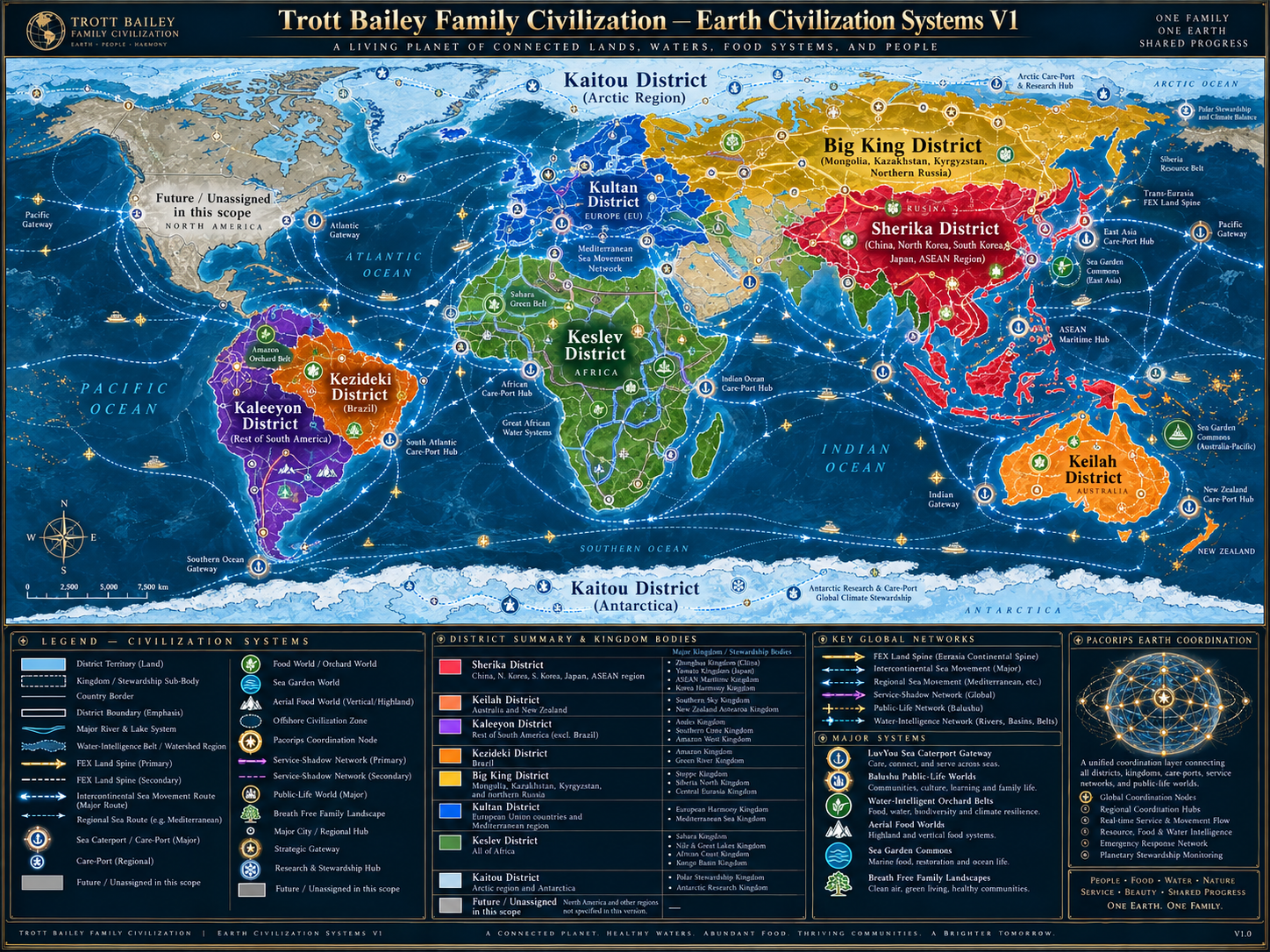
Balushu: The civilization’s designed public-life worlds, including gathering, play, rest and shared culture.
Belongings Spine: The travel network for moving personal possessions apart from the family so the journey stays light.
Big King Media: The family’s working WordPress multisite media platform.
Care-Port / LuvYou: A free movement and receiving network providing rest, food, hygiene, family care and connected travel.
FEX: The family’s planned network of modular and regional transport carriers.
Foodway: Productive public landscape where food grows along the routes of ordinary life and is shared freely.
Friction Economy: The avoidable time, coordination, labor and repeated transactions imposed between people and what they need.
Health Upon Health: Integrated health, environmental, family and skilled-care architecture for sustained well-being.
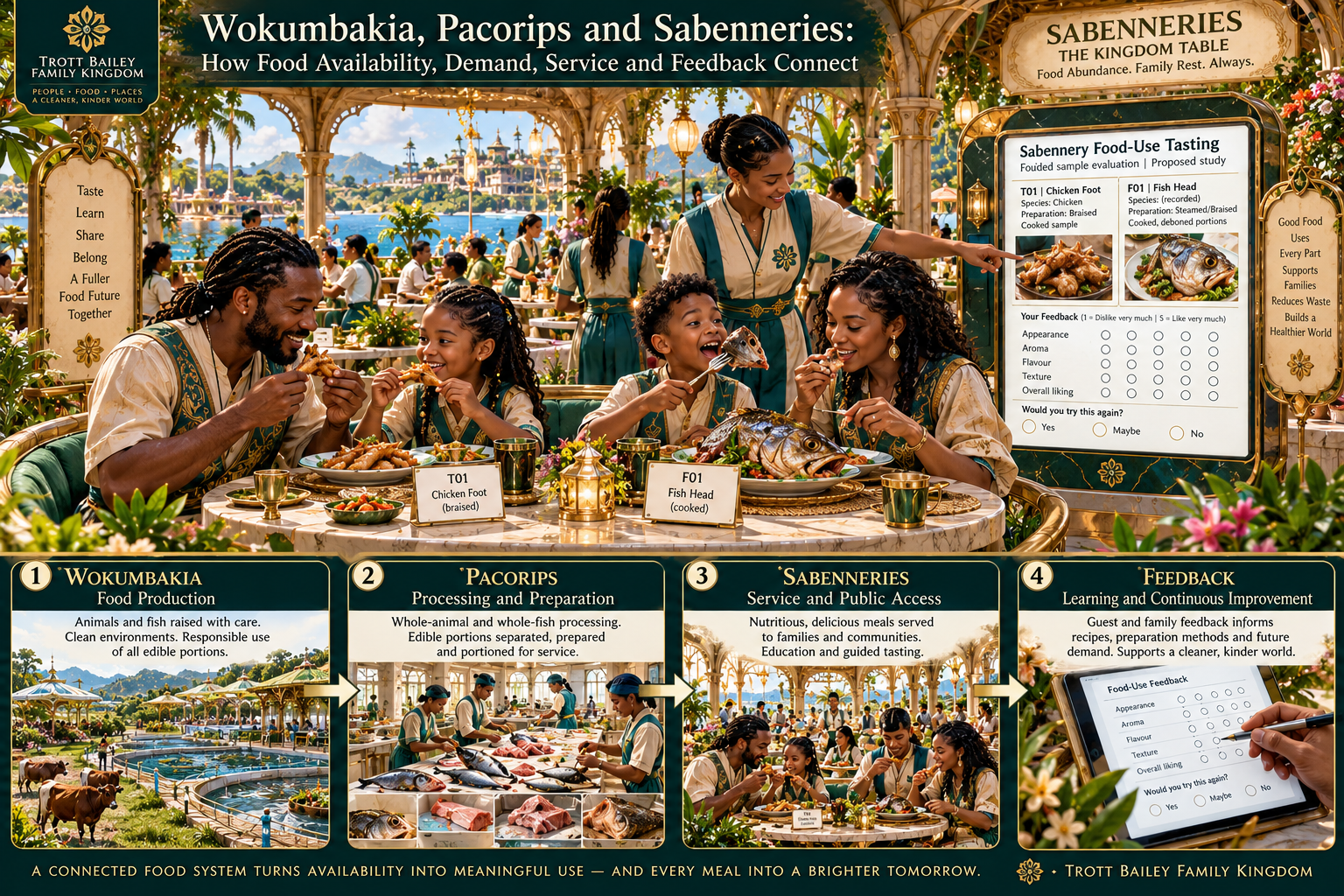
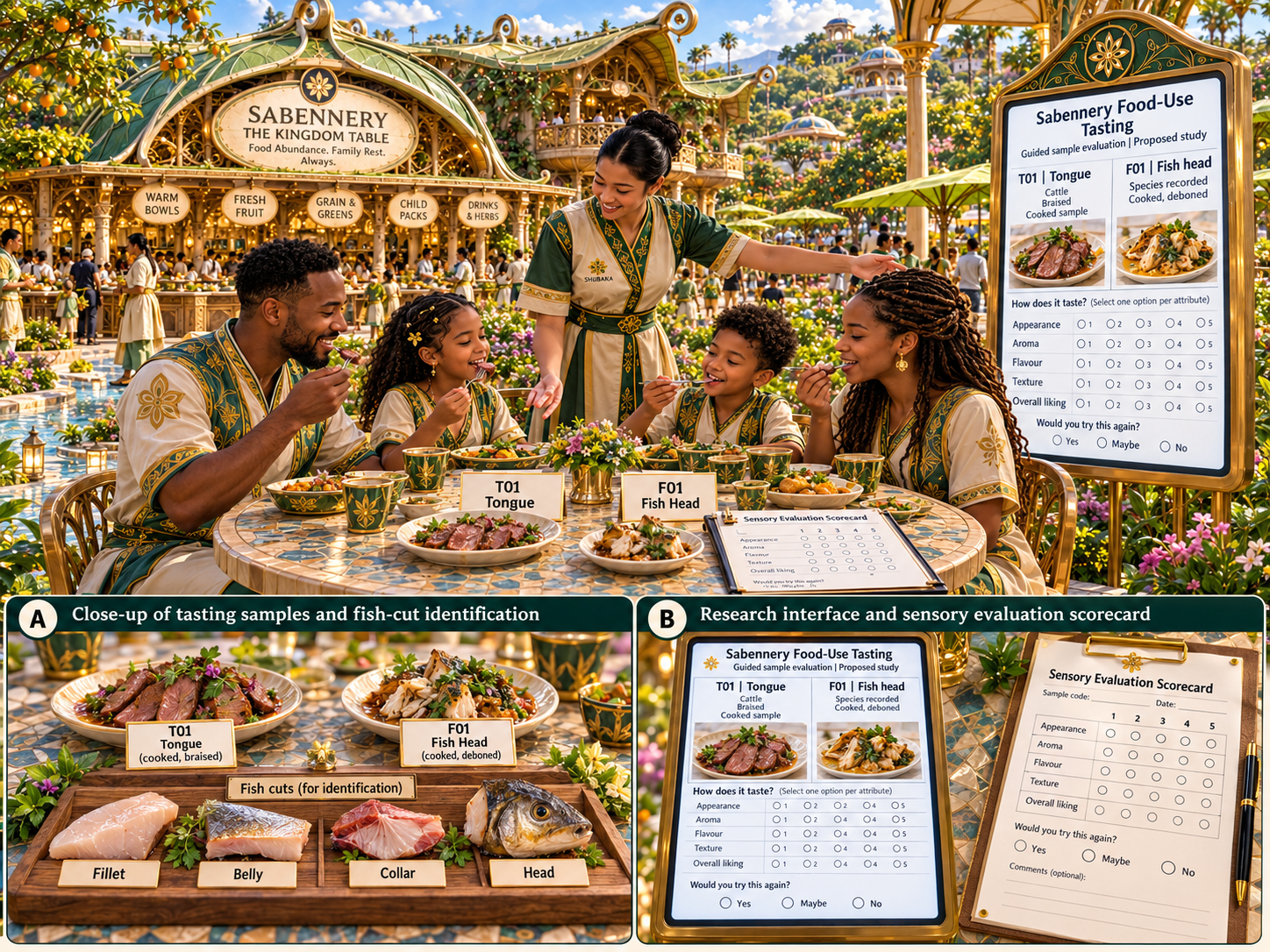
Keslev: The civilization’s organized nourishment system, from the soil and water through processing and food movement to the family.
Krubaro: Clean-return network for materials, biological cycles, repair and useful reuse.
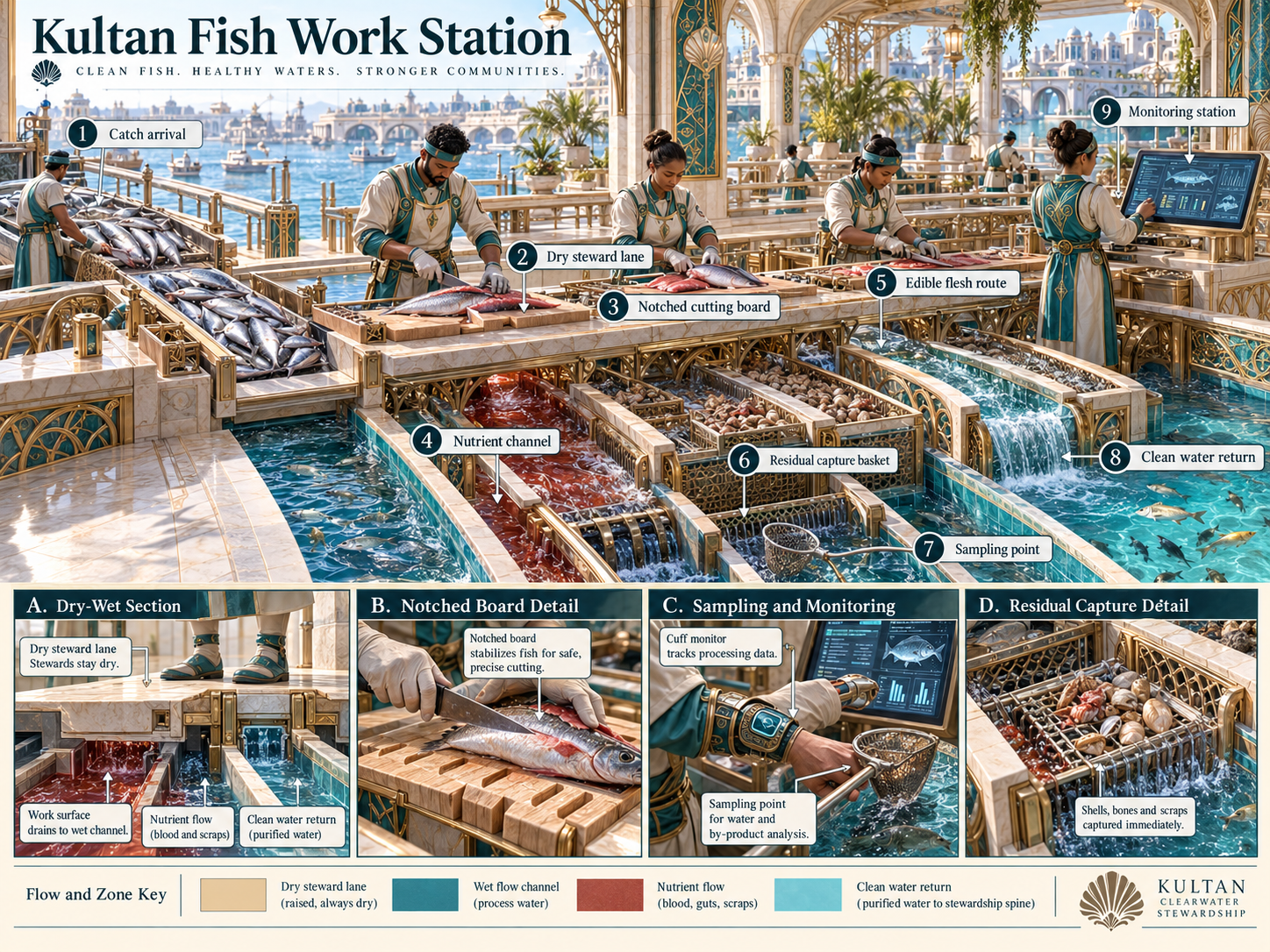
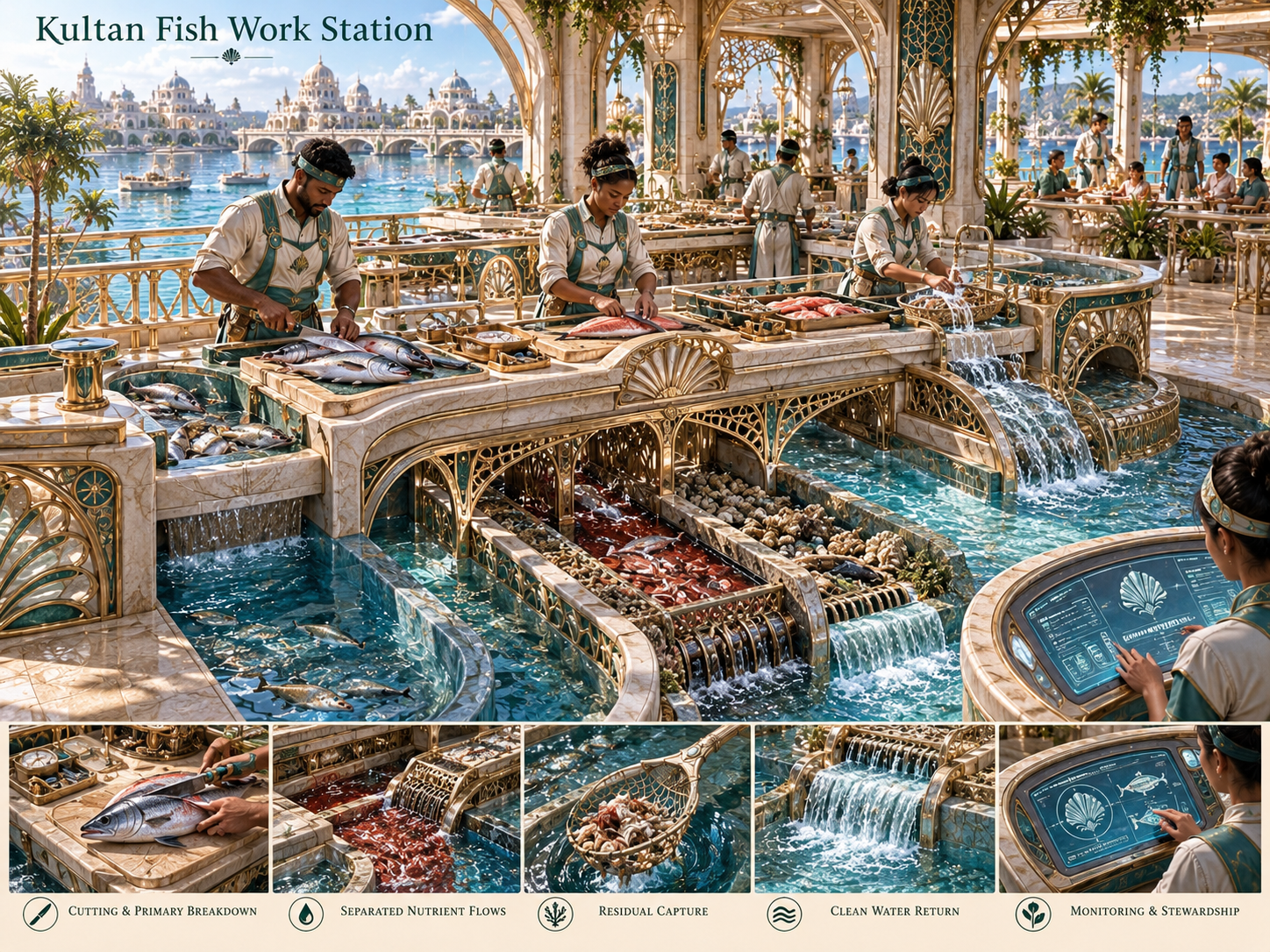
Kultan: A water-centered district system integrating movement, maintenance, family leisure, food and lagoon life.
Kalsheron: The authored winter district with family houses, gardens, orchards and adapted clothing, transport and public life.
Makji: The family’s planned vessels and related sea-life movement system.
Mind’s Eye: Records that preserve how and why a design came into being, alongside the visible form.
Mother-Sight: Housing and neighborhood design principle placing parent-child visibility, independence and caregiving relief into spatial planning.
NoDumbDumbs: Capability-centered education through useful practice, living environments, family participation and skilled mentors.
Pacorips: Coordination, capability, service and memory system for the civilization, with privacy and record-correction requirements.
Resource Reality Before Money: A decision standard that begins with physical resources, useful skills and real production capacity.
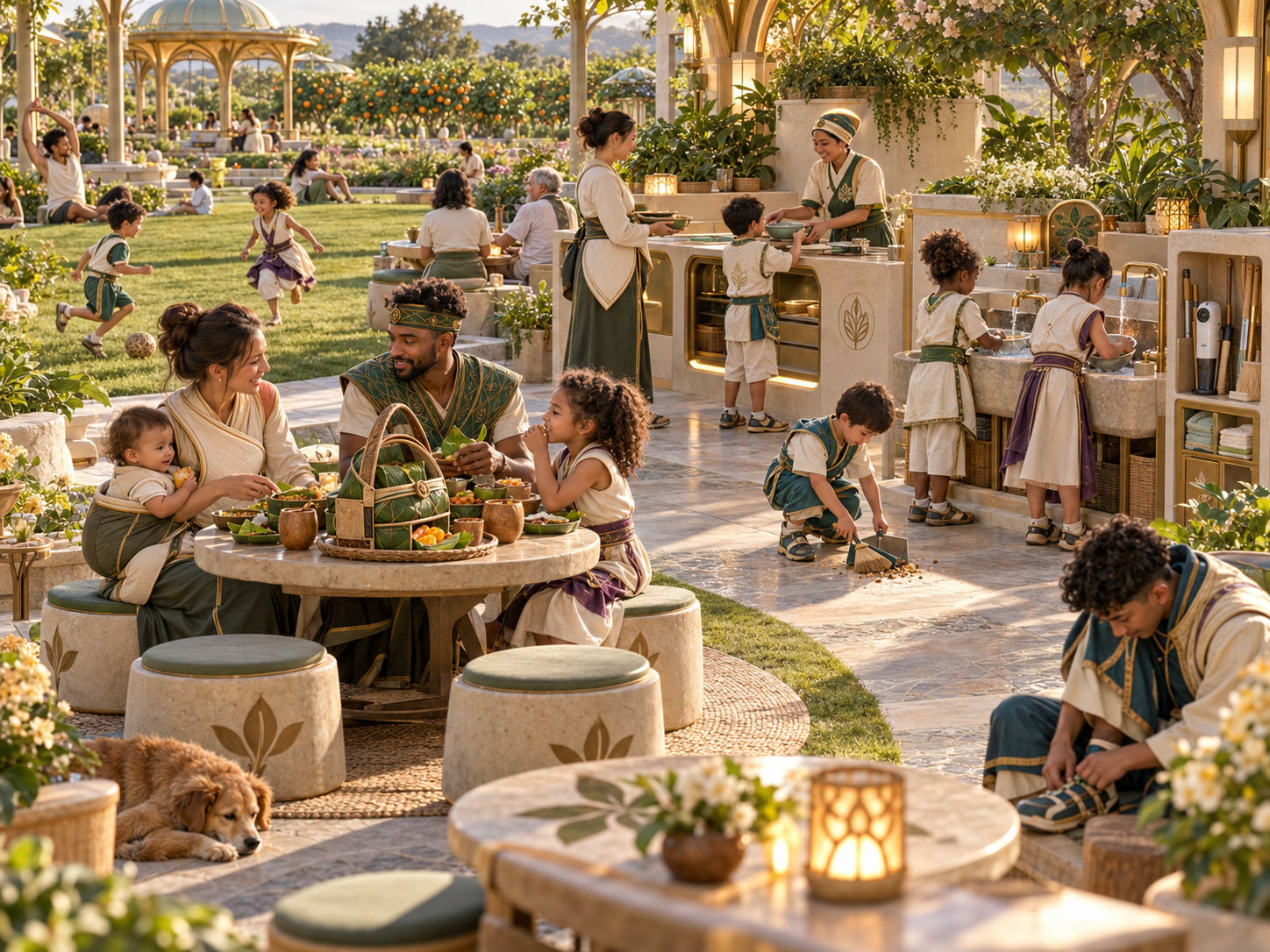
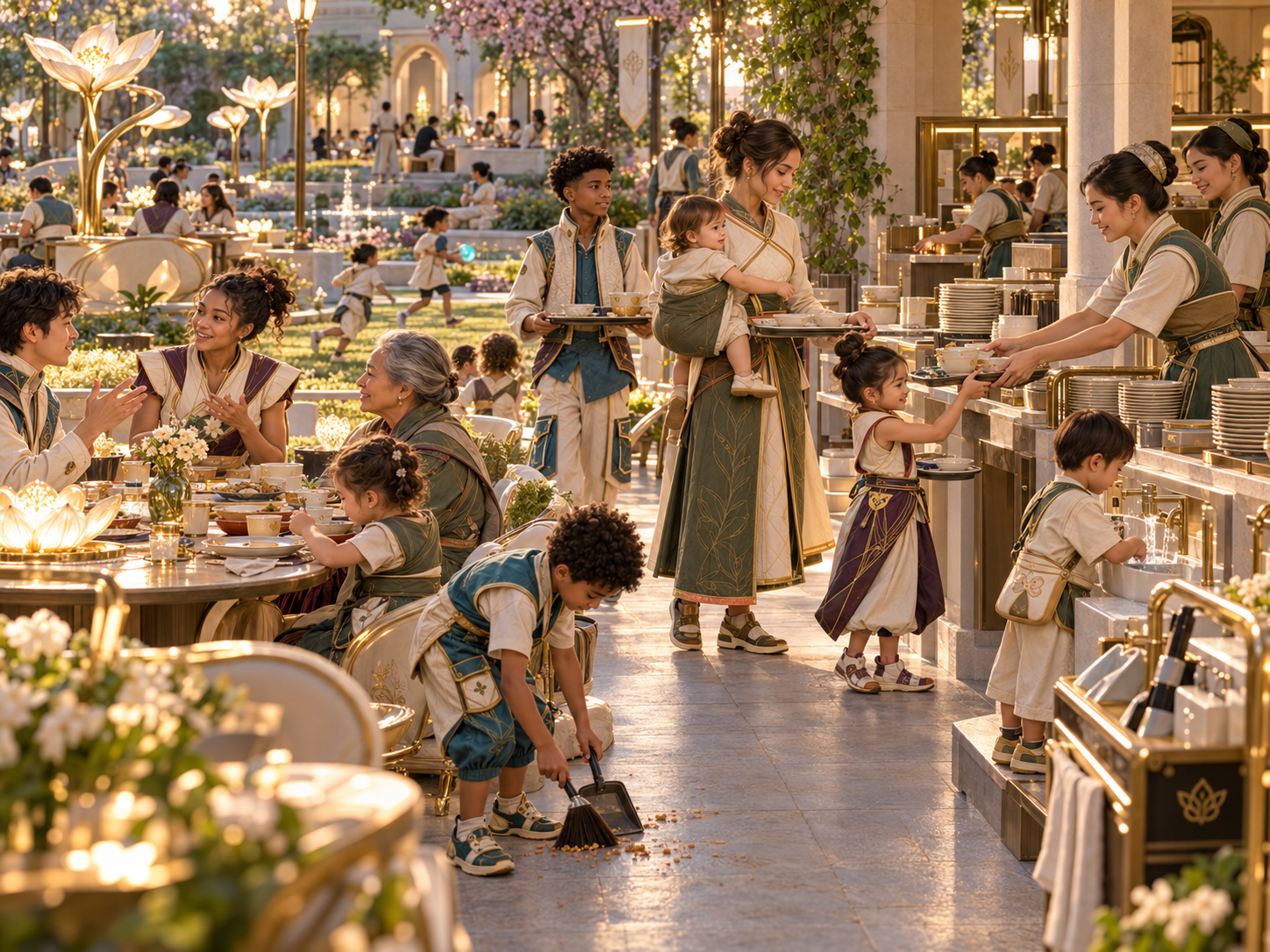
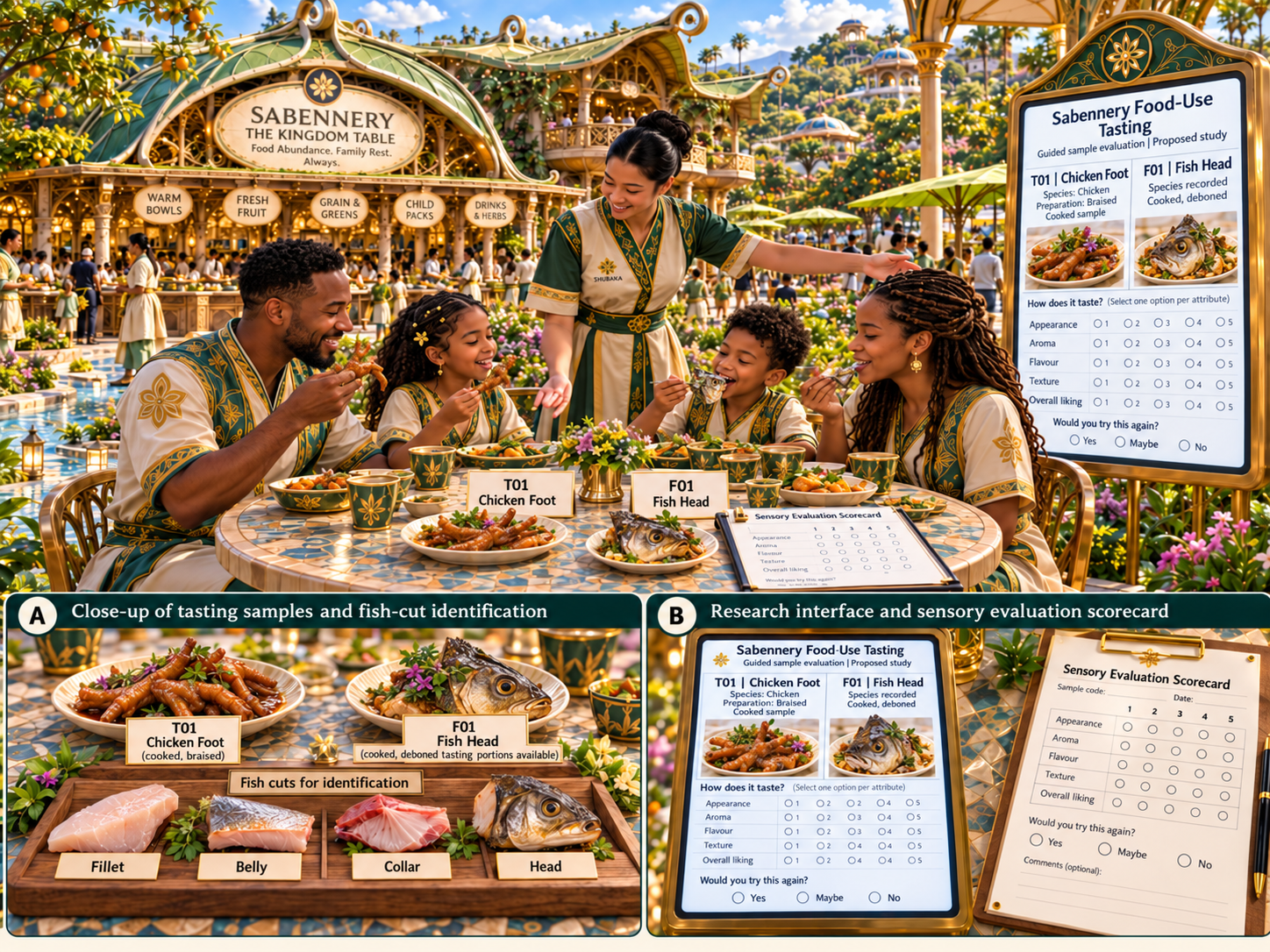
Sabennerie: The civilization’s free public eating and nourishment places, supplied through Keslev.
Service Shadow: The trained stewardship, logistics, sanitation, maintenance and care work that enables effortless public life.
Shubaka: The civilization’s system of skilled contribution, shared work, training, rotations and restoration.
Tideechi: Sherika’s neighborhood maternity-care setting with skilled birthing support and an adjoining reserved family room.
Wealth Authorship: The family’s measure of wealth in authored capacity to generate and sustain life, alongside physical materials, systems and knowledge.


 and then