I carried a printed lesson from the dormitory to a student customer and earned money. That work took time, but it also built skill. Later, when the same activity has to be repeated across a dozen agencies, queues, payments and approvals, time can be consumed without a comparable increase in human life. Sher calls our attention to the Friction Economy: the work families do merely to reach what civilization has already produced.
Picture the hours that evaporate when a mother needs a passport for a baby and every office asks for evidence already held by another office. Picture an engineer able to install a solar array but spending his days proving to an employer that he is permitted to use his hands. Picture the skilled cook preparing meals in order to earn wages, buying food at retail prices with those wages, then returning home too exhausted to enjoy dinner with her own family. A large amount of effort has passed through accounts, yet family time has not necessarily grown.
The Friction Economy measures these lost movements and their human causes. It asks who is repeatedly travelling to pay, queue, prove, carry, wait, repair a preventable breakage, escort a child across dangerous routes or replace something that could have been designed for longer service. Some friction protects life, such as safety training before a lifeguard enters deep water. Other friction exists because systems were not coordinated, or because revenue depends on making access difficult.
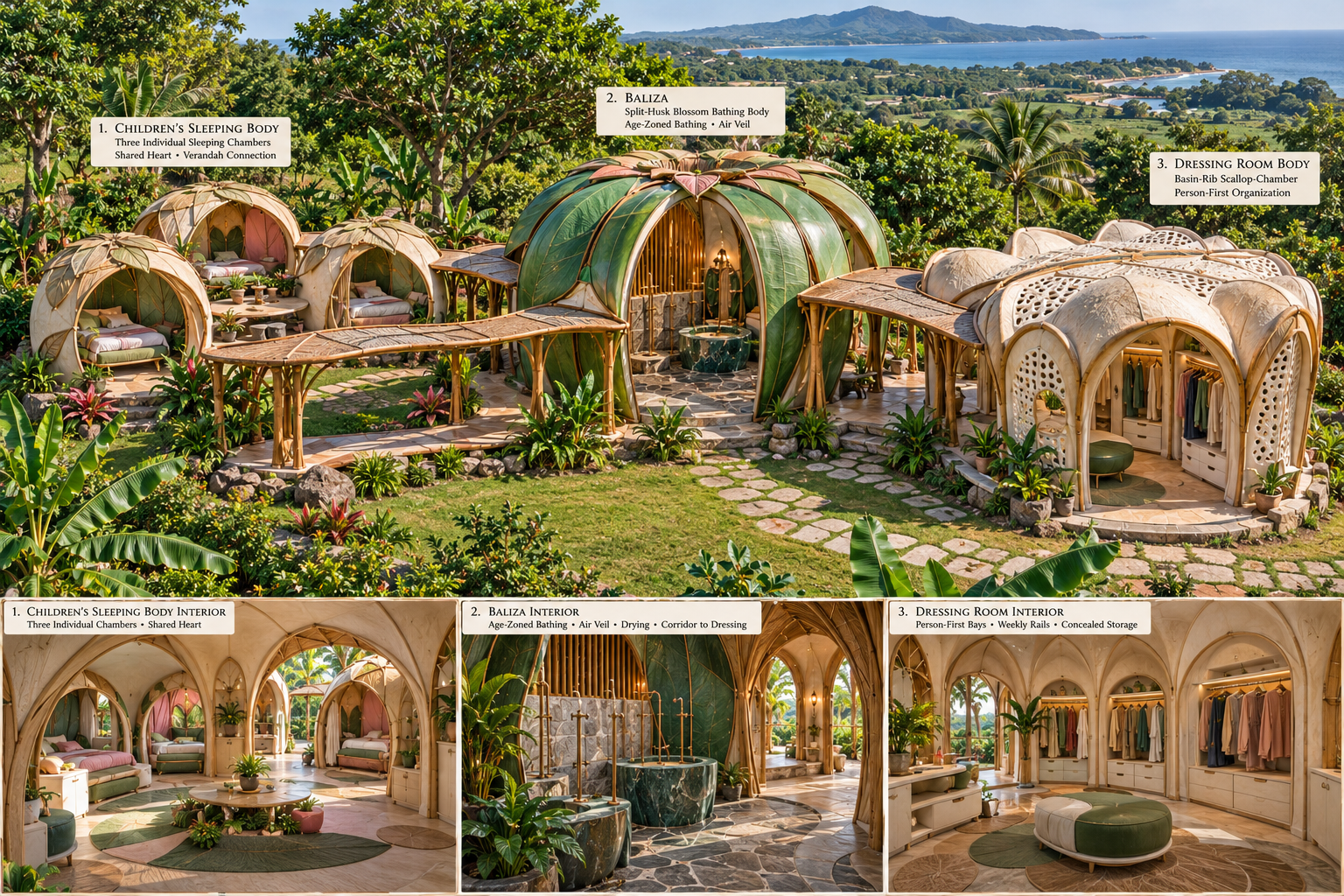
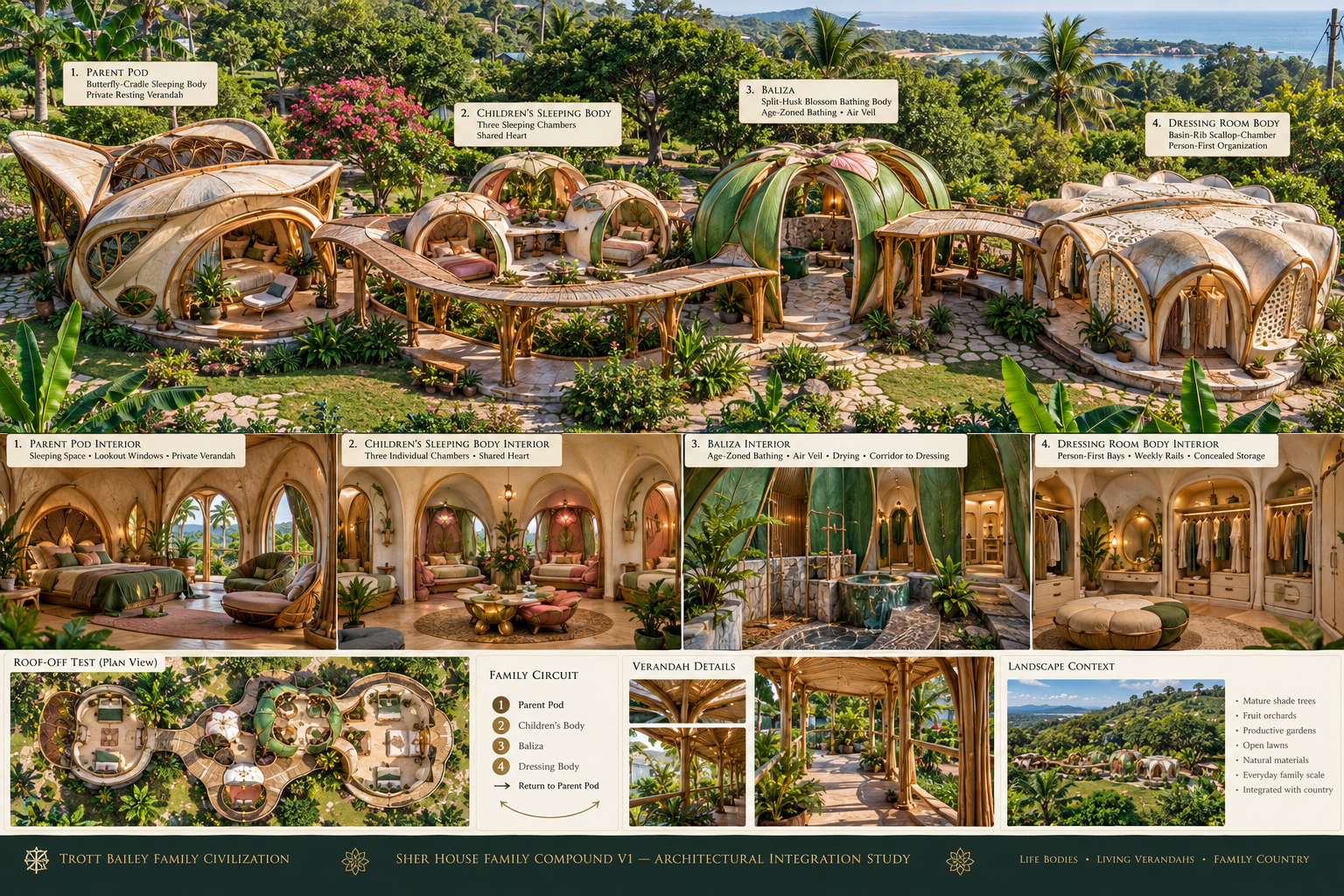
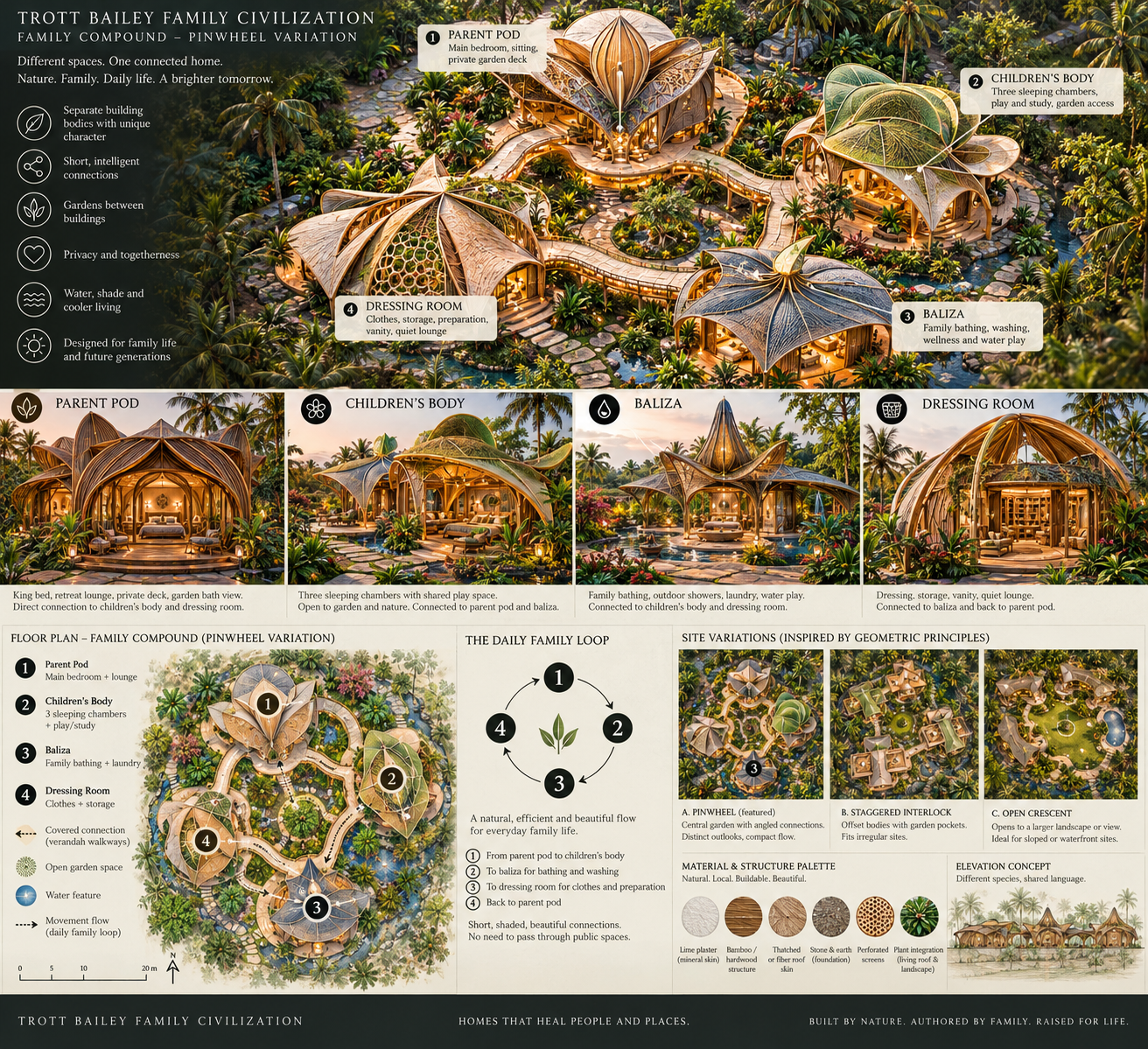
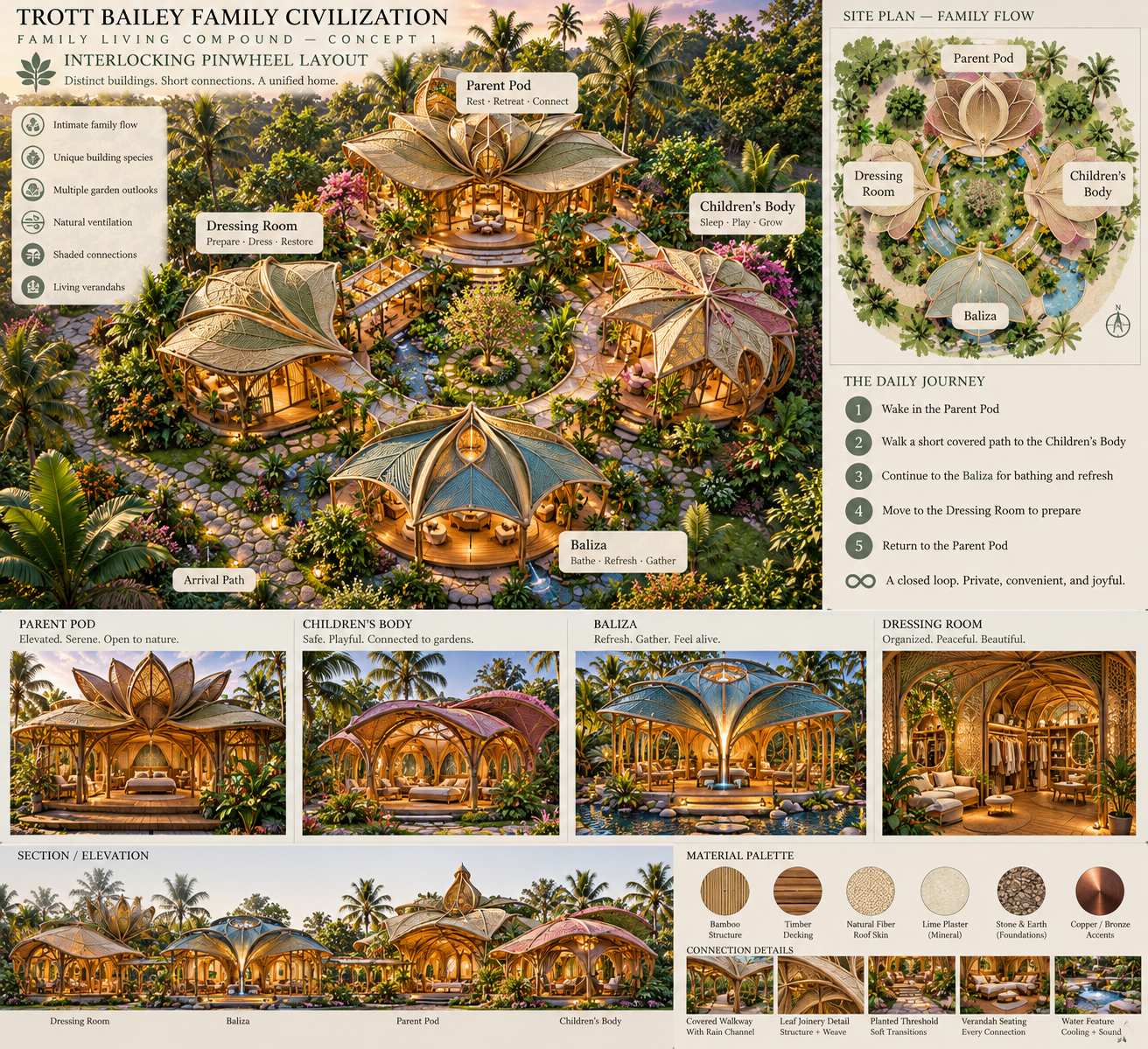
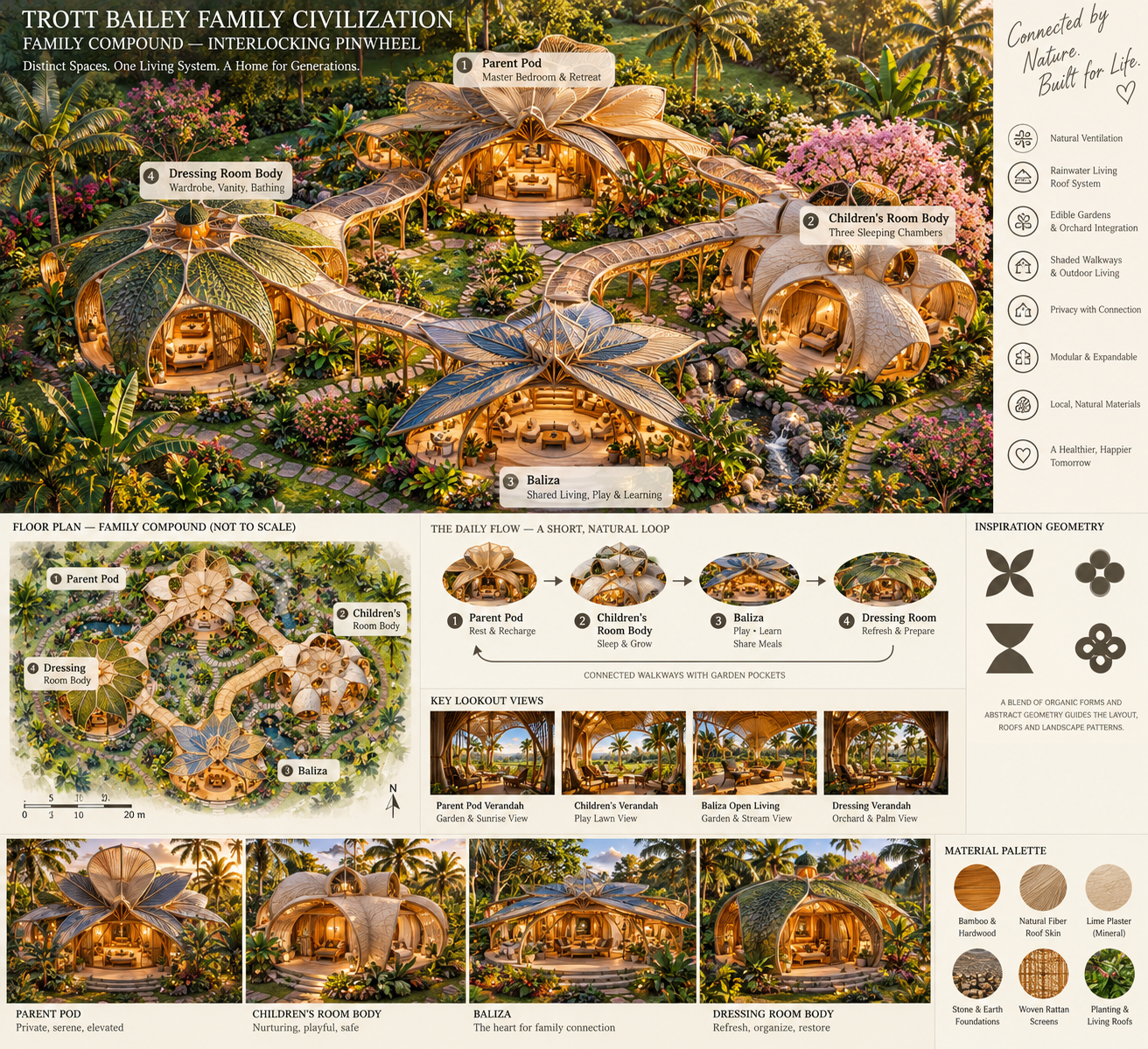
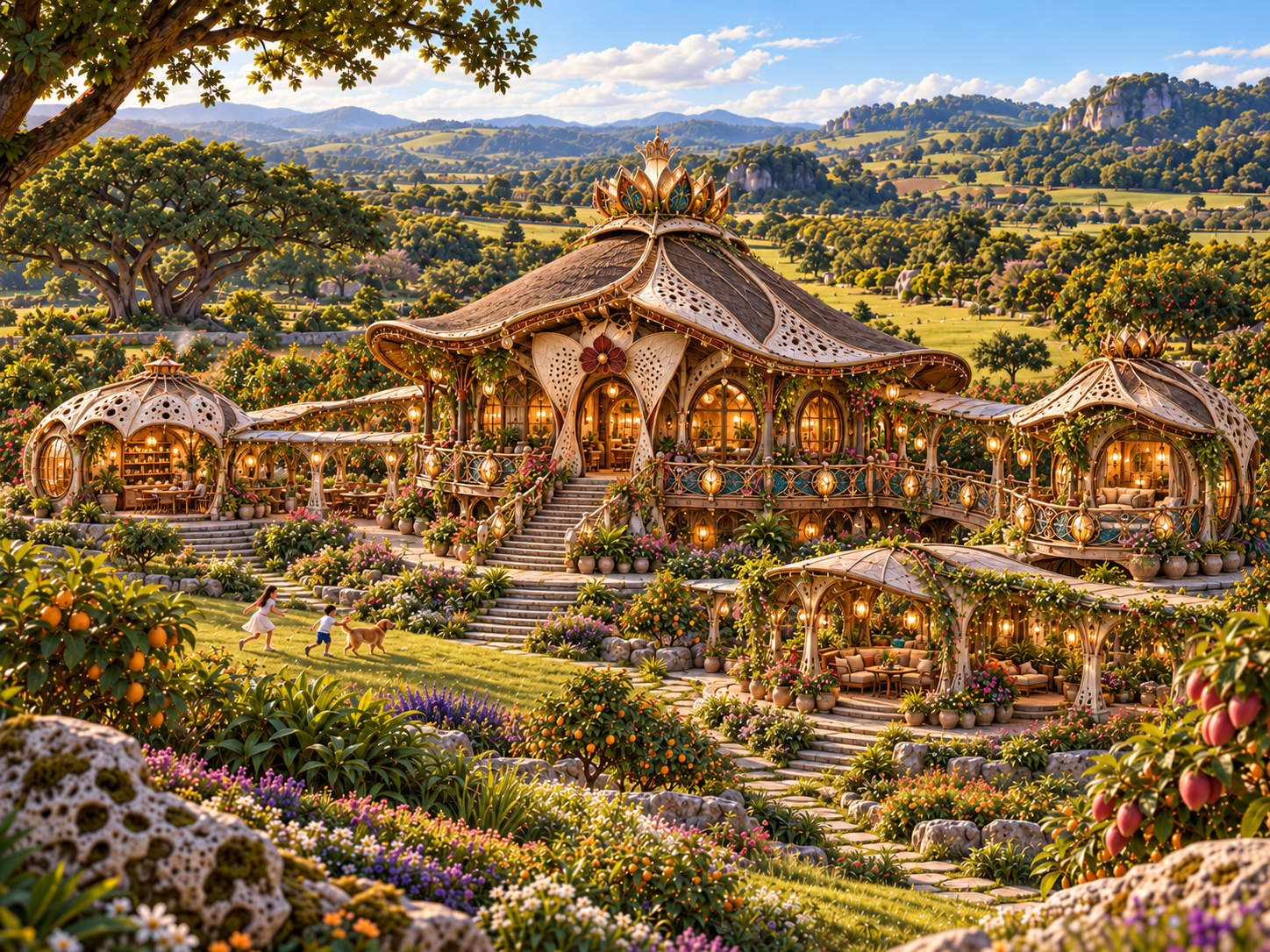
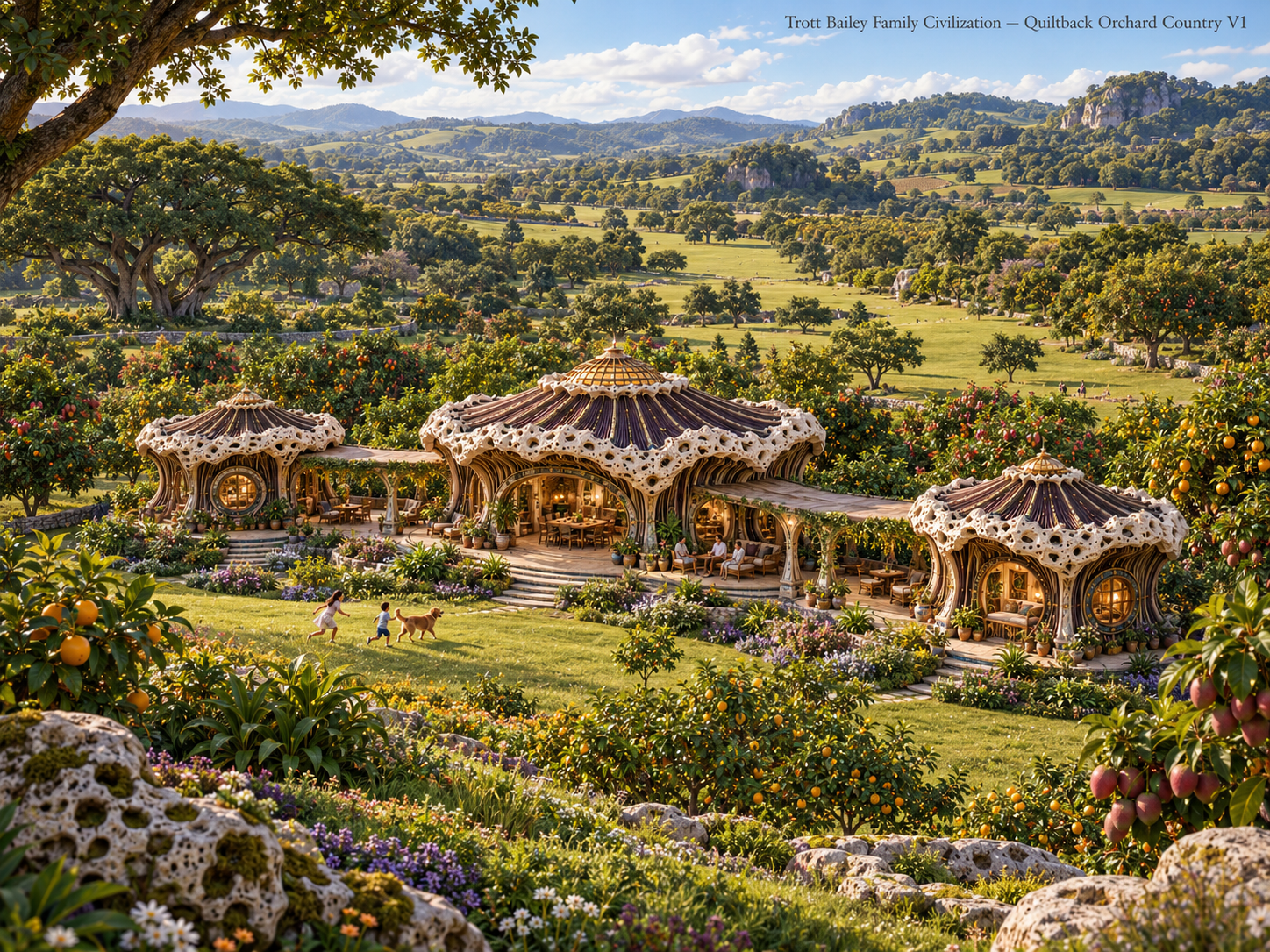
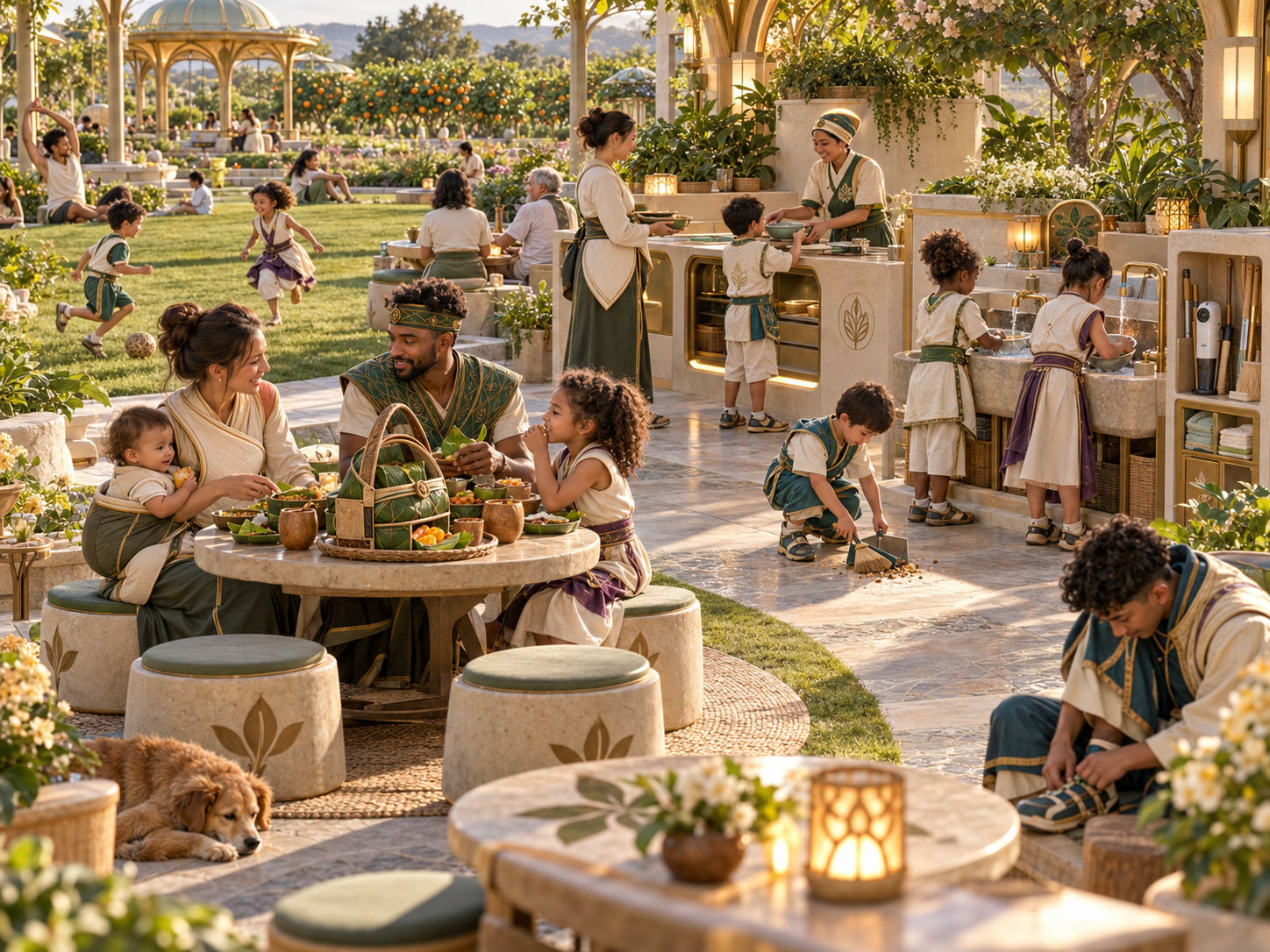
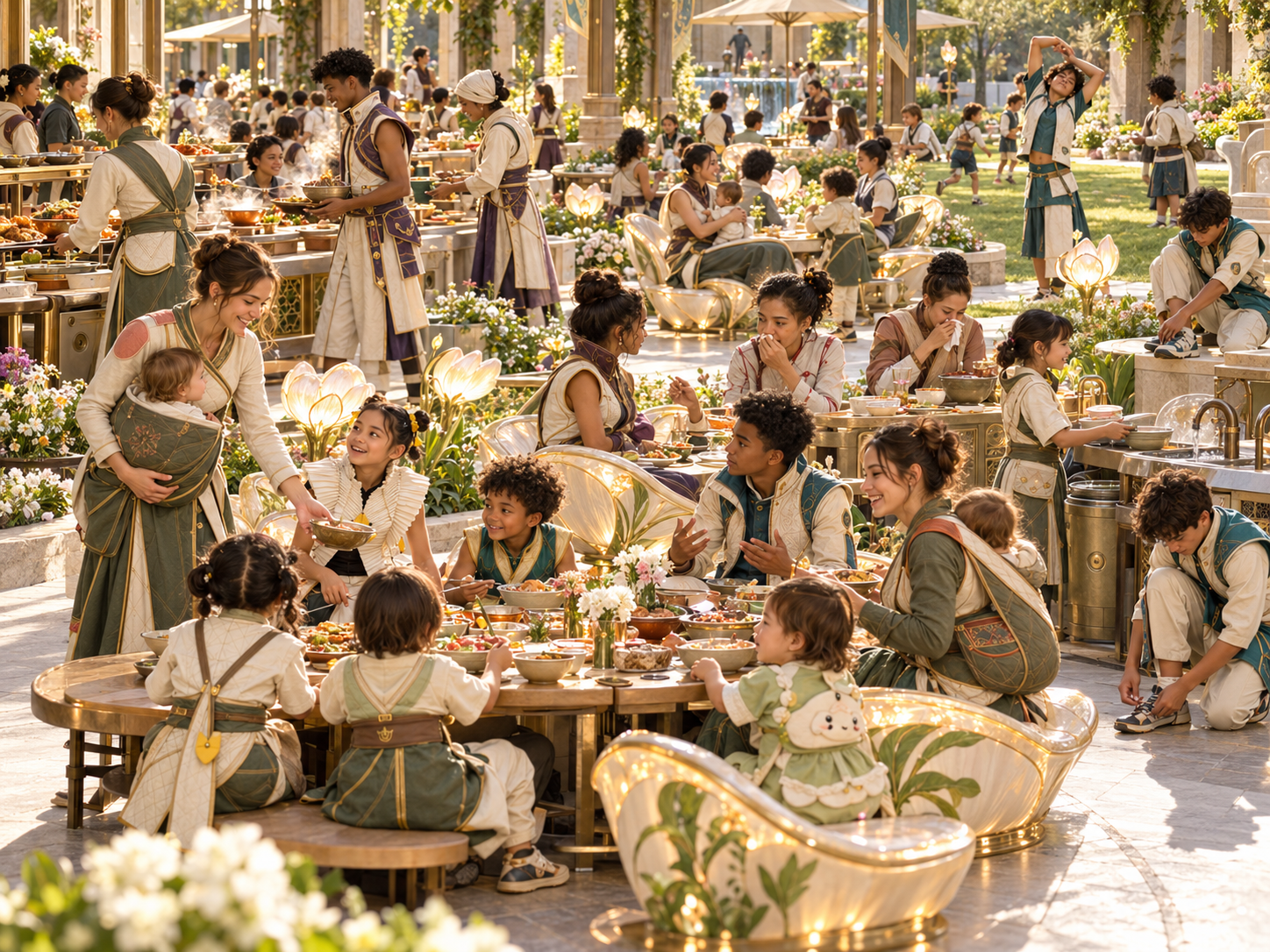
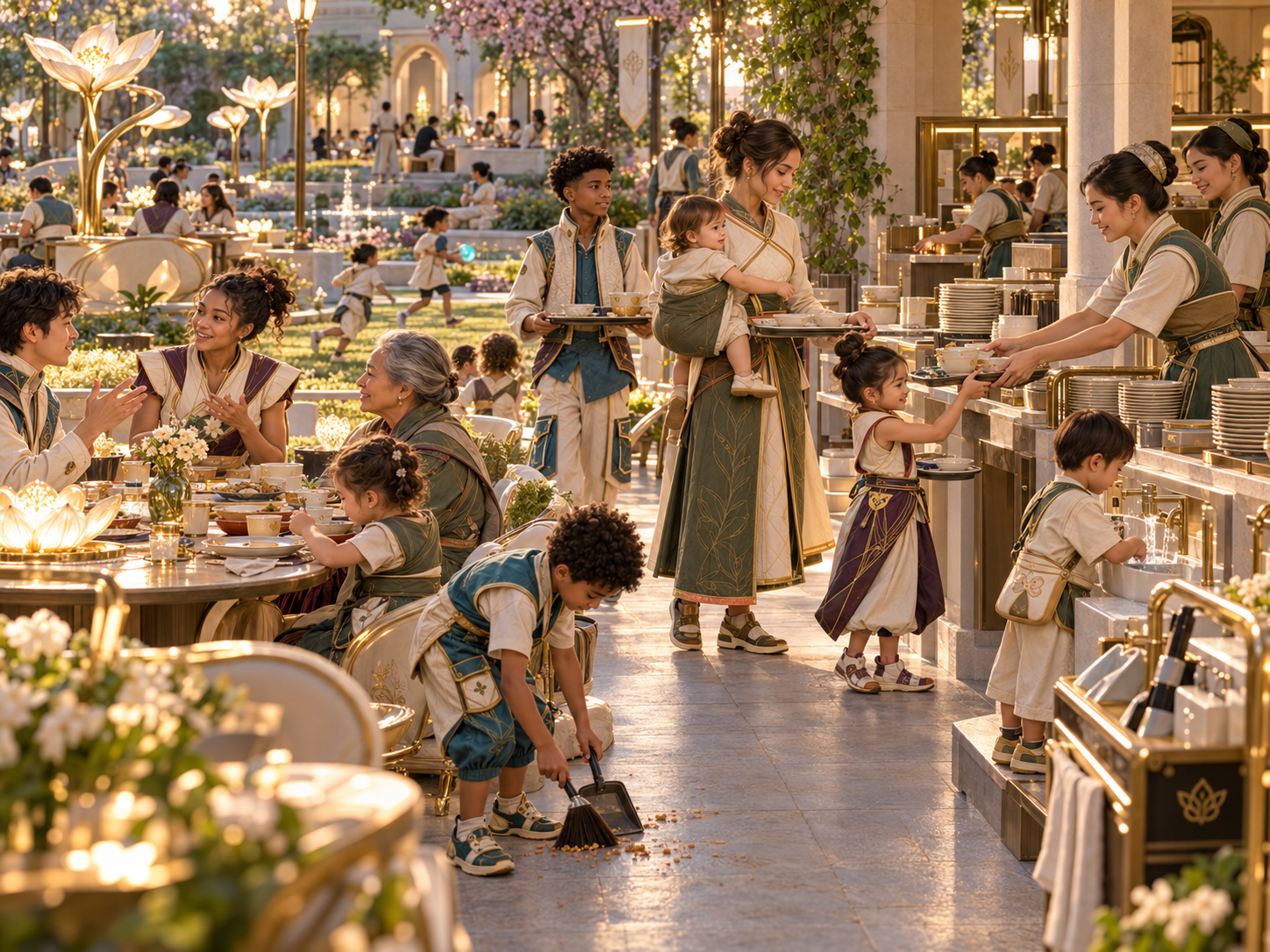
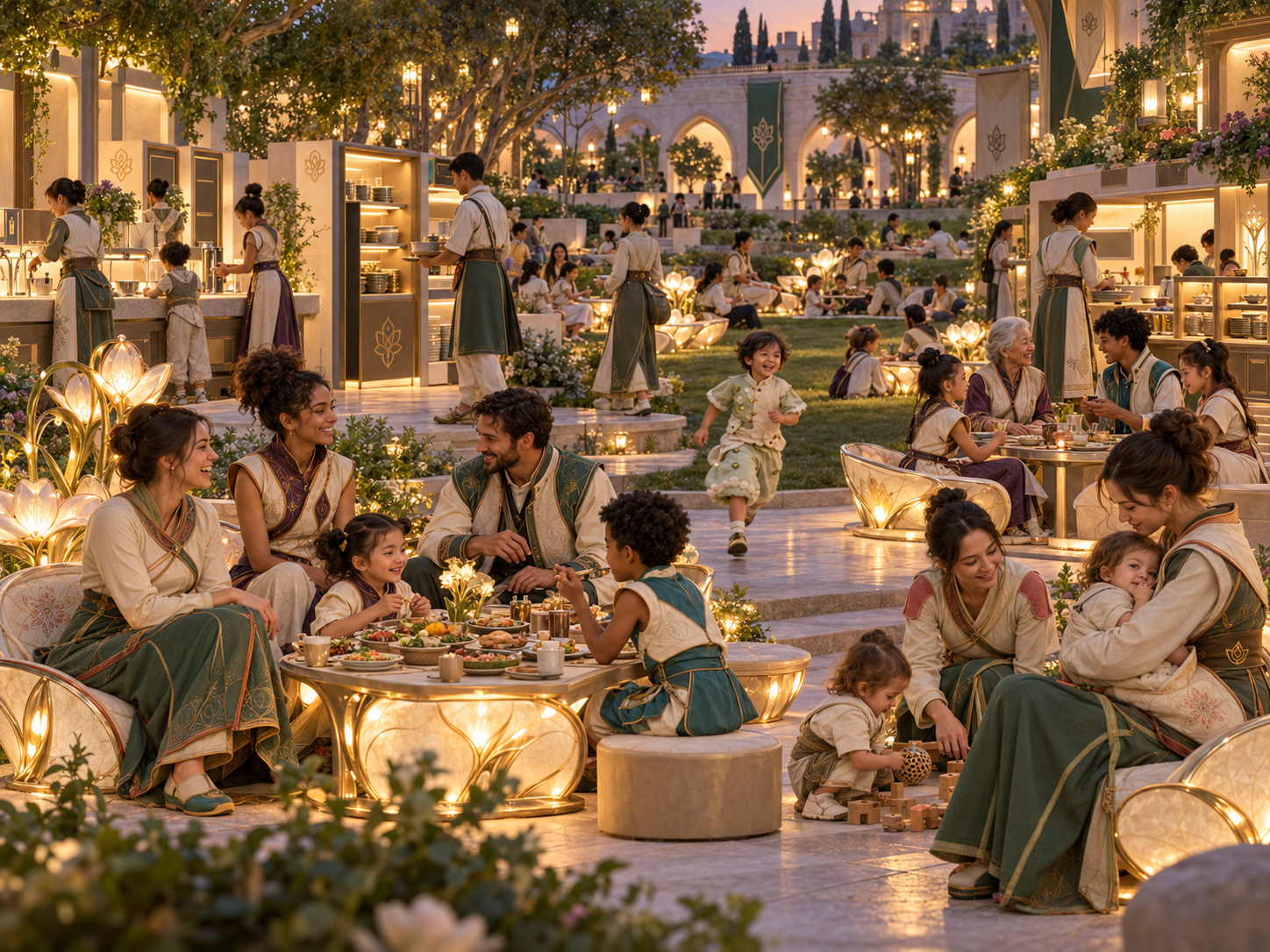
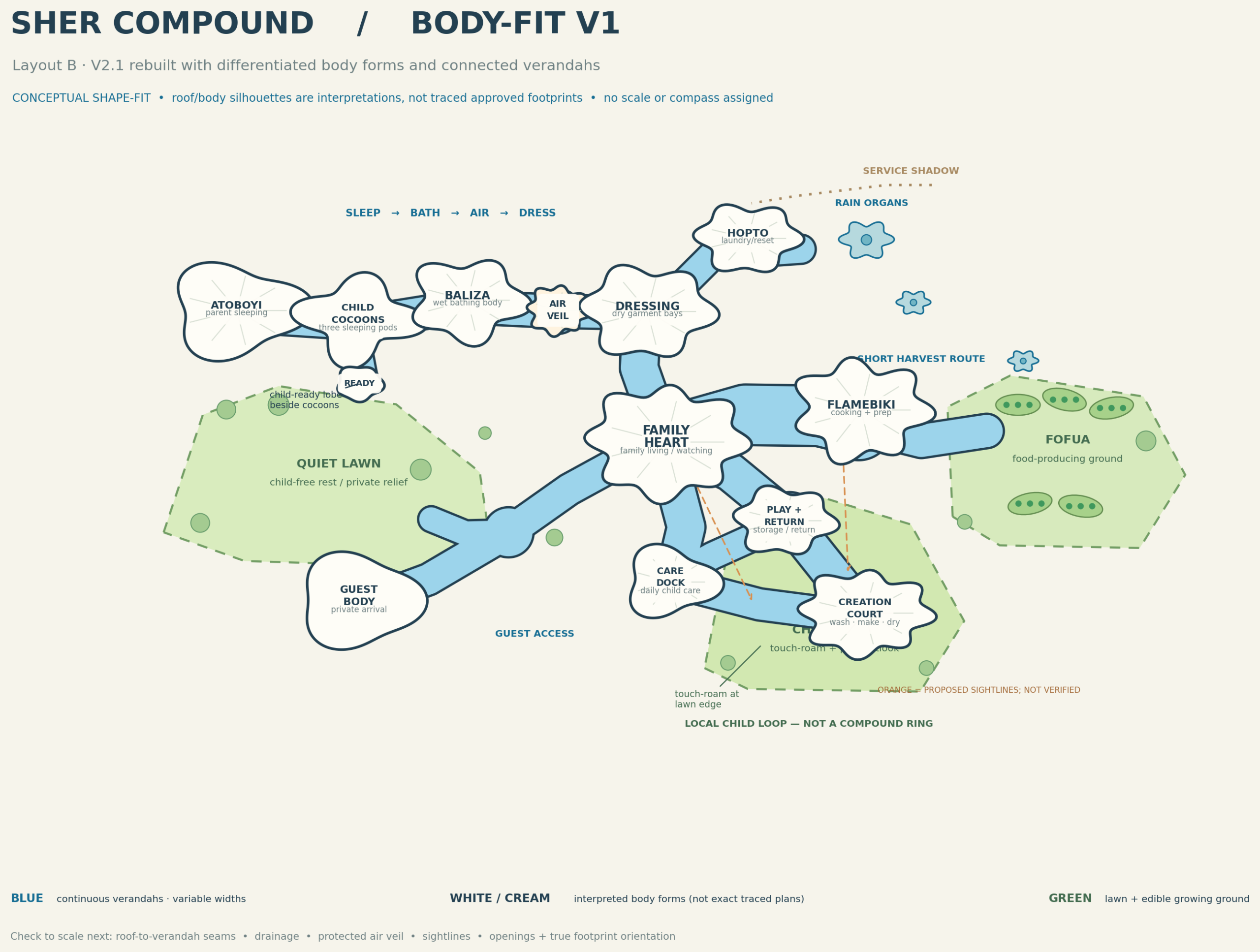
We design against avoidable friction with source-proximity food, compound houses, Baby Worlds, Care-Ports, family travel, maintenance networks, Pacorips skills and living records. It is delightful to remove a burden and watch the family become lighter. The woman who gets her afternoon back can read, swim, write, have another child, spend time with her husband or do nothing at all. We count the freedom.


 and then