Sher published a furious and necessary question about the disappearing independence of children. In England, historical surveys found that the proportion of children aged seven to eleven allowed to travel home from school alone fell from 86 percent in 1971 to 25 percent in 2010. The measured change is enormous. A child who once knew the route, the street, the local adults and the schoolyard now often requires a parent to escort the same journey.
An economy can gain when more cars are made, sold, insured, financed, fuelled and driven. The people designing every road did not sit together and announce that they intended to steal a childhood. Nevertheless, road systems organized around fast traffic can make independent childhood movement harder. A parent worried about traffic drives a child; the added traffic makes the route more intimidating; another parent decides to drive. All the journeys become more expensive in human attention.
We wonder what kind of adults grow from different childhoods. There is no simple formula claiming that the child who walks alone must earn better examination scores. We are asking about curiosity, judgment, familiarity with strangers, courage to help, willingness to explore and the quiet social skill of navigating a neighbourhood. A child who can go outside and return safely learns that the wider world is inhabited, knowable and available. A mother who no longer has to manufacture every journey gains hours and a different relationship with her children.
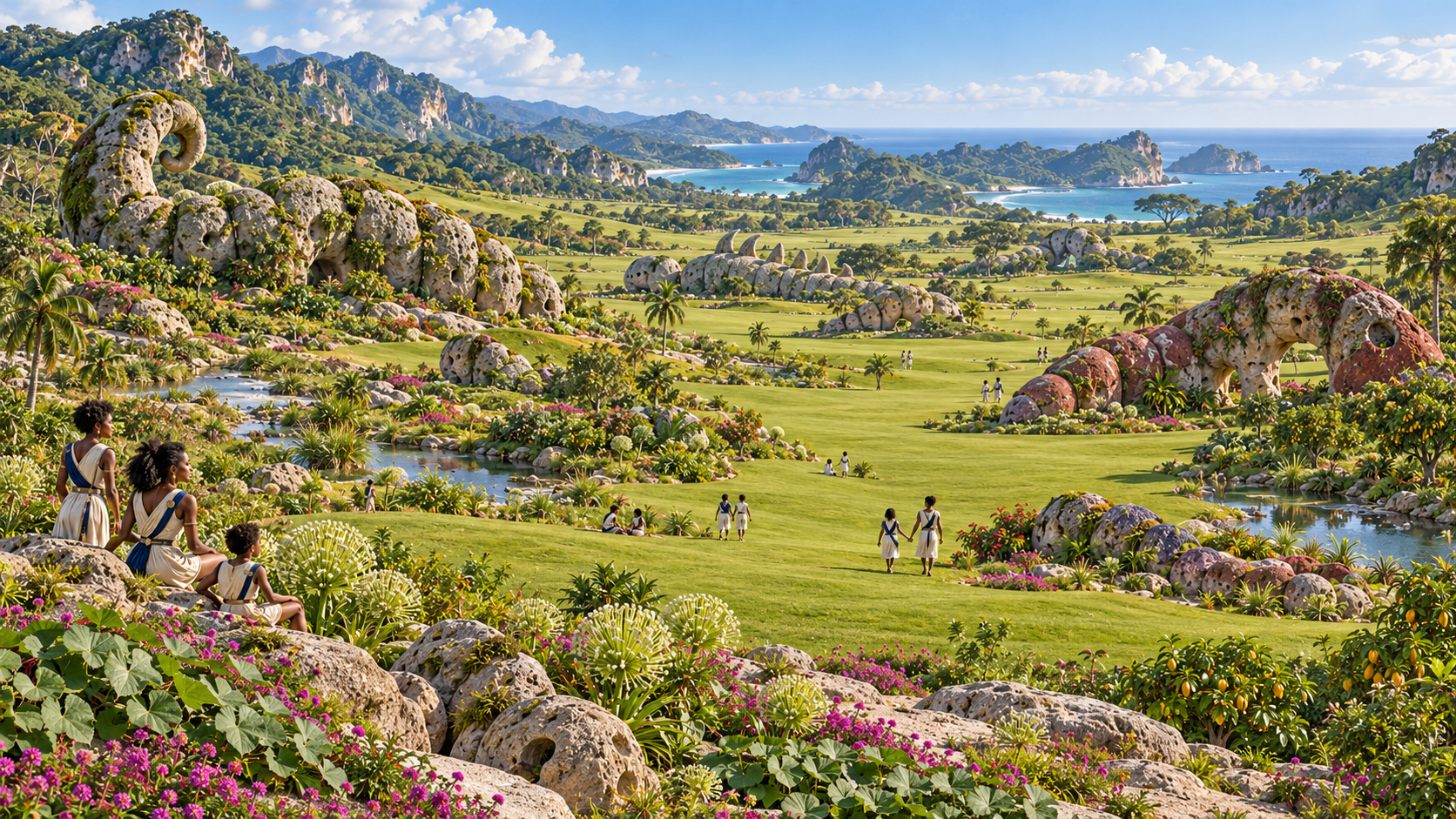
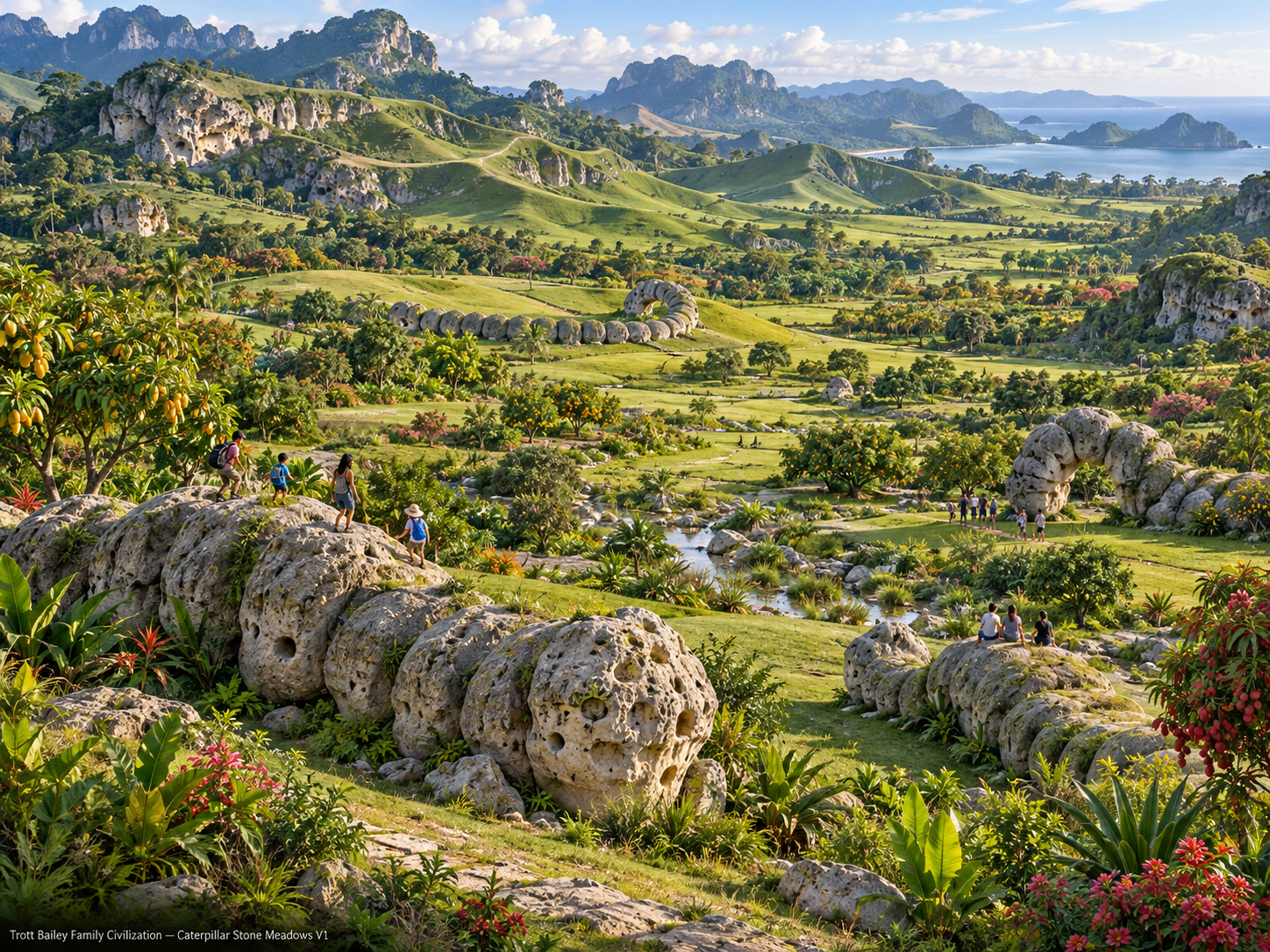
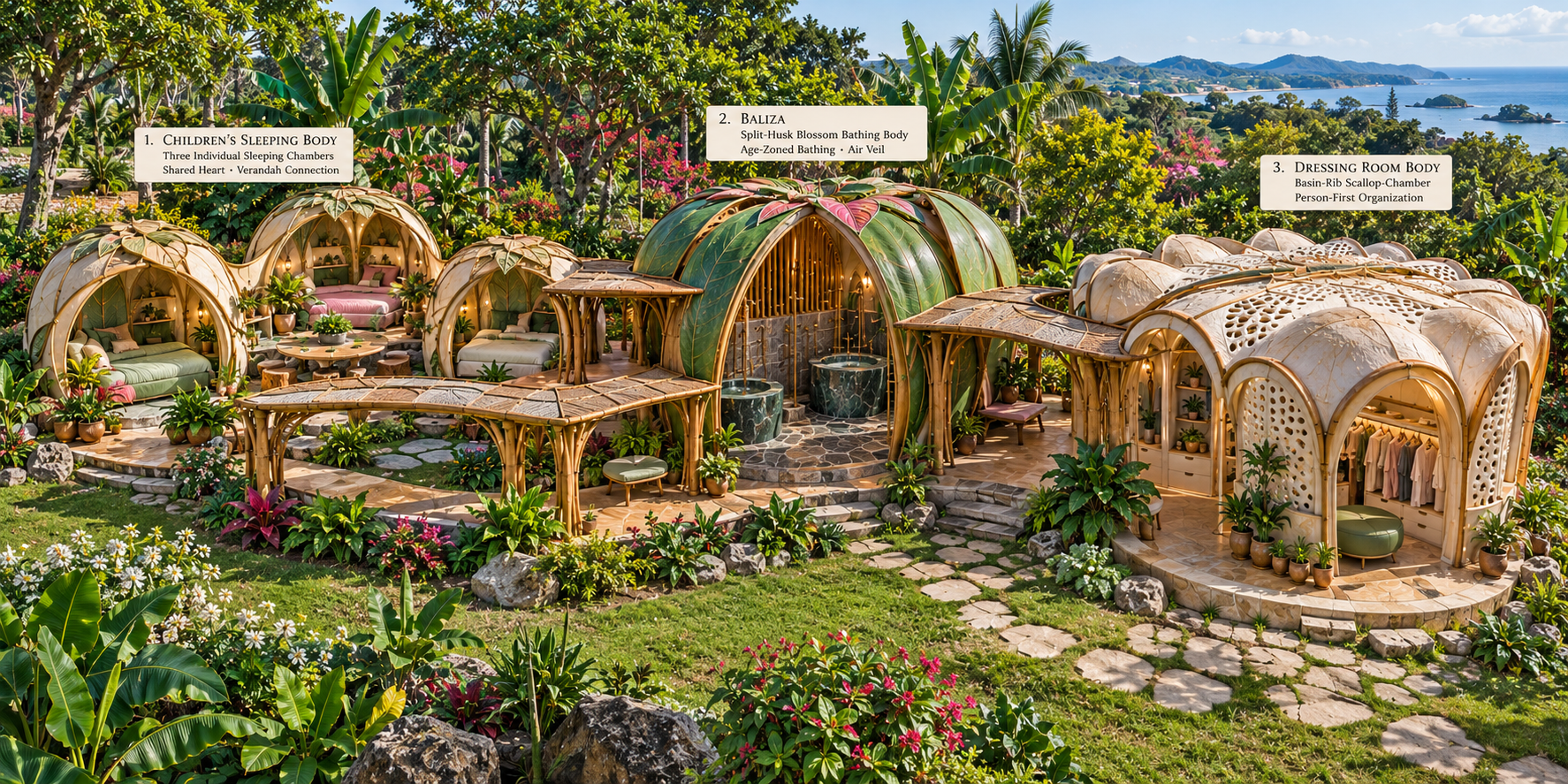
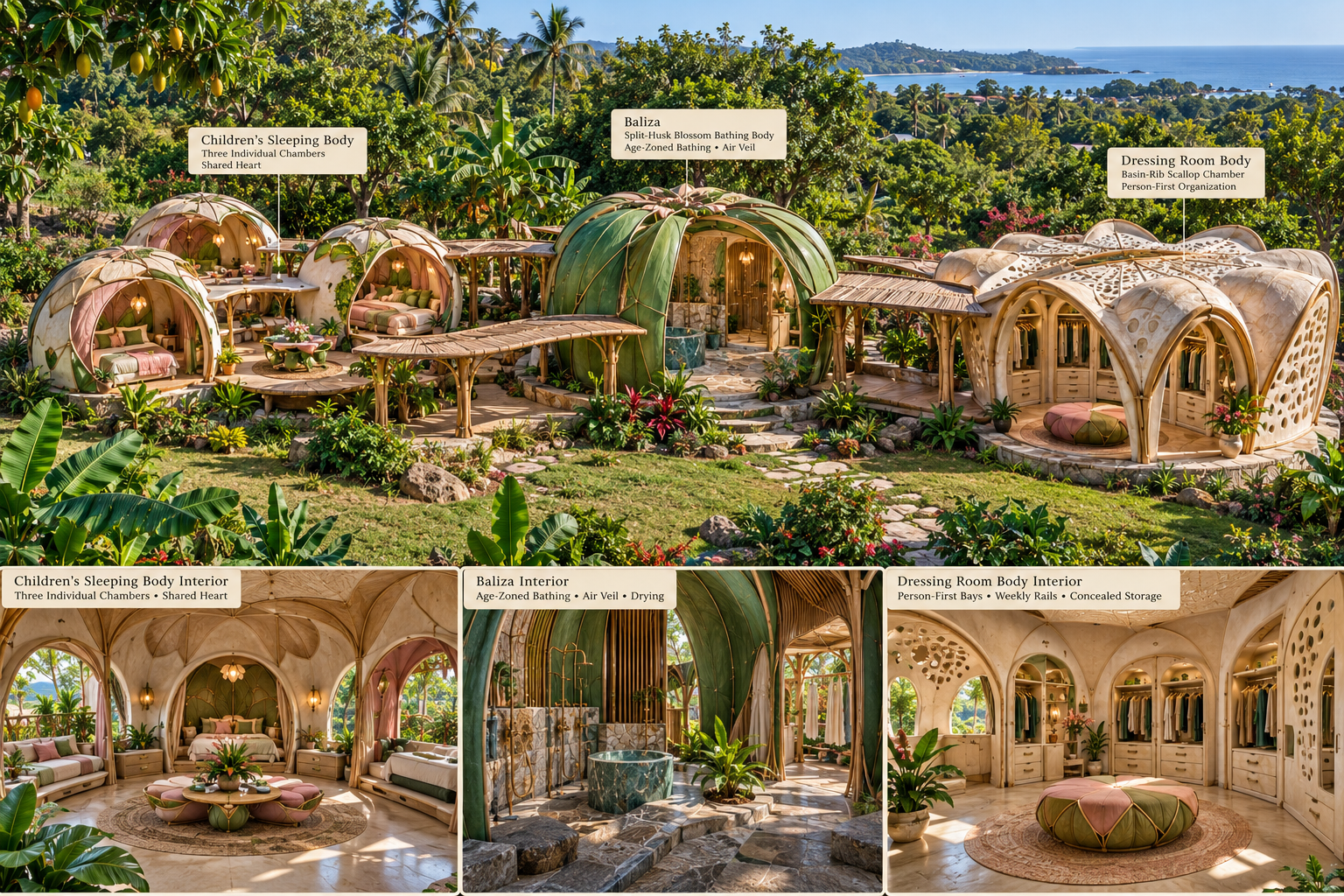
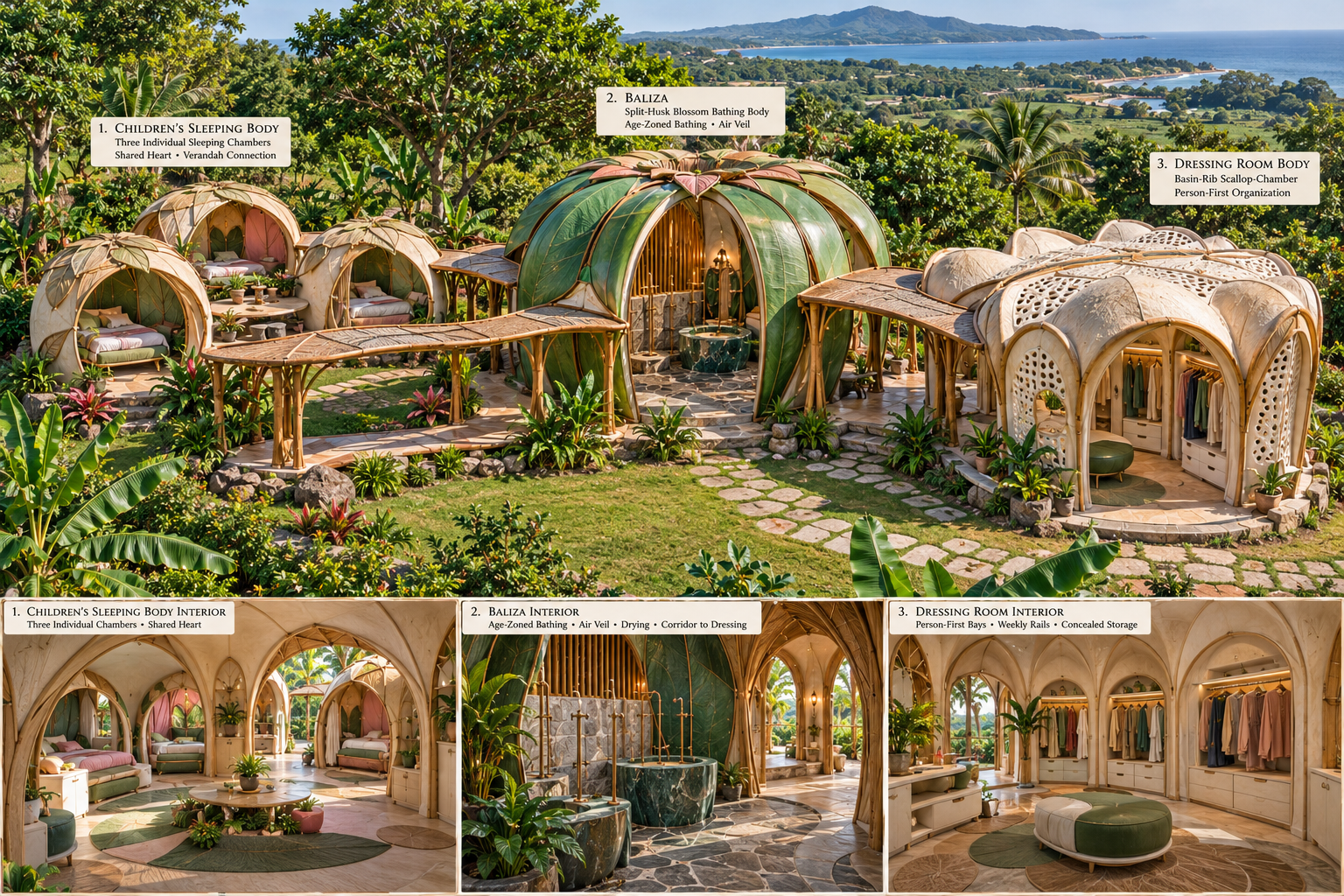
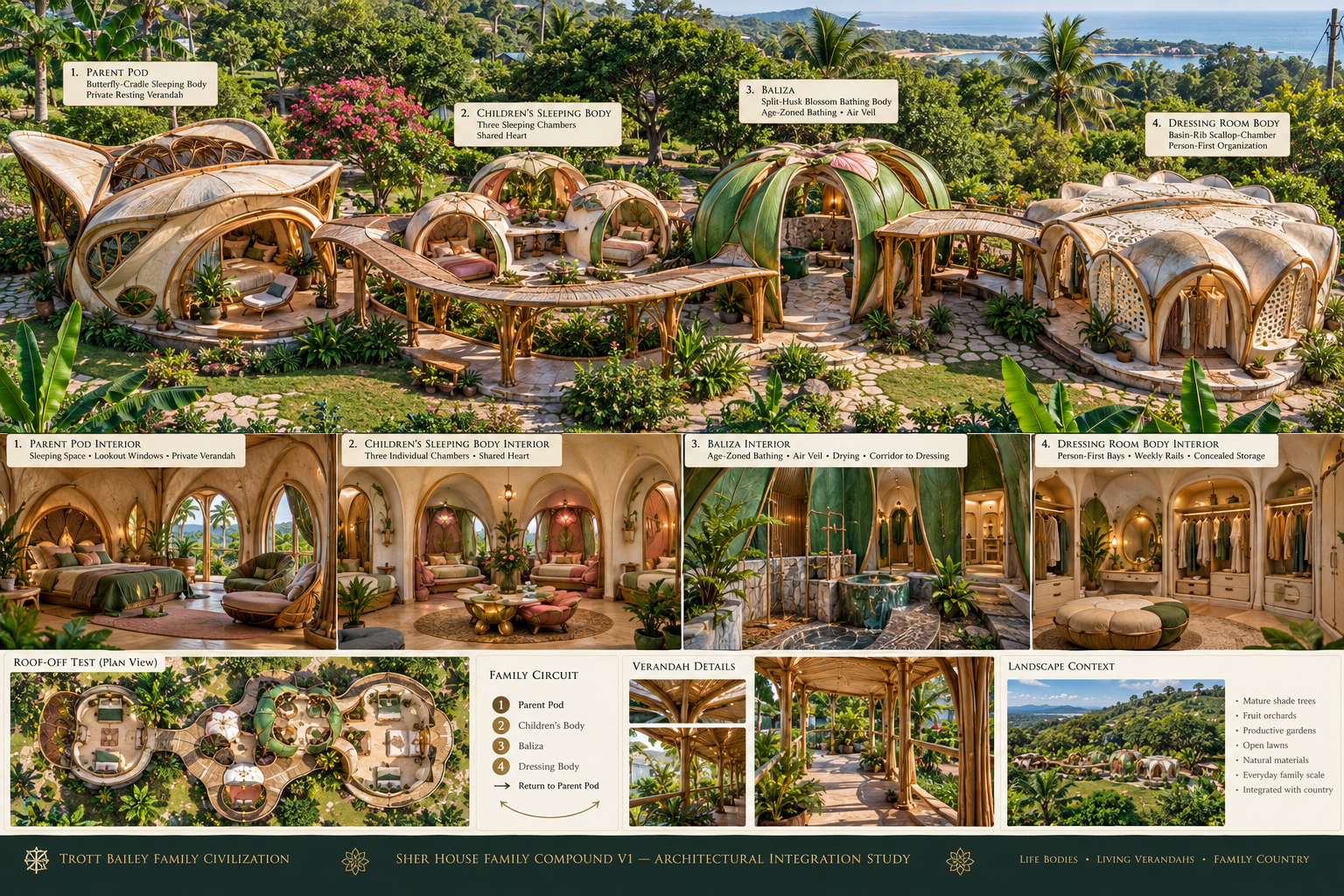
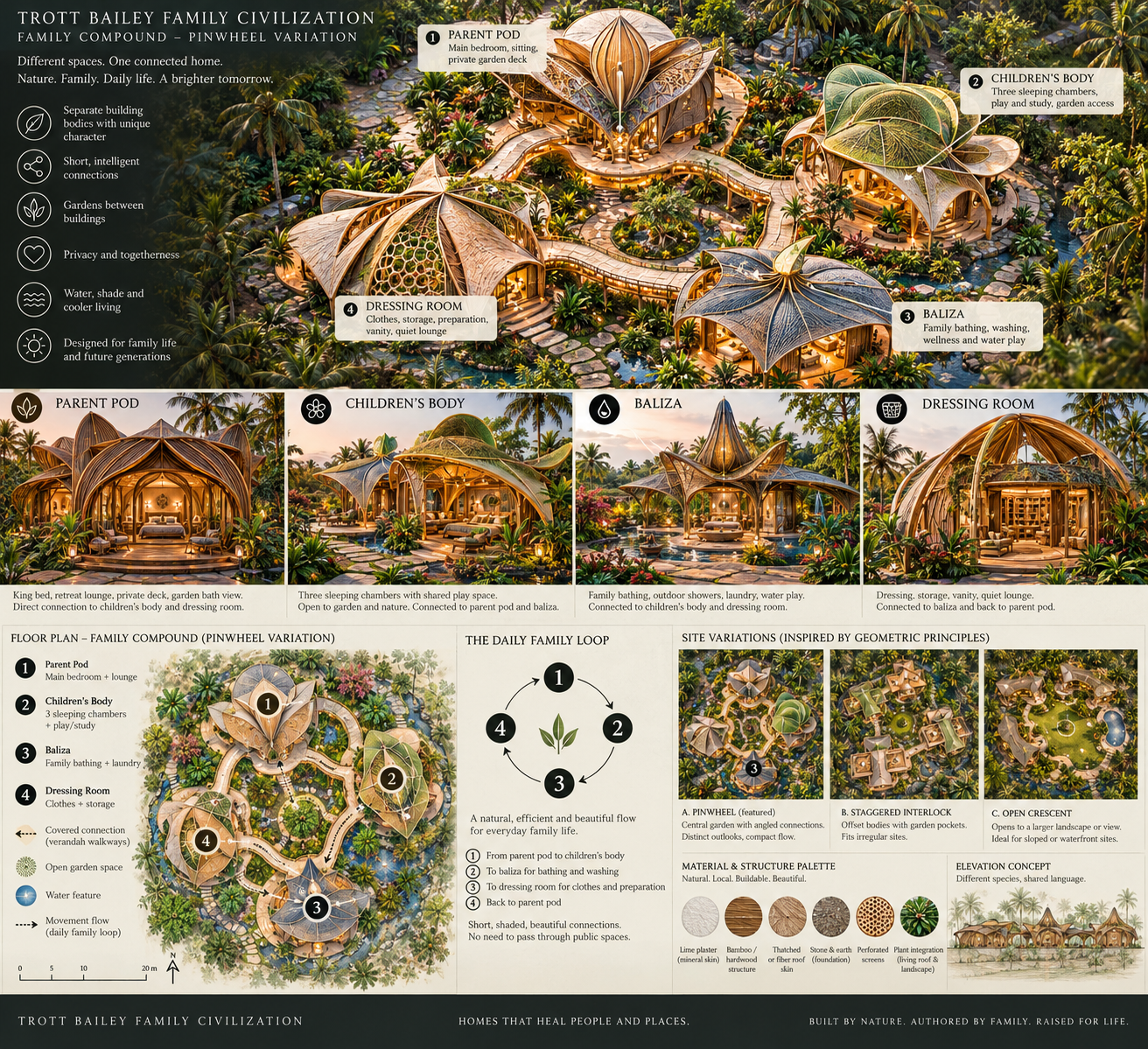
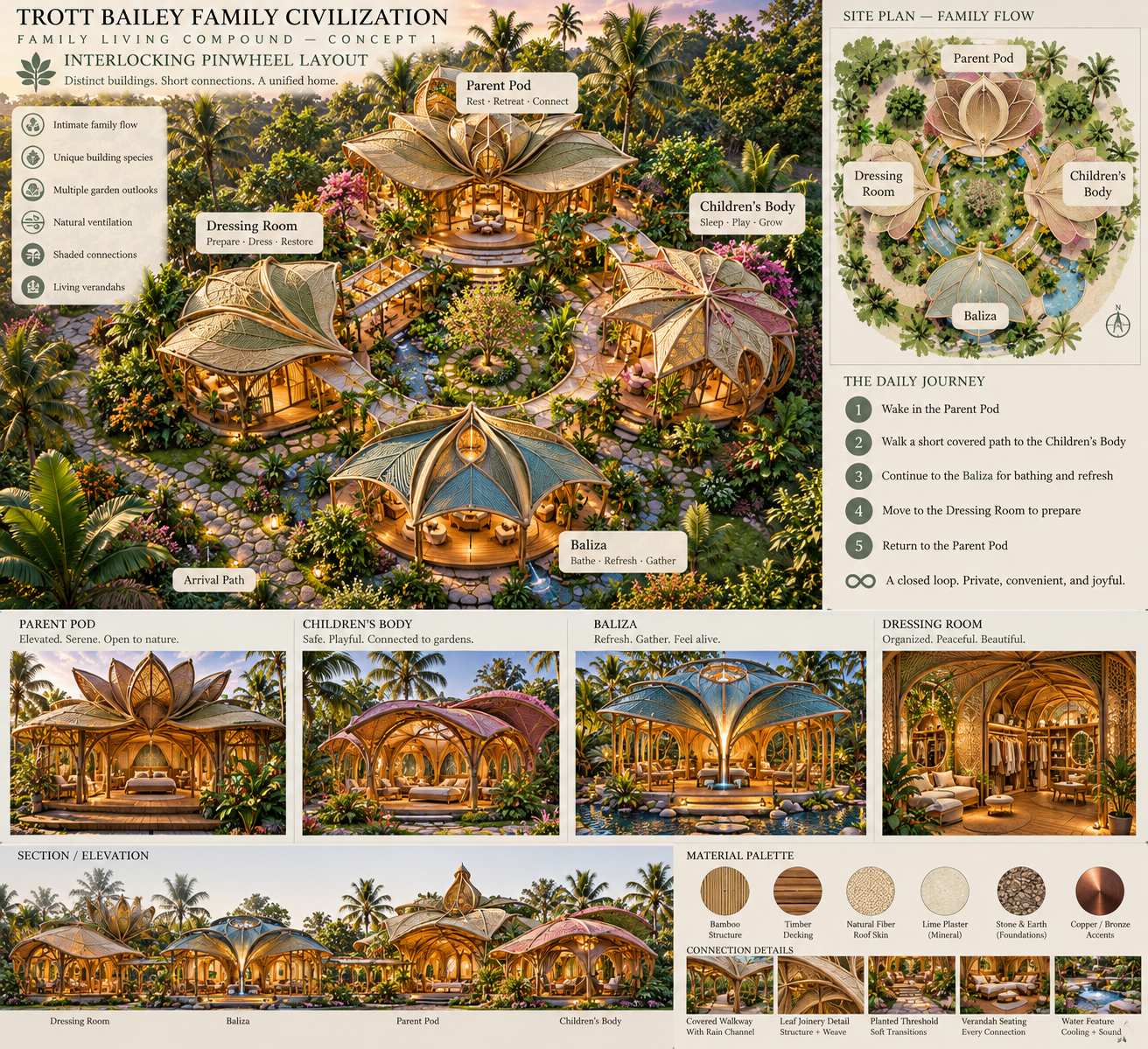
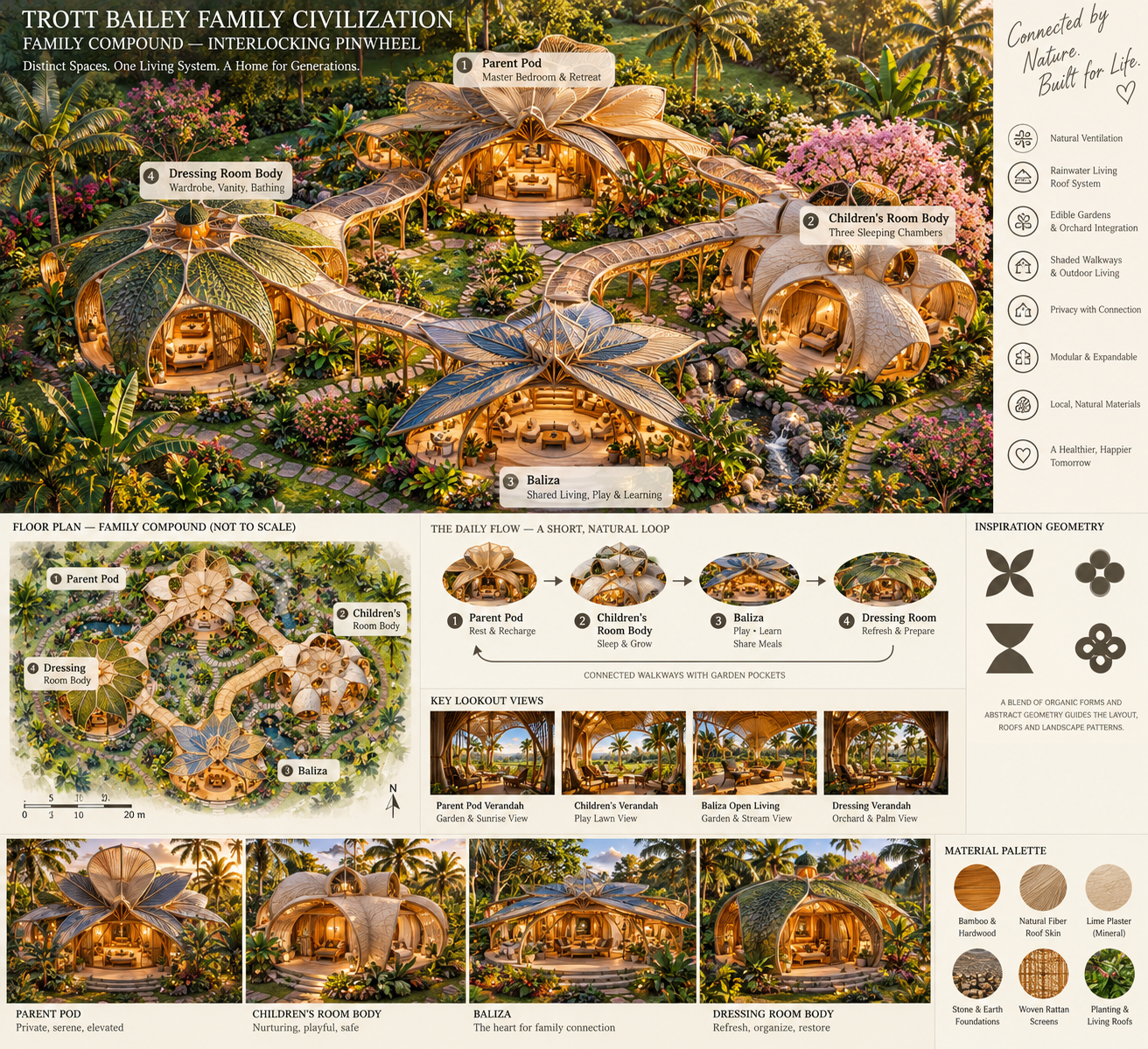
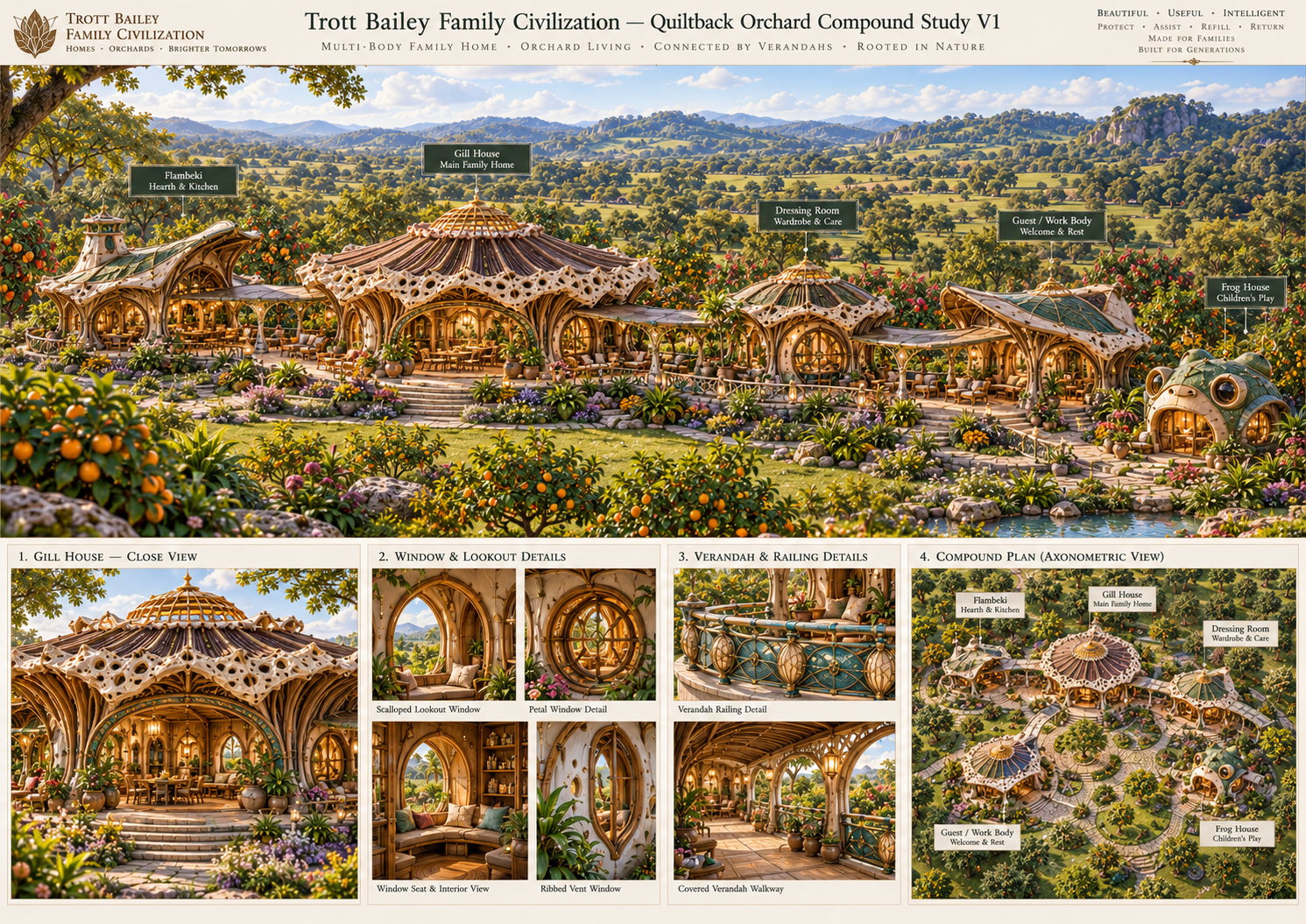
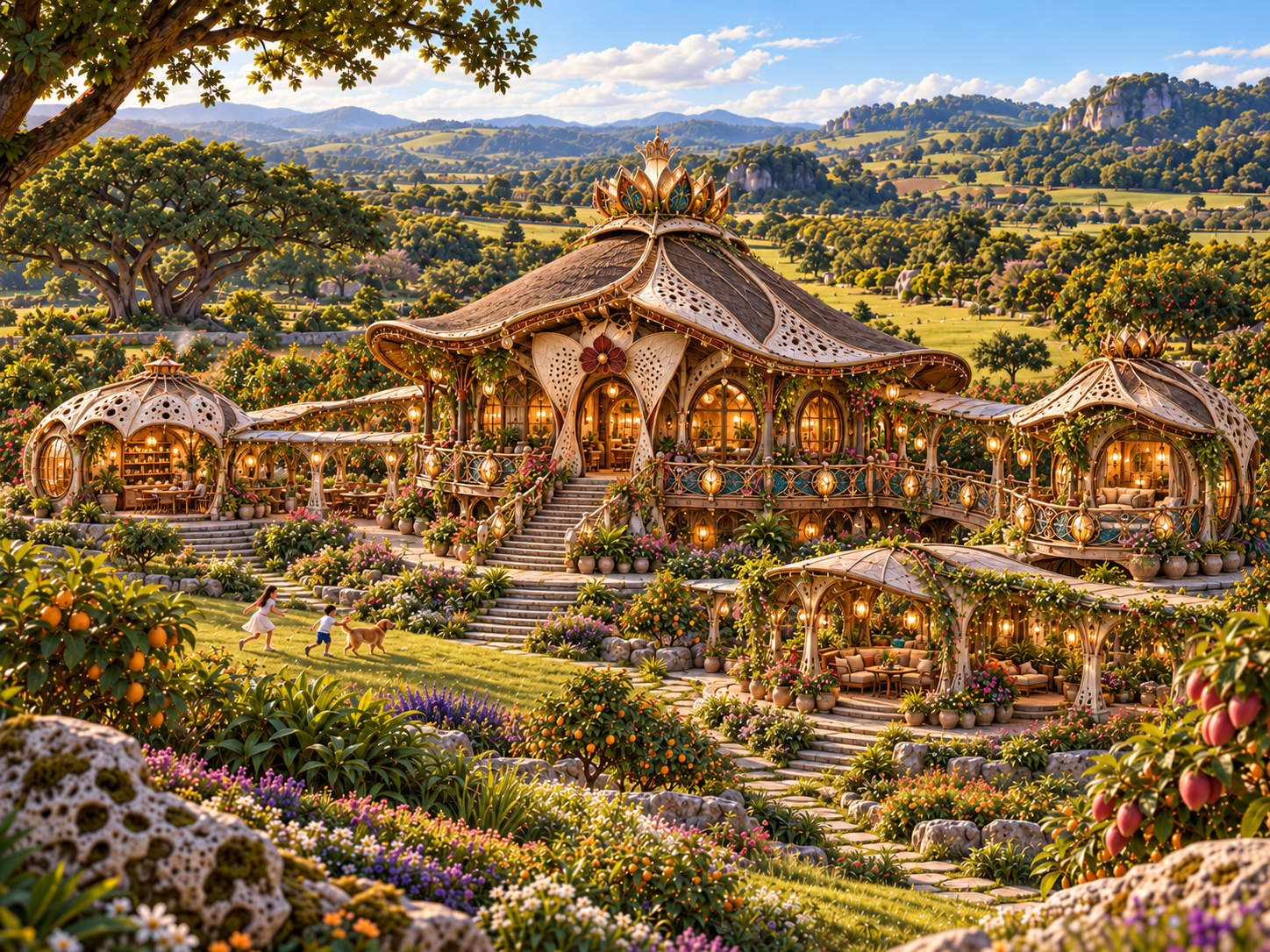
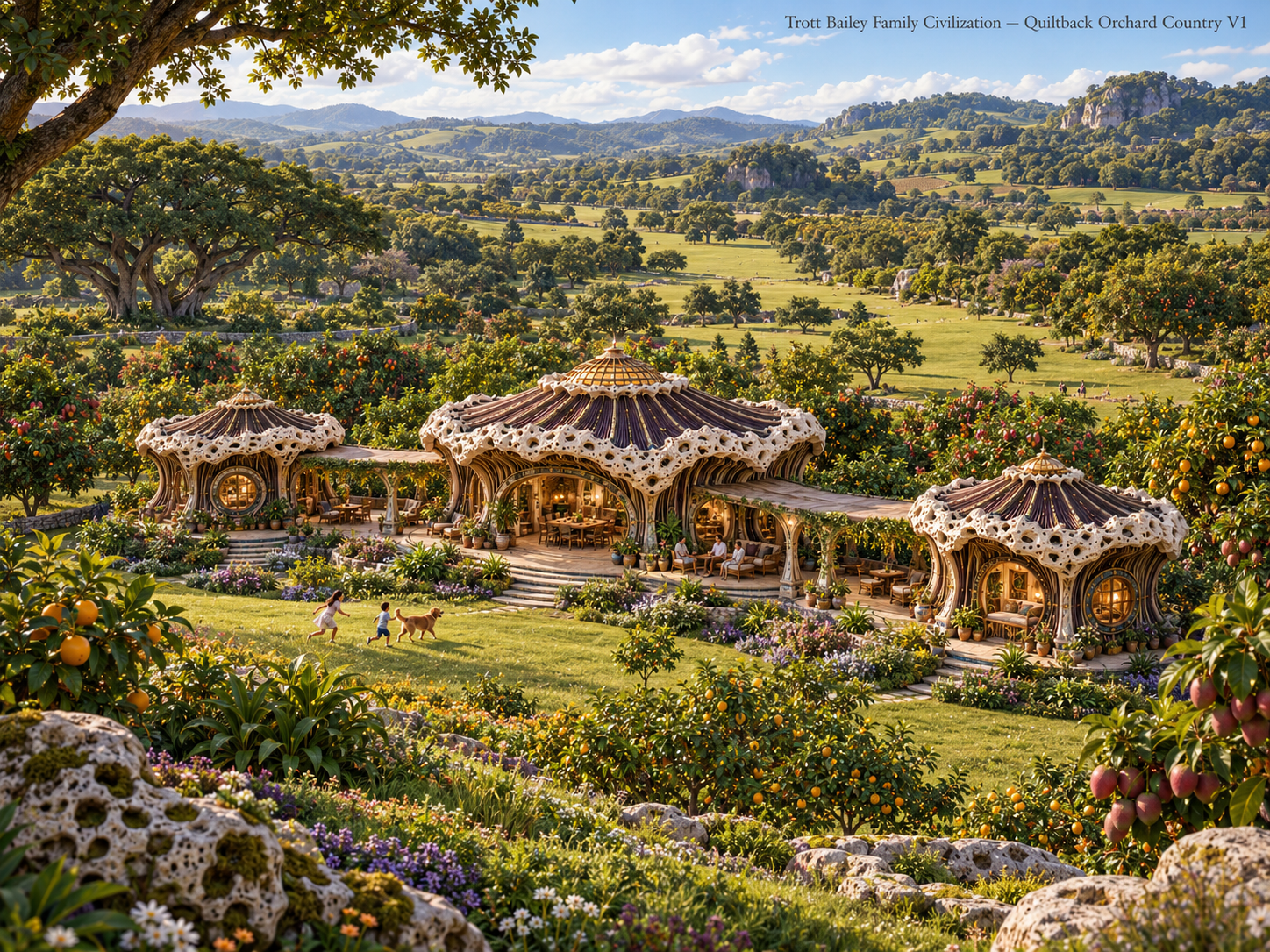
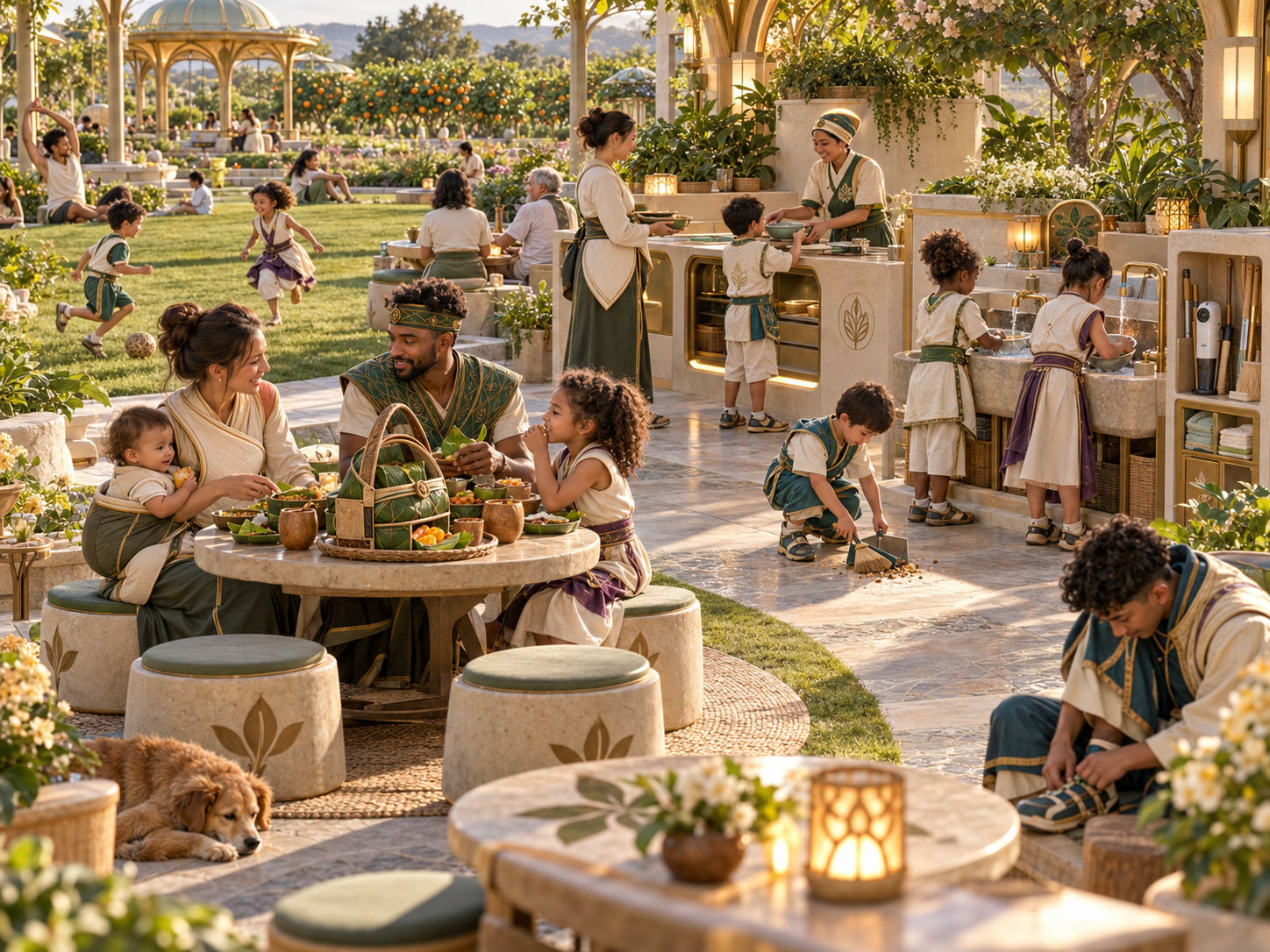
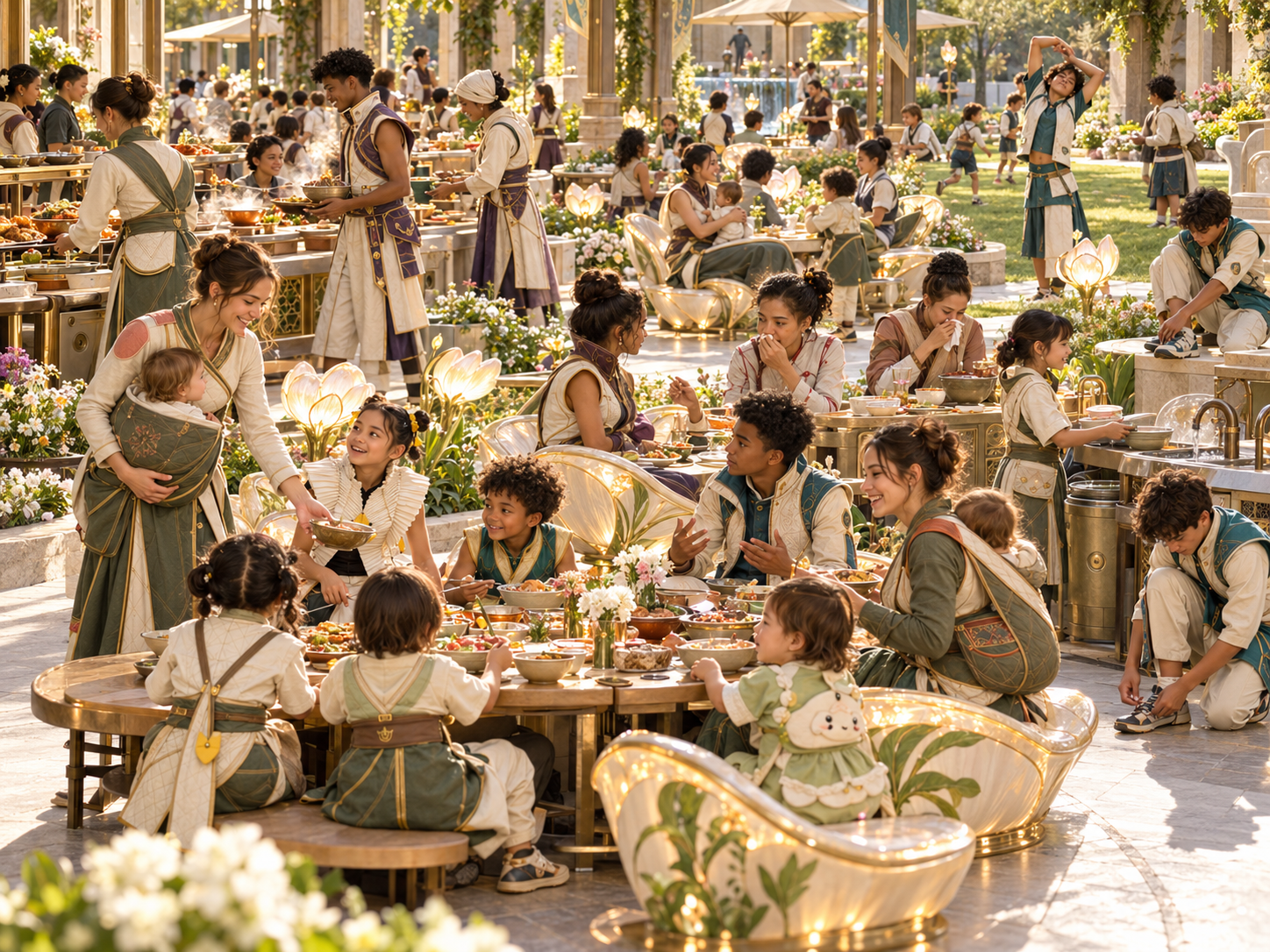
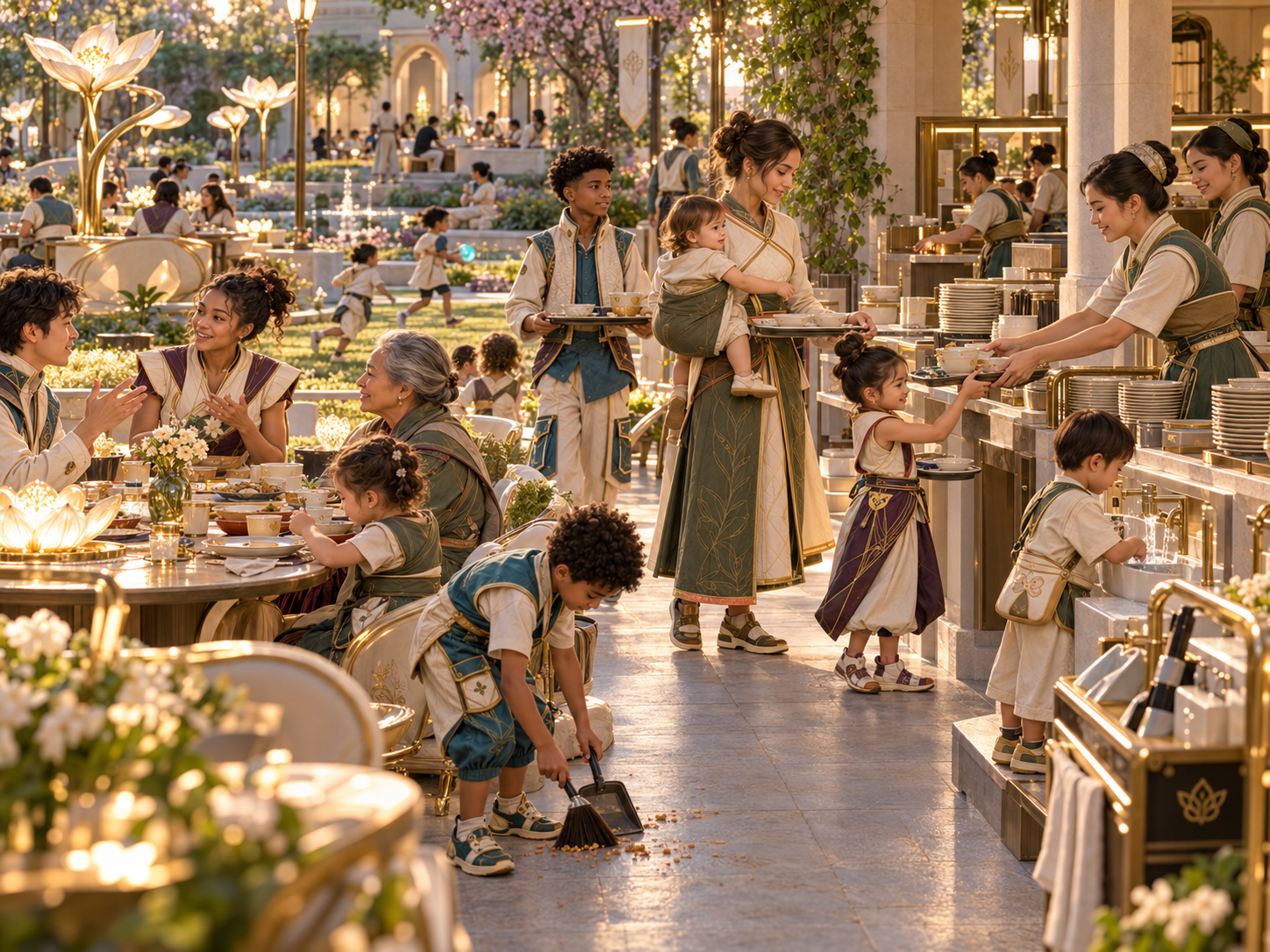
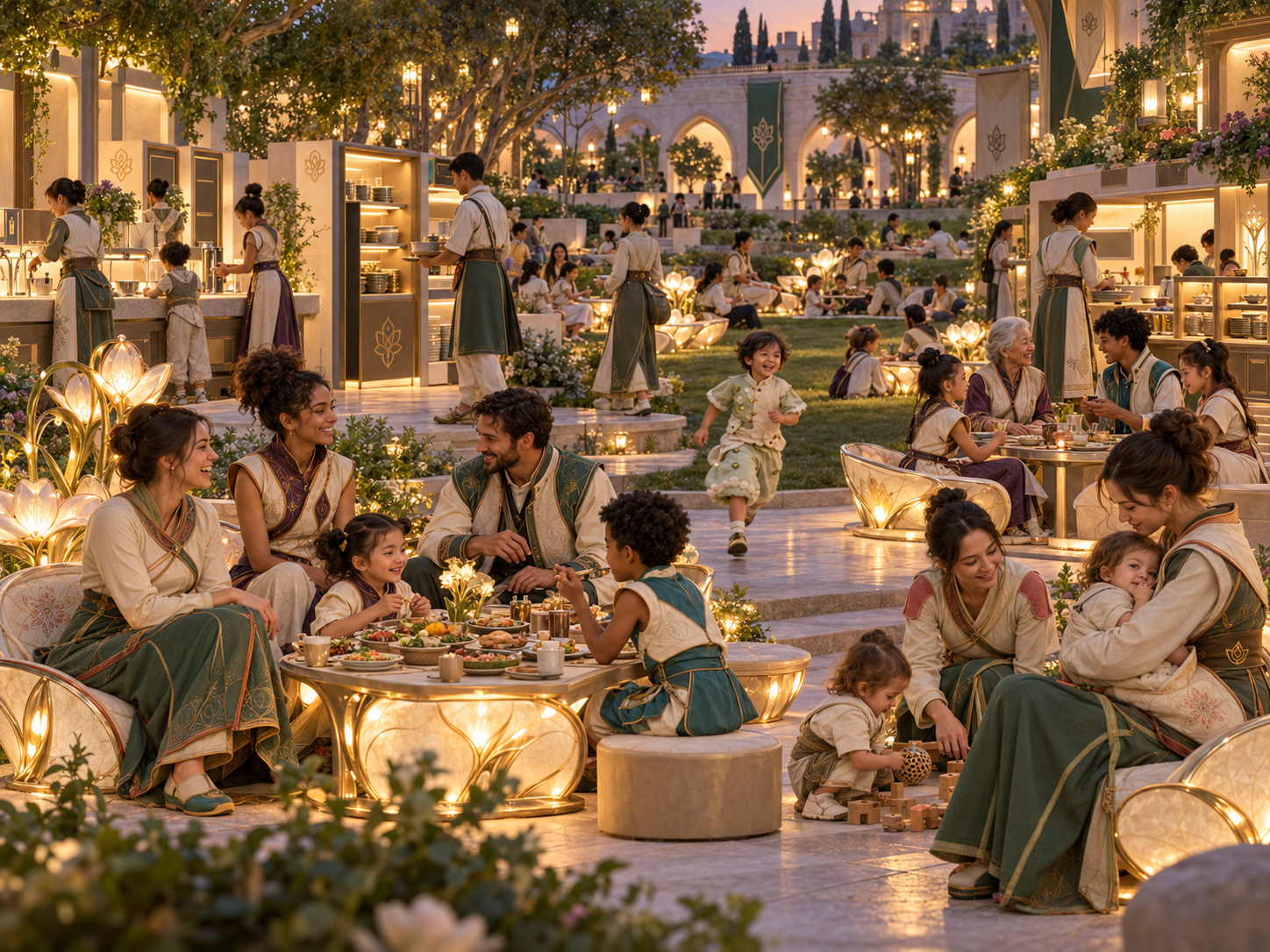
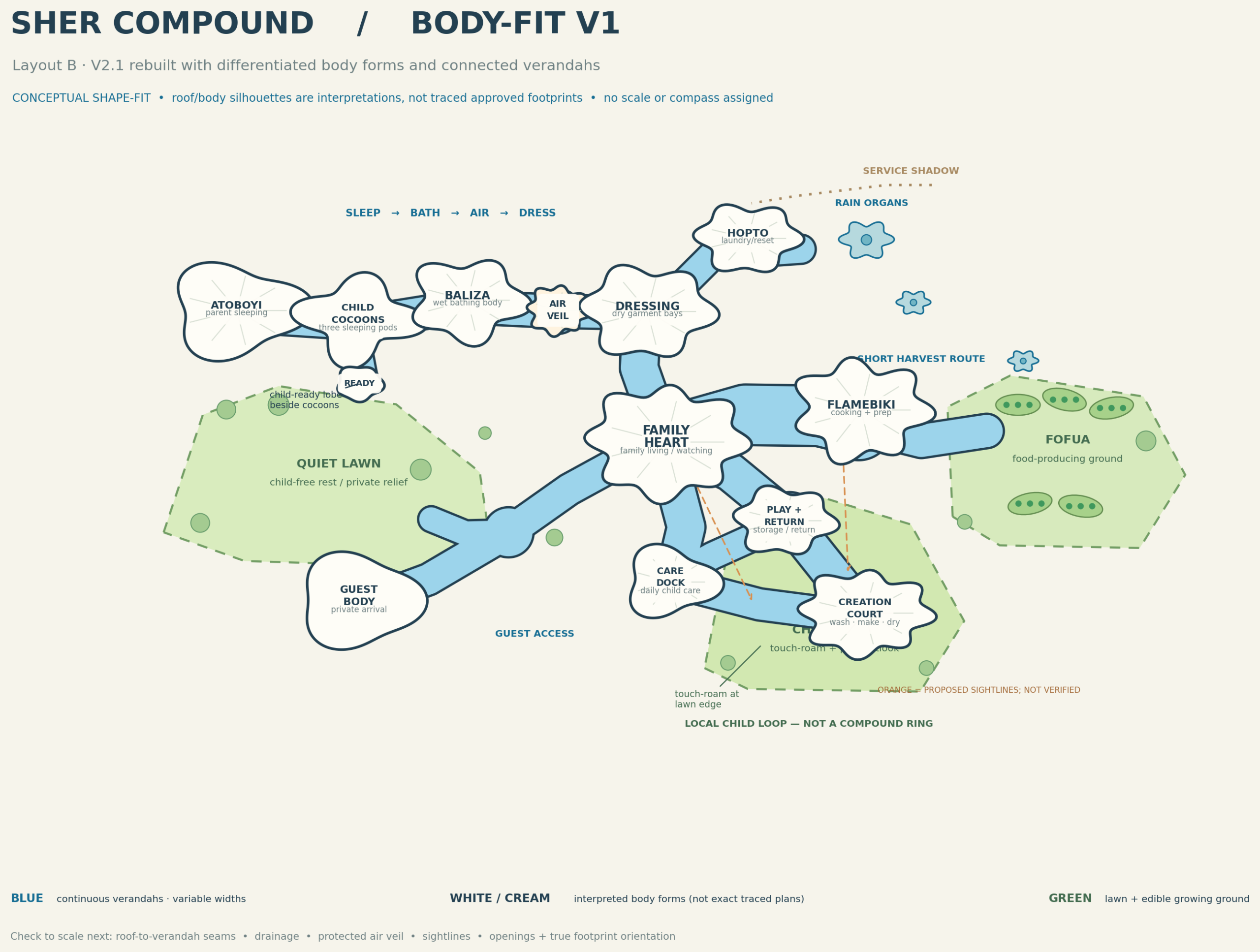
This is why our streets are living route systems, with child movement, greenery, gathering, shade, food and carefully managed transport integrated into their bodies. Baby Worlds and public play connect to the family compound. We look after the child and release the parent. The useful measure is the life returned, which an increase in vehicle sales will never tell us by itself.


 and then