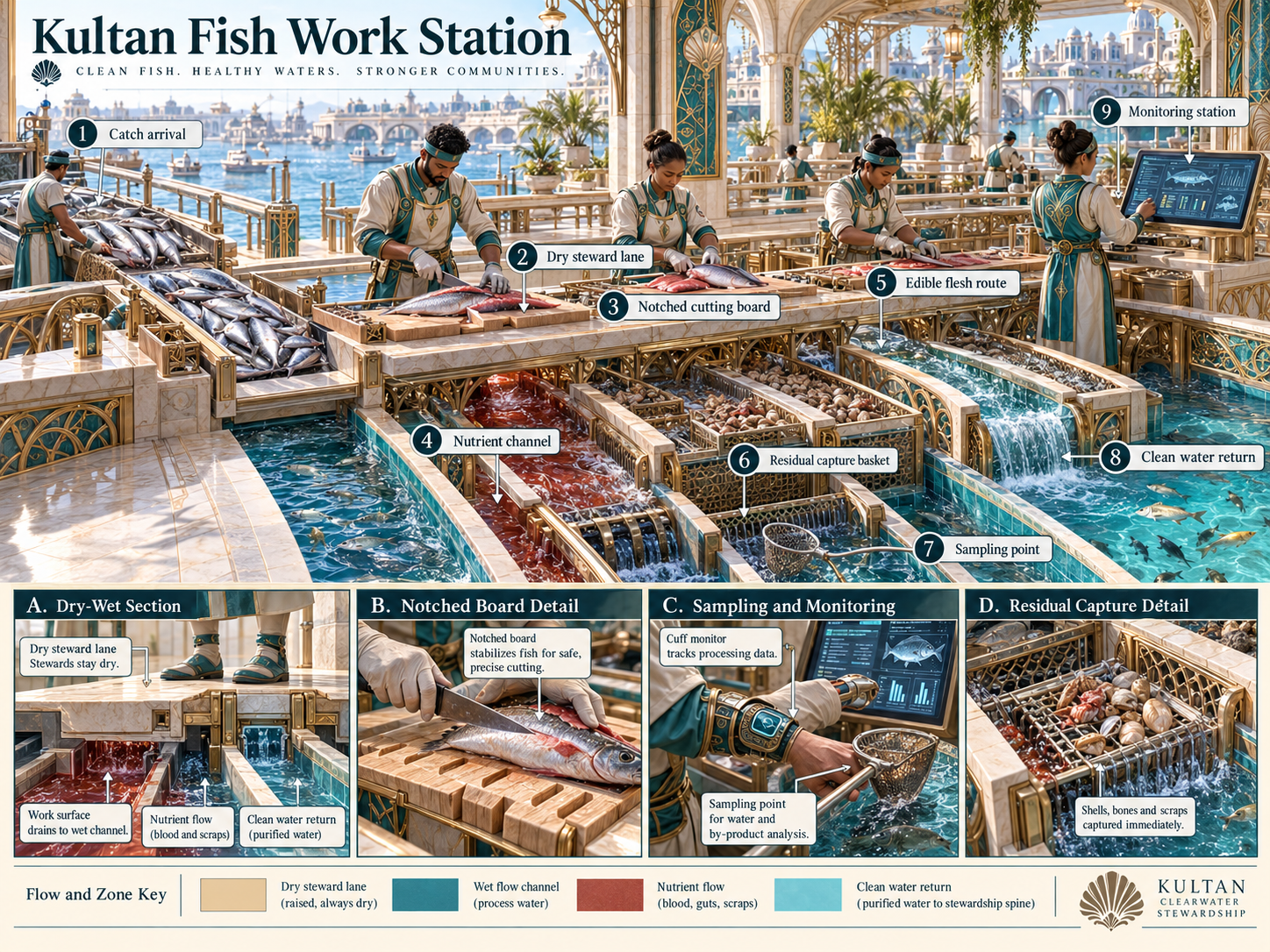
We have studied construction equipment with the eyes of people who know both engineering and the practical discomfort of building shelter by hand. A machine is good when its form makes a useful action easier, safer and more precise. We want positioning systems that can hold building components without enormous scaffold forests, compact access bodies that let several workers reach different points and machinery adapted to the distinctive shapes of our architecture.
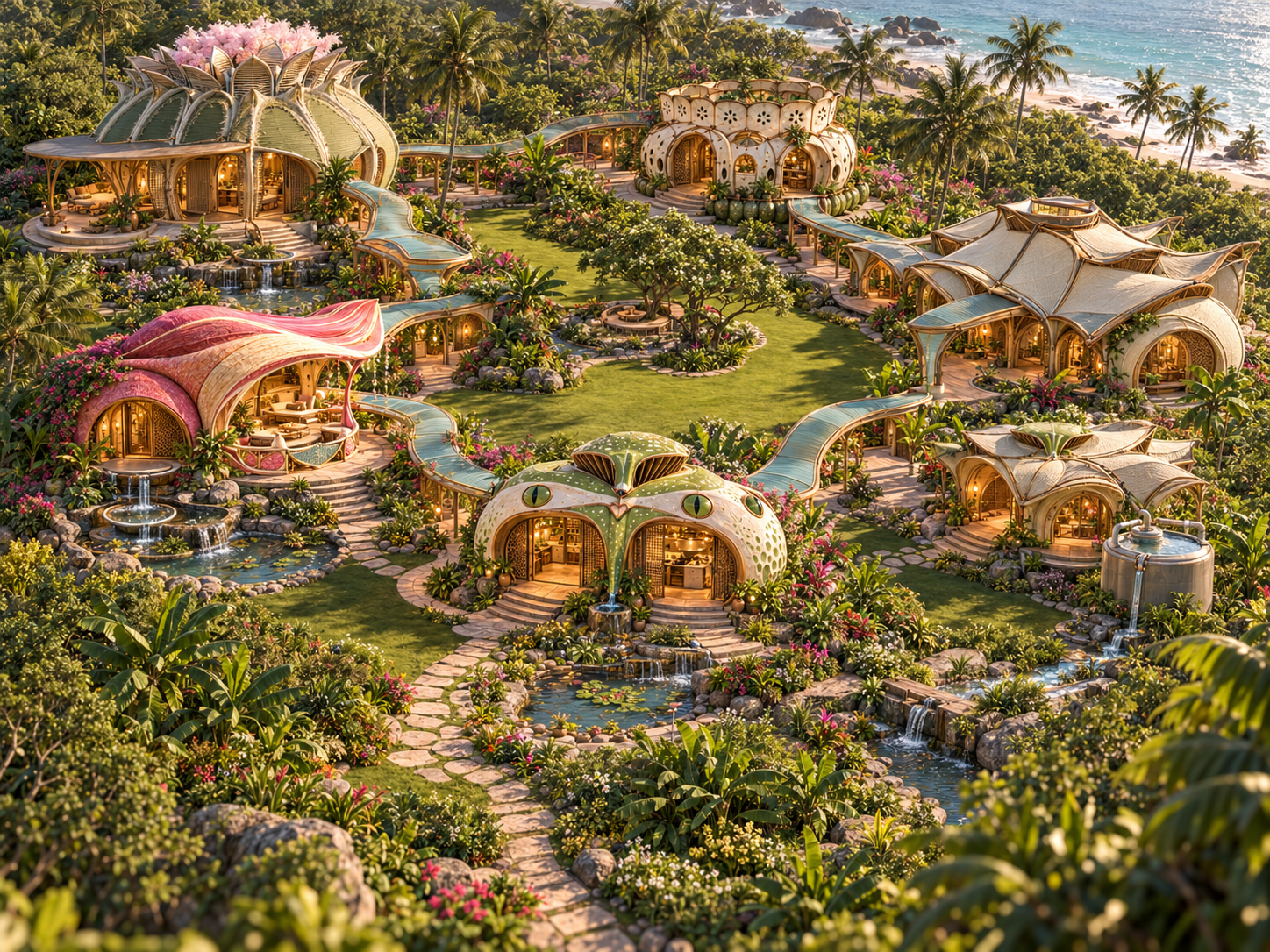
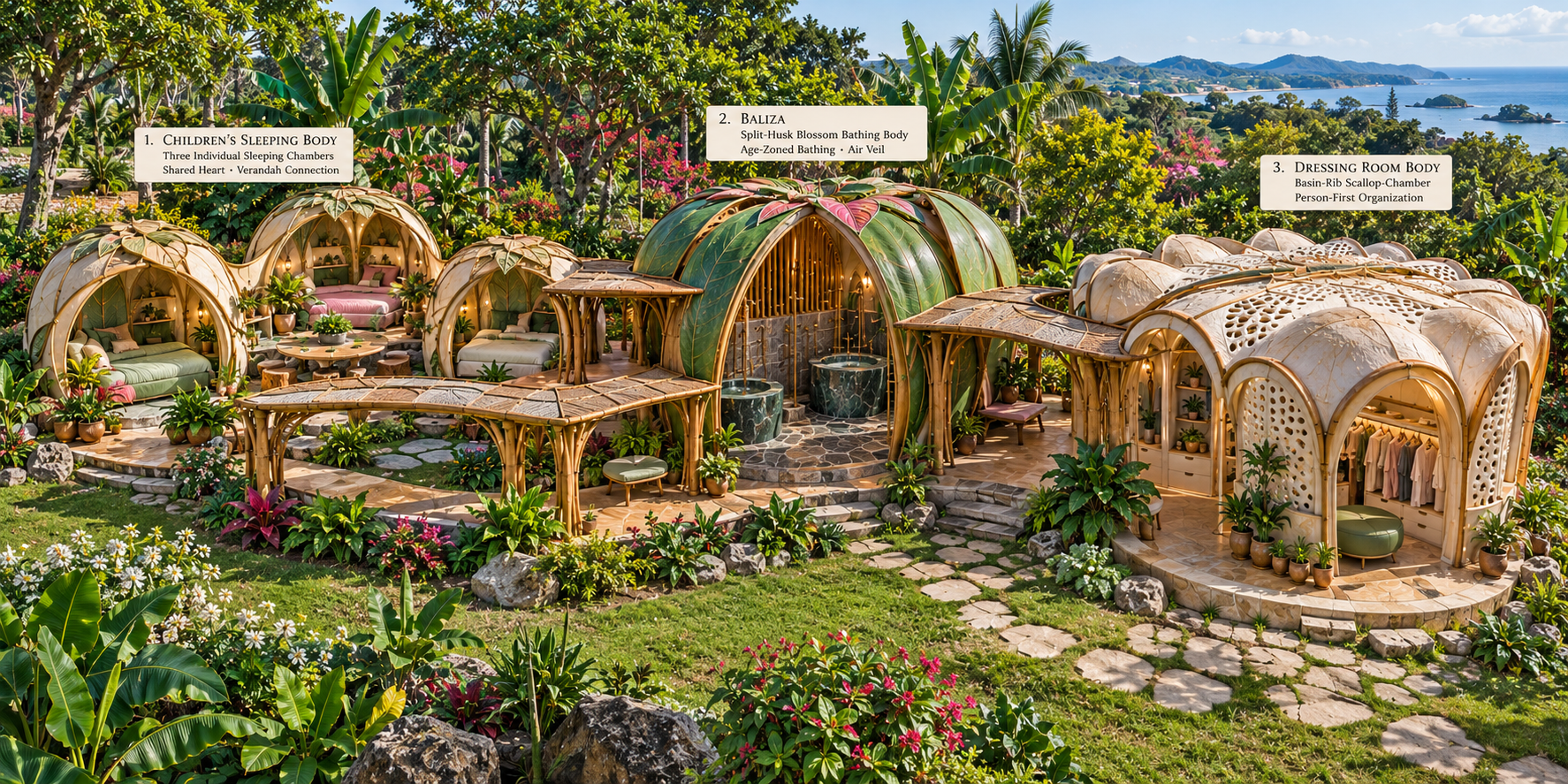
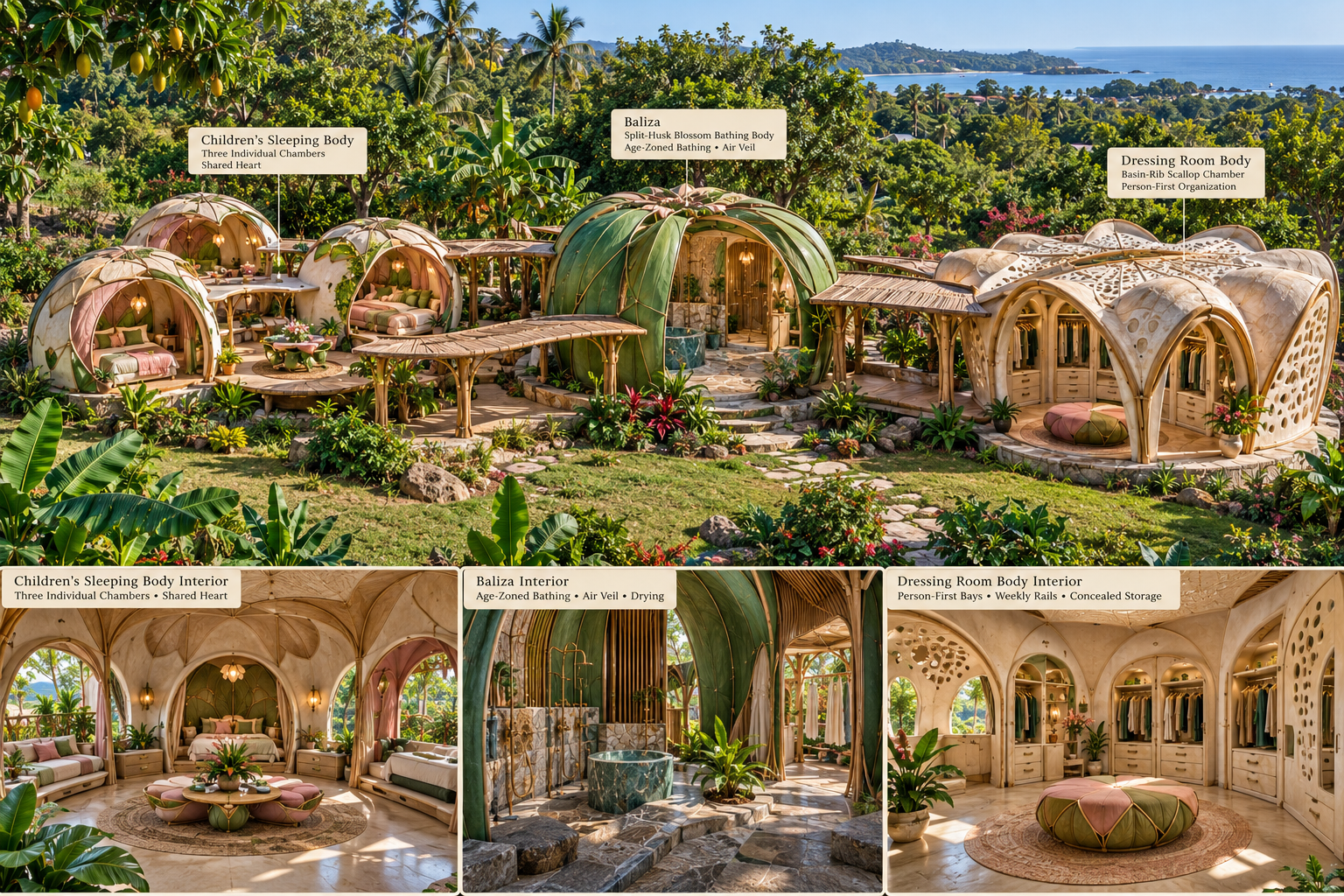
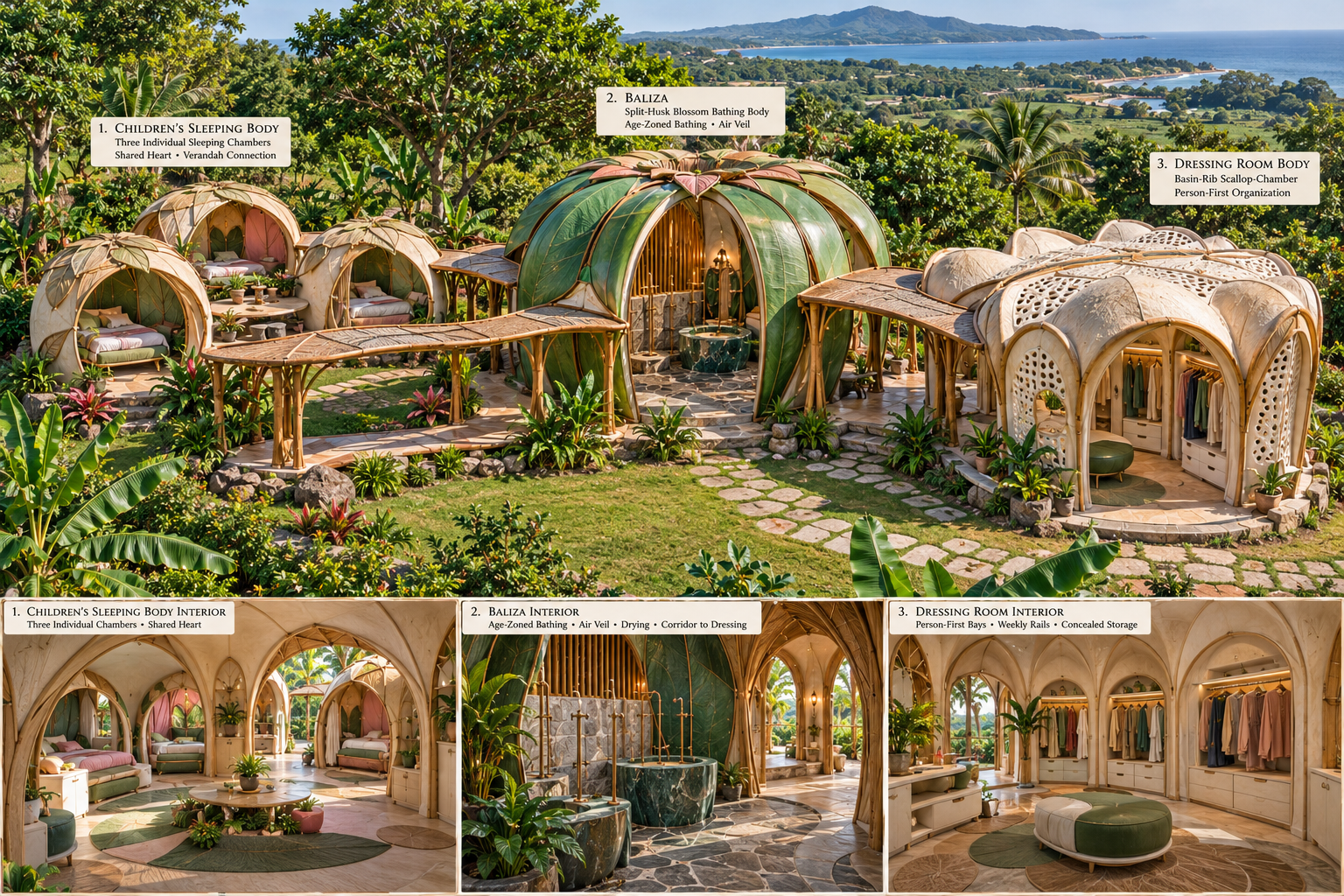
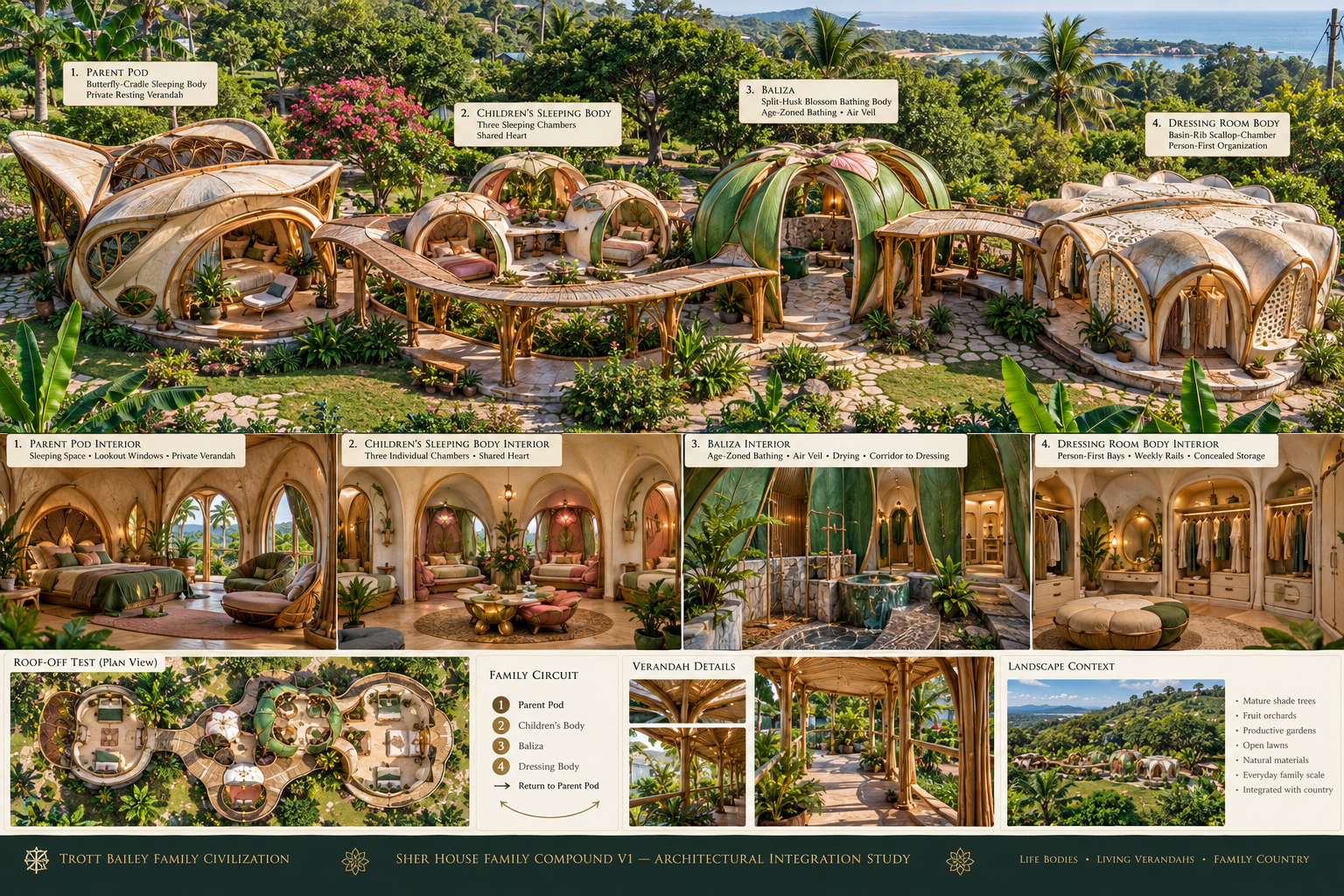
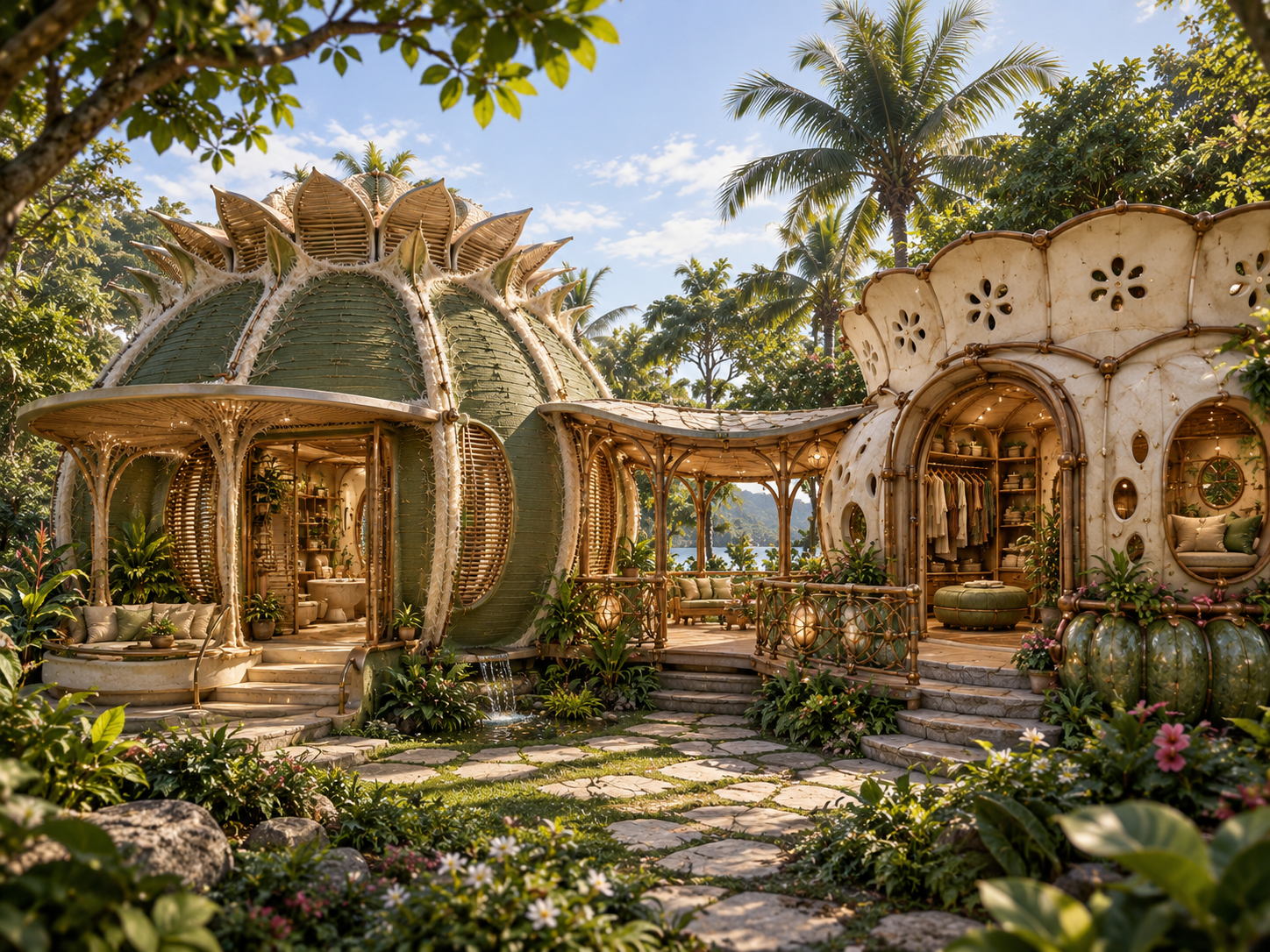
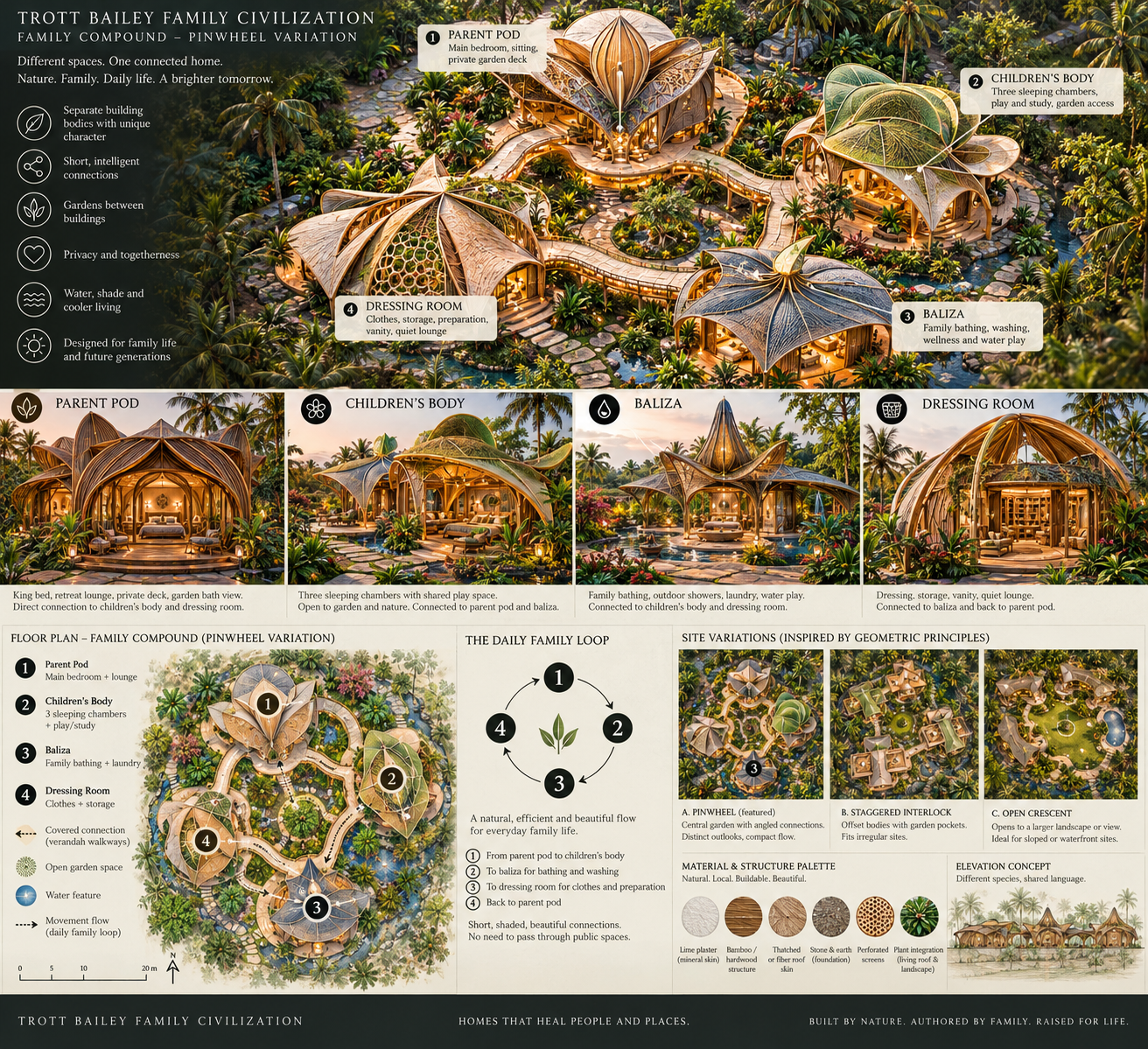
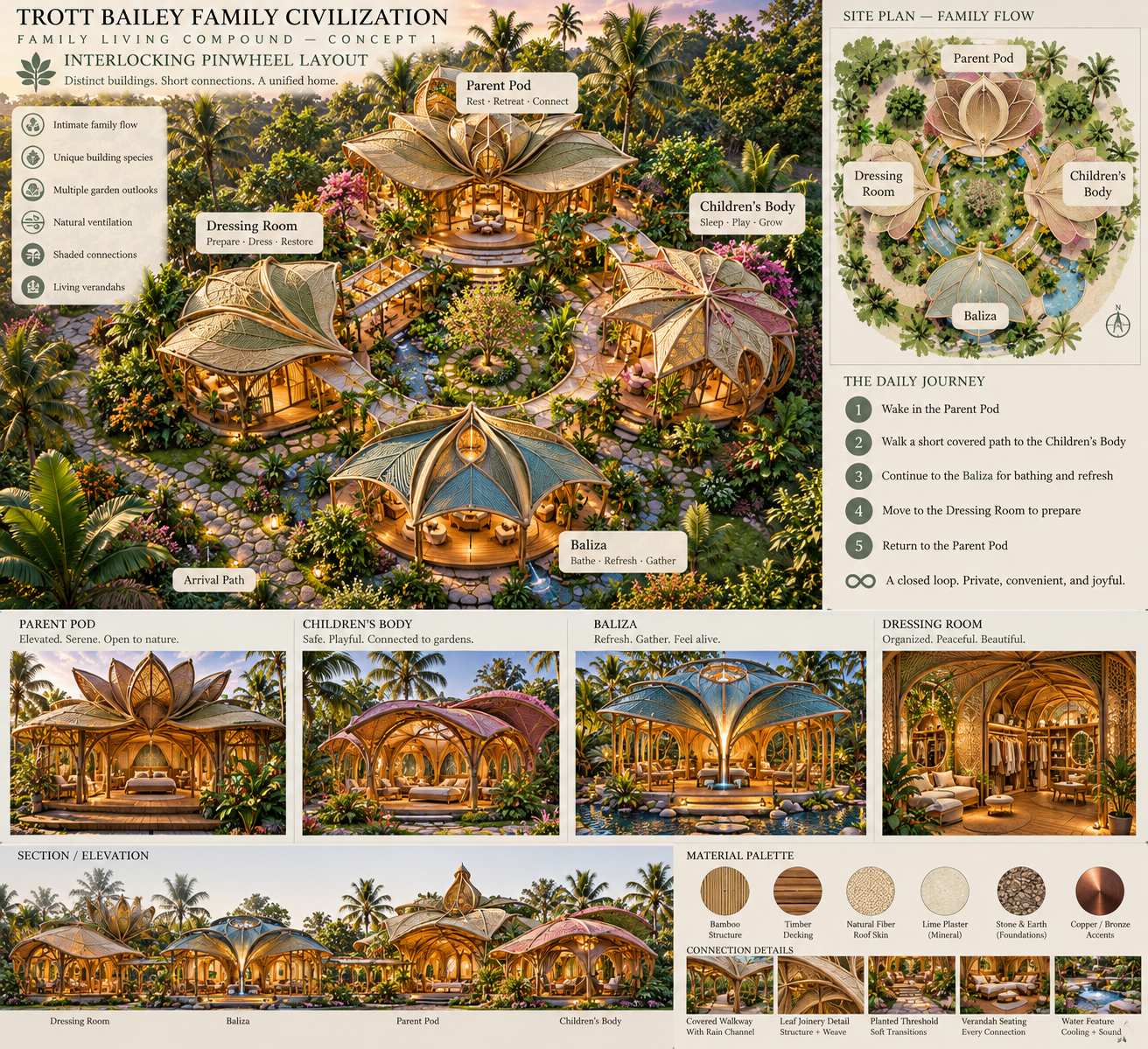
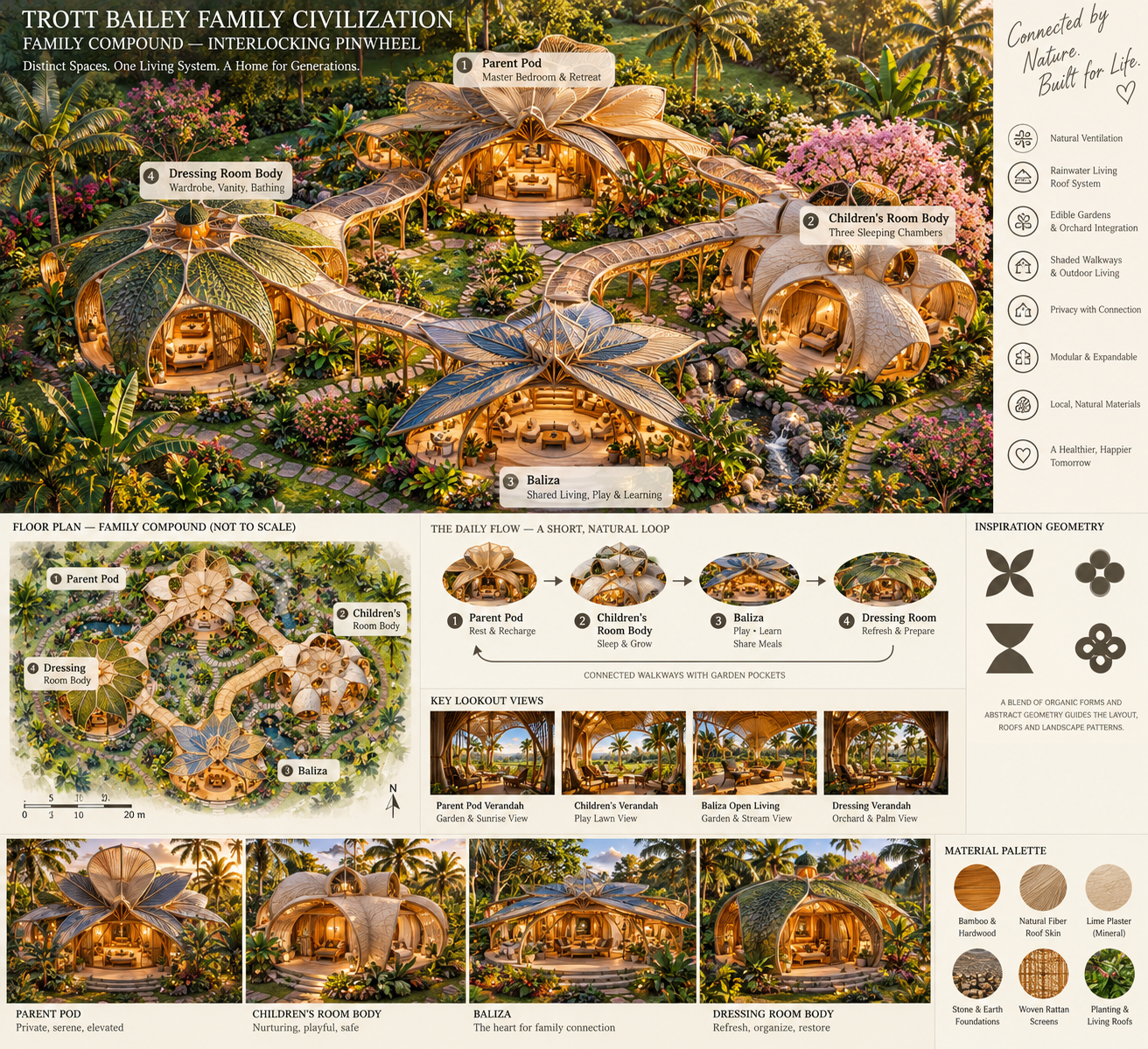
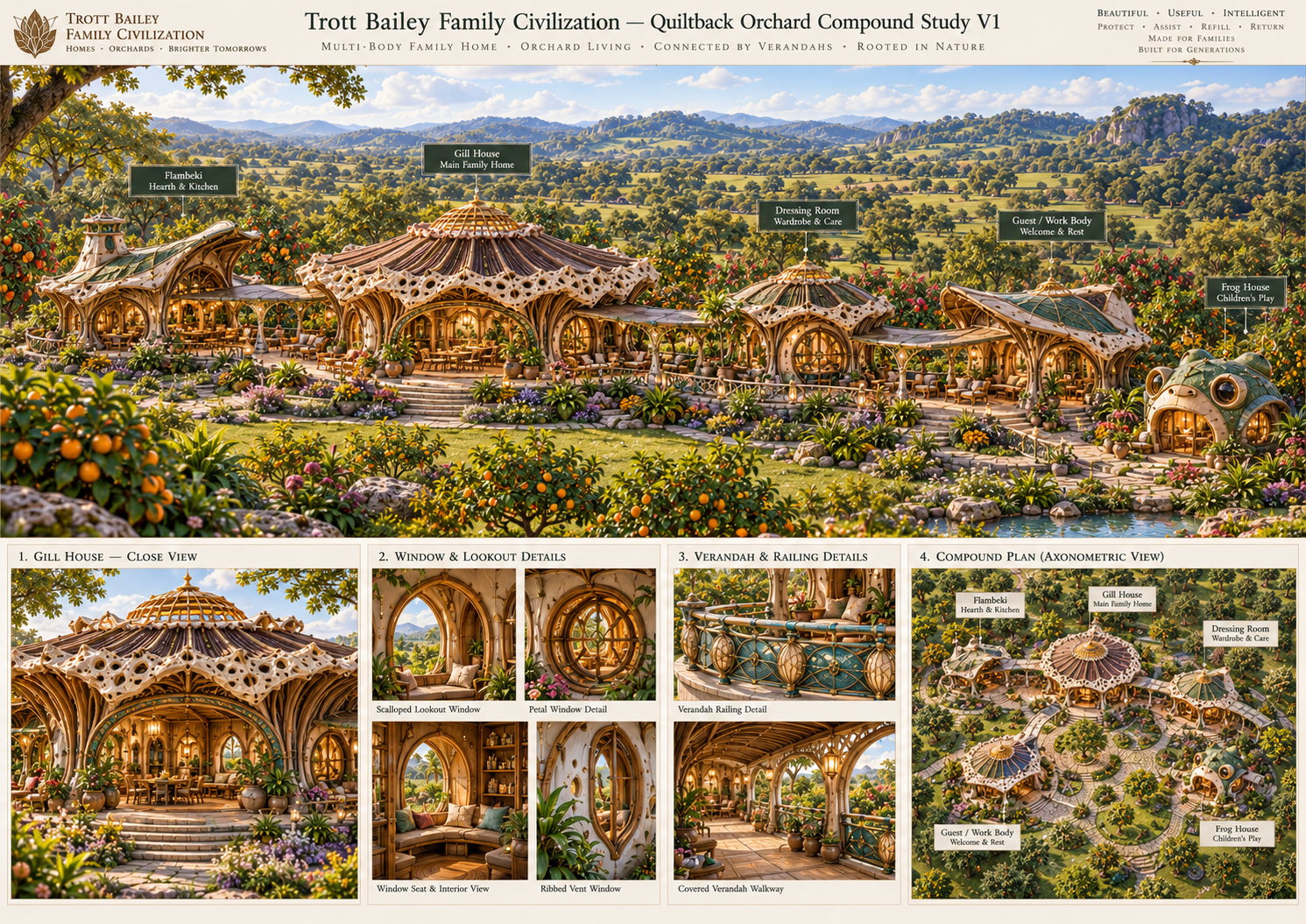
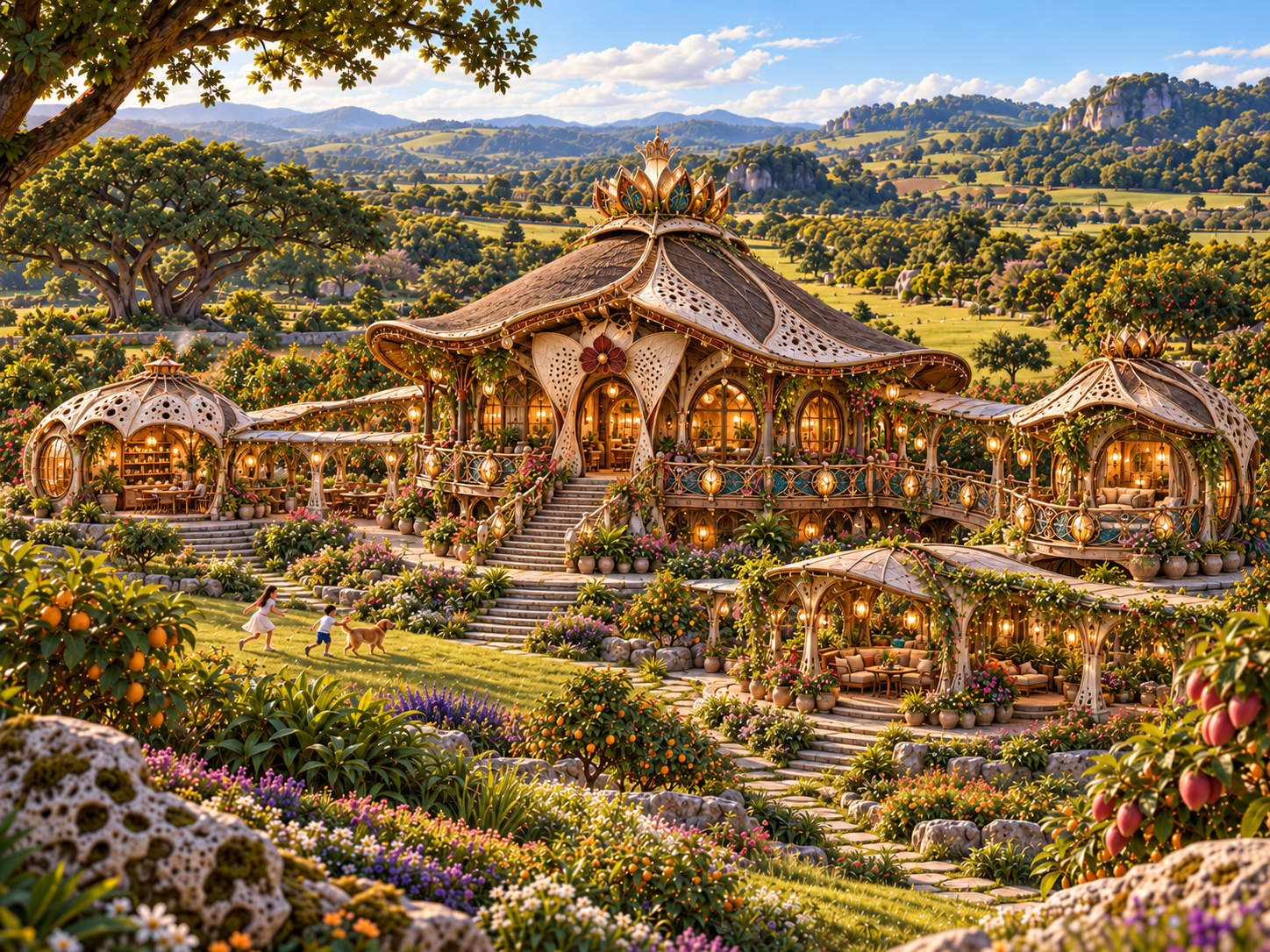
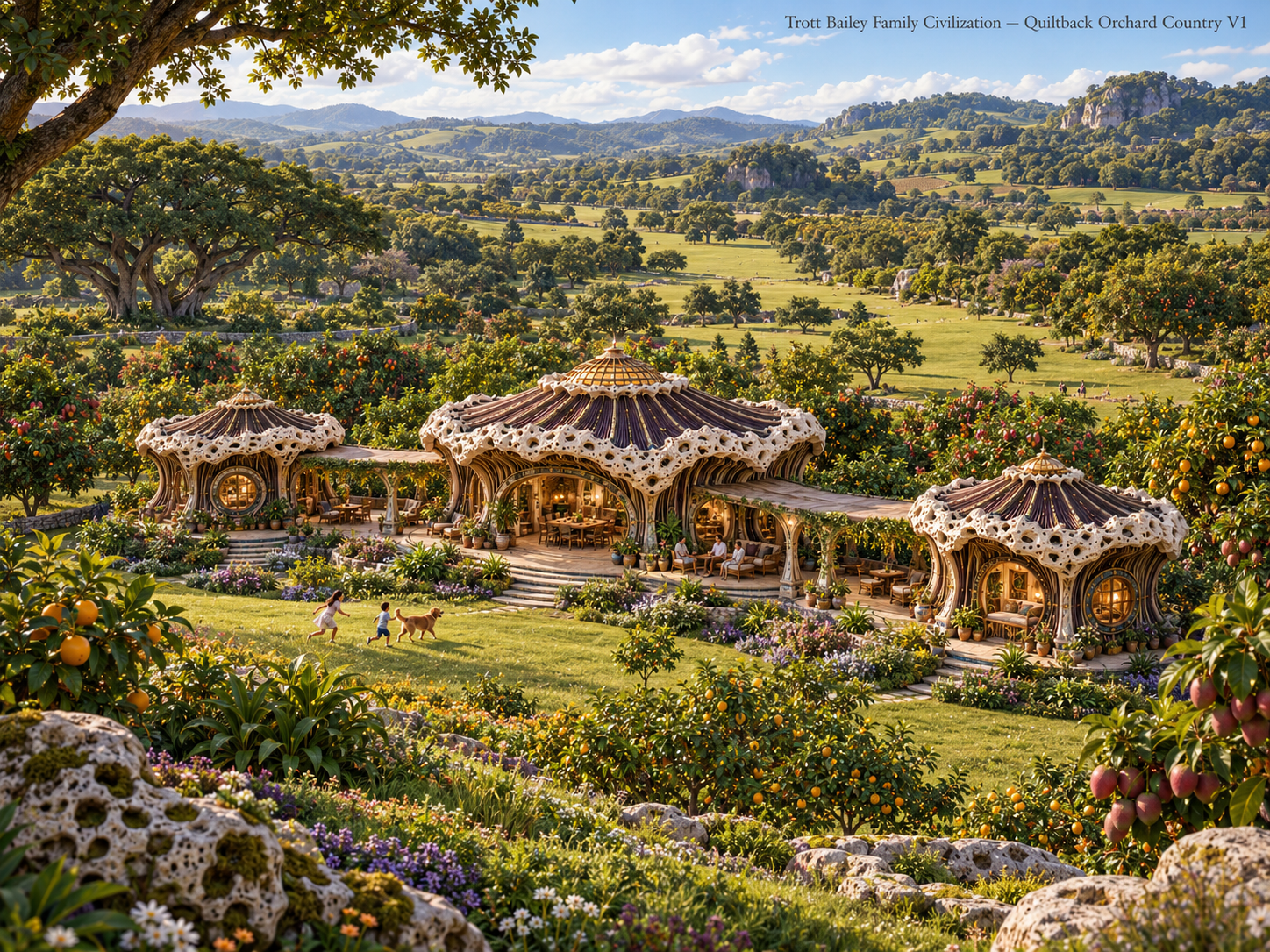
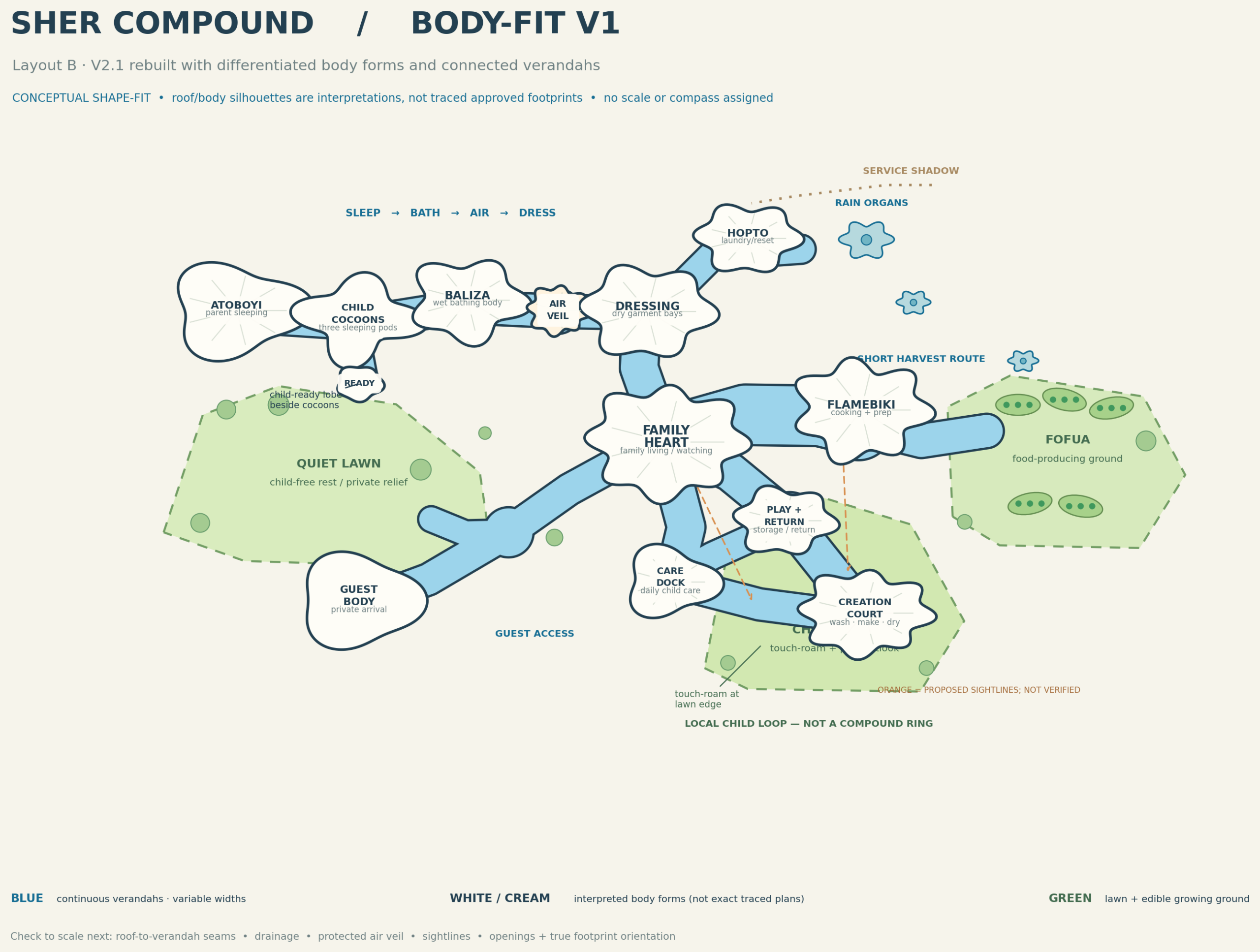
The charming building bodies of the family compound require different assembly thinking from a conventional rectangular house. Roofs, verandahs, living ground, wet-room details and planted connections each impose their own tasks. We have been developing temporary support species and modular positioning arrangements that respect the architecture instead of forcing it to look like the site of an ordinary building.
Our childhoods and college years trained us to learn tools quickly. I taught myself to swim for a lifeguard qualification and repaired electronics because customers needed repairs. The construction programme carries the same confidence: identify the task, master the physical principles, make a suitable tool and test the actual result.
A good machine returns human time. The family receives its new home sooner, the workers get a safer and more satisfying contribution, and the next building benefits from everything learned on the first.


 and then