Sher has little patience for a steward who is proud of the amount of money produced while the people under that stewardship become less capable of ordinary life. She has written about governments elevating GDP until the great public questions are organized around money and everything living has to squeeze into the remaining space. Then the authorities look astonished when households delay children, fathers have no time, mothers are worn down and neighbourhoods become unpleasant to inhabit.
GDP is a measure of economic output. It has proved useful for that particular task. The failure comes when it becomes the grand certificate of civilization, with the cost of family life excluded from the celebration. More paid rides can increase measured production even if the trips have become necessary because a child cannot safely walk. More hired care can make market activity visible while the exhausted parent’s unpaid labour remains invisible. A household might have to spend more money to achieve the same comfort, and the transactions can still look like success.
We also learned to stop blaming people for the failures of the arrangement around them. Emre could not host us indefinitely because generosity itself requires land, food, time and household stability. A guard at an airport can be working to support children of his own. A neighbour may want to share dinner but have little enough to feed the family already at the table. If the foundations of abundance have been pulled away, generosity becomes expensive. That observation became our reason to make the foundations generous.
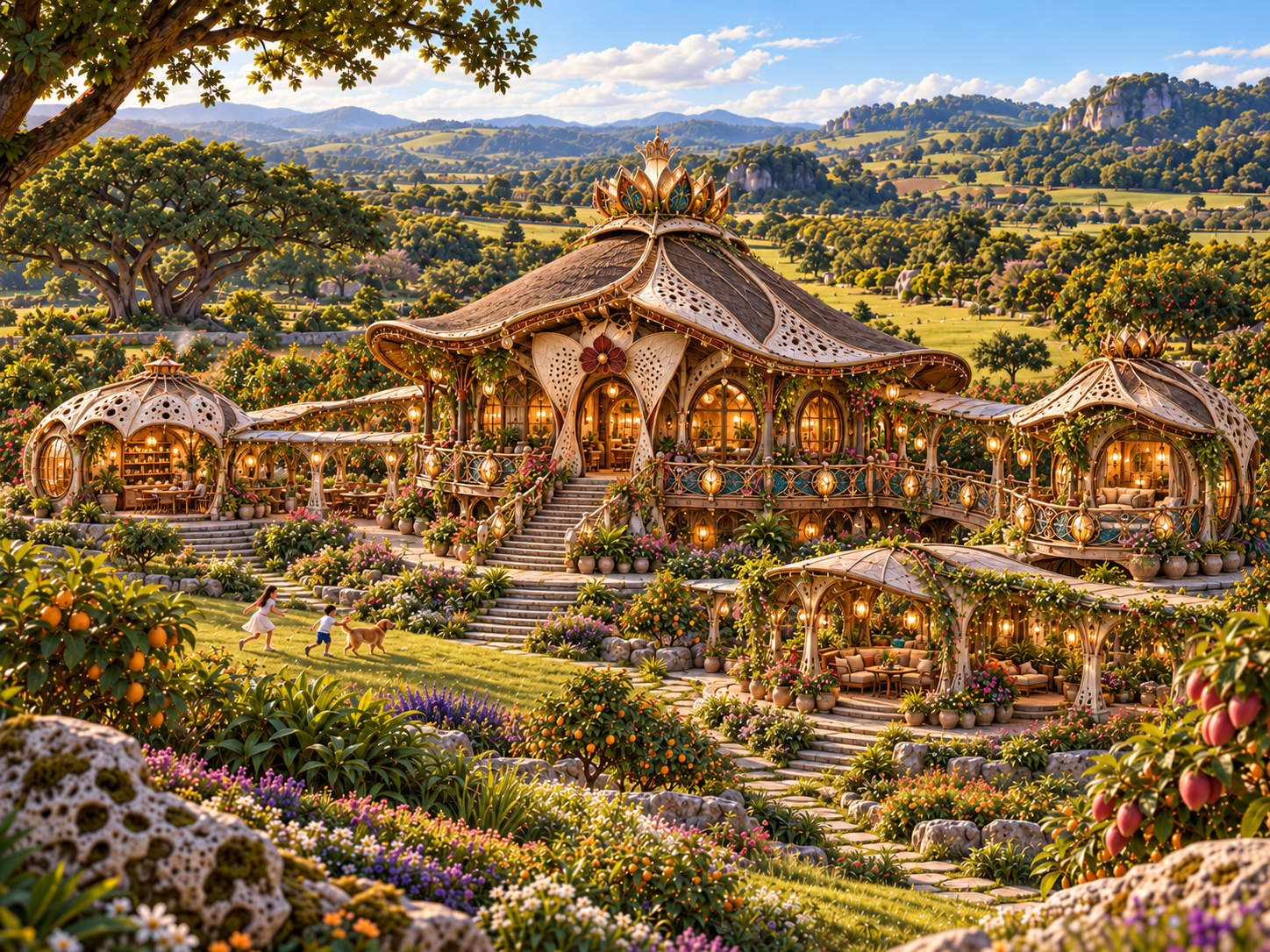
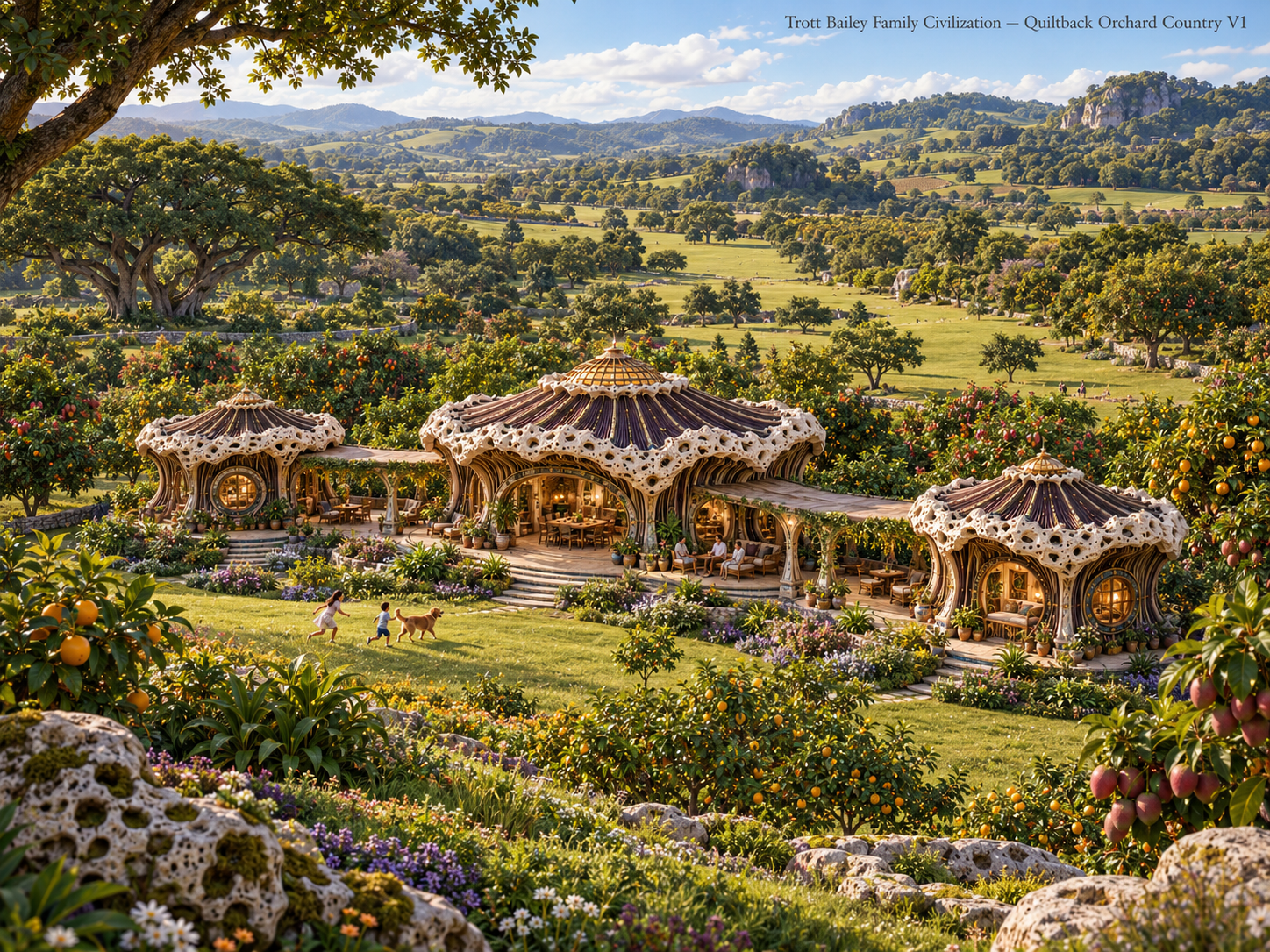
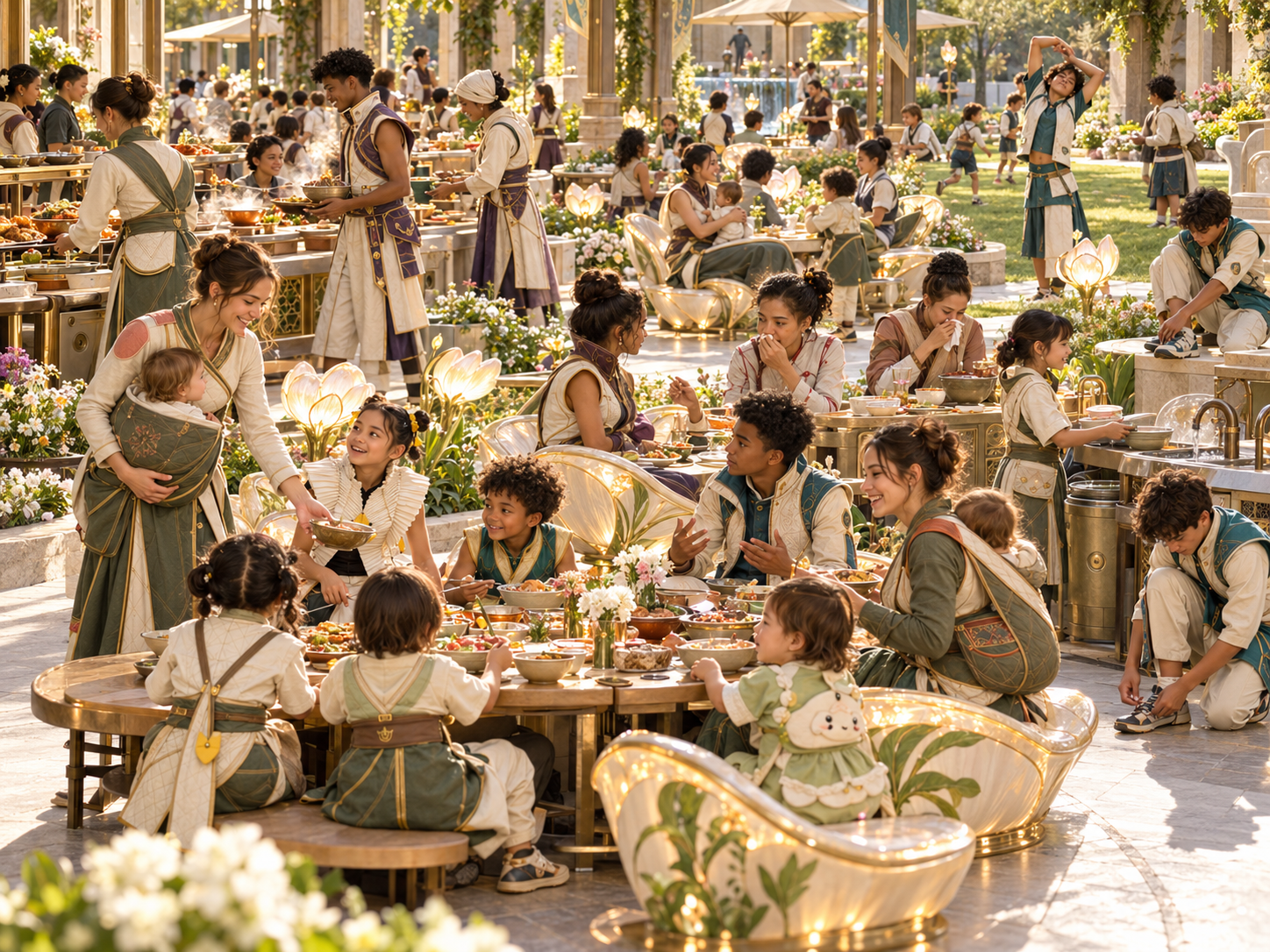
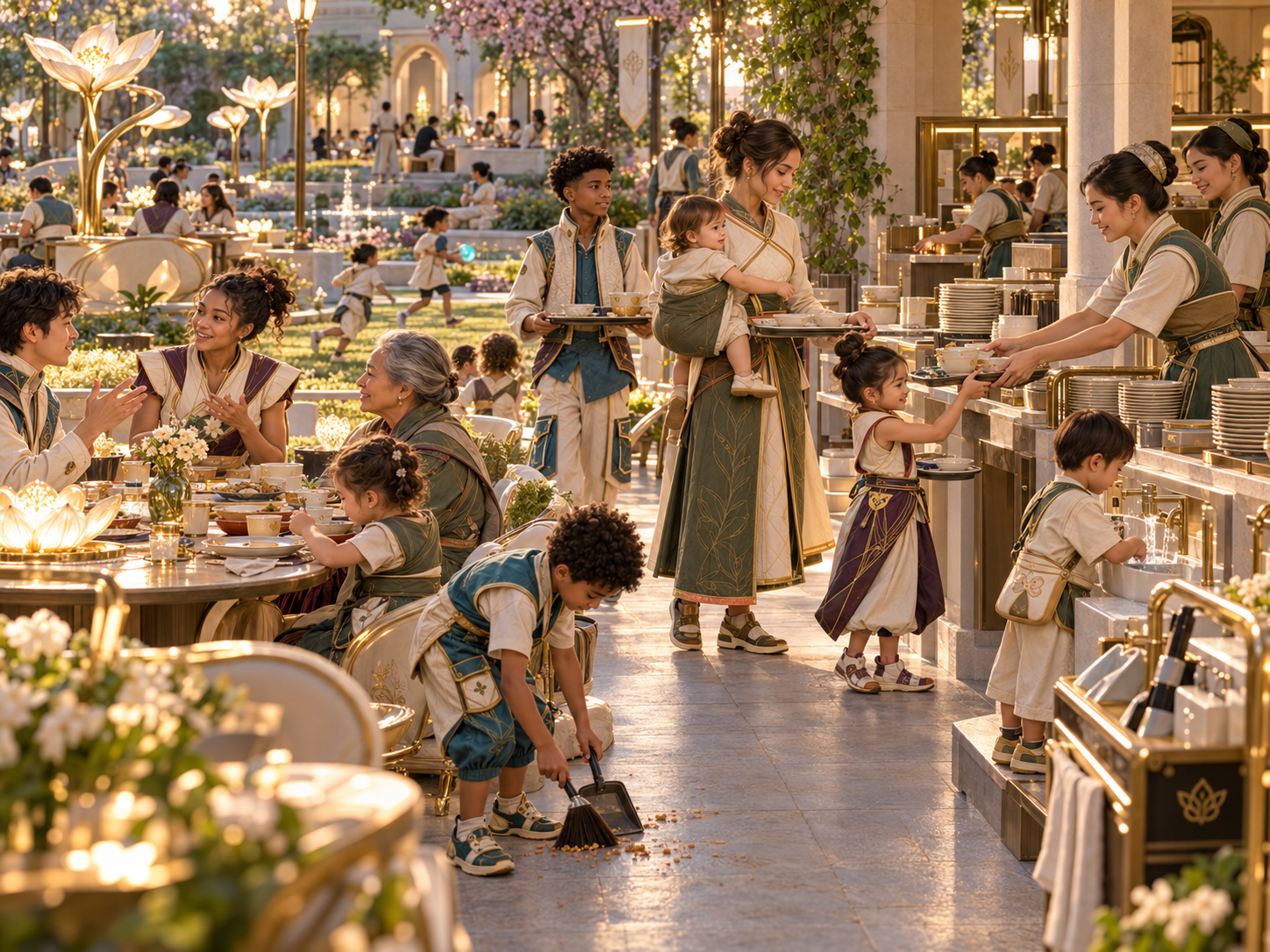
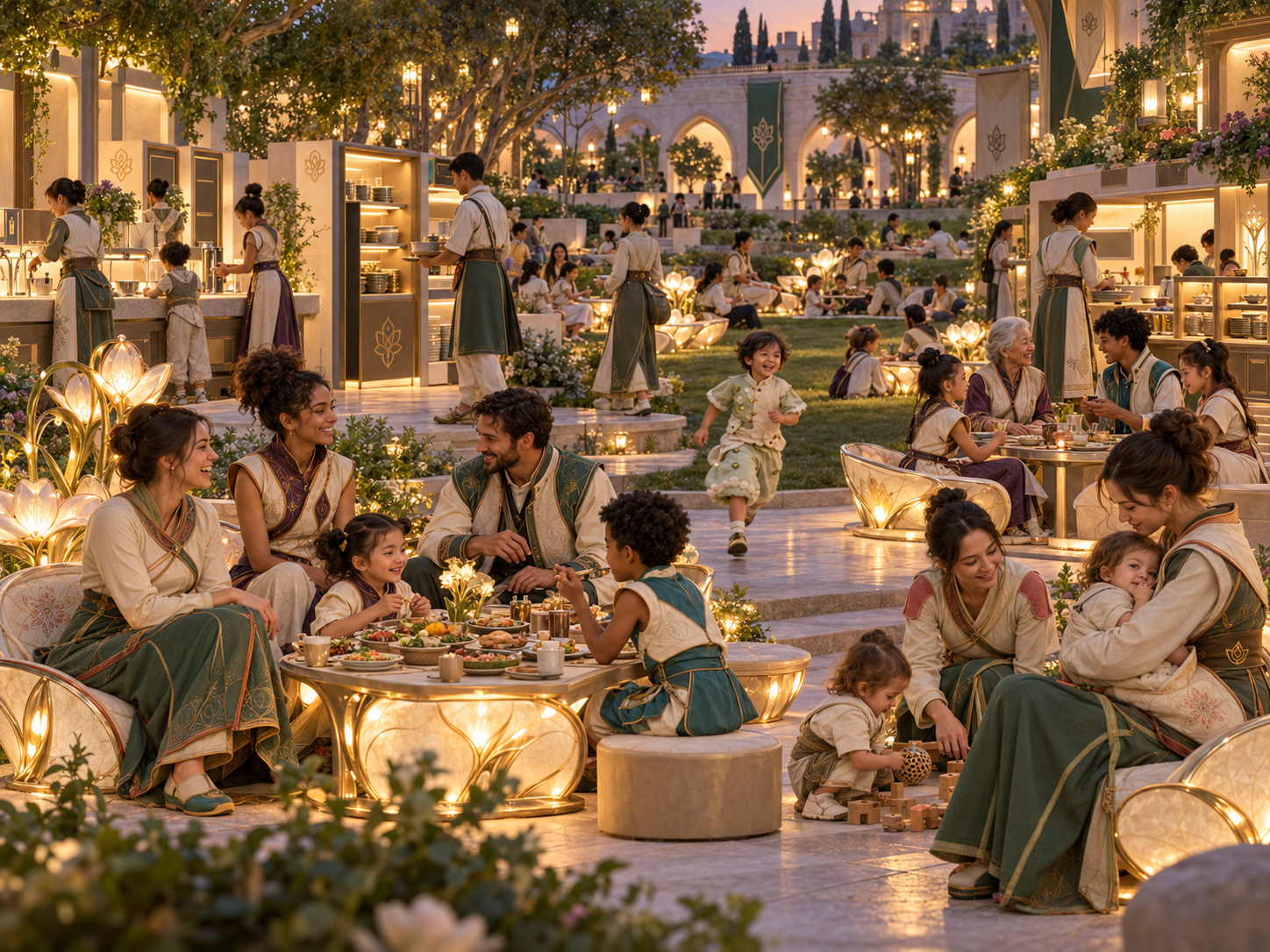
Sher asks the question that turns criticism into authorship: what would a properly stewarded civilization do here? It would count the child walking alone, the mother resting, the father at home, the food eaten rather than merely sold, the living soil, the clean water and the free journey. The Scorecard follows that logic. Bad stewardship is visible in the life it fails to produce. Good stewardship is visible in the people who can actually enjoy what exists.


 and then