Jamaica knew my name before the controversies. I researched renewable energy, chaired student engineering work, built robotics projects and argued that a country blessed with sunlight and wind should use those resources intelligently. The possibility of a wholly renewable Jamaica fascinated me. Wigton Windfarm showed me real machines, nacelles, maintenance and the technical seriousness behind the romance of wind power. I carried those lessons into my own designs, including the robotic wind turbine work and the teaching programmes we later expanded as a family.
In March 2013 Prime Minister Portia Simpson Miller personally presented me with the 2012 Prime Minister’s Youth Award for Excellence in International Achievement. I remember the occasion as a young Jamaican who had worked for years to make technology and education travel beyond the island. My engineering papers, IEEE participation and public demonstrations had opened doors abroad. The award was a national acknowledgement of work I had enjoyed doing.
I had been recognized during a time when the People’s National Party governed Jamaica. The country later changed political leadership. Looking back, we have wondered whether that public association made us politically inconvenient to people who had no reason to champion someone celebrated by another party. We never set out to be political instruments; we wanted to serve Jamaica. Our renewable-Jamaica thinking was useful enough to enter national debate, and our work was featured by the Jamaica Information Service. An engineer talking about energy could be read as an emblem of a political programme even when he thought he was only talking about turbines and sunlight.
The technical work kept opening more branches. Our Tropical Storm Robotic Wind Turbine research brought intelligent blade control into a renewable-energy problem. Rasta Robot, Bailey Bionics and the teaching laboratories brought engineering within reach of children and young builders. We began the Step by Step Solar programme in 2016, packaging solar-system design and installation as lessons someone could follow across borders. A man with a useful set of electrical skills could create another person’s livelihood or capability through a well-produced course.
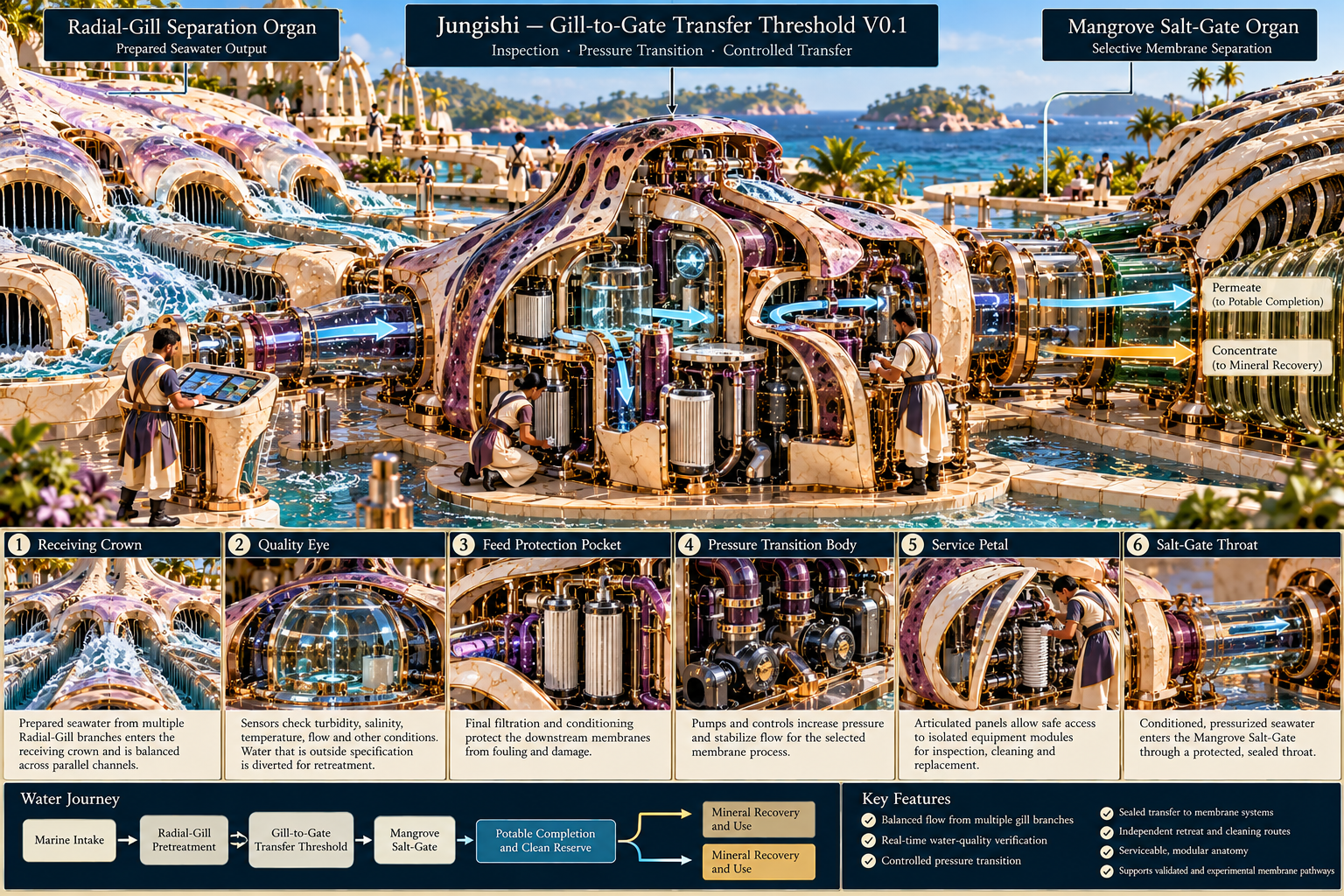
Our Solar Moon Panel research followed another line of enquiry: how might intelligent electrical routing reduce losses from uneven illumination, shading and different installation angles, and how might energy systems harvest useful environmental energy across more of the day and night? We documented proposed designs and continued studying materials, control systems and the engineering conditions that would determine their performance. The same imagination runs through our civilization’s energy infrastructure. The question is always what useful technical capacity can be developed and shared.
We still recognize the distinction between a question and an answer. We know how the change felt to us and what assistance we sought later. We do not know what every government office privately thought. Small-island politics can turn names into symbols with remarkable speed. The experience sharpened our belief that the fate of a family’s life and reputation should never depend on whether the family is useful to the governing party of the hour.
Jamaica was also where Sher gave our work a much larger operating reach. She made laboratories, contracts, robotics camps and business grants connect to one family mission. She saw global distribution when others saw a summer workshop. We took serious pleasure in those years. The island gave us engineering recognition, people who wanted to learn, extraordinary natural beauty and the beginnings of a worldwide university. We carried those victories with us when we left.


 and then