Turkey welcomed us with heat, language, sea, food, hospitality and the lovely impossibility of getting bored with one another. We flew from Miami through Russia and arrived at Istanbul’s Atatürk Airport. Emre Arslan opened his home to us in Istanbul. He gave us what many wealthier people could not have given: a part of his own living space and a willingness to receive strangers as friends. He hosted us for several weeks. His generosity remains one of our favorite memories of the journey.
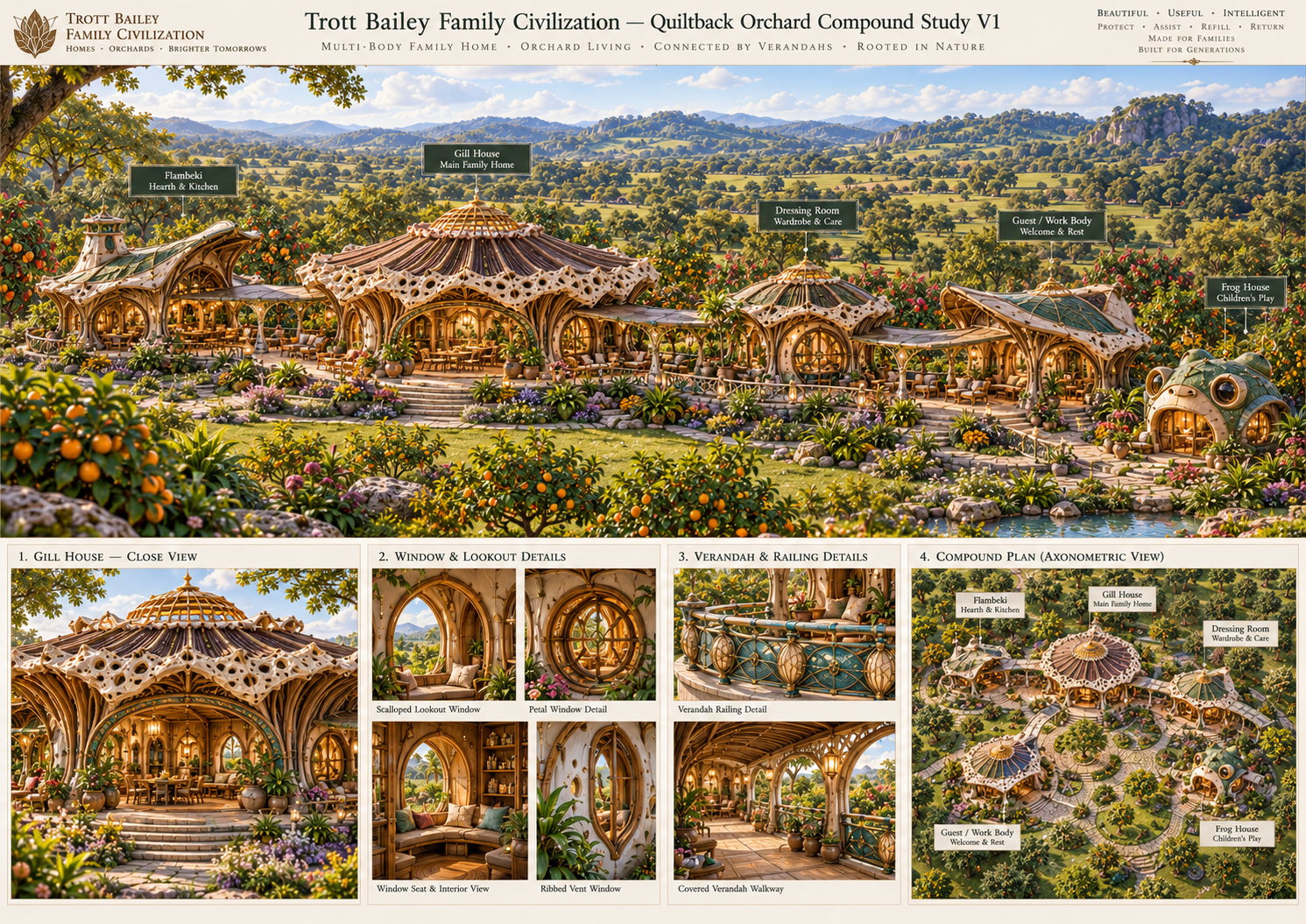
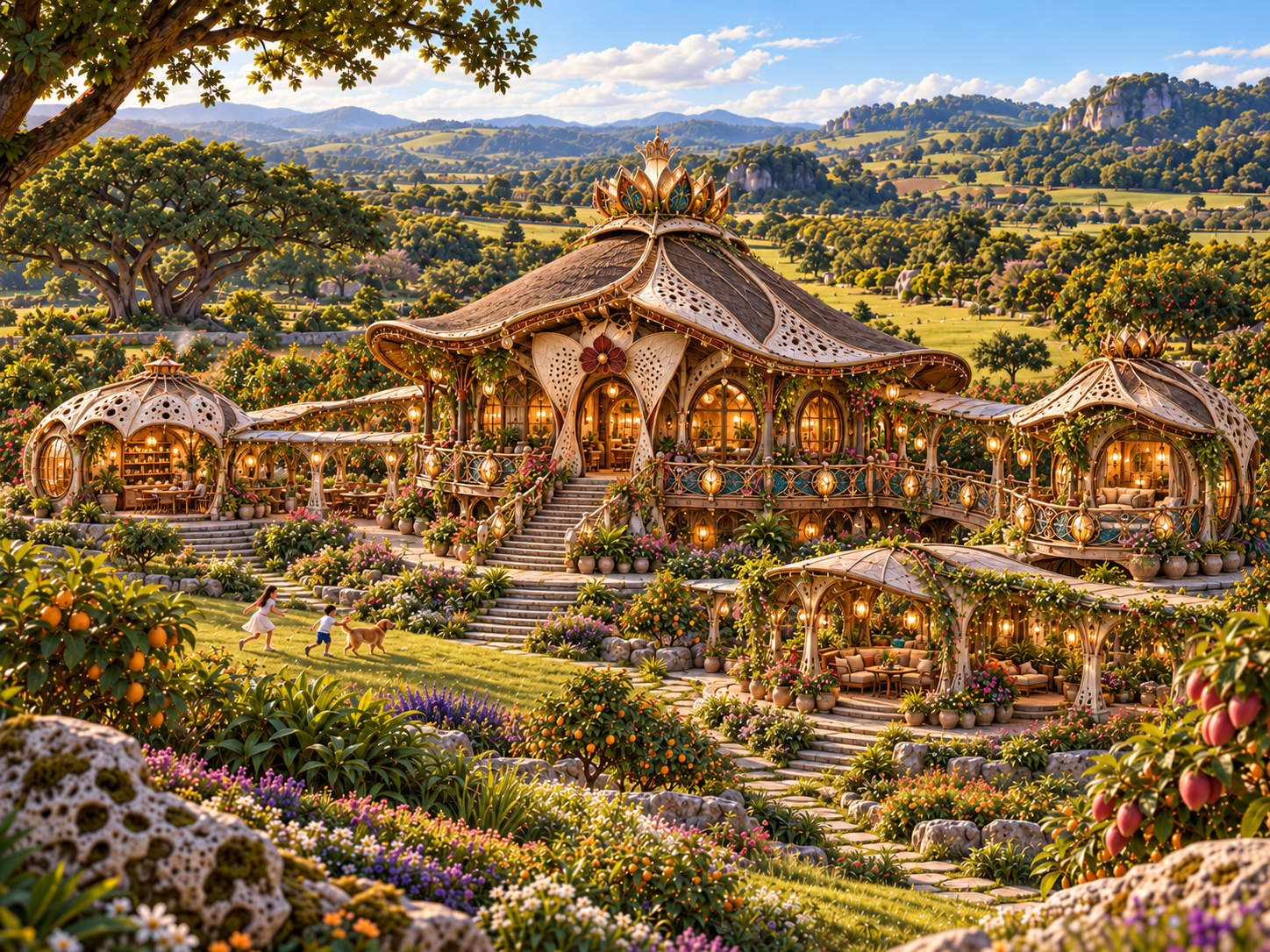
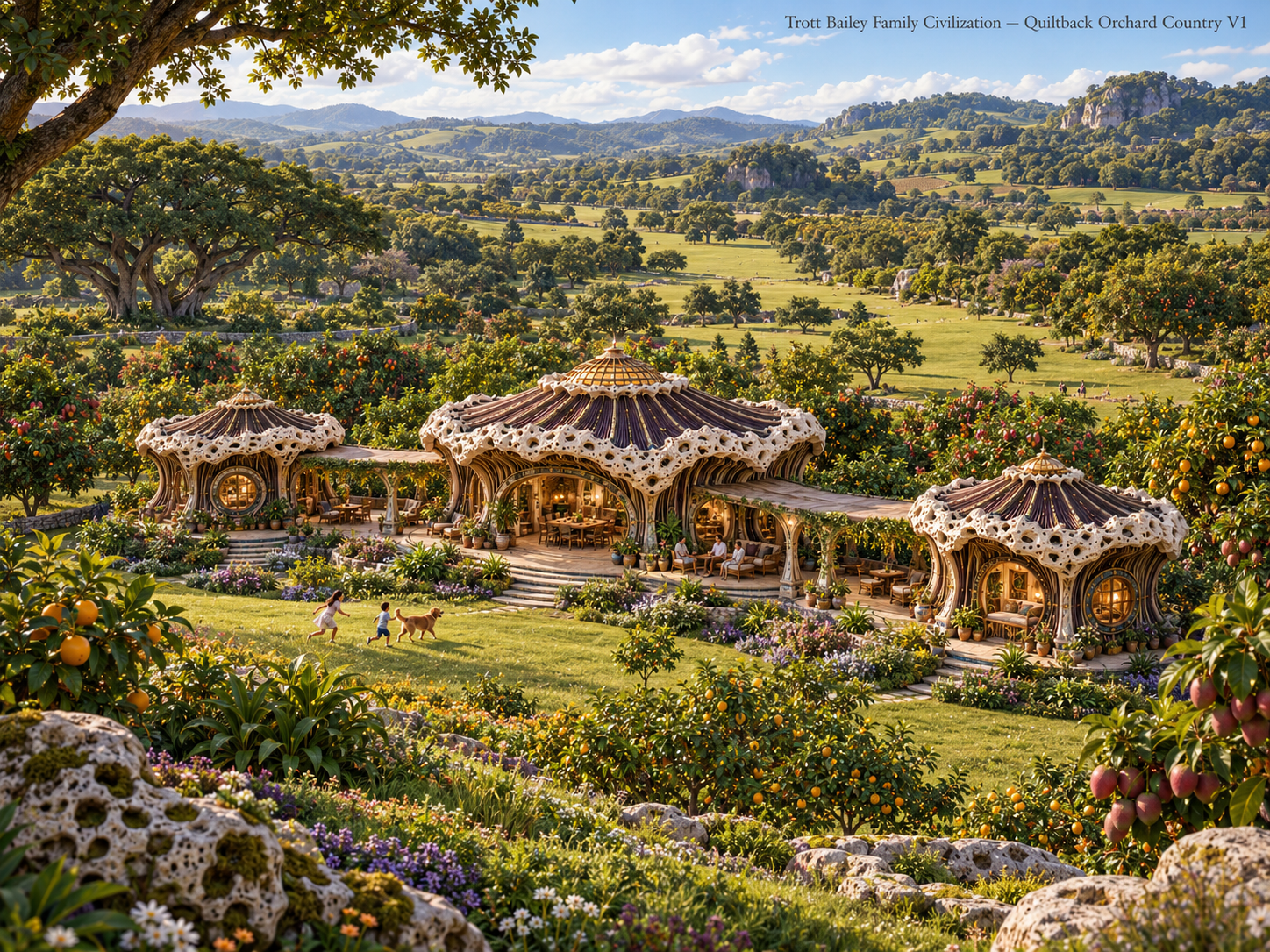
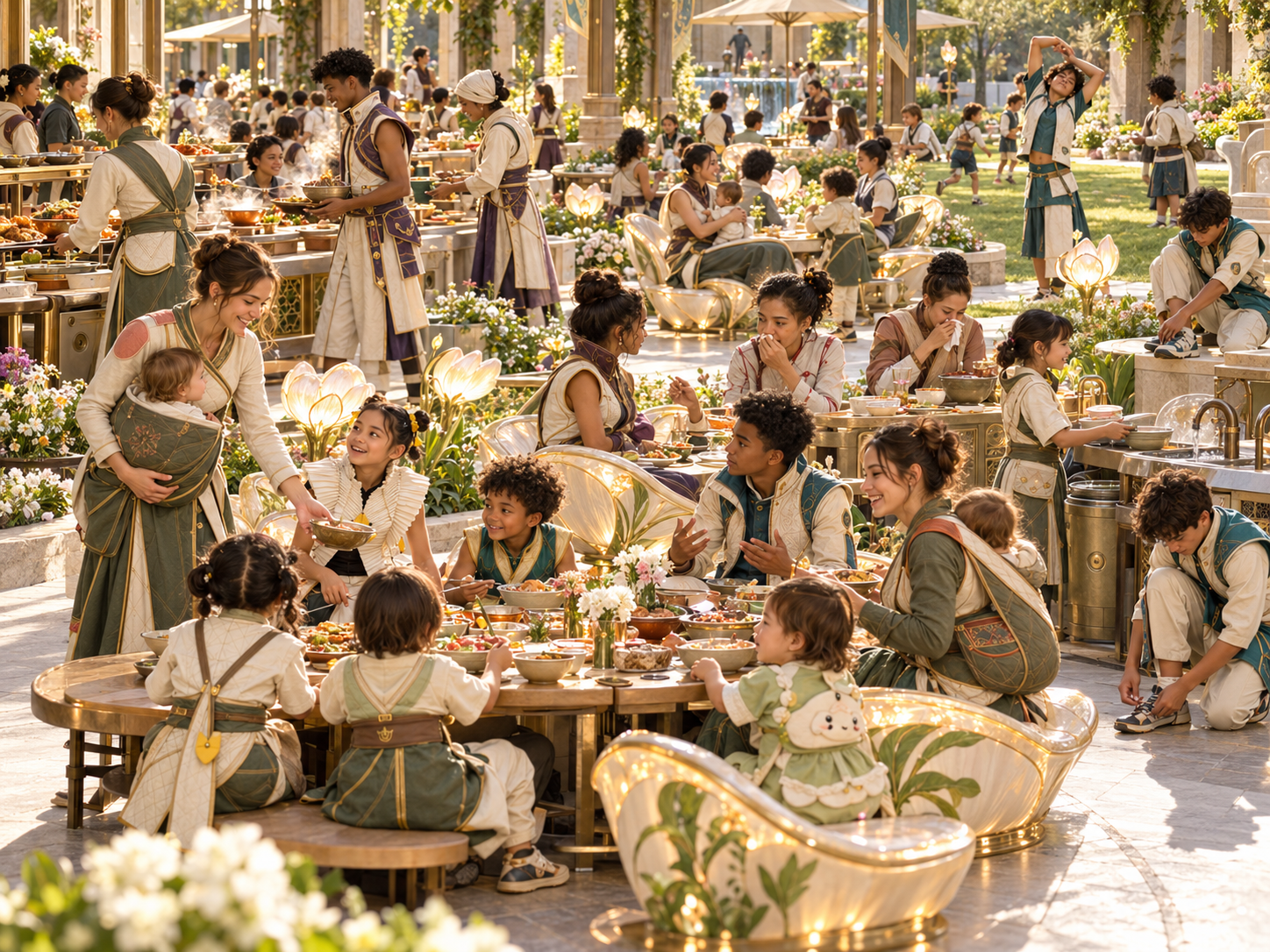
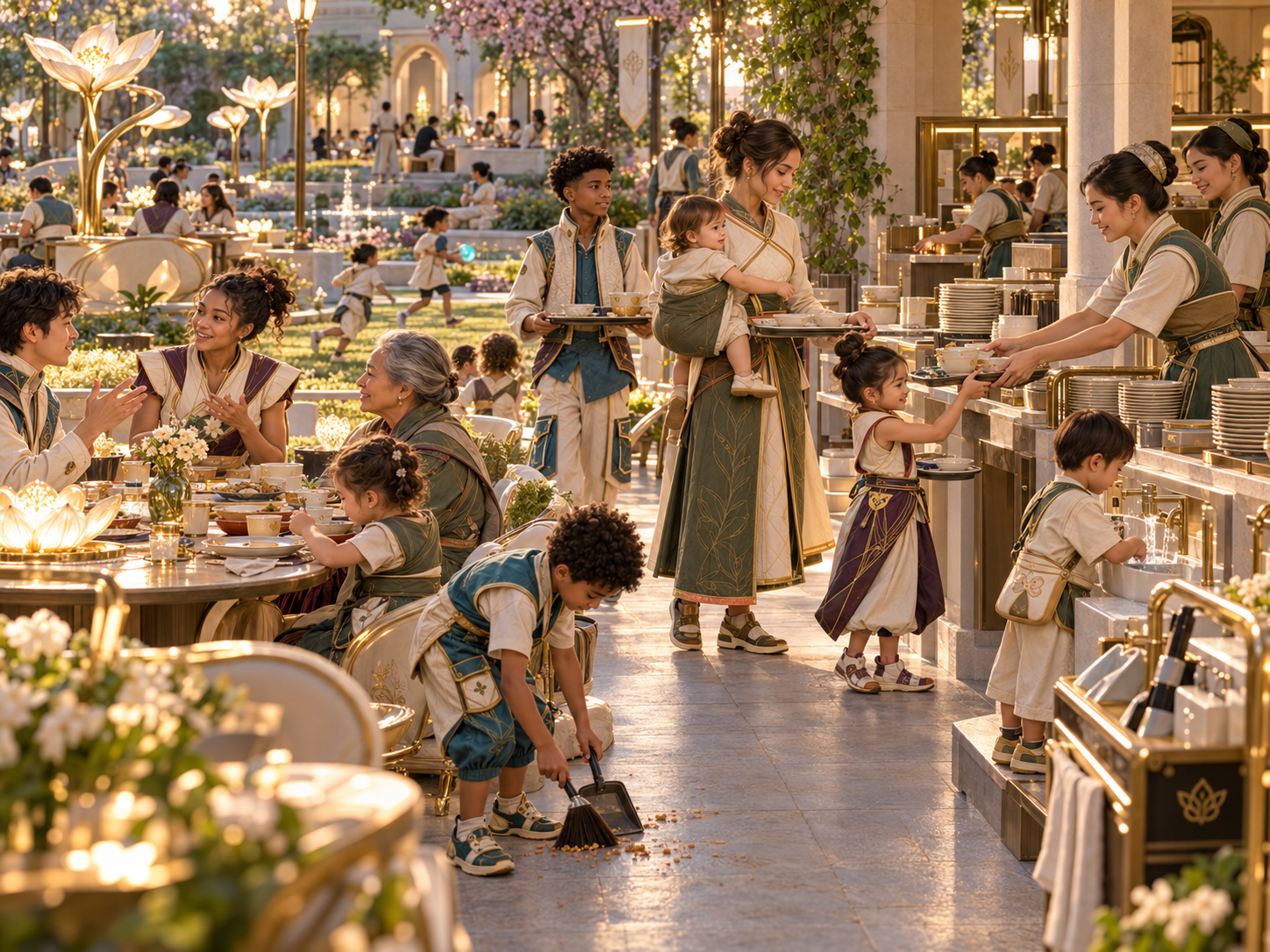
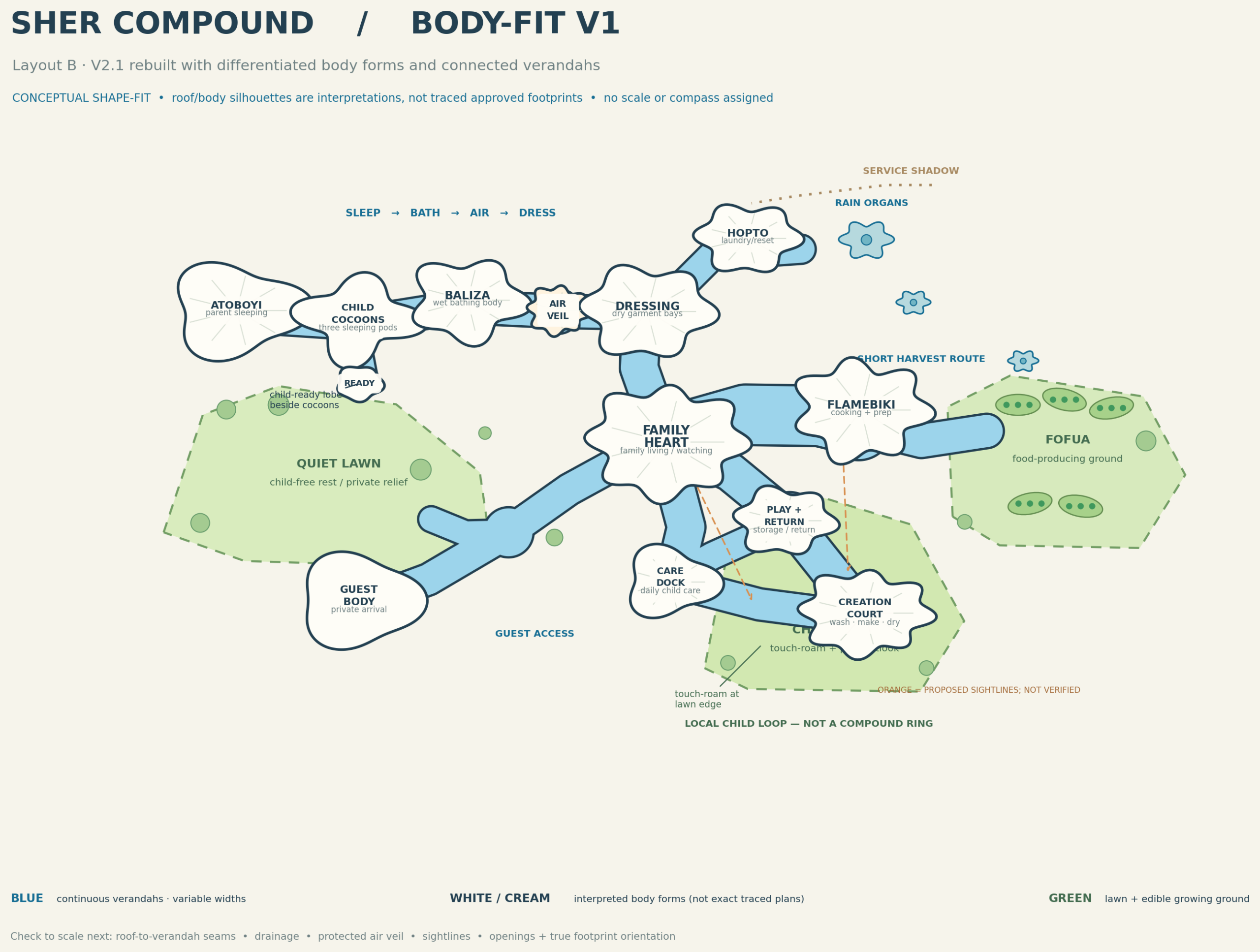
Emre’s limits were instructive too. A man with work, household obligations and ordinary expenses cannot indefinitely accommodate another family merely by wishing to do so. Sher and I looked at the problem with the affection of people who had genuinely been helped. What would allow a kind man to receive guests for months or a year without exhausting his own family? More living space organized as a compound, food available from orchards and shared food routes, reliable household supplies and a civilization that supports the host as well as the guest. The very best hospitality ought to be sustainable in the human sense.
We travelled by bus to Trabzon and met another form of Turkish life beside the Black Sea. Our itinerary sometimes included unexpected complications, including a cold November airport encounter that stayed in our memory. We kept moving, meeting people, making recordings and discovering languages. We were a husband, a wife and Keilah, conspicuous enough in some places to attract a little curiosity and warmly recognized elsewhere.
Alanya, in Antalya, became one of our loveliest classrooms. It is a coastal town alive with Turkish residents and visitors from Russia, Germany, Kazakhstan and other parts of Europe and Asia. In the mornings I could go out with Keilah and return before noon with stories of a Turkish conversation, a Russian visitor and a German exchange. I learned languages by using them, and Sher loved to hear me shift from one to another. These days I describe my conversational repertoire as reaching twenty-five languages, with immersion allowing me to take on another rapidly. Languages became part of my engineering toolkit, and every new one seemed to give my wife another reason to smile at her husband.
We lived for months in a tent by the beach at İncekum because the sea and the open-air life fascinated us. Sometimes police told us we could not remain there indefinitely. They had rules to enforce. We also had mornings so beautiful that it is impossible to call the whole period a hardship. We walked ten kilometres or more through Alanya, exercised, played table tennis through increasingly ambitious rallies, and swam in the warm Mediterranean from early morning until late morning. We cut fresh Irish potatoes into fries and cooked for ourselves. We ate ekmek, peynir, pide and dürüm, and learned to love new flavours together.
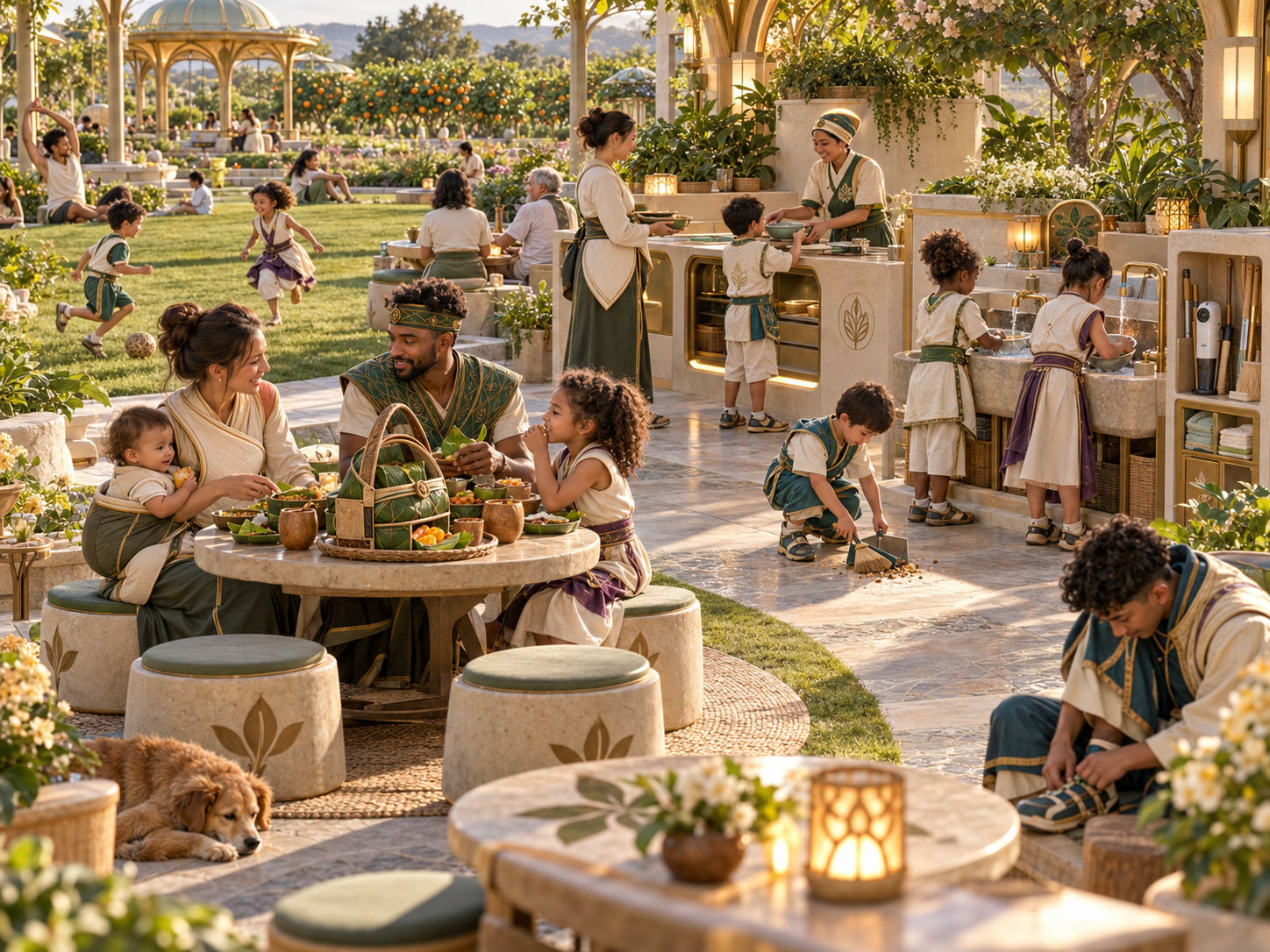
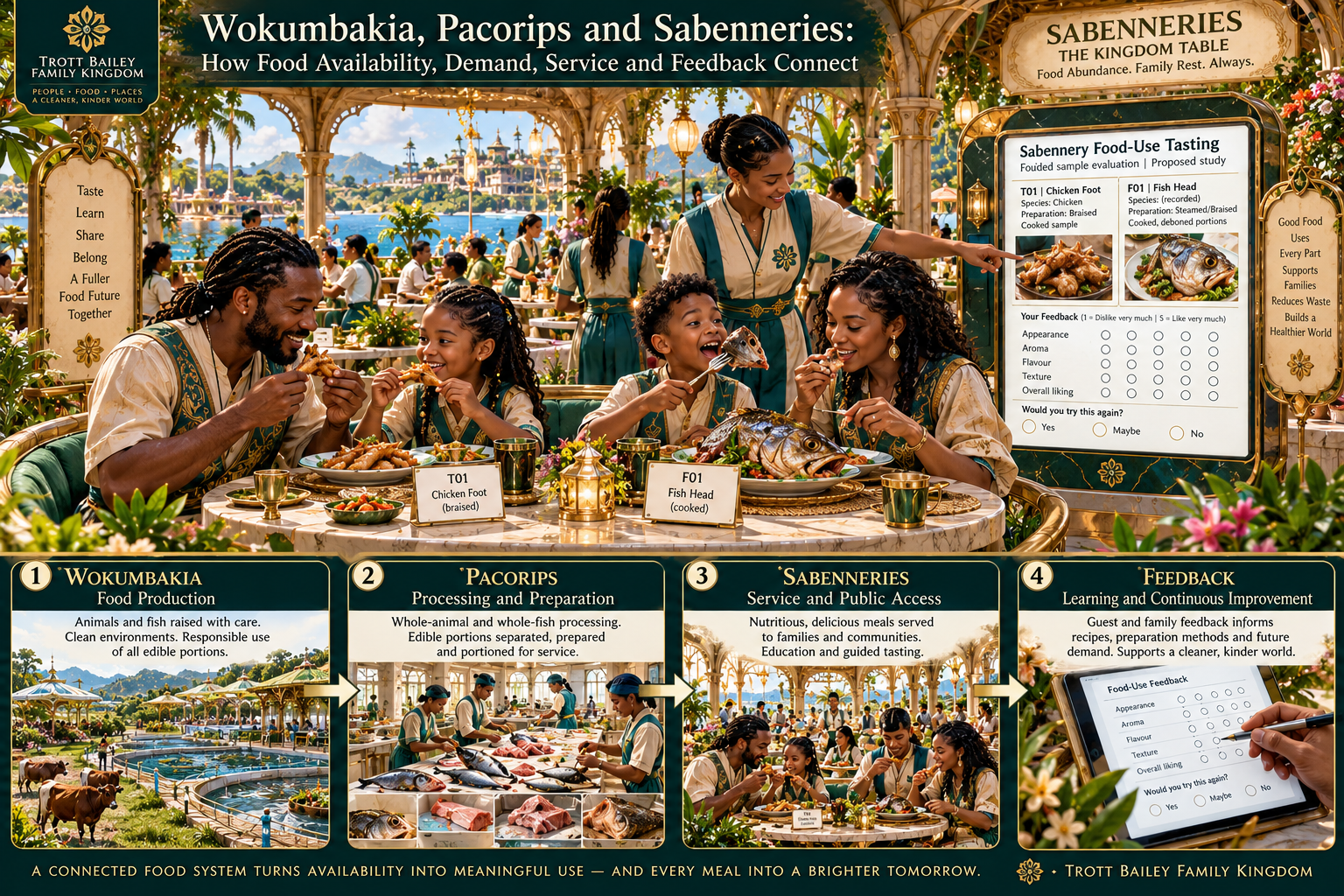
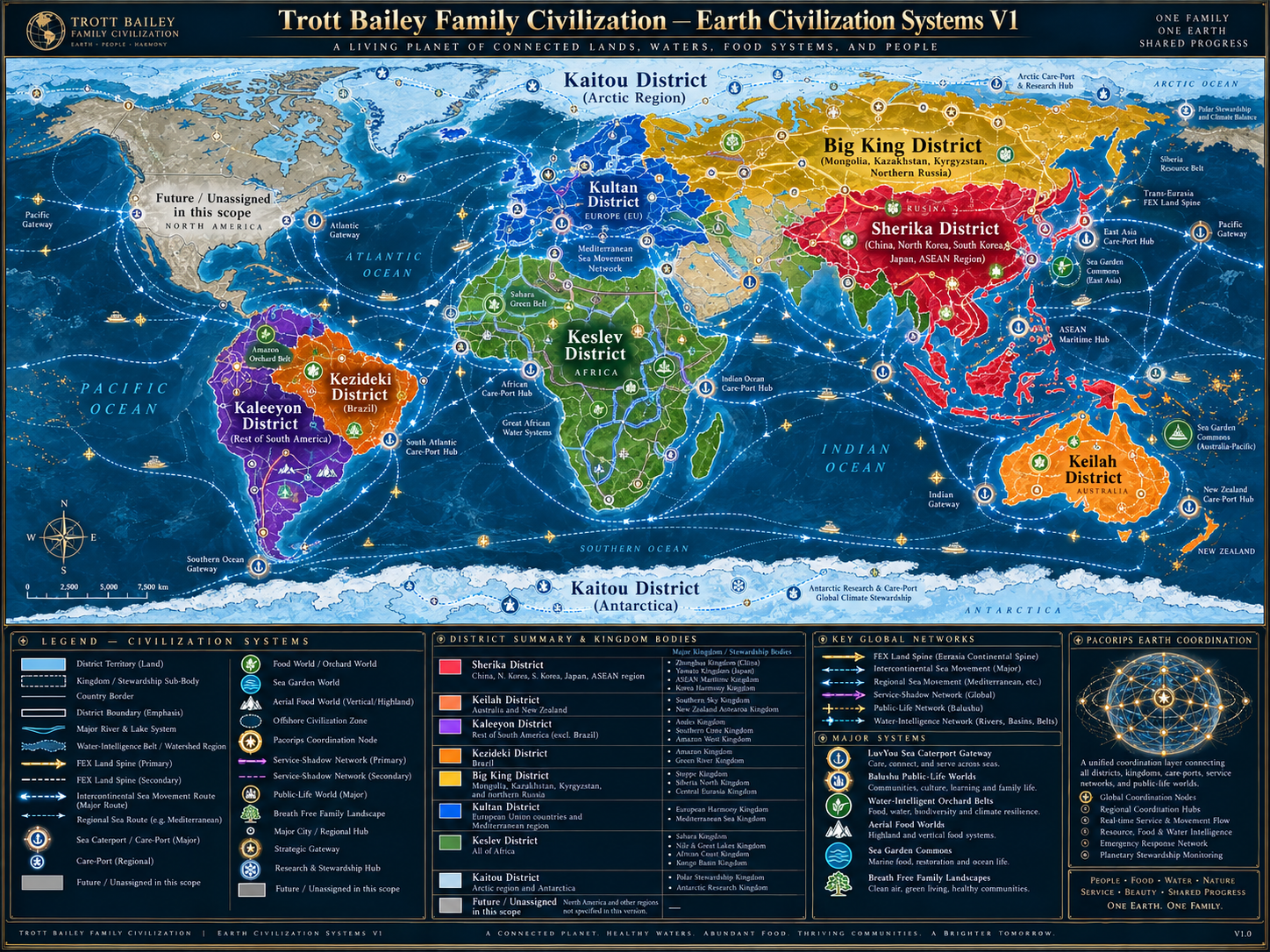
Sher is an enthusiastic fruit eater. When the berries came in season she and Keilah made a magnificent spectacle of themselves, eating dark purple fruit until their lips and tongues advertised the harvest to anyone who looked. Food was everywhere in our thoughts: freshness, seasons, orchard abundance, a mother and child delighting in nourishment. We carried those observations into Keslev, the Foodway and the Sabenneries we later authored. An agricultural powerhouse had given us more than statistics about yield. It had shown us what nourishment feels like when it becomes daily pleasure.
We made friends with visitors whose holidays lasted only a few days. Some had worked most of a year to afford that brief window of beauty. They were well dressed and apparently successful, yet their time to enjoy life was scarce. I looked at Sher across the water and wondered why civilization could not make this kind of morning part of ordinary life. That question would become one of Shubaka’s most important promises: serious contribution and serious rest belong together.
One Russian-speaking visitor introduced himself to us as Andre and shared food with Keilah on successive days. We remember the encounters as beautiful kindness from a stranger; whatever his own story, he was a human being who noticed a child. Alanya was full of moments like that. Our love renewed there through language, sport, health, fruit and the sight of one another becoming good at things we had never tried. The sea was magnificent, and we let ourselves enjoy it.


 and then