There were months in Korea when the digital achievements and the family circumstances occupied opposite ends of the same day. We had courses, media, websites, plans and new technical skills. Then came hotel debts, police action, separation and the exhausting work of keeping a pregnant mother and two children secure. Our lives were never one-dimensional. We could be learning a new software architecture on Monday and fighting to keep the family together on Tuesday.
Sher wrote to the Korean authorities and to her lawyer with the same uncompromising love that had carried us from Jamaica. Her letter to Lee Jin Won in November 2021 described the history of our marriage, the threat we believed we faced in Jamaica, the years of travel and the stubborn faith that kept us aiming at a future beyond a rented room. It is a long, personal letter. Sometimes I read it and see how much one woman was carrying: a young daughter, another pregnancy, an absent husband, a whole media operation and a mind still determined to keep the family moving.
Kaleeyon arrived in this season. Our children were becoming a little tribe with a mother who refused to make them strangers to their father. During our separation, Sher and I kept writing. Some messages were about immigration officers, tickets, lawyers or website backups. Others were about the children, a song, the food they ate, a photograph or how much we missed one another. The letters are the story of a very alive marriage under strain.
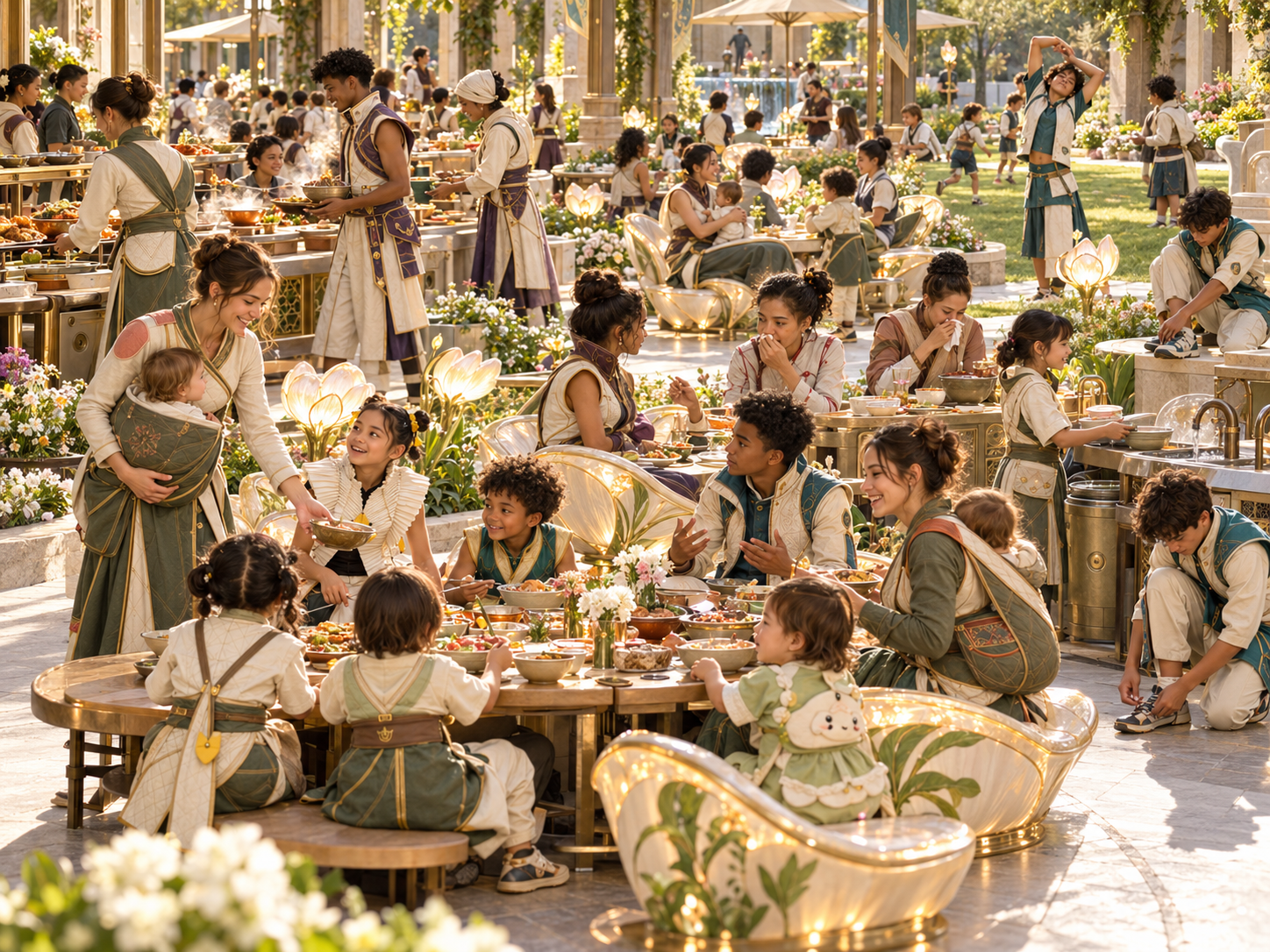
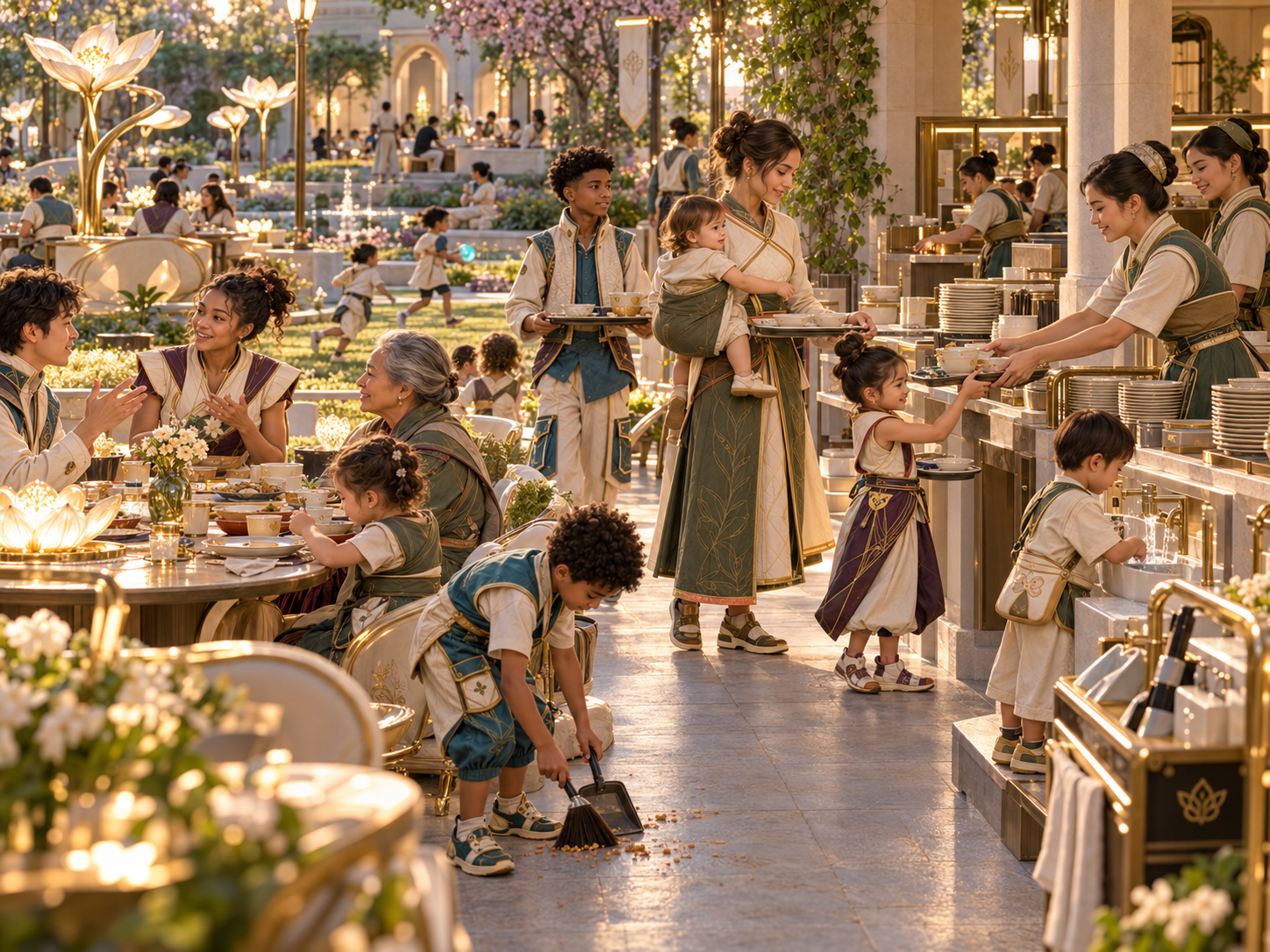
When we later authored family-centred justice and travel systems, we did so with this whole picture in mind. Immigration, courts and shelters can manage individual cases while losing sight of the daily organism called a family. Our answer is to make family unity visible in the design of accommodation, transport, hearing procedures, communication and emergency care. The child should have a real place in the picture before a government starts moving adults around.
I remember that we continued earning where we could and building wherever the machine and connection allowed it. Our greatest technical skill was not a diploma or a single programming language. It was our habit of turning the available hour into another useful capability. Korea gave us hours when that discipline mattered enormously.


 and then