Money made sense to the twenty-year-old student who wanted the lifeguard job in America. Seventeen dollars an hour paid for college much better than eight. I am perfectly capable of understanding the usefulness of a price, a wage and a transaction. I also understand what happened when that same young man became an engineer with a world-sized invention that could not yet be priced at a profit.
The money gate is the point where the question changes. A person may have the skill to install a solar system and the desire to teach others. A nation may possess sunshine, roofs and technicians. Yet the work waits because someone cannot buy the system or an investor cannot foresee enough return. The capability and the resource are present. Access is absent. Our civilization asks that this distinction be made visible every time.
I learned the same lesson at sea level. Jamaica had water but I had not been taught to swim. America had a beautiful airport and my infant daughter had no proper place to sleep there. Turkey had abundant food production while a generous household still had limits on how long it could host guests. Korea had high-speed internet and astonishing industry while a passport process could leave a mother waiting far from her husband. These are different problems, and money is not their only gate, but the larger architecture of paid access repeatedly influenced what people could do.
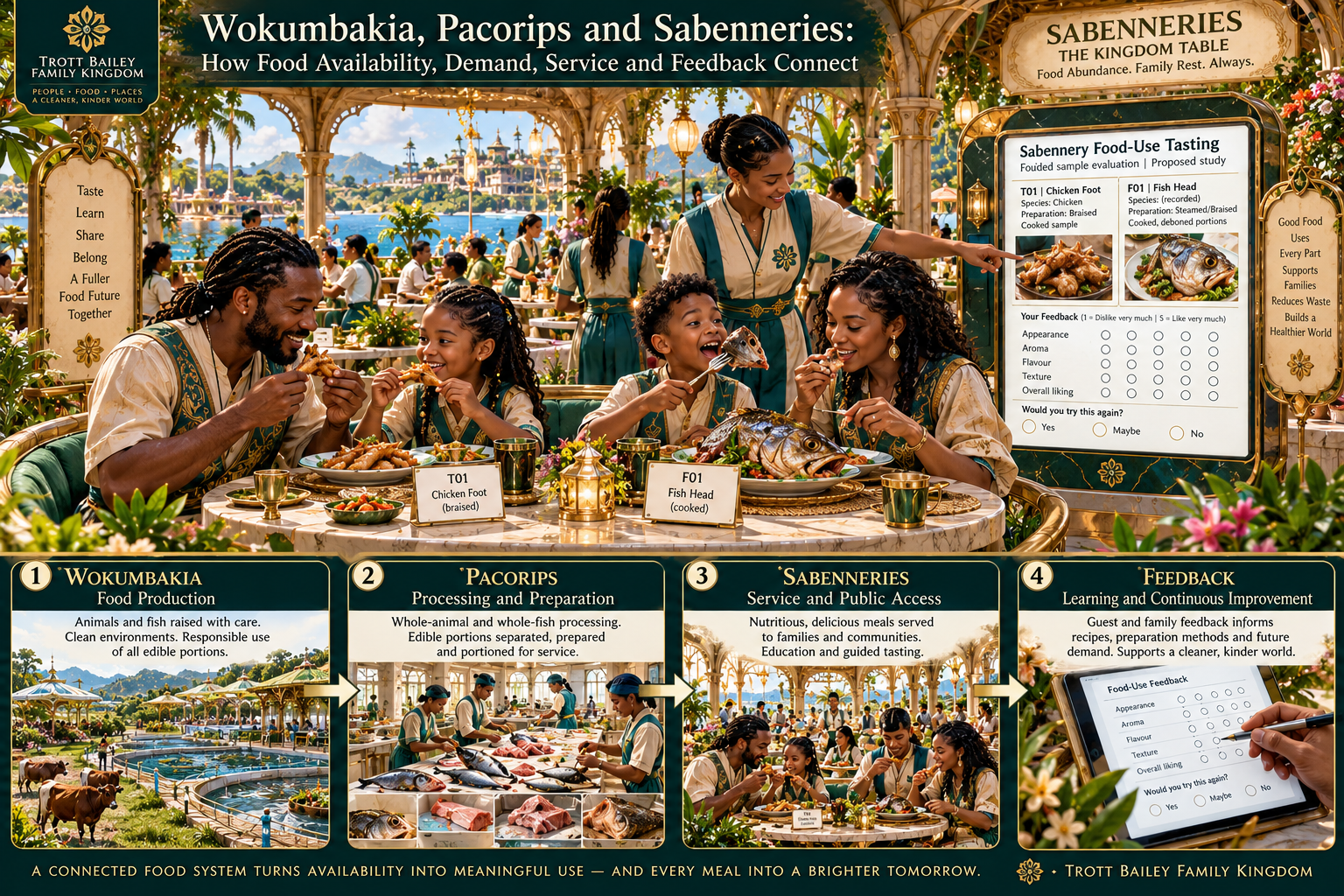
The object is to remove the needless gate, strengthen the resource and make the service sustainable in the actual material sense. A meal requires land, growers, water, processing and safe distribution. A free meal is an operating triumph when those capacities are organized so well that the family can receive it without calculating whether enough money remains. That is the work we are authoring.


 and then