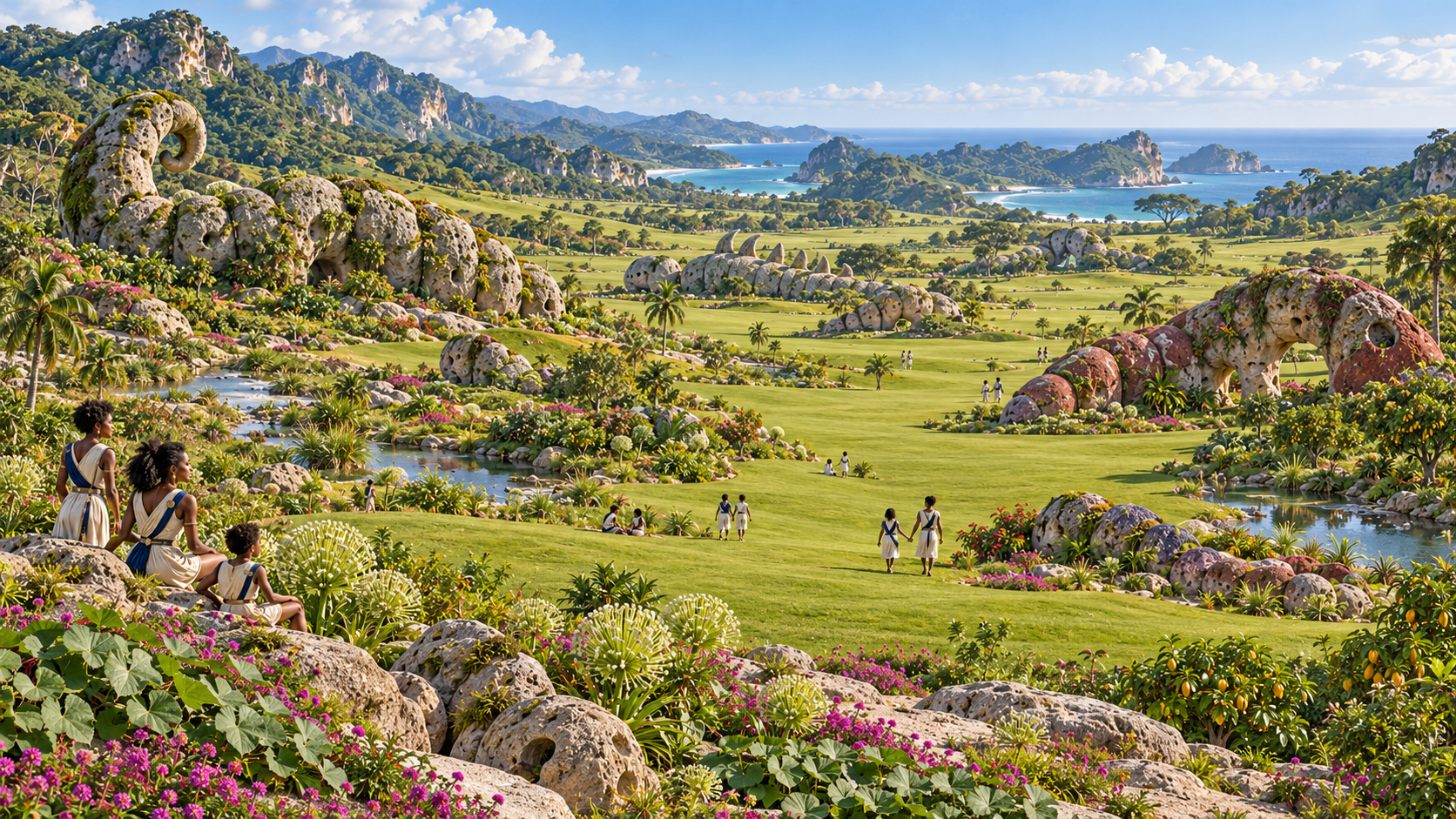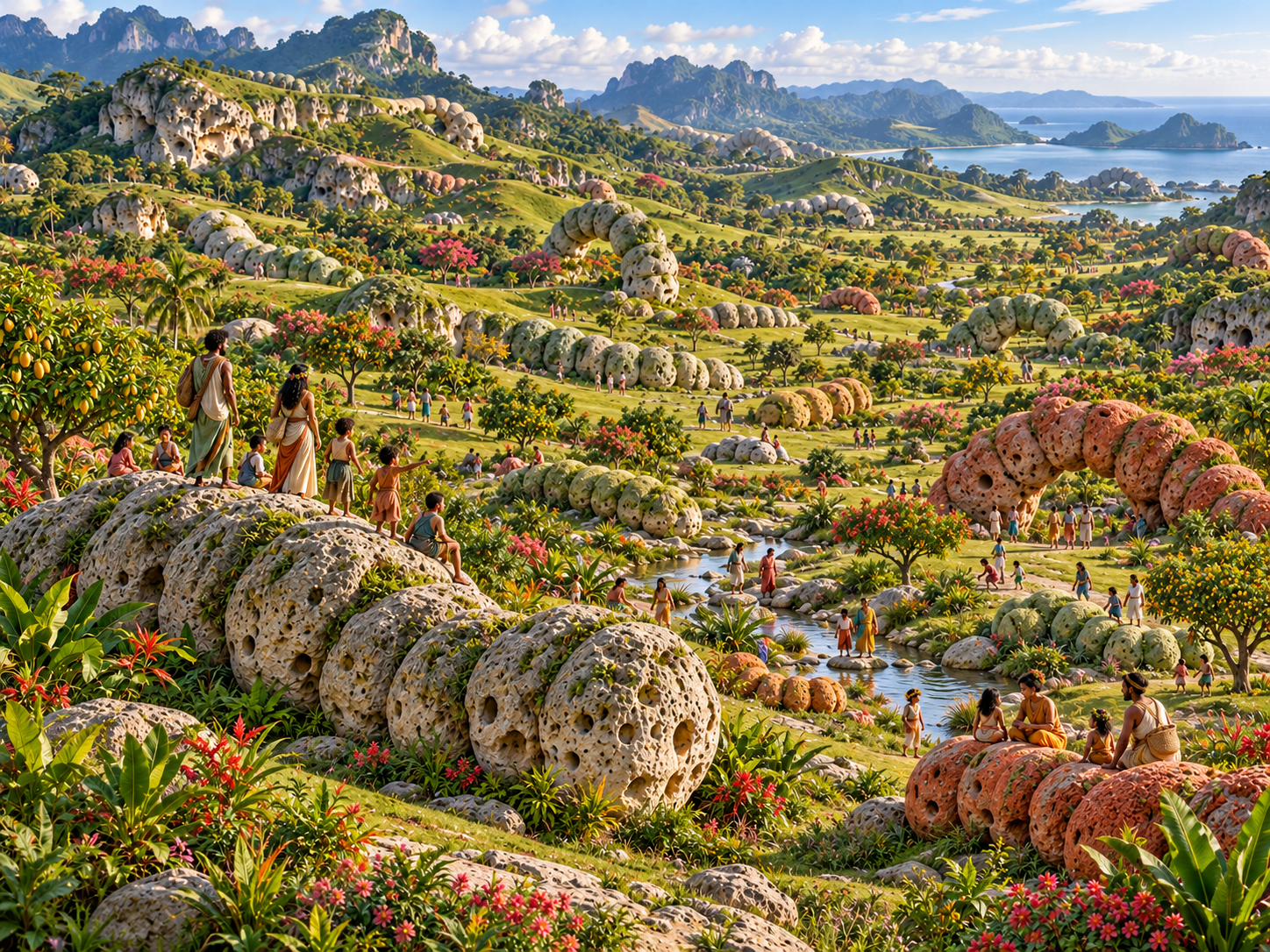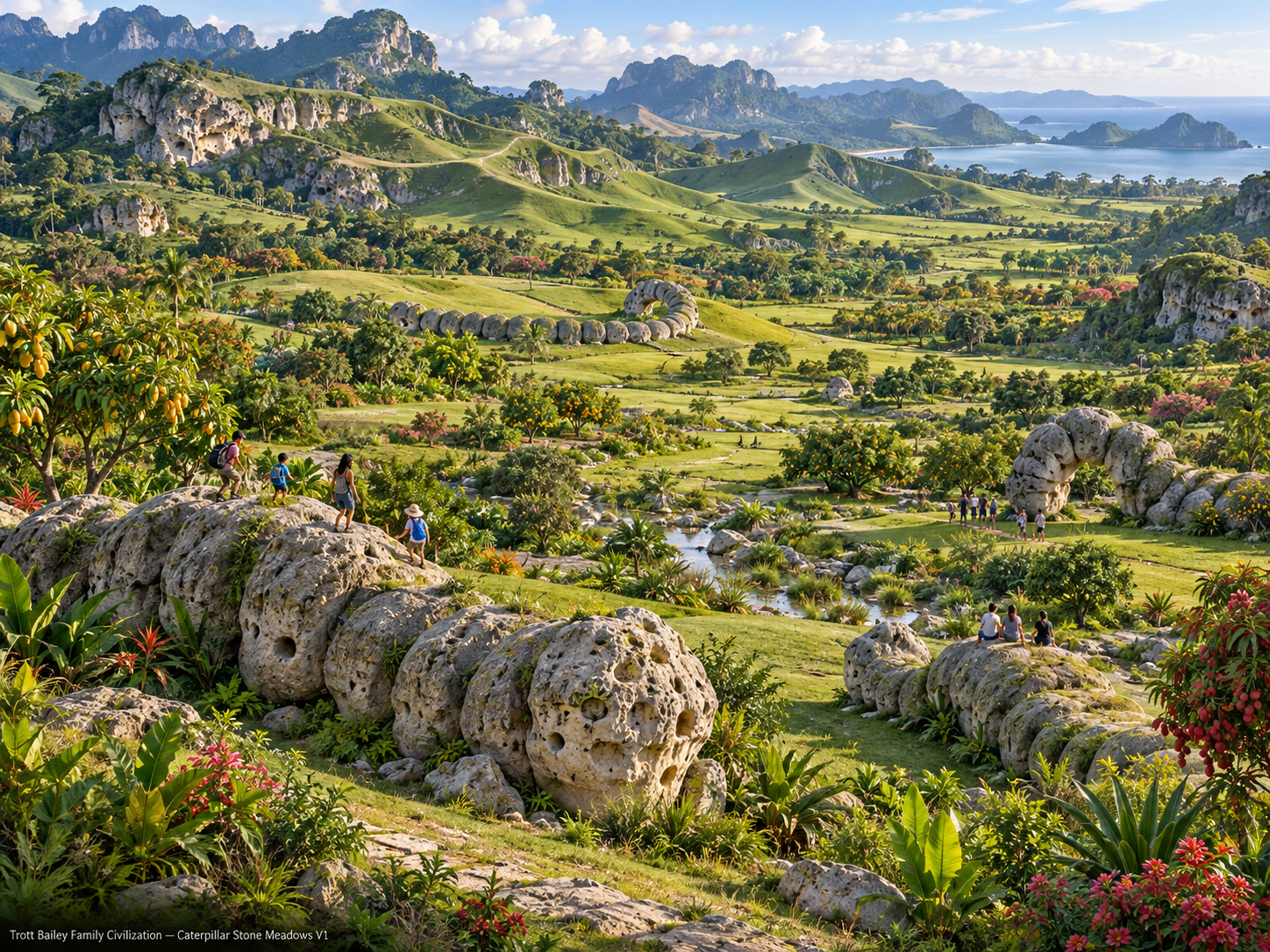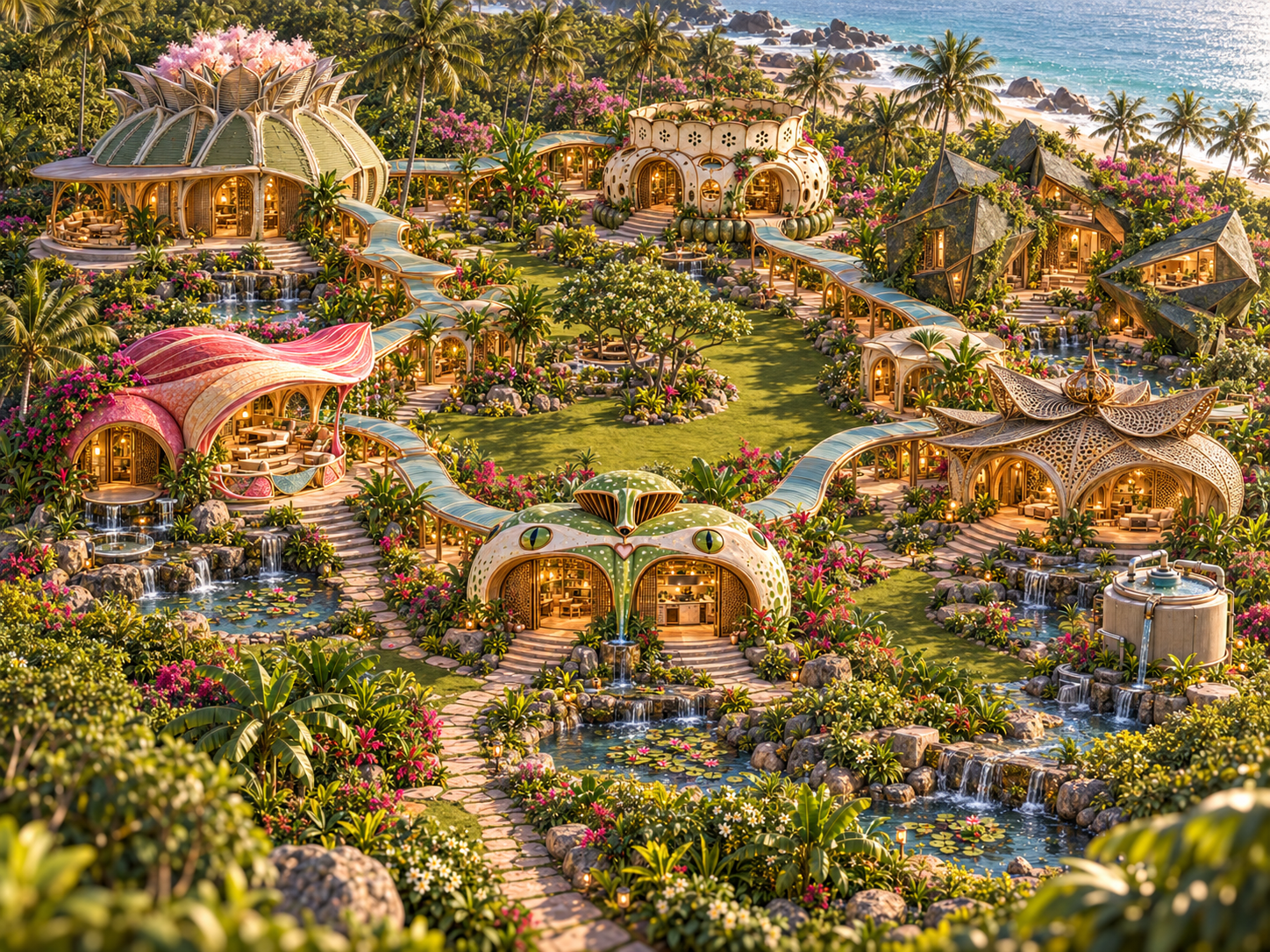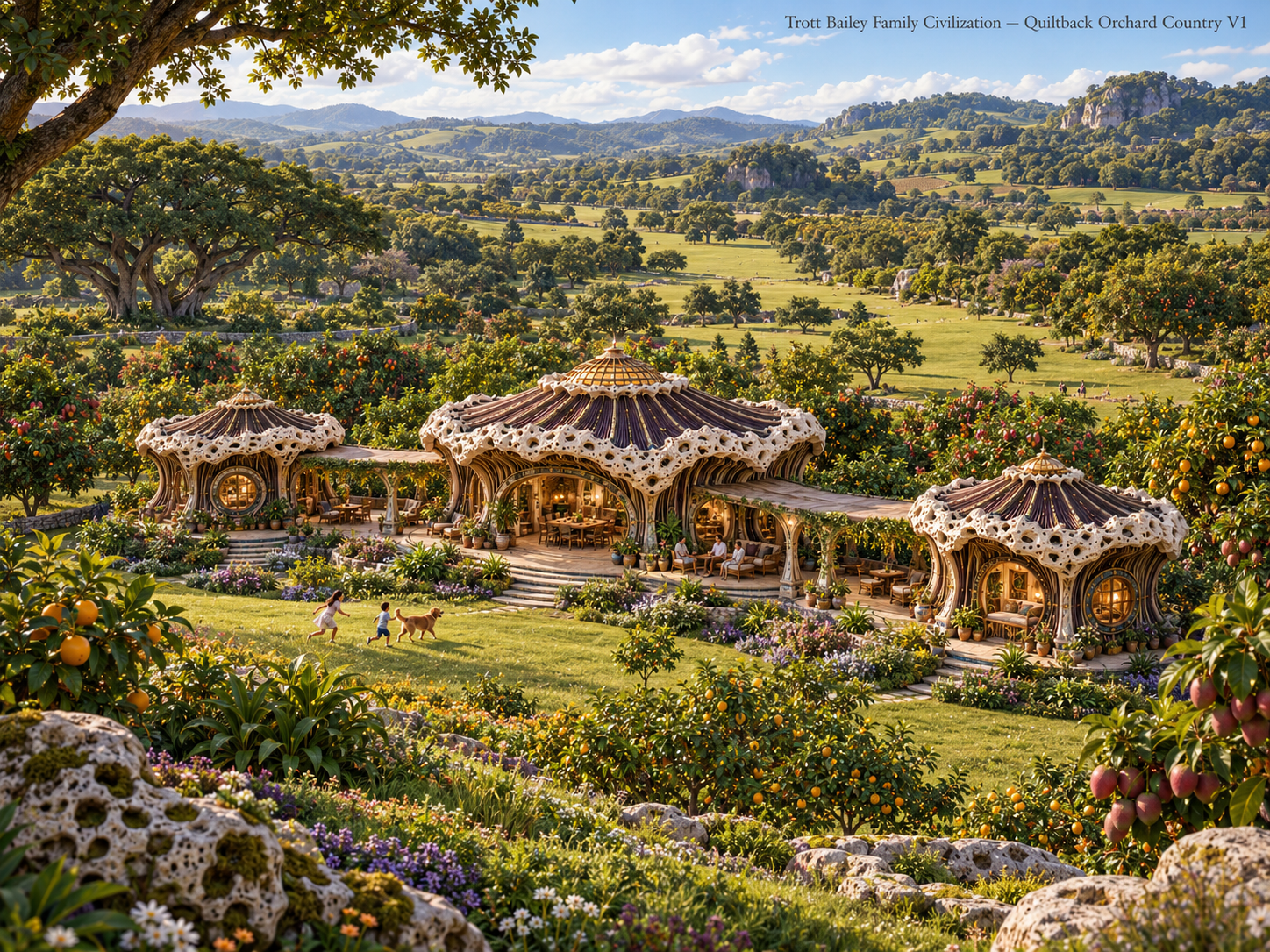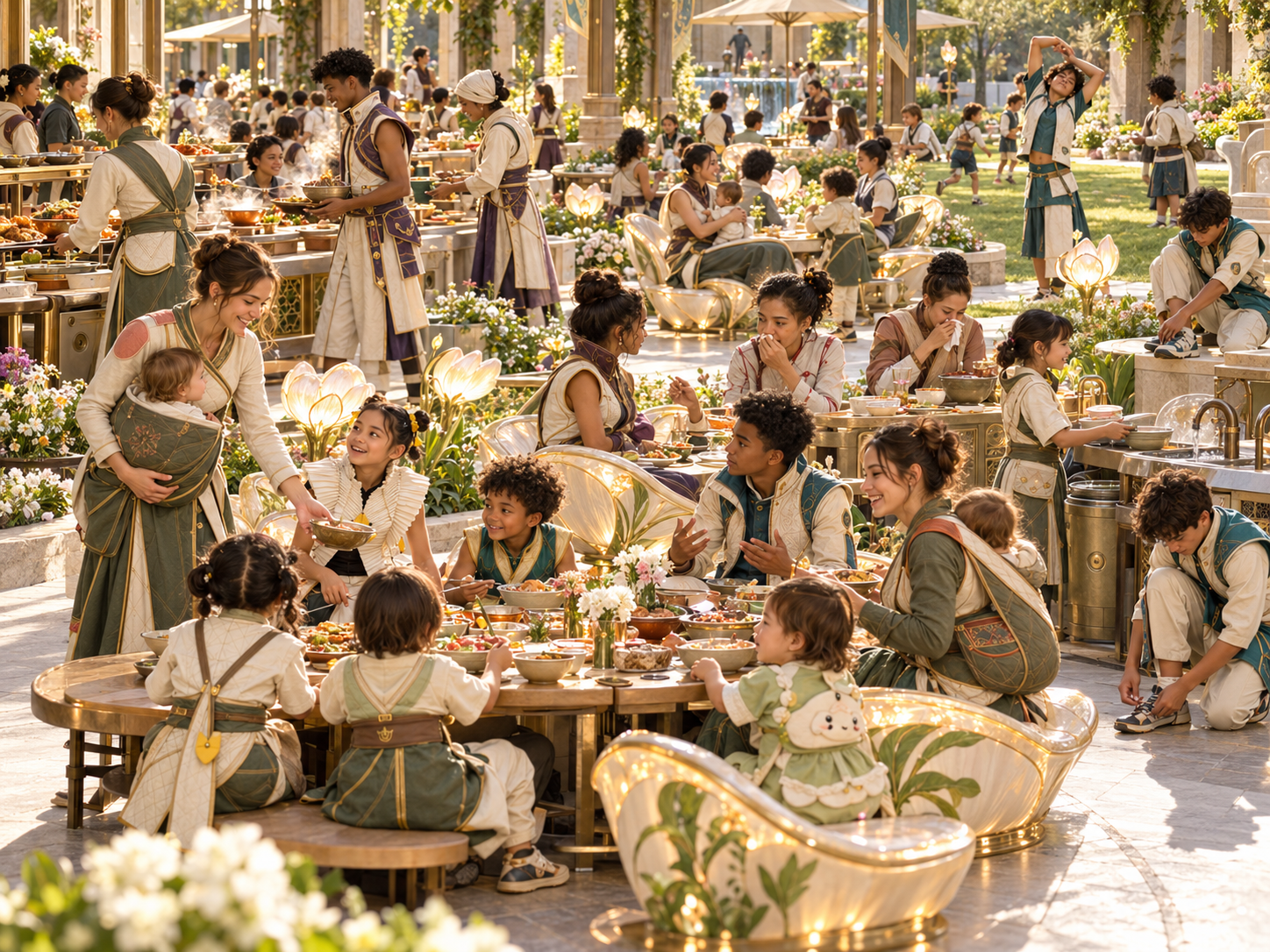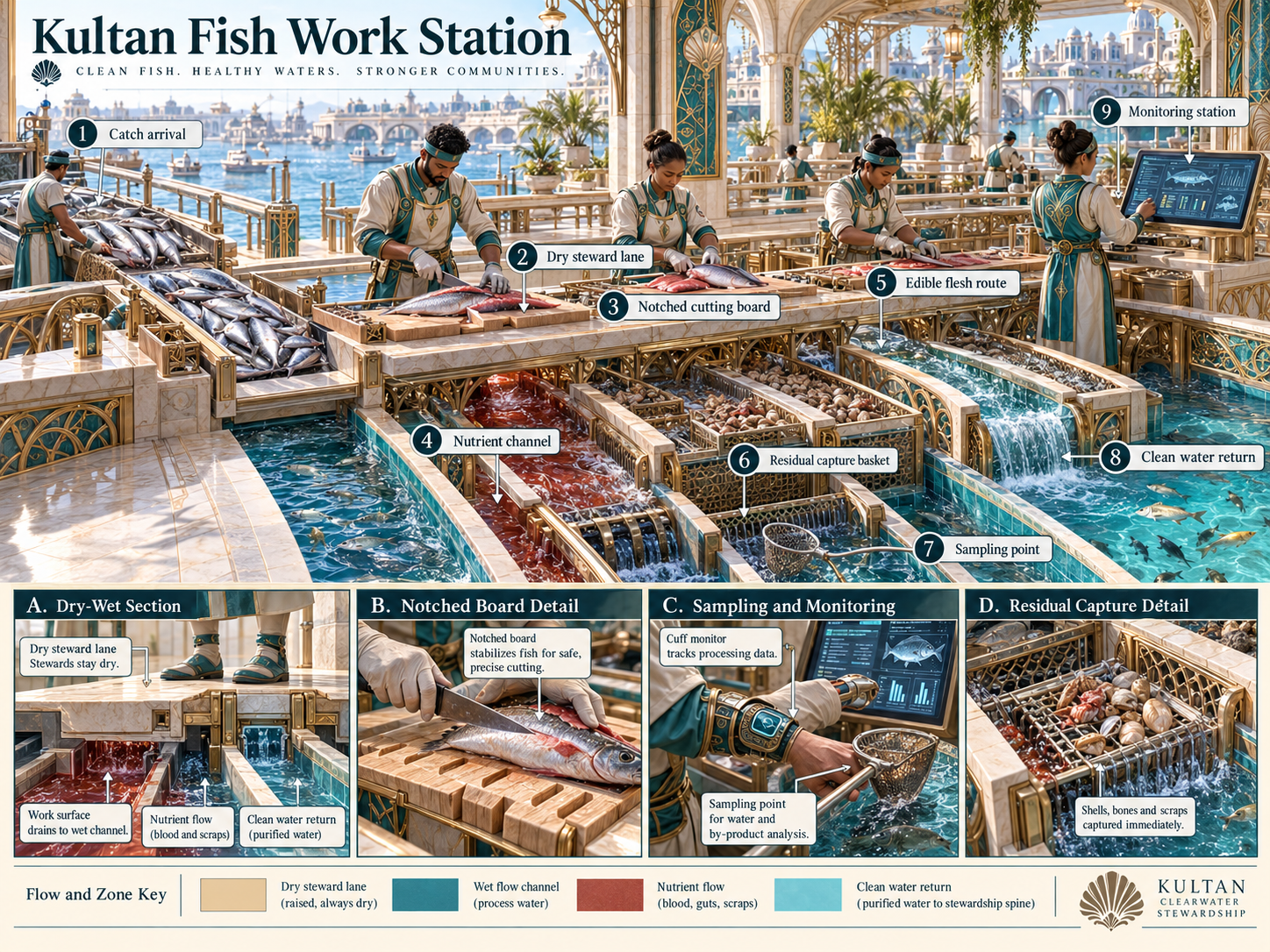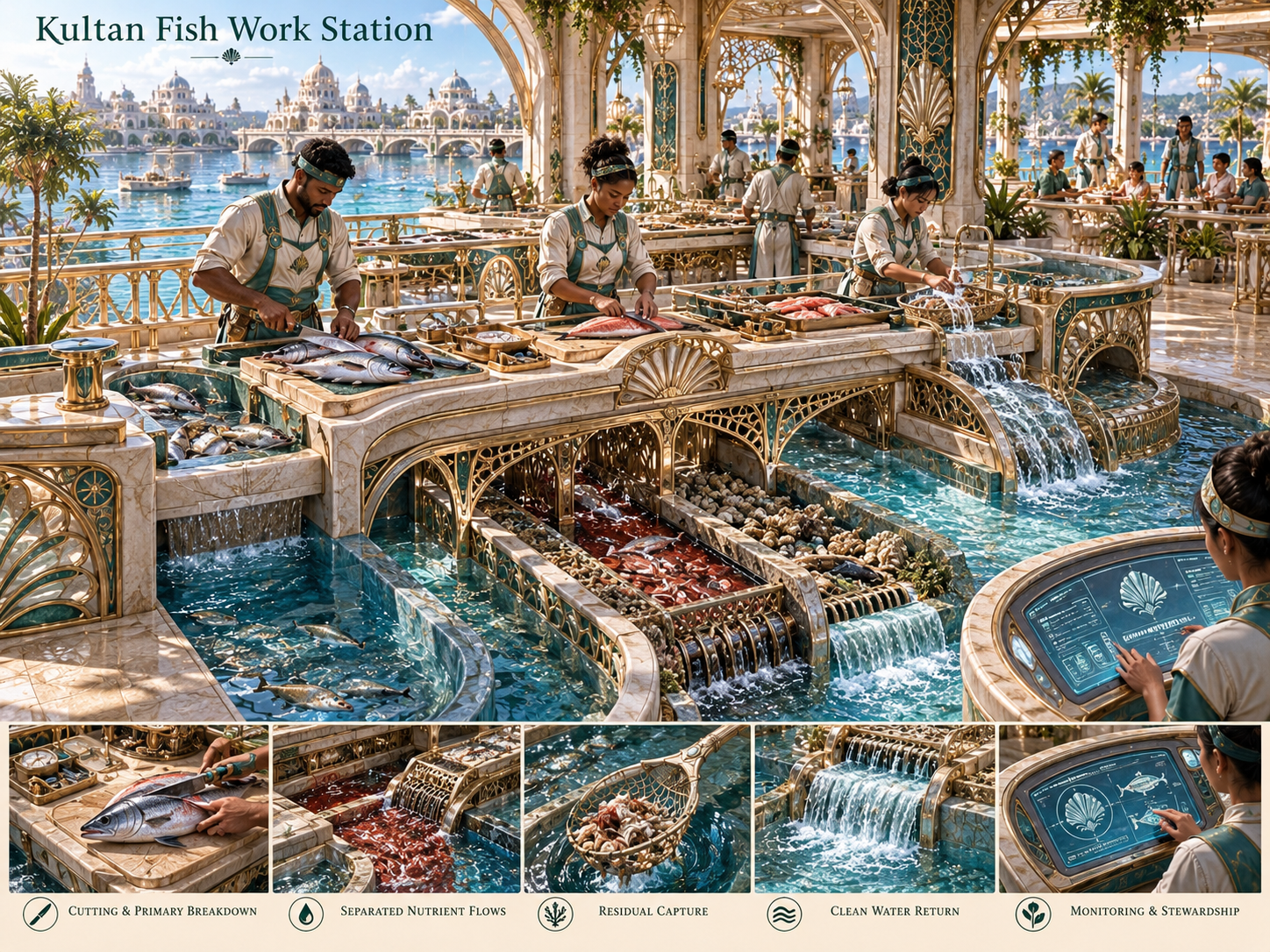
Before we ask what something costs, we ask what physically exists. How many trees are producing food? How much edible food reaches families? Where is fresh water retained? How much energy can be generated and repaired? Who knows how to fabricate a useful component? What land can be restored for life? What is sitting unused because the person who needs it cannot pay?
This habit grew out of engineering and agriculture as well as money troubles. I could learn to swim in nine weeks because my body could develop the skill and the training environment was available. Our solar teaching reached distant people because the knowledge was recordable and the network could carry it. Sher could expand a robotics camp because she saw instructors, children, tools and space as assets that could be reorganized. In Prado, the earth answered when we changed how we treated it.
There is a powerful delight in seeing potential become a real thing. The fruit is sweet because the plant grew. The child can cross a neighbourhood because the movement routes were designed. A parent can rest because other people have carried their share of the work. The civilization’s wealth begins in those capabilities and becomes meaningful when they arrive in people’s lives.
Our claim to quadrillionaire wealth uses an authored methodology for valuing produced life and civilization-scale capacity. Conventional wealth lists also assign vast values to assets their owners could not immediately withdraw as cash. We are choosing a different asset base: the human time returned, needs met, environments restored, useful capability distributed and productive systems created. The calculation is part of our published framework and can be examined on its own terms. The reason we enjoy the title is simple. Wealth ought to mean a magnificent life is within reach.


 and then