Sher and Keilah returned from the Turkish fruit stalls with purple lips and the kind of satisfaction no marketing slogan could improve. I remember the bread, cheeses, hot pide, morning potatoes, market conversations and the abundance of an agricultural country feeding its daily life. We began thinking about how to make that relationship between landscape and family nourishment dependable everywhere.
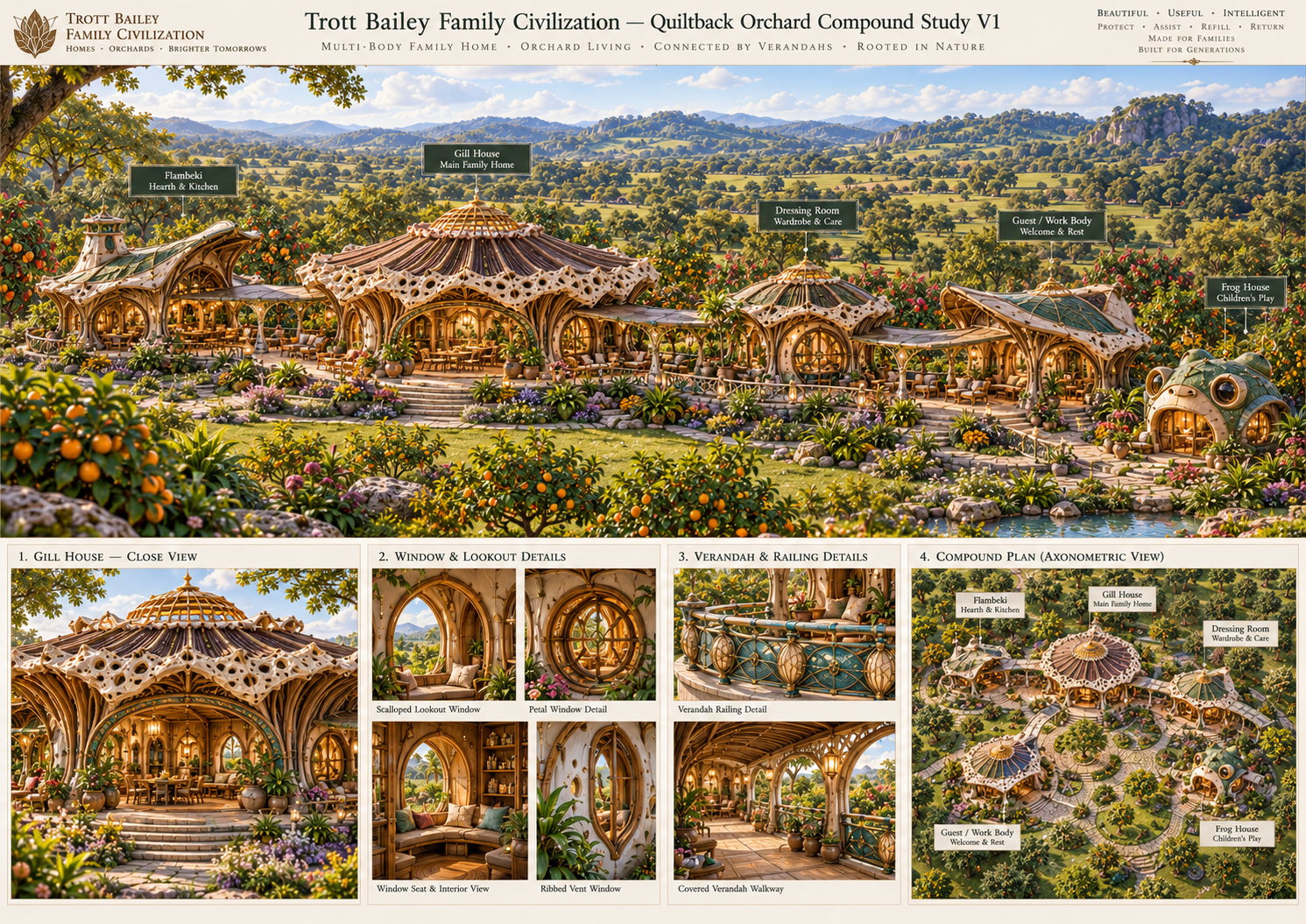
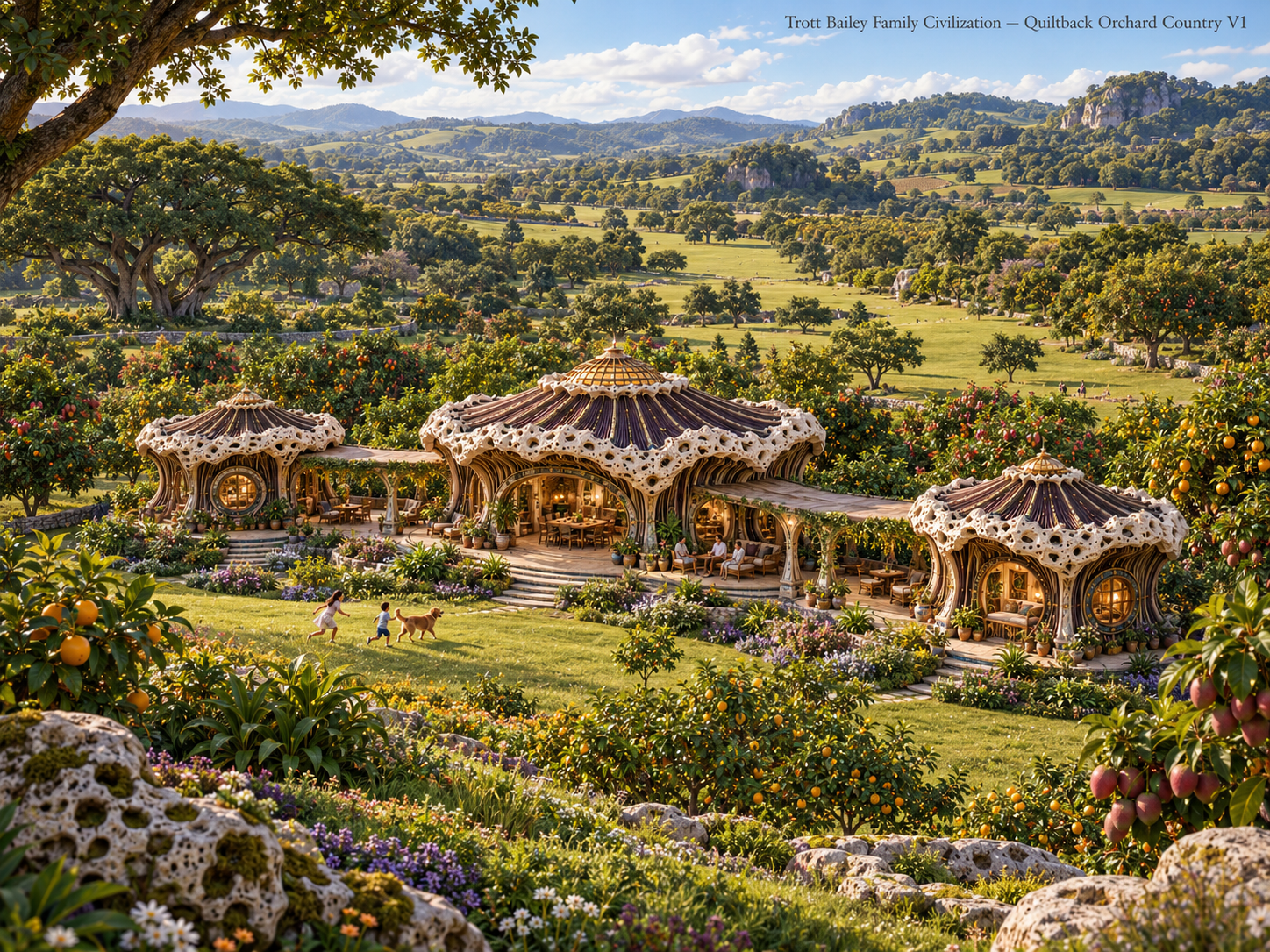
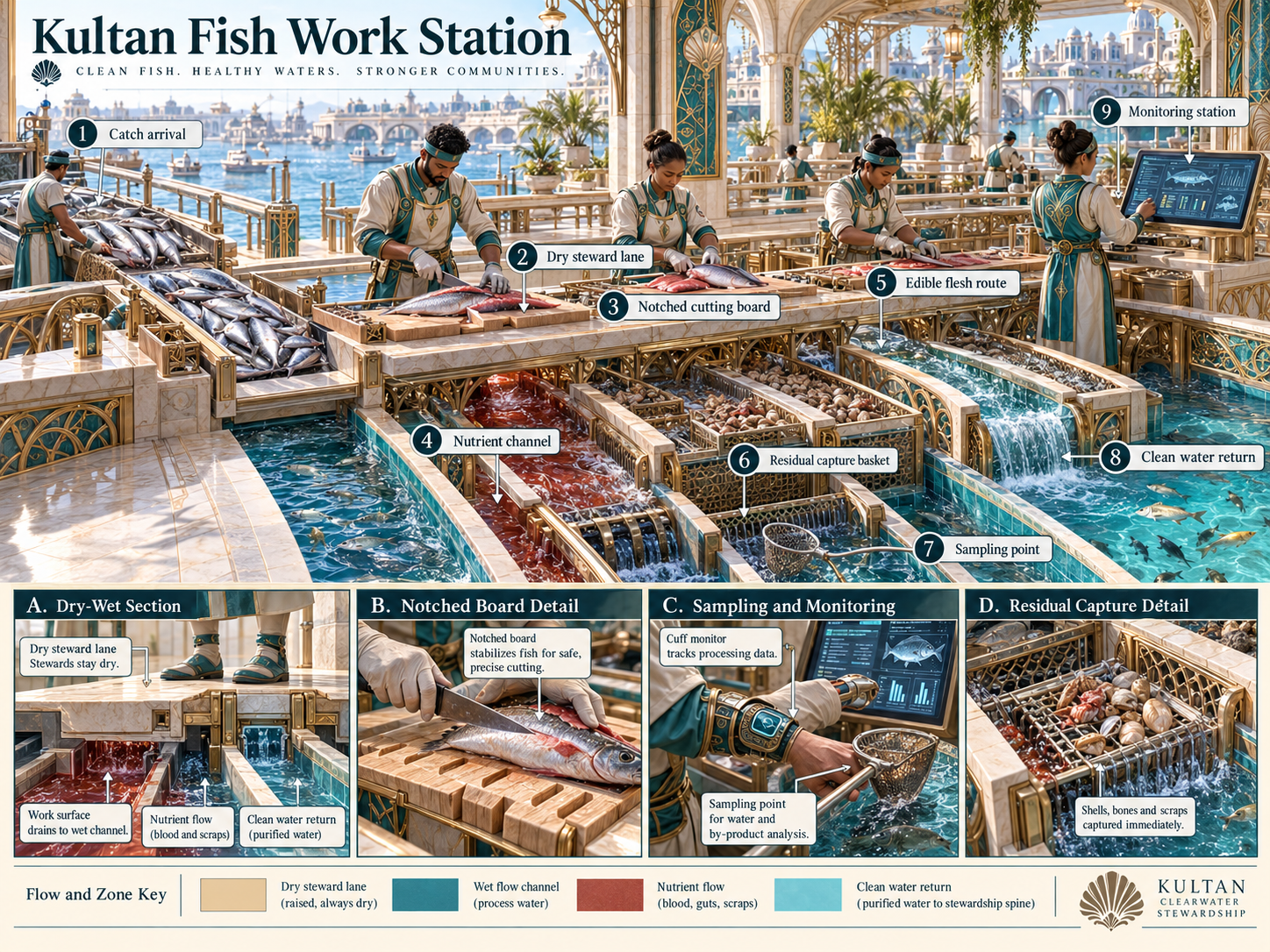
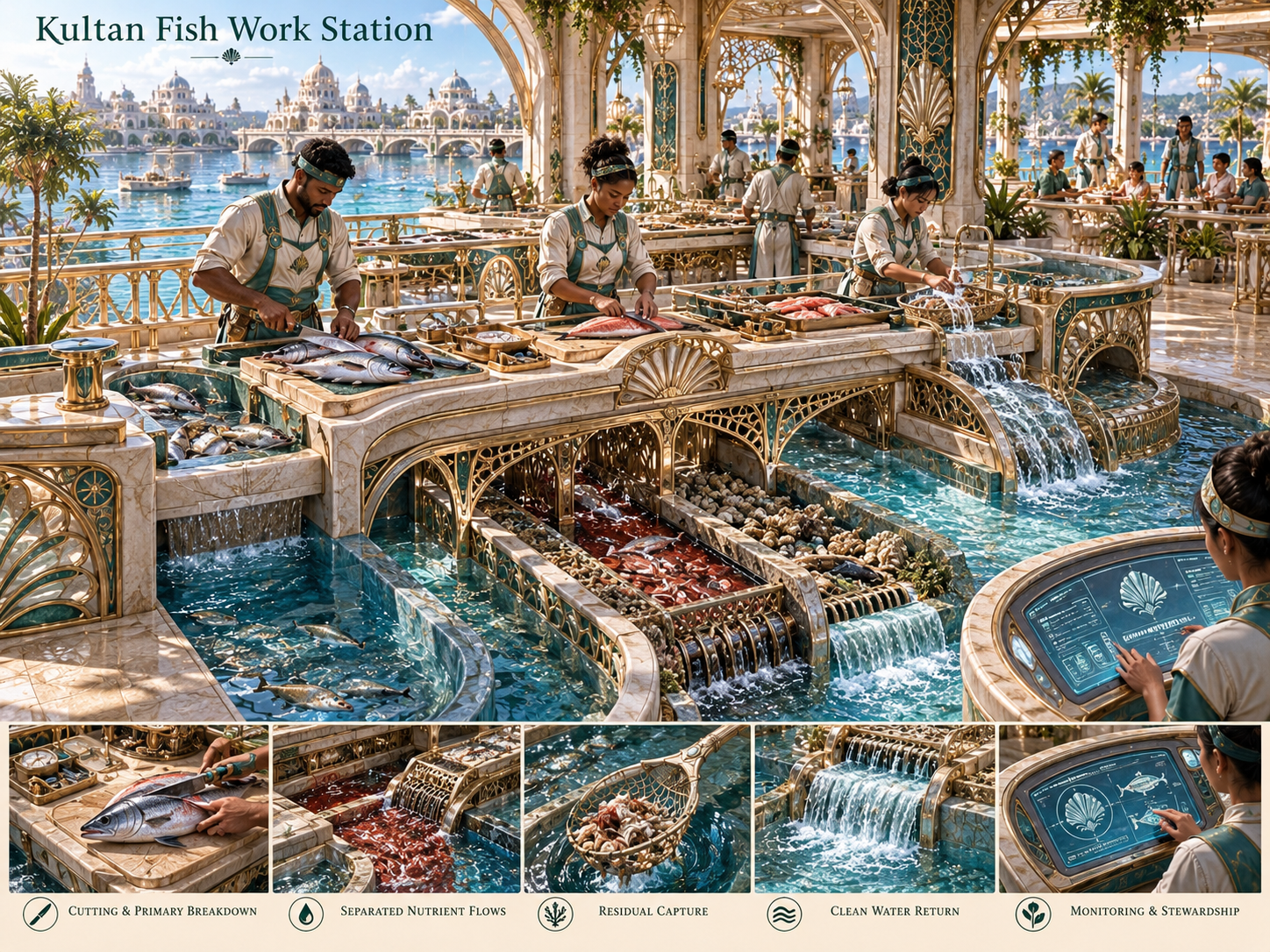
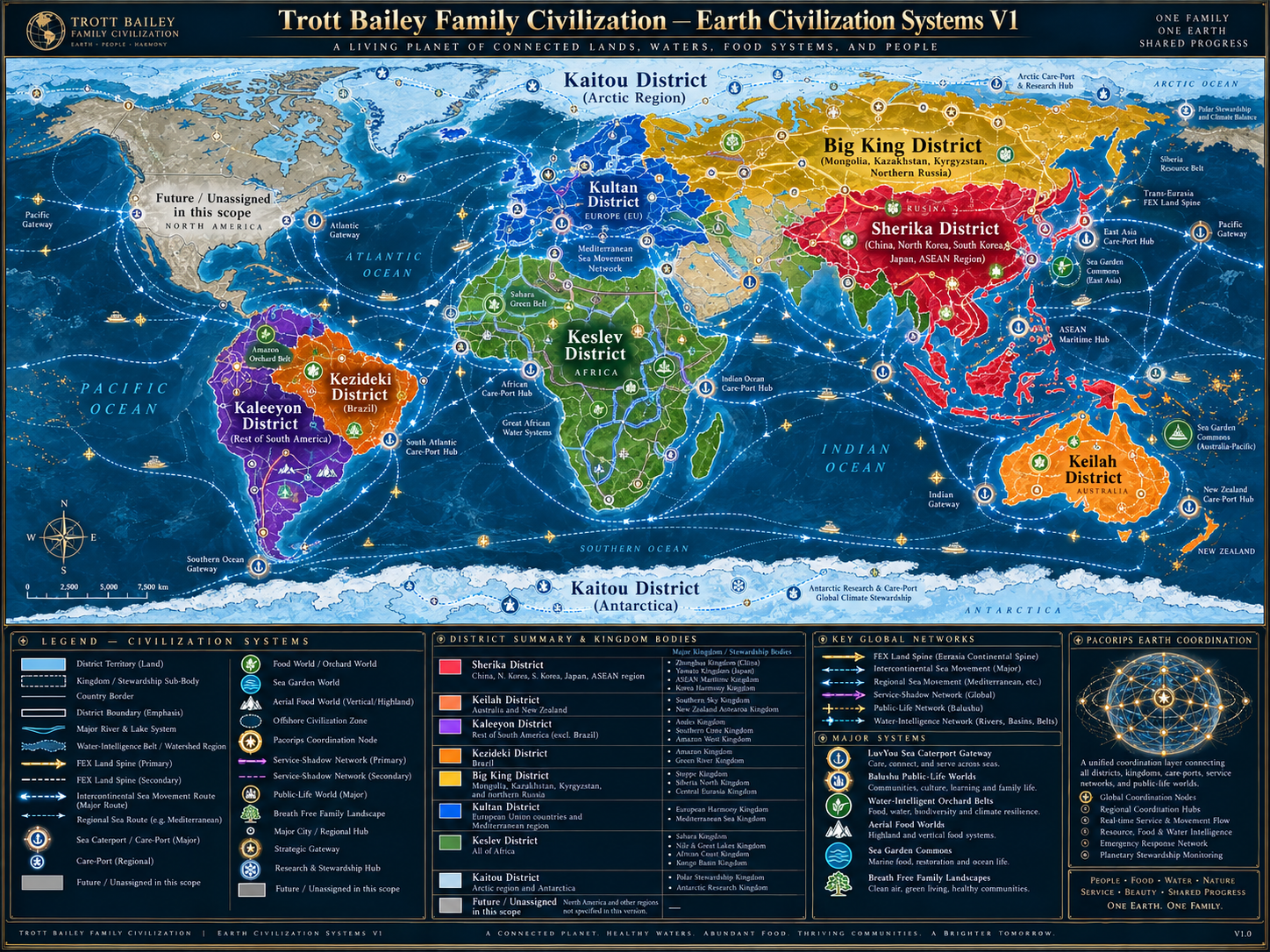
Keslev organizes food as a living civilization system. It follows land, seed, soil, water, animals, cultivation, harvest, preparation, preservation, processing, movement, serving and biological return. We want a family to wake up inside a food-producing environment and to have access to nourishment through its home, orchard walks, Sabenneries, schools, public eating places and the wider food network. A crop that never reaches a hungry child has not completed its work.
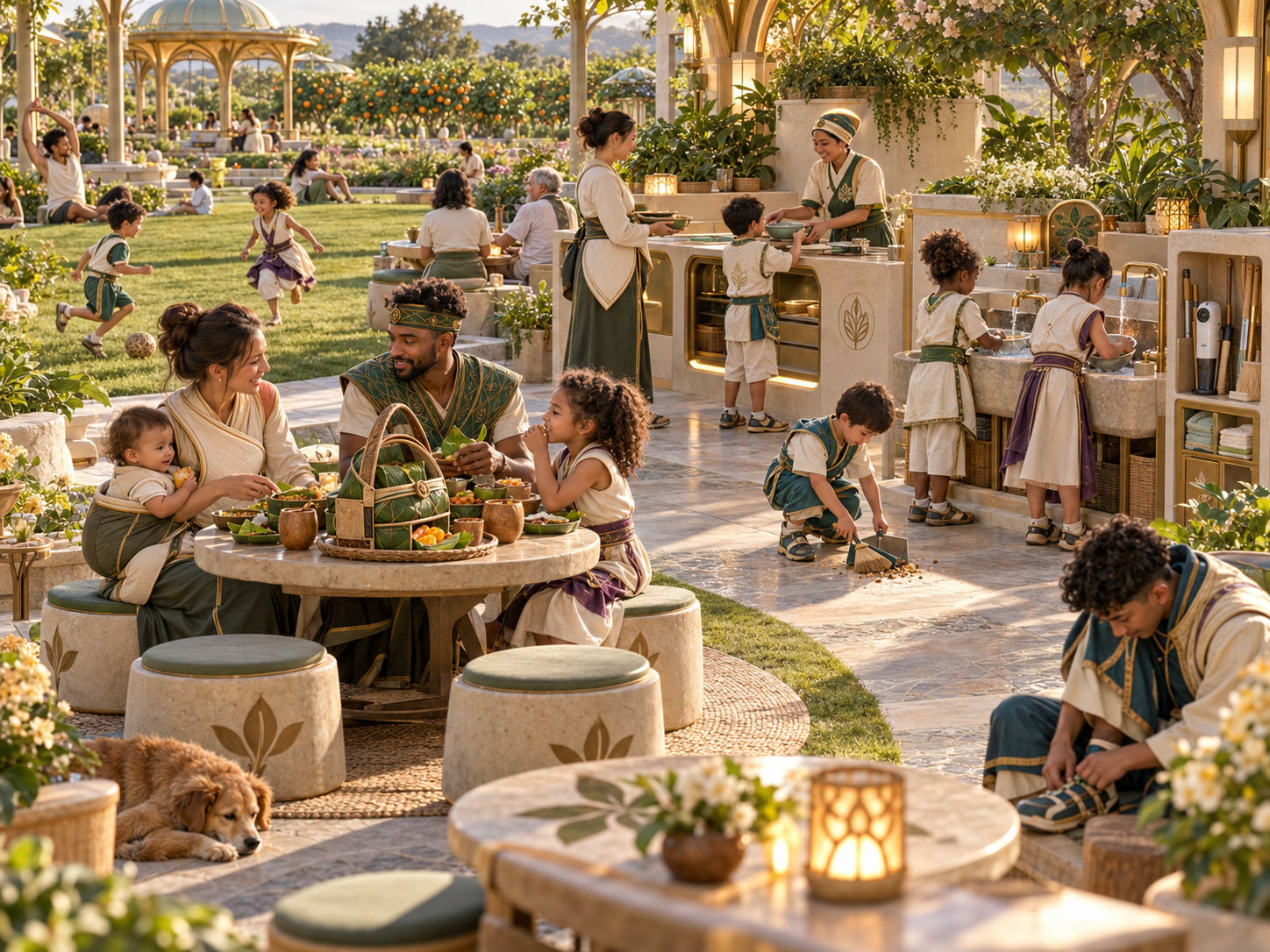
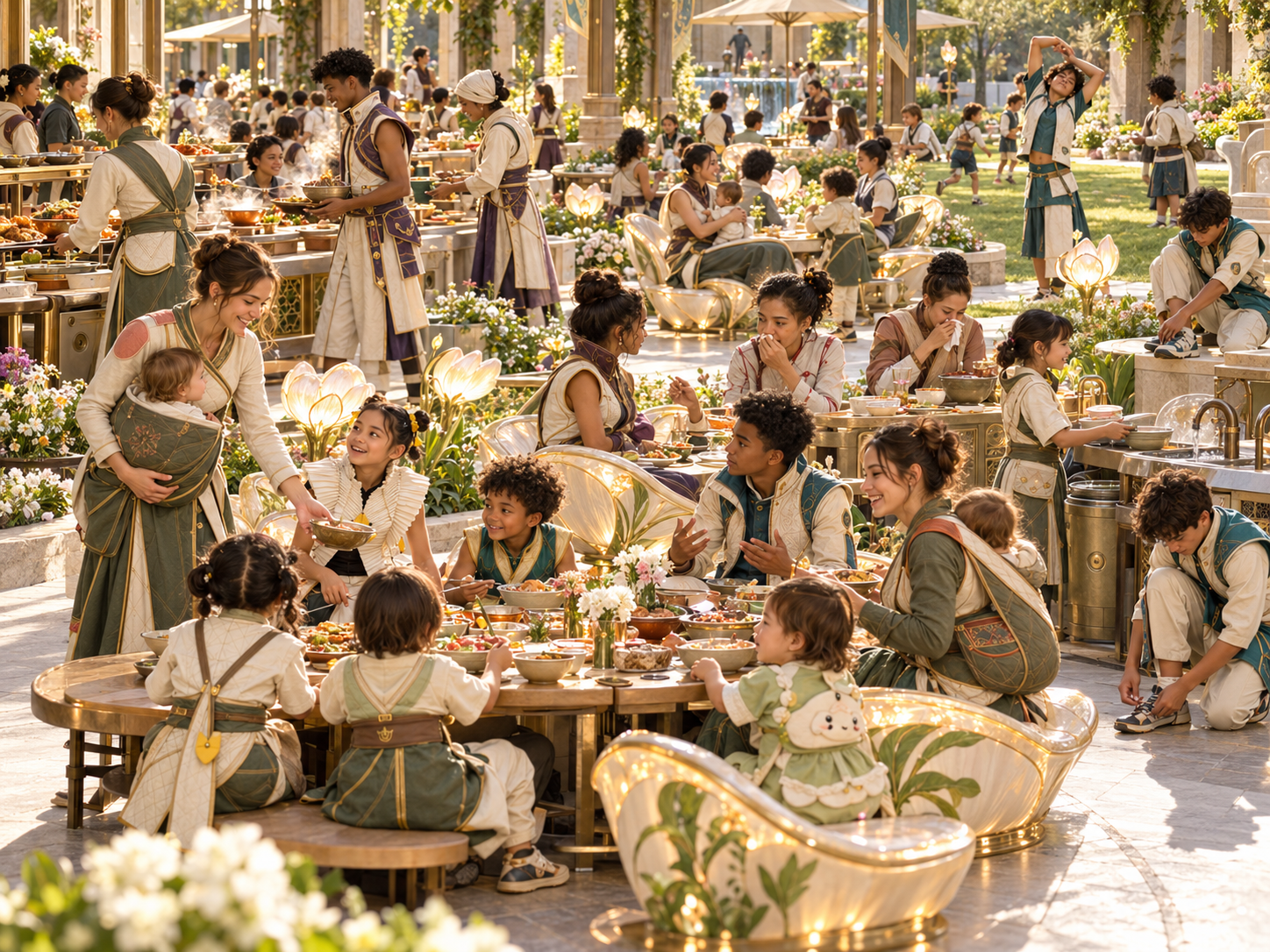
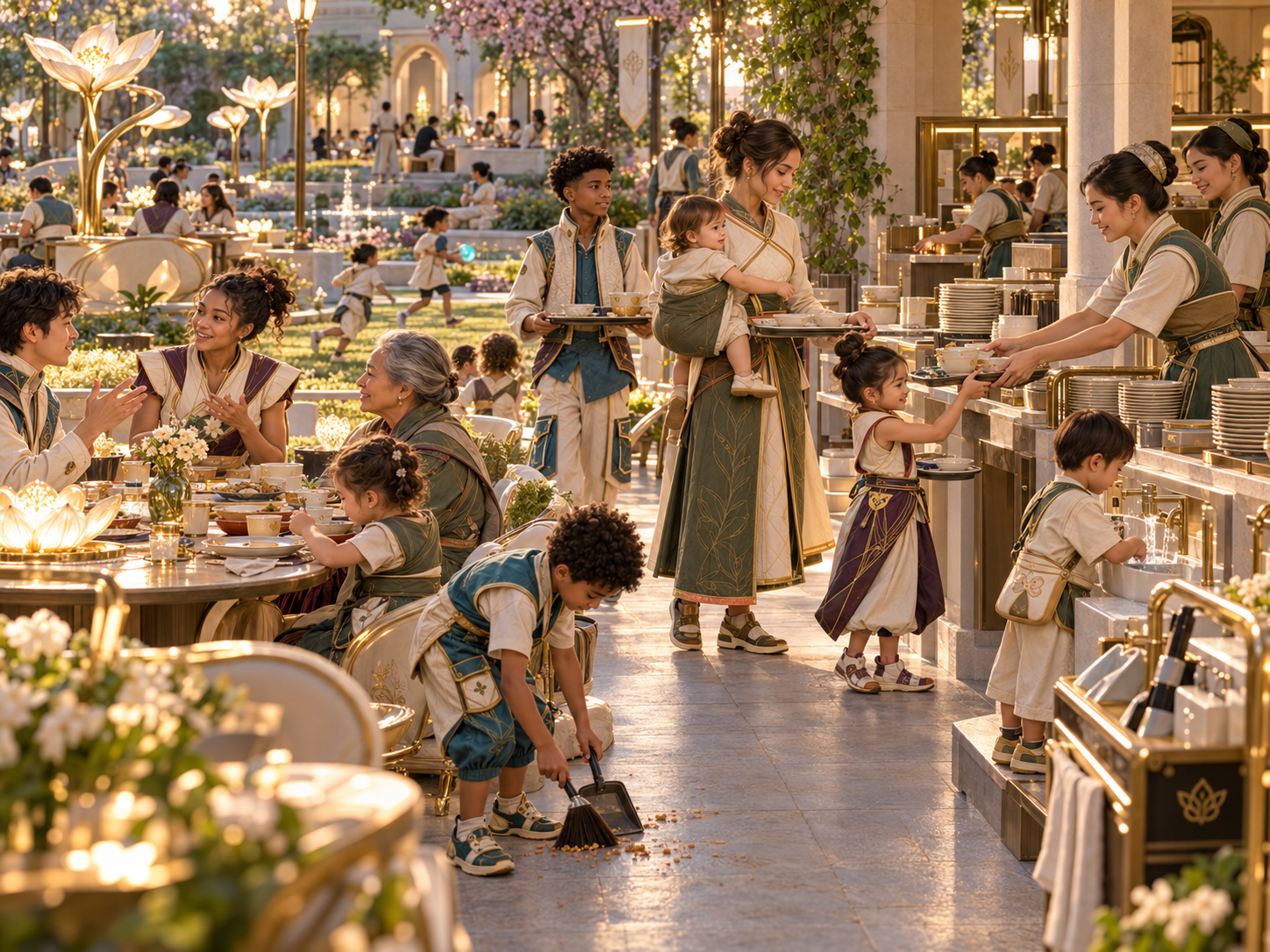
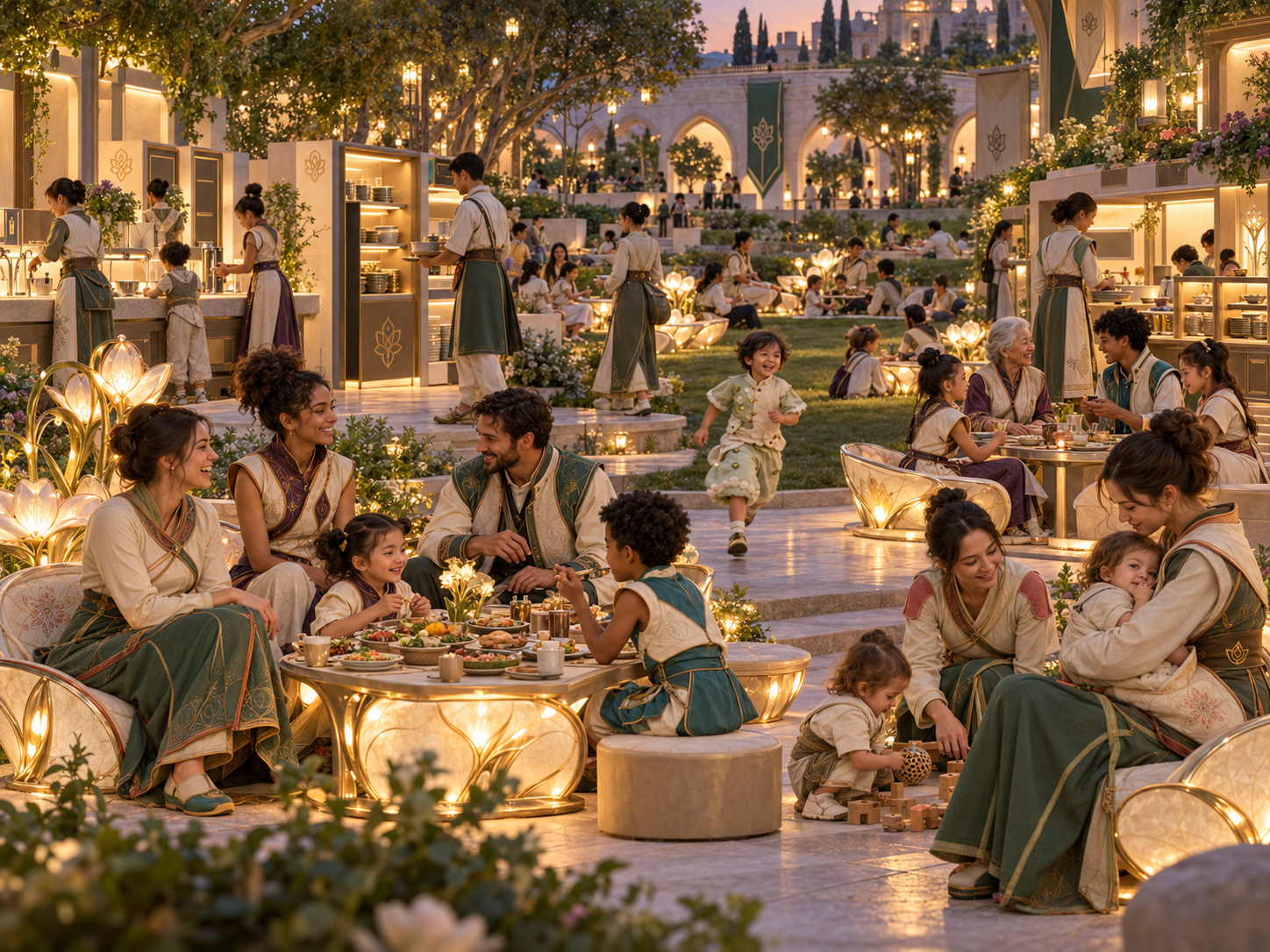
The Sabennerie belongs as much to social life as to nutrition. It can be the place where visitors first meet a neighbourhood, where youth learn food stewardship, where a mother eats without starting a second cooking shift, and where elders share the season’s fruit with children. Foodways place accessible abundance across public landscapes rather than confining it to a commercial counter. Small compound orchards, larger district growing grounds, agricultural stewardship and long-distance fresh routes work together.
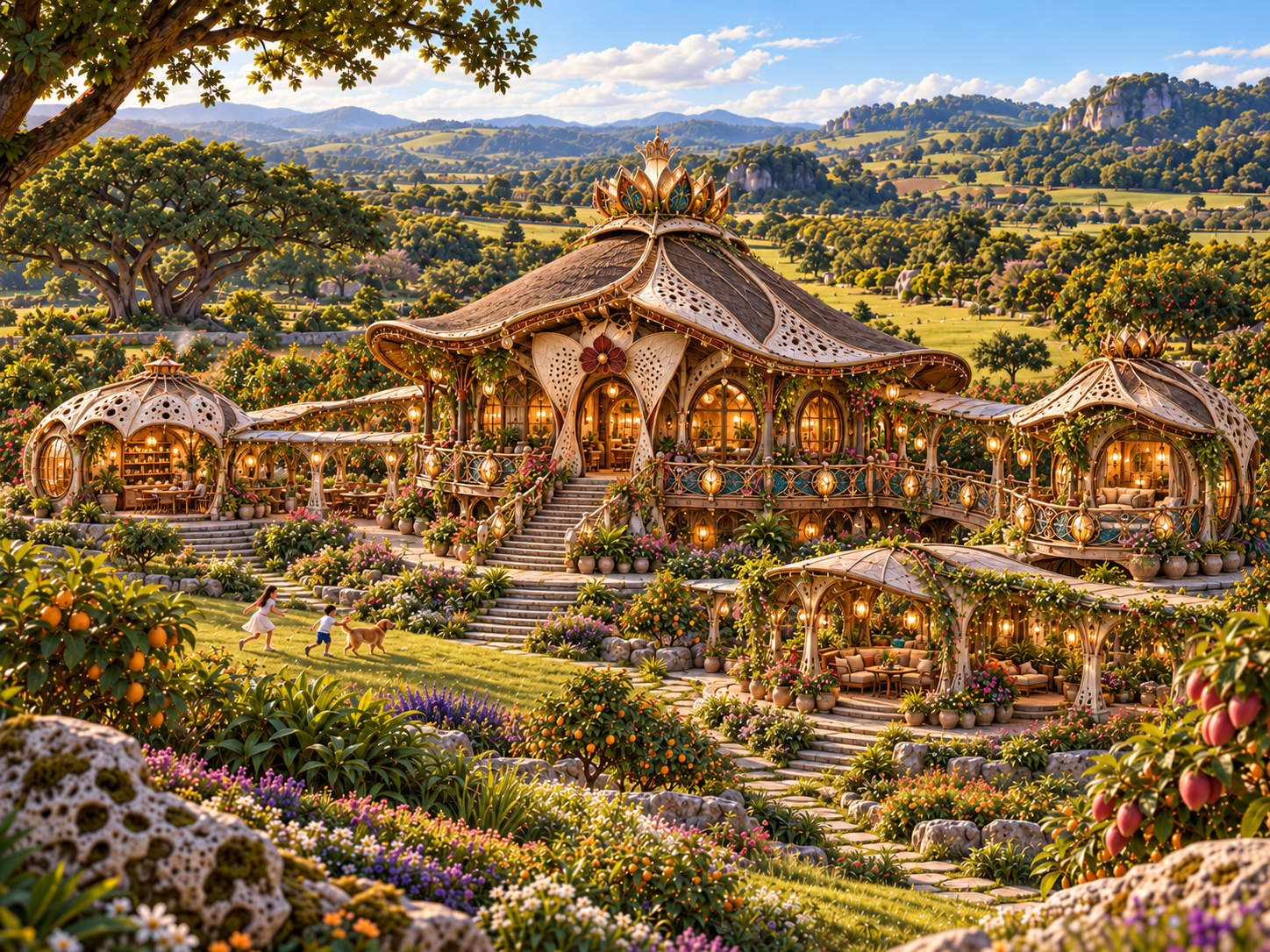
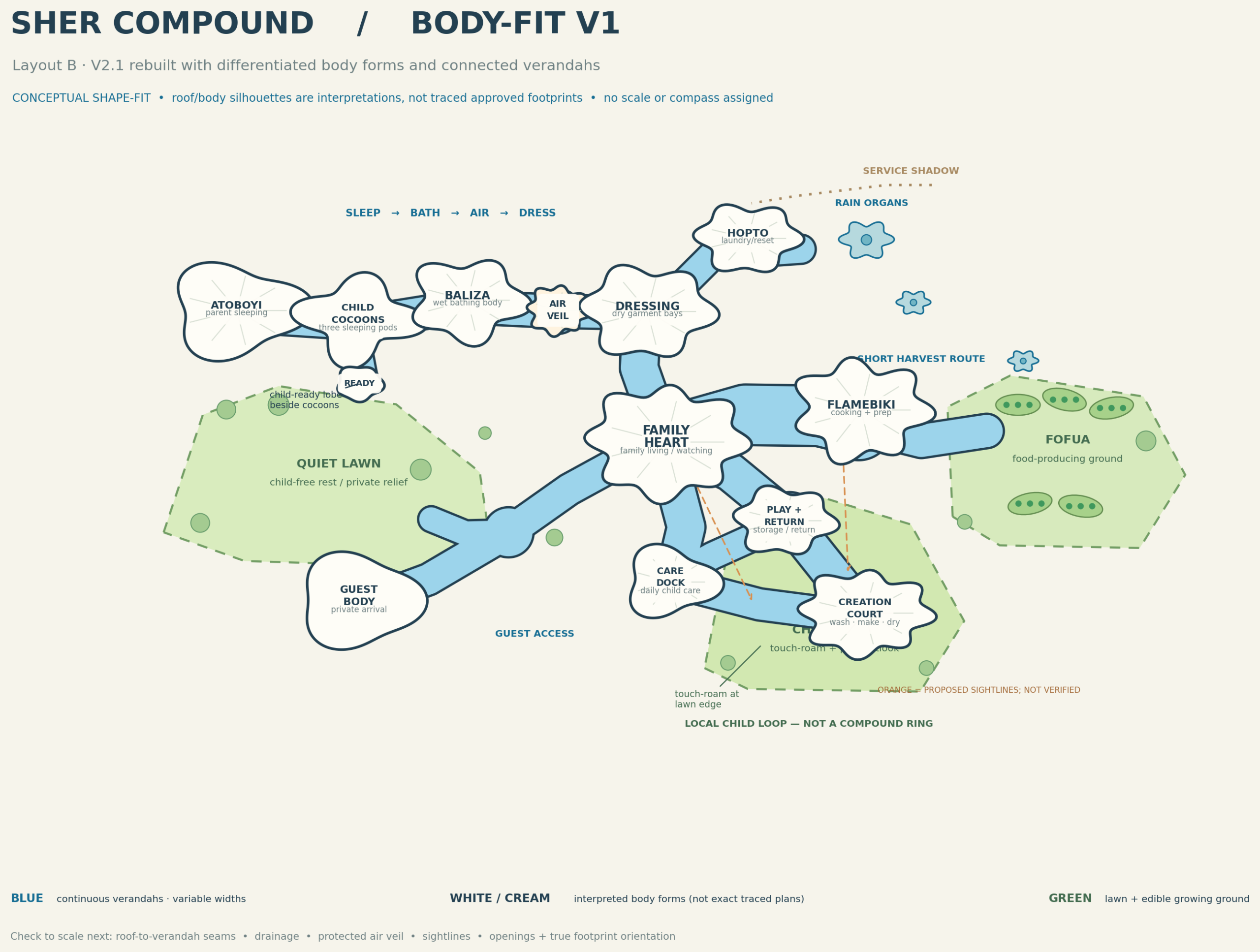
We test these ideas in Prado’s sandy soils and in the everyday logistics of feeding our own children. A mother who can offer good fruit without checking her purse has more than a nutrition advantage. She can be generous, relaxed and playful. Her family grows up inside an understanding of abundance. That is the taste we want the civilization to have.


 and then