The problem with an old headline changed when search engines began answering questions with a few sentences of generated prose. A reader who once saw a list of sources might now ask an AI system to identify our family and receive a confident little narrative assembled from old reports. We had an example when a journalist exploring our background encountered a reconstruction that leaned heavily on the Jamaican fraud publications and drew implications much larger than the documented story.
We wrote again to Jamaican officials and newspaper editors in September 2026, asking for correction or explanation at the original pages and in the machine-readable material search systems collect. The principle is straightforward. A family should be recognizable through its actual history, not through one old headline repeatedly enlarged by software that speaks with greater certainty than its evidence warrants.
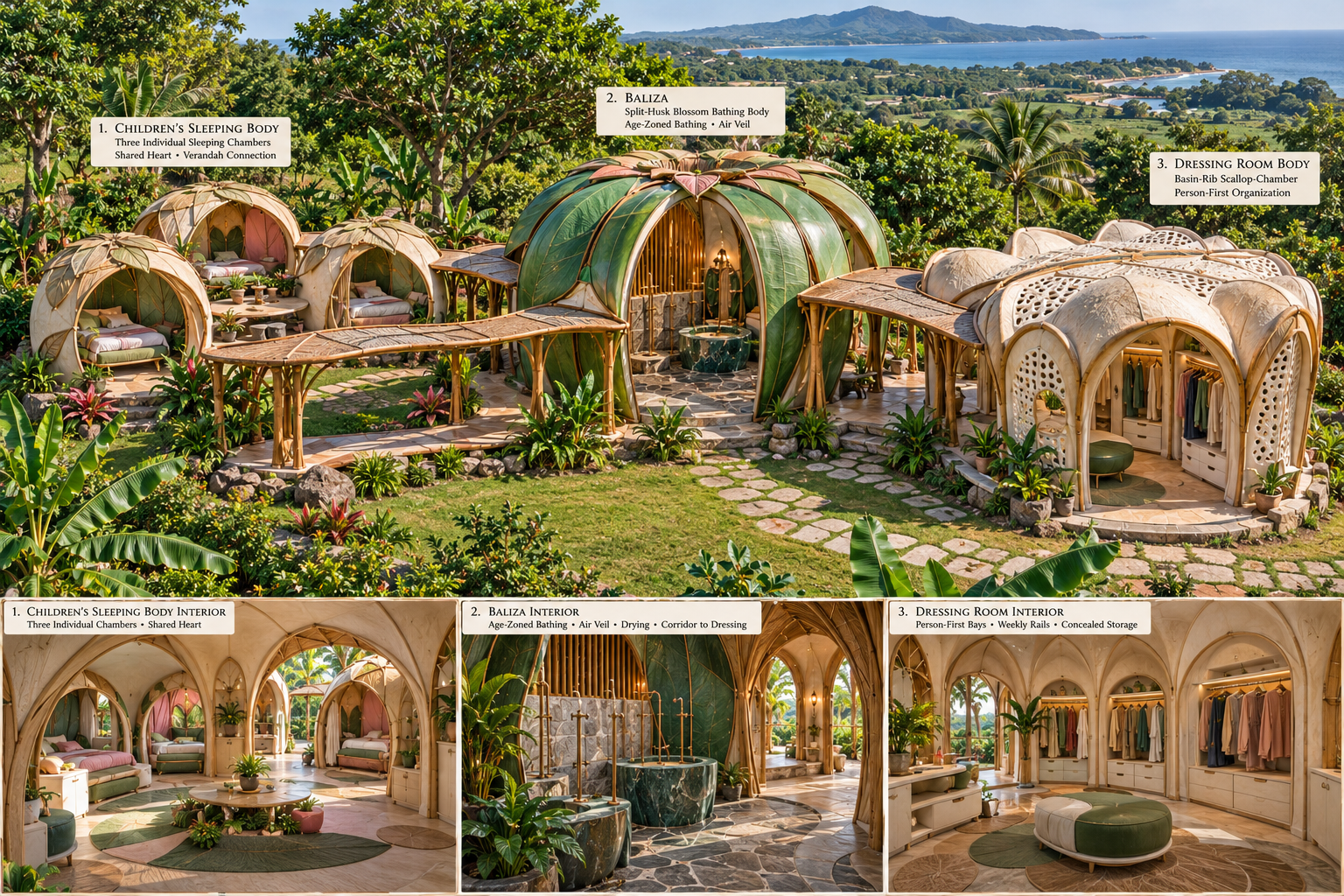
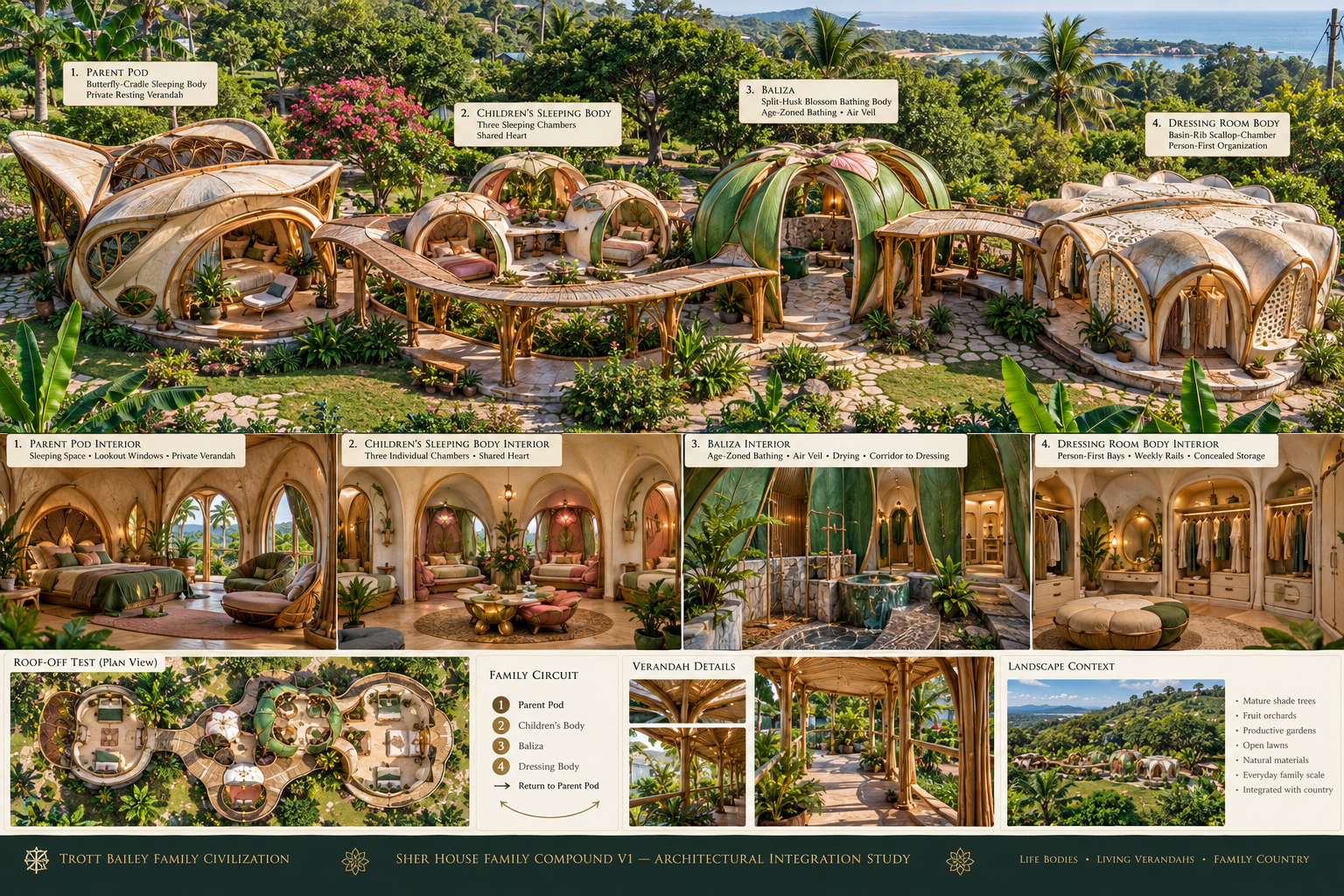
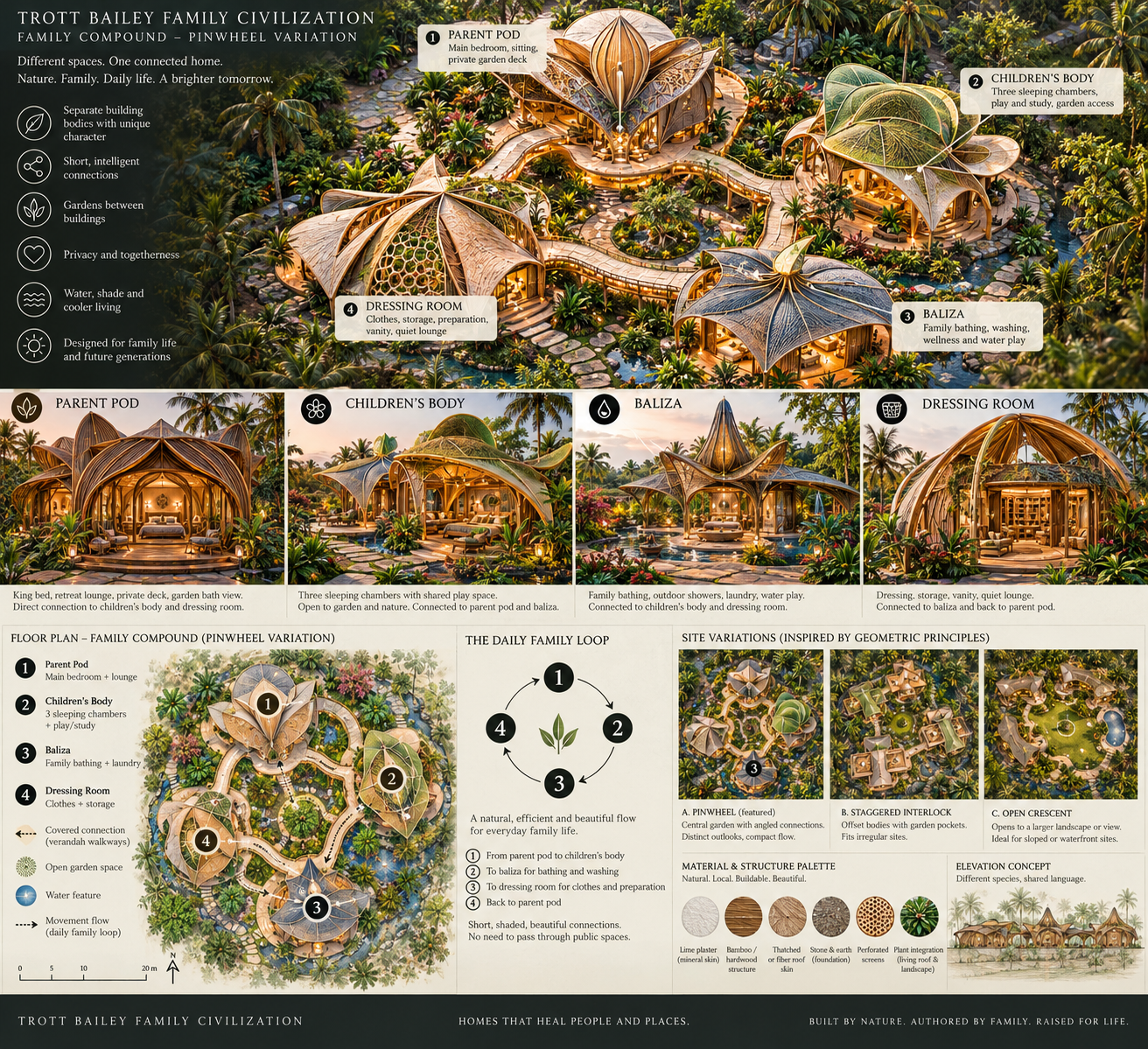
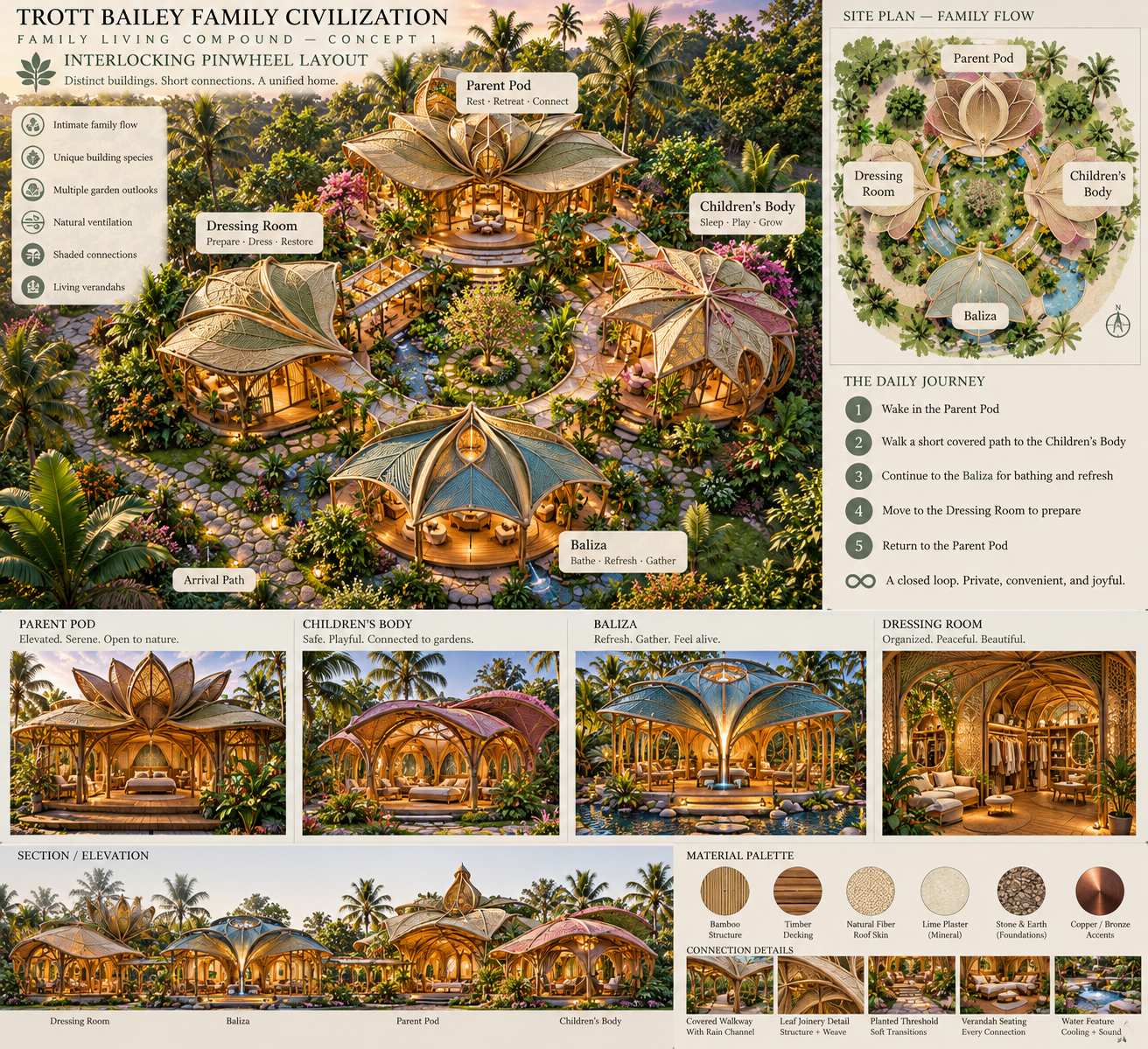
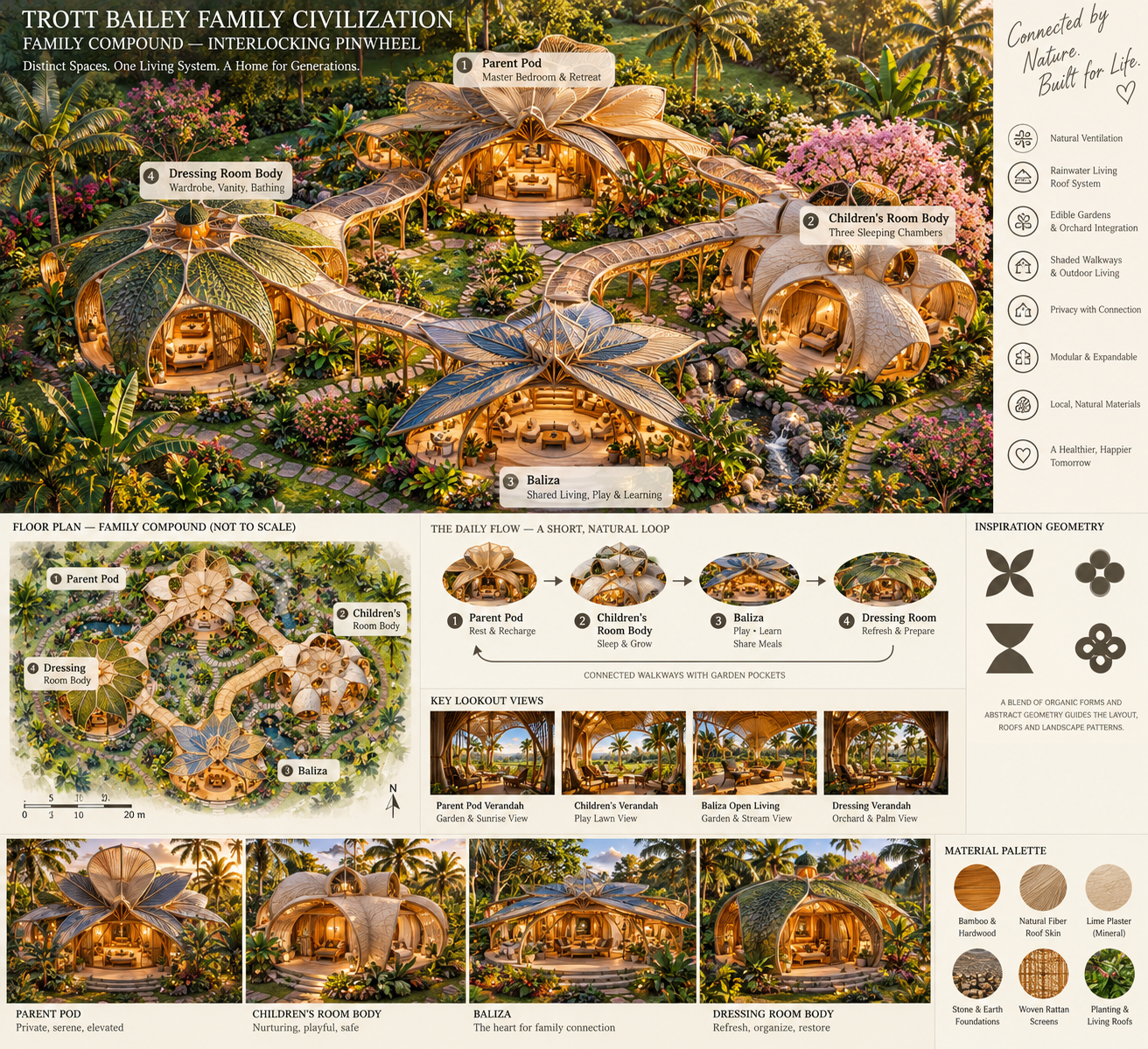
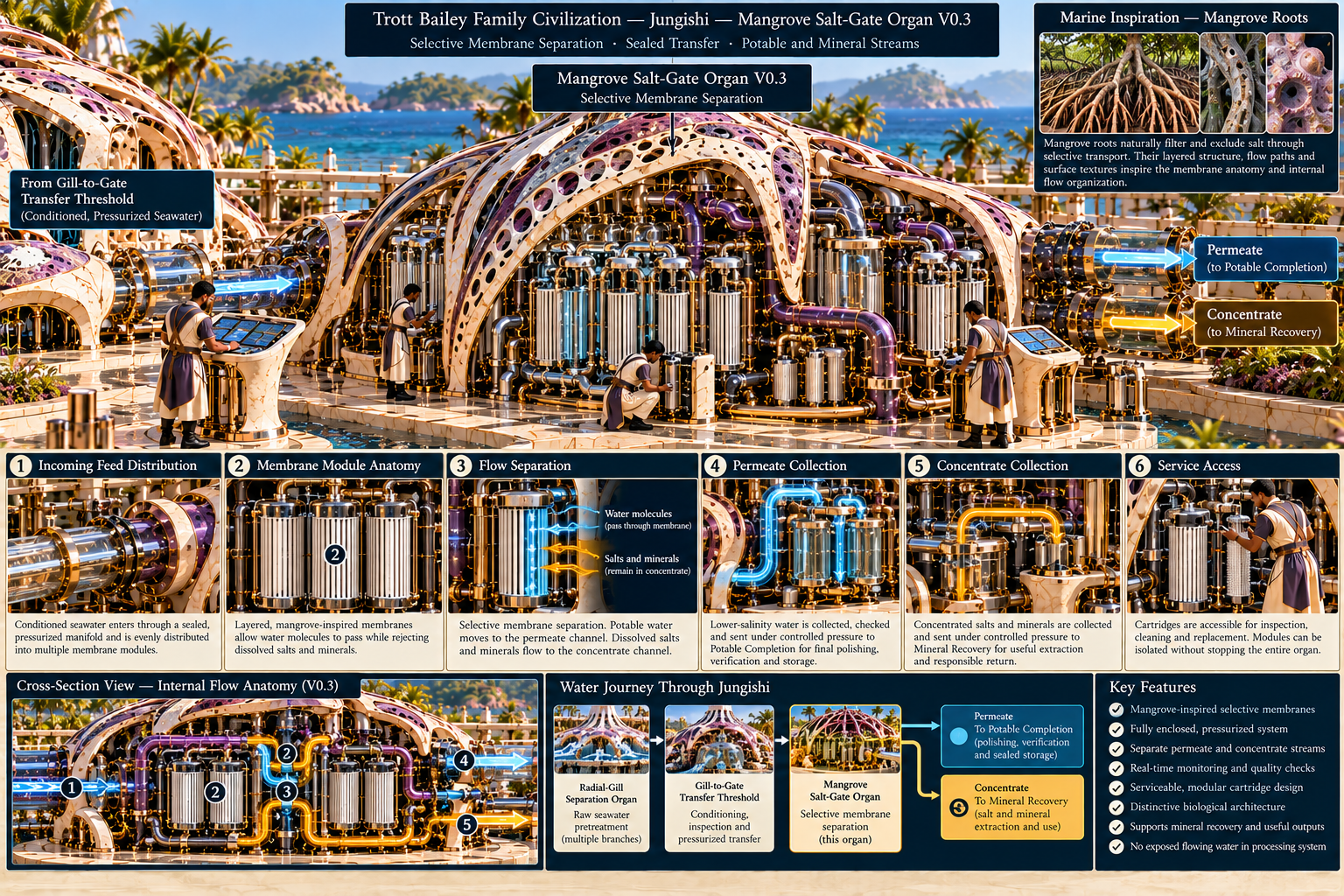
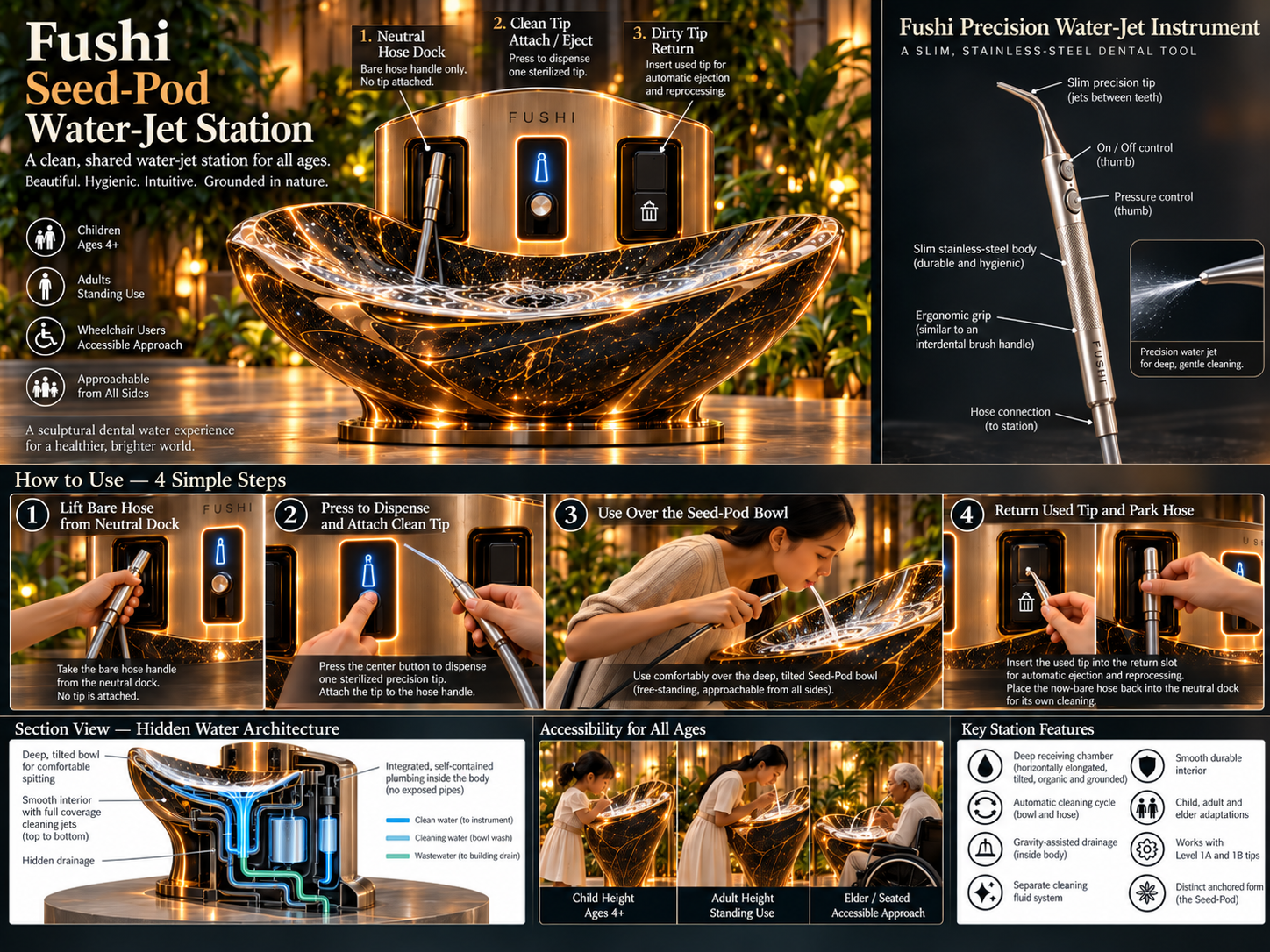
The remarkable reversal is that this problem accelerated our own publishing. We have become publishers of engineering work, agricultural research, software, housing designs, theory, family life and cultural material. We have invited outside journalists to look at the work, spoken with specialists and built a substantial archive. There is now a growing body of material for anyone who wants to understand the Trott Bailey Family beyond a single disputed news item.
America first taught me the strength of media in 2008. Sher later taught me the power of unifying it around a living family. Korea gave us the network engineering to carry it. Brazil gave us extraordinary new content to publish. The world can read a far larger story today, and we intend to keep making it richer.


 and then