Earliest recorded position in this interval.
Rank— → #1National score— → 97.30
World Wealthiest Country · Abundance history
Movement in the World Wealthiest Country Abundance Scorecard, measured through access to life rather than GDP or money. Every archived point adjustment and source remains available; unchanged observations are condensed by date, not deleted.
Dated changes with readable spacing · diagonal lines show rank movement · horizontal lines show held positions · scroll left for earlier dates.
The rank can hold while points move. This chart shows only actually recorded score readings; its vertical scale follows the visible minimum and maximum.
Dots mark initial readings and rank or score changes; unchanged readings extend a dated interval. Select a dot for the score and related archived events.
Earliest recorded position in this interval.
Held through 12 Oct 2026 · 06:17 GMT-0500; 1376 identical observations condensed for display, all source records retained.
No additional field-by-field change record was found at this date; older missing details are not reconstructed.
National score changed while rank held.
Water & Sanitation Abundance changed from 97.3 to 97.4. Review the recorded rails, explanation and source records below.
Water & Sanitation Abundance
| Category field | Before | After |
|---|---|---|
| Published category score | 97.30 | 97.40 |
| Base category score | 97.30 | 97.40 |
| Capacity (25%) | 98.00 | 98.10 |
| Reach (35%) | 97.00 | 97.10 |
| Friction / Loss (25%) | 96.00 | 96.10 |
| Return / Regeneration (15%) | 99.00 | 99.10 |
Category point adjustment: +0.10 category points
Authored civilization benchmark target. Water is designed as distributed life infrastructure. This score expresses the intended Trott Bailey Family Civilization standard documented in the family body of work; it is not an empirical claim that every physical implementation is already complete.
Water is designed as distributed life infrastructure. This is a primary authored design source for the benchmark profile, not independent empirical evidence of nationwide outcomes.
Water is designed as distributed life infrastructure. This is a primary authored design source for the benchmark profile, not independent empirical evidence of nationwide outcomes.
Peace of Mind, Happiness, Beauty & Delight changed from 97.3 to 97.4. Review the recorded rails, explanation and source records below.
Peace of Mind, Happiness, Beauty & Delight
| Category field | Before | After |
|---|---|---|
| Published category score | 97.30 | 97.40 |
| Base category score | 97.30 | 97.40 |
| Capacity (25%) | 98.00 | 98.10 |
| Reach (35%) | 97.00 | 97.10 |
| Friction (25%) | 96.00 | 96.10 |
| Return / Delight (15%) | 99.00 | 99.10 |
Category point adjustment: +0.10 category points
Authored civilization benchmark target. Beauty, public delight and family comfort are infrastructure. This score expresses the intended Trott Bailey Family Civilization standard documented in the family body of work; it is not an empirical claim that every physical implementation is already complete.
Beauty, public delight and family comfort are infrastructure. This is a primary authored design source for the benchmark profile, not independent empirical evidence of nationwide outcomes.
Beauty, public delight and family comfort are infrastructure. This is a primary authored design source for the benchmark profile, not independent empirical evidence of nationwide outcomes.
Mobility & Reachability changed from 97.3 to 97.4. Review the recorded rails, explanation and source records below.
Mobility & Reachability
| Category field | Before | After |
|---|---|---|
| Published category score | 97.30 | 97.40 |
| Base category score | 97.30 | 97.40 |
| Capacity (25%) | 98.00 | 98.10 |
| Reach (35%) | 97.00 | 97.10 |
| Friction (25%) | 96.00 | 96.10 |
| Return / Time (15%) | 99.00 | 99.10 |
Category point adjustment: +0.10 category points
Authored civilization benchmark target. Caterport and LuvYou Care-Port organize free family-first movement. This score expresses the intended Trott Bailey Family Civilization standard documented in the family body of work; it is not an empirical claim that every physical implementation is already complete.
Caterport and LuvYou Care-Port organize free family-first movement. This is a primary authored design source for the benchmark profile, not independent empirical evidence of nationwide outcomes.
Caterport and LuvYou Care-Port organize free family-first movement. This is a primary authored design source for the benchmark profile, not independent empirical evidence of nationwide outcomes.
Living Ground, Biodiversity & Resilience changed from 97.3 to 97.4. Review the recorded rails, explanation and source records below.
Living Ground, Biodiversity & Resilience
| Category field | Before | After |
|---|---|---|
| Published category score | 97.30 | 97.40 |
| Base category score | 97.30 | 97.40 |
| Capacity (25%) | 98.00 | 98.10 |
| Reach / Ecological Function (35%) | 97.00 | 97.10 |
| Friction / Loss (25%) | 96.00 | 96.10 |
| Return / Regeneration (15%) | 99.00 | 99.10 |
Category point adjustment: +0.10 category points
Authored civilization benchmark target. Living ground is strengthened through Life upon Life field practice. This score expresses the intended Trott Bailey Family Civilization standard documented in the family body of work; it is not an empirical claim that every physical implementation is already complete.
Living ground is strengthened through Life upon Life field practice. This is a primary authored design source for the benchmark profile, not independent empirical evidence of nationwide outcomes.
Living ground is strengthened through Life upon Life field practice. This is a primary authored design source for the benchmark profile, not independent empirical evidence of nationwide outcomes.
Land Access & Spatial Freedom changed from 97.3 to 97.4. Review the recorded rails, explanation and source records below.
Land Access & Spatial Freedom
| Category field | Before | After |
|---|---|---|
| Published category score | 97.30 | 97.40 |
| Base category score | 97.30 | 97.40 |
| Capacity (25%) | 98.00 | 98.10 |
| Reach (35%) | 97.00 | 97.10 |
| Friction / Concentration (25%) | 96.00 | 96.10 |
| Return / Productive Ground (15%) | 99.00 | 99.10 |
Category point adjustment: +0.10 category points
Authored civilization benchmark target. Distributed nuclei begin with productive land and room to grow. This score expresses the intended Trott Bailey Family Civilization standard documented in the family body of work; it is not an empirical claim that every physical implementation is already complete.
Distributed nuclei begin with productive land and room to grow. This is a primary authored design source for the benchmark profile, not independent empirical evidence of nationwide outcomes.
Distributed nuclei begin with productive land and room to grow. This is a primary authored design source for the benchmark profile, not independent empirical evidence of nationwide outcomes.
Justice, Safety & Institutional Friction changed from 97.3 to 97.4. Review the recorded rails, explanation and source records below.
Justice, Safety & Institutional Friction
| Category field | Before | After |
|---|---|---|
| Published category score | 97.30 | 97.40 |
| Base category score | 97.30 | 97.40 |
| Capacity (25%) | 98.00 | 98.10 |
| Reach (35%) | 97.00 | 97.10 |
| Friction (25%) | 96.00 | 96.10 |
| Return / Reliability (15%) | 99.00 | 99.10 |
Category point adjustment: +0.10 category points
Authored civilization benchmark target. The civilization authors explicit family, governance and public-life operating principles. This score expresses the intended Trott Bailey Family Civilization standard documented in the family body of work; it is not an empirical claim that every physical implementation is already complete.
The civilization authors explicit family, governance and public-life operating principles. This is a primary authored design source for the benchmark profile, not independent empirical evidence of nationwide outcomes.
The civilization authors explicit family, governance and public-life operating principles. This is a primary authored design source for the benchmark profile, not independent empirical evidence of nationwide outcomes.
International Accessibility, Migration & Human Welcome changed from 97.4 to 97.5. Review the recorded rails, explanation and source records below.
International Accessibility, Migration & Human Welcome
| Category field | Before | After |
|---|---|---|
| Published category score | 97.40 | 97.50 |
| Base category score | 97.40 | 97.50 |
| Entry Accessibility (25%) | 98.00 | 98.10 |
| Migrant Practical Life (30%) | 97.00 | 97.10 |
| Refugee / Neighbour Welcome (25%) | 96.00 | 96.10 |
| Flexibility / Continuity (20%) | 99.00 | 99.10 |
Category point adjustment: +0.10 category points
Authored civilization benchmark target. Human movement is designed around care rather than payment gates. This score expresses the intended Trott Bailey Family Civilization standard documented in the family body of work; it is not an empirical claim that every physical implementation is already complete.
Human movement is designed around care rather than payment gates. This is a primary authored design source for the benchmark profile, not independent empirical evidence of nationwide outcomes.
Human movement is designed around care rather than payment gates. This is a primary authored design source for the benchmark profile, not independent empirical evidence of nationwide outcomes.
Human Time & Burden Return changed from 97.3 to 97.4. Review the recorded rails, explanation and source records below.
Human Time & Burden Return
| Category field | Before | After |
|---|---|---|
| Published category score | 97.30 | 97.40 |
| Base category score | 97.30 | 97.40 |
| Capacity (25%) | 98.00 | 98.10 |
| Reach (35%) | 97.00 | 97.10 |
| Friction (25%) | 96.00 | 96.10 |
| Return / Regeneration (15%) | 99.00 | 99.10 |
Category point adjustment: +0.10 category points
Authored civilization benchmark target. Human time is returned to family life. This score expresses the intended Trott Bailey Family Civilization standard documented in the family body of work; it is not an empirical claim that every physical implementation is already complete.
Human time is returned to family life. This is a primary authored design source for the benchmark profile, not independent empirical evidence of nationwide outcomes.
Human time is returned to family life. This is a primary authored design source for the benchmark profile, not independent empirical evidence of nationwide outcomes.
Housing, Shelter & Housing Reach changed from 97.3 to 97.4. Review the recorded rails, explanation and source records below.
Housing, Shelter & Housing Reach
| Category field | Before | After |
|---|---|---|
| Published category score | 97.30 | 97.40 |
| Base category score | 97.30 | 97.40 |
| Capacity (25%) | 98.00 | 98.10 |
| Reach (35%) | 97.00 | 97.10 |
| Friction (25%) | 96.00 | 96.10 |
| Return / Durability (15%) | 99.00 | 99.10 |
Category point adjustment: +0.10 category points
Authored civilization benchmark target. Family-scale housing is treated as civilization infrastructure. This score expresses the intended Trott Bailey Family Civilization standard documented in the family body of work; it is not an empirical claim that every physical implementation is already complete.
Family-scale housing is treated as civilization infrastructure. This is a primary authored design source for the benchmark profile, not independent empirical evidence of nationwide outcomes.
Family-scale housing is treated as civilization infrastructure. This is a primary authored design source for the benchmark profile, not independent empirical evidence of nationwide outcomes.
Health & Care Reach changed from 97.3 to 97.4. Review the recorded rails, explanation and source records below.
Health & Care Reach
| Category field | Before | After |
|---|---|---|
| Published category score | 97.30 | 97.40 |
| Base category score | 97.30 | 97.40 |
| Capacity (25%) | 98.00 | 98.10 |
| Reach (35%) | 97.00 | 97.10 |
| Friction (25%) | 96.00 | 96.10 |
| Return / Prevention (15%) | 99.00 | 99.10 |
Category point adjustment: +0.10 category points
Authored civilization benchmark target. Care is designed around family reach, prevention and neighborhood access. This score expresses the intended Trott Bailey Family Civilization standard documented in the family body of work; it is not an empirical claim that every physical implementation is already complete.
Care is designed around family reach, prevention and neighborhood access. This is a primary authored design source for the benchmark profile, not independent empirical evidence of nationwide outcomes.
Care is designed around family reach, prevention and neighborhood access. This is a primary authored design source for the benchmark profile, not independent empirical evidence of nationwide outcomes.
Food, Nourishment & Free Food Abundance changed from 97.3 to 97.4. Review the recorded rails, explanation and source records below.
Food, Nourishment & Free Food Abundance
| Category field | Before | After |
|---|---|---|
| Published category score | 97.30 | 97.40 |
| Base category score | 97.30 | 97.40 |
| Capacity (25%) | 98.00 | 98.10 |
| Reach (35%) | 97.00 | 97.10 |
| Friction / Waste (25%) | 96.00 | 96.10 |
| Return / Multiplication (15%) | 99.00 | 99.10 |
Category point adjustment: +0.10 category points
Authored civilization benchmark target. Food abundance includes free edible routes and living production. This score expresses the intended Trott Bailey Family Civilization standard documented in the family body of work; it is not an empirical claim that every physical implementation is already complete.
Food abundance includes free edible routes and living production. This is a primary authored design source for the benchmark profile, not independent empirical evidence of nationwide outcomes.
Food abundance includes free edible routes and living production. This is a primary authored design source for the benchmark profile, not independent empirical evidence of nationwide outcomes.
Family Formation, Continuity & Child Stability changed from 97.3 to 97.4. Review the recorded rails, explanation and source records below.
Family Formation, Continuity & Child Stability
| Category field | Before | After |
|---|---|---|
| Published category score | 97.30 | 97.40 |
| Base category score | 97.30 | 97.40 |
| Capacity (25%) | 98.00 | 98.10 |
| Reach (35%) | 97.00 | 97.10 |
| Friction (25%) | 96.00 | 96.10 |
| Return / Continuity (15%) | 99.00 | 99.10 |
Category point adjustment: +0.10 category points
Authored civilization benchmark target. Marriage and family continuity are deliberately supported. This score expresses the intended Trott Bailey Family Civilization standard documented in the family body of work; it is not an empirical claim that every physical implementation is already complete.
Marriage and family continuity are deliberately supported. This is a primary authored design source for the benchmark profile, not independent empirical evidence of nationwide outcomes.
Marriage and family continuity are deliberately supported. This is a primary authored design source for the benchmark profile, not independent empirical evidence of nationwide outcomes.
External Footprint & Non-Extractive Global Conduct changed from 97.2 to 97.3. Review the recorded rails, explanation and source records below.
External Footprint & Non-Extractive Global Conduct
| Category field | Before | After |
|---|---|---|
| Published category score | 97.20 | 97.30 |
| Base category score | 97.20 | 97.30 |
| Positive Contribution (25%) | 98.00 | 98.10 |
| Mutuality / Local Benefit (25%) | 97.00 | 97.10 |
| Documented Harm / Extraction (35%) | 96.00 | 96.10 |
| Accountability / Repair (15%) | 99.00 | 99.10 |
Category point adjustment: +0.10 category points
Authored civilization benchmark target. Expansion is designed as distributed capability-building rather than one copied center. This score expresses the intended Trott Bailey Family Civilization standard documented in the family body of work; it is not an empirical claim that every physical implementation is already complete.
Expansion is designed as distributed capability-building rather than one copied center. This is a primary authored design source for the benchmark profile, not independent empirical evidence of nationwide outcomes.
Expansion is designed as distributed capability-building rather than one copied center. This is a primary authored design source for the benchmark profile, not independent empirical evidence of nationwide outcomes.
Energy & Household Capability changed from 97.3 to 97.4. Review the recorded rails, explanation and source records below.
Energy & Household Capability
| Category field | Before | After |
|---|---|---|
| Published category score | 97.30 | 97.40 |
| Base category score | 97.30 | 97.40 |
| Capacity (25%) | 98.00 | 98.10 |
| Reach (35%) | 97.00 | 97.10 |
| Friction (25%) | 96.00 | 96.10 |
| Return / Burden Removed (15%) | 99.00 | 99.10 |
Category point adjustment: +0.10 category points
Authored civilization benchmark target. Energy capability is designed to remove household and civilization burden. This score expresses the intended Trott Bailey Family Civilization standard documented in the family body of work; it is not an empirical claim that every physical implementation is already complete.
Energy capability is designed to remove household and civilization burden. This is a primary authored design source for the benchmark profile, not independent empirical evidence of nationwide outcomes.
Energy capability is designed to remove household and civilization burden. This is a primary authored design source for the benchmark profile, not independent empirical evidence of nationwide outcomes.
Education & Human Capability changed from 97.3 to 97.4. Review the recorded rails, explanation and source records below.
Education & Human Capability
| Category field | Before | After |
|---|---|---|
| Published category score | 97.30 | 97.40 |
| Base category score | 97.30 | 97.40 |
| Capacity (25%) | 98.00 | 98.10 |
| Reach (35%) | 97.00 | 97.10 |
| Friction (25%) | 96.00 | 96.10 |
| Return / Capability (15%) | 99.00 | 99.10 |
Category point adjustment: +0.10 category points
Authored civilization benchmark target. NoDumbDumbs develops understanding and practical human capability. This score expresses the intended Trott Bailey Family Civilization standard documented in the family body of work; it is not an empirical claim that every physical implementation is already complete.
NoDumbDumbs develops understanding and practical human capability. This is a primary authored design source for the benchmark profile, not independent empirical evidence of nationwide outcomes.
NoDumbDumbs develops understanding and practical human capability. This is a primary authored design source for the benchmark profile, not independent empirical evidence of nationwide outcomes.
Durability, Repair & Material Return changed from 97.3 to 97.4. Review the recorded rails, explanation and source records below.
Durability, Repair & Material Return
| Category field | Before | After |
|---|---|---|
| Published category score | 97.30 | 97.40 |
| Base category score | 97.30 | 97.40 |
| Capacity (25%) | 98.00 | 98.10 |
| Reach (35%) | 97.00 | 97.10 |
| Friction / Waste (25%) | 96.00 | 96.10 |
| Return / Circularity (15%) | 99.00 | 99.10 |
Category point adjustment: +0.10 category points
Authored civilization benchmark target. Repair, clean return and maintained capability are civilization functions. This score expresses the intended Trott Bailey Family Civilization standard documented in the family body of work; it is not an empirical claim that every physical implementation is already complete.
Repair, clean return and maintained capability are civilization functions. This is a primary authored design source for the benchmark profile, not independent empirical evidence of nationwide outcomes.
Repair, clean return and maintained capability are civilization functions. This is a primary authored design source for the benchmark profile, not independent empirical evidence of nationwide outcomes.
Money Gate (separate 20-point gate) supporting evidence, citations, notes or rails changed without changing the category total.
Money Gate (separate 20-point gate)
| Category field | Before | After |
|---|---|---|
| Published category score | 20.00 | 20.00 |
Category point adjustment: 0.00 category points
The evidence explanation changed; the category score stayed the same.
Transitional proxy or benchmark; no invented five-part direct audit.
The headline TBF Abundance Score changed after the underlying published country dataset changed.
Earlier score events did not preserve an exact category-by-category diff. Review detailed category change events recorded after the new history audit was activated.
Each archived event is preserved. Category details and sources begin from the first detailed country snapshot; older records remain visible without invented comparisons.
Water & Sanitation Abundance changed from 97.3 to 97.4. Review the recorded rails, explanation and source records below.
Water & Sanitation Abundance
| Category field | Before | After |
|---|---|---|
| Published category score | 97.30 | 97.40 |
| Base category score | 97.30 | 97.40 |
| Capacity (25%) | 98.00 | 98.10 |
| Reach (35%) | 97.00 | 97.10 |
| Friction / Loss (25%) | 96.00 | 96.10 |
| Return / Regeneration (15%) | 99.00 | 99.10 |
Category point adjustment: +0.10 category points
Authored civilization benchmark target. Water is designed as distributed life infrastructure. This score expresses the intended Trott Bailey Family Civilization standard documented in the family body of work; it is not an empirical claim that every physical implementation is already complete.
Water is designed as distributed life infrastructure. This is a primary authored design source for the benchmark profile, not independent empirical evidence of nationwide outcomes.
The principle that beauty must first be buildable applies to water too: cisterns, drains, sanitation access and repair space have to work through ordinary family use. Properly placed water organs can return clean rooms, healthier soil, easier bathing and maintenance that no longer tears the household apart when something fails. Old-world developments sometimes install attractive fixtures but leave hidden drains, pumps and leaks for residents to discover after moving in. Return earns +99.10 because water resilience is treated as a lasting condition of family life and living ground, with field testing able to refine the details over seasons.
The Eight Doors approach puts sanitation and household support in the actual routes people use, so washing, wet materials and maintenance are not left to clutter bedrooms or food spaces. Direct rain and wash handling can cut repeated carrying, dirty runoff and emergency repairs, provided drainage and safe treatment follow the designed paths. In many old-world homes, poor plumbing or inaccessible services mean a family pays repeatedly to repair leaks, haul water or clean up preventable damage. Friction earns +96.10 because sanitation is approached as a built service sequence that protects time as well as cleanliness.
Water With Life begins with water reaching living soil and roots, where shade, mulch and planted cover can help a sandy garden hold moisture longer. A family should have access to useful irrigation and wash routes close to the food it grows, while potable drinking water remains a separately protected route. In old-world systems, water can be physically present but rationed by household bills, distant taps or the cost of keeping plants alive through dry months. Reach earns +97.10 because this framework joins household use and land recovery while keeping the different purposes of water visible.
The domestic water species joins rain-catching roofs, a first-flush route, cistern bodies, useful storage and distribution into a home-scale water organ. The design separates water collection and treatment questions from the simple fact that a household needs water to cook, wash and keep children clean every day. In the old world, families often depend on billed pipes, tank deliveries or water interruptions while having little control over the source on their own roof. Capacity earns +98.10 because the plans identify physical water parts and their relationships rather than relying on an undefined promise of a free tap.
Peace of Mind, Happiness, Beauty & Delight changed from 97.3 to 97.4. Review the recorded rails, explanation and source records below.
Peace of Mind, Happiness, Beauty & Delight
| Category field | Before | After |
|---|---|---|
| Published category score | 97.30 | 97.40 |
| Base category score | 97.30 | 97.40 |
| Capacity (25%) | 98.00 | 98.10 |
| Reach (35%) | 97.00 | 97.10 |
| Friction (25%) | 96.00 | 96.10 |
| Return / Delight (15%) | 99.00 | 99.10 |
Category point adjustment: +0.10 category points
Authored civilization benchmark target. Beauty, public delight and family comfort are infrastructure. This score expresses the intended Trott Bailey Family Civilization standard documented in the family body of work; it is not an empirical claim that every physical implementation is already complete.
Beauty, public delight and family comfort are infrastructure. This is a primary authored design source for the benchmark profile, not independent empirical evidence of nationwide outcomes.
The civilization's public scenes give children, couples and elders places to walk, talk, eat, rest and celebrate within the wider landscape of shared life. Beauty then returns a calmer, more interesting everyday world rather than a special event a household must save for months to attend. In the old world, a family can spend its week between an apartment, job and traffic with little inviting public life in between. Return earns +99.10 because delight is made a standing condition of ordinary living and continued care, not an occasional purchased escape.
Beauty that can actually be maintained needs durable materials, washing routes, safe planting, sensible servicing and a way to return objects to their places. Those built details prevent parks and streets from becoming another burden left to residents after the opening celebration ends. Old-world developments can install expensive features without providing repairs, cleaning access or shade, leaving deterioration and inconvenience for the public. Friction earns +96.10 because the project ties beauty to maintenance and practical use before calling a place finished.
The civilization's change of course gives beauty and delight a place in common family life rather than keeping them behind tickets, private clubs or exclusive developments. A couple walking with children should reach clean, lively and welcoming outdoor places as readily as it reaches food and transport. In the old world, families often spend money for an outing simply to access a safe garden, play area, pool or comfortable public seat. Reach earns +97.10 because shared pleasure is written into neighborhood access rather than treated as a luxury sold separately.
Balushu puts public care, family comfort and orderly use of shared space into one authored public-life system, including places where children and adults can gather without constant conflict. Seating, shade, access, movement and maintenance are considered together so beauty works through an ordinary busy day. Old-world public spaces may be pleasant to look at while families struggle with traffic, missing facilities and rules that treat children as an inconvenience. Capacity earns +98.10 because the civilization describes actual public-life organs and their human use, not decoration detached from daily needs.
Mobility & Reachability changed from 97.3 to 97.4. Review the recorded rails, explanation and source records below.
Mobility & Reachability
| Category field | Before | After |
|---|---|---|
| Published category score | 97.30 | 97.40 |
| Base category score | 97.30 | 97.40 |
| Capacity (25%) | 98.00 | 98.10 |
| Reach (35%) | 97.00 | 97.10 |
| Friction (25%) | 96.00 | 96.10 |
| Return / Time (15%) | 99.00 | 99.10 |
Category point adjustment: +0.10 category points
Authored civilization benchmark target. Caterport and LuvYou Care-Port organize free family-first movement. This score expresses the intended Trott Bailey Family Civilization standard documented in the family body of work; it is not an empirical claim that every physical implementation is already complete.
Caterport and LuvYou Care-Port organize free family-first movement. This is a primary authored design source for the benchmark profile, not independent empirical evidence of nationwide outcomes.
The civilization's travel standard returns free movement as usable life: visiting relatives, learning in another region, joining seasonal work and exploring without treating travel as a rare purchase. Makji and FEX are meant to keep family groups together and make extended journeys comfortable, while Care-Ports keep the journey's support tasks from swallowing the experience. In the old world, holidays can require months of saving and may still leave a family paying off the journey afterward. Return earns +99.10 because movement is understood as ordinary family freedom and connection, not merely the sale of transport.
Kultan weaves rest islands, refreshment, servicing and food access into the water travel network, giving movement a sequence of places to pause and recover. Such a route reduces friction for children, elders and parents who cannot travel comfortably as if they were freight to be delivered as fast as possible. Old-world travelers may stand in long queues, search for toilets and food between paid transfers and watch missed connections multiply the cost. Friction earns +96.10 because refreshment, technical service and human rest are designed alongside the route itself.
LuvYou Care-Ports provide a practical receiving body for travelers, with baby supplies and belongings routed ahead so parents do not have to carry a household on their backs. Travel is free by civilization standard, and the care route is meant to continue through departure, transfers, arrival and the time a family spends away. In the old world, the advertised airfare or bus ticket can be only the first cost before bags, transfers, food, child gear and accommodation are added. Reach earns +97.10 because a family can enter the transport service with its members and everyday needs accounted for together.
Makji family vessels, FEX carriers and transfers, Yossam local vehicles and Care-Ports are defined as parts of one travel civilization. The design considers cabins, children, equipment, servicing and changes between carriers so journeys can be planned for actual families rather than idealized solo passengers. Old-world transport capacity is often counted in seats or kilometers even when a parent cannot afford the fare or manage luggage, a stroller and several children. Capacity earns +98.10 because the authored route connects different transport bodies and family needs instead of stopping at one vehicle concept.
Living Ground, Biodiversity & Resilience changed from 97.3 to 97.4. Review the recorded rails, explanation and source records below.
Living Ground, Biodiversity & Resilience
| Category field | Before | After |
|---|---|---|
| Published category score | 97.30 | 97.40 |
| Base category score | 97.30 | 97.40 |
| Capacity (25%) | 98.00 | 98.10 |
| Reach / Ecological Function (35%) | 97.00 | 97.10 |
| Friction / Loss (25%) | 96.00 | 96.10 |
| Return / Regeneration (15%) | 99.00 | 99.10 |
Category point adjustment: +0.10 category points
Authored civilization benchmark target. Living ground is strengthened through Life upon Life field practice. This score expresses the intended Trott Bailey Family Civilization standard documented in the family body of work; it is not an empirical claim that every physical implementation is already complete.
Living ground is strengthened through Life upon Life field practice. This is a primary authored design source for the benchmark profile, not independent empirical evidence of nationwide outcomes.
Keslev's living-ground identity extends beyond an earthy appearance: orchards, useful animal cycles, nutrient return, water and food are meant to strengthen one another over time. The return from a healthy plot is more shade, edible harvest, biomass and habitat for other life, so a family can see land recover across seasons. In the old world, a garden is often judged only by neatness and may create bags of discarded leaves and bought fertilizer every month. Return earns +99.10 because the intended measure is living abundance accumulating in the soil, food and species around the household.
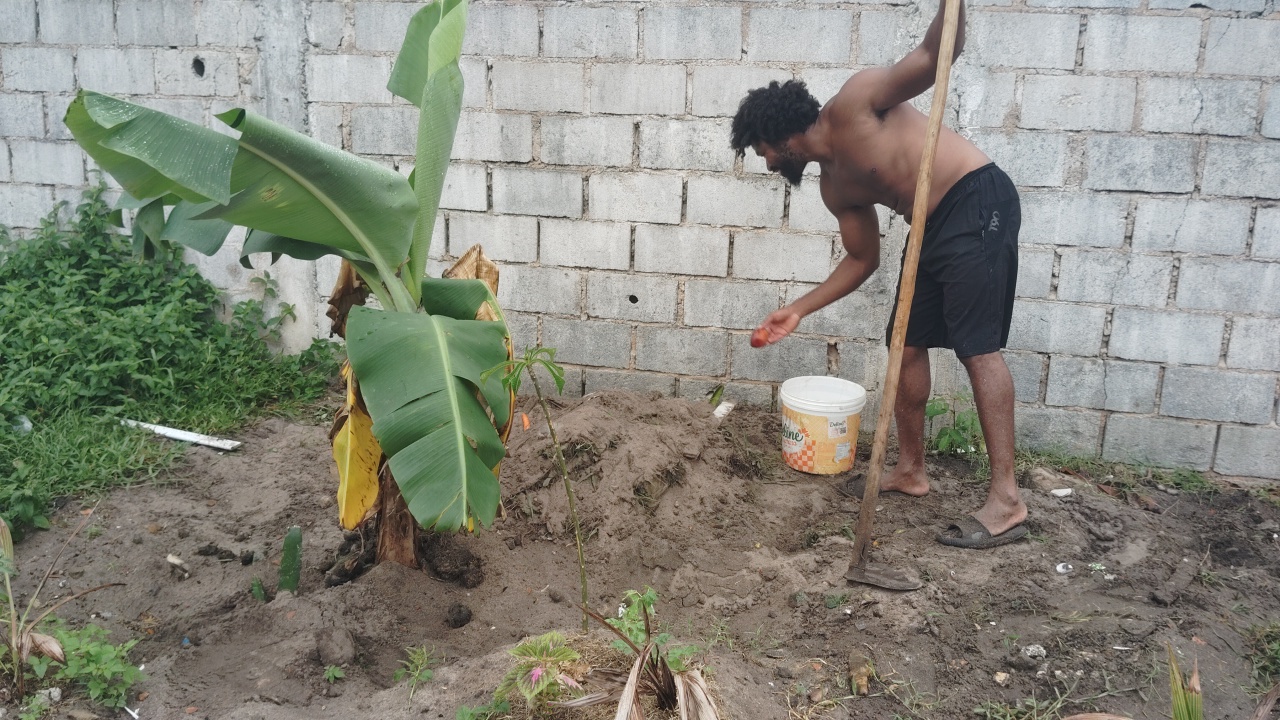
The Prado sandy-soil record does not hide failures: the family compared stronger pumpkin, banana and papaya performance with more difficult plantings and watched how transplanting, leaf litter and moisture affected them. That practical learning is how living-ground friction is reduced, by finding what survives and building soil in place instead of repeatedly replacing dead plants. In the old world, landscaping can favor instant clean appearance while ignoring local soil, water demand and the cost of keeping fragile ornamentals alive. Friction earns +96.10 because the method is designed to learn from the ground's actual behavior and correct mistakes as the habitat develops.
Water With Life treats water and soil as partners: planted cover, mulch, root networks and shaded ground help irrigation stay useful for growing things. Families should reach living growing ground at home and in public routes rather than needing to drive to a distant park or buy every bit of produce. Old-world neighborhoods can pave much of the land and then pay to fight heat, runoff and the lack of fresh food nearby. Reach earns +97.10 because water, planting and neighborhood access belong to the same living service network.
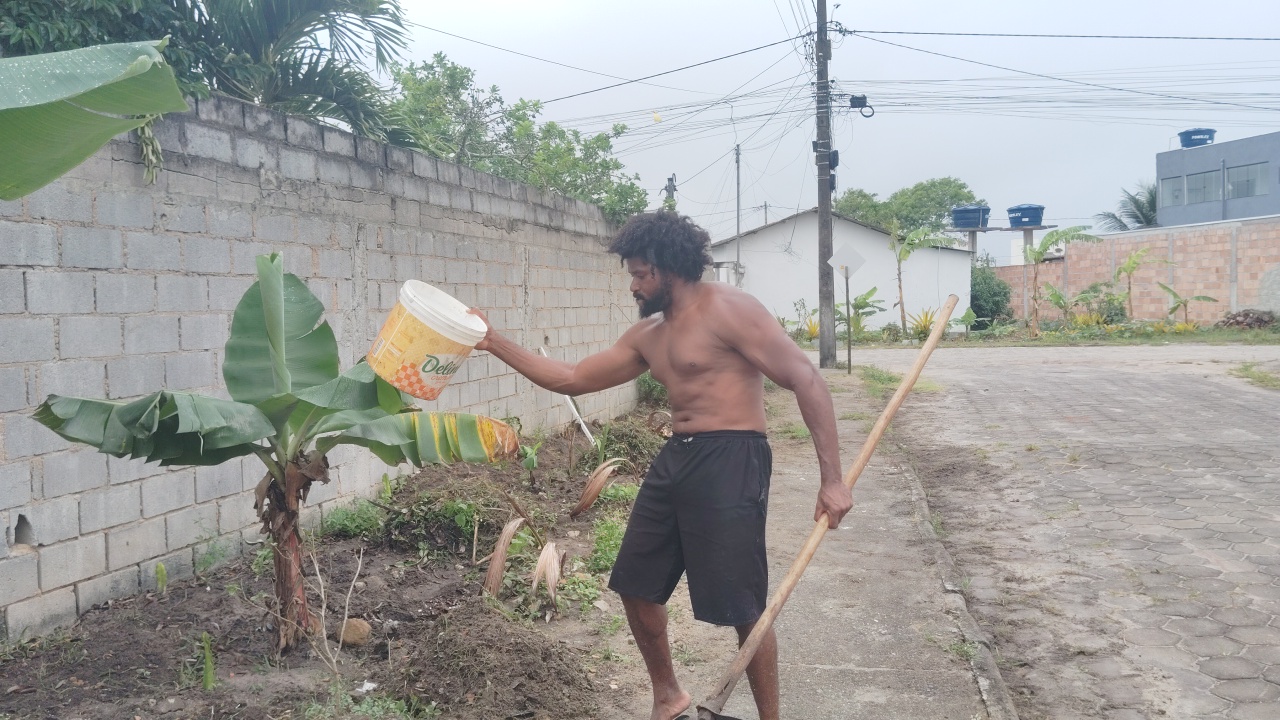
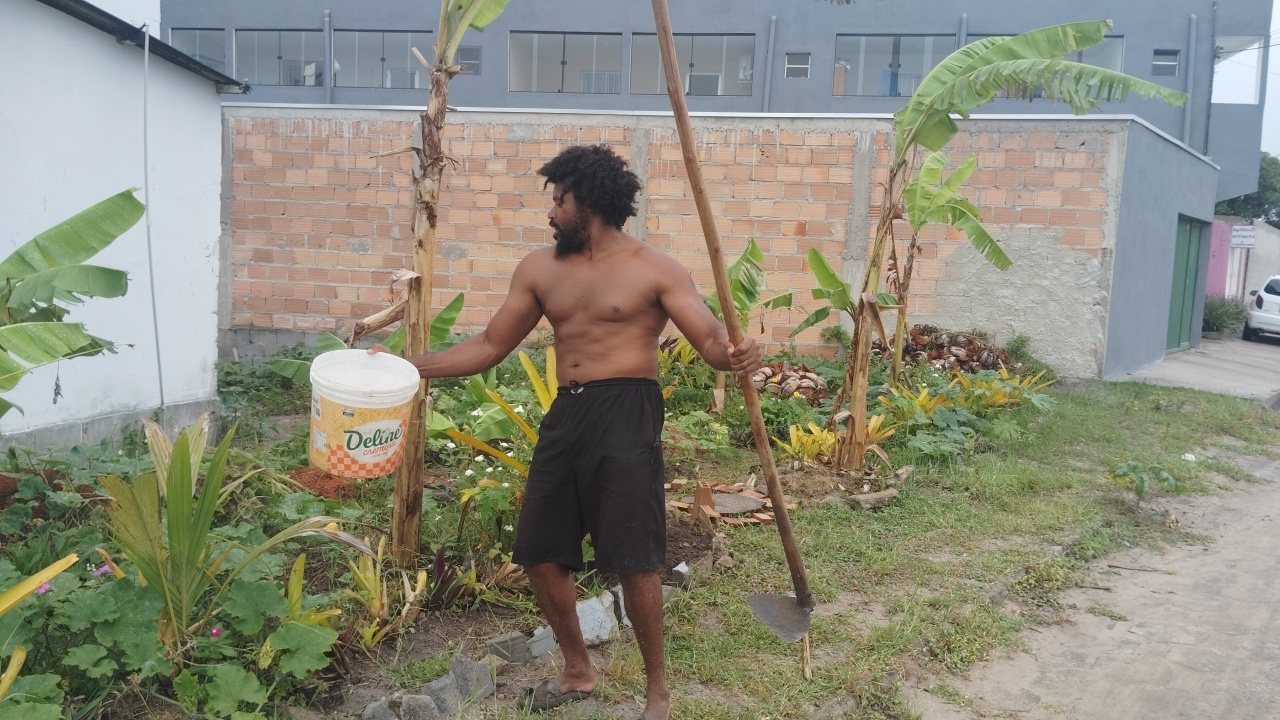
AgriGames Foodway begins with observation of plants and insects already living on the ground, then adds food crops, cover and habitat in places people pass. The Prado work has tracked bananas, pumpkin, papaya, coconut and watermelon while watching what shade, roots and fallen organic matter do in sandy soil. In the old world, productive land is often reduced to fenced acreage or tidy bare surfaces while cities lose the cooling and food value of living ground. Capacity earns +98.10 because the method connects production and habitat improvement with work the family has actually planted and documented.
Land Access & Spatial Freedom changed from 97.3 to 97.4. Review the recorded rails, explanation and source records below.
Land Access & Spatial Freedom
| Category field | Before | After |
|---|---|---|
| Published category score | 97.30 | 97.40 |
| Base category score | 97.30 | 97.40 |
| Capacity (25%) | 98.00 | 98.10 |
| Reach (35%) | 97.00 | 97.10 |
| Friction / Concentration (25%) | 96.00 | 96.10 |
| Return / Productive Ground (15%) | 99.00 | 99.10 |
Category point adjustment: +0.10 category points
Authored civilization benchmark target. Distributed nuclei begin with productive land and room to grow. This score expresses the intended Trott Bailey Family Civilization standard documented in the family body of work; it is not an empirical claim that every physical implementation is already complete.
Distributed nuclei begin with productive land and room to grow. This is a primary authored design source for the benchmark profile, not independent empirical evidence of nationwide outcomes.
AgriGames Foodway demonstrates a modest form of spatial return already visible in Prado: a walking edge can carry pumpkin, banana, papaya, shade and habitat rather than remain bare ground. The family's planting and soil observations show how use of space can multiply food and learning without needing the land to become a shop. In the old world, roadside margins are often mowed, paved or left unused while residents buy food grown elsewhere. Return earns +99.10 because the intended result is land that keeps giving life, including to the passerby who never held a deed.
Distributed founding nuclei allow service capacity to grow across different locations without requiring every household to move toward one expensive city center. The approach reduces the friction of distance by linking local food, family rooms, useful infrastructure and transport in each new neighborhood. Old-world development often clusters jobs and services far from affordable homes, producing commutes and land competition before the family has even begun its day. Friction earns +96.10 because geography is part of the design problem, with more places intended to become genuinely livable.
The Keslev building families bring housing, food, animal care and shared service bodies onto land that can serve both one compound and its neighbors. Families are meant to reach places to grow, walk, build and care for living things without a separate transaction for every use of space. In the old world, a person can be surrounded by fenced vacant lots and productive acreage yet have no lawful place to plant one fruit tree. Reach earns +97.10 because the land route is designed around actual family occupancy and use rather than a paper title alone.
Land is treated as a physical life resource rather than a financial prize, and the marriage-to-50-hectare standard gives new couples an explicit spatial foundation. Build-Life then connects that base to a principal home and usable household infrastructure, so the parcel is meant to hold food growing, rest, children and future development. In the old world, land may be abundant across a territory while most families can touch it only by paying rent, seeking a loan or waiting for officials. Capacity earns +98.10 because access is specified together with construction and continuing service, not left as a vague appeal for redistribution.
Justice, Safety & Institutional Friction changed from 97.3 to 97.4. Review the recorded rails, explanation and source records below.
Justice, Safety & Institutional Friction
| Category field | Before | After |
|---|---|---|
| Published category score | 97.30 | 97.40 |
| Base category score | 97.30 | 97.40 |
| Capacity (25%) | 98.00 | 98.10 |
| Reach (35%) | 97.00 | 97.10 |
| Friction (25%) | 96.00 | 96.10 |
| Return / Reliability (15%) | 99.00 | 99.10 |
Category point adjustment: +0.10 category points
Authored civilization benchmark target. The civilization authors explicit family, governance and public-life operating principles. This score expresses the intended Trott Bailey Family Civilization standard documented in the family body of work; it is not an empirical claim that every physical implementation is already complete.
The civilization authors explicit family, governance and public-life operating principles. This is a primary authored design source for the benchmark profile, not independent empirical evidence of nationwide outcomes.
Pacorips' constitutional foundations make records, appeals and the history of decisions part of institutional memory so a recurring harm need not be rediscovered from nothing. A family should get a correction that lasts, with what went wrong visible enough to improve the next decision and protect the next household. Old-world disputes may end with a narrow case closure while the same underlying problem returns for other people. Return earns +99.10 because justice is designed to produce safer future living and repaired systems, not simply another closed file.
The change-of-course doctrine rejects avoidable administrative delay, unnecessary permission steps and power used to block good people from useful life resources. That approach reduces friction by allowing genuine safety gates while requiring a clear reason for a barrier that keeps families from food, land or care. In the old world, a family can satisfy one office only to be sent to another office for another form, fee or appointment. Friction earns +96.10 because the authored rule makes practical protection and quick correction more important than preserving bureaucracy for its own sake.
The core worldview places protection of life and families ahead of institutional performance or a person's ability to hire representation. A child, parent or resident should be able to reach help when an actual problem appears, including when the evidence concerns someone with power. Old-world access to justice can depend on legal fees, work leave, transport and the confidence to navigate complex forms. Reach earns +97.10 because the system specifies an open accountability route for ordinary families, with the duty to hear evidence extending upward through government.
The civilization's governing route allows evidence against its own rulers and sets out a same-day hearing principle, keeping accountability close to the person reporting the problem. Responsibility is assigned to a recognizable head of governance while families retain a route for presenting real harm and asking for correction. In the old world, complaints can travel through lawyers, offices and waiting lists for months while an affected household carries the consequences. Capacity earns +98.10 because the standard describes who answers, how evidence can be heard and why delay is itself a safety problem.
International Accessibility, Migration & Human Welcome changed from 97.4 to 97.5. Review the recorded rails, explanation and source records below.
International Accessibility, Migration & Human Welcome
| Category field | Before | After |
|---|---|---|
| Published category score | 97.40 | 97.50 |
| Base category score | 97.40 | 97.50 |
| Entry Accessibility (25%) | 98.00 | 98.10 |
| Migrant Practical Life (30%) | 97.00 | 97.10 |
| Refugee / Neighbour Welcome (25%) | 96.00 | 96.10 |
| Flexibility / Continuity (20%) | 99.00 | 99.10 |
Category point adjustment: +0.10 category points
Authored civilization benchmark target. Human movement is designed around care rather than payment gates. This score expresses the intended Trott Bailey Family Civilization standard documented in the family body of work; it is not an empirical claim that every physical implementation is already complete.
Human movement is designed around care rather than payment gates. This is a primary authored design source for the benchmark profile, not independent empirical evidence of nationwide outcomes.
The civilization's purpose-first approach is meant to give a newcomer continuity in home, care and service while their family grows and their talents find useful work. What returns is a stable household that can learn, travel, contribute and form relationships without having to rebuild access to basic life at every move. In the old world, migrants can lose work permission, services or rental security when their status or income changes. Continuity earns +99.10 because the membership model ties lasting access to human life and responsible participation rather than an endless series of purchases.
LuvYou Care-Ports make travel and reception easier for parents with small children by placing baby supplies, rest, servicing and belongings transfer along the journey. The route removes some of the friction that makes crossing a region or border hardest for a household carrying infants, clothes and food. In the old world, baggage charges, infant equipment, transport changes and housing uncertainty can turn relocation into an exhausting chain of paid problems. Refugee and newcomer friction earns +96.10 because the receiving services are designed for real family bodies rather than assuming each traveler arrives alone with money.
The Orchard Guild Ring gives incoming people a place in practical local abundance, where growing, harvest and shared food can form a common activity across different backgrounds. Families arriving from elsewhere should reach useful spaces, contribution opportunities and fresh food as members of daily community life, not remain dependent on commercial status. Old-world migration can place new arrivals far from land, skills networks and public green space even when their talents are ready to help. Practical reach earns +97.10 because participation and nourishment are designed as ways to belong from the beginning.
The civilization invites people into a complete family-and-service order, with terms of membership and practical support defined rather than leaving international entry to scattered private markets. The welcome route is connected to free housing, food, health care and travel so arrival can become useful living once a family is accepted. In the old world, a newcomer may clear immigration rules and still struggle to rent a home, insure health, find childcare and survive before a first paycheck. Entry capacity earns +98.10 because the invitation is paired with the civilization's broader reception and living systems.
Human Time & Burden Return changed from 97.3 to 97.4. Review the recorded rails, explanation and source records below.
Human Time & Burden Return
| Category field | Before | After |
|---|---|---|
| Published category score | 97.30 | 97.40 |
| Base category score | 97.30 | 97.40 |
| Capacity (25%) | 98.00 | 98.10 |
| Reach (35%) | 97.00 | 97.10 |
| Friction (25%) | 96.00 | 96.10 |
| Return / Regeneration (15%) | 99.00 | 99.10 |
Category point adjustment: +0.10 category points
Authored civilization benchmark target. Human time is returned to family life. This score expresses the intended Trott Bailey Family Civilization standard documented in the family body of work; it is not an empirical claim that every physical implementation is already complete.
Human time is returned to family life. This is a primary authored design source for the benchmark profile, not independent empirical evidence of nationwide outcomes.
The return from a useful task is supposed to appear in the living day: spouses together, children close enough to learn, rested bodies and time to plant, repair, explore or simply enjoy one another. The Human Life record treats these hours as a direct civilization result, and the family's Prado Foodway shows children observing plants and participating while food work is underway. The old-world paycheck may arrive after long hours away from home and still leave parents too tired to make much use of their evening. Return earns +99.10 because the authored purpose is time and life given back at the household level, with future diaries of work, rest and family activity able to show the gain in practice.
The friction economy here names wasted human effort as a problem to be solved, including needless travel, repeated paperwork, waiting for permission and work schedules that pull parents apart. Shubaka's small rotations and the civilization's free food, housing and care routes remove the pressure to accept exhausting hours merely to keep access to basics. In many old-world households a parent must juggle school pickup, childcare costs and extra shifts around an employer's timetable, even when society has machines and spare capacity. Friction earns +96.10 because the design attacks these connected sources of pressure together, while the remaining practical work is to make every route and rotation run reliably.
Automation is meant to return hours to people: when a machine takes over repeated labor, the family is meant to get the saved time rather than receive another task to fill the day. Shubaka remains a short, shared contribution that parents can organize around children, household care and the changing seasons, so reach begins with the person whose hours have been recovered. Old-world productivity often grows while staff still clock a fixed shift, commute through traffic and use their evenings to catch up on the work of living. Reach earns +97.10 for tying a clear entitlement to shorter service and family time to the same system that adds mechanical capacity, with expansion measured by what households actually receive.
Shubaka gives human work a bounded place in family life: a few useful hours on a few days each week, with rotations and restoration seasons rather than a lifetime of full-time attendance. The Human Time and Rest Doctrine puts useful contribution beside marriage, childcare, food growing and time to enjoy the world, so capacity is measured by tasks completed and burden removed. In the old world, many adults spend eight or more hours at work, work six days in some occupations or take additional jobs to keep food and housing paid for, leaving the household to fit around the job. Capacity earns +98.10 because the civilization has a specific shorter contribution standard and coordination through Shubaka, freeing the remaining hours for life rather than making a wage shift the admission ticket.
Housing, Shelter & Housing Reach changed from 97.3 to 97.4. Review the recorded rails, explanation and source records below.
Housing, Shelter & Housing Reach
| Category field | Before | After |
|---|---|---|
| Published category score | 97.30 | 97.40 |
| Base category score | 97.30 | 97.40 |
| Capacity (25%) | 98.00 | 98.10 |
| Reach (35%) | 97.00 | 97.10 |
| Friction (25%) | 96.00 | 96.10 |
| Return / Durability (15%) | 99.00 | 99.10 |
Category point adjustment: +0.10 category points
Authored civilization benchmark target. Family-scale housing is treated as civilization infrastructure. This score expresses the intended Trott Bailey Family Civilization standard documented in the family body of work; it is not an empirical claim that every physical implementation is already complete.
Family-scale housing is treated as civilization infrastructure. This is a primary authored design source for the benchmark profile, not independent empirical evidence of nationwide outcomes.
The Fruit-Pod Pantry makes stored food visible, reachable and learnable for children while keeping it connected to the kitchen and growing spaces. A family home can therefore return more than protection from rain: it can give parents ease, children independence, and food a clean route from harvest through storage to meals. In many old-world homes, cluttered cupboards and distant pantries make food preparation yet another invisible job, often added to a parent's workday. Return earns +99.10 because the designed rooms themselves carry part of the household's daily labor and help family members use the time and supplies already available.
The Five Building Families of Keslev separate construction bodies and service arrangements so the family does not become the unpaid manager of every fault in its home. A damaged fitting, wet play area or overloaded laundry route should meet a built-in repair and return path rather than taking an entire parent day to sort out. The old world routinely leaves families to find contractors, pay unexpected bills, carry materials and endure disruption even after the home was expensive to acquire. Friction earns +96.10 because the distinct building and maintenance bodies anticipate ordinary wear, awkward tasks and child safety as parts of the housing service.
The civilization's married-family route provides a 50-hectare base and a principal home through Build-Life, with temporary marriage homes available during construction and later service support. Parents should reach a home by their place in family life, while Mother-Sight spaces keep babies, play, meals, washing and quiet rest within an easy family circuit. In ordinary property markets, a young couple can spend years saving a deposit, seeking a mortgage or paying rent while delaying the home they need for children. Reach earns +97.10 because the route specifies who receives land and housing, what the home does for children and how the transition is supported without a purchase gate.
Mother-Sight architecture begins with the work a family actually does, placing a kitchen spine, child activity courts, rest rooms, laundry reset and edible courtyard into one coordinated home. The cuff-pod and gill arrangement sends wet, dirty and maintenance tasks to the right edges, reducing the constant carrying and backtracking that can make an ordinary house tiring. In the old world, families often pay heavily for a house that still forces parents to supervise children from another room and improvise storage, washing and repairs. Housing capacity earns +98.10 because this is a worked-through species of family-support architecture, not merely a promise to hand over four walls.
Health & Care Reach changed from 97.3 to 97.4. Review the recorded rails, explanation and source records below.
Health & Care Reach
| Category field | Before | After |
|---|---|---|
| Published category score | 97.30 | 97.40 |
| Base category score | 97.30 | 97.40 |
| Capacity (25%) | 98.00 | 98.10 |
| Reach (35%) | 97.00 | 97.10 |
| Friction (25%) | 96.00 | 96.10 |
| Return / Prevention (15%) | 99.00 | 99.10 |
Category point adjustment: +0.10 category points
Authored civilization benchmark target. Care is designed around family reach, prevention and neighborhood access. This score expresses the intended Trott Bailey Family Civilization standard documented in the family body of work; it is not an empirical claim that every physical implementation is already complete.
Care is designed around family reach, prevention and neighborhood access. This is a primary authored design source for the benchmark profile, not independent empirical evidence of nationwide outcomes.
The promised return from health systems is more living health: babies fed, mothers supported, children recovering, elders remaining active and families spending less time in distress. The civilization's care design keeps clinical skill tied to food, rest, washing, shelter and parental relief rather than sending people back to conditions that recreate the problem. In the old world, a hospital may complete the procedure while a family is left to manage unpaid leave, transport, equipment and home recovery alone. Return earns +99.10 because continuing family support is part of the intended outcome, alongside clinical safety and treatment quality.
Parental support removes health friction before the hospital visit: a family needs clean food, safe water, a usable home, washing help and childcare while someone recovers. Tideechi's directed water, safe floors, trained assistance and familiarization are meant to make maternity care less frightening and easier to use. Old-world parents can spend hours booking visits, finding transport and arranging who will mind their other children before treatment even begins. Friction earns +96.10 because the care route deliberately includes the work around treatment that ordinary medical statistics miss.
The civilization's care commitment runs from pregnancy through childhood, adulthood and old age without charging at the doorway to treatment. Tideechi pairs the mother's relief room with a place for the family to remain close until discharge, while more complex cases move into the larger medical network. In many old-world systems, coverage depends on employment, insurance categories, co-payments or whether a service is available in one's district. Reach earns +97.10 because the family stays inside the care design rather than becoming a visitor excluded by payment or paperwork.
Health Upon Health arranges prevention, nutrition, sanitation, dentistry, pediatrics, maternity care and emergency response as connected capabilities rather than isolated paid appointments. The Tideechi neighborhood birth setting, family room and higher-level DeMassa emergency route show how different levels of care are meant to meet one another. Old-world health capacity can be impressive on paper while parents still pay, travel far or wait for a specialist before a child receives treatment. Capacity earns +98.10 because the civilization names the facilities, family arrangements and referral path required to make care function as a system.
Food, Nourishment & Free Food Abundance changed from 97.3 to 97.4. Review the recorded rails, explanation and source records below.
Food, Nourishment & Free Food Abundance
| Category field | Before | After |
|---|---|---|
| Published category score | 97.30 | 97.40 |
| Base category score | 97.30 | 97.40 |
| Capacity (25%) | 98.00 | 98.10 |
| Reach (35%) | 97.00 | 97.10 |
| Friction / Waste (25%) | 96.00 | 96.10 |
| Return / Multiplication (15%) | 99.00 | 99.10 |
Category point adjustment: +0.10 category points
Authored civilization benchmark target. Food abundance includes free edible routes and living production. This score expresses the intended Trott Bailey Family Civilization standard documented in the family body of work; it is not an empirical claim that every physical implementation is already complete.
Food abundance includes free edible routes and living production. This is a primary authored design source for the benchmark profile, not independent empirical evidence of nationwide outcomes.
The Orchard Guild Ring treats edible beauty and nourishment as a continuing public landscape, where planting, harvesting, soil care and family walking belong together. The lasting return is fresh food today and plants, soils, knowledge and seeds that can keep producing after one harvest has been eaten. Old-world food purchases normally end with a receipt, while the family's next meal depends on another trip and another payment. Return earns +99.10 because each useful orchard is designed to restore capacity for tomorrow and let children grow up inside the food system itself.
Pacorips food reporting is meant to tell people what is growing, nearing harvest, ready to prepare and actually available, giving growers and families useful notice before shortage or spoilage develops. That coordination lowers the friction of arriving after supplies are gone, guessing what will be ready and throwing away food because useful information arrived too late. Old-world shoppers often travel from store to store, compare prices and buy heavily packaged food while useful nearby harvests remain poorly connected to meals. Friction earns +96.10 because the food-truth system is written around honest visibility, freshness and routing, rather than using abundance as an empty slogan.
Keslev places orchards, harvest collection, preparation and meal circulation near homes so a child or elder can reach food without entering a price negotiation. Food is meant to be available along ordinary family routes, with prepared meals and fresh produce connected rather than separated into disconnected private transactions. In the old world, people can live close to productive land, supermarkets or restaurants and still be excluded from a meal when cash runs short. Reach earns +97.10 because the design names the recipients and builds the growing, cooking and sharing paths around everyday human movement.
AgriGames Foodway turns land beside everyday walking routes into places for banana, pumpkin, watermelon, papaya, coconut, tomato and other living food instead of treating nutrition as a shop-only product. In Prado the family has observed exposed sand, leaf litter, roots, shade and crop performance, then planted to create more productive habitat. Old-world food capacity is often counted at farms and markets even when a hungry person cannot eat without enough money at the till. Capacity earns +98.10 because the Foodway joins food production, public access, ecological observation and practical family learning in one reproducible growing method.
Family Formation, Continuity & Child Stability changed from 97.3 to 97.4. Review the recorded rails, explanation and source records below.
Family Formation, Continuity & Child Stability
| Category field | Before | After |
|---|---|---|
| Published category score | 97.30 | 97.40 |
| Base category score | 97.30 | 97.40 |
| Capacity (25%) | 98.00 | 98.10 |
| Reach (35%) | 97.00 | 97.10 |
| Friction (25%) | 96.00 | 96.10 |
| Return / Continuity (15%) | 99.00 | 99.10 |
Category point adjustment: +0.10 category points
Authored civilization benchmark target. Marriage and family continuity are deliberately supported. This score expresses the intended Trott Bailey Family Civilization standard documented in the family body of work; it is not an empirical claim that every physical implementation is already complete.
Marriage and family continuity are deliberately supported. This is a primary authored design source for the benchmark profile, not independent empirical evidence of nationwide outcomes.
Human Life treats thriving marriage, children, health, rest and the ability to enjoy a day together as core measures of civilization. The return from the family's support network is therefore visible in time with a spouse, easier parenting, children learning and a household stable enough to welcome its next season. Old-world family programmes may offer a one-time payment while leaving housing, travel, maternity care and the work schedule unchanged. Return earns +99.10 because the designed supports stay with the family through life instead of ending at the ceremony or birth.
The Mother-Sight compound answers ordinary marital and parenting friction with rooms that keep children visible, food close, laundry returning and noisy activities away from rest. That practical architecture supports the couple's bond because housework and childcare stop consuming every shared hour in badly arranged spaces. In the old world, partners can return from long shifts to a second shift of cooking, cleaning, bathing and sorting children's things. Friction earns +96.10 because the home itself takes responsibility for making these repeated duties easier and less divisive.
The parental-support standard is meant to include mothers, fathers and children in working care, from pregnancy and baby supplies through child-safe spaces and daily relief. A parent can reach help through the neighborhood systems and family house rather than having to prove exhaustion or purchase a limited package of childcare hours. Old-world households often depend on one adult leaving employment, paying a sitter or leaning on an already overworked relative to manage basic parenting. Reach earns +97.10 because relief belongs to family life as a continuing service, including when a mother and father are raising children together.
Courtship and marriage have a complete authored route, with serious matching, family involvement, private hand-joining, public presentation and a practical handoff into married life. The wider system also supplies housing, land, household services and family time so marriage is followed by a place to live rather than another queue for basic resources. In the old world, couples may delay commitment or children because they are expected to secure a deposit, job stability and expensive living arrangements first. Capacity earns +98.10 because the civilization joins relationship formation with the material support a new household actually needs.
External Footprint & Non-Extractive Global Conduct changed from 97.2 to 97.3. Review the recorded rails, explanation and source records below.
External Footprint & Non-Extractive Global Conduct
| Category field | Before | After |
|---|---|---|
| Published category score | 97.20 | 97.30 |
| Base category score | 97.20 | 97.30 |
| Positive Contribution (25%) | 98.00 | 98.10 |
| Mutuality / Local Benefit (25%) | 97.00 | 97.10 |
| Documented Harm / Extraction (35%) | 96.00 | 96.10 |
| Accountability / Repair (15%) | 99.00 | 99.10 |
Category point adjustment: +0.10 category points
Authored civilization benchmark target. Expansion is designed as distributed capability-building rather than one copied center. This score expresses the intended Trott Bailey Family Civilization standard documented in the family body of work; it is not an empirical claim that every physical implementation is already complete.
Expansion is designed as distributed capability-building rather than one copied center. This is a primary authored design source for the benchmark profile, not independent empirical evidence of nationwide outcomes.
The questions raised about Trott Bailey Family thinking return to a practical test: after the civilization acts, are people healthier, land recovering and families more capable of living together. An outward project should leave places with growing food, useful water, knowledge, maintained equipment and greater freedom, not a new obligation to send value back to a distant owner. Old-world expansion sometimes leaves communities managing pollution, debt or broken infrastructure long after the investor has gone. Return earns +99.10 because the authored standard judges influence by durable life left behind and the ability of local people to carry it forward.
Trott Bailey Kingdom Systems connect settlement, care, food, transport, maintenance and learning so help beyond a founding community can arrive as functioning systems rather than disconnected donations. That reduces the friction of receiving machines without training, buildings without staffing or supplies without a route for repair. In the old world, large projects may be launched with funding headlines and then struggle because a local household cannot operate or maintain what was delivered. Friction earns +96.10 because the architecture treats local adoption, skills and ongoing service as parts of the same external responsibility.
Abundance Theory measures what multiplies in life: healthy soil, less human burden, food, skills, species and time rather than GDP and money transactions alone. The benefits of a productive organ are meant to reach people and ecosystems beyond the immediate builders as knowledge and capacity are shared. Old-world economic success can rise on paper even while land degrades or families lose time, because cash turnover does not capture every living result. Reach earns +97.10 because the civilization's external standard asks what life others actually gain from the work it spreads.
Distributed founding nuclei describe a way to grow the civilization through working local settlements and service capacities rather than centralizing every household in a single distant power center. Each place is meant to build food, water, living ground, homes and useful work suited to its actual people and terrain. In the old world, development can extract workers, materials and food from one region while the lasting benefit gathers somewhere else. Capacity earns +98.10 because the outward design begins with usable local life and an explicit network for growing it in more than one place.
Energy & Household Capability changed from 97.3 to 97.4. Review the recorded rails, explanation and source records below.
Energy & Household Capability
| Category field | Before | After |
|---|---|---|
| Published category score | 97.30 | 97.40 |
| Base category score | 97.30 | 97.40 |
| Capacity (25%) | 98.00 | 98.10 |
| Reach (35%) | 97.00 | 97.10 |
| Friction (25%) | 96.00 | 96.10 |
| Return / Burden Removed (15%) | 99.00 | 99.10 |
Category point adjustment: +0.10 category points
Authored civilization benchmark target. Energy capability is designed to remove household and civilization burden. This score expresses the intended Trott Bailey Family Civilization standard documented in the family body of work; it is not an empirical claim that every physical implementation is already complete.
Energy capability is designed to remove household and civilization burden. This is a primary authored design source for the benchmark profile, not independent empirical evidence of nationwide outcomes.
Making the world truly productive means machines return useful living time, food preservation, clean water and manageable household work rather than merely increasing commercial output. Reliable family energy would make nights safer, keep food usable and allow support systems to do their jobs during illness or a busy parenting day. In the old world, a bigger energy market can coexist with stressed household budgets and equipment that becomes useless the moment a bill is unpaid. Return earns +99.10 because electricity is judged by the dependable life it enables, not by the volume sold through a meter.
Water With Life shows that power demand is also a design question: shade, planted ground, water routes and well-planned household spaces can reduce unnecessary cooling, hauling and mechanical work. The civilization therefore removes friction by managing what energy must do before building costly layers of generation to compensate for waste. Old-world houses frequently need fans, pumps and air conditioning to repair problems caused by unshaded surfaces and poorly arranged water or ventilation. Friction earns +96.10 because the household, land and utility designs are meant to prevent needless demand alongside providing supply.
Civilization begins with purpose and usable resources, so electricity is routed to refrigeration, water, cooking, communications, cooling and care as an ordinary family service. A family should be able to use those functions when it needs them without a bill standing between the appliance and the task. Old-world energy support commonly reaches only eligible households, temporary subsidy periods or people who can keep up with monthly payments. Reach earns +97.10 because the civilization's access rule applies across routine household needs instead of dividing life into utilities a family may or may not afford.
The Solar Moon Panel research explores ordinary daytime photovoltaic collection together with a thermoradiative night-time idea, expanding the questions asked about how a household could make and use energy. This is a proposed technical pathway and its output still needs testing, but the work gives the civilization a named direction for generation and night supply rather than a vague wish. The old-world household usually receives electricity as a metered service and pays whether the energy is used for a child's meal, washing or urgent care. Capacity earns +98.10 for linking an authored energy research programme to the broader requirement that necessary household systems stay supplied.
Education & Human Capability changed from 97.3 to 97.4. Review the recorded rails, explanation and source records below.
Education & Human Capability
| Category field | Before | After |
|---|---|---|
| Published category score | 97.30 | 97.40 |
| Base category score | 97.30 | 97.40 |
| Capacity (25%) | 98.00 | 98.10 |
| Reach (35%) | 97.00 | 97.10 |
| Friction (25%) | 96.00 | 96.10 |
| Return / Capability (15%) | 99.00 | 99.10 |
Category point adjustment: +0.10 category points
Authored civilization benchmark target. NoDumbDumbs develops understanding and practical human capability. This score expresses the intended Trott Bailey Family Civilization standard documented in the family body of work; it is not an empirical claim that every physical implementation is already complete.
NoDumbDumbs develops understanding and practical human capability. This is a primary authored design source for the benchmark profile, not independent empirical evidence of nationwide outcomes.
When automation removes repetitive tasks, the time released can be used to learn music, engineering, planting, caring, building or another skill that enlarges a person's useful freedom. NoDumbDumbs encourages skills that work in households and shared systems, so the return appears in more capable adults and children rather than a pile of certificates. In the old world, many workers retrain at night after a full shift and still struggle to find practical space to use their new knowledge. Return earns +99.10 because education is designed to keep creating capability throughout life, with free time available to exercise it.
Pacorips is written as a coordination and learning system, not a device that grades a child or citizen's worth through social-credit points. It can make capacity and knowledge visible without turning every mistake into an institutional mark that follows a person for life. Old-world learners may accumulate exams, applications, fees, debt and credentials before being permitted to try work they could learn by doing. Friction earns +96.10 because the learning route removes artificial permission gates while retaining the need for real safety and competence.
The NoDumbDumbs physical standard describes places where children can move, experiment, make a mess safely, wash, put things back and return to their projects. Families should be able to reach tools, living study areas and capable helpers without purchasing a private school seat or an extra after-school programme. In the old world, the quality of a child's learning space can depend heavily on family income, commute distance and the school catchment area. Reach earns +97.10 because the authored facilities make useful materials and practical participation part of daily childhood access.
NoDumbDumbs builds learning around children asking questions, handling materials, growing things, making objects and seeing useful adults at work. The system gives physical play, practical study and skill exploration a home inside the living civilization rather than separating learning from ordinary capability. Old-world education often concentrates children in classrooms for fixed hours and measures the completed worksheet more readily than the useful thing understood or built. Capacity earns +98.10 because NoDumbDumbs has an authored learning method and places for it to operate, not just a promise of free lessons.
Durability, Repair & Material Return changed from 97.3 to 97.4. Review the recorded rails, explanation and source records below.
Durability, Repair & Material Return
| Category field | Before | After |
|---|---|---|
| Published category score | 97.30 | 97.40 |
| Base category score | 97.30 | 97.40 |
| Capacity (25%) | 98.00 | 98.10 |
| Reach (35%) | 97.00 | 97.10 |
| Friction / Waste (25%) | 96.00 | 96.10 |
| Return / Circularity (15%) | 99.00 | 99.10 |
Category point adjustment: +0.10 category points
Authored civilization benchmark target. Repair, clean return and maintained capability are civilization functions. This score expresses the intended Trott Bailey Family Civilization standard documented in the family body of work; it is not an empirical claim that every physical implementation is already complete.
Repair, clean return and maintained capability are civilization functions. This is a primary authored design source for the benchmark profile, not independent empirical evidence of nationwide outcomes.
The principle of building beauty that can be maintained applies to furnishings, walls, public places, tools and food service objects over many years. Materials should return through repair, drying, reuse or biological cycles instead of becoming expensive waste whenever a fashion changes or one part breaks. In the old world, a cracked fitting or outdated appliance can trigger disposal of the whole unit and another purchase. Return earns +99.10 because useful material life is meant to multiply through care and design, with less new extraction required for the next round of living.
Civilization fashion is infrastructure: garments are authored to fit daily activities and climate, with fabric care, repair, return and replacement arranged as services rather than repeated shopping trips. Good footwear and children's clothing should be obtainable and maintainable without each growth spurt turning into another household budget crisis. In the old world, fast fashion makes purchase easy while seams, shoes and textiles become rubbish long before their materials are exhausted. Friction earns +96.10 because supply and repair are designed together, easing both the family's work and the loss of material value.
Pacorips food truth can tell people where a harvest, meal or useful stock is going before it becomes stale or gets abandoned in a distant storeroom. That knowledge reaches households and service teams with a chance to use surplus appropriately, not only to count losses after disposal. In the old world, edible products may be thrown away at shops or homes while other families cannot afford fresh food nearby. Reach earns +97.10 because visible stock, honest freshness information and family access turn material stewardship into a daily shared service.
Krubaro assigns a return path for food scraps, rinse water, containers, cloths, ash and household materials before they become piles that someone must sort later. Its kitchen and household organs connect cleaning, reuse, composting and storage to where the materials actually arise. In the old world, families regularly buy disposable packaging, fill rubbish bins and pay again for collections, replacements and cleaning supplies. Capacity earns +98.10 because the material-return design has named categories and routes for useful things that conventional waste systems often discard.
Money Gate (separate 20-point gate) supporting evidence, citations, notes or rails changed without changing the category total.
Money Gate (separate 20-point gate)
| Category field | Before | After |
|---|---|---|
| Published category score | 20.00 | 20.00 |
Category point adjustment: 0.00 category points
The evidence explanation changed; the category score stayed the same.
Transitional proxy or benchmark; no invented five-part direct audit.
Published evidence, observations or country data changed. The headline score did not materially change in this update.
Trott Bailey Family Civilization score revision: 64 of 69 scored fields updated. Previous readings retained for restoration.
National points: 97.30 → 97.40; Rank: — → —
No individual archived source links were captured for this observation.
Water & Sanitation Abundance changed from 97.3 to 97.4. Review the recorded rails, explanation and source records below.
Water & Sanitation Abundance
| Category field | Before | After |
|---|---|---|
| Published category score | 97.30 | 97.40 |
| Base category score | 97.30 | 97.40 |
| Capacity (25%) | 98.00 | 98.10 |
| Reach (35%) | 97.00 | 97.10 |
| Friction / Loss (25%) | 96.00 | 96.10 |
| Return / Regeneration (15%) | 99.00 | 99.10 |
Category point adjustment: +0.10 category points
Authored civilization benchmark target. Water is designed as distributed life infrastructure. This score expresses the intended Trott Bailey Family Civilization standard documented in the family body of work; it is not an empirical claim that every physical implementation is already complete.
Water is designed as distributed life infrastructure. This is a primary authored design source for the benchmark profile, not independent empirical evidence of nationwide outcomes.
Water is designed as distributed life infrastructure. This is a primary authored design source for the benchmark profile, not independent empirical evidence of nationwide outcomes.
Peace of Mind, Happiness, Beauty & Delight changed from 97.3 to 97.4. Review the recorded rails, explanation and source records below.
Peace of Mind, Happiness, Beauty & Delight
| Category field | Before | After |
|---|---|---|
| Published category score | 97.30 | 97.40 |
| Base category score | 97.30 | 97.40 |
| Capacity (25%) | 98.00 | 98.10 |
| Reach (35%) | 97.00 | 97.10 |
| Friction (25%) | 96.00 | 96.10 |
| Return / Delight (15%) | 99.00 | 99.10 |
Category point adjustment: +0.10 category points
Authored civilization benchmark target. Beauty, public delight and family comfort are infrastructure. This score expresses the intended Trott Bailey Family Civilization standard documented in the family body of work; it is not an empirical claim that every physical implementation is already complete.
Beauty, public delight and family comfort are infrastructure. This is a primary authored design source for the benchmark profile, not independent empirical evidence of nationwide outcomes.
Beauty, public delight and family comfort are infrastructure. This is a primary authored design source for the benchmark profile, not independent empirical evidence of nationwide outcomes.
Mobility & Reachability changed from 97.3 to 97.4. Review the recorded rails, explanation and source records below.
Mobility & Reachability
| Category field | Before | After |
|---|---|---|
| Published category score | 97.30 | 97.40 |
| Base category score | 97.30 | 97.40 |
| Capacity (25%) | 98.00 | 98.10 |
| Reach (35%) | 97.00 | 97.10 |
| Friction (25%) | 96.00 | 96.10 |
| Return / Time (15%) | 99.00 | 99.10 |
Category point adjustment: +0.10 category points
Authored civilization benchmark target. Caterport and LuvYou Care-Port organize free family-first movement. This score expresses the intended Trott Bailey Family Civilization standard documented in the family body of work; it is not an empirical claim that every physical implementation is already complete.
Caterport and LuvYou Care-Port organize free family-first movement. This is a primary authored design source for the benchmark profile, not independent empirical evidence of nationwide outcomes.
Caterport and LuvYou Care-Port organize free family-first movement. This is a primary authored design source for the benchmark profile, not independent empirical evidence of nationwide outcomes.
Living Ground, Biodiversity & Resilience changed from 97.3 to 97.4. Review the recorded rails, explanation and source records below.
Living Ground, Biodiversity & Resilience
| Category field | Before | After |
|---|---|---|
| Published category score | 97.30 | 97.40 |
| Base category score | 97.30 | 97.40 |
| Capacity (25%) | 98.00 | 98.10 |
| Reach / Ecological Function (35%) | 97.00 | 97.10 |
| Friction / Loss (25%) | 96.00 | 96.10 |
| Return / Regeneration (15%) | 99.00 | 99.10 |
Category point adjustment: +0.10 category points
Authored civilization benchmark target. Living ground is strengthened through Life upon Life field practice. This score expresses the intended Trott Bailey Family Civilization standard documented in the family body of work; it is not an empirical claim that every physical implementation is already complete.
Living ground is strengthened through Life upon Life field practice. This is a primary authored design source for the benchmark profile, not independent empirical evidence of nationwide outcomes.
Living ground is strengthened through Life upon Life field practice. This is a primary authored design source for the benchmark profile, not independent empirical evidence of nationwide outcomes.
Land Access & Spatial Freedom changed from 97.3 to 97.4. Review the recorded rails, explanation and source records below.
Land Access & Spatial Freedom
| Category field | Before | After |
|---|---|---|
| Published category score | 97.30 | 97.40 |
| Base category score | 97.30 | 97.40 |
| Capacity (25%) | 98.00 | 98.10 |
| Reach (35%) | 97.00 | 97.10 |
| Friction / Concentration (25%) | 96.00 | 96.10 |
| Return / Productive Ground (15%) | 99.00 | 99.10 |
Category point adjustment: +0.10 category points
Authored civilization benchmark target. Distributed nuclei begin with productive land and room to grow. This score expresses the intended Trott Bailey Family Civilization standard documented in the family body of work; it is not an empirical claim that every physical implementation is already complete.
Distributed nuclei begin with productive land and room to grow. This is a primary authored design source for the benchmark profile, not independent empirical evidence of nationwide outcomes.
Distributed nuclei begin with productive land and room to grow. This is a primary authored design source for the benchmark profile, not independent empirical evidence of nationwide outcomes.
Justice, Safety & Institutional Friction changed from 97.3 to 97.4. Review the recorded rails, explanation and source records below.
Justice, Safety & Institutional Friction
| Category field | Before | After |
|---|---|---|
| Published category score | 97.30 | 97.40 |
| Base category score | 97.30 | 97.40 |
| Capacity (25%) | 98.00 | 98.10 |
| Reach (35%) | 97.00 | 97.10 |
| Friction (25%) | 96.00 | 96.10 |
| Return / Reliability (15%) | 99.00 | 99.10 |
Category point adjustment: +0.10 category points
Authored civilization benchmark target. The civilization authors explicit family, governance and public-life operating principles. This score expresses the intended Trott Bailey Family Civilization standard documented in the family body of work; it is not an empirical claim that every physical implementation is already complete.
The civilization authors explicit family, governance and public-life operating principles. This is a primary authored design source for the benchmark profile, not independent empirical evidence of nationwide outcomes.
The civilization authors explicit family, governance and public-life operating principles. This is a primary authored design source for the benchmark profile, not independent empirical evidence of nationwide outcomes.
International Accessibility, Migration & Human Welcome changed from 97.4 to 97.5. Review the recorded rails, explanation and source records below.
International Accessibility, Migration & Human Welcome
| Category field | Before | After |
|---|---|---|
| Published category score | 97.40 | 97.50 |
| Base category score | 97.40 | 97.50 |
| Entry Accessibility (25%) | 98.00 | 98.10 |
| Migrant Practical Life (30%) | 97.00 | 97.10 |
| Refugee / Neighbour Welcome (25%) | 96.00 | 96.10 |
| Flexibility / Continuity (20%) | 99.00 | 99.10 |
Category point adjustment: +0.10 category points
Authored civilization benchmark target. Human movement is designed around care rather than payment gates. This score expresses the intended Trott Bailey Family Civilization standard documented in the family body of work; it is not an empirical claim that every physical implementation is already complete.
Human movement is designed around care rather than payment gates. This is a primary authored design source for the benchmark profile, not independent empirical evidence of nationwide outcomes.
Human movement is designed around care rather than payment gates. This is a primary authored design source for the benchmark profile, not independent empirical evidence of nationwide outcomes.
Human Time & Burden Return changed from 97.3 to 97.4. Review the recorded rails, explanation and source records below.
Human Time & Burden Return
| Category field | Before | After |
|---|---|---|
| Published category score | 97.30 | 97.40 |
| Base category score | 97.30 | 97.40 |
| Capacity (25%) | 98.00 | 98.10 |
| Reach (35%) | 97.00 | 97.10 |
| Friction (25%) | 96.00 | 96.10 |
| Return / Regeneration (15%) | 99.00 | 99.10 |
Category point adjustment: +0.10 category points
Authored civilization benchmark target. Human time is returned to family life. This score expresses the intended Trott Bailey Family Civilization standard documented in the family body of work; it is not an empirical claim that every physical implementation is already complete.
Human time is returned to family life. This is a primary authored design source for the benchmark profile, not independent empirical evidence of nationwide outcomes.
Human time is returned to family life. This is a primary authored design source for the benchmark profile, not independent empirical evidence of nationwide outcomes.
Housing, Shelter & Housing Reach changed from 97.3 to 97.4. Review the recorded rails, explanation and source records below.
Housing, Shelter & Housing Reach
| Category field | Before | After |
|---|---|---|
| Published category score | 97.30 | 97.40 |
| Base category score | 97.30 | 97.40 |
| Capacity (25%) | 98.00 | 98.10 |
| Reach (35%) | 97.00 | 97.10 |
| Friction (25%) | 96.00 | 96.10 |
| Return / Durability (15%) | 99.00 | 99.10 |
Category point adjustment: +0.10 category points
Authored civilization benchmark target. Family-scale housing is treated as civilization infrastructure. This score expresses the intended Trott Bailey Family Civilization standard documented in the family body of work; it is not an empirical claim that every physical implementation is already complete.
Family-scale housing is treated as civilization infrastructure. This is a primary authored design source for the benchmark profile, not independent empirical evidence of nationwide outcomes.
Family-scale housing is treated as civilization infrastructure. This is a primary authored design source for the benchmark profile, not independent empirical evidence of nationwide outcomes.
Health & Care Reach changed from 97.3 to 97.4. Review the recorded rails, explanation and source records below.
Health & Care Reach
| Category field | Before | After |
|---|---|---|
| Published category score | 97.30 | 97.40 |
| Base category score | 97.30 | 97.40 |
| Capacity (25%) | 98.00 | 98.10 |
| Reach (35%) | 97.00 | 97.10 |
| Friction (25%) | 96.00 | 96.10 |
| Return / Prevention (15%) | 99.00 | 99.10 |
Category point adjustment: +0.10 category points
Authored civilization benchmark target. Care is designed around family reach, prevention and neighborhood access. This score expresses the intended Trott Bailey Family Civilization standard documented in the family body of work; it is not an empirical claim that every physical implementation is already complete.
Care is designed around family reach, prevention and neighborhood access. This is a primary authored design source for the benchmark profile, not independent empirical evidence of nationwide outcomes.
Care is designed around family reach, prevention and neighborhood access. This is a primary authored design source for the benchmark profile, not independent empirical evidence of nationwide outcomes.
Food, Nourishment & Free Food Abundance changed from 97.3 to 97.4. Review the recorded rails, explanation and source records below.
Food, Nourishment & Free Food Abundance
| Category field | Before | After |
|---|---|---|
| Published category score | 97.30 | 97.40 |
| Base category score | 97.30 | 97.40 |
| Capacity (25%) | 98.00 | 98.10 |
| Reach (35%) | 97.00 | 97.10 |
| Friction / Waste (25%) | 96.00 | 96.10 |
| Return / Multiplication (15%) | 99.00 | 99.10 |
Category point adjustment: +0.10 category points
Authored civilization benchmark target. Food abundance includes free edible routes and living production. This score expresses the intended Trott Bailey Family Civilization standard documented in the family body of work; it is not an empirical claim that every physical implementation is already complete.
Food abundance includes free edible routes and living production. This is a primary authored design source for the benchmark profile, not independent empirical evidence of nationwide outcomes.
Food abundance includes free edible routes and living production. This is a primary authored design source for the benchmark profile, not independent empirical evidence of nationwide outcomes.

 and then